
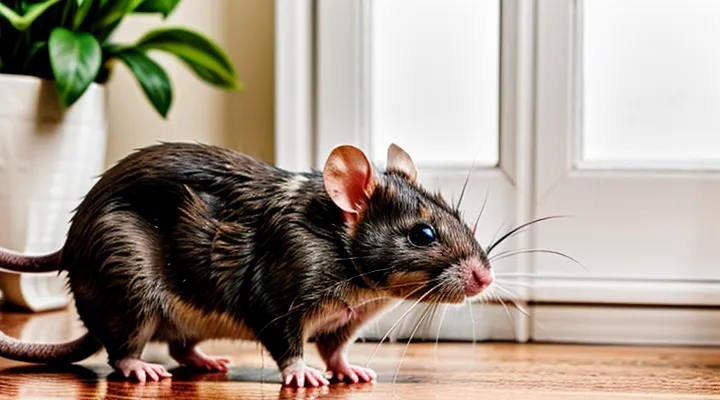
Bringing Your Rat Home
Choosing Your Rat
Where to Find a Rat
Acquiring a rat from a reputable source reduces the risk of illness and behavioral issues. Prospective owners should consider the following options:
- Licensed breeders that specialize in domesticated rats, offering health guarantees and documentation of lineage.
- Animal rescue groups or shelters that accept small mammals, often providing adoption counseling and post‑adoption support.
- Community animal‑exchange networks, such as local pet‑swap clubs, where experienced members can vouch for the health of their animals.
- Online classified platforms that list rats for sale, provided the seller supplies veterinary records and a health certificate.
- University or research facilities that release surplus rats, typically after a health screening and with appropriate paperwork.
When evaluating any source, verify that the animals have been housed in clean conditions, receive regular veterinary check‑ups, and are free from signs of disease. Documentation of a recent health assessment should be requested before finalizing the transaction.
«Responsible sourcing ensures the long‑term well‑being of a pet rat».
What to Look For
When a rat lives in a domestic setting, continuous observation of specific indicators safeguards its well‑being.
- Physical condition: smooth fur, clean eyes, intact whiskers, and absence of lesions or discharge. Any alopecia, scabs, or swelling warrants immediate veterinary consultation.
- Weight stability: regular weighing reveals under‑ or over‑nutrition; a deviation of more than 5 % of ideal body weight signals health concerns.
- Activity patterns: alert, inquisitive behavior and regular exploration indicate comfort. Lethargy, prolonged hiding, or repetitive pacing suggest pain or stress.
- Respiratory health: quiet, unobstructed breathing; audible wheezing, sneezing, or nasal discharge require prompt attention.
- Gastrointestinal signs: firm, well‑formed droppings; presence of diarrhea, blood, or mucus denotes digestive upset.
- Dental integrity: evenly worn incisors without sharp points; overgrown or misaligned teeth lead to feeding difficulty.
- Environmental cleanliness: bedding free of excess moisture, strong odors, or mold; proper ventilation prevents respiratory irritation.
- Enrichment usage: regular interaction with tunnels, wheels, and chew toys reflects mental stimulation; avoidance or destruction of objects may reveal boredom or anxiety.
Routine checks against these criteria enable early detection of health or welfare issues, fostering a thriving companion rat in the household.
Initial Setup
Cage Requirements
A suitable cage provides the foundation for a healthy rat’s environment. It must accommodate the animal’s natural activity levels and protect against injury, disease, and stress.
- Minimum floor area: 2 sq ft per rat; larger space recommended for groups.
- Height: at least 12 inches to allow climbing and vertical exploration.
- Bar spacing: ½ inch or less to prevent escape and entrapment.
- Material: solid, non‑toxic plastic or stainless steel; avoid painted wood that can splinter.
- Ventilation: ample airflow without drafts; mesh panels should be reinforced.
- Bedding: absorbent, dust‑free substrate such as paper‑based material; replace weekly.
- Enrichment: multiple levels, tunnels, and chew‑safe toys securely attached to the cage.
- Accessibility: doors large enough for safe handling and cleaning; lockable to prevent accidental openings.
- Cleaning: removable trays and smooth surfaces to facilitate thorough sanitation.
Regular inspection of the cage’s structure ensures that bars remain intact, corners stay smooth, and accessories stay secure. Proper cage design directly supports the rat’s physical health and behavioral wellbeing.
Substrate and Bedding
Choosing an appropriate substrate is fundamental for a rat’s enclosure. The material must provide a comfortable footing, support natural digging behavior, and contribute to a healthy environment.
Recommended substrates include:
- Paper‑based bedding (e.g., recycled paper pellets, shredded paper)
- Aspen shavings, untreated and dust‑free
- Coconut fiber (coir) blocks, pre‑moistened for stability
- Hemp or flax fiber mats, cut to cage dimensions
Each option offers high absorbency, low dust production, and safe chewability. Avoid pine or cedar shavings, which release aromatic oils harmful to respiratory systems.
Effective bedding management involves several steps. First, remove soiled sections daily to reduce ammonia buildup. Second, replace the entire bedding layer every one to two weeks, depending on cage size and usage. Third, wash reusable bedding (e.g., coir blocks) in hot water, rinse thoroughly, and allow complete drying before reuse.
Safety considerations require that all chosen materials be free of chemicals, pesticides, or sharp fragments. Verify that bedding pieces are appropriately sized to prevent ingestion of large particles, which could cause gastrointestinal blockage.
Regular monitoring of substrate condition—checking for excessive moisture, clumping, or foul odor—ensures a hygienic habitat and promotes the well‑being of the pet rat.
Food and Water
Providing a balanced diet and clean water are essential for a healthy domestic rat.
Commercial rat pellets formulated for rodents supply the necessary protein, fat, fiber, vitamins, and minerals. A daily portion should match the rat’s weight and activity level; typically, ¼ to ½ cup of pellets per adult rat is sufficient.
Fresh vegetables add variety and hydration. Suitable options include carrots, broccoli, kale, and bell peppers. Offer small, bite‑size pieces once or twice daily, removing uneaten portions after a few hours to prevent spoilage.
Limited fruit serves as an occasional treat because of its sugar content. Suitable fruits are apple (seedless), blueberries, and banana; provide no more than a teaspoon per rat per week.
Protein supplements, such as cooked egg white, plain boiled chicken, or mealworms, may be offered once weekly for enrichment.
Water must be available at all times in a sturdy bottle with a metal drinking tube to avoid contamination. Clean the bottle and replace the water daily; sterilize the bottle weekly with hot, soapy water and rinse thoroughly.
Avoid foods that are toxic or cause digestive upset: chocolate, caffeine, alcohol, raw beans, onions, garlic, and high‑fat processed snacks.
Monitor intake by observing the rat’s eating habits and checking for leftover food. Consistent consumption patterns indicate proper nutrition, while reduced appetite may signal health issues requiring veterinary attention.
Daily Care and Maintenance
Feeding Your Rat
Essential Diet
A balanced diet is critical for the health and longevity of a domestic rat. Nutritional requirements include adequate protein, moderate carbohydrates, low fat, and essential vitamins and minerals.
Protein sources should constitute roughly 20‑25 % of the total caloric intake. Appropriate options are cooked chicken, boiled eggs, and commercial rat pellets formulated with high‑quality animal protein. Carbohydrate provision comes from whole grains such as oats, barley, and brown rice, while fresh vegetables add fiber and micronutrients. Fat intake must remain below 5 % of calories; small amounts of unsalted nuts or seeds can supply essential fatty acids without excess.
Recommended food items:
- Commercial rat pellets (complete, nutritionally balanced)
- Cooked lean meats (chicken, turkey) – small, bite‑size pieces
- Hard‑boiled egg – occasional supplement
- Fresh vegetables (broccoli, kale, carrots, bell pepper) – washed, cut into manageable pieces
- Whole grains (oats, barley) – uncooked, measured portions
- Small quantities of unsalted nuts or seeds (sunflower, pumpkin) – limited to prevent obesity
- Fresh water – continuously available, changed daily
Feeding schedule should include two to three meals per day, with portions adjusted to maintain a lean body condition. Avoid sugary treats, processed human foods, and foods toxic to rodents such as chocolate, caffeine, and raw beans. Monitor weight and coat condition regularly; any sudden changes may indicate dietary imbalance.
«A rat’s diet must be varied, nutritionally complete, and free from harmful substances». Adhering to these guidelines supports optimal growth, immune function, and overall well‑being.
Approved Treats
Approved treats for pet rats provide essential variety while maintaining nutritional balance.
Treats must meet three criteria: low sugar content, high fiber, and absence of toxic compounds such as chocolate, caffeine, or raw beans.
Safe options include:
- Fresh vegetables: carrots, broccoli florets, cucumber, bell pepper.
- Fresh fruits in moderation: apple slices (seedless), blueberries, strawberries.
- Whole grains: plain oatmeal, cooked brown rice, whole‑grain pasta.
- Protein sources: boiled egg white, plain cooked chicken, mealworms (commercially raised).
- Commercial rat treats that list natural ingredients without added sugars or artificial flavors.
Portion recommendations: limit treats to no more than 5 % of daily caloric intake; a single bite‑size piece per day suffices for most adult rats. Younger rats may require smaller portions.
Store treats in airtight containers in the refrigerator and discard any that become moldy or overly soft. Fresh produce should be washed thoroughly before offering.
Consistent use of approved treats supports oral health and mental stimulation without compromising dietary stability.
Foods to Avoid
Pet rats require a diet that excludes several common foods because those items can cause digestive distress, nutritional deficiencies, or toxic reactions.
- Citrus fruits (oranges, lemons, limes) – high acidity damages enamel and may lead to stomach upset.
- Chocolate and caffeinated products – contain theobromine and caffeine, both toxic to rodents.
- Raw or undercooked beans – contain lectins that interfere with nutrient absorption and can cause severe gastrointestinal irritation.
- Dairy items – rats lack sufficient lactase; milk and cheese often result in diarrhea.
- Processed salty snacks (chips, pretzels) – excessive sodium strains kidneys and promotes dehydration.
- Sugary treats (candies, soda) – rapid blood‑sugar spikes increase risk of obesity and dental problems.
- Avocado flesh and pits – persin, a fatty acid, is poisonous to many small mammals.
- Onion, garlic, and related Allium species – compounds damage red blood cells, leading to hemolytic anemia.
- Fruit seeds and pits (apple, peach, plum) – contain cyanogenic glycosides that release cyanide when metabolized.
- High‑fat meats (bacon, sausage) – saturated fat overload can cause liver strain and weight gain.
Providing a balanced diet of commercial rat pellets, fresh vegetables, and limited whole‑grain grains eliminates the need for these hazardous foods. Regularly reviewing ingredient lists ensures that hidden sources of sugar, salt, or toxic additives are not inadvertently introduced.
Cage Cleaning
Daily Spot Cleaning
Daily spot cleaning maintains a healthy environment for a pet rat, reduces the risk of respiratory problems, and prevents the buildup of waste that can attract pests.
- Remove any soiled bedding or droppings from the cage floor.
- Clean and refill the food dish with fresh pellets or fresh foods.
- Empty, rinse, and refill the water bottle with fresh water; inspect the bottle for cracks.
- Wipe down cage walls, bars, and accessories with a damp cloth soaked in mild, unscented soap.
- Disinfect high‑contact surfaces with a diluted solution of white vinegar (1 part vinegar to 4 parts water) or a rodent‑safe sanitizer; rinse thoroughly.
Perform these steps each day, using disposable paper towels or dedicated cleaning cloths to avoid cross‑contamination. Replace a portion of the bedding nightly to keep the substrate dry and odor‑free, while preserving enough material for nesting behavior. Avoid abrasive scrubbers and scented cleaners, as they can irritate the rat’s sensitive respiratory system.
Consistent daily spot cleaning, combined with periodic deep cleaning, creates a stable, hygienic habitat that supports the rat’s well‑being and longevity.
Weekly Deep Cleaning
Weekly deep cleaning is essential for maintaining a healthy environment for a domesticated rat. The process removes accumulated waste, prevents bacterial growth, and reduces odors that can affect respiratory health.
Key actions performed each week include:
- Emptying the cage completely and discarding all bedding.
- Washing the cage, water bottle, food dish, and accessories with hot water (minimum 60 °C) and a pet‑safe detergent.
- Rinsing thoroughly to eliminate any soap residue.
- Disinfecting surfaces with a diluted vinegar solution (1 part vinegar to 4 parts water) or an approved pet‑safe sanitizer; allow a contact time of five minutes before rinsing.
- Drying all items with a clean towel or allowing air‑drying in a well‑ventilated area.
- Replacing bedding with fresh, absorbent material and reassembling the cage.
After cleaning, inspect the cage for damage, ensure all hardware is securely fastened, and verify that the water bottle functions properly. Regular deep cleaning, combined with daily spot cleaning, supports optimal hygiene and promotes the well‑being of the pet rat.
Socialization and Play
Handling Your Rat
Handling a pet rat requires calm movements, consistent routine, and respect for the animal’s natural instincts. A rat that feels secure will cooperate, allowing routine health checks, grooming, and social interaction.
Before any contact, ensure the cage is secure and the rat is not startled. Wash hands with mild soap, dry thoroughly, and avoid scented lotions that could irritate the animal’s sensitive skin. Provide a clean, flat surface such as a low table or a piece of fleece for the rat to step onto.
Approach the rat from the side, not from above, to reduce perceived threat. Extend a hand slowly, allowing the rat to sniff and become familiar with the scent. When the rat shows interest, gently cup the hands around its torso, supporting the hindquarters with one hand and the chest with the other. Avoid gripping the tail; a tail is fragile and essential for balance.
Key handling steps:
- Secure the cage door and place a soft mat nearby.
- Offer a treat to encourage voluntary movement onto the hand.
- Position one hand under the chest, the second hand under the hips.
- Lift smoothly, keeping the body level to prevent stress.
- Hold for a brief period (10‑20 seconds) before returning the rat to the cage.
Observe the rat’s behavior for stress indicators: rapid breathing, vocalizations, frantic attempts to escape, or a sudden freeze. If any sign appears, lower the rat immediately, allow it to retreat, and postpone further handling until the animal calms.
After handling, clean the hands and disinfect any surfaces the rat contacted. Replace bedding if it becomes soiled, and provide fresh water and food. Consistent, gentle handling builds trust, reduces fear, and promotes a healthy, sociable companion. «Never grab a rat by the tail» – a simple rule that protects both the animal and the handler.
Enrichment Activities
Enrichment is essential for maintaining the physical health and mental acuity of a domesticated rat. A stimulating environment reduces stress, encourages natural behaviors, and prevents the development of stereotypies.
- Provide a varied selection of chewable items such as untreated wood blocks, cardboard tubes, and natural twine.
- Install climbing structures, including rope ladders, low platforms, and PVC tunnels, to promote agility and exploration.
- Offer foraging opportunities by hiding small portions of grain, fruits, or vegetables within paper rolls or puzzle feeders.
- Rotate toys and accessories weekly to sustain novelty and prevent habituation.
- Incorporate safe, non‑toxic scents like lavender or chamomile on cloth strips to engage the olfactory sense.
Regular observation of activity patterns identifies preferences and potential issues. Adjust the enrichment schedule based on individual response, ensuring that each item remains clean, secure, and appropriate for the rat’s size. Consistent variation and proper maintenance support a thriving, content companion in a home setting.
Introducing New Rats
Introducing a new rat into an established group requires a systematic approach to prevent stress and aggression. A brief quarantine period of at least two weeks allows observation for illness and reduces the risk of pathogen transmission. During quarantine, provide a separate cage with identical bedding, food, and enrichment to maintain consistent conditions.
Key steps for successful integration:
- Conduct a health assessment: examine eyes, nose, fur, and behavior for signs of illness.
- Perform scent exchange: swap small amounts of bedding between cages daily for three days.
- Arrange neutral meeting space: use a clean, unfamiliar enclosure where neither rat has claimed territory.
- Supervise initial interactions: limit sessions to 10‑15 minutes, observing body language such as grooming, play, and avoidance.
- Gradually increase contact time: extend sessions while monitoring for mounting, biting, or excessive vocalization.
- Return to home cage only after harmonious behavior is evident for several consecutive meetings.
Continuous observation after full integration remains essential. Record any recurring aggression and intervene by re‑isolating the individuals if necessary. Adjust cage layout by adding multiple hideouts and feeding stations to minimize competition. Successful introductions result in a cohesive colony with reduced stress and improved overall health.
Health and Wellness
Common Health Issues
Respiratory Problems
Respiratory problems are a common health concern for domestic rats and require prompt attention. Early identification relies on observing specific clinical signs.
- Nasal discharge, clear or purulent
- Labored breathing, audible wheezing or rattling
- Sneezing episodes, frequent or prolonged
- Reduced activity, loss of appetite
Environmental factors often precipitate these conditions. Poor ventilation, high humidity, and exposure to dust or strong odors increase the risk of infections and allergic reactions. Maintaining a clean cage, using low‑dust bedding, and providing fresh air circulation mitigate the threat.
Nutritional support enhances immune function. A balanced diet rich in protein, vitamins A and C, and adequate hydration strengthens the respiratory system. Supplements should be introduced only under veterinary guidance.
When symptoms appear, veterinary evaluation is essential. Diagnostic procedures may include physical examination, radiography, and microbial cultures. Treatment protocols typically involve:
- Antibiotics targeted to identified pathogens
- Anti‑inflammatory medication to reduce airway swelling
- Supportive care such as humidified environments and gentle warming
Follow‑up appointments verify recovery and adjust therapy if needed. Preventive measures, including regular cage cleaning, safe handling practices, and routine health checks, reduce the likelihood of recurrence.
Continuous monitoring of breathing patterns and environmental conditions forms the foundation of effective respiratory health management for pet rats.
Skin Conditions
Pet rats are prone to several dermatological issues that require prompt identification and appropriate management. Recognizing the signs of skin disorders prevents secondary infections and supports overall health.
Common skin conditions include:
- Dermatitis – inflammation manifested by redness, swelling, and crusting; often triggered by allergens, irritants, or ectoparasites.
- Mites (e.g., Myobia spp.) – cause intense itching, hair loss, and scaly patches; diagnosis confirmed by microscopic examination of skin scrapings.
- Fungal infections (dermatophytosis) – present as circular, alopecic lesions with scaling; transmission may occur from contaminated bedding or other rodents.
- Bacterial skin infections – develop after trauma or mite bites; characterized by purulent discharge, ulceration, and odor.
- Dry, flaky skin (seborrhea) – associated with nutritional deficiencies, low humidity, or underlying endocrine disorders.
Effective care strategies:
- Environmental control – maintain clean cages, replace bedding regularly, and ensure adequate ventilation to reduce humidity fluctuations.
- Nutritional support – provide a balanced diet rich in essential fatty acids and vitamins A, E, and D, which contribute to epidermal integrity.
- Regular inspections – examine the coat and skin during routine handling; note any changes in texture, color, or hair loss.
- Prompt treatment – apply veterinarian‑prescribed topical or systemic medications based on the specific diagnosis; avoid over‑the‑counter products lacking veterinary guidance.
- Parasite prevention – implement a schedule for mite control using approved acaricides; monitor for re‑infestation after treatment.
Monitoring skin health is a critical component of responsible home care for pet rats. Early detection combined with targeted intervention sustains a comfortable environment and minimizes the risk of systemic complications.
Tumors
Tumors in domestic rats represent abnormal cell growth that can be benign or malignant. Common types include mammary adenomas, fibrosarcomas, and lymphoma. Early detection relies on regular observation of the animal’s physical condition.
Signs to monitor:
- Visible masses under the skin or within the abdomen
- Rapid weight loss despite adequate food intake
- Lethargy, reduced activity, or reluctance to move
- Changes in grooming behavior or hair loss over a specific area
Diagnosis typically involves a veterinary examination, followed by imaging techniques such as radiography or ultrasound. Fine‑needle aspiration or biopsy provides definitive tissue identification. Pathology reports distinguish between non‑cancerous growths, which may be surgically removed without further treatment, and malignant tumors that often require additional therapy.
Treatment options:
- Surgical excision of localized masses, performed under general anesthesia with appropriate analgesia
- Chemotherapy protocols for aggressive cancers, administered according to veterinary oncology guidelines
- Palliative care, including pain management and nutritional support, when curative treatment is not feasible
Preventive measures focus on minimizing risk factors. Maintaining a balanced diet low in excessive fats, providing a stress‑free environment, and ensuring routine health checks reduce the likelihood of tumor development. Genetic predisposition can influence incidence; breeders should avoid propagating individuals with a known history of neoplasia.
Owners should seek veterinary assessment promptly when any abnormal swelling or behavioral change is observed. Timely intervention improves prognosis and supports the overall well‑being of the pet rat.
Recognizing Symptoms
Recognizing early signs of disease enables timely veterinary intervention and supports the well‑being of a household rat.
Typical indicators of health problems include:
- Decreased food or water intake lasting more than 24 hours.
- Noticeable weight loss or a thin, bony appearance.
- Dull, ragged, or uneven fur, especially around the abdomen and tail.
- Labored breathing, wheezing, or nasal discharge.
- Lethargy, reduced activity, or reluctance to explore familiar environments.
- Persistent scratching, skin lesions, or excessive grooming.
- Unusual stool consistency, presence of blood, or diarrhea.
- Swelling of the eyes, ears, or limbs, and any visible lumps.
Behavioral changes often precede physical symptoms; a normally curious rat that becomes withdrawn or aggressive may be experiencing discomfort.
Regular monitoring of weight, food consumption, and grooming habits creates a baseline for comparison. Any deviation from established patterns warrants immediate assessment by a qualified veterinarian.
Prompt detection reduces the risk of complications and promotes recovery, reinforcing responsible pet ownership.
When to See a Vet
Recognizing when a pet rat requires professional medical attention is essential for maintaining health. Sudden changes in behavior, such as lethargy, loss of appetite, or altered grooming habits, indicate possible illness. Respiratory distress, characterized by noisy breathing, wheezing, or nasal discharge, demands immediate assessment. Unexplained weight loss or a visibly bloated abdomen also signal underlying problems.
Visible injuries, including cuts, bruises, or broken limbs, should be examined promptly. Persistent diarrhea, blood in feces, or abnormal urine output are signs of gastrointestinal or urinary issues that warrant veterinary care. Signs of pain, such as teeth grinding, hunching, or reluctance to move, require professional evaluation.
Key indicators for a veterinary visit:
- Persistent sneezing, coughing, or labored breathing
- Swelling around the eyes, ears, or limbs
- Fever, identified by a temperature above 101 °F (38.3 °C) measured rectally
- Severe or chronic skin lesions, including abscesses or ulcers
- Sudden loss of coordination or seizures
Timely intervention improves outcomes and reduces the risk of complications. Regular health checks, even in the absence of symptoms, support early detection of subclinical conditions.
Advanced Rat Care
Training Your Rat
Litter Training
Litter training is essential for maintaining a clean living environment and preventing health issues in a domesticated rat. Properly trained rats use designated areas, reducing substrate spread and minimizing odor.
Choosing appropriate litter material influences success. Ideal options are dust‑free, absorbent, and non‑toxic, such as shredded paper, aspen shavings, or specially formulated rodent litter. Avoid cedar or pine, which contain aromatic oils harmful to respiratory systems.
The litter zone should be positioned in a quiet corner of the cage, away from food and water sources. A shallow tray or a corner lined with a few centimeters of litter provides a clear, accessible surface. Ensure the area is large enough for the rat to move comfortably, typically 10–15 cm in depth.
Training steps:
- Observe natural elimination habits; rats often select a corner when they need to relieve themselves.
- Place a small amount of litter in the preferred corner, reinforcing the choice.
- After each elimination, gently relocate the droppings onto the litter to create an association.
- Reward the rat with a brief treat or gentle petting immediately after using the litter, establishing positive reinforcement.
- Repeat the process consistently for several days, gradually expanding the litter coverage.
Regular maintenance preserves effectiveness. Remove soiled litter daily, replace with fresh material weekly, and clean the tray with mild, unscented soap. If accidents increase, reassess litter type, placement, or stress factors such as cage overcrowding or sudden environmental changes.
Consistent application of these practices results in reliable litter use, promoting hygiene and overall well‑being for the pet rat.
Trick Training
Trick training enriches a rat’s daily routine, providing mental stimulation and strengthening the bond between animal and caretaker. Structured sessions prevent boredom, reduce stress‑related behaviors, and enhance overall welfare.
A safe training area must be free of gaps, wires, and clutter. A lightweight harness designed for small rodents offers control without restricting movement. Consistent lighting and a quiet environment improve focus during practice.
Positive reinforcement drives learning. Preferred treats—small pieces of fresh fruit, cooked egg, or specially formulated rodent rewards—should be offered immediately after the desired action. A clear cue word or hand signal paired with the reward creates an association that the rat can replicate.
Typical progression of tricks includes:
- Target touch – the rat contacts a fingertip or small object on cue.
- Spin – a gentle hand motion guides the rat to rotate 360 degrees.
- Jump through a hoop – a low, flexible hoop placed on the floor encourages the rat to pass through.
- Retrieve a small item – the rat picks up a lightweight bead and brings it to the handler.
Each step begins with short, five‑minute sessions performed several times daily. Repetition solidifies the behavior; premature advancement often leads to confusion.
«Rats thrive on mental challenges», notes a leading rodent behaviorist. When a rat shows hesitation, reduce the difficulty, increase reward value, or extend the acclimation period. Consistency in cues, timing, and reward delivery prevents regression and promotes reliable performance.
Understanding Rat Behavior
Body Language
Rats communicate primarily through subtle physical signals. Recognizing these cues enables effective supervision and promotes welfare in a domestic setting.
A relaxed rat displays a smooth coat, bright eyes, and a calm posture. The body rests evenly on all four limbs, and the tail lies loosely alongside the spine. When exploring, the animal may pause briefly, sniff the environment, and then proceed with deliberate, low‑amplitude steps.
Signs of discomfort or stress appear as tightened muscles, a rigid spine, and a tail that arches or flicks rapidly. The rat may lift its forepaws, flatten its ears against the head, and emit short, sharp vocalizations. A sudden freeze, accompanied by wide‑open eyes, often precedes a defensive response such as a rapid bite or a swift retreat.
Positive social interaction includes:
- Gentle grooming of a companion, indicated by slow, rhythmic licking motions.
- Playful chasing with light, non‑aggressive bites, signaled by a relaxed tail and a relaxed, slightly elevated posture.
- Mutual nesting, where rats curl around each other with bodies intertwined, showing a soft, relaxed tail and slow breathing.
Monitoring these behaviors provides clear guidance for adjusting enclosure conditions, handling techniques, and enrichment provision. Prompt response to stress signals—such as reducing noise, providing hiding spaces, or modifying handling—prevents escalation and supports long‑term health.
Vocalizations
Rats communicate through a range of vocal sounds that convey emotional states and intentions. Recognizing these signals is essential for maintaining a healthy environment and preventing stress‑related issues.
Common vocalizations include:
- Squeaks of high pitch – indicate excitement, curiosity, or a request for attention.
- Short, sharp chirps – signal mild alarm or a brief disturbance in the surroundings.
- Low, guttural growls – express discomfort, irritation, or a warning against perceived threats.
- Soft, rhythmic purring – occur during grooming or when the animal feels secure and content.
Each sound corresponds to specific behavior patterns. For example, a sudden high‑frequency squeak followed by rapid movement often precedes exploratory activity, while a persistent low growl may require immediate assessment of cage conditions, such as temperature, space, or the presence of aggressive companions.
Monitoring vocal patterns enables timely interventions. Adjustments to diet, enrichment, or social grouping should be based on observed changes in vocal output. Consistent documentation of sounds and associated contexts creates a reliable reference for future health evaluations.
Understanding rat vocalizations enhances the quality of care, reduces the risk of misinterpretation, and supports a stable, harmonious living situation for the pet.
Long-Term Considerations
Lifespan Expectancy
Pet rats typically live between two and three years, with some individuals reaching four years under optimal conditions. Longevity depends on genetics, nutrition, housing, and veterinary care.
Genetic factors set the baseline lifespan. Inbreeding or hereditary disorders can shorten life expectancy, while outbred lines often display greater vitality.
Nutrition directly influences health. Balanced diets that include high‑quality rodent pellets, fresh vegetables, and limited treats provide essential vitamins and minerals. Water must be clean and constantly available.
Housing conditions affect stress levels and disease risk. Enclosures should allow ample space for movement, include safe bedding, and maintain a stable temperature of 68–78 °F (20–26 °C). Regular cleaning reduces pathogen load.
Preventive veterinary care extends life. Routine health checks detect respiratory infections, tumors, and dental problems early. Vaccinations are unavailable, so hygiene and prompt treatment remain critical.
Environmental enrichment promotes mental well‑being, reducing chronic stress that can impair immune function. Toys, tunnels, and opportunities for foraging encourage natural behaviors.
Summarized factors influencing rat lifespan:
- Genetic background and breeding practices
- Quality and consistency of diet
- Clean, spacious, temperature‑controlled housing
- Regular veterinary examinations and prompt illness management
- Enrichment that mitigates stress
Monitoring these elements enables owners to maximize the expected lifespan of their companion rodents.
End-of-Life Care
End‑of‑life care for a pet rat requires preparation, comfort, and humane practices.
Assess the rat’s condition daily. Record changes in appetite, mobility, and breathing. When signs of severe distress appear—such as persistent lethargy, inability to eat, or labored respiration—consult a veterinarian promptly to confirm the need for palliative measures or euthanasia.
Provide a warm, quiet enclosure. Use a soft bedding material that stays dry; replace soiled sections frequently to prevent skin irritation. Maintain ambient temperature between 22 °C and 25 °C, avoiding drafts.
Offer easily digestible foods. Place small portions of moistened pellets, soft fruits, or baby food on the cage floor. Ensure water is available in a shallow dish to prevent choking.
Administer pain relief only under veterinary guidance. Dosage adjustments must consider the rat’s weight and health status. Monitor for adverse reactions and document any observations.
Maintain hygiene. Clean the cage daily, disinfect surfaces with a mild, rat‑safe solution, and wash hands before and after handling the animal to reduce infection risk.
When the time arrives for euthanasia, choose a method approved by veterinary professionals. Follow the procedure with calmness and respect, allowing the rat to pass without unnecessary stress. Afterward, handle the body according to personal or cultural preferences—options include burial in a suitable location or cremation.
By adhering to these steps, caregivers ensure a dignified, compassionate conclusion to their rat’s life.