
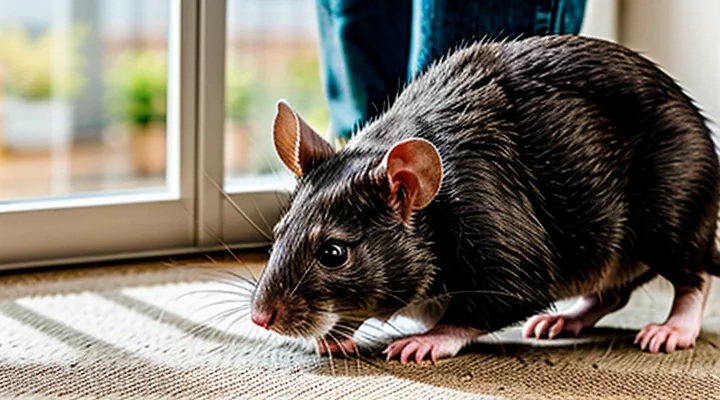
Understanding Your Pet Rat
The Basics of Rat Care
Lifespan and General Characteristics
Domestic rats typically live three to five years when provided with appropriate nutrition, environmental enrichment, and veterinary oversight. Longevity can be extended by preventing common respiratory infections, maintaining stable temperature, and avoiding exposure to toxic substances. Early detection of health issues, such as tumors or dental problems, contributes significantly to lifespan maximization.
Key attributes of pet rats include:
- Body length ≈ 20 – 25 cm; weight ≈ 250 – 500 g, varying by strain.
- Highly social; require companionship of at least one conspecific to reduce stress.
- Advanced problem‑solving abilities; respond positively to interactive toys and maze challenges.
- Nocturnal activity pattern; most active during twilight hours.
- Omnivorous diet; need balanced mix of pellets, fresh vegetables, and occasional protein sources.
- Rapid reproductive cycle; females can produce litters every 4–5 weeks, influencing population management.
- Sensitive to environmental changes; drafts, extreme heat, or sudden lighting shifts may trigger respiratory distress.
Understanding these lifespan parameters and intrinsic traits forms the foundation for effective rat husbandry and long‑term wellbeing.
Why Rats Make Good Pets
Rats offer companionship that rivals many traditional household animals. Their intelligence enables rapid learning of simple commands, making interaction rewarding for owners. Social nature drives them to form strong bonds with humans, resulting in frequent affection and engagement.
Key advantages include:
- Affordability – low purchase price, modest food costs, and inexpensive housing requirements.
- Space efficiency – thrive in compact cages; suitable for apartments and small homes.
- Low maintenance – routine cleaning and balanced diet sustain health without extensive grooming.
- Longevity – average lifespan of 2–3 years provides a meaningful period for attachment.
- Observational enrichment – curiosity leads rats to explore toys and puzzles, encouraging mental stimulation.
- Hypoallergenic potential – produce fewer dander particles than cats or dogs, reducing allergy risks for some individuals.
Their quick maturation allows owners to witness developmental milestones within weeks, fostering educational opportunities about animal behavior and responsibility. Proper feeding, regular health checks, and environmental enrichment ensure these benefits persist, reinforcing the suitability of rats as domestic companions.
Creating a Healthy Environment
Housing Requirements
Cage Size and Type
A suitable cage is fundamental for a healthy pet rat. Minimum floor space should allow each adult rat at least 0.5 square feet (≈0.05 m²). For a pair, provide 1 square foot (≈0.09 m²); larger groups require proportionally more area. Recommended dimensions for a two‑rat enclosure are 24 in × 24 in × 12 in (60 cm × 60 cm × 30 cm) or larger. When space permits, opt for a floor area of 30 in × 30 in or more, with a height of at least 12 in to accommodate climbing structures.
Key considerations for cage type:
- Material: Solid plastic or stainless‑steel frames resist rust and are easy to clean. Wire cages must feature a fine mesh (≤¼ in or 6 mm) to prevent escapes and injuries.
- Floor: Solid, non‑slippery surfaces prevent foot sores. Wire floors are unsuitable unless covered with a solid platform.
- Ventilation: Adequate airflow reduces humidity and odor buildup. Mesh sides or a vented lid provide circulation without compromising security.
- Accessibility: Large doors or removable panels enable routine cleaning and safe handling of the rats.
- Modularity: Interlocking panels allow expansion as the colony grows or as enrichment items are added.
Enclosures designed for small rodents, such as rabbit or hamster cages, often lack the necessary floor space or structural strength for rats. Avoid cages with narrow bars, sharp edges, or exposed metal that can cause injuries. When selecting a cage, prioritize durability, ease of disassembly, and the ability to accommodate bedding, hideouts, and exercise wheels without crowding.
Bedding Choices and Safety
Choosing appropriate bedding directly affects a rat’s respiratory health, comfort, and hygiene. Low‑dust, absorbent substrates reduce the risk of airway irritation while providing a soft surface for nesting.
- Paper‑based bedding (e.g., shredded paper, cellulose pads) – minimal dust, high absorbency, biodegradable; unsuitable if rats chew excessively, as fragments can cause blockage.
- Aspen shavings – low resin content, moderate dust, good odor control; avoid pine or cedar because aromatic oils irritate the respiratory tract.
- Hemp or coconut fiber – excellent absorbency, natural fibers; monitor for excess splintering that could damage teeth.
- Fleece liners – reusable, zero dust, easy to wash; require regular laundering to prevent bacterial buildup.
Select bedding that meets three safety criteria: (1) dust production below 5 mg/m³, (2) absence of volatile organic compounds, (3) structural integrity that resists excessive chewing or ingestion. Conduct periodic visual inspections for mold, clumping, or foreign objects.
Replace soiled bedding at least twice weekly; increase frequency during warm months or when odor intensifies. Remove all waste before adding fresh substrate, and clean the cage with a mild, unscented detergent followed by thorough rinsing. Store unused bedding in a sealed container to protect it from moisture and pests.
Consistent monitoring of the rat’s behavior and respiratory condition confirms that the chosen bedding remains safe and comfortable. Adjust material or cleaning schedule promptly if signs of irritation or excessive droppings appear.
Cage Location Considerations
When choosing a spot for a rat’s cage, prioritize stable temperature, low stress, and safety. Extreme heat or drafts can disrupt the animal’s body‑temperature regulation, leading to respiratory problems and reduced activity. Position the enclosure away from direct sunlight, heating vents, and air‑conditioner outlets to maintain a consistent ambient range of 18‑24 °C (65‑75 °F).
Noise and visual disturbances affect a rat’s nervous system. Place the cage in a quiet area of the home, preferably on a solid surface rather than a wobbly table. Avoid locations near televisions, loud appliances, or high‑traffic corridors. A calm environment encourages natural foraging and social behavior, reducing the likelihood of anxiety‑related grooming or aggression.
Security considerations prevent accidental escape and protect the rat from household hazards. Ensure the cage is on a stable platform that cannot be tipped over by curious pets or children. Keep the enclosure away from cords, toxic plants, and cleaning chemicals. If the cage is near a window, install a secure screen to block drafts and potential predators.
Key factors for optimal placement:
- Consistent, moderate temperature without direct sunlight or drafts.
- Minimal ambient noise and visual traffic.
- Stable, level surface resistant to tipping.
- Distance from hazardous items (electrical cords, chemicals, toxic flora).
- Accessibility for daily care while remaining out of reach of non‑targeted household members.
By adhering to these guidelines, the cage will provide a secure, comfortable, and stress‑free habitat that supports the rat’s health and longevity.
Enrichment and Stimulation
Toys and Play
Providing appropriate toys is a fundamental component of a pet rat’s routine. Enrichment supports dental health, encourages natural foraging behavior, and reduces stress‑induced aggression. Regular play also promotes cardiovascular fitness by motivating climbing and running activities.
- Chew items: untreated hardwood blocks, natural pine sticks, cardboard tubes.
- Tunnels and tubes: PVC pipe (smooth interior, no sharp edges) or commercial plastic tunnels designed for small rodents.
- Climbing structures: sturdy wooden ladders, rope bridges, or woven sisal ropes.
- Puzzle feeders: hollow balls with removable caps, treat‑dispensing tubes, or DIY containers with small openings.
- Interactive toys: small balls, lightweight mirrors, or safe plastic toys that roll when nudged.
Selection criteria focus on safety and suitability. Materials must be non‑toxic, free of paints or sealants, and sized to prevent accidental ingestion. Toys should be sturdy enough to withstand gnawing yet light enough for the rat to move them. Rotate items weekly to maintain novelty and prevent habituation. Clean reusable toys with warm water and mild detergent; discard heavily worn or damaged pieces promptly.
Integrating a varied toy schedule into daily care routines enhances a rat’s quality of life and aligns with best practices for domestic rodent ownership.
Socialization with Owners
Socialization enables a pet rat to recognize its human caregiver as a source of safety and companionship. Regular, positive contact reduces fear responses and encourages exploratory behavior within the home environment.
Begin with a confined, quiet space where the rat can observe the owner without direct pressure. Place a hand near the cage opening, allowing the animal to approach at its own pace. Once the rat shows curiosity, gently scoop it using both hands, supporting the body to prevent injury. Keep the initial handling session brief—no longer than one to two minutes—to avoid overwhelming the animal.
Maintain a consistent interaction schedule. Recommended routine:
- Two to three short handling periods per day.
- Offer a favorite treat during each session to create an association between the owner’s presence and reward.
- Speak in a calm, low tone while the rat is being held.
Trust builds through predictable cues. Before each handling, allow the rat to sniff the owner’s hands and clothing. Use slow, deliberate movements; abrupt gestures trigger stress. Consistency in the time of day and handling technique reinforces the rat’s sense of security.
Monitor the rat’s body language for signs of progress: relaxed posture, gentle grooming of the hands, and willingness to approach without prompting indicate successful socialization. Persistent avoidance, frantic scratching, or vocal distress suggest the need to reduce session length and increase the interval between interactions before resuming gradual contact.
Interaction with Other Rats
Rats are inherently social animals; solitary housing can lead to stress, aggression, and health problems. Pairing or grouping compatible individuals promotes natural behaviors, reduces loneliness, and stabilizes the immune system.
When introducing new rats, follow a structured protocol:
- Quarantine each newcomer for at least two weeks to monitor health and prevent disease transmission.
- Neutral arena: Conduct the first encounter in a clean, neutral cage without familiar scents.
- Short sessions: Begin with five‑minute interactions, observing body language such as grooming, nose‑to‑nose contact, and relaxed posture.
- Gradual extension: Increase exposure time by five minutes daily if behavior remains calm.
- Separate resources: Provide multiple food bowls, water bottles, and hiding spots to avoid competition.
- Monitor hierarchy: Watch for dominant postures (standing tall, tail up) and submissive signals (crouching, tail down). Intervene only when severe fighting occurs.
Maintain stable group composition; frequent changes disrupt social bonds and increase stress. Provide enrichment—tunnels, chew toys, climbing structures—to occupy attention and encourage cooperative play. Regular health checks should include observation of coat condition, weight, and activity level, as these indicate whether social dynamics are healthy.
If aggression persists despite careful introductions, consider re‑evaluating compatibility based on age, sex, and temperament. In some cases, a single rat may thrive better with a human caretaker rather than conspecifics, provided ample interaction and mental stimulation are supplied.
Nutrition and Diet
Essential Dietary Components
Commercial Rat Food
Commercial rat food is formulated to meet the specific dietary requirements of domesticated rats. It provides a consistent source of protein, fiber, vitamins, and minerals essential for growth, reproduction, and overall health.
- Protein content of 18–22 % supports muscle development and tissue repair.
- Fiber level of 4–6 % promotes gastrointestinal motility and dental wear.
- Added vitamin A, D3, E, and B‑complex prevent deficiencies that can lead to skin, bone, and metabolic disorders.
- Calcium‑phosphorus ratio of approximately 1.2 : 1 maintains skeletal integrity and prevents urinary calculi.
- Absence of artificial colors, flavors, and excess sugars reduces risk of obesity and digestive upset.
- Grain‑free or low‑grain formulations cater to rats with gluten sensitivity.
Store commercial rat food in a cool, dry place; seal the container after each use to preserve nutrient stability. Replace any product that shows signs of moisture, mold, or rancidity.
When introducing a new brand, transition over 5–7 days by gradually increasing the proportion of the new mix while decreasing the old. Observe appetite, stool consistency, and coat condition; adjust the diet if adverse signs appear.
Supplement the base diet with occasional fresh vegetables, limited fruit, and a small amount of protein treats to diversify nutrition and encourage natural foraging behavior.
Fresh Fruits and Vegetables
Fresh fruits and vegetables provide essential vitamins, minerals, and fiber that support a pet rat’s immune system, dental health, and digestive function. Incorporating a variety of produce into the diet prevents nutritional deficiencies and encourages natural foraging behavior.
- Safe fruits: apple (core removed), banana (small pieces), blueberries, strawberries, kiwi, mango, pear (seedless), watermelon (seedless). Offer no more than one to two teaspoons per day to avoid excess sugar.
- Safe vegetables: broccoli florets, carrots (grated), cucumber, bell pepper, kale, spinach, zucchini, peas. Limit leafy greens to a few teaspoons daily to prevent calcium overload.
Preparation guidelines:
- Wash all produce thoroughly to eliminate pesticide residues.
- Remove pits, seeds, stems, and skins that may cause choking or toxicity.
- Cut into bite‑size pieces suitable for a rat’s small jaws.
- Introduce new items gradually, monitoring for adverse reactions.
Feeding schedule:
- Provide fresh produce once daily, preferably in the evening when rats are most active.
- Remove uneaten portions after 12 hours to prevent spoilage and bacterial growth.
- Store leftovers in airtight containers in the refrigerator for up to 48 hours.
By following these practices, owners ensure that their rats receive balanced nutrition while maintaining a clean, safe environment.
Protein Sources
Protein is a primary nutrient for domestic rats, supporting growth, tissue repair, and immune function. Adequate intake prevents muscle wasting and promotes healthy fur and skin.
- Commercial rat pellets: formulated to contain 18‑20 % protein; serve as the staple source.
- Cooked lean meats (chicken breast, turkey, lean beef): 2‑3 g per 100 g; offer high‑quality animal protein.
- Hard‑boiled eggs: one small egg supplies approximately 6 g protein; suitable as an occasional treat.
- Low‑fat cottage cheese or plain Greek yogurt: 10‑12 g protein per 100 g; provide calcium and probiotics.
- Cooked legumes (lentils, split peas): 8‑9 g protein per 100 g; introduce plant‑based amino acids, ensure thorough cooking to eliminate lectins.
- Insects (mealworms, crickets): 50‑60 % protein by dry weight; useful for enrichment and supplemental protein, offered in limited quantities.
When preparing homemade protein, avoid seasonings, salt, onion, garlic, and added fats. Introduce new items gradually, monitoring for digestive upset. Balance protein with appropriate amounts of fiber, vitamins, and minerals to maintain overall nutritional equilibrium. Regularly assess body condition; adjust protein portions if the rat becomes overweight or underweight.
Foods to Avoid
Harmful Human Foods
Pet rats are highly sensitive to many foods that humans commonly eat. Ingesting these items can cause severe gastrointestinal distress, organ damage, or death.
- Chocolate, cocoa products, and any foods containing theobromine
- Caffeine‑containing beverages, coffee, tea, energy drinks, and chocolate‑flavored snacks
- Alcoholic drinks and any dishes prepared with alcohol
- Citrus fruits in large quantities, especially orange and grapefruit peels, which can irritate the digestive tract
- Processed meats, cured sausages, and deli slices that contain high levels of salt, nitrites, or preservatives
- Raw or undercooked beans, particularly kidney beans, which hold toxic lectins
- High‑fat foods such as fried items, bacon, and fatty cuts of meat, leading to pancreatitis and obesity
- Sugary candies, gum, and foods with artificial sweeteners like xylitol, which can cause hypoglycemia
Prevent accidental consumption by storing human food out of reach, cleaning countertops after meals, and offering only rat‑specific diets or vetted safe treats. Immediate veterinary consultation is required if a rat shows signs of distress after exposure to any of the listed items.
Toxic Plants
Rats are highly curious and may chew on household greenery. Certain plants contain compounds that can cause severe illness or death in a pet rat. Recognizing and removing these hazards is a fundamental aspect of responsible rat care.
Common toxic species include:
- Oleander – cardiac glycosides disrupt heart rhythm.
- Dieffenbachia (Dumb Cane) – oxalate crystals irritate the mouth and digestive tract.
- Philodendron – similar oxalate crystals cause swelling and pain.
- Peace Lily – calcium oxalate crystals provoke oral lesions.
- Sago Palm – cycasin leads to liver failure.
- English Ivy – triterpenoid saponins cause vomiting and diarrhea.
- Pothos (Devil’s Ivy) – oxalate crystals produce oral discomfort and gastrointestinal upset.
If a rat ingests a suspect plant, follow these steps:
- Remove any remaining plant material from the cage.
- Rinse the animal’s mouth with clean water to reduce residual toxins.
- Contact a veterinarian immediately; provide the plant name and amount consumed.
- Monitor for symptoms such as drooling, lethargy, tremors, vomiting, or changes in stool.
- Keep a record of any exposure incidents for future reference.
Preventive measures are simple: keep all indoor foliage out of reach, store garden clippings in sealed containers, and opt for rat‑safe herbs such as parsley or basil when offering fresh greens. Regularly inspect the environment for stray leaves or stems that could be mistaken for toys. Maintaining a toxin‑free space reduces the risk of accidental poisoning and supports overall health.
Health and Wellness
Common Health Issues
Respiratory Problems
Respiratory problems are a common health concern for pet rats and can develop quickly if not recognized early. Typical signs include sneezing, nasal discharge, wheezing, labored breathing, and reduced activity. Observe the animal several times a day; any change in breathing pattern warrants immediate attention.
Common causes
- Bacterial infections such as Streptococcus or Klebsiella species.
- Viral agents, notably Sendai virus, which spreads rapidly in crowded environments.
- Poor air quality: high ammonia levels from soiled bedding, dust from wood shavings, or inadequate ventilation.
- Cold temperatures and sudden drafts that irritate the airway lining.
Preventive measures
- Keep the cage clean; replace bedding at least twice weekly and spot‑clean daily.
- Choose low‑dust bedding (paper or aspen) to reduce inhaled particles.
- Ensure proper cage ventilation; avoid placing the enclosure in direct sunlight or near heating vents.
- Maintain ambient temperature between 68–75 °F (20–24 °C) and protect against drafts.
- Quarantine new arrivals for at least two weeks and monitor for respiratory symptoms before introducing them to the existing colony.
Immediate actions when symptoms appear
- Transfer the rat to a quiet, warm area with fresh air.
- Provide supplemental warmth with a low‑heat lamp placed at a safe distance.
- Offer moist food (soft pellets, soaked vegetables) to encourage hydration and ease swallowing.
- Contact a veterinarian promptly; most respiratory infections require antibiotic therapy, and early treatment improves outcomes.
Long‑term care
After recovery, continue strict hygiene, monitor weight, and conduct regular health checks. Re‑evaluate cage setup if recurring issues arise, adjusting bedding type or ventilation as needed. Consistent preventive practices minimize the risk of future respiratory complications.
Tumors and Lumps
When a rat develops a tumor or lump, prompt evaluation is critical for effective treatment. Examine the animal regularly; any new, growing, or changing mass warrants veterinary assessment because early diagnosis improves outcomes.
Signs indicating a potential tumor include:
- Visible swelling or bump on the skin, tail, or abdomen
- Asymmetry between sides of the body
- Redness, ulceration, or discharge from the area
- Unexplained weight loss or reduced activity
- Pain response when the area is palpated
If any of these signs appear, follow these steps:
- Record the lump’s size, shape, and location; photograph for reference.
- Contact a veterinarian experienced with rodents; request a physical exam and, if needed, imaging (ultrasound, X‑ray) or a biopsy.
- Discuss treatment options, which may involve surgical removal, medication, or monitoring, depending on the diagnosis and the rat’s overall health.
- Implement post‑procedure care: keep the wound clean, monitor for infection, and limit stressors that could impede healing.
Preventive measures focus on maintaining a healthy environment. Provide a balanced diet, regular exercise, and a clean cage to reduce stress, which can lower the risk of tumor development. Routine health checks remain the most reliable method for early detection.
Skin Conditions
Domestic rats require regular skin monitoring to prevent discomfort and disease. Healthy skin appears smooth, pink, and free of lesions; any discoloration, scabbing, or excessive dryness warrants immediate attention.
Common skin problems include:
- Dry, flaky patches – often result from low humidity or inadequate dietary fatty acids. Increase cage humidity with a water dish or humidifier, and supplement the diet with omega‑3 sources such as flaxseed oil.
- Dermatitis – bacterial or allergic reactions produce redness, swelling, and crusting. Identify potential irritants (bedding, cleaning agents) and replace them with dust‑free, unscented materials. Apply a veterinarian‑prescribed topical antibiotic if infection is confirmed.
- Mite infestations – tiny parasites cause intense itching and hair loss. Isolate the affected rat, treat the entire enclosure with a safe acaricide, and wash all accessories in hot water.
- Fungal infections (ringworm) – present as circular, hairless lesions with raised borders. Seek veterinary diagnosis; antifungal medication and thorough cleaning of the habitat are essential.
- Traumatic wounds – cuts or abrasions from cage bars or aggressive play require cleaning with saline solution, followed by a topical antiseptic. Monitor for signs of infection and consult a veterinarian if healing stalls.
Preventive measures:
- Maintain cage temperature between 18‑24 °C and relative humidity around 50 %.
- Use bedding made of paper or aspen; avoid cedar and pine, which contain irritant oils.
- Provide a balanced diet rich in protein, vitamins, and essential fatty acids; include fresh vegetables and a small amount of fruit.
- Offer regular, gentle grooming sessions to remove loose fur and debris; inspect the skin during handling.
- Schedule routine veterinary check‑ups to detect early skin issues and receive vaccinations where appropriate.
Early detection, proper hygiene, and prompt veterinary intervention form the cornerstone of effective skin health management for pet rats.
Preventive Care
Regular Vet Check-ups
Regular veterinary appointments are a cornerstone of effective rat health management. Adult rats benefit from a professional examination every three to six months; juveniles require slightly more frequent visits to monitor growth and development.
- Comprehensive physical exam covering coat condition, eyes, ears, and respiratory sounds.
- Dental inspection to detect overgrown incisors or malocclusion.
- Weight measurement and body condition scoring to identify obesity or undernourishment.
- Parasite screening, including fecal analysis for internal worms and external checks for mites.
- Vaccination updates where applicable, such as H1N1 or other region‑specific protocols.
- Behavioral observation to spot signs of pain, stress, or neurological issues.
Select a veterinarian experienced with small mammals; confirm that the clinic maintains appropriate containment and handling equipment. Prior to the appointment, transport the rat in a secure, well‑ventilated carrier, and bring recent health records, a sample of bedding for parasite analysis, and a list of dietary supplements or medications. Immediate veterinary consultation is warranted if the rat exhibits sudden weight loss, nasal discharge, bleeding, or difficulty eating.
Recognizing Signs of Illness
Recognizing early signs of illness in a pet rat is essential for timely veterinary intervention and prevents the spread of disease within a household. Observing changes in behavior, appearance, and physiological functions provides the most reliable indicators of health problems.
Common indicators include:
- Reduced activity or reluctance to move, often accompanied by hunching or a flat back.
- Loss of appetite, refusal to eat familiar foods, or sudden weight loss.
- Abnormal breathing such as rapid, shallow, or labored breaths.
- Discharge from the eyes, nose, or ears, especially if thick or colored.
- Soiled or sticky fur, particularly around the rear, indicating grooming difficulties or diarrhea.
- Unusual vocalizations, including frequent squeaking or high-pitched cries.
- Swelling, lumps, or discoloration on the skin, especially around the abdomen or limbs.
- Changes in stool consistency, presence of blood, or a marked increase in frequency.
When any of these symptoms appear, isolate the affected rat, monitor the condition closely, and arrange a veterinary examination without delay. Early detection reduces the risk of severe complications and supports the overall well‑being of the animal.
Basic First Aid
Providing prompt, effective first‑aid care for a domestic rat can prevent complications and improve recovery chances. Recognize emergencies quickly: assess breathing, pulse (visible in the femoral artery), and any bleeding or trauma. If the rat is unresponsive, place it in a warm, quiet area and monitor for signs of life.
- Airway and breathing – Clear the mouth of debris; gently open the jaw with a finger‑spoon. If breathing is absent, apply gentle pressure to the chest (one hand, two‑finger technique) for 5–10 seconds, then reassess.
- Bleeding control – Apply a sterile gauze pad with light pressure. Maintain pressure for at least one minute; if bleeding persists, use a small piece of clean cloth as a tourniquet, placed proximal to the wound, not exceeding 1 cm in width.
- Shock prevention – Keep the rat warm using a heat‑proof pad set to low temperature. Avoid direct contact with heating elements; a towel‑wrapped bottle of warm water works well.
- Wound cleaning – Rinse the area with sterile saline or diluted chlorhexidine (0.05 %). Pat dry with sterile gauze; do not apply ointments unless prescribed.
- Splinting fractures – Align the limb gently, then support with a small piece of rolled gauze or a trimmed popsicle stick, secured with medical tape. Monitor for swelling or loss of sensation.
Essential supplies: sterile gauze, adhesive tape, antiseptic solution, disposable syringes (for fluid administration), a digital thermometer, and a small animal heat source. Store all items in a dedicated, labeled container accessible at all times.
Seek professional veterinary assistance if any of the following occur: persistent bleeding, inability to breathe, signs of severe pain (vigorous vocalization, frantic movement), sudden loss of coordination, or if the rat’s condition does not improve within 15 minutes of first‑aid measures. Prompt veterinary evaluation ensures appropriate diagnostics, pain management, and advanced treatment.
Hygiene Practices
Cleaning the Cage
Regular cleaning of a rat’s cage prevents disease, controls odor, and maintains a comfortable environment.
- Perform a thorough clean every 7 – 10 days.
- Spot‑clean daily: remove wet food, droppings, and soiled bedding.
When a full cleaning is due, follow these steps:
- Disassemble the cage: detach wheels, ladders, and accessories.
- Transfer the rats to a secure temporary enclosure with fresh bedding.
- Dump all old bedding and debris into a sealed bag for disposal.
- Wash the cage interior with hot water and a mild, unscented detergent; avoid harsh chemicals that can irritate a rat’s respiratory system.
- Rinse thoroughly until no soap residue remains.
- Disinfect with a 1 % diluted hydrogen peroxide solution or a commercial pet‑safe sanitizer; let sit for 5 minutes, then rinse again.
- Dry the cage completely before adding fresh bedding.
Choose bedding that absorbs moisture well, such as paper‑based or aspen shavings, and replace it entirely at each deep clean. Keep water bottles and food dishes separate from the bedding area to simplify spot‑cleaning.
Inspect all cage components for wear after each cleaning session. Replace cracked wheels, rusted metal, or damaged plastic to avoid injury.
Establish a cleaning calendar, record dates, and adhere to the schedule to ensure consistent hygiene for the rats.
Rat Grooming (Self-Care)
Rats maintain most of their coat health through daily self‑grooming, yet owners must support this process to prevent skin problems and ensure overall well‑being.
Regular observation of fur texture and color reveals early signs of parasites, matting, or nutritional deficiencies. A clean, glossy coat indicates adequate grooming; dull or patchy areas require intervention.
Nail length affects mobility and can cause foot injuries. Trim nails when the quick becomes visible, typically every two to three weeks. Use a small animal nail clipper, apply gentle pressure, and avoid cutting too close to the blood vessel.
Ear canals accumulate wax and debris. Inspect weekly; remove excess with a cotton swab dampened in warm saline solution. Do not insert the swab deep into the canal.
Dental health intertwines with grooming. Rats’ incisors grow continuously; rough surfaces in the mouth aid natural wear. Provide chew toys and hard foods such as untreated wood to prevent overgrowth, which can impair grooming ability.
Bathing is rarely necessary because rats can become chilled easily. If a bath is unavoidable—e.g., after exposure to toxic substances—use lukewarm water, a mild, pet‑safe shampoo, and dry the animal with a low‑heat hair dryer while monitoring temperature.
A simple grooming routine includes:
- Daily visual check of coat, ears, and paws.
- Weekly nail trimming.
- Bi‑weekly ear cleaning.
- Monthly dental assessment via bite marks on chew toys.
- Immediate cleaning of any visible debris or mats with a soft brush.
Consistent grooming support reduces stress, minimizes health risks, and complements the rat’s innate self‑care behavior.
Training and Behavior
Basic Training
Litter Training
Litter training reduces odors, protects furniture, and simplifies daily care for a pet rat.
Begin by selecting a low‑dust, absorbent substrate such as shredded paper or wood pellets. Place a shallow, stable tray in a corner where the rat naturally explores. Ensure the tray is easy to remove for cleaning.
- Observe the rat’s routine; note preferred corners and times of activity.
- Position a small amount of bedding in the tray and place a droplet of fresh water nearby to encourage investigation.
- When the rat uses the tray, reward with a brief treat or gentle praise.
- Repeat the placement after each feeding session to reinforce the association.
- Gradually reduce bedding in other areas, directing waste toward the tray.
Maintain cleanliness by emptying the tray daily and washing it with mild, unscented soap. Replace soiled substrate with fresh material at least once a week. Monitor the rat for any avoidance behavior; adjust tray location or substrate type if needed. Consistent routine and prompt removal of waste sustain a hygienic environment and support the animal’s health.
Name Recognition
Teaching a rat to respond to its name is a practical component of responsible pet care. Consistent name recognition reduces stress during handling, simplifies health checks, and supports training for other behaviors.
Effective name training follows a clear sequence:
- Choose a short, distinct name; avoid syllables that resemble common household sounds.
- Associate the name with a positive reward, such as a small piece of fresh fruit or a favorite grain.
- Speak the name in a calm, steady tone while presenting the reward within the rat’s line of sight.
- Repeat the pairing 5–10 times per session, limiting sessions to 3–4 minutes to prevent fatigue.
- Gradually increase the distance between you and the rat, maintaining the same vocal cue and reward.
- Introduce mild distractions (e.g., low background noise) once the rat reliably approaches when called.
- Reduce the frequency of treats over several weeks, substituting occasional praise or a gentle petting motion as reinforcement.
Key considerations:
- Conduct training when the rat is alert but not hungry; a light snack beforehand maintains motivation without causing over‑eating.
- Use the same pronunciation each time; variations confuse auditory learning.
- Keep the environment quiet during early sessions to eliminate competing sounds.
- Record progress in a simple log: date, duration, response rate, and any adjustments needed.
Consistent application of these steps integrates name recognition into daily care routines, reinforcing the bond between owner and rat while promoting overall well‑being.
Understanding Rat Behavior
Body Language
Rats communicate primarily through posture, movement, and subtle facial cues. Recognizing these signals enables timely adjustments in environment, diet, and handling, reducing stress and preventing illness.
A relaxed rat displays a stretched body, smooth fur, and slow, deliberate movements. The ears are forward or neutral, and the whiskers point outward. When approaching, the animal may present a gentle head bob or a light nuzzle, indicating trust.
Signs of discomfort or anxiety appear as a hunched back, tucked tail, and rapid, shallow breathing. The rat may freeze, emit high‑pitched squeaks, or exhibit a “freeze‑and‑flee” response—quickly darting to a hiding spot. Fur may appear ruffled, and the eyes may appear wide with pupils dilated.
Interpretation of specific behaviors:
- Grooming – Frequent self‑grooming signals normal health; excessive grooming may indicate skin irritation or parasites.
- Cheek pouch filling – Storing food in cheek pouches shows a secure environment; refusal to fill pouches can reflect fear of predators or competition.
- Playful chattering – Rapid, low‑tone chatter during interaction reflects excitement; prolonged chattering without play may precede aggression.
- Tail posture – A raised, relaxed tail denotes confidence; a low or curled tail suggests submission or fear.
Effective response strategies:
- Adjust cage layout to include multiple hideaways and elevated platforms, allowing the rat to choose comfortable positions.
- Provide consistent handling sessions, using gentle, slow motions to reinforce trust.
- Monitor diet for signs of selective eating; replace spoiled food promptly to avoid stress‑induced refusal.
- Conduct regular health checks, focusing on fur condition, eye clarity, and tail integrity; intervene when abnormalities appear.
By observing and correctly interpreting body language, caretakers maintain a stable, healthy environment, ensuring the rat’s well‑being and longevity.
Common Habits and Noises
Rats exhibit a repertoire of behaviors that directly affect cage hygiene, health, and interaction quality.
- Chewing: Constant gnawing protects teeth from overgrowth; provide safe wood, cardboard, or chew toys.
- Exploration: Frequent climbing and tunneling demand vertical space and hideouts; install platforms and tunnels.
- Grooming: Self‑cleaning includes licking fur and occasional scratching; monitor for excessive fur loss, which may signal stress or illness.
- Nesting: Collecting soft material to build nests is a natural instinct; supply shredded paper or tissue for comfortable bedding.
- Social interaction: Pair‑bonded rats engage in mutual grooming and play; observe body language to assess compatibility.
Audible signals convey emotional state and health status.
- High‑pitched squeaks: Indicate alarm, pain, or sudden disturbance; immediate assessment required.
- Soft chirps: Occur during contentment or mild excitement; often heard while exploring or after a treat.
- Rapid chattering: Reflects agitation or territorial defense; may precede aggressive posture.
- Low purring vibrations: Produced during relaxed grooming sessions; a sign of comfort and trust.
Recognizing these patterns enables timely adjustments to environment, diet, and handling, thereby supporting optimal well‑being for a pet rat.
Bonding with Your Rat
Building Trust
Handling Techniques
Effective handling is essential for a healthy pet rat and for preventing injuries to both animal and owner. Begin each session by allowing the rat to become accustomed to your scent and presence. Place a hand flat on the cage floor, wait for the rat to approach voluntarily, and gently scoop it with both hands, supporting the torso and hindquarters. Avoid grasping by the tail; this can cause stress and potential injury.
Maintain a calm environment. Speak softly, minimize sudden movements, and keep the handling area free of loud noises or other pets. Limit each interaction to two‑three minutes initially, gradually extending the duration as the rat shows confidence. Observe the animal’s body language: flattened ears, rapid breathing, or attempts to escape indicate discomfort and require an immediate pause.
When transferring a rat between surfaces, use a small, secure container or a raised hand to prevent falls. Ensure the surface is non‑slippery; a textured mat or towel provides adequate traction. After handling, wash hands with mild soap to remove scent markers that could alarm the rat later.
Key handling practices:
- Approach from the side, not from above, to reduce the perception of predation.
- Support the rat’s entire body with both hands; one hand cradles the chest, the other supports the hind legs.
- Keep the grip firm but gentle; excessive pressure can damage delicate bones.
- Release the rat onto a stable surface, allowing it to step down voluntarily.
- Conduct regular short sessions (5–10 minutes, several times daily) to reinforce trust.
Consistent, gentle handling builds a bond, encourages natural behavior, and simplifies routine care such as health checks, grooming, and transport.
Spending Quality Time Together
Spending quality time with a pet rat strengthens the bond, reduces stress, and encourages natural behaviors that support overall health. Regular interaction also provides opportunities to monitor weight, coat condition, and activity levels, allowing early detection of potential problems.
Effective ways to share time include:
- Gentle hand‑taming sessions lasting 5–10 minutes, performed twice daily. Hold the rat securely, allow it to explore the palm, and release it after a brief pause.
- Interactive play with safe chew toys, tunnels, and climbing structures. Rotate items weekly to maintain interest.
- Simple training exercises, such as target‑touch or recall, using a small stick or finger as the cue. Reward successful attempts with a brief treat.
- Shared grooming, where the owner gently brushes the coat to remove loose hair and check for skin issues. This activity also promotes circulation.
Consistency matters: schedule sessions at the same times each day to create a predictable routine. Observe the rat’s reactions; a relaxed posture and exploratory behavior indicate positive engagement, while avoidance or aggression suggests the need for shorter, calmer interactions.
Addressing Behavioral Challenges
Biting and Nipping
Biting and nipping are common defensive responses in pet rats. The behavior typically appears when an animal feels threatened, experiences pain, or is overstimulated. Inadequate socialization, abrupt handling, or a cramped cage can trigger aggressive mouth actions. Recognizing the underlying trigger prevents escalation and protects both the rat and its caretaker.
Effective management relies on consistent, calm interaction and health monitoring. Reduce aggression by establishing routine handling sessions, ensuring the cage provides ample space and enrichment, and addressing any physical discomfort promptly. When a bite occurs, withdraw attention without punishment; this avoids reinforcing fear‑based reactions.
- Introduce handling gradually: start with short, gentle sessions and increase duration as confidence grows.
- Maintain a clean, well‑ventilated enclosure with climbing structures, tunnels, and chewable toys.
- Perform regular health checks for dental problems, skin lesions, or injuries that may cause pain‑induced biting.
- Use a calm voice and slow movements; sudden gestures often provoke defensive bites.
- If nipping persists, consider a brief separation period followed by re‑introduction under supervised conditions.
Consistent application of these practices minimizes mouth aggression and supports a harmonious relationship with a domestic rat.
Shyness and Fear
Domestic rats often exhibit shyness and fear, especially when first introduced to a new environment. Recognizing these emotions early prevents stress-related health issues and supports a stable bond between owner and animal.
Typical signs include rapid breathing, freezing, attempts to hide, and avoidance of direct eye contact. When a rat displays such behavior, limit sudden movements, keep handling sessions brief, and provide a quiet, secure space for retreat.
Practical measures to reduce shyness and fear:
- Offer a multi‑level cage with enclosed hideouts and tunnels; enclosed areas give a sense of safety.
- Introduce handling gradually: start with gentle hand placement near the cage, then progress to brief, calm lifts.
- Maintain consistent daily routines; predictable feeding times and cleaning schedules lower anxiety.
- Use soft, low‑volume background sounds; avoid loud noises and abrupt lighting changes.
- Provide enrichment items such as chew toys and foraging puzzles; mental stimulation builds confidence.
Socialization improves over time when rats receive regular, low‑stress interaction. Pairing a shy rat with a calm, confident companion can accelerate adjustment, but monitor for aggression. Continual observation and responsive care ensure that shyness diminishes without compromising the rat’s well‑being.