
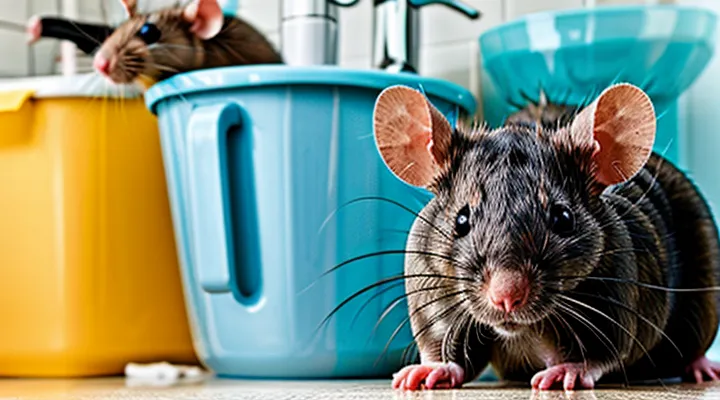
«Natural Grooming Habits of Rats»
«Self-Grooming Behavior»
Pet rats devote a considerable portion of their waking hours to self‑grooming. They use their forepaws to clean fur, whiskers, and paws, removing debris and distributing natural oils that preserve skin integrity. This routine reduces the buildup of dirt and parasites, contributing to overall health without external intervention.
Self‑grooming serves three practical functions. First, it eliminates loose fur and contaminants that could attract mites. Second, it spreads sebaceous secretions that maintain waterproofing and flexibility of the coat. Third, it stimulates circulation, supporting skin regeneration.
Owners should respect the animal’s innate cleaning process and avoid frequent baths, which can strip protective oils and cause stress. When a rat appears excessively dirty or has a noticeable odor, a brief, lukewarm sponge wash can supplement natural grooming. Follow these steps:
- Use a shallow container of warm water (no hotter than 30 °C).
- Moisten a soft, lint‑free cloth; avoid soaking the rat.
- Gently wipe the dorsal surface, focusing on areas the rat cannot reach, such as the base of the tail.
- Rinse the cloth with clean water and remove any soap residue.
- Pat the animal dry with a paper towel; allow it to warm up in a draft‑free environment before returning to the cage.
Regular cage maintenance further supports self‑grooming efficiency. Remove soiled bedding weekly, provide nesting material that encourages scratching, and ensure the enclosure is free of mold or strong odors. A clean environment minimizes the workload of the rat’s own grooming and reduces the need for supplemental washing.
Monitoring the frequency and quality of a rat’s grooming can reveal health issues. Sparse or erratic grooming may indicate pain, dental problems, or skin disorders, warranting veterinary assessment. Conversely, obsessive grooming can signal parasites or stress, also requiring professional evaluation.
«Benefits of Self-Grooming for Rats»
Self‑grooming is a primary mechanism by which rats maintain coat condition, skin integrity, and overall health. Regular grooming actions remove loose hair, debris, and superficial contaminants, reducing the need for external washing and minimizing stress associated with handling.
- Coat cleanliness – Rats spread saliva over their fur, breaking down oils and dislodging dirt; the resulting moisture evaporates, leaving a cleaner surface.
- Parasite control – Grooming detects and removes ectoparasites such as mites and fleas before they establish infestations.
- Skin health – Mechanical stimulation of the skin promotes circulation, supporting tissue repair and preventing lesions.
- Thermoregulation – By adjusting fur density through grooming, rats improve heat dissipation in warm environments and retain warmth when needed.
- Dental maintenance – Chewing during grooming wears down incisors, contributing to proper tooth length and reducing overgrowth risks.
- Social interaction – Mutual grooming strengthens group cohesion, lowers aggression, and provides a natural avenue for health monitoring among cage mates.
Encouraging environments that allow rats to groom freely—adequate space, appropriate bedding, and enrichment items—enhances these benefits and complements external hygiene practices.
«When is a Bath Necessary?»
«Reasons to Bathe Your Rat: Exceptional Circumstances»
Bathing a pet rat is not a routine activity; it should be reserved for specific situations where the animal’s wellbeing or the household environment demands it. In most cases, rats maintain their own grooming habits, and a regular water bowl provides sufficient hydration without the need for a full wash. However, certain conditions override normal grooming and justify a careful, brief bath.
- The rat has been exposed to toxic substances (e.g., spilled chemicals, oil, or pesticides) that cannot be removed through brushing alone. Immediate rinsing prevents absorption and skin irritation.
- The animal suffers from a severe skin infection or parasite infestation that requires medicated shampoo as prescribed by a veterinarian. A controlled bath aids in delivering treatment directly to the affected area.
- The rat has rolled in feces, urine, or other unsanitary material that poses a health risk to both the pet and its human companions. A quick wash eliminates the source of potential disease transmission.
When any of these exceptional circumstances arise, use lukewarm water, a mild, rodent‑safe cleanser, and limit the bath to a few minutes. Rinse thoroughly, dry gently with a soft towel, and keep the rat in a warm, draft‑free space until completely dry. This approach ensures the animal’s comfort while addressing the urgent hygiene need.
«Identifying When a Bath Might Be Needed»
Pet rats generally keep themselves clean, but certain conditions signal that a bath is warranted. Recognize these indicators to maintain optimal health and prevent stress.
- Persistent, musky odor that does not fade after routine cage cleaning.
- Visible dirt, fecal streaks, or dried food adhering to the fur, especially around the tail and hindquarters.
- Skin abnormalities such as redness, irritation, or crusted patches that suggest infection or parasites.
- Recent exposure to substances that can cling to fur—oil, paint, strong-smelling chemicals, or sticky foods.
- Illness or injury that limits the rat’s ability to groom effectively, for example, after a bout of respiratory infection or a leg injury.
- Breeding periods when mating behavior increases contact with bodily fluids, leading to excess buildup.
When any of these signs appear, prepare a shallow container with lukewarm water (around 95–100°F) and a mild, rodent‑safe cleanser. Limit the soak to a few minutes, dry the animal thoroughly with a soft towel, and monitor for signs of stress. Prompt bathing under these circumstances supports hygiene without compromising the rat’s natural grooming habits.
«How to Bathe Your Pet Rat Safely»
«Gathering Your Supplies»
Before cleaning a pet rat, assemble the necessary tools to ensure a safe, efficient process. Use only items specifically designated for small animal care; avoid household products that may contain harsh chemicals.
- Soft, lint‑free towels for drying
- Small, shallow basin made of stainless steel or ceramic (no plastic that can melt)
- Mild, rodent‑safe shampoo (pH‑balanced, fragrance‑free)
- Thermometer to verify water temperature (≈ 37 °C / 98.6 °F)
- Soft-bristled grooming brush
- Disposable gloves to maintain hygiene
- Clean, dry bedding for post‑wash recovery
- Antiseptic wipes for cleaning the work area afterward
Each component serves a distinct purpose: the basin holds lukewarm water, the shampoo removes debris without irritating skin, and the towels prevent chilling. Verify that all supplies are clean and in good condition before beginning.
«Water Temperature and Bathing Environment»
Use lukewarm water, approximately 30–32 °C (86–90 °F). Temperatures below this range cause stress, while hotter water risks burns and rapid heat loss after the bath. Test the water with a thermometer or the inner wrist before introducing the rat.
Choose a shallow, non‑slippery container that holds enough water to cover the animal’s torso without submerging the head. A plastic dish or a pet‑safe basin works well. Place the container on a stable surface away from drafts, direct sunlight, and electrical cords. Keep the room temperature between 20–24 °C (68–75 °F) to prevent sudden cooling once the rat is removed from the water.
Practical steps:
- Fill the container with the measured lukewarm water.
- Lay a soft, non‑absorbent mat at the bottom to improve grip.
- Gently place the rat in the water, supporting its body to avoid panic.
- Use a soft, damp cloth to clean the fur; avoid scrubbing.
- Rinse briefly with the same lukewarm water to remove soap residues.
- Immediately dry the rat with a low‑heat hair dryer (no higher than 30 °C) or a soft towel.
- Return the rat to a warm, draft‑free area until completely dry.
«Gentle Cleaning Techniques»
Gentle cleaning of pet rats requires a method that protects skin, fur, and respiratory health. Use lukewarm water (approximately 37 °C) to avoid shock. Apply a few drops of a veterinary‑approved, unscented shampoo diluted to a 1 % solution. Gently massage the solution into the coat, focusing on areas prone to dirt accumulation such as the belly and hindquarters. Rinse thoroughly with the same lukewarm water, ensuring no residue remains.
After rinsing, press a soft, absorbent towel against the body to remove excess moisture. Do not wring or twist the fur, as this can cause matting and skin irritation. Allow the rat to air‑dry in a warm, draft‑free environment; a low‑temperature heat source (e.g., a heating pad set to low) can accelerate drying, but never expose the animal directly to high heat.
Key steps for a safe, mild wash:
- Prepare a shallow basin with lukewarm water; fill to a depth that reaches the rat’s belly only.
- Add a minimal amount of diluted, pet‑safe shampoo; stir gently.
- Submerge the rat briefly, supporting its body with one hand to prevent panic.
- Massage the coat for no longer than 30 seconds per area.
- Rinse repeatedly with clean, lukewarm water until suds disappear.
- Pat dry with a soft towel; keep the animal in a warm, low‑humidity space until completely dry.
Limit full washes to once every four to six weeks, unless the rat becomes visibly soiled. Between washes, use a damp cloth to spot‑clean dirty spots. Regular grooming with a soft brush removes loose hair and reduces the need for frequent baths, preserving the natural oils that keep the coat healthy.
«Drying Your Rat After a Bath»
After a bath, a rat’s body temperature drops rapidly. Prompt, controlled drying prevents hypothermia and reduces the risk of skin irritation.
- Place the rat on a soft, absorbent towel. Pat the fur gently; avoid rubbing, which can cause matting.
- Keep the towel flat on a warm, draft‑free surface. A heated pad set to low temperature (no higher than 30 °C/86 °F) works well, but ensure the rat cannot touch the heating element directly.
- If additional airflow is needed, use a low‑speed, cool‑setting hair dryer held at least 30 cm from the animal. Do not exceed a temperature that feels warm to a human hand.
- Rotate the towel every few minutes to expose damp areas to fresh fabric. This speeds evaporation without stressing the rat.
- Monitor the rat’s behavior. Signs of shivering, lethargy, or excessive grooming indicate that drying is insufficient; extend the process until the fur feels dry to the touch.
- Once the fur is dry, return the rat to its cage with clean bedding. Provide a hideaway to allow the animal to rest in a comfortable, insulated spot.
These steps ensure the rat remains warm, dry, and healthy after cleaning.
«Alternatives to a Full Bath»
«Spot Cleaning for Minor Messes»
Spot cleaning addresses small, localized messes on pet rats without subjecting the animal to a full‑body wash. Use a damp, lint‑free cloth or a soft cotton pad moistened with warm water and a mild, rat‑safe cleanser (e.g., a few drops of unscented baby shampoo diluted 1:10). Gently dab the affected area, avoiding vigorous rubbing that could irritate delicate fur or skin. Rinse the cloth with clean water and repeat the dab to remove any residue, then pat the spot dry with a clean towel. Allow the rat to air‑dry in a warm, draft‑free enclosure for a few minutes before returning it to its habitat.
Key considerations for effective spot cleaning:
- Frequency: Perform the procedure only when necessary; excessive cleaning can disrupt the animal’s natural skin oils.
- Materials: Choose non‑abrasive fabrics; avoid paper towels that may leave fibers.
- Temperature: Keep water lukewarm (approximately 37 °C) to prevent thermal stress.
- Observation: After cleaning, inspect the area for signs of redness, swelling, or persistent odor, which may indicate infection and require veterinary attention.
By limiting cleaning to targeted spots, owners maintain hygiene while preserving the rat’s coat integrity and overall health.
«Dust Baths: Are They Suitable for Rats?»
Pet rats naturally engage in dust‑bathing to remove excess oils, shed fur, and control ectoparasites. The behavior mirrors that of wild rodents and can contribute to overall coat health when managed correctly.
- Provide a shallow container filled with fine, dust‑free chinchilla sand or specialized rodent dust.
- Keep the substrate dry; moisture encourages mold and bacterial growth.
- Limit sessions to 5–10 minutes, two to three times per week, to prevent skin irritation.
- Observe the rat for signs of respiratory distress; fine particles may trigger allergies in susceptible individuals.
Dust baths do not replace regular grooming or cage cleaning. After each session, remove used sand, discard it, and replace with fresh material. Clean the container with mild, unscented soap and rinse thoroughly before refilling. Avoid using scented detergents or harsh chemicals, as residues can irritate the rat’s sensitive respiratory system.
If a rat shows persistent sneezing, wheezing, or excessive scratching, discontinue dust‑bathing and consult a veterinarian. Alternative grooming methods—such as gentle hand‑brushing and periodic spot cleaning with a damp cloth—can maintain coat condition without the risks associated with inhaled particles.
Incorporating controlled dust‑bathing into a rat’s hygiene routine offers a natural method for coat maintenance, provided the practice follows strict cleanliness and monitoring guidelines.
«Using Unscented Wipes»
Unscented wipes provide a quick, low‑stress method for cleaning pet rats when a full bath is impractical. The lack of fragrance eliminates the risk of respiratory irritation, and the mild formulation avoids disrupting the animal’s natural skin oils.
The wipes should be alcohol‑free and free of harsh detergents. Choose products specifically labeled for sensitive skin or veterinary use. Test a small area on the rat’s back before full application to confirm no adverse reaction.
Application steps
- Hold the rat gently but securely, supporting the body to prevent sudden movements.
- Wipe the fur in the direction of hair growth, starting with the head and moving toward the tail.
- Use a fresh section of the wipe for each body region to prevent cross‑contamination.
- Avoid contact with eyes, ears, and the genital area; if accidental contact occurs, rinse with lukewarm water immediately.
Precautions
- Do not apply wipes to open wounds or ulcerated skin.
- Discard each wipe after a single use; reuse can spread bacteria.
- Store wipes in a cool, dry place to preserve effectiveness.
Routine cleaning with unscented wipes can be performed once or twice a week, depending on the rat’s activity level and cage hygiene. Regular use supports coat cleanliness without the stress of water immersion.
«Maintaining a Clean Environment for Your Rat»
«Importance of Cage Cleanliness»
Maintaining a spotless cage is essential for the health of pet rats and for effective grooming practices. Accumulated waste, damp bedding, and lingering odors create breeding grounds for bacteria, parasites, and respiratory irritants that can compromise an animal’s immune system and lead to infections.
- Increased risk of bacterial infections (e.g., Salmonella, Staphylococcus)
- Higher incidence of skin conditions caused by mites or fungi
- Elevated ammonia levels that irritate the respiratory tract
- Faster spread of disease among multiple occupants
Regular cleaning reduces these hazards. A schedule that includes complete substrate replacement, thorough scrubbing of all surfaces, and disinfection with rat‑safe solutions keeps the environment stable and minimizes stress for the animals.
Key steps for proper cage maintenance:
- Remove all accessories, food, and water containers.
- Dispose of used bedding and wipe the base with warm water.
- Apply a diluted, pet‑approved disinfectant; let it sit for the recommended contact time.
- Rinse thoroughly to eliminate chemical residue.
- Re‑add fresh bedding, reinstall accessories, and replenish food and water.
Consistent adherence to this routine supports optimal hygiene, promotes the well‑being of the rats, and ensures that any washing or grooming procedures are performed on a clean, healthy animal.
«Bedding Choices and Their Impact on Hygiene»
Choosing the right substrate directly influences the cleanliness of a rat’s enclosure and the effort required to maintain it. Absorbent, low‑dust materials reduce the buildup of urine and feces, limiting bacterial growth and odor. Non‑absorbent or high‑dust options retain moisture, creating a breeding ground for pathogens and making wash‑down procedures more labor‑intensive.
A practical assessment of common bedding types:
- Paper‑based bedding (recycled pulp, shredded paper): High absorbency, minimal dust, easy to replace; does not retain moisture after removal, supporting routine spot‑cleaning.
- Aspen shavings: Low aromatic oil content, moderate absorbency, low dust; compatible with occasional deep cleaning but may require more frequent changes to prevent damp spots.
- Hardwood shavings (pine, cedar): Strong scent, high resin content, elevated respiratory irritation risk; poor choice for hygiene, as oils can cling to fur and skin, complicating washing.
- Fleece liners: Reusable, washable, zero dust; require regular laundering at 60 °C to eliminate contaminants; risk of moisture retention if not fully dried before reuse.
- Corncob or cellulose pellets: Compact, high absorbency when broken down; can become compacted, trapping waste and hindering thorough cleaning.
Maintaining hygiene involves two core actions: regular spot removal and periodic deep cleaning. Spot removal eliminates fresh waste before it saturates the substrate, preventing bacterial colonies from establishing. Deep cleaning—removing all bedding, disinfecting the cage with a rodent‑safe solution, and installing fresh material—should occur every two to four weeks, depending on the chosen substrate’s absorbency and the number of occupants.
When washing the rats themselves, a breathable, low‑residue bedding such as paper pulp minimizes residual particles on the fur, allowing the animal’s skin to dry quickly after a gentle rinse with lukewarm water. Avoid bedding that leaves oily residues, as these interfere with drying and may introduce skin irritation.
«Regular Cage Cleaning Schedule»
A consistent cage‑cleaning routine is essential for preventing disease and keeping pet rats comfortable. Cleaning should occur at predictable intervals to limit bacterial growth, control odor, and reduce the risk of parasites.
- Daily: spot‑clean debris, replace soiled food, and refresh water bottles.
- Weekly: remove all bedding, scrub the cage interior with a mild, pet‑safe detergent, rinse thoroughly, and dry before adding fresh bedding.
- Monthly: inspect and clean accessories (toys, tunnels, wheels) with the same detergent, then disinfect with a diluted veterinary‑approved solution; rinse and dry before reuse.
- Quarterly: disassemble the cage, wash all components in warm water, sterilize using an approved method (e.g., a 10‑minute soak in a 1 % hydrogen peroxide solution), and reassemble with fresh bedding.
Adhering to this schedule minimizes microbial load, supports the rats’ respiratory health, and maintains a stable environment that encourages natural behavior. Regular monitoring of waste buildup and odor levels can indicate when additional cleaning is required outside the prescribed timetable.
«Health Considerations and Hygiene»
«Common Skin Issues in Rats»
Rats frequently develop skin problems that can be aggravated by improper cleaning practices. Recognizing symptoms early prevents secondary infections and supports overall health.
Common skin conditions include:
- Dry, flaky skin – often results from low humidity or excessive bathing. Keep cage humidity between 40‑60 % and limit full‑body washes to once a month.
- Dermatitis – inflammation caused by irritants such as harsh soaps or contaminated bedding. Use unscented, rodent‑safe cleaners and change bedding weekly.
- Mite infestations – tiny parasites produce itching, hair loss, and crusty patches. Regularly inspect fur, vacuum the enclosure, and treat with veterinarian‑approved acaricides.
- Fungal infections (ringworm) – present as circular, scaly lesions. Maintain a dry environment, disinfect surfaces with a 1 % bleach solution, and seek antifungal medication if lesions spread.
- Abscesses and ulcers – appear as swollen, pus‑filled bumps or open sores, often following bite wounds or scratches. Clean wounds with sterile saline, apply a topical antibiotic, and monitor for swelling.
- Scabs and excessive scratching – may indicate allergic reactions to bedding material or food additives. Switch to paper‑based bedding and eliminate potential allergens.
Preventive hygiene measures:
- Limit full immersion baths; spot‑clean with a damp cloth when necessary.
- Rinse the animal thoroughly with lukewarm water after any cleaning to remove residue.
- Use a mild, pH‑balanced cleanser formulated for small mammals; avoid human shampoos.
- Dry the rat gently with a soft towel; keep the animal warm until fur is completely dry.
- Schedule regular health checks with a veterinarian experienced in exotic pets to catch skin issues before they worsen.
By adhering to these practices, owners can maintain clean, healthy skin in pet rats while minimizing the risk of irritation and disease.
«When to Consult a Veterinarian Regarding Hygiene Concerns»
Regular bathing can keep a pet rat’s coat clean, but certain signs indicate that professional veterinary advice is necessary.
- Persistent, foul odor that does not improve after a thorough wash.
- Redness, swelling, or open wounds on the skin, especially around the ears, tail, or genital area.
- Diarrhea, blood in stool, or any change in bowel consistency following a cleaning session.
- Excessive scratching, licking, or self‑injury that continues despite a clean environment.
- Unusual discharge from the eyes, nose, or mouth that appears after a wash.
These conditions may reflect infections, parasites, or allergic reactions that require diagnostic testing and targeted treatment.
If any of the above symptoms develop, schedule a veterinary appointment promptly. Early intervention reduces the risk of complications and supports the rat’s overall health.
In addition, discuss with the veterinarian the appropriate bathing frequency and safe cleaning agents for your specific rat breed, as over‑washing or harsh chemicals can damage the delicate skin barrier.
«Diet and Its Role in Coat Health»
A healthy coat reflects the nutritional balance a rat receives. Protein supplies the building blocks for fur fibers; high‑quality sources such as boiled egg, cooked chicken, or commercial rat pellets with at least 18 % protein support strong, glossy hair.
Essential fatty acids, particularly omega‑3 and omega‑6, contribute to skin elasticity and shine. Incorporate small amounts of flaxseed oil, fish oil, or a few walnuts each week, monitoring caloric intake to avoid obesity.
Vitamins A, E, and B‑complex act as antioxidants and promote cell turnover in the skin. Fresh vegetables like carrots, sweet potatoes, and leafy greens deliver vitamin A, while a few pieces of fruit (e.g., blueberries) provide vitamin E. B‑vitamins are abundant in whole‑grain cereals and fortified rat mixes.
Minerals such as zinc and selenium influence keratin formation. A balanced commercial diet already contains these, but occasional supplementation with a pinch of mineral powder can correct deficiencies in picky eaters.
Consistent water access is crucial; dehydration leads to dry skin and brittle fur. Provide fresh water daily, and consider a shallow dish to prevent spills that could soil the cage.
When cleaning a rat, avoid harsh soaps that strip natural oils. A brief rinse with warm water followed by a dry, soft towel preserves the coat’s integrity while removing surface contaminants.