
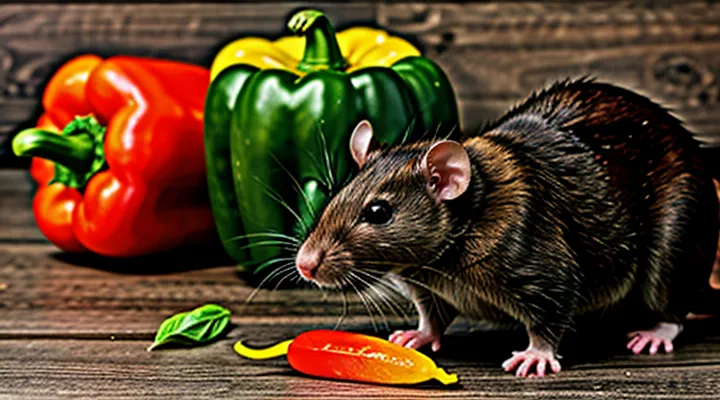
Sweet Bell Pepper for Rats: An Overview
Nutritional Profile of Sweet Bell Peppers
Vitamins in Bell Peppers
Bell peppers are a concentrated source of several vitamins that can affect the health of laboratory or pet rats when included in their diet.
- Vitamin C: approximately 80 mg per 100 g, providing strong antioxidant activity.
- Vitamin A (as β‑carotene): about 310 µg retinol‑equivalent per 100 g, supporting vision and epithelial integrity.
- Vitamin B6: roughly 0.3 mg per 100 g, involved in amino‑acid metabolism and neurotransmitter synthesis.
- Folate (vitamin B9): near 30 µg per 100 g, essential for DNA synthesis and cell division.
- Vitamin E: approximately 1.5 mg per 100 g, contributes to membrane protection against oxidative damage.
- Vitamin K1: about 5 µg per 100 g, participates in blood‑clotting factor activation.
The high vitamin C content can enhance immune function in rats, reducing susceptibility to respiratory infections. Vitamin A promotes healthy skin and mucous membranes, which are critical for barrier protection. B‑vitamins support metabolic processes that influence growth rates and reproductive performance. Folate availability is particularly relevant during gestation, aiding embryonic development. Antioxidant vitamins E and C together mitigate oxidative stress, a factor in age‑related decline.
Excessive consumption of sweet bell peppers may introduce an imbalance of certain vitamins. Over‑supplementation of vitamin C can lead to gastrointestinal irritation, including loose stools. High vitamin A intake, while uncommon from peppers alone, could accumulate if combined with other fortified feeds, potentially causing hypervitaminosis A symptoms such as bone abnormalities. Monitoring portion size and ensuring a balanced overall diet prevents these risks.
Incorporating bell peppers in measured amounts provides a reliable source of essential vitamins for rats, supporting physiological functions while avoiding toxicity when dietary balance is maintained.
Minerals in Bell Peppers
Bell peppers supply a diverse mineral profile that can affect rodent nutrition. The primary elements include potassium, magnesium, calcium, phosphorus, iron, and trace amounts of zinc, copper, and manganese. Potassium concentrations average 200 mg per 100 g of fresh pepper, supporting electrolyte balance and nerve function. Magnesium, at roughly 10 mg per 100 g, contributes to enzymatic reactions and skeletal health. Calcium content, about 10 mg per 100 g, aids bone mineralization but remains low enough to avoid hypercalcemia when peppers are offered in moderation. Phosphorus, present at 30 mg per 100 g, works synergistically with calcium for metabolic processes.
Iron levels reach 0.4 mg per 100 g, providing a modest source for hemoglobin synthesis. Zinc, copper, and manganese each appear in sub‑milligram quantities, essential for antioxidant enzymes and immune regulation. These minerals collectively enhance metabolic efficiency, improve fur quality, and may reduce susceptibility to disease when incorporated into a balanced rat diet.
Potential concerns arise from excessive mineral intake. Overfeeding peppers can elevate potassium beyond optimal limits, risking cardiac arrhythmias. High phosphorus relative to calcium may impair bone development if not balanced with other dietary sources. Additionally, bell peppers contain small amounts of oxalates, which can combine with calcium to form kidney stones in susceptible individuals. Monitoring portion size—no more than 10 g of fresh pepper per 100 g body weight per day—mitigates these risks.
Key mineral considerations for rat feeding:
- Potassium: ~200 mg / 100 g – essential, limit excess.
- Magnesium: ~10 mg / 100 g – supportive, safe at typical doses.
- Calcium: ~10 mg / 100 g – low risk of hypercalcemia.
- Phosphorus: ~30 mg / 100 g – balance with calcium.
- Iron: ~0.4 mg / 100 g – modest contribution.
- Trace zinc, copper, manganese – beneficial in trace amounts.
- Oxalates: present, monitor for renal sensitivity.
Incorporating bell peppers as a supplemental treat delivers valuable minerals while preserving overall dietary equilibrium, provided that quantity and frequency remain controlled.
Antioxidants and Other Compounds
Sweet bell pepper contains a spectrum of phytochemicals that influence rodent physiology. The most prominent antioxidants are vitamin C, carotenoids (β‑carotene, lutein, zeaxanthin), and flavonoids such as quercetin. These molecules scavenge reactive oxygen species, support enzymatic defenses, and may modulate inflammatory pathways. In addition, the fruit supplies dietary fiber, moderate levels of vitamin A, vitamin B6, and potassium, each contributing to metabolic balance.
Key compounds and their documented effects in laboratory rats:
- Vitamin C – enhances glutathione recycling, reduces lipid peroxidation, improves immune cell function.
- β‑Carotene – converts to retinol, supports visual health, mitigates oxidative damage in hepatic tissue.
- Lutein/Zeaxanthin – accumulates in retinal cells, protects against light‑induced oxidative stress.
- Quercetin – inhibits NF‑κB activation, lowers expression of pro‑inflammatory cytokines.
- Dietary fiber – promotes gut motility, fosters beneficial microbiota, may attenuate systemic inflammation.
- Potassium – assists in electrolyte homeostasis, influences blood pressure regulation.
Potential adverse outcomes arise when intake exceeds tolerable levels. Excessive vitamin C can increase oxalate formation, raising the risk of renal calculi. High carotenoid concentrations may interfere with thyroid hormone synthesis in susceptible strains. Fiber overload can cause gastrointestinal distress, including bloating and reduced nutrient absorption. Monitoring dosage and observing behavioral or physiological changes remain essential when incorporating sweet bell pepper into rat diets.
Benefits of Feeding Sweet Bell Pepper to Rats
Nutritional Advantages
Immune System Support
Feeding rats sweet bell pepper introduces a source of vitamin C, carotenoids, and flavonoids that can enhance the activity of immune cells. These nutrients stimulate the production of antibodies and support the function of macrophages, contributing to a more responsive defense system.
Potential immune‑supporting benefits
- Increased serum vitamin C levels, which aid white‑blood‑cell proliferation.
- Elevated beta‑carotene intake, a precursor to vitamin A that regulates mucosal immunity.
- Presence of capsanthin and other carotenoids that reduce oxidative stress on immune tissues.
Possible risks to consider
- High fiber content may cause gastrointestinal upset if introduced abruptly.
- Residual pesticides on the vegetable surface can impair liver function and indirectly affect immunity.
- Excessive vitamin C may lead to urinary acidity, potentially stressing renal excretion pathways.
Implement a gradual introduction: start with a small, finely diced portion mixed into the regular diet, observe stool consistency for 48 hours, and ensure the pepper is thoroughly washed or organically sourced. Adjust the amount to no more than 5 % of total daily food intake to maintain nutritional balance while harnessing the immune‑boosting properties of the vegetable.
Digestive Health
Feeding sweet bell peppers to laboratory rats can influence their gastrointestinal function. The vegetable’s high water content and fiber provide a moderate source of bulk, which may promote regular bowel movements and prevent constipation. Capsaicin, present in low concentrations in sweet varieties, can stimulate the enteric nervous system, potentially enhancing motility. Additionally, the vitamin C and antioxidant profile may support mucosal integrity by reducing oxidative stress on the intestinal lining.
Potential drawbacks must be considered. Excessive fiber can lead to fermentative gas production, causing bloating and discomfort. Rats with a predisposition to inflammatory bowel conditions may experience irritation from residual capsaicinoids, even in mild forms. Overconsumption may also dilute essential nutrients in the diet, resulting in imbalanced intake if bell pepper replaces more protein‑rich feed.
Key points for digestive health
- Moderate inclusion (5–10 % of total diet weight) supports stool regularity.
- Fiber content aids colon health but should not exceed recommended levels.
- Monitor for signs of gastrointestinal distress, especially in strains prone to inflammation.
- Balance bell pepper with protein and fat sources to maintain overall nutrient adequacy.
Skin and Coat Health
Feeding rats sweet bell pepper introduces nutrients that directly affect skin and coat condition. The vegetable supplies vitamins A, C, and E, which support epidermal cell turnover and collagen synthesis. Antioxidants reduce oxidative damage to fur follicles, while the water content aids dermal hydration.
- Vitamin A promotes keratinocyte differentiation, leading to smoother fur.
- Vitamin C enhances collagen cross‑linking, improving skin elasticity.
- Vitamin E protects lipid layers from peroxidation, preserving coat shine.
- Fiber assists gut microbiota balance, indirectly influencing skin health.
Potential drawbacks accompany these benefits. Excessive bell pepper can cause gastrointestinal irritation, leading to loose stools that may strip essential nutrients from the skin. Pesticide residues, if present, pose toxic risk to dermal cells. Individual rats may exhibit hypersensitivity, resulting in localized itching or redness.
Safe inclusion requires moderation and proper preparation. Offer no more than one small, diced piece per 100 g body weight, two to three times weekly. Wash thoroughly to remove contaminants, and remove seeds and stems, which contain higher levels of capsaicinoids that can irritate the digestive tract. Monitor coat condition and stool consistency after introduction; adjust quantity or discontinue if adverse signs appear.
Hydration
Feeding rats sweet bell pepper introduces a source of water that can affect overall hydration status. The vegetable’s flesh contains approximately 92 % moisture, providing a modest fluid supplement when consumed in typical quantities (1–2 g per day for a 250‑g rat). This contribution can help maintain plasma volume, especially in environments where water intake may be reduced due to temperature or stress.
Potential benefits of the additional moisture include:
- Slight increase in daily fluid intake without altering drinking behavior.
- Support for kidney function by providing a natural diuretic effect from the vegetable’s potassium content.
- Reduction of dehydration risk during short periods of limited water access.
Risks associated with reliance on sweet bell pepper for hydration are:
- Variable water content; over‑reliance may lead to insufficient total fluid consumption if the vegetable is the primary source.
- Possible electrolyte imbalance if the pepper’s potassium is not balanced with adequate sodium intake.
- Limited contribution to overall water needs; a rat typically requires 10–15 ml of water per 100 g body weight, far exceeding the fluid supplied by small pepper portions.
Effective management involves offering fresh, washed sweet bell pepper alongside unrestricted access to clean drinking water. Monitor daily water consumption and body weight to detect early signs of dehydration or overhydration. Adjust the amount of pepper offered based on observed water intake, ensuring that the vegetable complements rather than replaces the primary water source.
Risks and Considerations
Potential Downsides
Pesticide Residues
Sweet bell peppers grown with conventional agricultural practices often retain trace amounts of pesticide chemicals. These residues can be present on the skin, within the flesh, or both, depending on the compound’s systemic properties and post‑harvest handling.
Typical residues include organophosphates, pyrethroids, neonicotinoids, and carbamates. Laboratory analyses frequently detect concentrations ranging from parts per billion to parts per million, values that may approach or exceed established safety thresholds for laboratory rodents.
Potential effects on rats include:
- Acute toxicity manifested as tremors, respiratory distress, or seizures at high exposure levels.
- Chronic exposure linked to liver enzyme induction, renal impairment, and altered neurotransmitter function.
- Behavioral modifications such as reduced exploratory activity and impaired learning in maze tests.
- Immunomodulation resulting in increased susceptibility to infections.
Mitigation measures:
- Rinse peppers under running water, followed by a brief soak in a dilute solution of food‑grade surfactant.
- Peel the fruit to remove the outer layer where residues concentrate.
- Obtain certified organic peppers, which are subject to stricter pesticide limits.
- Conduct periodic residue testing using gas chromatography–mass spectrometry (GC‑MS) or liquid chromatography–tandem mass spectrometry (LC‑MS/MS) to verify compliance with rodent‑specific exposure guidelines.
When incorporating sweet bell pepper into rat diets, balance the nutritional benefits against the documented risks of pesticide residues. Implementing the outlined precautions minimizes toxicological uncertainty and supports reliable experimental outcomes.
Choking Hazards
Feeding sweet bell peppers to rats introduces a potential choking risk because the vegetable’s texture and size can obstruct a small rodent’s airway.
- Large pieces (>0.5 cm) may become lodged in the trachea or esophagus.
- Fibrous ribs and thick skin can resist chewing, especially in younger or dentally compromised rats.
- Moist, slippery surfaces increase the likelihood that a fragment slides toward the back of the throat without adequate mastication.
To minimize choking hazards, follow these practices:
- Cut the pepper into uniformly small cubes, no larger than 2 mm across.
- Remove all seeds and membranes, which are tougher and more likely to cause blockage.
- Offer the pieces on a flat surface, allowing the rat to pick them up individually rather than gulping a large chunk.
- Observe each feeding session; intervene immediately if the animal shows signs of distress, such as labored breathing or coughing.
Regular monitoring and proper preparation reduce the risk of airway obstruction while allowing rats to benefit from the vitamin‑rich content of sweet bell peppers.
Dietary Imbalance
Feeding rats sweet bell peppers introduces a source of vitamin C, beta‑carotene, and dietary fiber, but it also creates a risk of nutritional imbalance if the vegetable replaces staple protein and energy sources. Rats require a diet composed of roughly 18–20 % protein, 4–5 % fat, and a balanced mix of carbohydrates, vitamins, and minerals. Excessive inclusion of bell pepper can displace these essential components, leading to deficiencies in amino acids, essential fatty acids, and minerals such as calcium and phosphorus.
Potential imbalances include:
- Reduced protein intake, compromising growth and tissue repair.
- Lower fat consumption, affecting coat quality and hormone synthesis.
- Insufficient calcium‑phosphorus ratio, increasing the likelihood of skeletal abnormalities.
- Excessive vitamin C, which may interfere with iron absorption and cause gastrointestinal upset.
Monitoring dietary composition mitigates these risks. A balanced regimen should limit bell pepper to no more than 5–10 % of total food weight, ensuring that staple pellets or formulated mixes remain the primary source of nutrients. Regular health assessments—body weight tracking, coat condition checks, and blood panel analysis—provide early detection of imbalance. Adjusting the proportion of vegetables in response to observed deficiencies preserves overall health while allowing rats to benefit from the antioxidant properties of sweet bell peppers.
Preparation and Feeding Guidelines
Washing Bell Peppers
Properly cleaning sweet bell peppers is essential before offering them to rats. Residues of soil, pesticides, or microorganisms can cause digestive upset, infections, or toxic reactions in rodents. Washing removes these hazards and preserves the nutritional value of the fruit.
Effective cleaning follows a simple sequence:
- Rinse under cold running water to dislodge loose particles.
- Apply a soft brush or clean cloth to scrub the surface, paying attention to the stem cavity and any crevices.
- Submerge the pepper in a bowl of water mixed with a mild, food‑grade sanitizer (e.g., a diluted vinegar solution) for 2–3 minutes.
- Rinse again thoroughly to eliminate any remaining sanitizer.
- Pat dry with a clean towel or allow to air‑dry on a sterile rack before cutting into rat‑sized pieces.
Skipping any step increases the likelihood of contaminant ingestion. Soil can harbor nematodes, while pesticide residues persist despite superficial rinsing. Inadequate sanitation may lead to diarrhea, weight loss, or organ strain in rats, undermining the intended health benefits of the vegetable.
When bell peppers are washed correctly, rats receive a source of vitamin C, beta‑carotene, and dietary fiber without exposure to harmful agents. Clean, diced pieces can be incorporated safely into a balanced rodent diet, supporting immune function and coat quality while minimizing risk.
Portion Sizes
Rats can safely consume sweet bell pepper when the amount is carefully controlled. A typical adult laboratory rat (250‑300 g) tolerates 5–10 g of fresh bell pepper per day, equivalent to about 2–3% of its body weight. Juvenile rats (100–150 g) should receive no more than 2–4 g daily. Over‑feeding increases the risk of gastrointestinal upset and may interfere with balanced nutrient intake.
Key considerations for portion sizing:
- Weight‑based calculation – multiply the rat’s body weight by 0.02–0.03 to obtain the maximum daily gram amount.
- Frequency – offer bell pepper in small portions two to three times per week rather than daily to avoid excess sugar.
- Preparation – remove stems and seeds, wash thoroughly, and cut into bite‑size pieces to prevent choking.
- Monitoring – observe stool consistency and appetite after each serving; reduce or discontinue if diarrhea or loss of appetite occurs.
Providing the correct portion supports the vitamin C and antioxidant benefits of bell pepper while minimizing digestive disturbances and nutrient imbalance. Adjust amounts for individual health status, age, and activity level.
Frequency of Feeding
Feeding sweet bell pepper to pet rats requires a consistent schedule to balance nutritional advantages with digestive tolerance.
- Offer fresh, seed‑free pieces 2–3 times per week for adult rats.
- Limit each serving to ½–1 cm³ of pepper per 100 g body weight.
- Increase frequency to 4 times weekly only if the rats show steady weight gain and no signs of gastrointestinal upset.
Regular inclusion supports vitamin C intake, enhances hydration, and provides dietary fiber that promotes gut motility.
Excessive exposure can lead to diarrhea, nutrient imbalance, and reduced appetite for staple pellets.
- Avoid daily servings; the rat’s stomach adapts poorly to constant high‑water‑content vegetables.
- Discontinue feeding for at least 48 hours after any episode of loose stools.
- Monitor body condition; reduce portions if weight exceeds healthy limits.
Adjust the feeding plan according to individual response: observe stool consistency, activity level, and weight trends, then modify frequency or portion size accordingly. Consistency, moderation, and observation together ensure the bell pepper contributes positively without compromising overall health.
Introducing New Foods
Introducing a novel vegetable such as sweet bell pepper into a rat’s diet requires careful assessment of nutritional value, digestive tolerance, and potential hazards. The fruit provides high levels of vitamin C, beta‑carotene, and dietary fiber, which can support immune function, visual health, and gut motility. Its low caloric density makes it suitable for weight‑controlled feeding programs.
Benefits observed in laboratory settings include:
- Enhanced antioxidant capacity, reducing oxidative stress markers.
- Improved coat condition linked to increased carotenoid intake.
- Stimulation of exploratory behavior when presented as a fresh, crunchy stimulus.
Risks associated with premature or excessive exposure encompass:
- Gastrointestinal irritation if the pepper is served in large, unprocessed pieces.
- Possible allergic reactions in genetically predisposed strains.
- Interference with iron absorption due to high vitamin C levels when combined with iron‑rich feeds.
Safe implementation guidelines:
- Offer only a small, bite‑size portion (approximately 0.5 g) initially.
- Ensure the pepper is washed, seeded, and cut into uniform strips to prevent choking.
- Monitor fecal consistency and behavior for 24–48 hours after the first serving.
- Gradually increase the portion no more than 10 % of total daily food weight, adjusting for individual tolerance.
- Discontinue use if signs of inflammation, reduced feed intake, or abnormal stool appear.
Adhering to these protocols enables the inclusion of sweet bell pepper as a supplemental ingredient, delivering measurable health advantages while minimizing adverse effects.
What to Avoid
Toxic Parts of the Plant
Sweet bell pepper (Capsicum annuum) is occasionally offered to laboratory or pet rats as a source of vitamins and fiber, but only the edible flesh is safe. The plant produces several tissues that contain biologically active alkaloids and other compounds harmful to rodents.
- Leaves – high concentrations of solanine and related glycoalkaloids; ingestion can produce gastrointestinal irritation and neurotoxic effects.
- Stems – similar alkaloid profile to leaves; also contain capsaicinoids that may induce pain and inflammation.
- Unripe (green) fruit – elevated solanine levels compared with fully ripened peppers; may cause vomiting, diarrhea, and lethargy.
- Seeds – small amounts of capsaicinoids and residual alkaloids; can trigger mild digestive upset and pose a choking hazard.
- Roots – contain the highest alkaloid concentrations in the plant; ingestion is likely fatal at relatively low doses.
Rats that consume any of these parts may exhibit vomiting, watery stools, reduced activity, tremors, or loss of coordination. To avoid adverse outcomes, present only the ripe, fleshy portion of the pepper, discard all seeds, stems, leaves, and any green fruit. Provide the flesh in moderation, monitoring for signs of intolerance.
Unsafe Bell Pepper Varieties
Rats can tolerate many sweet bell pepper types, but certain varieties present health hazards. The hazards stem from natural toxins, pesticide residues, or morphological traits that impede safe consumption.
- Green (unripe) bell peppers – high levels of solanine and related alkaloids; ingestion may cause gastrointestinal irritation, lethargy, or neurological signs.
- Hybrid peppers bred for extreme sweetness – often contain elevated concentrations of sugar additives or artificial flavorings; excessive sugar intake can lead to obesity, dysbiosis, and dental decay in rodents.
- Peppers treated with systemic pesticides – organophosphates, neonicotinoids, or pyrethroids persist on the skin; dermal absorption or ingestion may result in tremors, respiratory distress, or mortality.
- Peppers with thick, fibrous walls – difficult for rats to chew; risk of choking or esophageal injury increases when the fruit is not adequately diced.
- Varieties with visible mold or rot – fungal growth produces mycotoxins such as aflatoxin; exposure can suppress immune function and damage liver tissue.
Veterinary guidelines recommend offering only fully ripe, organically grown, and thoroughly washed bell peppers, cut into bite‑size pieces. Any sign of digestive upset, abnormal behavior, or weight loss after feeding should prompt immediate cessation of pepper provision and veterinary evaluation.
Signs of Adverse Reactions
Feeding rats sweet bell pepper introduces a novel source of vitamins and antioxidants, but it can also trigger adverse physiological responses. Recognizing early signs of intolerance is essential for maintaining animal welfare and preventing escalation.
Typical manifestations include:
- Diarrhea or loose stools, often accompanied by mucus or blood.
- Vomiting or frequent regurgitation, indicating gastrointestinal irritation.
- Reduced appetite or complete refusal of food, suggesting discomfort.
- Lethargy, sluggish movement, or uncharacteristic nesting behavior.
- Respiratory distress such as rapid breathing, wheezing, or nasal discharge.
- Skin irritation marked by itching, redness, or localized swelling.
- Unexplained weight loss over a short period.
Observation of any combination of these symptoms should prompt immediate removal of the pepper from the diet and consultation with a veterinarian. Monitoring stool consistency, activity levels, and overall health daily provides a reliable method for detecting subtle changes before they develop into severe conditions.