
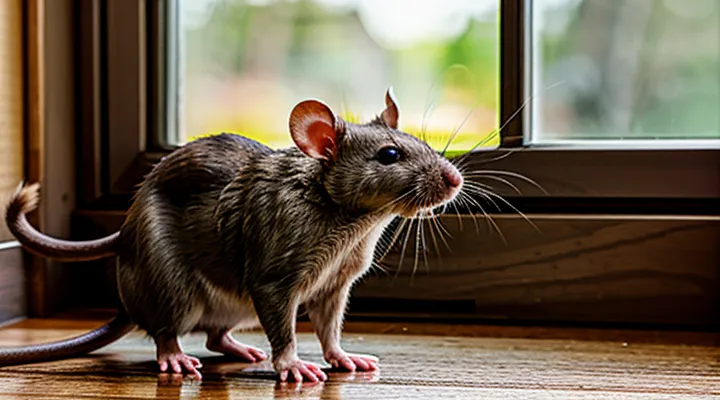
Understanding Fleas and Their Hosts
What Are Fleas?
Life Cycle of Fleas
Fleas undergo a four‑stage development cycle: egg, larva, pupa, and adult. Female fleas lay 20–50 eggs on the host or in the surrounding environment within minutes of feeding. Eggs hatch in 2–5 days, releasing larvae that avoid light and feed on organic debris, including adult flea feces. Larvae molt twice over 5–11 days before spinning cocoons in which they become pupae. Pupae remain dormant for 1–2 weeks, extending up to several months if conditions are unfavorable; they emerge as adults when vibrations, carbon‑dioxide, or heat signal a potential host.
Adult fleas are wingless, laterally flattened insects that locate hosts via heat and movement. After emerging, they seek a blood meal within hours, mate shortly thereafter, and begin the reproductive cycle again. Under optimal temperature (21–30 °C) and humidity (70–80 %), the complete life cycle can be completed in 2–3 weeks, allowing rapid population expansion.
Rats serve as suitable hosts for several flea species, notably the oriental rat flea (Xenopsylla cheopis). These fleas attach to the rat’s fur, feed repeatedly, and deposit eggs in the nest material. High‑density rat colonies provide abundant food and shelter, supporting sustained flea development. Infestation levels rise in warm, humid environments where rat burrows retain moisture, facilitating larval growth and cocoon formation.
Control of flea infestations on rats requires disrupting the life cycle. Strategies include reducing nest debris to eliminate larval food sources, maintaining low humidity, and applying appropriate ectoparasitic treatments to the rodent population. Interrupting any stage—egg laying, larval development, pupal emergence, or adult feeding—reduces the likelihood that rats will host fleas and curtails the spread of flea‑borne pathogens.
Types of Fleas
Rats can host several flea species that readily transfer between rodent hosts and, occasionally, to humans or pets. Understanding which fleas are most likely to infest rats helps in diagnosing infestations and selecting effective control measures.
Common flea species found on rats include:
- Oriental rat flea (Xenopsylla cheopis) – primary vector of plague; thrives in warm, humid environments; prefers feeding on rodents but will bite humans if rats are scarce.
- Northern rat flea (Nosopsyllus fasciatus) – widespread in temperate regions; less aggressive toward humans but capable of transmitting murine typhus.
- Cat flea (Ctenocephalides felis) – opportunistic; frequently moves between rats, cats, and dogs; known for rapid reproduction and resistance to some insecticides.
- Dog flea (Ctenocephalides canis) – similar habits to cat flea; occasionally found on rats in mixed‑species households.
- Pygmy flea (Tunga penetrans) – rare on rats; primarily a human parasite but can temporarily attach to rodent fur.
Each species exhibits distinct host preferences, life‑cycle durations, and resistance patterns. Identifying the flea type informs treatment choices, such as selecting appropriate insecticides, environmental sanitation, and rodent‑population management.
The Susceptibility of Rats to Fleas
Do Wild Rats Carry Fleas?
Diseases Transmitted by Fleas on Wild Rats
Wild rats frequently carry flea infestations; the parasites serve as efficient vectors for several zoonotic pathogens.
- Yersinia pestis – bacterium that causes plague; transmitted when an infected flea bites a rat and later a human.
- Rickettsia typhi – agent of murine typhus; flea feces contaminate skin or mucous membranes, leading to infection after rat exposure.
- Bartonella henselae – causative organism of cat‑scratch disease; fleas acquire the bacterium from rats and can transmit it to other hosts.
- Hantavirus – certain hantavirus strains detected in flea populations associated with rats; transmission occurs through aerosolized rodent excreta after flea bites.
- Leptospira spp. – while primarily spread through urine, fleas can mechanically transfer leptospires between rats, enhancing environmental contamination.
These diseases pose significant risks to human populations residing near rodent habitats. Effective control requires integrated pest management: regular rodent population monitoring, environmental sanitation to reduce flea breeding sites, and targeted insecticide application. Prompt diagnosis and treatment of flea‑borne infections remain essential components of public health response.
Can Pet Rats Get Fleas?
Factors Increasing Flea Risk in Pet Rats
Veterinary observations confirm that pet rats can become hosts for fleas under certain conditions. Understanding the variables that elevate this risk enables owners to implement effective preventive measures.
- Exposure to environments where fleas are established, such as outdoor areas with wildlife or infested indoor spaces, increases the likelihood of infestation.
- Co‑habitation with other animals known to carry fleas—cats, dogs, or rodents—provides a direct transmission pathway.
- Absence of regular ectoparasite control, including topical or systemic products approved for rats, leaves the host vulnerable.
- Warm, humid climates create optimal breeding conditions for flea development, accelerating population growth.
- Overcrowded cages or inadequate sanitation, characterized by accumulated waste and moist bedding, sustain flea life stages.
- Poor nutritional status weakens the immune response, reducing the rat’s ability to resist ectoparasite colonization.
- Use of untreated, heavily woven bedding or carpeting offers hiding places for adult fleas and larvae.
Implementing routine cleaning, maintaining appropriate temperature and humidity, separating rats from other infested pets, and applying veterinarian‑recommended flea preventatives substantially lower the probability of flea presence on pet rats.
Identifying Fleas on Rats
Symptoms of Fleas on Rats
Visible Fleas and Flea Dirt
Rats are susceptible to flea infestations, and the presence of live fleas or flea feces provides the most reliable evidence. Adult fleas are 1–3 mm long, dark brown to reddish, and move rapidly across the fur. They can be seen with the naked eye or a magnifying lens, especially on the belly, tail base, and under the ears.
Flea dirt, the digested blood excreted by fleas, appears as tiny black specks resembling pepper. When a speck is moistened with water, it turns reddish‑brown, confirming it is blood. This diagnostic test helps differentiate flea dirt from normal debris.
Key indicators of a flea problem in rats include:
- Visible adult fleas on the skin or coat.
- Small black particles that stain when wetted.
- Excessive scratching, hair loss, or skin irritation.
- Anemia or weight loss in severe infestations.
Prompt detection allows timely treatment with appropriate flea control products and environmental sanitation, reducing the risk of secondary infections and maintaining the health of the rodent.
Behavioral Changes
Rats that become infested with fleas exhibit distinct alterations in routine behavior. The presence of ectoparasites disrupts normal patterns of activity, grooming, and social interaction.
Key behavioral indicators include:
- Reduced locomotion: Infested rats move less, preferring stationary positions to conserve energy.
- Intensified grooming: Frequent scratching and excessive fur cleaning replace normal grooming intervals.
- Altered feeding: Appetite may decline, leading to irregular or diminished food intake.
- Heightened aggression: Irritability increases, resulting in more frequent bites or confrontations with cage mates.
- Sleep disturbances: Frequent awakenings and restless periods replace typical sleep cycles.
Observing these changes enables early detection of flea infestation, allowing prompt treatment and prevention of secondary health complications.
How to Check Your Rat for Fleas
Rats can host fleas, so regular examination is essential for pet health and household hygiene.
- Separate the rat in a calm, well‑lit area.
- Part the fur with a fine‑toothed flea comb, starting at the head and moving toward the tail.
- Inspect the comb for dark specks (flea dirt) or live insects; rinse the comb in warm water to confirm.
- Examine the skin along the back, neck, and ventral surface for tiny moving parasites or red, irritated patches.
- Pay special attention to the base of the tail, ears, and the area around the anus, where fleas commonly congregate.
- Use a white piece of adhesive tape pressed lightly against the fur; lift and inspect for trapped fleas or eggs.
- Check the cage bedding, tunnels, and food dishes for flea debris; replace or wash contaminated materials promptly.
If any fleas are detected, isolate the rat, treat with a veterinarian‑approved ectoparasiticide, and clean the environment thoroughly to prevent reinfestation. Regular weekly checks reduce the risk of infestation and protect both the rat and other household animals.
Preventing and Treating Fleas on Rats
Preventing Fleas in Pet Rats
Environmental Control
Rats can host fleas when environmental conditions support the parasite’s life cycle. Flea eggs, larvae, and pupae develop best in warm, humid surroundings where organic debris supplies food for immature stages. Poor sanitation, cluttered enclosures, and ambient temperatures between 20 °C and 30 °C create optimal breeding grounds.
Key environmental variables influencing infestation include:
- Ambient temperature: sustained warmth accelerates egg hatching and larval growth.
- Relative humidity: levels above 70 % prevent desiccation of larvae and pupae.
- Organic load: dust, feces, and food remnants provide nutrition for developing stages.
- Shelter density: crowded nesting sites increase host‑to‑host contact, facilitating flea transfer.
Effective control relies on modifying these variables. Recommended actions are:
- Maintain temperature below 20 °C where possible, using ventilation or climate control systems.
- Reduce humidity with dehumidifiers or improved airflow.
- Implement daily cleaning protocols to remove debris, feces, and spilled food.
- Apply approved insecticidal treatments to nesting material and surrounding areas, following label directions.
- Introduce biological agents such as predatory mite species that target flea larvae.
Routine monitoring involves inspecting rats for signs of flea activity, sampling bedding for larvae, and recording environmental readings. Prompt correction of deviations prevents population buildup and limits the risk of flea transmission to other animals or humans.
Regular Health Checks
Regular health examinations are essential for detecting flea infestations in pet rodents. Fleas can attach to a rat’s fur, cause anemia, and transmit pathogens, making early identification critical for effective treatment.
During each veterinary visit, clinicians should:
- Inspect the coat and skin for live fleas, flea dirt, or excessive scratching.
- Examine the perianal region and tail base, common sites for flea activity.
- Perform a thorough physical assessment, noting weight loss, pale mucous membranes, or signs of dermatitis.
- Collect and analyze fecal samples to rule out secondary infections that fleas may introduce.
Between professional checks, owners can maintain vigilance by:
- Conducting weekly visual inspections, using a fine-toothed comb to reveal hidden parasites.
- Monitoring behavior for sudden increases in grooming or restlessness.
- Keeping the cage environment clean, removing debris that can harbor flea eggs and larvae.
Prompt identification through systematic health monitoring reduces the risk of severe flea‑related complications and supports the overall well‑being of rats.
Treating Fleas on Infested Rats
Veterinary-Approved Treatments
Rats may become infested with fleas, requiring veterinary‑approved interventions to ensure health and prevent zoonotic transmission. Effective treatments are limited to products specifically labeled for rodents, as many canine or feline flea medications are toxic to rats.
-
Topical flea spot‑on products: Formulations containing fipronil or imidacloprid, approved for laboratory rats, applied to the dorsal mid‑section at the dose recommended on the product label (typically 0.05 mg/kg). Application must avoid the eyes, ears, and mucous membranes.
-
Oral systemic agents: Isoxazoline class drugs, such as aflibercept‑based chewable tablets, authorized for rat use, administered once monthly at 2 mg/kg. Precise weighing and dose calculation are essential to avoid overdose.
-
Environmental control: Insecticidal powders containing silica aerogel or diatomaceous earth, approved for use in rodent cages, applied sparingly to bedding and hideaways. Contact time of 24 hours eliminates adult fleas without harming the animal.
-
Prescription veterinary shampoos: Products containing pyrethrins at 0.5 % concentration, used for a brief bath (5‑7 minutes) followed by thorough rinsing. Frequency limited to once every four weeks to prevent skin irritation.
Each treatment demands strict adherence to dosage instructions, proper administration technique, and post‑treatment monitoring for adverse reactions such as pruritus, lethargy, or respiratory distress. Veterinary consultation is mandatory before initiating therapy, especially for pregnant or immunocompromised rats. Regular cage cleaning, bedding replacement, and quarantine of new rodents constitute essential preventive measures that reduce reliance on chemical interventions.
Safe Flea Control for Rat Owners
Rats can host flea infestations, especially when housed with other pets or in environments with poor sanitation. Fleas feed on blood, reproduce rapidly, and may transmit diseases to rodents and humans alike. Detection involves visual inspection of the fur and skin for small, dark, moving insects or tiny black specks (flea dirt) near the base of the hair.
Effective flea management for rat owners requires methods that do not harm the animal’s delicate physiology. Safe approaches include:
- Regular grooming: Use a fine-toothed flea comb to remove adult fleas and eggs. Comb each rat daily, focusing on the neck, tail base, and hindquarters.
- Environmental sanitation: Wash bedding, cages, and accessories with hot water (≥ 60 °C) weekly. Vacuum surrounding areas and dispose of vacuum bags promptly.
- Topical treatments approved for small mammals: Apply products specifically labeled for rats or ferrets, following manufacturer dosage instructions. Avoid products intended for dogs or cats, as they contain ingredients toxic to rodents.
- Biological control: Introduce predatory nematodes (e.g., Steinernema spp.) into the substrate; they target flea larvae without affecting the rat.
- Insect growth regulators (IGRs): Use low‑dose IGRs such as methoprene in the cage environment, ensuring the concentration stays within safe limits for rodents.
Monitor rats after treatment for signs of irritation, loss of appetite, or abnormal behavior. If adverse reactions occur, discontinue the product and consult a veterinarian experienced with exotic pets. Consistent hygiene, targeted grooming, and the use of rat‑specific products constitute a comprehensive, low‑risk strategy for flea control.
Addressing a Flea Infestation in the Home
Fleas thrive in environments where they can find blood meals, warm shelter, and suitable breeding sites. Rodents that inhabit homes, such as rats, often serve as reservoirs, providing a continuous source of adult fleas and eggs that can spread to pets and humans.
Typical indicators of a flea problem include frequent scratching by occupants, tiny dark specks in bedding or carpet, and the presence of flea larvae—soft, worm‑like organisms that avoid light. Adult fleas are readily seen jumping from clothing or pets onto skin.
Effective eradication requires a coordinated approach:
- Vacuum all carpeted areas, floor seams, and upholstery daily for two weeks; discard the vacuum bag or clean the canister immediately after each session.
- Wash bedding, curtains, and removable fabric covers in hot water (minimum 60 °C) and dry on high heat.
- Apply an insecticide spray or fogger labeled for indoor use, targeting cracks, baseboards, and under furniture; follow the product’s safety instructions precisely.
- Treat any rodents present with an approved flea control product, or engage a licensed pest‑control professional to set traps and apply rodent‑specific treatments.
- Administer appropriate flea medication to pets, ensuring coverage for at least one month after the last environmental treatment.
Preventive practices maintain a flea‑free residence: keep clutter to a minimum, seal entry points that allow rodents to enter, and schedule regular veterinary flea prophylaxis for animals. Routine inspection of bedding and flooring helps detect re‑infestation early, reducing the likelihood of a resurgence.
Protecting Humans and Other Pets
Flea-Borne Diseases in Humans
Symptoms and Prevention
Rats infested with fleas display distinct signs. Common indicators include excessive scratching or grooming, visible small dark specks moving in fur, hair loss around the tail base, skin irritation or crusty patches, sudden weight loss, and anemia‑related lethargy. In severe cases, blood spots may appear in bedding, and a foul odor can develop from flea debris.
Preventing flea infestations requires strict hygiene and targeted control measures. Effective actions are:
- Regular cleaning of cages, accessories, and surrounding areas; dispose of all bedding weekly.
- Daily inspection of rats’ coats for parasites; remove any fleas using a fine‑toothed comb.
- Application of veterinarian‑approved flea preventatives, such as topical spot‑on treatments or oral medications, following dosage guidelines.
- Quarantine of new or rescued rodents for at least two weeks, treating them preemptively before introduction to existing colonies.
- Maintaining low humidity and temperature levels that discourage flea development.
- Eliminating stray animals, wildlife, and insect reservoirs from the facility’s vicinity.
Consistent monitoring and prompt treatment interrupt flea life cycles, safeguarding rat health and preventing colony‑wide outbreaks.
Protecting Other Household Animals
Cross-Contamination Risks
Rats can serve as hosts for flea infestations, creating pathways for pathogens to move between species and environments. When a flea feeds on an infected rat, it may acquire bacteria such as Yersinia pestis or Rickettsia spp., then transfer these agents to other animals, humans, or surfaces during subsequent blood meals. This bidirectional flow elevates the probability of disease emergence in settings where rats and humans share space.
Key cross‑contamination mechanisms include:
- Direct contact: Fleas detach from a rat and crawl onto nearby animals or humans, delivering pathogens instantly.
- Environmental shedding: Flea feces and molted exoskeletons accumulate in bedding, cages, or storage areas, persisting until disturbed.
- Indirect transfer: Equipment, clothing, or food handlers exposed to contaminated rat habitats can transport fleas or their infectious residues to clean zones.
Mitigation requires strict segregation of rat colonies, routine ectoparasite inspections, and immediate disposal of contaminated materials. Disinfection protocols must address both live fleas and residual biological material to prevent accidental spread beyond the original host population.