
Introduction to Rat Nutrition
The Importance of a Balanced Diet for Rats
A rat’s health depends on a diet that supplies protein, fiber, vitamins, and minerals in appropriate ratios. Protein sources such as cooked egg, lean meat, or high‑quality rodent pellets support muscle development and immune function. Fiber from leafy greens, carrots, or small amounts of fruit aids digestion and prevents gastrointestinal blockage. Vitamins A, D, and B complex, found in vegetables and fortified feeds, maintain vision, bone strength, and metabolic balance. Minerals like calcium and phosphorus, supplied by calcium‑rich foods or supplements, are essential for skeletal integrity and nerve transmission.
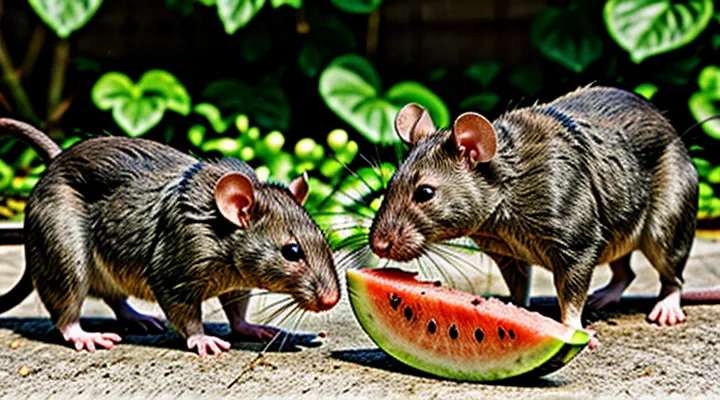
When evaluating fruit options, watermelon offers water and a modest amount of vitamin C, but its sugar content is high. Small, occasional pieces can provide hydration and a flavor variety without disrupting nutrient balance. The seeds present a potential choking hazard and contain a modest amount of fat; limiting or removing them reduces risk while preserving the fruit’s benefits.
A practical feeding schedule might include:
- 70 % commercial rat pellets formulated for complete nutrition
- 20 % fresh vegetables (e.g., kale, broccoli, bell pepper)
- 5 % fruit (e.g., watermelon, apple) offered in limited portions
- 5 % protein treats (e.g., boiled egg, cooked chicken)
Monitoring body condition, coat quality, and activity levels reveals whether the diet meets the animal’s needs. Adjustments should be made promptly if weight loss, lethargy, or digestive issues appear. Consistent provision of a well‑balanced regimen ensures optimal growth, reproduction, and longevity for pet and laboratory rats alike.
General Dietary Guidelines for Pet Rats
Pet rats require a diet that supplies protein, fiber, vitamins, and minerals in balanced proportions. Commercially formulated rat pellets deliver the essential nutrients and should form the foundation of every meal.
Fresh foods complement pellets by providing variety and additional nutrients. Acceptable vegetables include leafy greens, carrots, broccoli, and bell peppers; fruits such as apple, banana, and berries can be offered in limited amounts. Protein sources may consist of cooked egg, plain yogurt, or small quantities of lean meat.
Watermelon is safe for rats when served in small pieces without the rind. The flesh supplies water and natural sugars; however, excessive consumption can lead to digestive upset. Seeds present a choking hazard and may contain compounds that irritate the gastrointestinal tract, so they should be removed before offering the fruit.
- Provide pellets at every feeding session.
- Offer fresh vegetables daily; limit to one to two tablespoons per rat.
- Introduce fruits sparingly, no more than one tablespoon per week.
- Remove all seeds, pits, and skins from fruit before serving.
- Avoid sugary, salty, or processed human foods.
- Monitor weight and stool consistency; adjust portions if abnormalities appear.
Watermelon for Rats: A Nutritional Breakdown
Nutritional Content of Watermelon
Vitamins and Minerals in Watermelon
Watermelon supplies a range of micronutrients that can affect a rodent’s nutrition when the fruit is offered as an occasional treat. The edible flesh contains high levels of vitamin C, providing antioxidant protection and supporting immune function. Vitamin A, present as beta‑carotene, contributes to vision health and cellular maintenance. B‑vitamins, especially B6, thiamine (B1) and niacin (B3), assist in energy metabolism and nervous system activity.
Key minerals include:
- Potassium – regulates fluid balance and nerve transmission.
- Magnesium – participates in enzymatic reactions and muscle function.
- Calcium – essential for bone formation and blood clotting.
- Iron – required for oxygen transport in the bloodstream.
The nutrient profile makes watermelon a source of hydration and supplemental vitamins, but the fruit’s high sugar content and low fiber density limit its suitability for regular feeding. Small, seed‑free portions can be incorporated without disrupting a balanced diet, while whole seeds should be avoided due to potential choking hazards and indigestibility.
Water Content and Hydration Benefits
Watermelon comprises roughly 92 % water, making it one of the most hydrating fruits available. For a typical laboratory rat weighing 250 g, a 10‑gram slice supplies about 9 ml of fluid, which can contribute noticeably to daily water intake requirements that average 30–40 ml per kilogram of body weight.
The high moisture content also delivers electrolytes, primarily potassium and magnesium, in concentrations that support cellular osmoregulation. When rats consume watermelon flesh, the fluid is absorbed rapidly through the gastrointestinal tract, reducing the need for additional drinking water during hot weather or after strenuous activity.
Key hydration‑related effects:
- Immediate increase in total body water volume.
- Stabilization of plasma osmolarity.
- Support of kidney function by diluting urinary solutes.
- Mitigation of heat‑induced dehydration risk.
Potential Benefits of Watermelon for Rats
Watermelon offers several nutritional advantages for domestic rats when offered in moderation. The fruit’s high water content supports hydration, especially during warm weather, and reduces the need for additional drinking water. Vitamin A and vitamin C present in the flesh contribute to ocular health and immune function, while lycopene provides antioxidant protection against cellular oxidative stress.
Fiber in watermelon promotes gastrointestinal motility, helping to prevent constipation and maintain a balanced gut microbiota. The fruit’s natural sugars supply a quick energy source without excessive caloric load, suitable for active rodents. Potassium and magnesium aid in electrolyte balance and muscle contraction, reinforcing overall physiological stability.
Seeds, when limited to a few per serving, add a modest amount of protein and healthy fats, which can complement a rat’s standard diet. However, excessive seed consumption may increase the risk of intestinal blockage; therefore, seed quantity should be carefully controlled.
Key benefits of watermelon for rats
- Hydration enhancement
- Vitamin A and C provision
- Antioxidant lycopene supply
- Dietary fiber for gut health
- Low‑calorie energy source
- Electrolyte support via potassium and magnesium
- Small protein and fat contribution from seeds (when limited)
Introducing watermelon as an occasional treat can diversify a rat’s diet and contribute positively to health, provided portions remain small and seeds are monitored.
Can Rats Eat Watermelon?
Serving Watermelon to Rats
Recommended Portions
Watermelon offers rats hydration and a modest amount of natural sugars, but it should remain a supplemental treat rather than a dietary staple. An adult laboratory rat (approximately 250 g) can safely receive 1–2 cm³ of flesh per serving, equivalent to roughly one tablespoon of cubed fruit. This quantity supplies sufficient moisture without displacing essential protein and fiber sources.
- Frequency: 2–3 times per week.
- Portion per rat: 1 – 2 cm³ (≈1 Tbsp) of flesh.
- Total weekly intake: no more than 4–6 Tbsp.
Seeds pose a choking hazard and contain trace amounts of cucurbitacin, a bitter compound that may cause gastrointestinal irritation. If seeds are present, they must be removed before offering the fruit. In cases where a rat tolerates seed‑free flesh, a maximum of two small pieces (each under 0.5 cm³) may be added to a single serving, provided the rat exhibits normal chewing behavior and no signs of distress.
Young or compromised rats (e.g., underweight, diabetic, or with dental issues) should receive half the standard portion and be monitored closely for any adverse reactions. Adjustments are necessary if the animal shows excessive weight gain, loose stools, or reduced appetite after consumption.
Frequency of Feeding
Rats may enjoy watermelon as an occasional treat, but the timing and amount must be controlled to prevent digestive upset. Offer fresh, seed‑free flesh no more than twice a week; each serving should not exceed one teaspoon for a standard adult rat. Excessive sugar can lead to obesity and gut flora imbalance, so limit exposure.
When seeds are present, introduce them sparingly. One to two seeds per feeding, no more than once a week, allow the animal’s digestive system to adapt without risking intestinal blockage. Monitor for signs of discomfort, such as reduced activity or abnormal stool, and discontinue if any appear.
Key points for a safe feeding schedule:
- Fresh watermelon flesh: ≤2 times weekly, ≤1 tsp per rat.
- Watermelon seeds: ≤1 time weekly, 1–2 seeds maximum.
- Observe each rat after introduction; adjust frequency based on individual tolerance.
Consistent, moderate inclusion supports enrichment without compromising health.
Precautions When Feeding Watermelon to Rats
Sugar Content Concerns
Watermelon provides a high concentration of simple sugars, primarily fructose and glucose, which can rapidly elevate blood glucose levels in rats. Unlike species adapted to digest large amounts of fruit sugars, laboratory and pet rats have limited capacity to regulate sudden spikes, increasing the risk of hyperglycemia and associated metabolic disturbances.
Key concerns related to the sugar content include:
- Blood glucose fluctuations – rapid absorption may overwhelm pancreatic insulin response, leading to temporary hyperglycemia.
- Weight gain – excess caloric intake from sugary fruit can contribute to adiposity, especially when water intake is not proportionally increased.
- Dental health – high sugar exposure promotes bacterial growth and enamel demineralization, potentially resulting in cavities.
- Digestive upset – large volumes of fructose may cause osmotic diarrhea or intestinal discomfort.
Mitigation strategies:
- Offer only small, measured portions of the flesh, limiting intake to no more than 5–10 g per 100 g of body weight per serving.
- Observe individual responses; discontinue if signs of lethargy, polyuria, or weight gain appear.
- Provide a balanced diet rich in fiber and protein to offset the carbohydrate load.
- Consider alternative low‑sugar treats, such as cucumber or leafy greens, when regular fruit consumption is desired.
Overall, the sugar profile of watermelon necessitates careful portion control and monitoring to avoid adverse health effects in rats.
Digestive Upset Risks
Watermelon flesh is high in water and natural sugars; excessive consumption can overwhelm a rat’s gastrointestinal system, leading to loose stools or diarrhea. The rapid influx of fluid may dilute intestinal electrolytes, increasing the risk of dehydration if water intake does not compensate.
Seeds present a mechanical hazard. Their hard shells can resist digestion, potentially causing intestinal blockage or irritation. Small seed fragments may puncture the mucosal lining, resulting in inflammation or bleeding.
Risks summary:
- Diarrhea from high water and sugar content
- Dehydration secondary to fluid loss
- Intestinal obstruction from whole seeds
- Mucosal irritation or puncture by seed fragments
Providing watermelon only in limited, seed‑free portions reduces these digestive complications. Monitoring stool consistency after introduction helps identify adverse reactions promptly.
Watermelon Seeds: A Closer Look
Nutritional Content of Watermelon Seeds
Watermelon seeds are dense in nutrients that can contribute to a rodent’s diet when offered in moderation. A 100‑gram portion supplies approximately 560 kcal, reflecting a high energy concentration derived primarily from fats. The macronutrient profile per 100 g includes:
- Protein: 28 g, containing essential amino acids such as lysine and tryptophan.
- Fat: 47 g, with a favorable ratio of polyunsaturated to saturated fatty acids; notable amounts of linoleic acid are present.
- Carbohydrate: 15 g, of which dietary fiber accounts for 8 g, supporting gastrointestinal health.
Micronutrient content is significant:
- Magnesium: 530 mg (≈ 130 % of the recommended daily allowance for a 30‑g rat).
- Phosphorus: 660 mg, essential for bone mineralization.
- Zinc: 4 mg, contributing to immune function.
- Iron: 5 mg, supporting hemoglobin synthesis.
- Vitamin E: 35 mg α‑tocopherol, providing antioxidant protection.
Additional bioactive compounds include citrulline, an amino acid that may improve vascular function, and phenolic antioxidants that mitigate oxidative stress. The high fat and calorie density warrants cautious inclusion; excessive intake can lead to obesity or hepatic lipid accumulation. Moreover, raw seeds may contain residual pesticide residues; thorough washing or roasting reduces this risk.
In summary, watermelon seeds deliver protein, healthy fats, fiber, and a spectrum of minerals and vitamins useful for rodents, provided they are introduced gradually and in limited quantities to avoid metabolic complications.
Safety of Watermelon Seeds for Rats
Potential Choking Hazards
Watermelon’s high water content and sweet flavor attract rats, but the fruit’s physical characteristics create a genuine choking risk. Rat incisors can slice soft flesh easily, yet the hard seeds often exceed the diameter of a rat’s trachea, making accidental aspiration likely when the animal bites or gulps.
Key choking hazards include:
- Seed obstruction: Whole seeds can lodge in the larynx or bronchi, leading to rapid respiratory distress.
- Pulp blockage: Large, unchewed chunks of flesh may become lodged in the esophagus, especially if the rat swallows without thorough mastication.
- Inhalation of seed fragments: Crushed seed pieces can be drawn into the airway during vigorous chewing.
To eliminate these dangers, present watermelon in a form that removes or minimizes hard components. Recommended preparation steps are:
- Extract all seeds before offering the fruit.
- Cut the flesh into cubes no larger than 1 cm³, ensuring each piece fits comfortably within the rat’s oral cavity.
- Supervise initial feeding sessions to confirm the animal can manage the texture without gagging.
By adhering to these precautions, owners can provide watermelon’s nutritional benefits while preventing life‑threatening choking incidents.
Cyanide Concerns in Fruit Seeds
Rats that consume watermelon flesh can also ingest the small black seeds. These seeds contain amygdalin, a cyanogenic glycoside that releases hydrogen cyanide when metabolized. In rodents, the toxicity threshold for cyanide is approximately 2 mg kg⁻¹ body weight. A single watermelon seed holds roughly 0.02 mg of cyanogenic compounds, meaning a rat would need to eat several hundred seeds in a short period to approach harmful levels.
Key points for evaluating risk:
- Seed size: Watermelon seeds are relatively large compared with other fruit pits, reducing the number that can be swallowed at once.
- Digestive processing: Rats’ gastrointestinal enzymes partially break down amygdalin, limiting cyanide release.
- Acute exposure: Ingesting up to 50 seeds typically remains well below the lethal dose for an average laboratory rat (≈250 g).
- Chronic exposure: Repeated consumption of large quantities may cause cumulative toxicity, manifesting as lethargy, respiratory distress, or convulsions.
Monitoring intake and restricting seed consumption to occasional, minimal amounts ensures that cyanide exposure stays within safe limits for the animal.
Safe Alternatives and Treats for Rats
Other Fruit Options for Rats
Rats that tolerate watermelon can also enjoy a variety of other fruits, provided the fruit is fresh, washed, and offered in small portions. Each option should be evaluated for sugar content, seed size, and potential toxicity.
- Apple: remove core and seeds; flesh is safe.
- Blueberries: whole berries are acceptable; limit to a few per day.
- Strawberries: cut into bite‑size pieces; avoid the stem.
- Pear: discard the core and seeds; flesh is suitable.
- Kiwi: peel and slice; avoid the fuzzy skin if the rat is unfamiliar.
- Mango: remove pit and skin; offer only a small cube.
- Banana: serve a thin slice; high sugar warrants occasional use.
- Cantaloupe: seedless flesh is fine; monitor for excess moisture.
- Grapes: split and remove seeds; limit due to high sugar.
- Papaya: peel, deseed, and cut into small pieces; rich in fiber.
When introducing any new fruit, observe the rat for signs of digestive upset. Rotate selections to provide nutritional variety while keeping overall fruit intake below 10 % of the diet.
Safe Vegetable Snacks for Rats
Rats thrive on a diet that includes fresh vegetables, which provide essential vitamins, minerals, and fiber. When offering fruit, watermelon flesh is acceptable in moderation, but the rind and seeds present a choking hazard and should be omitted.
Safe vegetable options for pet rats include:
- Carrots, sliced thinly
- Bell peppers, any color, diced
- Cucumber, seedless, chopped
- Zucchini, raw or lightly steamed
- Spinach, washed and torn into small pieces
- Broccoli florets, steamed briefly to soften
Each vegetable must be washed thoroughly, cut into bite‑size portions, and introduced gradually to monitor for digestive tolerance. Overfeeding any single item can cause diarrhea; a balanced rotation of several vegetables maintains gut health.
Avoid foods that are toxic or indigestible, such as raw potatoes, onions, and citrus peels. Provide water daily and ensure that treats do not exceed ten percent of the rat’s total caloric intake.
Monitoring Your Rat After Introducing New Foods
When a rat receives watermelon or its seeds for the first time, observe behavior and health indicators closely. Immediate reactions such as chewing hesitation, rapid breathing, or excessive drooling may signal discomfort or an adverse response.
Track digestive outcomes over the next 24‑48 hours. Note stool consistency, frequency, and any signs of diarrhea or constipation. Persistent loose stools suggest intolerance; solid, normal‑looking feces indicate safe digestion.
Monitor weight and activity levels daily. A sudden decline in weight, reduced exploration, or lethargy can reveal hidden issues. Conversely, stable or increased weight and unchanged playfulness confirm that the new food is being tolerated.
Key observation points:
- Appetite change (increase, decrease, refusal)
- Water consumption (normal, excessive, reduced)
- Coat condition (shiny, dull, hair loss)
- Oral health (redness, swelling, excessive gnawing)
- Behavioral shifts (aggression, anxiety, hiding)
If any abnormal signs persist beyond a few days, discontinue the fruit and consult a veterinarian experienced with rodents.