
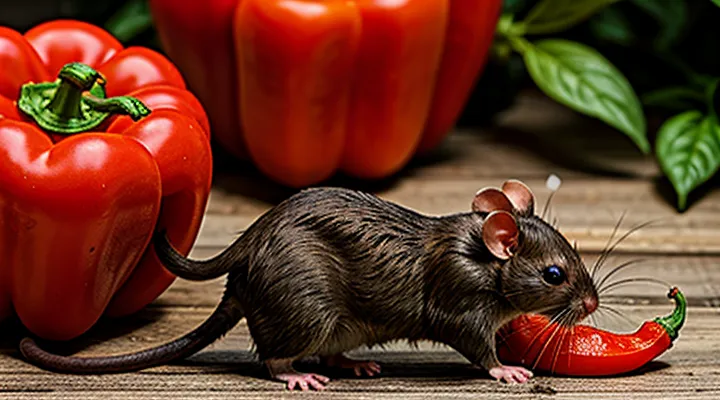
Understanding Sweet Red Pepper
Nutritional Profile
Vitamins and Minerals
Rats can safely consume sweet red pepper, provided the vitamin and mineral content aligns with their nutritional requirements. The fruit supplies a concentrated source of micronutrients that support growth, immune function, and metabolic processes.
- Vitamin A (β‑carotene) – high concentration; essential for vision, epithelial health, and cellular differentiation.
- Vitamin C – abundant antioxidant; aids collagen synthesis, reduces oxidative stress, and enhances iron absorption.
- Vitamin B6 (pyridoxine) – moderate levels; involved in neurotransmitter synthesis and protein metabolism.
- Folate (vitamin B9) – present in measurable amounts; critical for DNA synthesis and cell division.
Key minerals in sweet red pepper include:
- Potassium – regulates fluid balance and nerve signaling.
- Magnesium – cofactor for enzymatic reactions, muscle function, and bone integrity.
- Iron – required for hemoglobin formation; bioavailability improves with concurrent vitamin C.
- Calcium – modest contribution; supports skeletal development.
Benefits arise from the combined effect of these nutrients, yet excessive intake may cause gastrointestinal irritation due to the pepper’s fiber and acidity. Introduce the vegetable gradually, offering small, seed‑free pieces once or twice weekly. Monitor the animal for signs of digestive upset; discontinue if diarrhea or reduced appetite occurs.
Prepared correctly—washed, deseeded, and cut into bite‑size portions—sweet red pepper can enrich a rat’s diet without replacing staple protein and grain sources. Regular inclusion at the recommended frequency supplies essential vitamins and minerals while maintaining overall dietary balance.
Antioxidants
Sweet red peppers contain a concentrated blend of antioxidant compounds that can influence rodent nutrition. The primary antioxidants include:
- Capsanthin, a carotenoid responsible for the deep red hue, which scavenges free radicals.
- Vitamin C, a water‑soluble antioxidant that supports immune function.
- Vitamin E (α‑tocopherol), a lipid‑soluble antioxidant protecting cell membranes.
- Polyphenols such as quercetin and luteolin, which exhibit anti‑inflammatory activity.
When rats ingest these peppers, the antioxidants may reduce oxidative stress in tissues, potentially improving metabolic health. Studies on laboratory rodents show that moderate inclusion of red pepper flesh (approximately 5–10 % of diet weight) raises plasma vitamin C levels without adverse effects. Excessive consumption can lead to gastrointestinal irritation due to the pepper’s acidity and capsaicin content, which may offset antioxidant benefits.
Safety considerations focus on dosage and preparation. Fresh, seed‑free peppers minimize fiber overload and pesticide residue. Cooking softens the cell walls, enhancing bioavailability of carotenoids, while preserving most vitamin C when brief heat exposure is applied. Monitoring body weight and stool consistency helps detect intolerance early.
In summary, the antioxidant profile of sweet red peppers offers measurable nutritional advantages for rats when offered in controlled portions, provided that the fruit is clean, seed‑removed, and introduced gradually to the diet.
Potential Benefits for Rats
Immune Support
Rats that consume sweet red pepper receive a source of vitamin C, a micronutrient that enhances the activity of leukocytes and supports the synthesis of collagen, a structural protein essential for maintaining tissue barriers against pathogens. The pepper’s capsanthin and beta‑carotene function as antioxidants, reducing oxidative stress that can impair immune cell function.
In addition to these compounds, sweet red pepper supplies modest amounts of vitamin A and folate, both of which contribute to the proliferation of lymphocytes and the regulation of inflammatory responses. Regular inclusion of the vegetable in a balanced rodent diet can therefore reinforce innate defenses and improve adaptive immunity.
Potential concerns include the pepper’s natural sugars and the presence of capsaicin, which may cause gastrointestinal irritation in sensitive individuals. To minimize adverse effects, introduce the food gradually, offering only small, seed‑free pieces, and monitor for signs of diarrhea or reduced appetite.
Practical guidelines for using sweet red pepper as an immune‑supporting supplement:
- Provide 1–2 g of finely diced, seed‑free flesh per 100 g of body weight, three times weekly.
- Combine with a low‑fat protein source to ensure adequate absorption of fat‑soluble nutrients.
- Observe each rat for changes in stool consistency and activity level for 48 hours after first exposure.
When administered responsibly, sweet red pepper can serve as a natural adjunct to enhance the immune competence of laboratory or pet rats.
Hydration
Rats can ingest sweet red pepper, which contains approximately 92 % water by weight. This high moisture content contributes directly to daily fluid intake, reducing the need for additional drinking water when the vegetable forms part of a balanced diet.
A typical adult laboratory rat requires about 30 ml of water per 100 g of body weight. Consuming a 10‑gram piece of red pepper supplies roughly 9 ml of water, representing nearly one‑third of the animal’s hourly fluid requirement during active periods.
- Water content: 92 % of fresh red pepper mass.
- Sodium: low levels, unlikely to disrupt electrolyte balance when offered in moderation.
- Fiber: soluble fiber can retain water in the gastrointestinal tract, aiding hydration of intestinal contents.
- Vitamin C: present in red pepper, but rats synthesize this vitamin endogenously, so it does not affect fluid balance.
Excessive feeding of red pepper may introduce sugar concentrations that draw water into the intestinal lumen, potentially causing mild osmotic diarrhea. Monitoring stool consistency after introducing the vegetable helps ensure that hydration benefits outweigh any gastrointestinal disturbance.
Risks and Considerations
Capsaicin Content (or lack thereof in sweet varieties)
Digestive Sensitivity
Rats can ingest sweet red pepper, but their gastrointestinal tract reacts differently than that of humans. The fruit’s high sugar content and acidic pH test the limits of a rodent’s digestive tolerance, especially when the animal is not accustomed to such foods.
The rat’s small intestine absorbs simple carbohydrates efficiently, yet excessive fructose may overwhelm transport mechanisms, leading to osmotic diarrhea. The acidic environment (pH 4–5) can irritate the gastric lining, causing reduced mucus secretion and increased susceptibility to ulceration. Fiber in the pepper adds bulk, which can accelerate transit time and provoke loose stools if introduced abruptly.
Signs of digestive sensitivity
- Watery, unformed feces
- Decreased food intake
- Lethargy or reduced activity
- Visible abdominal swelling
If any of these symptoms appear after feeding pepper, discontinue the fruit and monitor recovery. Introduce the vegetable gradually, limiting portions to no more than one small piece (approximately 2–3 mm) per day for an adult rat. Providing ample fresh water and a balanced diet of standard rodent pellets will mitigate potential adverse effects.
Allergic Reactions
Rats may experience hypersensitivity when introduced to sweet red peppers. The fruit contains capsaicinoids and protein allergens that can trigger immune responses similar to those observed with other nightshade vegetables.
Allergic manifestations in rodents include:
- Nasal discharge or sneezing
- Labored breathing or wheezing
- Swelling of the face, ears, or paws
- Itching, erythema, or ulcerative lesions on the skin
- Diarrhea or vomiting accompanied by blood
Observation of these signs within hours of ingestion suggests an acute reaction. Laboratory confirmation involves serum IgE measurement or skin‑prick testing adapted for laboratory rats.
Management requires immediate cessation of pepper exposure. Supportive care may involve:
- Antihistamine administration under veterinary supervision
- Corticosteroid therapy for severe inflammation
- Fluid therapy if gastrointestinal loss occurs
Preventive strategies include gradual diet introduction, avoidance of nightshade species for sensitive individuals, and routine health monitoring in research colonies.
Portion Control
Introducing New Foods
Rats can safely try sweet red peppers when introduced gradually and under observation. The fruit offers vitamin C, beta‑carotene, and fiber, but its high sugar content may affect digestion if given in excess.
To add a new vegetable to a rodent’s diet, follow these steps:
- Wash the pepper thoroughly to remove pesticides.
- Remove seeds and stem; cut the flesh into 1‑centimeter cubes.
- Offer a single piece alongside regular food for the first day.
- Observe the animal for 24 hours, noting any changes in stool, activity, or appetite.
- If no adverse reaction appears, increase the portion to two or three pieces per day, keeping total pepper intake below 5 % of the overall diet.
Potential warning signs include diarrhea, reduced food intake, or lethargy. Should any of these occur, discontinue the pepper and consult a veterinarian. Regular monitoring ensures the new food enhances nutrition without compromising health.
Monitoring Rat's Reaction
Monitoring a rat’s response to sweet red capsicum requires systematic observation and precise data collection. Begin by introducing a small, measured portion of the pepper to the animal’s diet after a baseline period of regular feeding. Record the exact weight and preparation method (raw, diced, or cooked) to ensure reproducibility.
Collect physiological and behavioral indicators at defined intervals (e.g., 15 minutes, 1 hour, 24 hours). Key metrics include:
- Food intake change (grams consumed versus control)
- Body temperature fluctuations
- Respiratory rate and pattern
- Activity level (locomotion, grooming, nesting)
- Signs of distress (vocalization, aggression, lethargy)
- Gastrointestinal output (fecal consistency, presence of blood)
Document observations in a structured log, noting time stamps and any deviations from normal behavior. Use video recording when possible to capture subtle actions that may be missed during brief checks.
Analyze data by comparing the experimental group with a control cohort receiving a neutral food item. Statistical tests such as t‑tests or ANOVA determine whether differences are significant. Correlate physiological changes with the amount of pepper ingested to assess tolerance thresholds.
Conclude the monitoring phase by summarizing findings, highlighting any adverse reactions, and recommending dosage limits for future studies. Ensure that all procedures comply with institutional animal care guidelines and that humane endpoints are defined in advance.
How to Feed Sweet Red Pepper to Rats
Preparation
Washing
Rats may be offered sweet red peppers as an occasional treat, but the vegetable must be cleaned thoroughly to prevent contamination. Residual pesticides, soil particles, or microbial growth can cause gastrointestinal distress or introduce pathogens into a rodent’s diet. Proper washing removes these hazards and preserves the nutritional value of the pepper.
Effective washing procedures include:
- Rinse under cool running water for at least 30 seconds, using a gentle stream to dislodge surface debris.
- Scrub with a soft brush or cloth to break up stubborn residues.
- Submerge in a solution of one part distilled white vinegar to three parts water for five minutes; this step reduces bacterial load without leaving harmful chemicals.
- Rinse again with clean water to eliminate any remaining vinegar taste.
- Pat dry with a clean paper towel or allow to air‑dry on a sterile surface before cutting into bite‑size pieces.
After washing, verify that the pepper is free of visible mold, bruises, or soft spots, which indicate decay. Provide only small, bite‑sized portions to monitor the rat’s reaction and adjust the diet accordingly.
Cutting
Preparing sweet red bell pepper for rats requires precise cutting to ensure safety and palatability. The vegetable’s firm flesh must be reduced to bite‑sized pieces that a rodent can chew without choking. Cutting too large a segment creates a choking hazard; cutting too small increases the risk of the rodent swallowing the seed, which can cause digestive irritation.
- Use a sharp, clean knife to slice the pepper into ½‑inch (≈1.3 cm) strips.
- Remove the stem, core, and all seeds before cutting; seeds contain capsaicin and can irritate a rat’s gastrointestinal tract.
- Rinse the strips under cold running water to eliminate surface pesticides or dust.
- Pat the pieces dry with a paper towel to prevent excess moisture that promotes mold.
After cutting, store the pieces in a sealed container in the refrigerator for no more than 48 hours. Prolonged storage encourages bacterial growth, which can lead to illness when the rat consumes the pepper. If any portion shows discoloration, slime, or an off‑odor, discard it immediately.
When introducing the pepper to a rat’s diet, offer a single small portion and observe for signs of discomfort, such as reduced appetite, loose stools, or excessive grooming of the mouth. If adverse reactions occur, remove the pepper entirely and consult a veterinarian. Proper cutting, handling, and monitoring minimize risks and allow the rat to enjoy the nutritional benefits of sweet red pepper safely.
Serving Methods
Raw
Rats may consume raw sweet red peppers without immediate toxicity. The fruit offers vitamins A, C, and B6, as well as antioxidants such as carotenoids and capsanthin. These nutrients support vision, immune function, and cellular health in rodents.
Feeding guidelines:
- Offer small, bite‑size pieces (no larger than 1 cm³) to prevent choking.
- Limit intake to 5–10 g per 100 g body weight per week; excessive consumption can cause gastrointestinal upset.
- Introduce gradually, monitoring for signs of diarrhea or reduced appetite.
Potential concerns:
- Capsaicin levels in sweet varieties are low, but individual sensitivity may vary; observe for irritation of the oral cavity or stomach.
- Pesticide residues may be present on unwashed produce; rinse thoroughly or use organically grown peppers.
- High fiber content can alter gut flora; balance with other low‑fiber foods to maintain digestive stability.
Overall, raw sweet red pepper can be a nutritious supplement for laboratory or pet rats when provided in modest quantities, properly cleaned, and introduced with caution.
Cooked (without seasoning)
Rats can safely ingest cooked sweet red pepper when it is plain and free of added salts, spices, or fats. The cooking process softens the fibrous tissue, making the vegetable easier to chew and digest for rodents with delicate gastrointestinal tracts.
Nutritional benefits include:
- Vitamin C and beta‑carotene, which support immune function and vision.
- Small amounts of dietary fiber that aid intestinal motility.
- Minimal calories, suitable for maintaining healthy body weight.
Potential concerns:
- Over‑cooking destroys heat‑sensitive nutrients, reducing the vitamin content.
- Residual pesticide residues may remain if the pepper is not thoroughly washed before cooking.
- Excessive consumption can cause mild gastrointestinal upset, such as loose stools, due to the natural sugars and acidity.
Guidelines for feeding:
- Rinse the pepper under running water to eliminate surface contaminants.
- Boil or steam until the flesh is tender but not mushy (approximately 3–5 minutes).
- Cool to room temperature; serve in small pieces, no larger than a pea.
- Offer as a occasional supplement, not exceeding 5 % of the total diet by weight.
When these precautions are observed, cooked sweet red pepper provides a harmless, nutrient‑rich addition to a rat’s diet.
Frequency and Amount
Rats may safely ingest sweet red bell pepper when it is introduced as a supplemental food. The organoleptic properties of the vegetable are generally well tolerated, but the quantity and regularity must be controlled to avoid gastrointestinal upset and nutrient imbalance.
- Frequency: Offer the pepper no more than two to three times per week. This schedule provides variety without displacing the core diet of grains, protein, and fiber.
- Portion size: Provide a single bite‑sized piece, approximately 0.5 cm³, for an adult rat weighing 250–300 g. For a juvenile, reduce the piece to one‑third of that volume.
- Cumulative limit: The total pepper intake should not exceed 5 % of the rat’s daily caloric intake. Exceeding this threshold can lead to excess sugar and vitamin C, which may cause soft stools or renal strain.
- Preparation: Remove seeds and stem, wash thoroughly, and serve raw or lightly steamed. Cooking eliminates some heat‑sensitive nutrients but does not affect safety.
- Monitoring: Observe each animal for signs of indigestion, such as loose feces or reduced activity, after the first exposure. Discontinue if adverse reactions occur.
Adhering to these guidelines ensures that sweet red bell pepper serves as a harmless, occasional enrichment rather than a staple component of the diet.
Foods to Avoid
Harmful Vegetables
Rats tolerate many plant foods, yet several vegetables cause toxicity or digestive distress. Recognizing these risks prevents illness and supports proper care.
- Tomato leaves and stems – contain solanine, a glycoalkaloid that can produce vomiting, diarrhea, and neurological symptoms.
- Potato sprouts and green skins – also high in solanine; ingestion may lead to weakness, drooling, and heart rate irregularities.
- Onion, garlic, and related Allium species – produce thiosulfates that damage red blood cells, resulting in hemolytic anemia.
- Rhubarb leaves – rich in oxalic acid; consumption can cause kidney failure and severe abdominal pain.
- Eggplant leaves and stems – contain nasunin and solanine; intake may cause gastrointestinal upset and neurologic effects.
- Raw cabbage and broccoli – high in glucosinolates; large amounts can irritate the gut and interfere with thyroid function.
- Spinach (raw, large quantities) – oxalates may precipitate kidney stones and impair calcium absorption.
These vegetables should be excluded from a rat’s diet or offered only in minimal, cooked forms after thorough testing for safety. Sweet red pepper, by contrast, lacks the toxic compounds listed above and is generally regarded as a safe, nutrient‑rich option for rodents.
Toxic Fruits
Rats readily accept many vegetables, and sweet red pepper poses no known toxicity. The plant belongs to the Capsicum genus, whose fruit contains low levels of capsaicin that do not affect rodent physiology. Laboratory observations show normal weight gain and activity when the pepper is included in a balanced diet.
Conversely, several fruits contain compounds that are harmful to rats. Consumption of these items can lead to organ damage, neurological symptoms, or death. The most frequently cited toxic fruits are:
- Apple seeds – contain amygdalin, which releases cyanide after digestion.
- Cherry pits – also rich in cyanogenic glycosides that produce cyanide.
- Apricot kernels – high concentrations of amygdalin similar to apple seeds.
- Elderberries (raw) – contain sambunigrin, a cyanogenic compound; only cooked berries are safe.
- Rhubarb leaves – contain oxalic acid, which can cause renal failure.
When offering fruit to rats, remove seeds, pits, and toxic parts, and limit quantities to prevent gastrointestinal upset. Incorporating safe vegetables such as sweet red pepper can diversify the diet without introducing the risks associated with the listed fruits.