
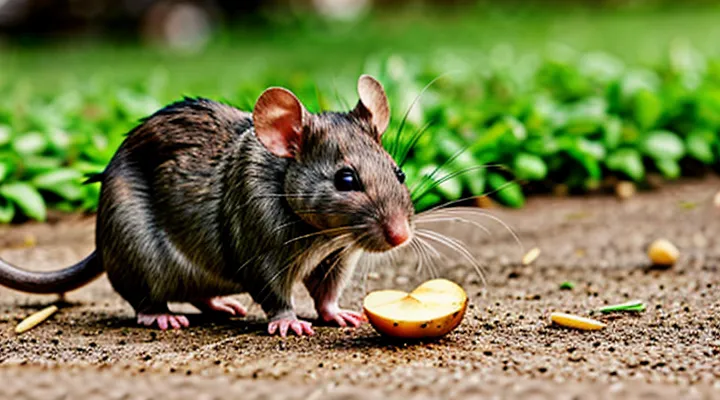
Understanding Rat Diet Basics
Essential Nutritional Requirements for Rats
Rats require a balanced intake of macronutrients and micronutrients to maintain growth, reproduction, and immune function. Their diet must supply adequate protein (15–20 % of calories) from sources such as soy, fish meal, or egg powder. Essential amino acids—including lysine, methionine, and tryptophan—support muscle development and enzymatic processes.
Fat should represent 5–10 % of caloric intake, providing essential fatty acids (linoleic and α‑linolenic acids) for cell membrane integrity and hormone synthesis. Fiber, at 3–5 % of the diet, promotes gastrointestinal motility and cecal fermentation, producing short‑chain fatty acids beneficial for gut health.
Key vitamins include A, D₃, E, K, and the B‑complex group (B₁, B₂, B₆, B₁₂, niacin, pantothenic acid, folic acid). These support vision, calcium metabolism, antioxidant defenses, and energy metabolism. Minerals such as calcium, phosphorus, magnesium, potassium, sodium, zinc, copper, iron, and selenium must be present in ratios that prevent deficiencies or toxicities; for example, a calcium‑to‑phosphorus ratio near 1:1 is optimal for skeletal health.
Water is indispensable; rats consume 30–50 ml per 100 g body weight daily, and dehydration rapidly impairs renal function and thermoregulation.
When evaluating potatoes as a component of a vegetable‑based regimen, consider the following points:
- Carbohydrate content – potatoes supply primarily starch, delivering rapid glucose; excessive inclusion can displace protein and fat, leading to imbalanced energy distribution.
- Vitamin C – raw potatoes contain modest amounts, but cooking degrades this nutrient; rats synthesize vitamin C endogenously, making dietary provision unnecessary.
- Fiber – the skin contributes soluble and insoluble fiber, aiding digestion; however, the overall fiber contribution remains low compared to legumes or grains.
- Anti‑nutrients – raw potatoes contain solanine and lectins, which are toxic at high concentrations; thorough cooking reduces these compounds to safe levels.
- Mineral profile – potatoes are low in calcium and phosphorus; reliance on them without supplementation risks mineral deficiencies.
To meet essential requirements while incorporating potatoes, formulate a diet where:
- Protein sources supply at least 15 % of total calories.
- Fat contributes 5–10 % of calories, sourced from oils or animal fats.
- Potatoes constitute no more than 20 % of the dry matter, ensuring space for protein‑rich and mineral‑dense ingredients.
- A vitamin‑mineral premix compensates for deficits inherent in tuber vegetables.
- Fresh water is continuously available.
Adhering to these parameters guarantees that a vegetable‑inclined feeding plan fulfills the physiological needs of rats without compromising health.
Harmful Foods for Rats
Rats require a balanced diet that supplies protein, fiber, vitamins, and minerals. Certain foods compromise health, especially when introduced as part of a vegetable‑based regimen.
- Potato leaves and stems – contain solanine, a glycoalkaloid toxic to rodents; ingestion can cause gastrointestinal distress and neurological symptoms.
- Raw potatoes – high in starch and may harbor solanine if green; excessive carbohydrate load leads to obesity and insulin resistance.
- Nightshade family (tomatoes, eggplant, peppers) – unripe or green parts hold solanine; even ripe fruit can trigger mild irritation in sensitive individuals.
- Citrus peels – rich in citric acid, which can erode enamel and upset stomach pH.
- Avocado flesh and pit – contain persin, a fatty acid derivative causing respiratory distress and cardiac damage in rodents.
- Chocolate and caffeine‑containing products – methylxanthines depress the central nervous system, potentially resulting in seizures or death.
- Onions, garlic, and leeks – high in thiosulfates that damage red blood cells, leading to hemolytic anemia.
- Alcohol and fermented foods – depress neurological function; even small amounts can be lethal.
Toxin exposure typically manifests as loss of appetite, lethargy, diarrhea, tremors, or respiratory difficulty. Prompt veterinary assessment is essential if symptoms appear.
Safe vegetable options include carrots, broccoli, kale, and cucumber, provided they are washed, cut into bite‑size pieces, and offered in moderation alongside a high‑quality rodent pellet. Regular rotation of fresh foods reduces the risk of nutrient imbalances and supports digestive health.
Potatoes: Nutritional Profile
Raw Potatoes: Composition and Concerns
Solanine Content and Toxicity
Solanine is a glycoalkaloid naturally occurring in all members of the nightshade family, including potatoes. Concentrations average 2–15 mg per 100 g of raw tuber, but rise sharply in green skin, sprouts, and damaged tissue, where levels can exceed 100 mg / 100 g. The compound interferes with cell‑membrane ion channels, causing neurological and gastrointestinal effects in mammals.
Rats exhibit acute toxicity at approximately 30–45 mg of solanine per kilogram of body weight. Reported symptoms include salivation, vomiting, tremors, and, at higher doses, respiratory failure. Sub‑lethal exposure may lead to reduced feed intake and weight loss. Laboratory data indicate an LD₅₀ of roughly 150 mg kg⁻¹ for adult rats.
When incorporating potatoes into a rodent diet, consider the following precautions:
- Remove green areas, sprouts, and any bruised sections before preparation.
- Peel the tuber to eliminate most surface solanine.
- Cook at temperatures above 80 °C for at least 10 minutes; heat reduces glycoalkaloid content by 30–50 %.
- Limit portion size to no more than 5 % of total daily feed mass.
- Monitor rats for signs of distress after initial exposure.
Adhering to these guidelines minimizes solanine‑related risk while allowing potatoes to contribute carbohydrates and vitamins to a balanced rodent diet.
Starch Digestion in Rats
Rats possess a well‑developed capacity to hydrolyze starch. Salivary amylase initiates breakdown in the oral cavity, although its activity is modest compared to that of other mammals. The majority of starch digestion occurs in the small intestine, where pancreatic α‑amylase cleaves α‑1,4‑glycosidic bonds, producing maltose, maltotriose, and dextrins. Brush‑border enzymes—maltase, isomaltase, and sucrase‑isomaltase—further convert these oligosaccharides into glucose, which is absorbed via sodium‑dependent transporters.
Key physiological features:
- High pancreatic amylase output relative to body size.
- Efficient villous architecture that maximizes absorptive surface.
- Rapid gastric emptying of carbohydrate‑rich meals, facilitating timely intestinal exposure.
When potatoes are introduced as a dietary component, the starch they contain is largely of the rapidly digestible type. This leads to:
Potential benefits
- Quick glucose supply supports high metabolic rates.
- Enhanced glycogen storage in liver and muscle tissues.
- Reduced reliance on protein for energy, preserving lean mass.
Potential drawbacks
- Sudden glucose influx may cause transient hyperglycemia.
- Excessive starch can overwhelm intestinal transport capacity, resulting in undigested residues that ferment in the colon.
- Fermentation produces short‑chain fatty acids and gases, potentially disrupting gut microbiota balance.
Overall, rats efficiently process potato starch, but moderation is necessary to avoid metabolic spikes and gastrointestinal disturbances.
Cooked Potatoes: Altered Nutrients
Boiled Potatoes
Boiled potatoes are a commonly offered vegetable for laboratory and pet rats because they are soft, easily digestible, and free of sharp textures that could damage teeth.
Nutritional content relevant to rats includes complex carbohydrates, modest protein, potassium, vitamin C, and small amounts of B‑vitamins. Cooking eliminates raw solanine, reducing toxicity risk while preserving most nutrients.
Advantages
- Provides a steady energy source from starches.
- Supplies potassium, supporting muscle and nerve function.
- Low in fat, helping maintain appropriate body weight.
- Simple preparation minimizes contamination.
Disadvantages
- High carbohydrate load may promote obesity if fed excessively.
- Limited essential amino acids; cannot replace protein‑rich foods.
- Low fiber content; may not satisfy gastrointestinal needs.
- Potential for bacterial growth if stored improperly, leading to gastrointestinal upset.
Balanced inclusion of boiled potatoes, alongside protein‑rich pellets, seeds, and fiber sources, can enrich a rat’s diet without compromising health. Monitoring portion size and frequency prevents adverse effects while delivering nutritional benefits.
Baked Potatoes
Baked potatoes are a common staple in many human diets and can be considered as a potential component of a rat’s vegetable regimen. The tuber provides carbohydrates, fiber, vitamin C, potassium, and small amounts of B‑vitamins. These nutrients can contribute to energy supply and support basic physiological functions in rodents.
Potential advantages
- Carbohydrate source for quick energy.
- Fiber aids gastrointestinal motility.
- Vitamin C helps mitigate oxidative stress, which rats cannot synthesize endogenously.
- Potassium supports normal nerve and muscle activity.
Possible drawbacks
- High glycemic load may lead to rapid blood‑sugar spikes, especially in young or diabetic‑prone rats.
- Skin often contains residual pesticides; thorough washing is essential.
- Salt or butter added for flavor introduces sodium and saturated fat, which can strain renal and cardiovascular systems.
- Over‑reliance on potatoes may displace essential protein and fat sources required for growth and reproduction.
Feeding recommendations
- Offer plain, fully cooked potatoes without added seasonings.
- Limit portion size to no more than 10 % of the daily caloric intake.
- Rotate with other vegetables (e.g., leafy greens, carrots) to ensure a balanced nutrient profile.
- Monitor weight and behavior after introduction; discontinue if signs of digestive upset appear.
When integrated cautiously, baked potatoes can enrich a rat’s diet with carbohydrates and micronutrients, but they must remain a supplemental element rather than a primary food source.
Fried Potatoes and Additives
Fried potatoes provide a high‑calorie source of carbohydrates, but the cooking process reduces the content of naturally occurring vitamins and fiber. The oil used for frying adds fat, which can increase the energy density of a rat’s diet beyond what is typical for a herbivore‑leaning animal. Rats that regularly consume fried potatoes may gain weight quickly, especially if the portion exceeds a few grams per day.
Common additives in commercial fried potatoes include salt, seasoning blends, and preservatives such as sodium benzoate. Salt intake above 0.1 % of the diet can raise blood pressure and impair kidney function in rodents. Seasoning blends often contain garlic powder, onion powder, or MSG, which can cause gastrointestinal irritation or trigger aversive reactions. Preservatives may alter gut microbiota, potentially leading to dysbiosis.
Feeding guidelines recommend offering fried potatoes only as an occasional treat, not a staple. A safe limit is 1–2 g per 100 g of body weight, provided the potatoes are cooled, unsalted, and free of artificial flavorings. The oil should be a neutral, low‑saturated variety (e.g., vegetable or canola oil) and drained thoroughly to minimize residual fat.
- Advantages: quick energy boost, palatable texture, occasional enrichment.
- Disadvantages: high fat and calorie content, risk of salt‑induced hypertension, potential gastrointestinal irritation from additives, reduced nutritional balance.
Only a limited, controlled inclusion of plain, unsalted fried potatoes can be justified within a rodent’s vegetable‑based diet.
Can Rats Eat Potatoes?
Raw Potatoes: A Definitive «No»
Symptoms of Solanine Poisoning
Solanine, a glycoalkaloid concentrated in green or sprouted potatoes, poses a toxic risk to rodents that ingest raw tubers. When rats consume potatoes with elevated solanine levels, the toxin is absorbed rapidly, producing distinct clinical signs.
Common manifestations of solanine poisoning in rats include:
- Lethargy and reduced activity
- Loss of appetite
- Salivation and drooling
- Tremors or muscle twitching
- Ataxia and uncoordinated movements
- Respiratory distress, including rapid breathing
- Gastrointestinal upset such as vomiting or diarrhea
- Dilated pupils and visual disturbances
- Cardiac arrhythmias in severe cases
- Sudden collapse or death if exposure is high
Symptoms typically appear within 30 minutes to two hours after ingestion. Neurological signs dominate early stages, while gastrointestinal and cardiovascular effects emerge as toxicity progresses. Prompt removal of the contaminated food source and supportive care—fluid therapy, anti‑emetics, and monitoring of heart rhythm—are essential to mitigate mortality.
Cooked Potatoes: A Conditional «Yes»
Portion Control and Frequency
Rats can digest potatoes, but the amount and timing of such feedings determine health outcomes. Small, cooked pieces provide carbohydrates and some vitamins without overwhelming the digestive system. Raw potatoes contain solanine, a toxin that can cause gastrointestinal distress; therefore, only cooked, peeled portions should be offered.
- Serve 1–2 teaspoons of mashed or diced potato per 100 g of body weight, no more than twice weekly.
- Observe each rat for signs of soft stool or reduced activity after a new serving.
- Adjust quantity downward if weight gain accelerates or if the animal shows signs of digestive upset.
Frequent, large servings increase the risk of obesity and disrupt the balance of fiber‑rich vegetables that support gut motility. Limiting intake to occasional, modest portions preserves the nutritional benefits of potatoes while preventing excess starch accumulation.
Consistent monitoring of body condition and stool quality allows owners to fine‑tune both portion size and feeding interval, ensuring that potatoes complement, rather than dominate, a rat’s vegetable‑based diet.
Preparation Methods to Avoid
Potatoes can be part of a rodent’s diet, but certain preparation techniques render them unsafe. The following methods should be excluded from any feeding regimen for rats.
- Raw, unpeeled potatoes – contain solanine, a glycoalkaloid toxic at concentrations above 200 mg kg⁻¹; green or sprouted tubers have higher levels.
- Fried potatoes – high fat content predisposes rats to obesity, hepatic lipidosis, and pancreatitis; oil residues may also contain trans‑fatty acids.
- Seasoned or salted potatoes – sodium overload can cause hypertension and renal stress; spices such as garlic, onion, paprika, or chili are known irritants or toxicants for rodents.
- Potato chips and crisps – processed with additives, preservatives, and high salt; excessive calories and acrylamide formation increase carcinogenic risk.
- Instant mashed potato mixes – contain powdered milk, butter flavorings, and emulsifiers that may induce digestive upset and allergic reactions.
- Baked potatoes topped with cheese, butter, or sour cream – introduce lactose and saturated fats, which many rats cannot digest efficiently, leading to diarrhea and weight gain.
- Boiled potatoes with added salt or broth – similar sodium concerns as seasoned preparations; broth may contain onion or garlic extracts.
- Potatoes with pesticide residues – even after washing, trace chemicals can accumulate in liver and kidney tissue, impairing metabolic function.
Avoid feeding any potato that shows signs of spoilage, mold, or an off‑taste. When offering potatoes, provide only plain, thoroughly cooked, and cooled slices or cubes, without skin, salt, oil, or seasoning. This approach minimizes toxic exposure while allowing rats to benefit from the carbohydrate and vitamin content of the tuber.
Potential Digestive Issues
Rats can consume potatoes, but the tuber presents specific digestive challenges. High starch content may exceed the small intestine’s enzymatic capacity, leading to incomplete breakdown and fermentation in the colon. Fermentation produces gas, abdominal distension, and soft stools.
Common digestive problems associated with potato feeding include:
- Starch overload – rapid glucose absorption can cause spikes in blood sugar and overload the pancreas.
- Solanine exposure – green or sprouted potatoes contain the glycoalkaloid solanine, which irritates the gastrointestinal lining and may provoke vomiting or diarrhea.
- Low fiber ratio – potatoes provide limited insoluble fiber, reducing motility and increasing the risk of constipation when not balanced with roughage.
- Rapid fermentation – excess fermentable carbohydrates foster bacterial overgrowth, resulting in flatulence and malodorous feces.
Mitigation measures:
- Offer only cooked, peeled potatoes; cooking deactivates solanine and softens starch for easier digestion.
- Limit portions to 5‑10 % of the total diet, ensuring the majority of calories come from balanced rodent feed.
- Complement potatoes with high‑fiber vegetables such as carrots, kale, or beet pulp to sustain regular bowel movements.
- Monitor fecal consistency daily; any shift toward watery or extremely hard stools warrants immediate reduction or removal of potatoes from the regimen.
Pros of Feeding Cooked Potatoes to Rats (in Moderation)
Energy Source
Rats obtain calories primarily from carbohydrates, proteins, and fats. Potatoes supply a high proportion of digestible carbohydrates, delivering rapid energy after ingestion. The starch content translates into glucose, which fuels muscular activity and thermoregulation.
Advantages of potatoes as an energy source for rats
- Rapid glucose release supports immediate metabolic demands.
- Low fat reduces the risk of diet‑induced obesity when portioned appropriately.
- High moisture content contributes to hydration, decreasing the need for separate water intake.
Potential drawbacks
- Predominantly carbohydrate‑based profile may lead to excess weight gain if not balanced with protein and fiber.
- Limited essential amino acids and fatty acids require supplementation from other foods.
- Presence of solanine in green or sprouted tubers can cause toxicity, undermining energy utilization.
Integrating potatoes into a rat’s diet provides a convenient, inexpensive carbohydrate source, but must be combined with protein‑rich and fiber‑rich ingredients to maintain nutritional equilibrium and prevent adverse health effects.
Occasional Treat Value
Potatoes can serve as an occasional treat for rats, offering a brief nutritional boost without replacing a balanced diet.
The treat supplies carbohydrates, vitamin C, and potassium, which may enhance energy levels and provide a change in texture that stimulates chewing behavior.
Potential drawbacks include a high glycemic index that can spike blood sugar, the presence of solanine in raw tubers, and the risk of excess calories leading to weight gain if offered too frequently.
Guidelines for safe inclusion:
- Cook potatoes thoroughly; boiling or steaming removes most solanine.
- Serve in small cubes, roughly ½ ‑ 1 gram per adult rat.
- Limit to once or twice per week, ensuring that the majority of the diet remains grain‑based pellets and fresh greens.
- Monitor weight and behavior after each serving; discontinue if signs of digestive upset appear.
When applied judiciously, potatoes provide a palatable, nutrient‑dense supplement that enriches a rat’s diet without compromising health.
Cons and Risks of Feeding Potatoes to Rats
High Starch Content and Obesity
Potatoes contain 15‑20 % starch by weight, a carbohydrate that rats metabolize efficiently. Rapid digestion raises blood glucose, prompting insulin release and promoting the storage of excess energy as fat.
Elevated caloric intake from starch‑rich foods correlates with increased adipose tissue in laboratory rodents. Studies show that rats on diets where potatoes supply more than 30 % of total calories gain weight faster than those on low‑starch feeds. Persistent hyperglycemia and insulin spikes accelerate lipogenesis, contributing to obesity‑related pathologies such as hepatic steatosis and impaired glucose tolerance.
Potential benefits
- Immediate energy source for active rodents.
- Starch provides a predictable nutrient profile for experimental control.
Potential drawbacks
- Excess calories drive rapid weight gain.
- High glycemic response may impair metabolic health.
- Fat accumulation increases risk of cardiovascular and endocrine disorders.
Balancing potato inclusion with fiber‑rich vegetables, protein, and controlled portion sizes mitigates obesity risk while preserving the nutritional value of starch.
Risk of Choking (Especially with Raw or Large Pieces)
Rats can swallow potato pieces, but the size and texture of the food determine choking risk. Large chunks, especially raw potatoes, may obstruct the airway or become lodged in the esophagus. The hardness of uncooked tubers increases the chance that a rat will bite off a fragment too big to pass smoothly.
- Offer potatoes cut into pieces no larger than ¼ inch (6 mm).
- Prefer cooked potatoes; heat softens the flesh, reducing the likelihood of sharp edges.
- Inspect each serving for irregular shapes or hard sprouts that could break off.
- Observe the rat while eating; stop feeding immediately if the animal coughs, gags, or pauses unusually.
If choking occurs, the rat may exhibit rapid breathing, pawing at the mouth, or loss of balance. Prompt intervention—gentle pressure on the throat to dislodge the obstruction or immediate veterinary care—can prevent fatal outcomes. Regularly monitoring portion size and preparation method minimizes choking incidents while allowing rats to enjoy the nutritional benefits of potatoes.
Nutrient Imbalance if Overfed
Potatoes provide high levels of starch but contain limited protein, essential fatty acids, and several vitamins critical for rodent health. When rats receive a diet dominated by potatoes, the overall nutrient profile shifts dramatically away from the balanced composition required for growth, reproduction, and immune function.
- Protein content falls below the 15‑20 % range recommended for laboratory and pet rats, leading to reduced muscle mass and impaired tissue repair.
- Essential fatty acids, particularly omega‑3 and omega‑6, are scarce, increasing the risk of skin disorders and inflammatory conditions.
- Vitamin A, vitamin D, and B‑complex vitamins are present in only trace amounts, potentially causing visual deficits, bone demineralization, and metabolic disturbances.
- Minerals such as calcium, phosphorus, and magnesium are insufficient, while potassium levels become excessive, disrupting electrolyte balance.
Persistent nutrient imbalance can manifest as stunted growth, weakened skeletal structure, reduced fertility, and heightened susceptibility to disease. Excessive carbohydrate intake also predisposes rats to obesity and insulin resistance, further compromising cardiovascular health.
To mitigate these risks, potatoes should constitute no more than 10‑15 % of total caloric intake, complemented by high‑quality rodent pellets, lean animal protein, and fortified vegetables. Regular monitoring of body condition and periodic blood work can detect early signs of deficiency, allowing timely dietary adjustments.
Allergic Reactions (Rare)
Rats may experience allergic reactions to potatoes, though such cases are uncommon. The immune system can mistakenly identify proteins in potato tubers—particularly patatin and lectins—as harmful, triggering a hypersensitivity response.
Typical signs include:
- Respiratory distress (rapid breathing, wheezing)
- Dermatological manifestations (redness, swelling, itching)
- Gastrointestinal upset (vomiting, diarrhea)
These symptoms usually appear within minutes to a few hours after ingestion. Laboratory tests, such as serum IgE measurement, can confirm a specific allergy, while skin prick testing offers a rapid assessment.
Management strategies focus on immediate removal of the potato source and administration of antihistamines or corticosteroids, depending on severity. For chronic prevention, owners should avoid feeding raw or cooked potatoes and monitor for cross‑reactivity with other Solanaceae members, such as tomatoes or eggplants.
Because allergic incidents are rare, most rats tolerate potatoes without adverse effects; however, vigilance is advised when introducing this vegetable into a rodent’s diet.
Safe Alternatives to Potatoes for Rat Treats
Approved Fruits and Vegetables
Rats can safely consume a variety of fruits and vegetables when these foods are introduced gradually and offered in moderation. The following items are generally accepted as safe:
- Apples (core removed, no seeds)
- Blueberries
- Bananas (small pieces)
- Carrots (cooked or raw, peeled)
- Broccoli florets
- Spinach (limited quantity)
- Peas (fresh or frozen, unsalted)
- Sweet potatoes (cooked, no skin)
Each of these foods provides essential vitamins, minerals, and fiber that support dental health and digestive function. Nutrient density varies; for example, carrots supply beta‑carotene, while blueberries deliver antioxidants.
Potential concerns include sugar content in fruit, which can lead to obesity or dental decay if overfed, and oxalates in spinach, which may contribute to kidney stress in susceptible individuals. All produce should be washed thoroughly to remove pesticides and cut into bite‑size pieces to prevent choking.
When integrating vegetables like potatoes into a rat’s diet, ensure they are cooked, plain, and served without added salt or butter. Uncooked potatoes contain solanine, a toxin harmful to rodents. Proper preparation makes potatoes a viable source of carbohydrates, but they should remain a secondary component compared to the approved fruits and vegetables listed above.
Commercial Rat Treats
Commercial rat treats are formulated to provide balanced nutrition while appealing to the animal’s natural foraging instincts. Most products contain a blend of grains, seeds, and dried vegetables, offering protein, fiber, and essential vitamins. When evaluating a vegetable‑centric diet that includes potatoes, the composition of these treats becomes a critical factor.
Key considerations for integrating commercial treats with a potato‑rich regimen include:
- Macronutrient balance – Treats often supply protein levels (15‑20 %) that complement the carbohydrate‑heavy nature of potatoes, preventing excessive glycemic load.
- Vitamin and mineral content – Fortified treats can deliver calcium, phosphorus, and B‑vitamins that potatoes lack in sufficient quantities.
- Additive profile – Some brands incorporate artificial flavors, preservatives, or high‑sugar syrups, which may counteract the health benefits of a vegetable diet.
- Portion control – Treats are calorie‑dense; limiting intake to 5‑10 % of total daily calories avoids weight gain and digestive upset.
Potential drawbacks arise when treats replace fresh vegetables rather than supplement them. Overreliance on processed products can lead to nutrient deficiencies, especially in trace minerals and antioxidants abundant in fresh potatoes and leafy greens. Additionally, treats with high fat content may increase the risk of hepatic lipidosis in susceptible rodents.
Selecting appropriate commercial options involves reviewing ingredient lists for natural, whole‑food components and low‑sugar formulations. Pairing such treats with a diet that features boiled or steamed potatoes, without skins that contain solanine, creates a diversified nutritional profile. Regular monitoring of body condition and fecal consistency helps confirm that the combined regimen supports optimal health without inducing gastrointestinal disturbances.
When to Consult a Veterinarian
Signs of Dietary Distress
Rats introduced to a vegetable‑based regimen may exhibit physiological or behavioral cues that signal nutritional imbalance. Recognizing these indicators allows caretakers to adjust the diet before health deteriorates.
- Reduced activity levels or lethargy that persist beyond normal rest periods.
- Noticeable weight loss despite adequate food intake.
- Dull, flaky fur or loss of coat sheen.
- Increased grooming of the perianal area, often accompanied by staining.
- Diarrhea, loose stools, or frequent small droppings with a change in consistency.
- Persistent vomiting or regurgitation of food material.
- Unusual aggression or irritability when approached.
- Decreased water consumption leading to signs of dehydration, such as sunken eyes or tacky skin.
When multiple signs appear concurrently, they suggest that the rodent’s diet lacks essential nutrients or contains excessive components that compromise digestion. Immediate evaluation of the feeding plan, including balanced protein sources and appropriate carbohydrate portions, is essential to restore health and prevent long‑term complications.
Suspected Poisoning
Rats that consume potatoes may encounter toxic compounds if the tubers contain solanine, a glycoalkaloid that accumulates in green or sprouted portions. Solanine interferes with neuronal membranes, leading to gastrointestinal distress, tremors, and, in severe cases, respiratory failure. The risk rises when potatoes are stored improperly, allowing light exposure and sprouting.
Typical indicators of solanine poisoning in rodents include:
- Reduced appetite and weight loss
- Diarrhea or vomiting
- Muscle weakness or ataxia
- Excessive salivation and drooling
- Seizure‑like activity or sudden collapse
When suspected, immediate action should involve:
- Removing all potato material from the enclosure.
- Providing fresh water and a bland diet (e.g., cooked rice or plain oatmeal).
- Monitoring vital signs every two hours for the first twelve hours.
- Consulting a veterinarian experienced with small mammals; an antidote is unavailable, but supportive care (fluid therapy, anti‑emetics) can mitigate symptoms.
Preventive measures focus on eliminating green or sprouted potatoes, storing tubers in a dark, cool environment, and offering alternative vegetables with low glycoalkaloid content, such as carrots or zucchini. Regular inspection of food supplies reduces the likelihood of accidental exposure and protects the health of the colony.