
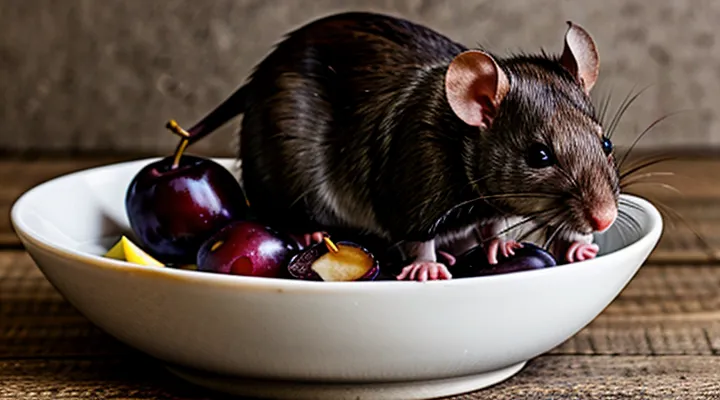
Understanding Rat Diet Basics
What Do Rats Naturally Eat?
Essential Nutritional Needs
Rats require a balanced diet that supplies protein, essential fatty acids, carbohydrates, vitamins, minerals, water, and dietary fiber. Protein sources such as laboratory‑grade pellets, cooked eggs, or lean meat provide the amino acids necessary for growth and tissue repair. Fats from small amounts of seeds or oil enrich cell membranes and support energy metabolism. Complex carbohydrates from grains and vegetables sustain blood‑glucose levels without excessive spikes. Vitamins A, D, E, K, and B‑complex, together with minerals like calcium, phosphorus, magnesium, and potassium, maintain bone health, nerve function, and immune competence. Adequate hydration prevents renal stress, while fiber from leafy greens and root vegetables promotes gastrointestinal motility.
Plums introduce additional considerations. The fruit’s flesh contains natural sugars and vitamin C, which can serve as a supplemental energy source and antioxidant. However, the pit harbors cyanogenic compounds that become toxic when ingested. Safe inclusion therefore limits fresh plum flesh to small, occasional portions, ensuring that pits and stems are completely removed. Overfeeding plum flesh may displace protein‑rich foods, leading to nutrient imbalance.
Guidelines for incorporating plums into a rat’s diet
- Offer no more than one teaspoon of peeled plum flesh per week for an adult rat.
- Verify that all pits, stems, and seeds are absent.
- Monitor body weight and behavior after introduction; discontinue if signs of digestive upset appear.
- Maintain primary nutrition through a high‑quality pellet base supplemented with fresh vegetables and occasional protein treats.
By meeting the core nutritional requirements and applying strict controls on plum consumption, owners can provide a diet that supports health while allowing limited fruit variety.
Foods to Avoid
Rats require a diet that excludes several common foods because of toxicity, digestive disruption, or nutritional imbalance. The following items should never be offered to pet or laboratory rats.
- Chocolate and cocoa products – contain theobromine, which can cause rapid heart rate, tremors, and seizures.
- Caffeinated beverages and foods – caffeine overstimulates the central nervous system, leading to hyperactivity and potential cardiac issues.
- Alcohol – depresses respiratory function and impairs liver metabolism.
- Avocado flesh and pits – persin in the flesh and cyanogenic glycosides in the pit are toxic, causing respiratory distress and gastrointestinal irritation.
- Raw beans and legumes – contain lectins that damage the intestinal lining and can cause vomiting.
- Processed snacks, salty chips, and high‑fat junk food – high sodium and fat content strain the kidneys and contribute to obesity.
- Dried fruit with added sugar – excessive sugar promotes dental disease and metabolic imbalance.
- Plum pits – contain cyanogenic compounds that release cyanide when ingested; even small amounts can be lethal.
In addition to the items above, any food with artificial sweeteners, especially xylitol, must be avoided because it induces rapid insulin release and can cause hypoglycemia. Fresh fruits, including plums, are safe only when the flesh is offered without seeds or pits and in moderation to prevent excess sugar intake. Regularly reviewing a rat’s diet against this list helps maintain optimal health and prevents accidental poisoning.
Plums and Rats: The Full Picture
Nutritional Value of Plums for Rats
Vitamins and Minerals
Plums contain vitamin C, vitamin K, and small amounts of vitamin A, providing antioxidants that support cellular health in rodents. The fruit also supplies potassium, copper, and manganese, minerals that assist nerve function and enzyme activity. Because rats synthesize vitamin C internally, dietary intake from plums is not required, but the additional source can enhance immune response when offered sparingly.
When introducing plums to a rat’s diet, consider the following nutrient guidelines:
- Vitamin C: up to 5 mg per 100 g of fruit; excess does not harm but offers diminishing returns.
- Vitamin K: approximately 4 µg per 100 g; contributes to blood clotting regulation.
- Potassium: about 157 mg per 100 g; supports muscle contraction and fluid balance.
- Copper: roughly 0.1 mg per 100 g; required for iron metabolism.
- Manganese: near 0.04 mg per 100 g; involved in bone formation.
Plums also contain natural sugars and dietary fiber. High sugar levels can disturb gut flora if the fruit comprises more than 5 % of total daily intake. Fiber promotes digestion but may cause loose stools when overconsumed.
To maintain balanced nutrition for pet rats:
- Offer plum pieces no larger than a quarter of a centimeter in thickness.
- Limit servings to two to three small slices per week.
- Observe the animal for signs of gastrointestinal upset after each exposure.
- Complement plum intake with a commercial rodent pellet formulated to meet established vitamin and mineral requirements.
Monitoring weight, coat condition, and activity levels will reveal whether the supplemental fruit contributes positively to overall health. Adjust portion size or frequency if any adverse effects arise.
Fiber Content
Plums contain dietary fiber primarily as soluble pectin and a smaller proportion of insoluble cellulose. The average fiber concentration in fresh plum flesh is about 1 g per 100 g, with the skin contributing an additional 0.5 g per 100 g. Dried plums (prunes) contain roughly 7 g of fiber per 100 g due to moisture loss.
In rats, fiber influences gastrointestinal motility, cecal fermentation, and stool bulk. Adequate fiber supports a healthy microbiome, while excessive amounts can cause soft stools or diarrhea. Specific effects include:
- Soluble fiber (pectin): slows gastric emptying, moderates glucose absorption, promotes short‑chain fatty acid production.
- Insoluble fiber (cellulose): adds bulk, accelerates transit time, reduces risk of constipation.
When incorporating plums into a rat’s diet, follow these guidelines:
- Offer fresh plum pieces no larger than ½ cm³ to limit overall fiber intake.
- Restrict total plum-derived fiber to less than 5 % of the daily dietary fiber quota (approximately 0.5 g for a 150‑g adult rat).
- Monitor fecal consistency for signs of excess fiber; adjust portion size accordingly.
- Prefer peeled plum flesh for younger or sensitive rats to reduce insoluble fiber load.
- Combine plums with a balanced base diet that already supplies adequate fiber from pellets, hay, and vegetables.
Properly measured plum servings provide beneficial fiber without compromising digestive health.
Sugar Content Concerns
Plums contain a notable amount of natural sugars, primarily fructose and glucose, which can quickly elevate a rat’s blood glucose level. A typical medium plum (approximately 66 g) provides about 7 g of total sugars; for a pet rat weighing 250 g, this represents roughly 2.8 % of its daily caloric intake if the fruit is offered whole.
Key considerations
- Glycemic impact – Rapid sugar absorption may cause transient hyperglycemia, stressing pancreatic function and increasing the risk of insulin resistance over time.
- Caloric balance – Adding a plum without adjusting other dietary components can lead to excess energy intake, promoting weight gain and adiposity.
- Dental health – High‑sugar foods encourage plaque formation; prolonged exposure may accelerate enamel erosion and periodontal disease.
- Digestive tolerance – Rats possess limited capacity to process large sugar loads, which can result in diarrhea or soft stools.
Practical guidelines
- Limit plum portions to no more than 1 g of fresh fruit per 100 g of body weight per week; this translates to a single bite-sized piece for most adult rats.
- Offer plum flesh without skin, removing the pit entirely to avoid choking hazards and exposure to cyanogenic compounds.
- Pair the fruit with fiber‑rich vegetables (e.g., leafy greens) to slow sugar absorption and support gut motility.
- Monitor weight, coat condition, and stool consistency after introduction; any adverse changes warrant immediate reduction or cessation.
- For rats with known metabolic disorders, substitute low‑sugar alternatives such as berries (≤ 3 g sugar per 100 g) or cucumber slices.
By respecting these limits, owners can incorporate plum flavor into a rat’s diet without compromising metabolic stability or overall health.
Potential Risks and Downsides
Choking Hazards
Plums can be a nutritious treat for rats, but the fruit’s structure creates specific choking risks. The pit is a solid, indigestible object that can obstruct the airway or digestive tract if swallowed. Plum skin, when left whole, may be tough enough to cause the animal to gasp or choke, especially for smaller or younger rats. Large flesh pieces can block the throat if the rat attempts to ingest them whole.
Key choking hazards:
- Whole pits: hard, size comparable to a rat’s molar spacing.
- Uncut skin: fibrous, may adhere to the tongue or throat.
- Oversized chunks: require excessive chewing, increasing the chance of airway obstruction.
Preventive measures:
- Remove the pit completely before offering any portion of the fruit.
- Peel the plum to eliminate tough outer layers.
- Cut the flesh into pieces no larger than ¼ inch (6 mm) on each side.
- Observe the rat during the first exposure to confirm safe swallowing.
- Store prepared plum pieces in a sealed container and discard any that become soggy or moldy.
By eliminating the pit, skin, and large fragments, owners reduce the likelihood of choking incidents while still providing the vitamin‑rich benefits of plums. Continuous monitoring remains essential whenever new foods are introduced.
Digestive Upset
Plums contain natural sugars and a modest amount of fiber, which can be tolerable for healthy rats when offered in very small portions. However, the fruit’s sorbitol and acidic skin may provoke gastrointestinal irritation, leading to digestive upset. Symptoms to watch for include loose stools, abdominal cramping, reduced appetite, and occasional vomiting. If any of these signs appear, discontinue plum feeding immediately and monitor the animal for 24–48 hours.
To minimize risk:
- Offer only a tiny piece (no larger than ¼ inch) once a week.
- Remove the skin and pit before serving.
- Observe the rat for at least an hour after the first exposure.
- Provide plenty of fresh water and a balanced diet rich in fiber from safe sources such as carrots and leafy greens.
Should digestive disturbance persist beyond two days, consult a veterinarian experienced with rodents to assess possible dehydration or secondary infection.
Cyanide in Plum Pits
Plum pits are rich in amygdalin, a glycoside that decomposes into hydrogen cyanide when exposed to digestive enzymes. The released cyanide interferes with cellular respiration by binding to cytochrome c oxidase, halting ATP production.
In laboratory rats, the median lethal dose (LD₅₀) for hydrogen cyanide is approximately 5 mg kg⁻¹ body weight. A single plum pit contains 0.2–0.5 mg of cyanogenic compounds; ingesting several pits can approach toxic levels for a small rodent.
The edible flesh of a plum contains negligible cyanide, but the seed coat and kernel concentrate the toxin. Rats that gnaw through pits may release enough cyanide to cause respiratory distress, convulsions, or death within minutes.
Guidelines for safe feeding:
- Remove all pits before offering plums to rats.
- Limit plum flesh to no more than 10 g per 100 g of body weight per day.
- Observe rats for signs of cyanide poisoning: rapid breathing, pink mucous membranes, loss of coordination.
- If symptoms appear, provide immediate veterinary assistance.
Eliminating pit exposure eliminates the cyanide risk while allowing rats to benefit from the vitamins and sugars present in plum flesh.
Safe Plum Preparation
Removing Pits and Stems
When offering plums to pet rats, the fruit must be free of pits and stems. The stone contains amygdalin, a compound that releases cyanide when metabolized; even small amounts can be toxic. Stems are fibrous and may cause choking or gastrointestinal blockage.
Prepare plum pieces as follows:
- Slice the plum lengthwise and remove the central pit entirely.
- Trim any remaining stem tissue, discarding it.
- Cut the flesh into bite‑size cubes, roughly ¼ inch (6 mm) on each side, suitable for a rat’s mouth.
- Rinse the cubes briefly with cool water to eliminate surface residues, then pat dry before serving.
Only the flesh should be presented to the rat, and the portion should not exceed 10 % of the animal’s daily caloric intake. Regularly monitor the animal for signs of distress after introducing plum pieces.
Washing and Cutting
Plums can be offered to pet rats as an occasional treat, provided the fruit is prepared safely. Proper preparation eliminates contaminants and reduces choking hazards.
- Rinse each plum under running water for at least 30 seconds.
- Use a soft brush to scrub the skin, removing pesticide residues and dirt.
- Pat dry with a clean paper towel before handling.
After cleaning, remove the pit completely; the stone is large enough to cause intestinal blockage. Slice the flesh into pieces no larger than ½ inch (about 1 cm) to match the size of a rat’s mouth and to facilitate easy chewing. Discard any bruised or over‑ripe sections, as they may contain excess sugar or mold.
Prepared plum pieces should be stored in a sealed container in the refrigerator and fed within 24 hours to preserve freshness and nutritional value. Offer only one or two small pieces per rat, monitoring for any adverse reactions.
Portion Control
Plums may be offered to pet rats as an occasional treat, but the quantity must be carefully limited. Excessive fruit introduces unnecessary sugars and can upset the delicate balance of a rodent’s diet.
Proper portion control prevents digestive upset, reduces the risk of obesity, and avoids exposure to plum pits, which can cause choking or intestinal blockage. Even a small amount of flesh delivers a high concentration of natural sugars; without restriction, rats may develop a preference for fruit over nutritionally essential pellets and fresh vegetables.
Guidelines for serving plums to rats:
- Remove the pit entirely; discard any stem or leaf material.
- Offer no more than a half‑slice (approximately 0.5 cm thick) per rat per day.
- Limit fruit treats to two to three times per week; the majority of the diet should consist of high‑quality rodent pellets and leafy greens.
- Observe each rat after feeding; stop immediately if signs of diarrhea, lethargy, or refusal to eat appear.
- Adjust portion size for younger or smaller rats, reducing the slice to a quarter of the recommended amount.
Consistent adherence to these limits ensures that plums enhance, rather than compromise, a rat’s overall nutrition.
Alternative Safe Fruits for Rats
Berries
Berries offer a source of vitamins, antioxidants, and fiber that can complement a balanced diet for pet rats. Small, soft fruits such as strawberries, blueberries, raspberries, and blackberries are generally well‑tolerated when introduced gradually.
- Strawberries: rich in vitamin C and folate; remove stems and cut into bite‑size pieces.
- Blueberries: high in anthocyanins; serve whole or halved to prevent choking.
- Raspberries: contain dietary fiber; limit to a few berries due to natural sugars.
- Blackberries: provide vitamin K and manganese; wash thoroughly to remove pesticides.
Preparation guidelines:
- Wash each berry under running water; consider a mild fruit‑safe sanitizer if residue is suspected.
- Pat dry before cutting to manageable sizes.
- Offer no more than one to two berries per week, adjusting for the animal’s weight and overall caloric intake.
- Observe for signs of digestive upset; discontinue if diarrhea or vomiting occurs.
Potential risks include high sugar content, which can contribute to obesity and dental problems if overfed, and the presence of pesticide residues that may cause toxicity. Selecting organic produce or thoroughly cleaning conventional berries reduces this danger.
Compared with stone fruits such as plums, berries lack large pits and have lower levels of cyanogenic compounds, making them a safer occasional treat. Nevertheless, they should not replace staple foods like high‑quality pellets, fresh vegetables, and clean water. Proper integration of berries supports nutritional diversity without compromising health.
Apples
Apples are a viable fruit option for rats when served correctly. The flesh supplies soluble sugars, vitamin C, and a modest amount of dietary fiber, all of which contribute to energy balance and digestive health.
Rats should receive apple slices without cores or seeds. Apple seeds contain amygdalin, which can release cyanide after digestion; even small quantities may be harmful. The skin is safe and adds extra fiber, but it should be washed thoroughly to remove pesticide residues.
Feeding guidelines:
- Offer 1–2 cm × 1 cm pieces, not exceeding 5 % of the daily caloric intake.
- Provide fresh fruit no more than three times per week.
- Store leftovers in the refrigerator and discard any that become soft or moldy.
Compared with plums, apples present fewer risks. Plum pits contain similar cyanogenic compounds but are larger and more difficult to remove completely. Apple skin delivers additional fiber, whereas plum skin may be tougher for rats to chew. Both fruits can enrich a rat’s diet, yet apples are generally safer and easier to prepare.
Bananas
Bananas provide a source of carbohydrates, potassium, vitamin C, and dietary fiber, all of which can complement a rat’s balanced diet when offered sparingly. The fruit’s natural sugars are quickly absorbed, so excessive consumption may lead to weight gain or digestive upset.
Key considerations
- Fresh banana should be peeled and cut into bite‑size pieces no larger than a pea.
- Offer no more than one‑half teaspoon per adult rat per week.
- Monitor the animal for signs of loose stool or reduced appetite after feeding.
- Store cut fruit in the refrigerator and discard any leftovers after 24 hours to prevent spoilage.
When incorporated according to these limits, banana serves as an occasional treat that adds variety without compromising overall nutrition.
Monitoring Your Rat’s Health
Signs of Digestive Issues
Feeding plums to pet rats introduces sugars, fiber, and natural acids that can strain the gastrointestinal tract if not introduced gradually. Overconsumption or intolerance may trigger digestive disturbances that compromise health and growth.
Typical indicators of a rat experiencing digestive trouble after plum ingestion include:
- Reduced appetite or complete refusal of food
- Loose, watery stools or sudden onset of diarrhea
- Presence of mucus or blood in feces
- Abdominal swelling or visible distension
- Lethargy, decreased activity, or reluctance to move
- Excessive grooming of the anal area, suggesting irritation
When any of these signs appear, isolate the affected animal, discontinue plum exposure, and provide plain water and a bland diet such as boiled chicken or a low‑fiber pellet. Monitor stool consistency and activity levels for 24–48 hours. Persistent symptoms warrant veterinary evaluation to rule out infection, obstruction, or severe inflammation. Regular observation after introducing new fruits helps ensure that plums remain a safe occasional treat rather than a source of chronic gastrointestinal stress.
When to Consult a Veterinarian
Rats may enjoy plums as an occasional treat, but any adverse reaction warrants professional assessment. Contact a veterinarian immediately if a rat exhibits persistent vomiting, diarrhea, or blood in stool after consuming plum flesh or pits. Sudden lethargy, loss of appetite, or noticeable weight loss also signal a health issue that requires expert evaluation.
Signs of possible toxicity include:
- Excessive drooling or foaming at the mouth
- Tremors, seizures, or uncoordinated movements
- Swelling or redness around the mouth and eyes
These symptoms suggest exposure to cyanogenic compounds present in plum seeds or an allergic response to the fruit’s sugars. Prompt veterinary care can prevent complications such as liver damage or severe dehydration.
Routine check‑ups should include a review of the rat’s diet. During a scheduled visit, discuss the frequency and quantity of plum treats, and ask the vet to confirm safe portion sizes. If a rat has a history of gastrointestinal sensitivity, the veterinarian may recommend alternative fruits with lower sugar content and no harmful seeds.
When uncertainty remains about a specific reaction—especially if it occurs within hours of feeding a plum—document the incident, note the amount ingested, and seek veterinary advice without delay. Early intervention improves recovery prospects and helps maintain optimal nutrition for the pet.
Best Practices for Rat Feeding
Rats thrive on a balanced diet that mimics their natural foraging habits while providing essential nutrients. A reliable feeding regimen includes the following components:
- Commercial rodent pellets as the primary source of protein, fat, fiber, vitamins, and minerals.
- Fresh vegetables such as leafy greens, bell peppers, and carrots, offered daily in small portions.
- Limited fruits, introduced sparingly due to high sugar content; ripe plum flesh can be given once or twice a week, seed and pit removed entirely.
- Whole grains, nuts, and seeds as occasional treats, respecting portion size to prevent obesity.
- Constant access to clean, fresh water.
Preparation guidelines ensure safety and nutritional value:
- Wash all produce thoroughly to eliminate pesticide residues.
- Cut fruits and vegetables into bite‑size pieces to prevent choking.
- Remove plum pits, stems, and any bruised sections before serving.
- Store leftovers in the refrigerator for no more than 24 hours; discard if mold appears.
Monitoring practices help maintain health:
- Observe eating behavior each day; reduced intake may signal illness or dietary imbalance.
- Weigh rats weekly; adjust portion sizes if weight deviates from the species‑specific range.
- Conduct regular veterinary check‑ups, focusing on dental health and gastrointestinal function.
By adhering to these standards, owners provide a diet that supports growth, energy, and longevity while safely incorporating occasional plum treats.