
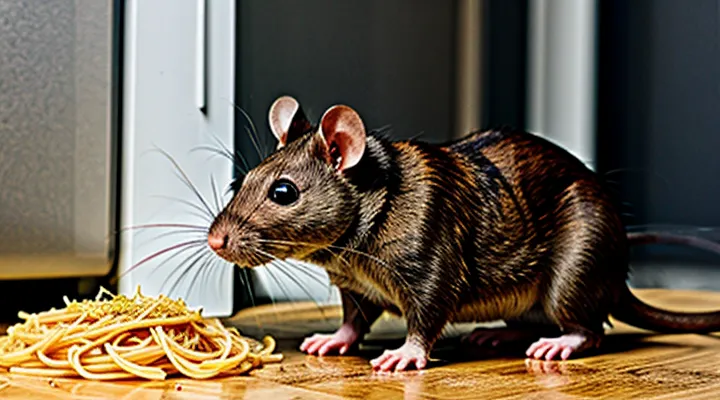
Nutritional Profile of Pasta
Macronutrients in Pasta
Carbohydrates
Carbohydrates are organic molecules composed of carbon, hydrogen and oxygen, serving as primary energy sources for mammals. In rodents, dietary carbohydrates support basal metabolism, thermoregulation and activity levels.
Pasta consists largely of starch, a polysaccharide formed from glucose units. A typical serving provides approximately 25 g of carbohydrates, primarily in the form of rapidly digestible amylose and amylopectin. Protein content ranges from 5 g to 7 g, while fat and fiber are minimal.
Rats possess pancreatic amylase and intestinal brush‑border enzymes capable of hydrolyzing starch into glucose. Glucose enters the bloodstream, fueling cellular respiration. Excessive intake of high‑glycemic carbohydrates can overwhelm insulin regulation, leading to adipose accumulation and elevated blood glucose.
Practical considerations for offering pasta to rats:
- Limit portions to 5 g of cooked pasta per 100 g of body weight.
- Provide only occasional treats; staple diet should remain grain‑based with balanced protein, fiber and micronutrients.
- Observe for signs of digestive upset, such as loose stools or reduced activity, after introduction.
- Avoid sauces containing sugar, salt or additives that may introduce harmful compounds.
When incorporated judiciously, the carbohydrate content of pasta supplies a short‑term energy boost without compromising long‑term health.
Protein
Rats require a diet containing approximately 14–16 % «protein» by weight to support growth, reproduction and immune function. Commercial rodent feeds typically meet this requirement through meat, soy or dairy derivatives.
Standard pasta consists mainly of wheat flour and water. Dry spaghetti provides about 7 % «protein», while enriched varieties reach 10–13 % «protein». The remaining composition is predominantly carbohydrates and a small amount of fat.
When pasta is offered as the sole food source, the dietary «protein» level falls below the minimum threshold for healthy rats. Consequently, rats consuming only pasta will experience reduced growth rates, impaired reproduction and increased susceptibility to disease. Supplementation with high‑«protein» foods is necessary to achieve nutritional adequacy.
Potential issues associated with a pasta‑dominant diet include:
- Deficiency of essential amino acids such as lysine and methionine
- Elevated blood glucose due to high carbohydrate content
- Reduced intake of vitamins and minerals typically supplied by balanced rodent chow
A balanced feeding regimen should combine pasta with recognized «protein» sources (e.g., cooked eggs, low‑fat cheese, soybeans, mealworms) to ensure that rats obtain the required amino acid profile while avoiding excess carbohydrates.
Fat
Rats possess a digestive system capable of processing dietary lipids, but the quantity and type of fat present in a typical pasta dish influence the suitability of such food for the species.
Pasta generally contains a modest amount of fat, primarily from added oil or cheese. In rats, pancreatic lipase and intestinal brush‑border enzymes break down triglycerides into free fatty acids and monoglycerides, which are then absorbed through the enterocytes. Efficient absorption occurs when fat content does not exceed the animal’s metabolic capacity.
Excessive fat intake can lead to hepatic steatosis, obesity, and altered lipid profiles in rodents. When pasta is prepared with high‑fat sauces, the risk of these conditions rises, especially in laboratory or pet rats that receive limited physical activity.
Key considerations for offering pasta to rats with respect to «fat»:
- Limit added oils or cheese to no more than 5 % of the total dish weight.
- Prefer unsaturated fats (e.g., olive oil) over saturated fats (e.g., butter).
- Monitor body weight and coat condition after introducing pasta.
- Provide a balanced diet where carbohydrates, proteins, and fats meet established rodent nutritional guidelines.
When fat levels remain within the recommended range, pasta can serve as an occasional source of carbohydrates without compromising rat health. Regular assessment of intake and physiological response ensures that the inclusion of pasta aligns with optimal nutritional standards.
Micronutrients in Pasta
Vitamins
Rats can consume pasta, but the food supplies minimal amounts of the vitamins required for healthy growth and metabolism.
Essential vitamins for rodents include vitamin A (vision and immune function), vitamin D (calcium absorption), vitamin E (antioxidant protection), vitamin K (blood clotting), the B‑complex group (energy metabolism, nervous system), and vitamin C (collagen synthesis, though many rats synthesize it internally). Deficiency in any of these nutrients can lead to ocular degeneration, bone disorders, impaired immunity, neurological dysfunction, or impaired wound healing.
Typical dry pasta contains primarily starch and protein. Enriched varieties provide modest levels of thiamine (B1), riboflavin (B2), niacin (B3), and folic acid, yet lack fat‑soluble vitamins A, D, E, K and contain negligible vitamin C. Consequently, a diet based solely on pasta would not meet the comprehensive vitamin requirements of rats.
To incorporate pasta safely, combine it with vitamin‑rich foods such as fresh vegetables, fortified pellets, or commercial rat supplements. A balanced approach ensures that carbohydrate energy from pasta does not compromise the intake of critical micronutrients.
Key vitamin considerations for rats consuming pasta:
- Vitamin A – absent in pasta; obtain from carrots, sweet potatoes, liver.
- Vitamin D – absent; provide through fortified feed or controlled UV exposure.
- Vitamin E – absent; include seeds, nuts, or oil‑based supplements.
- Vitamin K – absent; supply via leafy greens.
- B‑complex – partially present in enriched pasta; supplement with whole grains or dedicated B‑vitamin sources.
- Vitamin C – negligible; supply through fruits or dedicated supplement if needed.
Minerals
Rats may consume pasta as an occasional carbohydrate source, but its mineral profile does not satisfy the nutritional requirements of the species.
Essential minerals for rodent health include:
- Calcium – critical for bone formation and muscle function; pasta provides only trace amounts.
- Phosphorus – works with calcium to maintain skeletal integrity; content in pasta is minimal.
- Magnesium – supports enzymatic reactions and nerve transmission; pasta supplies negligible quantities.
- Potassium – regulates fluid balance and cardiac activity; present in low concentrations.
- Sodium – required in minute amounts for electrolyte balance; pasta contributes modestly.
- Iron – necessary for hemoglobin synthesis; pasta contains limited bioavailable iron.
Because pasta lacks sufficient levels of these minerals, reliance on it as a primary food can lead to deficiencies. Supplementation with a balanced rodent diet or fortified treats ensures adequate mineral intake while allowing occasional pasta as a treat.
Potential Risks of Feeding Pasta to Rats
Digestive Issues
Bloating and Gas
Rats that consume pasta may experience gastrointestinal distension caused by rapid fermentation of starch. Undigested carbohydrates reach the colon, where bacterial activity produces carbon dioxide, methane, and hydrogen, leading to noticeable abdominal swelling.
Signs of bloating include a visibly enlarged abdomen, reduced mobility, and a tendency to adopt a crouched posture. Excessive flatulence often accompanies the condition, producing audible sounds and a distinct odor.
To mitigate these effects, consider the following measures:
- Offer pasta in small, infrequent portions to limit carbohydrate load.
- Combine pasta with high‑fiber foods such as leafy greens to slow digestion.
- Provide continuous access to fresh water, facilitating intestinal transit.
- Monitor weight and behavior; seek veterinary advice if swelling persists or worsens.
Understanding the digestive response to pasta helps prevent discomfort and maintains overall health in pet rodents.
Diarrhea
Rats that are offered cooked pasta may experience loose stools, especially when the food lacks fiber and contains high levels of simple carbohydrates. The rapid fermentation of starch in the gut can disrupt the normal balance of intestinal bacteria, leading to increased water content in the feces.
Additional factors that contribute to diarrheal episodes include added salt, sauces rich in sugar or spices, and preservatives commonly found in processed pasta products. These ingredients can irritate the mucosal lining, accelerate transit time, and impair nutrient absorption.
Visible signs of gastrointestinal disturbance consist of watery droppings, reduced appetite, and occasional abdominal cramping. Prompt removal of the offending food, provision of a high‑fiber diet, and access to fresh water help restore normal bowel function. Persistent symptoms warrant veterinary assessment to rule out secondary infections or underlying health conditions.
Unhealthy Ingredients
Salt Content
Pasta typically contains 200‑300 mg of sodium per 100 g of cooked product. This amount reflects the salt added during processing or cooking. The presence of sodium influences the overall electrolyte balance for any animal that consumes the dish.
Rats tolerate dietary sodium up to approximately 2 g per kilogram of body weight per day without adverse effects. Exceeding this threshold can lead to hypertension, renal strain, and dehydration. Laboratory data indicate that chronic intake above 0.5 g kg⁻¹ day⁻¹ produces measurable blood‑pressure elevation in adult rodents.
When offering pasta to rats, consider the following precautions:
- Choose unsalted or low‑sodium varieties.
- Limit portion size to 10‑15 g of cooked pasta per 100 g of body weight.
- Monitor water consumption to compensate for increased electrolyte load.
- Avoid adding extra salt, sauces, or seasonings containing sodium.
Adhering to these guidelines minimizes the risk of sodium‑induced health issues while allowing occasional inclusion of pasta in a rodent’s diet.
Sugar Content
Pasta generally contains low amounts of simple carbohydrates, with most of its carbohydrate profile derived from starch. The residual «sugar» content varies according to the product type and any added ingredients.
Typical sugar concentrations in commercially available pasta:
- Plain dried pasta: 0.5 g sugar per 100 g
- Whole‑grain pasta: 1.0 g sugar per 100 g
- Flavored or sweetened pasta (e.g., dessert varieties): 5–15 g sugar per 100 g
Rats metabolize carbohydrates efficiently, but excessive «sugar» intake can lead to rapid blood‑glucose spikes, insulin resistance, and obesity. Low‑sugar pasta aligns with the dietary limits recommended for laboratory rodents, which advise less than 5 % of total caloric intake from simple sugars.
When offering pasta to rats, select plain or whole‑grain varieties to keep «sugar» exposure minimal. Avoid sweetened or sauce‑laden preparations, as they substantially increase the simple‑sugar load and may compromise health.
Preservatives and Additives
Rats may ingest pasta that contains chemical agents used to extend shelf life or improve texture. The safety of such consumption depends on the nature and concentration of the compounds present.
Common food‑preserving substances include:
- «Sodium benzoate»: generally tolerated at low levels; high doses can cause metabolic stress.
- «Potassium sorbate»: low toxicity in rodents; excessive intake may disrupt gut flora.
- «Calcium propionate»: regarded as safe in modest amounts; large quantities can irritate the gastrointestinal tract.
- «BHT» and «BHA»: antioxidant additives; chronic exposure linked to liver enzyme alteration.
Additives that enhance flavor or appearance, such as artificial colors (e.g., «Red 40») and sweeteners (e.g., «aspartame»), present additional considerations. Some dyes have been associated with behavioral changes in laboratory rats, while certain sweeteners may affect insulin regulation.
Regulatory agencies establish maximum allowable concentrations for each substance in human food. When pasta intended for human consumption is offered to rats, those limits typically remain within a safety margin for the animal. However, cumulative exposure from multiple sources can exceed tolerable thresholds.
For experimental or pet‑care settings, the following guidelines improve safety:
- Verify ingredient lists to confirm absence of high‑risk preservatives such as «nitrites» or «sulfites».
- Offer pasta in moderation, limiting total daily intake to a small fraction of the animal’s caloric requirement.
- Monitor for signs of digestive upset, reduced activity, or abnormal weight change after consumption.
In summary, pasta containing approved preservatives and common additives does not inherently pose a lethal threat to rats, provided that concentrations stay within established limits and overall diet remains balanced.
Weight Gain and Obesity
Pasta is a high‑carbohydrate, low‑protein food that can increase caloric intake when offered to rats. Regular inclusion of pasta in a rodent diet raises total energy consumption, which directly contributes to body‑weight gain and the development of obesity‑related phenotypes.
Elevated carbohydrate load from pasta promotes adipose tissue expansion. Excess glucose is converted to fatty acids through de novo lipogenesis, leading to increased fat storage in visceral depots. In laboratory settings, rats receiving pasta alongside standard chow exhibit higher body‑mass indices compared with control groups fed grain‑based diets.
Key metabolic effects observed in rats consuming pasta:
- Increased daily caloric intake (approximately 15–20 % above baseline).
- Elevated blood glucose and insulin levels, indicating reduced insulin sensitivity.
- Accelerated accumulation of subcutaneous and visceral fat.
- Greater incidence of hepatic steatosis in long‑term studies.
Experimental protocols that aim to assess obesity often use pasta as a palatable, energy‑dense supplement. When pasta is introduced, researchers must adjust overall diet composition to prevent uncontrolled weight gain. Strategies include limiting portion size, balancing with high‑fiber ingredients, and monitoring body weight weekly.
Understanding the impact of pasta on rat physiology is essential for designing diets that avoid unintended obesity while allowing controlled studies of carbohydrate metabolism.
Choking Hazards
Rats can be offered cooked pasta as an occasional treat, but the texture and size of the noodles create specific choking risks. Small, broken pieces pass through the oral cavity without difficulty, while long, intact strands may become lodged in the throat or esophagus. Overcooked pasta becomes overly soft, increasing the likelihood of forming a mass that adheres to the mucosa and obstructs airflow.
Key choking hazards include:
- Length – strands longer than a few centimeters can loop around the epiglottis.
- Thickness – thick pasta (e.g., fettuccine) may not break easily under the rat’s bite force.
- Moisture – soggy noodles swell, expanding after ingestion and narrowing the airway.
- Shape – twisted or spiral shapes (e.g., rotini) can snag on the tongue or palate.
Mitigation measures:
- Cut noodles into short segments (no more than 1 cm) before serving.
- Choose thin varieties such as angel hair or vermicelli.
- Cook pasta al dente to retain firmness without excessive softness.
- Supervise each feeding session and remove uneaten pieces promptly.
- Offer only a small portion (approximately 5 % of daily caloric intake) to limit exposure.
Regular observation of chewing behavior and respiratory sounds helps detect early signs of obstruction. Immediate intervention—gentle back‑patting and, if necessary, veterinary assistance—prevents fatal outcomes.
Safe Preparation and Serving of Pasta
Plain, Cooked Pasta
No Seasonings or Sauces
Rats can safely consume plain cooked pasta when it is offered as an occasional supplement to a balanced rodent diet. The food should be boiled without salt, oil, or any additives, and cooled to room temperature before presentation.
Plain pasta provides a source of carbohydrates that rodents can digest efficiently. The starches are broken down by pancreatic enzymes, delivering quick energy without introducing excess fat or protein that could disrupt nutritional balance.
Seasoned or sauced pasta poses significant health risks. Salt can lead to electrolyte imbalance, while sugars, spices, and acidic ingredients may cause gastrointestinal irritation or alter the natural gut flora. Dairy‑based sauces introduce lactose, which many rats cannot metabolize, increasing the likelihood of diarrhea.
Guidelines for feeding plain pasta:
- Offer pieces no larger than a quarter of an inch in length.
- Limit servings to one or two small pieces per week.
- Ensure the pasta is fully cooked, soft, and free of any residues.
- Provide fresh water alongside the food to aid digestion.
Adhering to these practices maintains dietary safety while allowing rats to experience occasional variety in their meals.
Small Portions
Rats can safely consume pasta when it is offered in modest amounts that respect their limited digestive capacity. Small portions prevent excess carbohydrate intake, reduce the risk of gastrointestinal disturbance, and fit within the nutritional balance required for a typical laboratory or pet rat diet.
Pasta consists mainly of starch, which rats break down using pancreatic amylase. The enzyme activity in rodents is lower than in omnivorous mammals, so only a limited quantity can be processed without causing fermentation in the large intestine. Providing a controlled serving ensures that the starch is absorbed efficiently and does not accumulate as undigested material.
Recommended serving size for an adult rat (approximately 250 g body weight):
- ½ teaspoon of cooked, plain pasta, cooled to room temperature.
- No more than three servings per week.
- Portion should be free of sauces, salt, butter, or cheese.
Exceeding these limits may lead to:
- Diarrhea or soft stools due to malabsorption.
- Weight gain and associated metabolic disorders.
- Disruption of normal gut flora.
When introducing pasta, follow a gradual protocol: offer a single ½ teaspoon, observe the animal for 24 hours, and record any changes in stool consistency or behavior. If no adverse effects appear, the same amount may be repeated after several days, maintaining the weekly frequency limit.
«Rats tolerate small, plain pasta servings without adverse health effects when the portion size remains within the guidelines outlined above».
Frequency of Feeding
Rats may accept cooked pasta as an occasional supplement, but the interval between servings determines whether the addition supports a balanced diet. Regular inclusion of carbohydrate‑rich foods can displace protein and fiber sources, potentially leading to weight gain and digestive disturbances.
Factors influencing feeding intervals include portion size, overall diet composition, individual health status, and metabolic rate. Small portions (no more than a teaspoon per adult rat) minimize excess calorie intake. Monitoring body condition and stool consistency helps adjust frequency. Rats with underlying health issues, such as obesity or diabetes, require stricter limits.
Recommended feeding frequency
- Offer pasta no more than two times per week.
- Limit each serving to a bite‑size amount.
- Provide fresh water immediately after consumption.
- Observe weight and behavior; reduce or cease if adverse effects appear.
Adhering to these guidelines maintains nutritional balance while allowing rats to enjoy pasta as a rare treat.
Alternative Healthy Treats
Vegetables
Rats possess a digestive system capable of processing a broad range of foods, including grains, proteins, and plant matter. When evaluating the suitability of pasta as a dietary component, attention must be paid to the presence of complementary nutrients that support gut health and metabolic balance.
Vegetables provide essential vitamins, minerals, and fiber that counterbalance the carbohydrate‑rich nature of pasta. Inclusion of appropriate vegetables enhances nutrient density, promotes regular bowel movements, and reduces the risk of obesity in laboratory and pet rat populations.
- Carrots – high in beta‑carotene, low in sugar, easily digestible.
- Broccoli – source of vitamin C and calcium, should be offered in small, cooked pieces.
- Spinach – rich in iron and folate, best served lightly steamed to diminish oxalic acid.
- Bell peppers – provide vitamin A and antioxidants, suitable raw in moderate amounts.
- Zucchini – soft texture, moderate fiber, safe both raw and cooked.
When combining pasta with vegetables, maintain a ratio where plant material constitutes at least 30 % of the total portion. Cooked pasta should be plain, without added salt or sauces, to prevent electrolyte imbalance. Introduce vegetables gradually to monitor tolerance and avoid sudden dietary shifts that could trigger digestive upset.
In practice, a balanced meal might consist of 70 % cooked pasta and 30 % mixed, finely chopped vegetables, delivered in small, frequent feedings. This approach supplies carbohydrate energy while ensuring adequate micronutrient intake, supporting overall health and longevity in rat colonies.
Fruits
Rats are omnivorous mammals that readily accept a variety of food types, including grains, proteins, and plant matter. Fruit represents a natural component of wild rat diets, supplying readily digestible sugars, essential vitamins, and dietary fiber.
Compared with a carbohydrate source such as pasta, fruit delivers higher moisture content and a broader spectrum of micronutrients. Pasta provides primarily starch with minimal fiber and negligible vitamin content, making it a less balanced energy source when offered alone.
Incorporating fruit into a rat’s diet can improve overall nutrient intake, provided portions remain modest to prevent gastrointestinal upset. Suitable options include:
- Apple (core removed, no seeds)
- Blueberry (fresh or frozen)
- Banana (thin slice)
- Pear (skin removed, no core)
- Strawberry (halved)
Avoid citrus fruits, grapes, and cherries due to acidity, potential toxicity, and pit hazards. Regular inclusion of small fruit portions alongside a staple diet of grains and protein supports digestive health while complementing occasional pasta offerings.
Grains
Grains constitute a primary component of wild and laboratory rat diets, providing carbohydrates, protein, fiber, and essential micronutrients. Commonly used grains include wheat, corn, barley, oats, and rice, each offering a distinct nutrient balance.
Wheat, the base ingredient for most pasta, supplies starch and moderate protein. When presented as whole kernels or rolled oats, wheat delivers fiber that supports gastrointestinal health. Corn contributes high-energy starch but lacks adequate lysine, an essential amino acid for rats. Barley and oats offer soluble fiber that moderates blood glucose spikes. Rice, particularly brown rice, provides a low‑fat carbohydrate source with a favorable glycemic profile.
Pasta represents a refined form of wheat, stripped of bran and germ, resulting in reduced fiber and micronutrient content. The processing also introduces added salt and, occasionally, preservatives. While rats can ingest pasta without immediate toxicity, the diminished fiber and potential sodium load make it a less optimal grain source compared to whole‑grain alternatives.
Recommended grain practices for rat nutrition:
- Offer whole‑grain forms (e.g., rolled oats, barley, brown rice) as staple carbohydrate sources.
- Limit refined wheat products, such as pasta, to occasional treats.
- Ensure grains are free from added seasonings, sauces, or oil.
- Provide fresh water alongside grain offerings to aid digestion.
Incorporating a diverse array of whole grains supports balanced growth, reproductive health, and disease resistance in rats, while minimizing reliance on highly processed wheat products.
Understanding Rat Dietary Needs
Essential Nutrients for Rats
Protein Sources
Rats require a diet that supplies approximately 14‑16 % protein to support growth, reproduction and immune function. Pasta provides primarily carbohydrates, with protein content typically below 7 %, insufficient to meet these physiological demands.
Essential amino acids such as lysine, methionine and tryptophan must be present in adequate quantities. Deficiencies lead to reduced weight gain, impaired fur quality and compromised organ health. Consequently, any diet that includes pasta must be balanced with high‑quality protein sources.
«Commercial rodent blocks» – formulated with soy, casein or fish meal – deliver complete amino acid profiles. «Cooked eggs» – rich in lysine and methionine – supply readily digestible protein. «Lean poultry meat» – low in fat, high in essential amino acids – serves as an occasional supplement. «Low‑fat cottage cheese» – provides casein and calcium, supporting bone development. «Insect larvae (e.g., mealworms)» – offer chitin‑bound protein and essential fatty acids.
When pasta is offered as a treat, it should constitute no more than 5 % of total caloric intake, with protein sources adjusted to maintain the overall dietary protein percentage. Regular monitoring of body condition and coat quality confirms adequacy of the nutrient balance.
Fiber Sources
Rats that are offered pasta must receive sufficient dietary fiber to maintain normal gastrointestinal function. Fiber promotes intestinal motility, prevents impaction, and supports a healthy microbiome. «Adequate fiber intake is essential for rodent digestive health», a statement frequently cited in laboratory animal nutrition guidelines.
Typical fiber sources suitable for rats include:
- Celery stalks, raw, chopped
- Cooked carrots, diced
- Oat bran, unsweetened
- Psyllium husk, measured in small doses
- Whole‑grain wheat bran
These items provide soluble and insoluble fibers that complement the low‑fiber profile of most pasta varieties. Standard boiled pasta contains approximately 1–2 g of fiber per 100 g, well below the 5–7 g daily recommendation for a 200‑g adult rat. Supplementing pasta meals with the listed fiber sources restores the balance without introducing excessive calories.
When incorporating pasta into a rat’s diet, limit portions to no more than 10 % of total daily intake and pair each serving with a measured amount of the above fiber foods. This approach ensures that the nutritional benefits of pasta—primarily carbohydrate energy—are not offset by a deficit in essential fiber.
Vitamins and Minerals
Evaluating the nutritional suitability of pasta for laboratory rodents requires attention to its vitamin and mineral content. Pasta supplies a limited spectrum of micronutrients; it cannot meet the comprehensive requirements of a balanced rat diet.
-
Vitamins
• Thiamine (B1) – present in modest amounts.
• Riboflavin (B2) – detectable but insufficient for optimal growth.
• Niacin (B3) – contributes to energy metabolism, yet levels fall short of recommended intake.
• Folate (B9) – available in trace quantities.
• Vitamin E – minimal presence, inadequate for antioxidant protection. -
Minerals
• Iron – present, but absorption in rats is limited without adequate vitamin C.
• Calcium – low concentration, leading to potential skeletal deficiencies when pasta is a primary food source.
• Phosphorus – moderate amount; excess relative to calcium may disrupt mineral balance.
• Magnesium – minor contribution, insufficient for enzymatic functions.
• Sodium – present at levels that can contribute to hypertension if not regulated.
Rats require higher dietary levels of vitamin A, vitamin D, vitamin B12, and calcium than pasta provides. Absence of these nutrients can impair vision, bone development, and hematopoiesis. Incorporating pasta as an occasional carbohydrate supplement is acceptable only when a complete vitamin‑mineral premix compensates for deficiencies. Regular feeding of pasta without supplementation risks malnutrition and compromised experimental outcomes.
Foods to Avoid for Rats
Sugary Foods
Rats that are offered pasta often receive additional sweetened treats, which can alter their dietary balance. Sugary foods provide rapid energy spikes but lack essential nutrients required for rodent health. Excessive sugar intake may lead to obesity, dental decay, and impaired glucose regulation, conditions that compromise the ability to process starchy meals such as pasta.
Key considerations for feeding rodents sweet items alongside pasta:
- Simple sugars increase blood glucose within minutes, stressing pancreatic function.
- High‑calorie content contributes to weight gain when not offset by increased activity.
- Fermentable carbohydrates promote oral bacterial growth, raising the risk of tooth damage.
- Rapid digestion can reduce appetite for complex carbohydrates, potentially limiting protein and fiber consumption from pasta.
Veterinary guidelines recommend limiting sugary snacks to occasional, minimal portions. When a rodent’s diet includes pasta, prioritize balanced protein sources, fiber‑rich vegetables, and water. If sweet foods are introduced, monitor body condition, dental health, and activity levels to prevent adverse effects.
Salty Foods
Rats can ingest pasta that contains added salt, but excessive sodium poses health risks. Sodium concentration above 0.5 % by weight can disrupt fluid balance, leading to dehydration and renal strain.
High‑sodium diets produce observable effects:
- Increased thirst and water intake
- Elevated blood pressure
- Reduced appetite for low‑salt foods
- Potential kidney damage over prolonged exposure
Salty pasta should be offered only occasionally, with sodium content comparable to standard laboratory rodent chow (approximately 0.2 %). Fresh, unsalted pasta provides carbohydrates without the adverse effects associated with added salt.
Monitoring includes checking for excessive drinking, weight loss, and changes in stool consistency. If any symptom appears, remove salty food immediately and provide plain water and low‑sodium nutrition.
Fatty Foods
Rats can digest pasta, but the addition of high‑fat ingredients changes the nutritional profile and health outcomes. Fatty foods increase caloric density, slow gastric emptying, and may lead to obesity, hepatic steatosis, and cardiovascular strain in rodents.
Key considerations for feeding rats fatty pasta:
- Saturated fats above 10 % of total diet elevate serum cholesterol and liver enzymes.
- Trans fats impair lipid metabolism and accelerate atherosclerotic changes.
- Moderate unsaturated fats (e.g., olive oil) support membrane integrity without immediate adverse effects when limited to 5 % of caloric intake.
- Excessive oil content reduces water absorption, causing dehydration risk during consumption.
Research indicates that a balanced diet for laboratory rats limits added fats to 4–6 % of total calories. Introducing fatty pasta beyond this range correlates with weight gain of 15 % or more over eight weeks and a measurable increase in triglyceride levels.
Veterinary guidance recommends monitoring body condition score, liver function tests, and lipid panels when fatty pasta is incorporated into the diet. Adjustments should be made promptly if signs of metabolic disturbance appear.
Certain Raw Vegetables
Rats that are offered pasta benefit from the inclusion of specific uncooked vegetables to provide essential vitamins, minerals, and fiber. Adding raw plant matter counterbalances the high carbohydrate content of pasta and supports gastrointestinal health.
Safe uncooked vegetables for laboratory and pet rats include:
- carrot slices – source of beta‑carotene and soluble fiber
- broccoli florets – rich in vitamin C and calcium, offered in small portions to avoid gas formation
- cucumber sticks – high water content, aids hydration
- bell‑pepper strips – supply vitamin A and antioxidants
- leafy greens such as romaine lettuce – provide folate and minimal oxalates when fed sparingly
Vegetables that should be avoided raw because of toxic compounds or digestive irritation are:
- raw potato – contains solanine, harmful in any form
- rhubarb leaves – high oxalic acid, risk of kidney damage
- raw beans – lectins can cause severe gastrointestinal distress
Preparation guidelines:
- wash thoroughly to remove pesticide residues and soil particles
- cut into bite‑size pieces to prevent choking
- offer in moderation; a daily supplement of 10–15 % of total food weight maintains balance without displacing pasta intake
- avoid added salts, oils, or seasonings, which can disrupt renal function
When combined with pasta, the recommended ratio is approximately three parts pasta to one part raw vegetable mixture. This proportion delivers a balanced profile of carbohydrates, protein, and fiber, promoting stable body weight and optimal digestive function.