
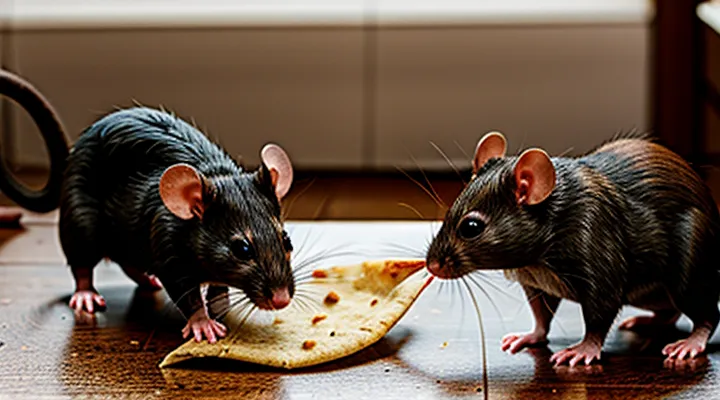
Understanding Lavash
What is Lavash?
Ingredients of Traditional Lavash
Traditional lavash is a thin, unleavened flatbread that originates from the South Caucasus and Anatolia. Its classic formulation relies on a minimal set of ingredients, each contributing specific functional properties to the dough and final product.
- Wheat flour (typically high‑gluten or all‑purpose)
- Water, at room temperature
- Salt
- Optional: a small amount of oil or melted butter for pliability
- Optional: yeast or baking powder in regional variations, though traditional recipes often omit leavening agents
The primary components—flour, water, and salt—are digestible for many omnivorous mammals. Oil, when present, adds fat but remains safe in modest quantities. Yeast, if used, introduces microbial activity that may alter the nutritional profile. Rats can technically ingest each of these ingredients, yet the high carbohydrate load and potential sodium concentration warrant cautious feeding.
Nutritional Profile of Lavash
Lavash is a thin, unleavened flatbread traditionally made from wheat flour, water, salt, and a small amount of oil. A typical 100‑gram serving contains approximately 260 kcal, 9 g protein, 2 g fat, and 48 g carbohydrates, of which about 2 g are dietary fiber. The bread provides modest amounts of B‑vitamins (thiamine, riboflavin, niacin) and minerals such as iron, phosphorus, and magnesium. Sodium content averages 350 mg per 100 g, reflecting the added salt.
Key nutritional components relevant to rodent consumption:
- Carbohydrates: Primary energy source; rapid digestion may cause spikes in blood glucose.
- Protein: Limited to wheat gluten; supplies essential amino acids but lacks lysine in sufficient quantity for rats.
- Fat: Low overall; the small oil addition contributes minimal essential fatty acids.
- Sodium: Levels approach the upper limit of safe intake for small mammals; excess can lead to hypertension and renal strain.
- Fiber: Low; insufficient to support normal gastrointestinal motility in rodents.
Potential concerns for rats include high sodium, presence of gluten, and lack of balanced amino acid profile. While the caloric density supplies energy, the nutrient composition does not meet the dietary requirements of laboratory or pet rats, which need higher protein (15–20 % of diet) and lower sodium. Consequently, occasional, minimal exposure may be tolerated, but regular feeding is not advisable.
Rat Diet Basics
Essential Nutrients for Rats
Rats require a balanced diet to maintain health, growth, and reproduction. When evaluating whether a flatbread such as lavash can be offered, it is essential to compare its composition with the nutrients rats need.
Protein supplies amino acids for tissue repair and enzyme production. A typical rat diet includes 14‑20 % protein from sources such as soy, whey, or animal meat. Lavash contains minimal protein, insufficient for daily requirements.
Fat delivers energy and supports absorption of fat‑soluble vitamins. Rats need 5‑10 % dietary fat, primarily from vegetable oils or animal fats. The oil content of lavash is low, providing negligible contribution.
Carbohydrates serve as a primary energy source. Rats digest starches and sugars, but excess simple sugars can cause obesity and metabolic issues. Lavash is rich in refined wheat starch, which may be acceptable in small quantities but should not replace complex carbohydrates found in whole grains.
Fiber aids gastrointestinal motility and prevents constipation. Adequate fiber (3‑5 % of diet) comes from bran, vegetables, or specially formulated pellets. Lavash contains little fiber, offering no benefit to digestive health.
Vitamins and minerals are critical for bone development, immune function, and metabolic processes. Rats require vitamin A, D, E, K, B‑complex, calcium, phosphorus, magnesium, and trace elements such as zinc and selenium. Lavash supplies none of these micronutrients in meaningful amounts; supplementation through fortified pellets or fresh produce is necessary.
Water remains indispensable; dehydration can develop rapidly in rodents. Fresh water must be available at all times, regardless of food choices.
In summary, the nutrients present in lavash do not satisfy the dietary profile required by rats. Occasional, minimal portions may be offered as a treat, but the diet must be supplemented with protein‑rich foods, adequate fats, fiber, and a complete vitamin‑mineral mix to ensure optimal health.
Foods to Avoid for Rats
High-Sugar Foods
Rats tolerate a limited amount of dietary sugar; excessive consumption leads to obesity, insulin resistance, and dental decay. Foods with a sugar concentration above 15 % by weight are classified as high‑sugar and should be avoided in rodent diets.
Typical high‑sugar items include:
- Commercial pastries (e.g., donuts, cupcakes)
- Candied fruits and fruit preserves
- Sweetened cereals and granola bars
- Soda, fruit juices, and flavored milks
- Honey, maple syrup, and agave nectar used as toppings
Lavash, a thin flatbread, contains negligible sugar, making it a safe occasional treat for rats when offered plain and free of added fats or spices. Introducing high‑sugar foods alongside lavash increases the risk of metabolic disorders and should be prevented.
High-Salt Foods
High‑salt foods contain sodium concentrations that exceed the dietary requirements of laboratory and pet rodents. Commercial products often contain 1–2 % sodium chloride by weight, a level that significantly surpasses the natural intake of wild rats, which typically obtain less than 0.3 % sodium from their environment.
Elevated sodium intake triggers measurable physiological changes in rats. Blood pressure rises within days, renal tubules exhibit increased workload, and long‑term exposure reduces lifespan. Studies show that diets with more than 0.8 % sodium chloride cause observable hypertension and impair water balance, leading to dehydration despite increased fluid consumption.
Lavash bread is generally prepared with modest salt amounts, ranging from 0.2 % to 0.5 % sodium chloride. When the product falls within this interval, it does not qualify as a high‑salt item for rats. However, variants that include extra seasoning or are baked with added salt can approach or exceed the 0.8 % threshold, making them unsuitable for regular feeding.
Guidelines for offering lavash to rats:
- Verify the ingredient list for added salt or seasoned toppings.
- Measure the sodium content; keep it below 0.5 % of the bread’s weight.
- Provide only small, occasional portions to avoid cumulative excess.
- Monitor the animal for signs of increased thirst, lethargy, or swelling, which may indicate sodium overload.
In summary, typical lavash does not belong to the high‑salt category and can be given sparingly, whereas versions with elevated sodium levels should be excluded from a rat’s diet.
Processed Foods
Processed foods are items altered from their natural state through mechanical, chemical, or thermal methods. They commonly contain refined grains, added salts, sugars, fats, and preservatives to extend shelf life and improve texture. Lavash, a thin flatbread, falls into this category because it undergoes kneading, baking, and often includes added salt and oil.
Rats possess a short gastrointestinal tract adapted to high‑fiber, low‑fat diets. Their enzymatic profile efficiently breaks down starches but is less tolerant of excessive sodium, refined oils, and artificial additives. Chronic exposure to these components can lead to dehydration, obesity, and hepatic stress in laboratory and pet rodents.
Analyzing lavash composition reveals the following points:
- Refined wheat flour provides digestible carbohydrates; acceptable in limited quantities.
- Salt levels typically range from 0.5 % to 1 % by weight; surpasses the recommended sodium intake for a 30‑gram rat.
- Vegetable oil contributes fats that may exceed the species‑specific lipid threshold, risking weight gain.
- Yeast and baking agents are generally benign, though residual chemical leavening agents can irritate the gut if present in high concentrations.
- Absence of preservatives makes the product less hazardous than many packaged snacks.
Conclusion: Small, occasional pieces of plain lavash may be offered without immediate toxicity, provided the rat’s overall diet remains balanced and low in sodium and fat. Regular feeding of such processed bread is discouraged; fresh fruits, vegetables, and whole‑grain cereals constitute safer staple options. Monitoring body condition and water intake after any introduction of processed items is essential.
Lavash and Rats
Is Lavash Safe for Rats?
Potential Health Risks
Rats that consume lavash are exposed to several health hazards. The bread’s high carbohydrate content can cause rapid blood‑glucose spikes, leading to obesity and insulin resistance if intake is frequent. Excessive sodium, common in seasoned flatbreads, raises the risk of hypertension and renal strain in rodents that have limited ability to excrete salt.
Gluten, the primary protein in wheat flour, may trigger digestive inflammation in rats with sensitivities, resulting in diarrhea or malabsorption. Lavash often contains added oils, butter, or seeds; saturated fats contribute to lipid accumulation in the liver, while certain seeds (e.g., sesame) can be difficult to digest and may cause intestinal blockage.
Potential contamination adds further risk. Mold growth on stored flour produces aflatoxins, which are hepatotoxic and carcinogenic. Bacterial contamination from improper handling can introduce pathogens such as Salmonella, leading to septicemia.
Physical hazards also exist. Large, dry pieces can fragment and become lodged in the esophagus or stomach, causing choking or obstructive gastroenteritis. Small crumbs may adhere to fur, encouraging ingestion of foreign material and increasing the likelihood of impaction.
Key risks summary
- Hyperglycemia and weight gain from high carbs
- Hypertension and kidney overload from sodium
- Gluten‑induced gastrointestinal irritation
- Fat‑related liver stress from added oils or butter
- Toxicity from mold‑derived aflatoxins and bacterial pathogens
- Choking or intestinal blockage from dry, brittle pieces
Avoiding lavash in rodent diets eliminates these specific threats and supports a balanced nutritional regimen.
Digestive Issues
Rats that are offered lavash may experience several gastrointestinal disturbances. The bread’s high carbohydrate content can overload the small intestine, leading to rapid fermentation by gut microbes and production of excess gas. This can cause abdominal bloating and discomfort. Additionally, the gluten proteins present in the dough are not well‑tolerated by many rodents; they may provoke inflammation of the intestinal lining and reduce nutrient absorption.
Potential digestive complications include:
- Diarrhea caused by osmotic imbalance from the bread’s salt and sugar additives.
- Constipation if the fiber content is insufficient and the bulk of the bread slows intestinal transit.
- Small‑bowel obstruction when large, unchewed pieces accumulate in the foregut.
- Dysbiosis resulting from a sudden shift toward simple carbohydrates, which can suppress beneficial bacterial populations.
If lavash is introduced, it should be limited to tiny, softened pieces and monitored for changes in stool consistency, appetite, and overall activity. Persistent symptoms warrant veterinary evaluation to prevent long‑term damage to the rat’s digestive system.
Nutritional Imbalance
Lavash, a thin wheat flatbread, offers carbohydrates and a modest amount of protein but lacks several nutrients essential for healthy rodent metabolism. Feeding it as a primary food source can create a deficiency in:
- Vitamin C, which rodents cannot synthesize and must obtain from diet
- Calcium and phosphorus balance, critical for bone development
- Essential fatty acids, absent in lean bread dough
- Fiber, needed for gastrointestinal motility
Excessive consumption may also lead to an energy surplus, promoting obesity and insulin resistance. The high sodium content typical of seasoned lavash can strain renal function, especially in young or compromised rats.
To prevent imbalance, lavash should serve only as an occasional treat, supplemented with a complete rodent pellet that supplies vitamins, minerals, fiber, and appropriate fat levels. Any introduction of new foods must be monitored for changes in weight, coat condition, and activity.
Choking Hazard
Rats can physically chew soft, pliable bread, but the thickness and dryness of typical lavash create a significant choking risk. The bread’s long, flat shape can become lodged in a rat’s narrow airway if the animal attempts to swallow a piece larger than its mouth can fully open.
Key factors that increase the hazard:
- Size of the piece – any fragment exceeding 1 cm in width may obstruct the trachea.
- Moisture content – dry sections become brittle, breaking into sharp shards that can block the throat.
- Rat’s age and health – juveniles and individuals with dental or respiratory issues are especially vulnerable.
Preventive measures:
- Cut lavash into tiny, bite‑size squares (no larger than 5 mm on each side).
- Soak the pieces briefly in water or broth to soften the texture.
- Offer the softened pieces only under direct observation.
- Remove any uneaten fragments after a short feeding period.
When these precautions are applied, the risk of choking diminishes dramatically, allowing rats to enjoy a small amount of lavash without compromising safety.
Can Rats Eat Small Amounts?
Considerations for Occasional Treats
Lavash is a thin, unleavened flatbread made primarily from wheat flour, water, and salt. Rats can digest wheat starch, but the bread’s high carbohydrate load provides little nutritional value for a rodent whose diet should be rich in protein, fiber, and low‑fat foods.
When offering lavash as an occasional treat, consider the following factors:
- Ingredient purity – plain lavash without added sugars, oils, or spices is safest. Garlic, onion, or chili powders are toxic to rats.
- Salt content – commercial lavash often contains 1–2 % salt; excessive sodium can lead to dehydration and kidney strain. Limit portions to a few square centimeters.
- Portion size – a rat’s daily caloric intake is roughly 10–15 kcal; a small piece of lavash contributes only a fraction of that amount, preventing excess weight gain.
- Frequency – treat frequency should not exceed once or twice per week, ensuring the primary diet remains balanced.
Monitor the animal after consumption. Signs of gastrointestinal upset, such as diarrhea or reduced activity, indicate the treat is unsuitable. If adverse effects appear, discontinue and consult a veterinarian.
Preparing Lavash for Rats (If Applicable)
Rats can safely consume small portions of plain lavash when it is prepared without additives, excess salt, or spices. The bread should serve only as an occasional treat, not a dietary staple.
- Use fresh, unflavored lavash.
- Remove any visible seeds, herbs, or toppings.
- Cut the bread into bite‑size squares (approximately 1 cm per side).
- Store the pieces in an airtight container for up to 24 hours to prevent mold growth.
Before offering lavash, verify that the rat’s primary diet consists of high‑protein pellets, fresh vegetables, and limited fruit. Monitor the animal for signs of gastrointestinal distress after the first exposure; discontinue if vomiting, diarrhea, or lethargy occur.
Safer Alternatives for Rat Treats
Healthy Vegetable Options
Rats thrive on a diet that includes fresh vegetables, which provide essential vitamins, minerals, and fiber. When evaluating the suitability of a flatbread such as lavash, it is useful to balance it with nutrient‑dense plant foods that support gastrointestinal health and prevent nutritional deficiencies.
Common vegetables that meet these criteria are:
- Carrots, raw or lightly steamed, rich in beta‑carotene and soluble fiber.
- Spinach, offered in small portions, supplies iron, calcium, and folate.
- Bell peppers, especially red and yellow, deliver vitamin C and antioxidants.
- Broccoli florets, lightly blanched, provide vitamin K, vitamin C, and glucosinolates.
- Zucchini, raw or cooked, contributes moisture and potassium.
Including these items alongside occasional lavash ensures a balanced intake of macronutrients and micronutrients. Overreliance on bread alone can lead to excess carbohydrates and insufficient fiber, which may cause digestive disturbances in rodents. Regular rotation of the listed vegetables reduces the risk of nutrient imbalances and keeps the diet varied, promoting overall health and optimal weight maintenance.
Fruit Options for Rats
Rats that are evaluated for their ability to consume flatbread require a balanced diet that includes safe fruit choices. Fruit supplies vitamins, antioxidants, and hydration, complementing the protein and carbohydrate components of their regular feed.
- Apple (core removed, skin optional): high in fiber, low in fat.
- Blueberry: rich in anthocyanins, suitable in small quantities.
- Banana (thin slice, skin removed): source of potassium, high in sugar; limit to occasional treat.
- Strawberry (stem removed): provides vitamin C and folate; avoid overfeeding due to acidity.
- Pear (seedless, skin optional): gentle on the digestive tract, offers dietary fiber.
- Melon (cantaloupe, honeydew): water‑rich, low in calories; remove rind.
Portion sizes should not exceed 10 % of the total daily intake. Offer fruit no larger than a quarter of a rat’s head length, once or twice a week. Wash thoroughly, remove pits, seeds, and stems that may contain cyanogenic compounds (e.g., apple seeds, cherry pits).
Integrating these fruits into a rat’s diet supports overall health while keeping carbohydrate load within safe limits, thereby informing the broader assessment of whether flatbread can be incorporated without nutritional imbalance.
Commercial Rat Treats
Commercial rat treats are formulated to meet the dietary requirements of pet rodents. They provide a concentrated source of protein, fat, fiber, vitamins, and minerals that support growth, reproduction, and overall health.
Typical ingredients include:
- Animal‑derived proteins such as mealworms, crickets, or soy isolate
- Healthy fats from sunflower or flaxseed oil
- Fiber from beet pulp, oat bran, or wheat bran
- Vitamins (A, D, E, B‑complex) and minerals (calcium, phosphorus, zinc) added in precise ratios
- Minimal artificial colors, flavors, or preservatives
Safety standards demand that each component be free from pathogens, toxins, and common allergens. Manufacturers test batches for microbial load, mycotoxins, and heavy metals, ensuring compliance with pet food regulations. Products labeled “grain‑free” or “low‑sugar” cater to rats with specific sensitivities.
Lavash, a thin flatbread made primarily from wheat flour, water, and salt, lacks the balanced nutrient profile of a purpose‑designed treat. It offers carbohydrates but provides negligible protein, essential fatty acids, and micronutrients. Moreover, commercial treats avoid excess sodium and simple sugars that can cause renal strain or obesity in rodents.
When deciding whether to supplement a rat’s diet with lavash, consider the following guidelines:
- Offer lavash only as an occasional, tiny bite, not a regular component.
- Prioritize commercial treats that meet established nutritional standards.
- Monitor the animal for signs of digestive upset, weight change, or altered behavior after introducing new foods.
In practice, commercial rat treats deliver a reliable, nutritionally complete option, while lavash serves at best as a rare novelty. Consistent use of formulated treats ensures that pet rats receive the essential nutrients required for optimal health.