
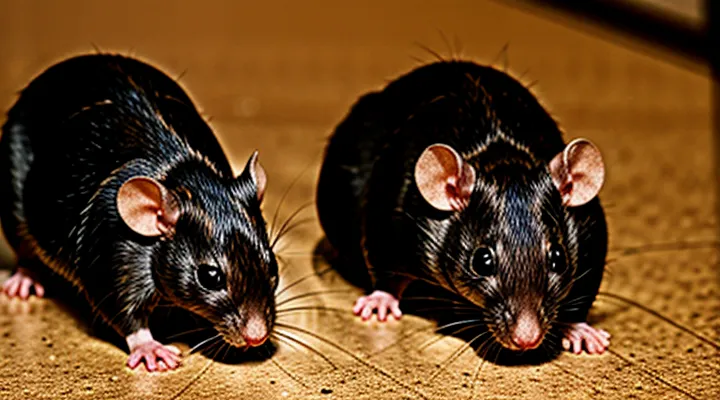
Understanding Rat Diet
What Do Rats Naturally Eat?
Rats are omnivorous foragers that rely on a diverse diet available in their natural habitats. Their nutritional intake consists primarily of plant matter, insects, and occasional animal protein.
- Seeds and grains: wheat, barley, corn, and wild rice provide carbohydrates and essential fats.
- Fruits and vegetables: berries, apples, carrots, and leafy greens supply vitamins, minerals, and fiber.
- Nuts and legumes: peanuts, beans, and chickpeas offer protein and healthy oils.
- Invertebrates: beetles, worms, and larvae contribute amino acids and micronutrients.
- Small vertebrates: occasional consumption of eggs or carrion adds additional protein sources.
In the wild, rats balance these components to meet energy demands, support growth, and maintain immune function. Understanding this natural diet informs safe feeding practices, including the evaluation of cooked potatoes as a supplemental treat.
Why Nutritional Balance Matters for Rats
A rat’s health depends on a diet that supplies all essential nutrients in appropriate proportions. Protein supports tissue repair and immune function; fiber maintains gastrointestinal motility; vitamins and minerals regulate metabolism, bone development, and nerve transmission. An imbalance can lead to stunted growth, skeletal deformities, digestive disorders, and reduced lifespan.
Cooked potatoes provide primarily carbohydrates and a modest amount of vitamin C, but they lack sufficient protein, calcium, and several B‑vitamins that rats require daily. Excessive inclusion of this tuber can dilute the overall nutrient density of the diet, causing a shortfall in critical amino acids and minerals while increasing caloric intake, which promotes obesity.
To incorporate cooked potatoes safely, follow these guidelines:
- Limit potatoes to no more than 5 % of total daily food weight.
- Pair each serving with high‑quality rodent pellets or fresh protein sources (e.g., boiled egg, lean meat).
- Add a calcium supplement or calcium‑rich foods such as plain yogurt or leafy greens to maintain proper Ca:P ratio.
- Monitor body condition weekly; adjust portions if weight gain or loss is observed.
Maintaining nutritional balance ensures that rats process the carbohydrates from cooked potatoes without compromising overall health.
Cooked Potatoes for Rats
The Safety of Cooked Potatoes
Starch Content and Digestion
Rats possess a digestive system adapted to process moderate amounts of carbohydrates, yet the starch in cooked potatoes differs markedly from raw tubers. Cooking gelatinizes starch granules, breaking crystalline structures and increasing water solubility. This transformation makes the polysaccharides more accessible to pancreatic amylase, accelerating hydrolysis into maltose and glucose.
The rapid release of glucose can elevate blood sugar levels in rodents, whose insulin response is less efficient than in humans. Frequent spikes may predispose rats to obesity, insulin resistance, or dental wear due to heightened acid production from bacterial fermentation of residual starch in the oral cavity.
When incorporating cooked potatoes into a rat’s diet, consider the following limits:
- Serve no more than 5 % of total caloric intake as potato-derived starch.
- Provide portions no larger than a pea‑sized cube per 100 g of body weight.
- Offer the potato plain, without added salt, butter, or seasonings that could introduce sodium or fat overload.
- Rotate with other low‑glycemic vegetables (e.g., broccoli, kale) to maintain nutrient balance.
Excessive starch may also interfere with the absorption of essential amino acids and minerals, as high carbohydrate loads can compete for transport mechanisms in the intestinal epithelium. Monitoring weight, coat condition, and activity levels will reveal any adverse effects promptly.
In summary, cooked potatoes supply digestible starch that rats can metabolize, but only within controlled quantities to avoid metabolic disturbances and nutritional imbalances.
Potential Nutritional Benefits
Cooked potatoes supply rats with readily digestible carbohydrates, which can support energy requirements during growth, reproduction, and activity bursts. The starch content is broken down during cooking, making glucose more accessible for absorption.
Vitamins present in the tuber include vitamin C and several B‑complex members (thiamine, riboflavin, niacin). These nutrients contribute to immune function, metabolic pathways, and nerve health in rodents. Minerals such as potassium, magnesium, and phosphorus are abundant; potassium aids cellular electrolyte balance, while magnesium participates in enzymatic reactions essential for muscle contraction and bone formation.
Dietary fiber, primarily in the form of soluble pectin, survives the cooking process. Fiber can promote gastrointestinal motility and support a healthy gut microbiome, which influences nutrient synthesis and pathogen resistance.
When offering cooked potatoes, consider the following guidelines:
- Serve in small, uniform cubes (no larger than 0.5 cm) to prevent choking.
- Limit portions to 5–10 % of total daily caloric intake to avoid excess carbohydrate load.
- Ensure potatoes are plain, without added salt, butter, or oil, which could introduce sodium or unhealthy fats.
- Verify that the potato is fully cooked and free of green spots or sprouting, as these indicate the presence of glycoalkaloids that may be toxic.
Incorporating modest amounts of properly prepared cooked potatoes can enrich a rat’s diet with energy, vitamins, minerals, and fiber, provided that the overall feeding regimen remains balanced and free of harmful additives.
Preparation Guidelines
No Seasoning or Additives
Rats may safely consume cooked potatoes when the food is presented without any seasoning, sauces, or additives. Plain potatoes retain the nutritional profile that is acceptable for rodents, while salts, spices, butter, and oil introduce sodium, fats, and compounds that can disrupt digestion or cause toxicity.
- Offer boiled or steamed potatoes that have cooled to room temperature.
- Ensure the pieces are cut into bite‑size portions to prevent choking.
- Avoid adding salt, pepper, garlic, onion, herbs, or any processed flavorings.
- Do not mix potatoes with cheese, butter, or sugary glazes.
- Serve only a small portion as a supplement to a balanced rodent diet; excessive starch may lead to weight gain.
Providing unseasoned, properly prepared potatoes minimizes health risks and aligns with standard rodent‑care guidelines.
Serving Size Recommendations
Rats can safely consume cooked potatoes when the portion is limited and the preparation is appropriate.
- Small adult rat (200‑250 g): ½ teaspoon of mashed or diced cooked potato, once or twice a week.
- Juvenile rat (under 150 g): ¼ teaspoon of the same preparation, no more than once weekly.
- Large adult rat (over 300 g): up to ¾ teaspoon, with the same frequency limits.
The potato must be plain, boiled or baked without added salt, butter, oil, or seasonings. Cool the food to room temperature before offering it to prevent thermal injury. Observe the animal for signs of digestive upset after the first exposure; discontinue if diarrhea, bloating, or lethargy occur. Rotate cooked potato with other vegetables to maintain nutritional balance and avoid excessive carbohydrate intake.
Raw Potatoes: A Dangerous Choice
Solanine Toxicity
Solanine is a glycoalkaloid naturally occurring in all parts of the potato plant, with the highest concentrations in green skin, sprouts, and damaged tissue. Cooking reduces but does not eliminate solanine; heat‑stable compounds remain after boiling, baking, or frying. Consequently, any cooked potato that retains green coloration or visible sprouts still contains measurable solanine levels.
Rats exhibit sensitivity to solanine at doses as low as 30 mg kg⁻¹ body weight. Clinical signs include gastrointestinal distress, lethargy, and, at higher exposures, neurological impairment and mortality. Laboratory studies confirm that chronic ingestion of low‑level solanine leads to hepatic and renal pathology in rodent models.
To minimize risk when offering cooked potatoes to rats, adhere to the following guidelines:
- Use only fully peeled, white‑fleshed potatoes; discard any that show green patches or sprouting.
- Cook potatoes thoroughly (boil or steam for at least 15 minutes) and allow them to cool before serving.
- Limit portion size to no more than 5 g of cooked potato per 100 g of rat body weight per week.
- Rotate potatoes with other carbohydrate sources to prevent cumulative solanine exposure.
- Monitor rats for signs of distress after introduction of potatoes; discontinue if symptoms appear.
Observing these practices ensures that solanine exposure remains below toxic thresholds while permitting occasional inclusion of cooked potatoes in a rat’s diet.
Symptoms of Solanine Poisoning
Rats that are offered cooked potatoes may ingest solanine, a glycoalkaloid that forms in tubers exposed to light or stored at low temperatures. Solanine interferes with cellular membranes and neurotransmission, leading to acute toxicity if the concentration is high enough.
Observable signs of solanine poisoning in rodents include:
- Lethargy or reduced activity
- Disorientation and unsteady gait
- Excessive salivation
- Vomiting or regurgitation
- Diarrhea, sometimes with blood
- Muscle tremors or convulsions
- Respiratory distress, such as rapid or shallow breathing
- Elevated heart rate followed by bradycardia
- Pale or cyanotic mucous membranes
- Death in severe cases, often within 24 hours of ingestion
Preventive measures consist of providing only peeled, non‑green potatoes, cooking them thoroughly, and limiting the portion size. Regular monitoring after feeding helps detect early symptoms and allows prompt veterinary intervention.
Other Potato Products and Rats
Potato Skins and Green Parts
Potato skins contain a thin layer of fiber and nutrients that rats can digest, but the skin may also harbor pesticide residues or soil bacteria if not thoroughly washed. Before offering skins, rinse them under running water, scrub with a vegetable brush, and steam or boil for at least five minutes to eliminate surface contaminants. After cooking, allow the skins to cool completely before serving a small portion (no more than ½ inch thick) to a single rat. Observe the animal for signs of digestive upset; discontinue if vomiting, diarrhea, or reduced activity occurs.
Green portions of a potato indicate the presence of solanine, a glycoalkaloid toxin that can cause neurological and gastrointestinal distress in rodents. Solanine concentrations rise when potatoes are exposed to light or stored for extended periods. Any visible green discoloration, sprouting, or a bitter taste should be considered unsafe. Remove green areas entirely; if the potato exhibits extensive greening, discard it.
Recommendations for rat owners
- Wash and cook skins thoroughly before feeding.
- Limit skin portions to a modest size and frequency (once or twice a week).
- Inspect potatoes for any green spots or sprouts; eliminate them completely.
- Store potatoes in a cool, dark environment to prevent greening.
- Monitor rats after consumption for adverse reactions; seek veterinary care if symptoms appear.
Potato Chips and Processed Potato Foods
Potato chips and other processed potato products contain high levels of salt, fat, and artificial additives. These ingredients can disrupt a rat’s electrolyte balance, contribute to obesity, and increase the risk of gastrointestinal irritation. The low fiber content of most processed snacks offers little nutritional benefit compared to whole potatoes.
Rats tolerate small amounts of plain, baked potato without skin, but exposure to seasoned or fried varieties should be limited. Salt concentrations above 0.5 % can cause dehydration, while excessive oil intake may lead to hepatic strain. Additives such as flavor enhancers, preservatives, and sugar coatings introduce compounds that rats cannot metabolize efficiently.
Feeding guidelines
- Offer plain, cooked potato only as an occasional treat; limit to one teaspoon per week for an adult rat.
- Avoid any product that includes added salt, oil, butter, cheese, or seasoning blends.
- Discard chips that are heavily salted, flavored, or contain visible crumbs that could cause choking.
- Monitor the animal for signs of digestive upset, weight gain, or changes in water consumption after any exposure.
When in doubt, choose fresh vegetables or commercially formulated rodent diets that meet established nutritional standards.
General Feeding Recommendations for Rats
Safe Vegetables for Rats
Rats thrive on a varied vegetable diet that supplies fiber, vitamins, and minerals essential for health. Fresh, raw vegetables should be washed thoroughly and offered in moderation to prevent digestive upset.
Safe options include:
- Carrots (raw or lightly steamed)
- Bell peppers (any color, seed‑free)
- Broccoli florets
- Spinach (limited due to oxalates)
- Zucchini
- Cucumber (peeled if waxed)
- Kale (small portions)
- Green beans
- Peas (fresh or frozen, no added salt)
Avoid vegetables high in solanine, such as raw or cooked potatoes, as they can be toxic. Introduce new vegetables gradually, observing for changes in stool or appetite. Balanced portions, combined with a quality pellet base, support optimal growth and longevity.
Foods to Avoid
Rats that are offered cooked potatoes require a diet free of substances that can cause toxicity, digestive upset, or nutritional imbalance. Certain foods must be excluded from their menu to maintain health and prevent adverse reactions.
- Raw potatoes and green parts of the tuber – contain solanine, a potent neurotoxin.
- Processed potato products (chips, fries, hash browns) – high in salt, unhealthy fats, and additives.
- Citrus fruits – acidity can irritate the gastrointestinal tract.
- Chocolate and caffeine – contain methylxanthines that are lethal to rodents.
- Dairy products – rats lack lactase, leading to diarrhea and malabsorption.
- High‑sugar treats (candies, sugary drinks) – promote obesity and metabolic disorders.
- Raw beans and legumes – contain lectins that damage intestinal lining.
- Onion, garlic, and related alliums – cause hemolytic anemia in rodents.
Eliminating these items ensures that cooked potatoes serve as a safe, occasional component of a balanced rat diet. Regular monitoring of weight and behavior confirms that the dietary plan remains appropriate.
Moderation and Variety
Cooked potatoes may be offered to pet rats, but they should not become a staple. The tuber supplies carbohydrates and some vitamins, yet it lacks essential proteins, fats, and minerals that rats require for optimal health.
Limit each serving to a small piece—approximately one‑quarter of a teaspoon for an adult rat. Provide this amount no more than two times per week. Excessive intake can lead to weight gain, digestive upset, or nutrient imbalances.
Balance the diet by pairing potatoes with sources that cover missing nutrients. Include:
- High‑protein foods such as boiled eggs, cooked chicken, or commercial rat pellets.
- Healthy fats from small amounts of nuts or seeds (unsalted, unroasted).
- Fresh vegetables like leafy greens, carrots, or broccoli for fiber and vitamins.
- A constant supply of fresh water.
Rotate the variety of foods daily to prevent boredom and ensure a broad spectrum of nutrients. Monitoring weight and stool consistency will reveal whether the current regimen meets the rat’s needs. Adjust portions or frequency if any adverse signs appear.