
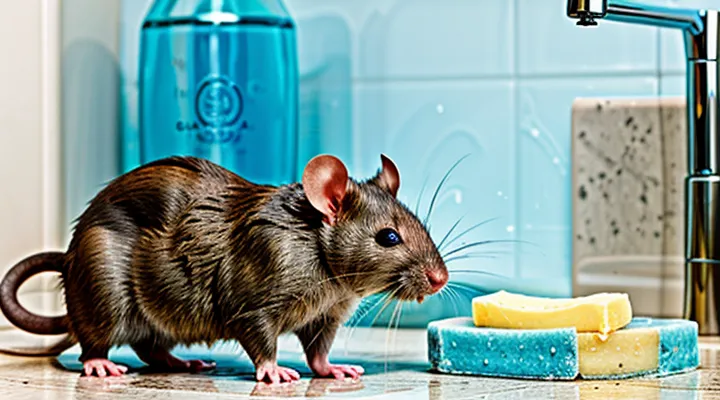
Understanding Rat Hygiene
Natural Grooming Habits of Rats
Rats maintain coat condition through a series of self‑directed actions that require no external detergents.
- Teeth bite and trim hair, removing loose fibers and debris.
- Forepaws spread saliva, creating a moist surface that facilitates particle removal.
- Tongue sweeps the body, delivering enzymes that break down oils and minor contaminants.
Social grooming complements individual efforts. Colony members exchange bites and licks, targeting hard‑to‑reach areas such as the back and ears. This reciprocal behavior reduces parasite load and reinforces group cohesion.
Environmental factors provide additional cleaning opportunities. Loose bedding, sand, and shredded paper serve as abrasive substrates; rats rub against them to dislodge dirt and excess oil. Nesting material often contains natural antiseptic compounds that further protect skin health.
Research observations confirm the efficiency of these habits. «Rattus norvegicus engages in self‑grooming approximately 5–10 minutes per day, achieving measurable reductions in surface contaminants» (Journal of Mammalian Behavior, 2022).
When considering the application of soap, the innate grooming system renders external washing unnecessary for routine hygiene. Soap can disturb the skin’s microbial balance, cause dryness, and provoke stress responses that interfere with normal grooming cycles. Maintaining a clean enclosure and providing appropriate substrate allow rats to rely on their evolved cleaning mechanisms without supplemental chemicals.
Reasons Against Washing Rats
Rats possess a highly sensitive skin that functions as a barrier against pathogens and regulates temperature. Direct contact with soap disrupts the lipid layer, leading to dehydration, irritation, and increased susceptibility to infection.
Key arguments against cleansing rodents with detergent include:
- Skin integrity loss – surfactants dissolve natural oils, causing dryness and micro‑abrasions.
- Stress induction – exposure to unfamiliar chemicals triggers a physiological stress response, which can suppress immune function.
- Behavioral disruption – scent alteration interferes with social communication and mating cues.
- Risk of toxicity – residues of soap may be ingested during grooming, resulting in gastrointestinal upset or systemic toxicity.
- Ineffectiveness for pathogen control – most external parasites are better managed with targeted ectoparasitic treatments rather than generic washing.
Veterinary guidelines recommend minimal handling, regular cage cleaning, and the use of species‑appropriate grooming products to maintain health without compromising the animal’s natural protective mechanisms.
The Dangers of Washing Rats with Soap
Skin Irritation and Dermatitis
Rats possess a thin epidermis that readily absorbs chemicals. Soap formulations designed for human skin often contain surfactants, fragrances, and preservatives that can disrupt the lipid barrier of rodent skin. Disruption leads to inflammation, erythema, and moisture loss, creating conditions favorable for dermatitis.
Typical manifestations of irritation include:
- Redness and swelling of the shaved area
- Crusting or scaling of the fur
- Excessive scratching or grooming
- Presence of fluid‑filled vesicles or ulcers
Chronic exposure to detergent residues may progress to allergic contact dermatitis, characterized by a delayed hypersensitivity response. Histopathology frequently reveals epidermal hyperplasia, infiltration of lymphocytes, and spongiosis.
To mitigate risk, recommended practices are:
- Limit washing frequency to situations where contamination poses a health threat
- Use mild, fragrance‑free laboratory‑grade cleansers formulated for small mammals
- Rinse thoroughly with warm water to remove all soap traces
- Dry the animal gently with a soft absorbent material, avoiding vigorous rubbing
- Monitor the skin for early signs of irritation and discontinue use if lesions appear
When cleansing is necessary, a brief rinse with lukewarm water followed by a single‑use, low‑pH saline solution provides effective decontamination without compromising the skin barrier. Regular veterinary assessment ensures prompt identification and treatment of dermatitis, preserving the animal’s welfare and experimental integrity.
Respiratory Issues
Washing rodents with detergent introduces chemicals that can be inhaled, potentially compromising the respiratory system. Surfactants in soap reduce surface tension, allowing fine particles to become airborne and enter the nasal cavity and lower airways.
Exposure to these particles may trigger inflammation of the mucous membranes, leading to edema, increased mucus production, and bronchoconstriction. The resulting irritation can impair gas exchange and predispose the animal to secondary infections.
Typical signs of respiratory distress after cleaning include:
- Rapid, shallow breathing
- Audible wheezing or crackles
- Nasal discharge with a frothy appearance
- Reduced activity and reluctance to move
Preventive measures focus on minimizing inhalation risk:
- Use soap formulated for veterinary use, free of strong fragrances and additives
- Rinse thoroughly with warm water to remove residual foam
- Allow the animal to dry in a well‑ventilated area before returning to its enclosure
- Monitor respiratory rate for at least 24 hours post‑procedure
When symptoms persist, veterinary assessment is required to rule out pneumonia or other complications.
Hypothermia Risks
Washing rodents with detergent can cause rapid loss of body heat, especially when water temperature is below the animal’s thermoneutral zone. Small mammals possess high surface‑to‑volume ratios; exposure to cool water accelerates conductive heat loss. Prolonged immersion amplifies this effect, potentially driving core temperature below the threshold for hypothermia.
Key factors influencing hypothermia risk:
- Water temperature below 30 °C (86 °F)
- Immersion time exceeding one minute
- Inadequate drying after rinsing
- Low ambient temperature in the handling area
Mitigation measures:
- Use water warmed to 35–37 °C (95–99 °F).
- Limit exposure to the shortest interval necessary for soap removal.
- Pat the animal dry with a soft towel immediately after rinsing.
- Provide a warm environment (e.g., heated cage or warming pad) until normal activity resumes.
Monitoring should include observation of shivering, lethargy, or slowed respiration, which indicate declining core temperature. Prompt rewarming—such as placing the rat in a pre‑warmed enclosure—reduces the likelihood of severe hypothermic outcomes.
Stress and Anxiety
The practice of cleaning laboratory rodents with detergent introduces physiological stress that can exacerbate anxiety‑related behaviors. Exposure to suds, water temperature fluctuations, and handling during bathing activates the hypothalamic‑pituitary‑adrenal axis, resulting in elevated corticosterone levels. Elevated corticosterone correlates with increased thigmotaxis, reduced exploration in open‑field tests, and heightened startle responses, all indicative of heightened anxiety.
Key stressors associated with detergent bathing:
- Mechanical restraint required to keep the animal submerged.
- Olfactory irritation from surfactant residues.
- Thermal shock from water that deviates from the animal’s thermoneutral zone.
Mitigation strategies focus on minimizing anxiety while maintaining hygiene standards:
- Use low‑concentration, non‑ionic detergents that leave minimal residue.
- Pre‑warm water to within 2 °C of the animal’s core temperature.
- Limit exposure time to no longer than 30 seconds per individual.
- Provide a calm environment with reduced ambient noise and dim lighting.
- Follow bathing with a brief period of acclimation in a familiar cage before returning to the home enclosure.
Research indicates that alternative cleaning methods—such as spot cleaning with damp cloths or using enzyme‑based sprays—produce comparable decontamination outcomes without triggering the same endocrine stress response. When detergent use is unavoidable, strict adherence to the outlined protocol reduces the likelihood of chronic anxiety development and preserves the validity of behavioral data.
When Bathing Might Be Necessary
Extreme Dirt or Contamination
Rats exposed to oil, industrial chemicals, or large accumulations of feces represent a case of extreme contamination. Such conditions create a barrier that prevents water alone from reaching the skin and fur. Residual substances may cause dermatitis, respiratory irritation, or systemic toxicity if left untreated.
Standard mild detergent solutions are insufficient for breaking down thick oils or solvent residues. A veterinary‑grade, pH‑balanced soap with surfactants designed to emulsify lipids removes stubborn grime without compromising the integumentary barrier. Formulations containing aloe or glycerin reduce drying effects on delicate skin.
Effective decontamination proceeds as follows:
- Place the animal in a shallow, lukewarm water basin; temperature must not exceed 30 °C to avoid thermal stress.
- Apply a measured amount of the recommended soap, gently lathering with fingertips while supporting the body to prevent panic.
- Allow the surfactant to act for 30–60 seconds, focusing on heavily soiled regions such as the ventral abdomen and tail base.
- Rinse thoroughly with clean, lukewarm water until no suds remain; incomplete rinsing leaves irritant residues.
- Dry the rat with a soft, lint‑free cloth, then monitor for signs of distress, skin redness, or abnormal behavior.
Precautions include limiting exposure time to under five minutes, avoiding harsh chemicals such as bleach or ammonia, and providing a quiet environment to reduce stress. Post‑wash observation for at least one hour ensures that the animal recovers normal activity and grooming behavior.
Vet-Recommended Situations
Rats occasionally require a bath when skin irritation, excessive dirt, or exposure to toxic substances compromises health. Veterinary guidance limits washing to situations where the animal’s welfare depends on immediate cleansing, rather than routine grooming.
Typical scenarios endorsed by veterinarians include:
- Presence of visible soiling that prevents normal grooming and may lead to dermatitis.
- Accidental contact with chemicals such as pesticides, oil, or cleaning agents that cannot be removed by licking.
- Diagnosis of fungal or bacterial skin infections that respond to topical treatment after a gentle wash.
- Pre‑operative preparation, when a clean coat reduces the risk of surgical site contamination.
When a wash is indicated, the procedure follows strict guidelines. A mild, unscented pet‑safe soap diluted in warm water should be applied with a soft cloth, avoiding the eyes, ears, and genital area. The rinse must be thorough, using lukewarm water to prevent temperature shock. After washing, the rat should be gently dried with a low‑heat hair dryer or a soft towel, and the environment kept warm until the animal is fully dry. Immediate return to a clean cage with fresh bedding supports recovery and prevents secondary infections.
Safe Bathing Alternatives
Water-Only Baths
Water‑only baths provide a method to clean laboratory or pet rats without introducing detergents that could disrupt the skin’s natural barrier. The approach relies on lukewarm water to loosen debris, remove excess urine or feces, and reduce surface bacteria while preserving essential sebaceous secretions.
Rats possess a delicate epidermis with a pH range close to neutral. Direct contact with soap can strip lipids, cause irritation, and increase susceptibility to infection. Water alone maintains the integrity of the coat, prevents excessive drying, and minimizes stress when applied correctly.
Appropriate situations for water‑only bathing include:
- Exposure to non‑toxic spills or dust that cannot be brushed off.
- Preparation for surgical or experimental procedures requiring a clean surface.
- Routine hygiene in colonies where cage changes occur infrequently.
Procedure for a water‑only bath:
- Fill a shallow container with lukewarm water (approximately 30 °C).
- Place the rat gently in the water, ensuring the head remains above the surface to allow breathing.
- Use a soft brush or fingertip to massage the fur, encouraging water penetration and debris release.
- Maintain the immersion for 1–2 minutes, avoiding prolonged exposure that could lower body temperature.
- Lift the animal, support the body, and allow excess water to drain naturally.
After bathing, wrap the rat in a clean, absorbent towel and pat dry. Monitor for signs of shivering or prolonged wetness, and return the animal to a warm environment promptly. Regular observation for skin irritation or behavioral changes ensures that water‑only baths remain a safe hygiene practice.
Pet Wipes for Small Areas
Pet wipes designed for small‑area cleaning offer a practical alternative to full‑body bathing when addressing rodent hygiene. These products are formulated with gentle, non‑irritating surfactants and moisturizers that remove surface dirt without stripping the natural oils of a rat’s skin and fur.
Key characteristics of suitable wipes include:
- Alcohol‑free composition to prevent drying of sensitive skin.
- Inclusion of hypoallergenic ingredients such as aloe vera or chamomile extract.
- Low pH balance (approximately 6.5–7.0) compatible with rodent dermal pH.
- Disposable, lint‑free material that minimizes residue after use.
Application guidelines:
- Select a wipe sized for the animal’s body region; a standard 8 × 8 cm pad covers ears, paws, or tail efficiently.
- Gently rub the targeted area, avoiding vigorous strokes that could stress the animal.
- Allow the surface to air‑dry for a few seconds before handling the rat again.
- Discard the used wipe promptly to maintain sanitary conditions.
Limitations of wipes relate to thoroughness. They remove only superficial contaminants and cannot replace a full wash when the animal is heavily soiled or carries pathogens. For routine spot cleaning, wipes provide a safe, convenient method that reduces the need for soap‑based baths while maintaining acceptable hygiene standards.
Professional Grooming Considerations
Professional grooming of rats requires careful assessment of product suitability, handling technique, and health monitoring. Soap selection must prioritize non‑toxic, low‑pH formulations designed for small mammals; harsh detergents, fragrances, or antibacterial agents risk skin irritation and respiratory distress. Water temperature should remain lukewarm, avoiding extremes that could induce hypothermia or thermal shock.
Key procedural elements include:
- Pre‑grooming health check to identify dermatological lesions, respiratory issues, or stress indicators.
- Application of a minimal soap layer, limited to the dorsal coat; avoid contact with the face, ears, and genitals.
- Gentle agitation using a soft brush or fingertip motions; excessive scrubbing can damage delicate fur and underlying skin.
- Thorough rinsing with clean, lukewarm water to eliminate residue; residual soap may attract contaminants or cause dermatitis.
- Immediate drying with a low‑heat air source or soft towel; moisture retention elevates infection risk.
- Post‑grooming observation for signs of discomfort, grooming refusal, or abnormal behavior; document findings for future reference.
Frequency of washing should align with environmental conditions and individual health status; routine bathing is unnecessary for most domesticated rats and may disrupt natural oil balance. Professional groomers must maintain sterile equipment, adhere to species‑specific protocols, and stay informed of veterinary guidelines to ensure safe, effective care.«Proper grooming supports overall welfare, but excessive washing compromises integumentary health.»
Proper Rat Care Practices
Maintaining a Clean Cage Environment
Maintaining a clean cage environment is a prerequisite for the health of pet rodents, particularly when evaluating the safety of detergent use during grooming. Accumulated waste, moisture, and food debris create conditions favorable to bacterial growth, respiratory irritation, and skin problems. A hygienic enclosure reduces the risk of secondary infections that could arise from bathing procedures.
Regular cleaning protocol includes:
- Daily removal of soiled bedding, uneaten food, and droppings.
- Weekly replacement of all bedding material with fresh, absorbent substrate.
- Bi‑weekly disinfection of cage walls, bars, and accessories using a diluted, rodent‑safe sanitizer; thorough rinsing eliminates residue.
- Monthly inspection of ventilation openings and water bottles; replace or clean components showing wear or buildup.
Monitoring cage conditions involves visual checks for mold, unusual odors, and excessive humidity. Prompt correction of identified issues prevents the spread of pathogens and supports the animal’s ability to tolerate occasional washing with mild soap solutions.
Providing Appropriate Bedding
Proper bedding supports rat health after any cleaning procedure, including the use of soap. Absorbent material reduces moisture accumulation that can lead to skin irritation or respiratory issues. Choose bedding that is dust‑free, non‑clumping, and easy to replace.
Key characteristics of suitable bedding:
- Low dust content – minimizes inhalation of particles that may cause respiratory distress.
- High absorbency – quickly wicks away residual moisture from soap rinses.
- Non‑toxic fibers – avoids chemical reactions with detergent residues.
- Ease of sterilization – allows thorough cleaning between uses.
Recommended options:
- Paper‑based pellets – provide excellent absorbency, generate minimal dust, and can be autoclaved.
- Compressed wood shavings (aspen) – low aromatic oils, moderate dust, suitable for regular replacement.
- Corn‑cob bedding – biodegradable, high absorbency, but monitor for occasional fungal growth.
Implementation steps:
- Remove all soapy water from the enclosure immediately after washing.
- Discard used bedding and replace with a fresh layer of the selected material.
- Inspect the cage for residual moisture; dry surfaces with a clean, lint‑free cloth before adding new bedding.
- Perform weekly bedding changes to maintain optimal hygiene and prevent microbial buildup.
By adhering to these guidelines, the environment remains conducive to recovery and long‑term well‑being following any grooming routine.
Nutritional Diet and Hydration
A rat’s ability to tolerate soap during grooming depends heavily on the quality of its diet and the adequacy of its water supply. Nutrient deficiencies weaken the integumentary system, making the skin more susceptible to irritation from detergents. Adequate hydration maintains skin elasticity and facilitates the removal of residues after washing.
Key dietary components supporting skin health include:
- «protein» for tissue repair and keratin synthesis;
- «essential fatty acids» for barrier integrity;
- «vitamins A, D, and E» for epithelial maintenance;
- «zinc» and «selenium» for immune function;
- «fiber» to promote gastrointestinal balance, indirectly influencing nutrient absorption.
Hydration considerations:
- Provide continuous access to clean, fresh water;
- Ensure daily intake matches body weight (approximately 30 ml per gram of body mass);
- Monitor for signs of dehydration, such as reduced skin turgor or lethargy;
- Avoid water sources containing high mineral concentrations that may dry the skin.
Practical guidelines for safe washing:
- Feed a balanced diet meeting the listed nutrient requirements for at least two weeks before any cleaning procedure;
- Verify water availability at all times, replacing it daily;
- Use mild, pet‑safe soap with low pH to reduce irritation;
- Rinse thoroughly with lukewarm water to eliminate soap residues;
- Dry gently with a soft towel and observe the animal for any signs of skin distress.
Consistent nutrition and reliable hydration create a resilient dermal layer, allowing effective cleaning without compromising the rat’s health.
Regular Health Checks
Regular health examinations are a prerequisite for any grooming procedure involving rodents. Prior to applying a cleansing agent, a veterinarian should assess weight, coat condition, and the presence of skin lesions. Detecting abrasions or dermatitis before a soap bath prevents exacerbation of existing problems and reduces the risk of infection.
Key components of a routine check include:
- Visual inspection of fur for matting, parasites, or discoloration.
- Palpation of the abdomen to identify masses or fluid accumulation.
- Evaluation of the respiratory rate and nasal discharge to rule out upper‑respiratory issues that could be aggravated by moisture.
- Measurement of body temperature to ensure the animal is not hypothermic, which could impair recovery after bathing.
If any abnormality is identified, the grooming protocol must be postponed until the condition is treated. After a successful health assessment, the caretaker can proceed with a mild, rodent‑safe soap solution, monitoring the animal for signs of irritation such as excessive grooming or redness. Post‑bath observation should continue for at least 30 minutes, with a follow‑up health check scheduled within 24 hours to confirm that no delayed adverse effects have occurred.
«Regular health examinations are essential for laboratory rodents», notes a leading veterinary guide, emphasizing that systematic monitoring safeguards both animal welfare and the validity of experimental outcomes.