
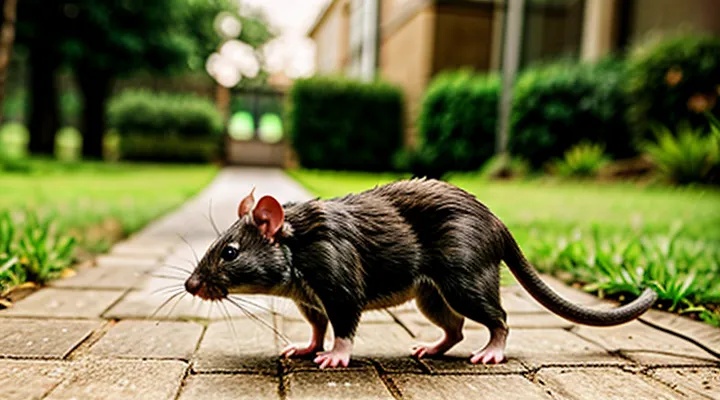
The Cognitive Abilities of Rats
Rat Intelligence and Learning Capacity
Problem-Solving Skills in Rodents
Rats demonstrate robust problem‑solving abilities that can be harnessed during obedience training. Laboratory studies consistently show that individuals navigate mazes, manipulate levers, and solve puzzles to obtain food or escape confinement. These tasks reveal flexibility in adapting strategies, memory for spatial cues, and capacity to infer cause‑effect relationships.
Key observations relevant to command training include:
- Rapid acquisition of novel solutions after a few trials, indicating high learning efficiency.
- Transfer of learned strategies between distinct apparatuses, suggesting abstract reasoning.
- Sensitivity to reward timing and magnitude, which shapes motivation during conditioning.
Experimental protocols such as the “water maze,” “t‑shaped maze,” and “lever‑press discrimination” provide measurable indices of cognitive performance. Performance metrics—latency, error count, and path efficiency—correlate with success in operant conditioning tasks where rats must follow specific signals.
Applying problem‑solving assessments to training regimens allows practitioners to:
- Identify individuals with superior cognitive flexibility for complex command sequences.
- Adjust reinforcement schedules to align with natural reward processing, enhancing compliance.
- Introduce incremental challenges that build upon existing solution strategies, reinforcing learning durability.
Overall, the intrinsic problem‑solving competence of rodents forms a foundational element for developing reliable command‑following behaviors through structured training methods.
Memory Retention in Rats
Rats demonstrate robust memory systems that directly affect their ability to obey trained commands. Experimental protocols routinely measure retention by testing subjects after variable delays, revealing that performance remains above chance for weeks when reinforcement is consistent.
Short‑term memory in rats supports immediate task execution, while consolidation processes transfer information to long‑term stores. Studies using maze navigation and lever‑press sequences show that hippocampal activity peaks during the first 24 hours post‑training and declines as cortical networks assume control.
Retention strength correlates with several training parameters:
- Fixed‑ratio reinforcement schedules produce higher recall than variable‑ratio schedules.
- Inter‑trial intervals of 30‑60 seconds optimize encoding without inducing fatigue.
- Simpler command structures (single‑action cues) retain longer than multi‑step sequences.
Applying these findings, trainers can structure sessions to maximize durability of learned behaviors. Initial intensive conditioning followed by spaced maintenance trials sustains command compliance. Monitoring performance decay allows timely reinforcement, preventing loss of the acquired response.
In practice, effective command training for rats relies on exploiting their natural memory capacities, aligning reinforcement strategies with documented retention patterns, and adjusting task complexity to match the species’ cognitive limits.
Foundations of Rat Training
Understanding Rat Behavior
Natural Instincts and Motivations
Rats possess a suite of innate behaviors that shape their responsiveness to training. Foraging drives them to seek out food sources, making food rewards a powerful lever for conditioning. Exploration instincts cause them to investigate novel objects, allowing new cues to be introduced without causing hesitation. Social hierarchy motivates rats to seek approval from dominant peers, enabling the use of conspecific interaction as a reinforcing element. Scent marking and territory awareness prompt them to respond to environmental changes, which can be harnessed to signal command cues.
Motivational factors intersect with these instincts to determine training efficiency. Primary motivators include:
- Palatable treats that satisfy the foraging instinct.
- Novel stimuli that satisfy curiosity and reduce habituation.
- Positive social feedback, such as grooming or proximity to a preferred cage mate.
- Mild aversive stimuli, like brief isolation, that trigger avoidance behavior and reinforce compliance when removed.
Effective conditioning aligns command signals with the rat’s natural drives. A command paired with a food reward leverages the foraging instinct, while a cue followed by a brief exposure to a favored peer exploits social motivation. Introducing a new cue within a familiar exploratory context minimizes stress and enhances learning speed. By structuring training around these innate tendencies, rats can reliably perform commanded actions.
Communication Signals in Rats
Rats convey intent and emotional state through a limited set of distinct signals that can be recognized and harnessed during operant conditioning.
Auditory cues include ultrasonic vocalizations (USVs) emitted at frequencies above human hearing. Short, high‑frequency calls typically accompany positive anticipation, while longer, lower‑frequency bursts signal distress or frustration. Conditioning protocols that pair a specific USV pattern with a reward enable rats to associate the sound with the desired behavior, facilitating cue‑based command execution.
Olfactory communication relies on pheromone‑laden urine and glandular secretions. Rats detect scent trails left by conspecifics, using them to navigate and identify social hierarchy. Introducing a neutral scent marker alongside a target response creates a reliable olfactory cue that the animal learns to follow, especially in maze or foraging tasks.
Visual and somatic signals consist of posture adjustments, ear orientation, and tail movements. An erect posture with forward‑pointed ears indicates alertness; a lowered body and tucked tail suggest submission. Trainers can reinforce specific postural cues with clicker feedback, teaching rats to adopt the required stance on command.
Tactile interactions, such as gentle whisker stimulation or light foot taps, trigger immediate attention. Consistent use of a brief, uniform tactile cue before delivering a reward establishes a tactile command that rats readily respond to, useful in confined environments where auditory or olfactory cues are limited.
Key aspects for integrating these signals into training:
- Identify the signal that aligns with the task’s sensory demands.
- Pair the chosen signal with a primary reinforcer (food, water, or social contact) during initial shaping.
- Maintain consistent timing and intensity to avoid ambiguous associations.
- Gradually reduce reliance on the primary reinforcer while preserving the signal’s predictive value.
By systematically exploiting rats’ natural communication repertoire, trainers can develop reliable command–response chains without resorting to complex verbal instructions.
Positive Reinforcement Techniques
Principles of Operant Conditioning
Operant conditioning provides the scientific framework for teaching rats to respond to specific cues. The method relies on the systematic association between a behavior and its consequences, shaping performance through reinforcement and punishment.
- Positive reinforcement delivers a desirable stimulus (e.g., food pellet) immediately after the target action, increasing the likelihood of repetition.
- Negative reinforcement removes an aversive condition when the correct response occurs, also strengthening the behavior.
- Positive punishment introduces an unpleasant stimulus following an undesired action, reducing its frequency.
- Negative punishment withdraws a valued item after an incorrect response, diminishing that behavior.
Shaping involves reinforcing successive approximations toward the final command. Trainers present a discriminative stimulus—a cue that signals the availability of reinforcement—to signal when the desired response will be rewarded. Over successive sessions, the interval between cue and reward shortens, fostering rapid acquisition.
Schedules of reinforcement determine the pattern of reward delivery. Fixed-ratio schedules (e.g., a reward after every fifth lever press) generate high response rates but may produce pauses after reinforcement. Variable-ratio schedules (reward after an unpredictable number of responses) sustain consistent, vigorous activity. Fixed-interval schedules (reward after a set time) produce a burst of activity near the interval’s end, while variable-interval schedules maintain steady responding.
Effective rat training integrates these principles: clear discriminative cues, immediate and consistent reinforcement, progressive shaping, and appropriate reinforcement schedules. When applied rigorously, operant conditioning yields reliable command-following behavior in rats.
Types of Rewards for Rats
Rats respond reliably to positive reinforcement when learning commands. Successful training hinges on selecting rewards that match the animal’s natural motivations and dietary needs.
- Food treats – small pieces of high‑protein or high‑fat snacks such as mealworms, boiled egg, or commercial rodent treats. Use a size no larger than a pea to prevent overfeeding.
- Fruit or vegetable bites – apple, banana, carrot, or broccoli florets provide a low‑calorie option for rats that prefer sweetness or crunch.
- Clicker or tone cue paired with a treat – the audible signal marks the exact moment of correct behavior, allowing the rat to associate the command with the reward more precisely.
- Play objects – miniature tunnels, chew sticks, or plastic balls can serve as immediate rewards for rats that enjoy exploration and manipulation.
- Social interaction – brief, gentle handling or petting reinforces trust and can be used after a command is executed, especially for rats that seek human contact.
- Grooming or massage – light stroking of the back or head provides tactile pleasure and can act as a secondary reward for rats accustomed to regular handling.
When applying rewards, follow these guidelines: deliver the reward within one second of the desired response; keep the amount consistent to maintain motivation; rotate between reward types to prevent habituation; and monitor the rat’s weight to avoid obesity. Combining food incentives with secondary rewards such as a clicker or brief handling creates a balanced reinforcement schedule that sustains learning and encourages reliable performance of trained commands.
Step-by-Step Training Methods
Getting Started with Training
Creating a Conducive Environment
A rat’s ability to respond to cues depends heavily on the conditions surrounding the training session. A stable, low‑stress environment reduces distractions, allowing the animal to focus on the target behavior. Consistency in cage layout, lighting, and background noise creates a predictable setting that supports learning.
Key elements of an optimal training environment include:
- Cage design: Spacious enough for movement, with solid walls to block external visual stimuli. Provide a single, well‑ventilated enclosure to avoid sudden temperature changes.
- Lighting: Soft, uniform illumination (approximately 300–500 lux) prevents glare and mimics natural daylight cycles. Avoid flickering sources that can startle the rat.
- Noise control: Background sound level below 45 dB. Use sound‑absorbing materials or a separate room to eliminate sudden loud noises.
- Enrichment: Rotate toys, tunnels, and chew items weekly to maintain curiosity without overwhelming the animal.
- Routine: Conduct sessions at the same time each day, preferably during the rat’s active (nocturnal) phase, to align with its circadian rhythm.
Implementing these parameters establishes a reliable platform for command training, improves response accuracy, and accelerates skill acquisition.
Establishing a Routine
A predictable routine creates the framework in which a rat learns to respond to cues. Repetition of identical signals, timing, and environment conditions the animal’s neural pathways, allowing the brain to associate a specific command with a consistent outcome.
- Choose a fixed training window each day (e.g., 08:00‑08:15).
- Begin each session with the same introductory signal (soft click, gentle tap).
- Present the target command immediately after the signal, followed by a reward within two seconds.
- Conclude with a brief cool‑down period, such as a few minutes of free exploration.
Consistent timing reinforces the temporal link between the cue and the reward. Identical surroundings—same cage location, lighting level, and background noise—reduce extraneous variables that could distract the rat. Maintaining the same hand position and gesture for each command further eliminates ambiguity.
If the rat shows hesitation, adjust only one component at a time (e.g., slightly earlier cue, different treat) and observe the effect before making additional changes. Recording session details (date, time, cue duration, reward type) supports systematic refinement and prevents inadvertent deviation from the established pattern.
Teaching Basic Commands
«Come» and «Stay»
Rats respond reliably to simple auditory cues when a consistent training protocol is applied. The “come” command relies on a short, distinct sound paired with an immediate food reward delivered at the animal’s location. Repetition of the cue–reward pair within a controlled environment builds a strong association, allowing the rat to move toward the handler upon hearing the signal.
The “stay” command requires the rat to remain stationary after the cue, resisting the natural tendency to explore. Training begins with short intervals of immobility, reinforced by a treat delivered only after the rat maintains the position for the prescribed period. Gradual extension of the hold time, combined with occasional “release” cues, trains the animal to understand the difference between “stay” and “go”.
Key elements of successful instruction include:
- Timing: Deliver the reward within one second of the desired behavior to strengthen the connection.
- Consistency: Use the same sound, volume, and tone for each command to avoid confusion.
- Shaping: Reward incremental progress (e.g., moving a few centimeters toward the handler, then staying for one second) before demanding the full response.
- Environment control: Conduct sessions in a quiet area with minimal distractions to focus the rat’s attention on the cue.
Research on rodent cognition demonstrates that positive reinforcement, clear signal definition, and systematic progression enable rats to perform “come” and “stay” reliably, supporting their use in behavioral studies and enrichment programs.
«Targeting» and «Spin»
Targeting teaches a rat to direct its nose or paws toward a specified object, typically a small stick or a colored cue. The process begins with a high‑value food reward presented on the target. The rat learns to touch the cue with its snout; the reward follows each successful contact. Once consistent, the cue is moved to different locations, reinforcing the association between the stimulus and the desired action. Gradual reduction of food rewards creates a reliable response to the cue alone, allowing the animal to follow commands such as “touch” or “point” without immediate reinforcement.
Spin training requires the rat to rotate its body on command, a behavior useful for agility demonstrations and precise positioning. The method starts by luring the rat onto a low‑profile platform where a gentle tactile cue—such as a light tap on the side—elicits a pivot. A treat is given the moment the rat completes a 90‑degree turn. Repetition builds a pattern: cue, turn, reward. Subsequent sessions increase the rotation angle to 180 degrees and then a full 360, each step reinforced until the rat executes the spin on cue alone.
Key elements for both techniques include:
- Consistent timing of reward delivery
- Clear, unobtrusive cues (visual or tactile)
- Incremental difficulty adjustments
- Short, frequent training sessions to maintain focus
Applying these principles enables reliable execution of targeting and spin commands, demonstrating that rats can respond to complex, directed instructions.
Advanced Training and Tricks
Agility Courses
Agility courses provide a structured environment for teaching rats to respond to verbal or gestural cues, extending basic obedience into complex motor tasks. The physical layout combines narrow tunnels, low bridges, raised platforms, and angled ramps, each sized to accommodate a mature rat without restricting movement.
Key elements of an effective course include:
- Tunnel sections of 30 cm length and 5 cm diameter, allowing forward and reverse navigation.
- Bridge beams positioned 10 cm above the base, encouraging balance while maintaining a safe clearance.
- Ladder rungs spaced 2 cm apart, promoting climbing precision.
- Ramp angles ranging from 15° to 30°, testing controlled ascent and descent.
Training proceeds through distinct phases. First, rats explore the apparatus without commands to reduce anxiety. Second, shaping techniques pair a target behavior (e.g., entering a tunnel) with a clicker or vocal cue, followed by an immediate food reward. Third, commands are introduced incrementally, linking each cue to a specific obstacle. Consistent repetition over 5‑10 minute sessions, three times daily, yields reliable performance.
Safety measures involve regular inspection for splinters, securing loose components, and ensuring the surface is non‑slippery. All rewards should be nutritionally balanced and limited to prevent overfeeding.
Progress is measured by recording latency to complete the course, accuracy of obstacle selection, and the rat’s responsiveness to commands under varying lighting and noise conditions. Adjustments to obstacle difficulty follow a predefined schedule, ensuring continuous skill development without overwhelming the animal.
Complex Sequences
Rats can learn to execute multi‑step actions when training focuses on building complex sequences rather than isolated responses. The process relies on breaking a target behavior into discrete elements, reinforcing each component, and then linking them into a continuous chain.
- Identify the final sequence (e.g., retrieve a object, navigate a maze, press a lever).
- Decompose the sequence into minimal, observable steps.
- Teach the first step using a positive stimulus (food pellet, clicker) until performance exceeds 80 % consistency.
- Introduce the second step only after the first is stable; reward when the rat completes both steps in order.
- Continue adding steps, ensuring each new link is consolidated before proceeding.
- Once the full chain is reliable, gradually thin reinforcement to intermittent schedules, preserving the behavior while encouraging autonomy.
Shaping techniques accelerate acquisition. Begin with a broad definition of the desired action, then tighten criteria as the rat improves. Prompting devices (short tubes, tactile cues) guide the animal through each stage without introducing extraneous stimuli. Timing of reinforcement must remain precise; a delay exceeding one second reduces associative strength.
Generalization requires varying contextual cues (different lighting, background noises) while maintaining the same sequence structure. Successful transfer indicates the rat has formed a mental representation of the order rather than a simple stimulus–response pairing.
Assessing progress involves recording latency and error rate for each step. A decline in both metrics signals that the sequence has become entrenched. When performance plateaus, introduce minor modifications (change object location, alter lever orientation) to test flexibility and prevent habit formation.
Overall, training rats to follow complex commands depends on systematic segmentation, consistent reinforcement, and incremental integration of steps. Proper execution yields reliable, adaptable behavior suitable for research, enrichment, or service applications.
Common Challenges and Solutions
Overcoming Training Obstacles
Dealing with Distractions
Effective rat training demands strict control of distractions that can undermine command compliance. A quiet, predictable environment minimizes external stimuli such as sudden noises, bright lights, or unfamiliar scents. When a training session begins, eliminate sources of disturbance: turn off televisions, close windows, and remove unrelated objects from the work area. Consistency in the training space allows the animal to focus on the target behavior rather than peripheral cues.
Gradual exposure to potential distractions builds resilience. Introduce a single new stimulus at a low intensity and pair it with the expected command. Reinforce the correct response before increasing the stimulus intensity or adding additional variables. This stepwise approach conditions the rat to maintain performance despite competing inputs.
Positive reinforcement remains the primary mechanism for sustaining attention. Deliver a high‑value reward immediately after the desired action, especially when the rat succeeds amid a distraction. The immediacy of the reward strengthens the association between the command and the correct response, outweighing competing urges.
Practical techniques for managing distractions:
- Environment preparation: silence devices, dim lighting, secure the training area.
- Stimulus sequencing: start with minimal distractions, incrementally add complexity.
- Cue consistency: use the same verbal or tactile signal for each command to reduce ambiguity.
- Reward timing: provide reinforcement within one second of the correct response.
- Session length: keep intervals short (5–10 minutes) to prevent fatigue and wandering focus.
Monitoring the rat’s behavior during each session reveals signs of distraction, such as freezing, grooming, or exploring. Adjust the difficulty level or pause the session if these signs appear repeatedly. Over time, the rat learns to filter out irrelevant stimuli and respond reliably to commands, even in less controlled environments.
Addressing Lack of Motivation
Rats often cease responding when motivation declines. Identifying the problem begins with observing reduced approach behavior, slower task execution, or refusal to engage after a few trials.
Typical causes include insufficient reward value, over‑training, fatigue, health issues, or an unvarying environment. Address each factor directly.
- Reward optimization: Select food items that the individual rat prefers, such as small pieces of fruit, cheese, or high‑protein pellets. Rotate rewards to prevent habituation.
- Hunger management: Schedule training when the rat is mildly hungry, usually 2–4 hours after its regular feeding. Avoid extreme deprivation that could cause stress.
- Session length: Keep sessions short, 5–10 minutes, and end while the rat remains eager. Frequent, brief sessions sustain interest better than occasional long ones.
- Variety in tasks: Alternate commands, introduce new cues, and change the training arena layout. Novelty stimulates curiosity and promotes engagement.
- Health monitoring: Conduct regular checks for illness, dental problems, or injuries that might reduce willingness to work. Prompt veterinary care restores motivation.
- Positive reinforcement schedule: Begin with a continuous reward for each correct response, then gradually shift to a variable‑ratio schedule. The unpredictability of reinforcement maintains effort.
When motivation falters, adjust one variable at a time, observe the rat’s response, and record outcomes. Systematic modifications reveal the most effective combination for re‑engaging the animal in command‑following exercises.
Troubleshooting Behavioral Issues
Aggression and Fear
Rats display aggression and fear as primary emotional responses that can impede obedience training. Aggression manifests as biting, lunging, or territorial displays, while fear appears as freezing, retreating, or vocal distress. Both states activate the amygdala, triggering physiological changes that reduce the animal’s capacity to process instructional cues.
Effective management relies on three principles:
- Predictable environment – consistent lighting, minimal sudden noises, and stable cage arrangement limit stressors that provoke defensive behavior.
- Gradual desensitization – expose the rat to mildly aversive stimuli (e.g., a soft tap on the cage) in short sessions, increasing intensity only after the animal shows calm responses.
- Positive reinforcement – deliver a high‑value treat immediately after a desired action, reinforcing the association between the command and a rewarding outcome.
When aggression arises, isolate the offending individual briefly, then re‑introduce it to the training arena after a calm period. Monitor body language for signs of tension (raised fur, flattened ears) to intervene before escalation. For fear‑related reactions, reduce the magnitude of the command cue (lower volume, slower hand motion) and pair it with a comforting scent or a familiar object.
Consistent application of these methods converts hostile or anxious reactions into neutral states, allowing the rat to focus on the command structure. Over time, the animal learns that compliance yields predictable benefits, while aggressive or fearful responses result in the loss of reinforcement opportunities.
Boredom and Repetitive Behaviors
Rats experience boredom when environmental stimulation is insufficient, leading them to perform stereotypic actions such as circling, bar‑gnawing, or excessive grooming. These repetitive behaviors indicate a lack of mental engagement and can interfere with the acquisition of conditioned responses.
When a rat’s attention is occupied by self‑induced activities, reinforcement schedules become less effective, and the animal may ignore cue presentations. Consequently, training sessions yield slower progress and higher rates of false negatives.
Observable signs include:
- Persistent pacing along the cage perimeter;
- Repeated manipulation of the same object without functional purpose;
- Excessive self‑grooming that continues after the behavior’s usual termination point;
- Vocalizations or agitation when novel stimuli are absent.
Mitigation strategies focus on enriching the rat’s environment and structuring practice sessions to sustain interest:
- Rotate a variety of toys, tunnels, and climbing structures every few days.
- Introduce novel scents or textures during training to maintain novelty.
- Schedule brief, frequent training bouts (5–10 minutes) rather than long, infrequent sessions.
- Employ variable‑ratio reinforcement to prevent predictability.
- Provide puzzle feeders that require problem‑solving before reward delivery.
Implementing these measures reduces boredom‑driven routines, enhances motivation, and improves the rat’s capacity to follow commands reliably.
Ethical Considerations in Rat Training
Animal Welfare Standards
Ensuring Comfort and Safety
Ensuring a rat’s comfort and safety is foundational for any obedience training program. A stress‑free environment promotes learning, reduces injury risk, and sustains the animal’s willingness to engage in repeated sessions.
Key practices include:
- Providing a spacious, well‑ventilated cage with soft bedding that can be changed regularly to prevent irritation.
- Maintaining ambient temperature between 68–75 °F (20–24 °C) and humidity around 50 % to avoid respiratory problems.
- Using non‑toxic, chew‑resistant training tools; metal or high‑grade silicone items are preferable to plastic that may splinter.
- Conducting sessions on a stable, non‑slippery surface to prevent falls; a rubber mat or textured board works well.
- Monitoring the rat for signs of fatigue, aggression, or discomfort; pause or terminate the session if any arise.
Nutrition and hydration support physical resilience. Offer fresh water and a balanced diet rich in protein, fiber, and essential vitamins. Schedule feeding times away from training to keep focus on the task rather than hunger.
Regular health checks by a qualified veterinarian are essential. Screen for common ailments such as respiratory infections, skin lesions, and dental overgrowth before initiating new training phases. Documentation of weight, grooming condition, and behavioral observations creates a baseline for evaluating the impact of training on overall well‑being.
Minimizing Stress During Training
Effective rat training hinges on maintaining a low‑stress environment. Stress impairs learning, disrupts motivation, and can cause aggression or withdrawal. The following practices reduce anxiety and promote reliable command acquisition.
- Provide a predictable routine: start each session at the same time, in the same location, with identical cues. Consistency signals safety and helps the animal anticipate the training structure.
- Use gradual exposure: introduce new stimuli or commands in small increments, allowing the rat to adjust before increasing difficulty.
- Keep sessions brief: limit each training period to 5–10 minutes to prevent fatigue and overstimulation. Frequent, short bouts sustain attention without overwhelming the animal.
- Offer immediate, appropriate reinforcement: deliver a high‑value food reward within one second of the desired response. Prompt reinforcement strengthens the association and reduces frustration.
- Maintain a calm auditory and visual backdrop: mute loud noises, dim bright lights, and eliminate sudden movements that could startle the rat.
Environmental factors further influence stress levels. Ensure the training arena is clean, free of strong odors, and contains familiar bedding or hideouts for brief retreats. Monitor the rat’s body language—piloerection, excessive grooming, or freezing indicate rising tension; pause the session and allow recovery before proceeding.
When introducing novel commands, employ shaping techniques. Reward successive approximations of the target behavior, reinforcing each incremental step. This method prevents the animal from confronting an unattainable task, thereby preserving confidence.
Finally, establish a clear cue hierarchy. Use distinct auditory or tactile signals for each command, avoiding similarity that could cause confusion. Consistent cue‑response pairings streamline learning and minimize cognitive load.
By integrating routine, gradual exposure, concise sessions, prompt reinforcement, and a stable environment, trainers can substantially lower stress, enabling rats to reliably follow commands.
The Human-Animal Bond
Building Trust and Respect
Establishing trust is the first prerequisite for any rat to respond reliably to cues. Consistent, gentle handling conditions the animal to view the trainer as a predictable source of safety. Repeated exposure to the same hand motions, voice tone, and timing reduces anxiety and creates a baseline of acceptance.
Respecting the rat’s natural behaviors reinforces that acceptance. Allow the animal to retreat when it signals discomfort; forcing interaction erodes confidence and leads to avoidance of training sessions. Recognize signs of stress—raised fur, rapid breathing, sudden darting—and pause the lesson until the rat resumes a calm state.
Effective trust‑building techniques include:
- Daily short sessions (5–10 minutes) that end before the rat shows signs of fatigue.
- Offering preferred food items immediately after a correct response, linking the command with a positive outcome.
- Using a calm, steady voice; abrupt changes in pitch or volume can be interpreted as threat.
- Maintaining a quiet training environment, free from sudden noises or movements that could startle the rat.
When trust and respect are secured, the rat’s willingness to follow commands increases markedly, allowing more complex behaviors to be introduced with minimal resistance.
The Benefits of Interaction
Interaction between rats and their handlers yields measurable advantages that enhance training outcomes. Direct engagement stimulates neural pathways, improving problem‑solving ability and responsiveness to cues. Consistent contact reduces stress markers, supporting overall health and longevity.
Key benefits include:
- Accelerated learning speed, evidenced by quicker acquisition of command sequences.
- Enhanced memory retention, allowing rats to recall tasks after longer intervals.
- Strengthened trust, resulting in steadier performance under varied conditions.
- Increased motivation, observable through higher participation rates during sessions.
- Improved welfare, reflected in reduced stereotypic behaviors and more balanced activity patterns.
These effects collectively lower the number of repetitions required for mastery, streamline conditioning protocols, and contribute to reliable data collection in experimental settings. Interaction therefore serves as a critical factor for efficient command training in rats.