
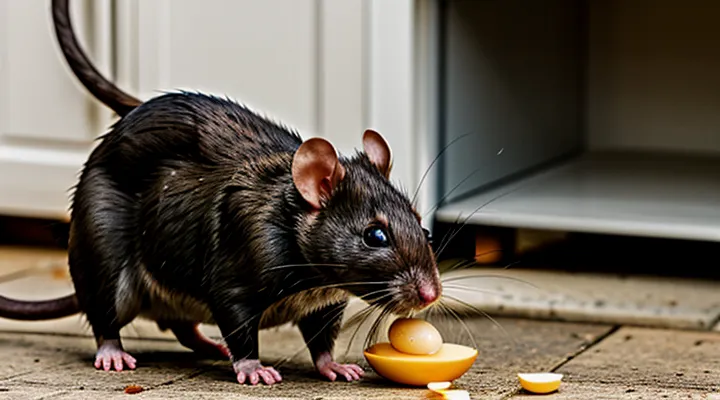
Understanding Rat Nutritional Needs
Essential Dietary Components for Rats
Rats require a diet that supplies adequate protein, fat, carbohydrate, fiber, vitamins, minerals, and water to support growth, reproduction, and immune function. Protein should constitute 15–20 % of total calories; high‑quality sources include soy, whey, and animal‑derived products. Fat provides 5–10 % of calories and supplies essential fatty acids such as linoleic and α‑linolenic acid. Carbohydrates supply the remaining energy and should come from digestible grains and legumes. Fiber, at 3–5 % of the diet, promotes gastrointestinal motility and prevents cecal dysbiosis.
Key micronutrients include:
- Vitamin A, D, E, and K for vision, calcium metabolism, antioxidant protection, and blood coagulation.
- B‑complex vitamins for energy metabolism and nervous system health.
- Calcium and phosphorus in a 1.2:1 ratio to maintain skeletal integrity.
- Magnesium, potassium, and sodium for electrolyte balance.
- Trace elements such as zinc, copper, manganese, and selenium for enzymatic activity.
Raw egg content aligns with several of these requirements. Whole egg provides complete protein, high‑biotin, vitamin D, and essential fatty acids. However, unprocessed egg also contains avidin, a protein that binds biotin and can induce deficiency if consumed in large, uninterrupted quantities. Additionally, raw egg may harbor Salmonella spp.; contamination risk rises with inadequate handling or storage.
When incorporating raw egg into a rat’s regimen, follow these guidelines:
- Offer no more than one‑quarter of a boiled or lightly scrambled egg per 100 g of body weight per week.
- Limit exposure to raw egg to a single serving per week to avoid avidin accumulation.
- Verify freshness, store at ≤ 4 °C, and discard any egg showing cracks or odor.
- Observe the animal for signs of digestive upset or respiratory distress after feeding.
A balanced commercial pellet supplemented with occasional, controlled portions of raw egg satisfies nutritional demands while minimizing health hazards. Regular monitoring of weight, coat condition, and activity level confirms dietary adequacy.
Foods to Avoid for Rats
Rats require a balanced diet that excludes several common human foods because of toxicity, digestive incompatibility, or infection risk. Raw egg consumption is often debated, but the broader list of hazardous items remains essential for safe feeding.
- Chocolate, cocoa products, and any food containing theobromine – causes rapid heart rate, seizures, and possible death.
- Caffeine‑containing beverages and snacks – stimulates the nervous system, leading to tremors and fatal arrhythmias.
- Alcohol and fermented products – depresses central nervous function, resulting in respiratory failure.
- Raw or undercooked meat and fish – may harbor Salmonella, E. coli, or parasites that rats cannot clear.
- High‑fat or heavily processed foods (e.g., chips, bacon, sausage) – lead to obesity, liver strain, and pancreatitis.
- Citrus fruits and acidic juices – irritate the gastrointestinal lining and can cause ulceration.
- Onions, garlic, leeks, and related Allium species – contain compounds that damage red blood cells, resulting in hemolytic anemia.
- Avocado flesh and pit – contains persin, a toxin that can cause respiratory distress and cardiac issues.
- Moldy or spoiled foods – introduce mycotoxins that impair kidney and liver function.
- Salt and sugary treats in excess – cause electrolyte imbalance and dental problems.
Raw eggs themselves pose a bacterial contamination risk, similar to other uncooked animal products. Even though egg whites provide protein, the presence of Salmonella outweighs nutritional benefits for rats. Cooked eggs, thoroughly boiled or scrambled without added fat, are safe and can be offered occasionally as a protein supplement.
Providing only rat‑specific pellets, fresh vegetables, limited fruit, and occasional cooked protein ensures optimal health while avoiding the listed dangerous foods.
Raw Eggs and Rats: The Risks
Bacterial Contamination
Salmonella Risk
Raw eggs carry a measurable risk of Salmonella contamination, which can affect laboratory and pet rats alike. Salmonella bacteria may be present on the shell surface or within the egg contents. Ingesting contaminated eggs can lead to gastrointestinal distress, fever, and septicemia in rats, especially in young or immunocompromised individuals.
Key points regarding the hazard:
- Egg shell contamination occurs in up to 5 % of commercially produced eggs, depending on farm hygiene and handling practices.
- Internal contamination is less common but possible when hens are infected systemically.
- Rats exposed to Salmonella often exhibit diarrhea, lethargy, and weight loss within 24–48 hours.
- Mortality rates rise sharply in neonates and stressed animals.
Mitigation strategies:
- Cook eggs to an internal temperature of at least 71 °C (160 °F) before offering them to rats.
- Use pasteurized eggs when raw consumption is unavoidable; pasteurization eliminates most Salmonella without altering nutritional value.
- Store eggs at refrigeration temperatures (≤ 4 °C) and discard any that are cracked or past their expiration date.
- Maintain strict cage sanitation and hand hygiene when handling raw eggs to prevent cross‑contamination.
Scientific studies confirm that cooked eggs provide the same protein and lipid benefits as raw eggs while removing the bacterial threat. Consequently, the safest practice for feeding eggs to rats is to apply heat treatment or select pasteurized products, thereby eliminating the Salmonella risk.
E. coli Risk
Feeding rats raw eggs introduces a direct pathway for pathogenic Escherichia coli. Uncooked eggs may contain surface or internal contamination from hens carrying E. coli, especially when eggs are sourced from backyard flocks or farms with lax biosecurity. The bacteria can survive the temperature of a raw egg, bypassing the heat‑kill step that cooking provides.
Typical outcomes of E. coli exposure in rodents include:
- Diarrhea ranging from mild to hemorrhagic
- Dehydration and weight loss
- Reduced feed intake and lethargy
- Potential septicemia in severe cases
Risk escalation occurs when raw eggs are stored at ambient temperature for extended periods, allowing bacterial proliferation. Cross‑contamination is common if eggs are handled without gloves or if surfaces are not disinfected between uses. Laboratory studies show that a single contaminated egg can raise colony‑forming units in a rat’s gastrointestinal tract by several logarithmic scales within 24 hours.
Mitigation strategies:
- Use pasteurized eggs or cook eggs thoroughly (≥ 71 °C) before offering them to rats.
- Store eggs in refrigeration (≤ 4 °C) and discard any that have cracked shells.
- Implement strict hygiene: wash hands, sanitize feeding dishes, and avoid reuse of raw‑egg containers.
- Conduct periodic fecal cultures if raw eggs are part of a research diet to verify absence of enteric pathogens.
Overall, the presence of E. coli in raw eggs represents a measurable health hazard for rats, warranting either elimination of raw eggs from their diet or rigorous control measures to prevent bacterial transmission.
Avidin Content in Raw Egg Whites
Biotin Deficiency Explained
Biotin (vitamin B7) functions as a co‑enzyme in fatty‑acid synthesis, gluconeogenesis, and amino‑acid metabolism. Deficiency arises when dietary supply falls short or when biotin becomes unavailable for absorption.
Causes include:
- Low‑biotin feed formulations.
- Presence of avidin, a protein that binds biotin with high affinity.
- Disruption of intestinal microbiota that normally produce biotin.
- Genetic mutations affecting biotin transport.
In laboratory rats, inadequate biotin manifests as:
- Dermatitis and alopecia.
- Reduced growth rates.
- Impaired locomotor coordination.
- Elevated blood glucose levels.
Raw egg whites contain avidin in concentrations sufficient to sequester dietary biotin. When rats consume uncooked eggs, avidin remains active, forming insoluble biotin‑avidin complexes that pass through the gastrointestinal tract unabsorbed. Continuous exposure to this protein can precipitate the clinical signs listed above, especially if the diet lacks alternative biotin sources.
Preventing deficiency while using eggs in rodent nutrition involves:
- Cooking egg whites to denature avidin.
- Supplementing feed with biotin at recommended levels (0.1 mg kg⁻¹ or higher for growing rats).
- Monitoring skin and coat condition as early indicators of insufficiency.
Proper handling of egg products eliminates avidin’s impact, allowing eggs to contribute protein without compromising biotin status.
Symptoms of Biotin Deficiency in Rats
Biotin deficiency in laboratory and pet rats manifests primarily through integumentary and neurological disturbances. Affected animals display thinning or loss of fur, particularly around the dorsal and ventral surfaces, accompanied by coarse, dry skin that may develop scaly lesions. Dermatitis often appears as erythematous patches with occasional ulceration, especially on the ears, paws, and tail base.
Neurological signs include reduced coordination, tremors, and occasional seizures. Rats may exhibit decreased activity levels, reluctance to explore, and impaired balance when navigating cages or climbing structures.
Growth and metabolic consequences are evident in juvenile specimens: stunted weight gain, delayed skeletal development, and reduced appetite. Persistent anorexia can lead to secondary weight loss and weakened immune response, increasing susceptibility to opportunistic infections.
Typical clinical observations:
- Patchy alopecia and brittle whiskers
- Dry, flaky skin with erythema
- Dermal ulcerations on extremities
- Ataxia, tremor, or convulsive episodes
- Diminished locomotor activity
- Failure to thrive in young rats
- Reduced feed intake and progressive weight loss
Laboratory confirmation involves measuring serum or tissue biotin concentrations and assessing the activity of biotin-dependent enzymes such as pyruvate carboxylase. Prompt supplementation with biotin, either through diet or injectable formulations, reverses most symptoms within days, restoring coat quality, skin integrity, and normal neurologic function. Continuous monitoring of dietary biotin levels prevents recurrence, especially when diets lack adequate natural sources or contain anti‑biotin factors.
Potential for Choking or Digestive Issues
Raw egg can be an attractive protein source for pet rats, but its physical properties create a real choking hazard. The liquid interior may solidify into a gel when exposed to the cooler environment of a cage, forming clumps that exceed the diameter of a rat’s trachea. Even when the egg remains liquid, the membrane and shell fragments are hard enough to lodge in the oral cavity or esophagus. Introducing egg in very small, controlled portions—no larger than a pea—reduces the likelihood of obstruction, and supervising the first feeding ensures immediate response if the animal struggles to swallow.
Digestive tolerance of uncooked egg is limited. Rats lack sufficient lipase activity to break down large quantities of raw protein quickly, leading to delayed gastric emptying and potential indigestion. The presence of avidin, a protein that binds biotin, can impair nutrient absorption if raw egg is fed regularly. Moreover, raw egg may harbor Salmonella or other pathogens; an infected gut can manifest as diarrhea, bloating, or systemic infection, especially in young or immunocompromised individuals.
Practical measures to mitigate choking and digestive problems:
- Offer only a teaspoon‑size amount per week, mixed with soft food to lower viscosity.
- Warm the egg briefly (no more than 30 °C) to reduce viscosity without cooking.
- Remove shell fragments entirely; use a fine mesh strainer.
- Observe the rat for 10–15 minutes after feeding; intervene if gagging or labored breathing occurs.
- Rotate raw egg with cooked alternatives (hard‑boiled, scrambled) to deactivate avidin and eliminate bacterial risk.
Cooked Eggs as a Safer Alternative
Benefits of Cooked Eggs for Rats
Protein Source
Rats require a diet that supplies sufficient high‑quality protein for growth, tissue repair, and metabolic functions. Typical laboratory and pet rat feeds contain animal‑derived proteins such as casein, soy, or fish meal, each providing essential amino acids in balanced proportions.
Raw eggs offer a dense protein source, delivering approximately 6 g of protein per large egg, along with vitamins A, D, E, and B‑complex nutrients. The albumen is rich in ovalbumin, a readily digestible protein, while the yolk supplies lipids and fat‑soluble vitamins. However, uncooked eggs also contain avidin, a protein that binds biotin and can impair absorption if consumed in large quantities. Additionally, raw eggs may harbor Salmonella or other pathogens, posing infection risks to both rats and handlers.
When evaluating raw egg inclusion, consider the following points:
- Nutritional advantage – high biological value protein, comprehensive vitamin profile.
- Potential deficiency – avidin‑induced biotin depletion if egg whites constitute a major diet component.
- Health risk – microbial contamination leading to gastrointestinal illness.
- Digestibility – protein is fully accessible, but heat‑treated eggs reduce avidin activity.
Balanced alternatives, such as cooked eggs, provide the same protein content without avidin interference and with minimized bacterial load. Commercial rodent diets already meet protein standards; supplemental protein should be limited to 5–10 % of total caloric intake to avoid excess nitrogen waste.
In practice, a small amount of cooked egg (one teaspoon per week) can safely enrich a rat’s diet, while raw egg consumption should be avoided unless strict hygiene and biotin supplementation are ensured.
Vitamin and Mineral Content
Raw eggs provide a dense concentration of nutrients that can complement a laboratory‑grade rodent diet. The primary vitamins and minerals present in a typical chicken egg are listed below, with values expressed per 100 g of whole egg (approximately two large eggs).
- Vitamin A: 140 µg (retinol activity equivalents) – supports visual function and epithelial health.
- Vitamin D₃: 2 µg – aids calcium absorption and bone mineralization.
- Vitamin E (α‑tocopherol): 1.0 mg – functions as an antioxidant protecting cellular membranes.
- Vitamin K₂: 0.3 µg – contributes to blood clotting and bone metabolism.
- Thiamine (B₁): 0.04 mg – essential for carbohydrate metabolism.
- Riboflavin (B₂): 0.5 mg – involved in energy production and redox reactions.
- Niacin (B₃): 0.1 mg – participates in DNA repair and metabolic pathways.
- Vitamin B₆: 0.15 mg – required for amino‑acid transamination.
- Folate (B₉): 47 µg – critical for nucleotide synthesis.
- Vitamin B₁₂: 0.5 µg – necessary for neurological function and erythropoiesis.
- Biotin: 10 µg – cofactor for carboxylase enzymes.
- Pantothenic acid: 1.4 mg – precursor of coenzyme A.
- Calcium: 50 mg – fundamental for skeletal development.
- Phosphorus: 180 mg – works with calcium in bone formation.
- Iron: 1.2 mg – component of hemoglobin and enzymatic systems.
- Zinc: 1.0 mg – supports immune response and protein synthesis.
- Selenium: 30 µg – antioxidant element protecting cellular integrity.
- Magnesium: 12 mg – cofactor for numerous enzymatic reactions.
When raw eggs are introduced into a rat’s diet, the following points require attention: the high biological value of egg protein supplies essential amino acids; the fat content delivers a source of readily absorbable cholesterol and essential fatty acids; however, the presence of avidin in raw egg whites can bind biotin, potentially leading to deficiency if consumption is excessive. Cooking denatures avidin, reducing this risk. Additionally, raw egg shells contribute calcium carbonate but may introduce sharp fragments, necessitating thorough grinding. Balancing egg intake with established rodent chow ensures that macro‑ and micronutrient requirements remain within species‑specific tolerances and prevents oversupply of fat‑soluble vitamins.
Preparing Eggs Safely for Rats
Scrambled Eggs
Scrambled eggs provide a fully cooked protein source that eliminates the bacterial hazards associated with uncooked eggs. The heat denatures avidin, a protein that binds biotin and can cause deficiencies when rats consume raw egg whites. Cooking also inactivates salmonella and other pathogens that may be present in the egg interior.
When offering scrambled eggs to laboratory or pet rats, follow these guidelines:
- Use fresh, grade‑A eggs; discard shells after cracking.
- Cook until the mixture reaches an internal temperature of at least 71 °C (160 °F) and appears firm, with no liquid pockets.
- Avoid adding salt, butter, oil, milk, or seasoning; rats require a low‑sodium, low‑fat diet.
- Serve only a small portion (approximately ½ teaspoon per 100 g body weight) to prevent excess caloric intake.
- Store leftovers promptly at refrigeration temperature and discard after 24 hours.
Nutritional analysis shows that a typical serving of scrambled egg delivers about 6 g protein, 5 g fat, and essential vitamins such as B‑12, riboflavin, and choline. These nutrients support growth, tissue repair, and neural function in rodents. Provided the preparation adheres to the above standards, scrambled eggs constitute a safe, occasional supplement to a balanced rat diet, whereas raw eggs remain unsuitable due to the risk of biotin depletion and bacterial infection.
Boiled Eggs
Boiled eggs provide a safe alternative to raw eggs for laboratory or pet rats. Heating eliminates Salmonella and other pathogens that can cause gastrointestinal distress, while preserving most of the protein, vitamins, and minerals essential for rodent health.
Key nutritional attributes of boiled eggs for rats:
- High‑quality protein (≈6 g per large egg) supports muscle growth and tissue repair.
- Choline promotes liver function and brain development.
- Vitamin D and B‑complex vitamins aid calcium metabolism and energy production.
- Minimal fat loss during boiling maintains a balanced calorie density.
When offering boiled eggs, follow these guidelines:
- Cool the egg completely before serving to prevent burns.
- Remove the shell; residual calcium may be excessive for a small animal.
- Portion size should not exceed 10 % of the rat’s daily caloric intake to avoid obesity.
- Store leftovers refrigerated and discard after 24 hours to prevent spoilage.
Boiled eggs, when prepared and portioned correctly, supply a pathogen‑free source of nutrients that can complement a standard rodent diet.
Portion Sizes and Frequency
When incorporating uncooked eggs into a rat’s diet, the quantity must be limited to prevent excess protein and cholesterol. A single raw egg contains approximately 6 g of protein and 186 mg of cholesterol; a typical adult rat requires about 2–3 g of protein per day. Therefore, the safe portion is roughly one‑quarter of a boiled or raw egg, providing 1.5 g of protein and 45 mg of cholesterol.
- Maximum portion per feeding: ¼ of a whole egg (≈ 15 ml of beaten egg).
- Maximum weekly frequency: 2–3 times per week, allowing the diet to remain balanced with other protein sources.
- Adjustment for size: For juvenile or small‑breed rats, reduce the portion to ⅛ of an egg; for large, mature rats, the ¼ portion remains appropriate.
Exceeding these limits can lead to digestive upset, fatty liver disease, or nutrient imbalances. Raw eggs also carry a risk of Salmonella; sourcing from reputable suppliers and handling with strict hygiene reduces this hazard. If an egg is introduced, observe the animal for signs of intolerance—diarrhea, lethargy, or loss of appetite—and discontinue if any adverse reaction occurs.
General Guidelines for Feeding Rats
Introducing New Foods
When adding a novel item such as uncooked egg to a rat’s diet, evaluate safety, nutritional balance, and digestive tolerance before regular inclusion.
Key considerations:
- Salmonella risk – raw egg may contain pathogenic bacteria; proper handling and sourcing reduce exposure.
- Biotin deficiency – avidin in egg whites binds biotin, potentially leading to deficiency if consumed frequently; limit raw white intake or supplement biotin.
- Digestive tolerance – monitor for diarrhea, gas, or reduced appetite after the first serving; discontinue if adverse signs appear.
- Portion size – introduce a small amount (approximately one‑quarter of a boiled egg equivalent) to gauge acceptance and reaction.
- Frequency – treat raw egg as an occasional supplement, not a staple; weekly or bi‑weekly intervals prevent nutrient imbalances.
Implementation steps:
- Obtain fresh, clean eggs from a reputable source; inspect for cracks or contamination.
- Wash the shell, crack the egg, and separate a modest quantity of yolk and white.
- Offer the mixture on a clean dish, observing the rat’s interaction for 15–30 minutes.
- Record any behavioral or health changes for at least 48 hours post‑exposure.
- Adjust future offerings based on observed tolerance, ensuring overall diet remains balanced with commercial pellets, fresh vegetables, and occasional treats.
By applying these protocols, caretakers can responsibly assess the suitability of raw egg as a novel dietary component for rats, minimizing health risks while exploring nutritional variety.
Monitoring for Adverse Reactions
When raw eggs are introduced into a rat’s diet, systematic observation is essential to detect any negative health effects. Begin with a baseline health assessment that records weight, coat condition, activity level, and respiratory rate. Continue daily checks for the first week, noting signs such as:
- Lethargy or reduced grooming
- Diarrhea, vomiting, or abnormal fecal consistency
- Respiratory distress, nasal discharge, or coughing
- Swelling around the mouth, eyes, or limbs
- Sudden weight loss or failure to gain expected weight
After the initial period, reduce observation frequency to every other day, but maintain vigilance for delayed reactions, including immune-mediated responses or gastrointestinal disturbances. Incorporate weekly measurements of body weight and food intake to identify subtle trends.
Laboratory monitoring should include:
- Hematology: complete blood count to detect anemia, leukocytosis, or eosinophilia.
- Biochemistry: liver enzymes (ALT, AST) and renal markers (creatinine, BUN) to assess organ function.
- Microbiology: stool cultures if diarrhea occurs, to rule out bacterial overgrowth or Salmonella infection.
Any abnormal finding must trigger predefined humane endpoints. Criteria for intervention include a loss of more than 15 % of initial body weight, persistent vomiting, severe dehydration, or unrelenting distress. Record all observations, measurements, and interventions in a standardized log to enable statistical analysis and reproducibility. Continuous documentation ensures that the risk associated with feeding uncooked eggs to rodents is accurately quantified and managed.
The Importance of a Balanced Diet
A rat’s health depends on a diet that supplies adequate protein, fat, carbohydrates, vitamins, and minerals. Protein sources commonly include commercial rodent pellets, cooked lean meat, and occasional insects. Fats are required for energy and cellular functions and are supplied by seeds, nuts, and small amounts of animal fat. Carbohydrates come from grains and vegetables, while vitamins and minerals are obtained from fresh produce and fortified feeds.
Balanced nutrition minimizes the risk of deficiencies and supports growth, reproduction, and immune competence. When evaluating unconventional items such as uncooked egg, consider the following factors:
- Protein content: raw egg offers high‑quality protein but may lack balance with other amino acids needed by rodents.
- Biotin availability: avidin in raw egg whites binds biotin, potentially leading to deficiency if eggs are fed frequently.
- Pathogen risk: uncooked egg can harbor Salmonella, posing infection danger to both rats and handlers.
- Fat and cholesterol: egg yolk supplies essential fatty acids, yet excess cholesterol may stress a small animal’s metabolism.
Incorporating a limited amount of raw egg—preferably the yolk, lightly cooked to deactivate avidin and eliminate pathogens—can complement a well‑structured diet. The inclusion must be measured, ensuring that overall nutrient ratios remain within established guidelines for laboratory and pet rats.