
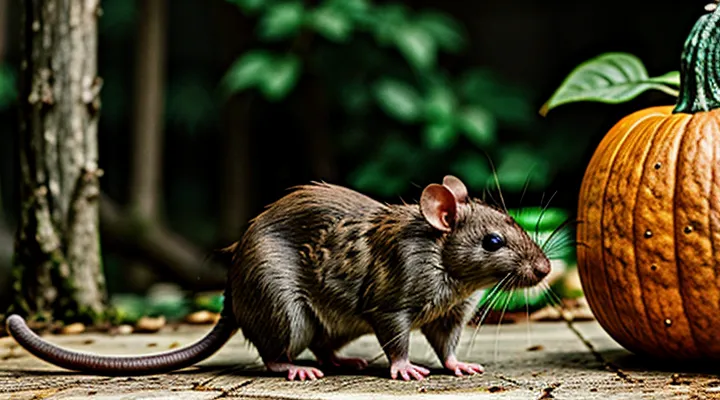
«Nutritional Value of Pumpkin Seeds»
«Vitamins and Minerals»
Pumpkin seeds contain a range of micronutrients that can contribute to a rat’s dietary requirements. Vitamin E is present in quantities sufficient to support antioxidant defenses, while B‑complex vitamins such as thiamine (B1), riboflavin (B2) and niacin (B3) assist in energy metabolism. Minerals include magnesium, phosphorus, zinc and iron, each playing a role in bone formation, enzyme function and immune health.
When incorporating pumpkin seeds into a rat’s diet, consider the following nutrient profile per 100 g of seeds:
- Vitamin E: ~35 mg
- Thiamine (B1): ~0.2 mg
- Riboflavin (B2): ~0.2 mg
- Niacin (B3): ~2 mg
- Magnesium: ~500 mg
- Phosphorus: ~900 mg
- Zinc: ~7 mg
- Iron: ~8 mg
These values exceed the daily recommended intake for a typical adult rat, indicating that pumpkin seeds should be offered as a supplement rather than a staple. Limit portions to 1–2 % of the total diet by weight to avoid excess intake of fat and calories, which can lead to weight gain and gastrointestinal upset. Monitor for signs of mineral imbalance, such as changes in coat condition or activity level, and adjust the amount accordingly.
«Healthy Fats and Protein»
Pumpkin seeds provide a concentrated source of dietary fat and protein that can complement a rat’s regular diet. When offered in moderation, the seeds supply essential nutrients without displacing the balanced mix of grains, vegetables, and protein pellets that form the core of rodent nutrition.
The fat fraction consists primarily of polyunsaturated fatty acids, including omega‑6 linoleic acid and smaller amounts of omega‑3 alpha‑linolenic acid, as well as monounsaturated oleic acid. These compounds support coat sheen, skin elasticity, and cellular energy metabolism. The overall fat content ranges from 45 % to 50 % of seed weight, making each gram a dense energy source.
Protein accounts for roughly 20 % to 25 % of the seed’s dry mass. The amino acid profile contains lysine, methionine, and tryptophan, which contribute to muscle development, tissue regeneration, and neurotransmitter synthesis. The protein is highly digestible for rodents, allowing efficient utilization of the supplied nitrogen.
Recommended inclusion guidelines:
- Raw or lightly toasted seeds, unsalted, without added oil.
- Portion size: 1 – 2 % of the rat’s body weight per week (approximately 0.2 g for a 200‑g adult).
- Frequency: no more than two servings per week, spaced by several days.
- Ensure seeds are broken into small pieces to reduce choking risk.
Excessive intake can lead to weight gain, fatty liver, or gastrointestinal upset. Seed hulls may be difficult for some rats to chew; removing hulls or offering finely ground seeds mitigates this concern. Source seeds from reputable suppliers to avoid mold toxins such as aflatoxin, which can compromise liver function.
«Potential Benefits for Rats»
«Digestive Health Support»
Pumpkin seeds offer a source of soluble and insoluble fiber that can help regulate the gastrointestinal transit of laboratory and pet rats. The fiber content adds bulk to the stool, promoting regular bowel movements and reducing the risk of constipation. Additionally, the seeds contain healthy fats, particularly omega‑6 linoleic acid, which can support the integrity of the intestinal mucosa.
Key digestive benefits include:
- Increased stool bulk, which encourages peristalsis.
- Softening of fecal consistency, aiding passage through the colon.
- Provision of prebiotic compounds that foster beneficial gut bacteria.
- Supply of magnesium and zinc, minerals that assist enzymatic activity in the digestive tract.
When incorporating pumpkin seeds into a rat’s diet, observe the following guidelines:
- Offer a modest portion, approximately 1–2% of the animal’s body weight per week.
- Ensure seeds are unsalted, raw, and free of additives.
- Introduce the food gradually, monitoring fecal output and overall health.
- Provide fresh water at all times to support fiber digestion.
Excessive intake may lead to caloric imbalance and lipid overload, potentially causing gastrointestinal upset. Maintaining a balanced diet that includes a controlled amount of pumpkin seeds can enhance digestive health without compromising overall nutrition.
«Coat and Skin Health»
Pumpkin seeds supply essential fatty acids that contribute to a glossy coat and resilient skin in pet rodents. The high proportion of omega‑6 linoleic acid supports the production of epidermal lipids, reducing dryness and flaking. Vitamin E, abundant in the seeds, functions as an antioxidant, protecting dermal cells from oxidative damage and maintaining pigment integrity.
Key nutrients relevant to coat and skin health include:
- Linoleic acid – promotes sebum balance, preventing excessive oiliness or brittleness.
- Vitamin E – neutralizes free radicals, preserving collagen structure.
- Zinc – aids in keratin formation, strengthening hair shafts.
- Selenium – supports antioxidant enzymes, mitigating inflammation.
When introducing pumpkin seeds, limit portions to 1–2 percent of the rat’s daily caloric intake to avoid excess fat. Monitor weight and coat condition; improvements typically appear within two weeks of consistent feeding.
«Immune System Boost»
Pumpkin seeds provide a concentrated source of nutrients that influence the rat immune system. The seeds contain zinc, vitamin E, omega‑3 fatty acids, and phenolic antioxidants, each linked to specific immune functions.
- Zinc supports the development and activity of lymphocytes and macrophages.
- Vitamin E protects cell membranes from oxidative damage, preserving the integrity of immune cells.
- Omega‑3 fatty acids modulate inflammatory pathways, reducing excessive cytokine release.
- Phenolic antioxidants neutralize free radicals, preventing oxidative stress that can impair immune responses.
Research on rodent models shows that diets enriched with these components improve antibody production and enhance resistance to bacterial challenges. The effect appears dose‑dependent; moderate inclusion yields measurable benefits, whereas excessive amounts may disrupt lipid metabolism.
For laboratory or pet rats, a safe regimen consists of 1–2 % pumpkin seed powder mixed into standard chow, or 0.5 g of whole seeds per 100 g of body weight offered three times weekly. Seeds should be raw, unsalted, and free from mold to avoid mycotoxin exposure. Monitoring body condition and stool consistency ensures that the added fat does not cause gastrointestinal upset.
In summary, incorporating pumpkin seeds into a rat’s diet can strengthen immune defenses through multiple biochemical pathways, provided the quantity remains within established nutritional limits.
«Risks and Considerations»
«High Fat Content»
Pumpkin seeds contain approximately 45–50 % fat by weight, predominantly unsaturated fatty acids such as linoleic and oleic acid. The remaining composition includes protein, fiber, vitamins, and minerals. This high lipid concentration provides a dense energy source that can quickly increase caloric intake.
Rats metabolize dietary fat efficiently, yet excessive consumption may lead to rapid weight gain, hepatic lipid accumulation, and altered lipid profiles. Chronic exposure to elevated fat levels can predispose laboratory and pet rats to obesity‑related disorders, including insulin resistance and cardiovascular strain.
To incorporate pumpkin seeds safely:
- Limit intake to 1 – 2 % of total daily diet weight (approximately 0.5 g per 25 g of feed).
- Offer seeds in small, whole or lightly toasted form to reduce choking risk.
- Provide no more than two servings per week, ensuring the overall diet remains balanced in protein, fiber, and micronutrients.
- Monitor body condition and adjust portions if weight gain exceeds expected growth rates.
Adhering to these guidelines allows rats to benefit from the nutritional value of pumpkin seeds while minimizing the adverse effects associated with their high fat content.
«Choking Hazard»
Pumpkin seeds are a common treat for many small mammals, but their size and shape create a real choking risk for rats. The typical seed measures 5–7 mm in diameter, which can easily become lodged in a rat’s narrow trachea or obstruct the esophagus if not chewed thoroughly.
- Whole seeds may slip past the incisors before the molars have a chance to crush them.
- Rats often gulp food quickly, increasing the chance that a seed will be swallowed whole.
- A lodged seed can block airflow, leading to rapid respiratory distress and possible death if not addressed immediately.
To mitigate this hazard, the following precautions are recommended:
- Grind or finely chop the seeds before offering them.
- Mix the seed fragments with a moist substrate, such as fresh vegetables, to encourage slower chewing.
- Observe each feeding session; intervene if a rat appears to struggle with swallowing.
- Limit the portion size to a few grams per week, ensuring the treat remains occasional rather than regular.
When these measures are applied, the nutritional benefits of pumpkin seeds—protein, healthy fats, and minerals—can be enjoyed without exposing rats to the danger of airway obstruction.
«Pesticides and Additives»
Pumpkin seeds are frequently offered to laboratory and pet rats as a source of protein, fat, and micronutrients. Their suitability hinges on the presence of pesticide residues and added substances that may affect rodent health.
Pesticide residues can arise from conventional agricultural practices. Detectable compounds include organophosphates, carbamates, pyrethroids, and neonicotinoids. Each class possesses a defined maximum residue limit (MRL) for human consumption; however, rats have higher metabolic rates and lower tolerance thresholds. When selecting seeds, prioritize those certified organic or tested for residues below 0.01 mg kg⁻¹. If laboratory analysis is unavailable, verify supplier compliance with recognized pesticide‑free standards.
Common additives found in commercially packaged pumpkin seeds:
- Salt (sodium chloride) – excess can elevate blood pressure and disrupt electrolyte balance.
- Sugar or honey glaze – introduces unnecessary carbohydrates, promoting obesity and dental disease.
- Flavor enhancers (e.g., monosodium glutamate) – may cause gastrointestinal irritation.
- Preservatives (e.g., BHT, BHA) – linked to hepatic stress in rodents.
- Oil coatings (vegetable or palm oil) – increase caloric density and may contain hidden trans fats.
Rats tolerate raw, unsalted, uncoated seeds best. If seeds are roasted, ensure they are dry‑roasted without added oils, salts, or sugars. Organic, bulk‑size seeds typically lack the additives listed above.
Practical steps for safe inclusion:
- Purchase bulk pumpkin seeds from reputable organic suppliers.
- Rinse seeds under running water to remove surface dust.
- Air‑dry or lightly toast seeds at 150 °C for 10 minutes without oil or seasoning.
- Store in airtight containers away from light and moisture to prevent mold growth.
- Introduce seeds gradually, monitoring for changes in weight, coat condition, and stool consistency.
Adhering to these guidelines minimizes exposure to harmful pesticide residues and extraneous additives, ensuring pumpkin seeds serve as a nutritionally appropriate supplement for rats.
«Safe Feeding Practices»
«Preparation Methods»
Pumpkin seeds can be incorporated into a rat’s diet when prepared safely and appropriately. Raw seeds contain a hard outer shell that may pose a choking hazard or cause digestive irritation; therefore, processing is required before offering them to a pet rodent.
Preparation steps
- Select fresh, unsalted seeds – avoid flavored or seasoned varieties that contain additives or excess sodium.
- Remove the hull – soak seeds in warm water for 5–10 minutes, then rub gently to strip the outer skin; the hull can be difficult to digest.
- Dry thoroughly – spread the de‑hulled seeds on a baking sheet and bake at 150 °F (65 °C) for 20 minutes, or use a low‑temperature dehydrator until moisture is eliminated. This reduces the risk of mold and improves storage stability.
- Grind or crush – pulse the dried seeds in a food processor to a coarse powder or break them into small pieces; this facilitates chewing and nutrient absorption.
- Store in an airtight container – keep in a cool, dark place and use within one month to preserve freshness.
Feeding guidelines
- Offer no more than 1 gram of prepared pumpkin seed material per 100 grams of body weight per week.
- Introduce the treat gradually, observing for signs of gastrointestinal upset.
- Combine with a balanced commercial rat diet to ensure overall nutritional adequacy.
Following these preparation methods eliminates physical hazards and minimizes the presence of anti‑nutritional factors, making pumpkin seeds a safe occasional supplement for rats.
«Appropriate Portions»
Pumpkin seeds can be incorporated into a rat’s diet when portioned correctly. A single serving should not exceed 1–2 teaspoons (approximately 3–5 g) for an adult rat, and ½–1 teaspoon (about 1.5–2.5 g) for a juvenile. Offer seeds no more than three times per week to prevent excess fat intake.
Guidelines for safe feeding:
- Preparation: Rinse seeds, remove shells if possible, and dry thoroughly to avoid mold.
- Quantity: Measure by weight or volume; avoid “handful” estimates.
- Frequency: Limit to 2–3 servings weekly; provide other balanced foods on remaining days.
- Observation: Monitor weight and stool; discontinue if digestive upset occurs.
Adhering to these limits ensures pumpkin seeds contribute beneficial nutrients—healthy fats, protein, and minerals—without compromising overall health.
«Frequency of Feeding»
Pumpkin seeds can be incorporated into a rat’s diet, but the timing and amount must be controlled.
A typical schedule limits pumpkin seeds to a small portion once or twice a week. This frequency prevents excess fat and calories while still providing the benefits of protein, zinc, and healthy oils.
Key points for scheduling:
- Portion size: ¼ to ½ teaspoon per adult rat, adjusted for body weight.
- Frequency: 1–2 servings weekly, spaced at least three days apart.
- Observation period: Monitor weight, coat condition, and stool after each feeding; reduce or stop if adverse signs appear.
- Seasonal variation: Increase frequency slightly during colder months when extra calories support thermoregulation, but do not exceed the weekly limit.
Consistent adherence to this schedule ensures that pumpkin seeds contribute nutritional value without risking obesity, digestive upset, or nutrient imbalances.
«Alternatives and Supplements»
«Other Seed Options»
Pumpkin seeds can be part of a rat’s diet, yet several other seeds provide comparable nutrition with fewer drawbacks.
- Sunflower seeds (unsalted, hulled): High in vitamin E and healthy fats; limit to 1‑2 % of daily caloric intake to avoid excess fat.
- Chia seeds: Rich in omega‑3 fatty acids and fiber; soak briefly to soften and prevent choking.
- Hemp seeds: Source of complete protein and essential fatty acids; feed in small quantities because of high caloric density.
- Millet: Low‑fat grain seed offering carbohydrates and B‑vitamins; suitable for daily inclusion in modest amounts.
- Flaxseed: Provides omega‑3s and lignans; grind before offering to improve digestibility and reduce risk of intestinal blockage.
When selecting seeds, consider size, shell presence, and salt content. Provide only a few seeds per day, integrated with a balanced pellet base, fresh vegetables, and occasional fruit. Monitor weight and stool consistency; abrupt changes may indicate intolerance. Avoid seeds with added flavors, seasonings, or mold, as these can cause gastrointestinal distress or toxicity.
«Commercial Rat Treats»
Commercial rat treats are formulated to meet the nutritional requirements of pet rats while offering variety and palatability. Manufacturers often include ingredients such as grains, dried fruits, and seeds, each selected for specific benefits. When evaluating treats that contain pumpkin seeds, consider the following factors:
- Nutrient profile: Pumpkin seeds provide protein, healthy fats, and minerals like zinc and magnesium, which support growth and immune function.
- Portion control: Treats are typically calorie-dense; a small amount prevents excess weight gain.
- Ingredient purity: Look for products that list pumpkin seeds as a primary component rather than a filler mixed with artificial flavors or preservatives.
- Allergen screening: Verify that the formulation excludes common allergens such as soy or dairy, which may cause adverse reactions in sensitive rats.
Commercial options that meet these criteria can be safely incorporated into a rat’s diet as occasional supplements to a balanced base feed. Regular monitoring of body condition and behavior ensures that the addition of pumpkin‑seed treats does not disrupt overall health.