
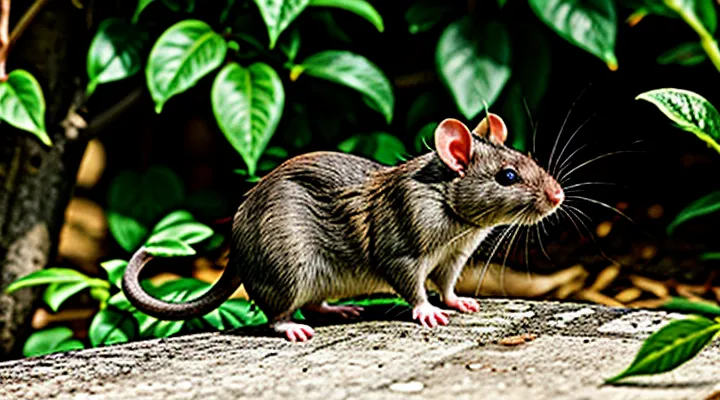
Nectarines and Rat Diet: A General Overview
Nectarines are a seasonal fruit rich in sugars, vitamins A and C, dietary fiber, and potassium. These nutrients can complement the standard laboratory rat chow, which is formulated to meet the species’ protein, fat, vitamin, and mineral requirements. Introducing nectarine in small amounts provides a source of natural carbohydrates and antioxidants, but it does not replace the balanced composition of a complete diet.
Rats metabolize simple sugars efficiently; however, excessive fructose may lead to weight gain, gastrointestinal upset, or dysbiosis. The fruit’s acidity and pulp can cause dental wear if offered in large, unprocessed pieces. Seeds contain trace amounts of cyanogenic compounds; while the quantity in a single nectarine is low, regular consumption of whole seeds should be avoided.
Feeding recommendations:
- Offer fresh, washed nectarine flesh only, discarding skin and seeds.
- Limit portions to 1–2 grams per 100 g body weight, equivalent to a few bite‑sized cubes for an adult rat.
- Provide the fruit 2–3 times per week, not daily, to prevent carbohydrate overload.
- Monitor individual rats for signs of diarrhea, reduced activity, or changes in body condition after introduction.
- Record intake and adjust based on observed tolerance and overall diet balance.
When incorporated judiciously, nectarine serves as an occasional enrichment treat that adds variety without compromising nutritional adequacy. Regular assessment of health parameters ensures that the fruit remains a safe supplement rather than a dietary staple.
The Nutritional Profile of Nectarines
Vitamins and Minerals in Nectarines
Nectarines contain a range of micronutrients that can influence the health of small rodents when offered as an occasional treat.
- Vitamin A: approximately 54 µg per 100 g, supporting visual function and epithelial integrity.
- Vitamin C: about 5 mg per 100 g, acting as an antioxidant and facilitating collagen synthesis.
- Vitamin E (α‑tocopherol): roughly 0.6 mg per 100 g, protecting cell membranes from oxidative damage.
- Vitamin K: near 2 µg per 100 g, essential for blood clotting processes.
Key minerals present in nectarines include:
- Potassium: 162 mg per 100 g, contributing to nerve transmission and muscle contraction.
- Magnesium: 10 mg per 100 g, required for enzymatic activity and energy metabolism.
- Calcium: 6 mg per 100 g, involved in skeletal development and signaling pathways.
- Phosphorus: 20 mg per 100 g, supporting bone mineralization and ATP production.
When integrating nectarines into a rodent’s diet, consider the following points:
- The fruit’s sugar content (≈8 g per 100 g) can elevate blood glucose; limit portions to prevent metabolic imbalance.
- Fiber levels (≈1.5 g per 100 g) aid gastrointestinal motility but excessive intake may cause soft stools.
- No single vitamin or mineral in nectarines reaches toxic thresholds for rats at typical serving sizes; however, cumulative intake from other foods must be monitored.
Providing small, peeled slices a few times per week supplies beneficial micronutrients without overwhelming the animal’s nutritional balance. Regular observation for adverse reactions ensures safe inclusion in the diet.
Sugar Content and Its Implications
Nectarines contain roughly 8–10 g of total sugars per 100 g of edible flesh, composed mainly of fructose, glucose and a smaller proportion of sucrose. The sugar profile is comparable to that of other stone fruits and reflects the fruit’s natural sweetness.
Elevated intake of simple sugars in rats leads to rapid post‑prandial glucose excursions, increased insulin secretion, and a higher probability of developing diet‑induced obesity. Chronic exposure to high‑sugar diets correlates with impaired glucose tolerance and altered lipid metabolism.
Oral exposure to sugary fruit material promotes proliferation of cariogenic oral bacteria, raising the risk of dental plaque formation and enamel demineralisation in rodents with continuously growing incisors.
Rats possess limited hepatic capacity for fructose metabolism; excessive fructose may overwhelm hepatic pathways, resulting in hepatic steatosis and gastrointestinal disturbances such as diarrhea or soft stools.
Practical implications for offering nectarine to laboratory or pet rats:
- Limit servings to ≤10 g fresh fruit per 100 g body weight per day.
- Provide fruit no more than two times per week to avoid cumulative sugar load.
- Observe body weight and blood glucose trends after introduction.
- Offer the fruit peeled and deseeded to reduce fiber‑induced choking risk.
- Complement with high‑fiber, low‑sugar vegetables to balance dietary composition.
Fiber Content and Digestive Health
Nectarines contain approximately 1.5–2 g of dietary fiber per 100 g of fruit, primarily soluble pectin and insoluble cellulose. In rats, soluble fiber can increase intestinal water retention, promote the growth of beneficial bacteria, and moderate glycemic response. Insoluble fiber contributes to fecal bulk, stimulates peristalsis, and can help prevent constipation.
When introducing nectarine to a rat’s diet, consider the following points:
- Portion size – limit to 5–10 g of fresh fruit per 100 g of total daily intake to avoid excess sugar and potential gastrointestinal upset.
- Gradual introduction – start with a small piece and monitor stool consistency and appetite for 48 hours.
- Whole fruit vs. puree – whole fruit provides natural fiber structure; pureed fruit may reduce the mechanical stimulus needed for optimal gut motility.
- Complementary fiber sources – maintain a baseline of high‑quality rodent chow that already supplies adequate fiber (approximately 5 % crude fiber) to ensure balanced digestion.
Excessive nectarine consumption can lead to loose stools, bloating, or mild diarrhea due to rapid fermentation of soluble fibers. Conversely, moderate inclusion supports a diverse microbiota, improves nutrient absorption, and contributes to regular bowel movements. Monitoring body weight and overall health status remains essential when adding any fruit, including nectarine, to a rat’s regimen.
Potential Benefits of Nectarines for Rats
Antioxidant Properties
Feeding nectarines to laboratory rats raises questions about the fruit’s antioxidant content and its physiological impact. Nectarines contain high levels of vitamin C, β‑carotene, lutein, and phenolic acids, each capable of neutralizing reactive oxygen species. These compounds act synergistically to lower markers of oxidative stress in rodent tissues.
In rats, dietary antioxidants have been linked to:
- reduced lipid peroxidation in liver and brain
- enhanced activity of endogenous enzymes such as superoxide dismutase and glutathione peroxidase
- improved cellular resilience during aging studies
When incorporating nectarines into a rat diet, consider the following guidelines:
- Offer fresh, washed fruit; remove skins if pesticide residues are suspected.
- Limit portions to 5 % of total daily caloric intake to avoid excess sugars.
- Monitor body weight and blood glucose levels weekly.
- Provide a balanced base diet that supplies protein, fiber, and essential micronutrients.
Controlled inclusion of nectarines can supply measurable antioxidant benefits without compromising overall nutritional balance, provided that portion size and safety precautions are observed.
Hydration Factor
Nectarines contain approximately 85 % water, making them a potential source of fluid for laboratory and pet rats. When introduced, the fruit’s moisture contributes directly to the animal’s daily water intake, which typically ranges from 30 ml to 50 ml per 100 g body weight. Adding small, bite‑size pieces can increase total fluid consumption without replacing clean drinking water.
Key considerations for the hydration effect:
- Quantity – Limit to no more than 5 % of the rat’s total diet by weight; excess fruit may displace essential nutrients and cause diarrhoea.
- Frequency – Offer fresh nectarine no more than three times per week to prevent over‑hydration and sugar spikes.
- Monitoring – Observe urine output and coat condition; reduced urine volume or dry fur indicates inadequate fluid balance.
- Water source – Maintain unrestricted access to fresh water; fruit should supplement, not replace, the primary water supply.
The high sugar content of nectarines can increase osmotic load, potentially drawing water from the bloodstream if consumed in large amounts. Controlled portions ensure that the fruit’s water contribution supports normal hydration without inducing hyperglycaemia or electrolyte imbalance.
Overall, modest inclusion of nectarine provides supplemental moisture, but careful portion control and continuous access to clean water are essential for maintaining stable hydration status in rats.
Risks and Concerns of Feeding Nectarines to Rats
High Sugar Content: A Major Concern
Risk of Obesity
Feeding nectarine to rats introduces a source of simple sugars and natural fruit fibers. The caloric density of ripe nectarine exceeds that of standard rodent chow, raising the probability of excess energy intake when the fruit is offered without portion control.
Elevated energy intake correlates with increased adipose tissue accumulation. Studies measuring body weight gain in rodents receiving fruit supplements report a dose‑dependent rise in fat mass, particularly when the fruit constitutes more than 10 % of total daily calories. The rapid absorption of fructose from nectarine stimulates hepatic lipogenesis, further contributing to fat deposition.
Key factors influencing obesity risk include:
- Portion size – servings larger than 5 g per 100 g of body weight commonly exceed the rat’s caloric requirement.
- Frequency of feeding – daily provision amplifies cumulative caloric surplus compared with intermittent offering.
- Baseline diet composition – high‑fat or high‑protein chow mitigates the impact of additional sugars, whereas low‑energy diets accentuate weight gain.
- Metabolic phenotype – strains predisposed to obesity respond more sharply to sugary fruit intake.
Mitigation strategies involve limiting nectarine to occasional treats, calculating its caloric contribution relative to the rat’s maintenance energy requirement, and monitoring body composition through regular weighing and adiposity assessments. Consistent application of these controls reduces the likelihood that nectarine consumption leads to obesity in laboratory or pet rats.
Potential for Diabetes
Feeding nectarine to laboratory rats introduces a source of simple sugars that can affect glucose regulation. Nectarine flesh contains approximately 8 g of carbohydrate per 100 g, primarily as fructose and glucose, with modest dietary fiber. Rats metabolize these sugars through pathways comparable to humans, and excessive intake of rapidly absorbable carbohydrates is known to provoke hyperglycemia and subsequent insulin resistance.
Experimental data indicate that rodents maintained on high‑fructose or high‑sucrose diets develop elevated fasting glucose, impaired glucose tolerance, and pancreatic β‑cell dysfunction within weeks. The glycemic load of nectarine, when presented in large or unrestricted amounts, aligns with the carbohydrate profiles used to induce diabetic phenotypes in these models. Consequently, unregulated nectarine consumption poses a measurable risk of precipitating or exacerbating diabetes‑like conditions in rats.
To mitigate this risk, researchers should:
- Limit nectarine portion size to ≤10 g per 100 g body weight per day.
- Incorporate nectarine into a balanced diet where total carbohydrate contribution does not exceed 20 % of caloric intake.
- Perform regular blood glucose assessments (fasting and post‑prandial) throughout the study period.
- Include a control cohort receiving an isocaloric, low‑sugar fruit or vegetable to isolate nectarine‑specific effects.
When nectarine is administered within these parameters, the probability of inducing diabetic pathology remains low, allowing the fruit’s nutritional benefits to be explored without compromising metabolic health.
Cyanide in Pits and Seeds
The Danger of Ingestion
Feeding nectarines to rats carries several health risks that outweigh any perceived benefits. The fruit’s composition presents specific hazards:
- High sugar content – rapid spikes in blood glucose can lead to insulin resistance and obesity in small mammals.
- Acidic pulp – may irritate the gastrointestinal lining, causing inflammation or ulceration.
- Stone (pit) ingestion – hard kernels can cause oral trauma, esophageal blockage, or intestinal perforation.
- Potential pesticide residues – commercial nectarines often receive chemical treatments that are toxic to rodents.
Rats lack the enzymatic capacity to efficiently process large amounts of fructose, making them especially vulnerable to metabolic disturbances. Excessive consumption can precipitate hepatic lipidosis, a condition characterized by abnormal fat accumulation in the liver. Moreover, the fibrous skin of the fruit may introduce mechanical stress on the digestive tract, increasing the likelihood of impaction.
Veterinary guidelines recommend limiting fruit intake to less than 5 % of a rat’s total diet, and only when the fruit is thoroughly washed, peeled, and pitted. Even under controlled conditions, the risk of accidental pit ingestion remains high, rendering nectarines unsuitable for regular feeding.
In summary, the combination of sugar overload, acidic irritation, mechanical hazards, and possible chemical contaminants makes nectarines a dangerous dietary addition for rats. Opt for safe, rodent‑approved treats such as small pieces of apple (seedless) or carrot, which provide nutritional value without the associated risks.
Pesticide Residues
Importance of Washing
When offering nectarines to rats, the fruit must be cleaned before consumption. Residues from pesticides, soil particles, and microbial growth can cause gastrointestinal upset, liver stress, or respiratory irritation in rodents. Removing these hazards protects animal health and ensures experimental or husbandry data remain reliable.
Key contaminants eliminated by washing:
- Pesticide residues that may be toxic at low doses
- Soil‑borne bacteria and fungi capable of infection
- Surface mold that can produce mycotoxins
- Insect fragments or debris that could cause obstruction
Effective washing procedure:
- Place the nectarine under cool, running water.
- Gently rub the surface with a soft brush to dislodge particles.
- Rinse thoroughly to remove brush residue.
- Pat dry with a clean paper towel or allow to air‑dry before cutting.
Consistent application of this protocol reduces the risk of disease, supports normal digestion, and maintains the integrity of any scientific observations involving rat nutrition.
Allergic Reactions and Sensitivities
Rats may experience allergic reactions or sensitivities after consuming nectarine, a fruit containing several potential allergens. The primary concerns are:
- Protein allergens – nectarine proteins can trigger IgE‑mediated responses similar to those observed with other stone fruits.
- Fructose intolerance – high fructose content may exceed the metabolic capacity of some rats, leading to gastrointestinal upset.
- Pesticide residues – untreated fruit may carry chemicals that provoke toxic or hypersensitivity reactions.
Clinical signs of an adverse reaction include:
- Rapid swelling of the face, ears, or paws.
- Hives or erythematous skin patches.
- Respiratory distress such as wheezing or labored breathing.
- Vomiting, diarrhea, or reduced appetite.
- Lethargy or collapse in severe cases.
Diagnostic evaluation should involve observation of symptoms within minutes to hours after ingestion, followed by serum IgE testing or skin prick assessment if available. Management consists of immediate removal of the fruit source, administration of antihistamines or corticosteroids, and supportive care for gastrointestinal symptoms. Long‑term prevention requires exclusion of nectarine from the diet and monitoring for cross‑reactivity with related fruits such as peach, plum, or apricot.
How to Safely Offer Nectarine to Rats
Proper Preparation
Washing the Fruit
Rats may safely eat nectarines only if the fruit is properly cleaned. Residual pesticides, soil, and microorganisms can cause gastrointestinal distress or infection in small rodents. Effective cleaning removes these hazards without compromising the fruit’s nutritional value.
- Rinse under cool running water for 30 seconds, using a gentle stream to dislodge surface particles.
- Apply a soft brush or clean cloth to the skin, focusing on the stem end where contaminants concentrate.
- Rinse again to flush brush residues.
- Pat dry with a paper towel or allow air drying for a few minutes before cutting.
After washing, remove the pit, as it contains cyanogenic compounds and poses a choking risk. Slice the flesh into bite‑size pieces, no larger than 0.5 cm, to facilitate chewing and digestion. Offer the pieces in moderation; a single small slice per day provides vitamins A and C without excess sugar.
If washing facilities are unavailable, skip the fruit. Unclean nectarines present a higher risk than the nutritional benefit they deliver.
Removing Pits and Seeds
Feeding nectarines to rats requires careful preparation because the fruit’s stone contains compounds that can be harmful and poses a choking risk. The stone must be completely removed before offering any portion of the flesh to a rodent.
The removal process should follow these steps:
- Slice the nectarine lengthwise with a sharp knife.
- Use a small spoon or the tip of the knife to extract the stone, ensuring no fragments remain attached to the flesh.
- Inspect the cut surface for any residual seed pieces; discard any that are visible.
- Rinse the flesh under cool water to eliminate surface residues.
- Cut the cleaned flesh into bite‑size cubes, roughly 0.5 cm on a side, suitable for a rat’s mouth.
Avoid feeding the fruit whole or in large pieces, as the soft tissue can adhere to the stone, increasing the likelihood of accidental ingestion. Additionally, limit nectarine portions to no more than 5 % of the rat’s overall diet, because excessive fruit can disrupt digestive balance.
Peeling the Skin (Optional but Recommended)
Feeding rats nectarine can be safe if the fruit is prepared correctly. Removing the skin reduces exposure to pesticide residues, minimizes the chance of digestive irritation, and eliminates the fibrous layer that some rodents find difficult to chew. The flesh alone provides the desired vitamins and sugars without the potential hazards associated with the outer layer.
Reasons to peel the fruit:
- Pesticide residue concentration is higher on the surface.
- Skin contains higher levels of fiber that may cause gastrointestinal upset.
- Texture of the peel can be too tough for small teeth, leading to accidental injury.
- Removing the skin simplifies portion control and prevents accidental over‑consumption of calories from the rind.
Peeling is not mandatory when the nectarine is certified organic and thoroughly washed. In such cases, a brief visual inspection for bruises or mold is sufficient before offering small, bite‑size pieces. Regardless of preparation, introduce the fruit gradually and monitor the rats for any signs of intolerance.
Portion Control and Frequency
Small, Infrequent Treats
Rats may accept nectarine as an occasional snack, but the fruit should remain a minor component of their diet.
Nectarine flesh supplies water, vitamin C, and small amounts of potassium and fiber. These nutrients can complement the primarily grain‑based diet of laboratory or pet rats without displacing essential protein and calcium sources.
The fruit’s natural sugars pose a risk of gastrointestinal disturbance if consumed in excess. Unripe portions, skin residues, or residual pesticides increase the likelihood of irritation. The pit contains cyanogenic compounds and must be removed completely.
Guidelines for offering nectarine:
- Cut flesh into pieces no larger than 0.5 cm³.
- Limit servings to 1–2 g per 100 g of body weight, equivalent to a single bite for a typical adult rat.
- Provide no more than two servings per week; treat frequency should not exceed 5 % of total caloric intake.
- Wash thoroughly, peel if the source is unknown, and discard the pit.
- Observe the animal for signs of diarrhea or reduced appetite after the treat; discontinue if adverse effects appear.
Adhering to these parameters ensures that nectarine remains a safe, infrequent indulgence without compromising overall health.
Observation for Adverse Reactions
Rats offered nectarine fruit should be monitored for signs of toxicity or intolerance. Observers must record physiological and behavioral changes within the first 24 hours and continue for at least seven days.
Key observation points include:
- Gastrointestinal distress: vomiting, diarrhea, reduced food intake.
- Dermatological reactions: redness, swelling, hair loss at contact sites.
- Neurological signs: tremors, ataxia, seizures.
- Cardiovascular effects: irregular heartbeat, blood pressure fluctuations.
- Mortality: any unexplained death must be documented with necropsy findings.
Data collection requires standardized scoring. Each symptom receives a severity rating (0 = none, 1 = mild, 2 = moderate, 3 = severe). Scores are logged daily per animal, enabling statistical comparison between treated and control groups.
Interpretation follows established toxicological thresholds. An incidence of moderate or severe reactions in more than 10 % of subjects indicates that nectarine is unsuitable as a regular dietary component for rats. Absence of adverse events across the observation period supports safe inclusion at the tested dose.
Alternative Fruits and Vegetables for Rats
Safe and Healthy Options
Nectarine can be included in a rodent’s diet when prepared correctly, but it should not replace balanced laboratory or commercial feed. The fruit’s sugar content is high; excessive consumption may lead to obesity, digestive upset, or dental problems. Serve only small, seed‑free pieces, no larger than a pea, and limit exposure to two to three times per week.
Safe alternatives that provide similar nutrients without excessive sugar include:
- Fresh carrots, finely diced
- Apple slices (core and seeds removed)
- Blueberries, a few per serving
- Cooked sweet potato, mashed
- Green beans, trimmed and chopped
When offering any fruit or vegetable, follow these steps:
- Wash thoroughly under running water to remove pesticide residues.
- Remove pits, cores, and stems that could cause choking or toxicity.
- Cut into bite‑size pieces appropriate for the animal’s mouth size.
- Observe the rat for signs of diarrhea, lethargy, or reduced appetite after feeding.
- Record the amount given to monitor total caloric intake.
Nectarine should be treated as an occasional treat rather than a staple. Consistent provision of a nutritionally complete pellet diet, supplemented with fresh water, remains the foundation of a healthy rat feeding program.
Fruits to Avoid
Pet rodents tolerate only a limited range of fruit. Certain fruits contain compounds that can cause digestive upset, organ damage, or acute toxicity. When assessing whether nectarine is appropriate for a rat, identify the fruits that must be excluded from the diet.
- Citrus (orange, lemon, lime, grapefruit): high acidity irritates the stomach lining and can lead to ulceration.
- Stone fruits with pits (peach, plum, cherry, apricot): pits contain cyanogenic glycosides; ingestion may produce cyanide poisoning.
- Avocado: persin, a fatty acid derivative, is cardiotoxic to rodents.
- Tomato leaves and stems: solanine and tomatine are toxic; the fruit itself is low‑risk but the plant parts must be avoided.
- Rhubarb leaves: oxalic acid precipitates calcium, causing renal failure.
- Grapes and raisins: reports link them to rapid kidney failure in small mammals.
- Banana skins and large quantities of banana flesh: high sugar load can provoke obesity and insulin resistance.
Exclude these items from any offering, including occasional treats. Provide only safe fruits in modest portions, monitor the animal for adverse reactions, and consult a veterinarian for diet planning.
Expert Opinions and Recommendations
Veterinarians and rodent nutrition specialists agree that nectarines are not a standard component of a laboratory‑oriented rat diet. The fruit’s high sugar content can disrupt the delicate balance of nutrients rats require for growth, reproduction, and immune function. Additionally, the skin and pit contain compounds that may cause gastrointestinal irritation or, in rare cases, toxicity.
Key recommendations:
- Offer nectarines only as an occasional treat, limited to a maximum of one small slice (approximately 2 g) per adult rat per week.
- Remove the skin and any residual pit material before presentation to eliminate fiber overload and potential cyanogenic glycosides.
- Observe each rat for signs of digestive upset, such as loose stools or reduced food intake, and discontinue the fruit if symptoms appear.
- Prioritize a diet composed of certified rodent chow, fresh water, and occasional low‑sugar vegetables (e.g., broccoli, carrots) to meet essential vitamin and mineral requirements.
Researchers conducting feeding studies should document the exact amount of nectarine provided, the frequency of administration, and any physiological changes observed. This data enables reproducibility and informs future guidelines on fruit supplementation for rats.