
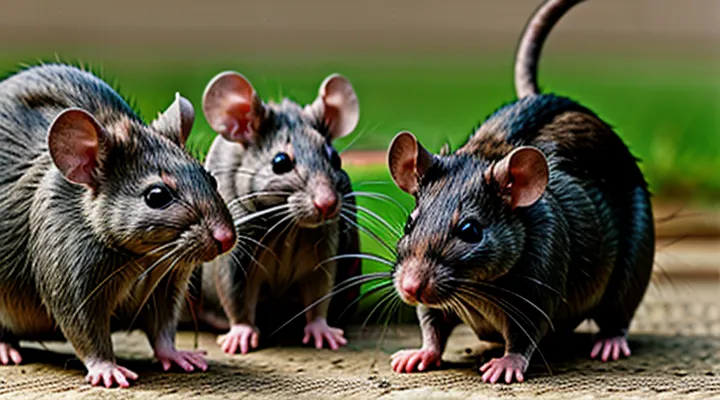
Is Milk Safe for Rats?
Lactose Intolerance in Rats
Rats possess limited lactase activity after weaning, which reduces their capacity to hydrolyze lactose. The enzyme decline is rapid; adult specimens exhibit serum lactase levels insufficient for efficient carbohydrate digestion.
Experimental observations show that adult rats receiving standard cow’s milk develop osmotic diarrhea, abdominal bloating, and reduced weight gain. Quantitative trials report a 30‑45 % increase in fecal water content within 24 hours of lactose exposure, confirming malabsorption.
Practical feeding guidance:
- Avoid unprocessed milk for mature rats.
- Use lactose‑free dairy products or plant‑based milk substitutes (e.g., soy, oat) that lack lactose.
- If milk inclusion is required, employ enzymatic lactase treatment to reduce lactose concentration below 0.5 % before offering.
- Limit quantities to ≤5 % of total diet volume and observe for adverse gastrointestinal signs.
Signs of intolerance include:
- watery stools
- abdominal distension
- decreased food intake
- weight loss
For laboratory protocols and pet care, replace milk with nutritionally equivalent, lactose‑free alternatives. Monitor health parameters regularly; discontinue any dairy product at the first indication of digestive disturbance.
Potential Digestive Issues
Milk is not a natural component of a rat’s diet, and its introduction can provoke several gastrointestinal disturbances.
Rats lack sufficient lactase enzyme activity, which impairs the breakdown of lactose. Undigested lactose remains in the intestinal lumen, where bacterial fermentation produces gas and short‑chain fatty acids. The resulting osmotic imbalance draws water into the gut, leading to loose stools or diarrhea. Persistent diarrhea may cause dehydration and electrolyte loss, compromising overall health.
Additional digestive concerns include:
- Altered gut microbiota: Fermentation of lactose favors growth of opportunistic bacteria, potentially displacing beneficial species.
- Gas accumulation: Excessive hydrogen and methane production can cause abdominal distension and discomfort.
- Nutrient malabsorption: Rapid transit reduces exposure to digestive enzymes, diminishing absorption of essential nutrients such as vitamins and minerals.
In severe cases, repeated exposure to milk may trigger chronic intestinal inflammation, increasing susceptibility to infections and reducing growth rates. For these reasons, dairy products are generally unsuitable for routine feeding of rats.
Types of Milk and Their Suitability
Dairy Milk: Considerations and Risks
Rats possess limited lactase activity, which reduces their ability to digest lactose efficiently. Consumption of cow’s milk can lead to gastrointestinal distress, including diarrhea and abdominal cramping. The high fat content of whole milk may also contribute to obesity and hepatic lipid accumulation when provided regularly.
Key considerations when evaluating dairy milk for rodents:
- Lactose intolerance: most adult rats experience reduced lactase expression, making milk a potential source of osmotic diarrhea.
- Nutrient imbalance: milk lacks essential amino acids and minerals required for optimal rat health; excess calcium and phosphorus can disrupt bone metabolism.
- Caloric density: the energy density of milk exceeds that of standard rodent chow, increasing the risk of weight gain and related metabolic disorders.
- Allergic potential: proteins such as casein may trigger hypersensitivity reactions in susceptible individuals.
Risks associated with regular milk feeding include:
- Persistent diarrhea leading to dehydration and electrolyte disturbances.
- Weight gain and fatty liver disease due to excess saturated fats.
- Impaired growth and skeletal development from mineral imbalances.
- Increased susceptibility to infections caused by compromised gut flora.
If milk is introduced, it should be limited to small, occasional amounts of lactose‑free or low‑fat formulations, and closely monitored for adverse effects. Preferred hydration sources remain fresh water and nutritionally complete rodent diets.
Plant-Based Alternatives: Are They Better?
Rats can tolerate small quantities of plant‑based milks, but the nutritional profile of these products differs markedly from that of traditional dairy. Lactose, the primary carbohydrate in cow’s milk, is not a concern for rats because most plant milks are lactose‑free; however, the absence of lactose does not guarantee suitability.
Key nutritional considerations for plant milks include:
- Protein content: Most soy‑based milks approach the protein level of dairy, while almond, oat, and rice milks often contain less than 1 g protein per cup, insufficient for a rat’s growth needs.
- Calcium and phosphorus ratio: Adequate calcium is essential for skeletal health; fortified plant milks may provide calcium, but the calcium‑to‑phosphorus balance can be off‑scale, risking metabolic bone disease.
- Added sugars and flavorings: Sweetened varieties introduce excess carbohydrates, potentially leading to obesity and glucose intolerance.
- Fat composition: Unsaturated fats dominate most plant milks, which can be beneficial in moderation but may displace essential saturated fatty acids required in a rodent diet.
- Vitamin fortification: Synthetic vitamin D and B‑complex vitamins can compensate for deficiencies, yet bioavailability varies between brands.
When evaluating alternatives, the safest approach is to prioritize:
- Fresh water as the primary fluid source.
- Commercial rodent chow that supplies complete nutrition.
- Occasional, unsweetened, low‑protein plant milk (e.g., plain soy milk) offered in minimal amounts to avoid caloric excess.
In summary, plant‑based milks are not inherently superior to dairy for rats. Their suitability depends on protein, mineral balance, and the presence of additives. Proper assessment of each product’s composition is essential before inclusion in a rat’s diet.
Soy Milk
Soy milk is frequently proposed as an alternative to dairy for rodents because it lacks lactose, the sugar that many rats cannot digest. Lactose intolerance in rats can cause diarrhea, bloating, and disruption of gut flora; eliminating lactose removes this risk.
Nutritional profile of soy milk differs markedly from cow’s milk. It provides protein comparable to dairy but contains lower calcium and vitamin D unless fortified. Rats require calcium for bone development and dental health; insufficient calcium may lead to skeletal weakness and tooth problems. Fortified soy milk can meet these needs, but the fortification level must be verified on the label.
Potential concerns include:
- Phytoestrogens – soy contains isoflavones that can influence hormone balance. Long‑term exposure may affect reproductive development; studies in rodents show variable effects depending on dose.
- Added sugars – flavored or sweetened soy milk often contains sucrose or high‑fructose corn syrup, which can contribute to obesity and metabolic disorders in rats.
- Preservatives and additives – stabilizers, emulsifiers, and flavorings may irritate the gastrointestinal tract or provoke allergic reactions.
Veterinary nutritionists advise the following protocol when introducing soy milk to a rat’s diet:
- Verify that the product is unsweetened, unflavored, and fortified with calcium and vitamin D.
- Offer a small quantity (no more than 5 ml per day for an adult rat) as a supplemental treat, not a primary milk source.
- Monitor the animal for signs of digestive upset, weight change, or behavioral alterations for at least one week.
- Adjust or discontinue use if adverse effects appear.
In summary, soy milk can be given to rats in limited, carefully selected forms, provided that calcium and vitamin D requirements are satisfied and potential hormonal or additive risks are managed.
Almond Milk
Almond milk is a plant‑based liquid derived from ground almonds and water. It contains low levels of protein, minimal lactose, and varying amounts of fat depending on processing. Because rats are obligate omnivores with a high protein requirement, almond milk alone cannot satisfy their dietary needs.
Nutritional profile relevant to rats:
- Protein: 0.5–1 g per 100 ml, far below the 18–20 % protein typical of rodent chow.
- Fat: 1–3 g per 100 ml, primarily unsaturated, which can be acceptable in small quantities.
- Carbohydrates: 2–4 g per 100 ml, mainly sugars added for taste; excess may promote obesity.
- Vitamins and minerals: fortified versions may supply calcium and vitamin D, but levels are not calibrated for rodent metabolism.
Safety considerations:
- Commercial almond milk often contains emulsifiers, stabilizers, and sweeteners (e.g., carrageenan, xanthan gum, added sugar) that can irritate the gastrointestinal tract of rats.
- Raw almond milk may harbor mold toxins such as aflatoxin, posing a health risk.
- Lactose is negligible, reducing the risk of lactose intolerance, but the low protein content remains a concern.
Feeding guidelines:
- Offer almond milk only as an occasional treat, not a staple.
- Limit portions to no more than 5 ml per 100 g body weight per week.
- Choose unsweetened, unflavored varieties without added preservatives.
- Monitor rats for changes in weight, stool consistency, and activity; discontinue if adverse effects appear.
Conclusion: Almond milk can be introduced sparingly as a supplemental fluid, provided it is plain, low‑sugar, and free of additives. It should never replace a balanced, protein‑rich diet essential for rat health.
Oat Milk
Oat milk provides a lactose‑free alternative for rodents that are offered dairy substitutes. Its primary components are water, oat grains, and a modest amount of fat and protein derived from the grain. Compared with cow’s milk, oat milk contains higher carbohydrate levels, primarily from starch, and lower levels of calcium and vitamin D unless fortified.
When evaluating oat milk for rats, consider the following points:
- Digestibility – Rats can metabolize the carbohydrates in oat milk, but excessive starch may lead to rapid blood‑sugar spikes.
- Nutrient balance – The protein content (≈1 g per 100 ml) is insufficient to meet the daily amino‑acid requirements of an adult rat; supplemental protein sources remain necessary.
- Caloric density – At roughly 45 kcal per 100 ml, oat milk adds significant calories that can contribute to weight gain if offered regularly.
- Additives – Commercial varieties often contain sweeteners, oils, or stabilizers; unflavored, unsweetened formulations are preferable to avoid unnecessary sugars and emulsifiers.
- Frequency – Small portions (5–10 ml) as an occasional treat are unlikely to cause harm, whereas daily provision may disrupt the animal’s balanced diet.
Overall, oat milk can be presented to rats in limited quantities, provided the formulation is free of added sugars or artificial ingredients and the overall diet is adjusted to compensate for its low protein and calcium content. Regular monitoring of body condition and health parameters is essential to ensure that the inclusion of oat milk does not lead to metabolic or nutritional imbalances.
When Can Rats Have Milk?
Occasional Treat vs. Regular Diet
Rats possess limited ability to digest lactose, the sugar in cow’s milk. Their intestinal lactase enzyme declines after weaning, making regular milk consumption a source of gastrointestinal distress, including diarrhea and dehydration.
When milk appears in a rat’s diet as an occasional treat, the following conditions reduce risk:
- Serve only a few milliliters (no more than 5 ml per 100 g body weight) once or twice per month.
- Offer low‑lactose alternatives such as goat’s milk or lactose‑free formulations.
- Observe the animal for signs of soft stool or reduced activity within 24 hours; discontinue if symptoms appear.
- Combine with a balanced pellet diet to prevent nutrient imbalance.
Incorporating milk into a daily feeding regimen is inadvisable. Continuous exposure overwhelms the limited lactase capacity, leading to chronic digestive problems, altered gut flora, and potential nutrient deficiencies because milk lacks several essential rodent nutrients, such as adequate fiber and specific amino acids.
For a sustainable diet, rely on commercially formulated rodent pellets supplemented with fresh vegetables, occasional fruits, and protein sources like cooked egg or lean meat. Milk should remain a rare, controlled indulgence rather than a staple component.
Quantity and Frequency Recommendations
Rats tolerate small amounts of dairy, but their digestive systems lack sufficient lactase to process large volumes of lactose. Excessive intake leads to diarrhea, dehydration, and weight loss.
A safe protocol limits milk to a supplemental treat rather than a regular component of the diet.
- Maximum serving size: ½ teaspoon (≈2 ml) per adult rat per occasion.
- Frequency: no more than three times per week, with at least 48 hours between servings.
- Age consideration: juveniles should receive half the adult amount; neonatal pups should not receive milk unless formula specifically designed for rodents is used.
If a rat shows signs of gastrointestinal upset after a trial dose, discontinue immediately. Replace dairy with lactose‑free alternatives or fortified water to maintain hydration without risking intolerance.
Consistent monitoring of body condition and stool consistency ensures the regimen remains appropriate. Adjust quantities downward if any adverse response occurs.
Nutritional Value and Concerns
Essential Nutrients in Milk
Milk supplies a defined set of macronutrients and micronutrients that support growth and metabolic function. In a typical rodent diet, the relevant components of milk include:
- Protein: Approximately 3–4 g per 100 mL; high‑quality casein and whey provide essential amino acids.
- Lactose: About 4.5 g per 100 mL; primary carbohydrate source, requires lactase for digestion.
- Fat: Roughly 3.5 g per 100 mL; delivers energy and supplies essential fatty acids.
- Calcium: Near 120 mg per 100 mL; critical for bone mineralization and cellular signaling.
- Phosphorus: Approximately 95 mg per 100 mL; partners with calcium in skeletal development.
- Vitamin D: 1 µg per 100 mL; facilitates calcium absorption.
- B‑vitamins (B2, B12, niacin): Present in trace amounts; support enzymatic reactions and red blood cell formation.
- Vitamin A and vitamin E: Antioxidant nutrients that protect cellular membranes.
Rats possess limited lactase activity after weaning, which reduces their capacity to hydrolyze lactose. Consequently, the lactose component of milk can cause gastrointestinal distress if introduced without adaptation. The protein and calcium content may be beneficial in small, controlled amounts, but the overall nutrient balance of milk differs markedly from a nutritionally complete rodent chow. When milk is used as a supplemental source, it should be diluted, monitored for tolerance, and supplemented with a diet that fulfills the species‑specific requirements for vitamins, minerals, and energy.
Risks of Overfeeding Milk
Rats lack the lactase enzyme needed to break down lactose efficiently. Excessive milk consumption leads to undigested sugar fermenting in the gut, causing diarrhea, bloating, and abdominal pain.
Overfeeding milk also introduces an abnormal proportion of fat and protein, which can accelerate weight gain and predispose rats to obesity‑related complications such as insulin resistance and cardiovascular strain.
A high calcium load from dairy products disrupts the delicate balance of phosphorus and magnesium, potentially resulting in kidney stone formation and skeletal abnormalities.
Milk may contain pathogenic bacteria if not pasteurised, and a compromised immune system in rodents makes them especially vulnerable to infections that can spread rapidly through a colony.
Nutritional imbalances arise because milk does not provide the essential vitamins and minerals rats obtain from a grain‑based diet. Reliance on dairy reduces intake of fiber, B‑complex vitamins, and trace elements, leading to deficiencies that impair growth and reproduction.
Key risks of excessive milk for rats
- Lactose intolerance → gastrointestinal distress
- Caloric surplus → obesity and metabolic disorders
- Calcium excess → renal and skeletal issues
- Potential bacterial contamination → infection risk
- Nutrient displacement → vitamin and mineral deficiencies
Providing water as the sole fluid source and limiting dairy to occasional, small treats mitigates these hazards while preserving overall health.
Healthy Alternatives for Hydration and Nutrients
Water: The Primary Source
Water is the essential fluid that supports all physiological processes in rats. It maintains cell volume, transports nutrients, and eliminates waste through the kidneys. Adequate intake prevents dehydration, which can impair digestion, thermoregulation, and immune function.
When evaluating the appropriateness of milk for rats, water consumption provides a baseline for comparison. Rats typically drink 5–10 ml of water per 100 g of body weight each day. Any alternative fluid must meet or exceed this volume without introducing nutritional imbalances.
Key considerations for substituting water with milk:
- Lactose content: Rats lack sufficient lactase activity; excess lactose can cause gastrointestinal distress.
- Fat concentration: High fat levels increase caloric load, leading to obesity and hepatic stress.
- Mineral balance: Milk contains calcium and phosphorus ratios that differ from the optimal mineral profile supplied by water‑based diets.
- Hydration efficiency: Milk’s viscosity reduces the rate of fluid absorption compared to plain water.
Research indicates that milk should not replace water as the primary source of hydration for rats. It may be offered sparingly as a treat, provided that fresh water remains freely available at all times. Continuous access to clean water is indispensable for maintaining health, growth, and reproductive performance in laboratory and pet rat populations.
Rat-Safe Treats and Supplements
Rats tolerate small amounts of dairy, but lactose intolerance is common; therefore, treat selection should focus on low‑lactose, nutritionally balanced options.
- Fresh vegetables such as carrot strips, broccoli florets, and cucumber slices provide fiber and vitamins without added sugars.
- Small pieces of fruit (apple, pear, berries) supply antioxidants; remove seeds and pits to prevent toxicity.
- Cooked lean proteins—boiled chicken, turkey, or scrambled egg white—offer essential amino acids in a digestible form.
- Commercial rodent treats formulated without dairy, containing seeds, grains, and dried insects, meet energy needs while avoiding lactose.
Supplement choices enhance health without compromising digestion.
- Calcium carbonate tablets or powdered calcium (limited to 0.5 % of daily diet) support bone development; avoid calcium‑rich dairy sources.
- Vitamin C powders or chewable tablets compensate for the species’ inability to synthesize the nutrient, especially in breeding or stressed individuals.
- Omega‑3 fatty acid capsules (fish‑oil or algal oil) improve coat condition and cardiovascular function; administer a few drops mixed into wet food.
- Probiotic powders containing Lactobacillus spp. promote gut flora balance, useful after any accidental dairy exposure.
Introduce each new item gradually, monitoring weight, stool consistency, and activity level for adverse reactions. Replace any treat that triggers diarrhea or reduced appetite with an alternative from the approved list. Consistent provision of these rat‑safe foods and supplements maintains nutritional adequacy while minimizing risks associated with dairy consumption.
Expert Opinions and Veterinary Advice
Veterinarians generally advise against regular milk consumption for rats because adult rodents lack sufficient lactase enzyme to digest lactose, leading to gastrointestinal distress.
Research veterinarians and rodent specialists concur that occasional small amounts of lactose‑free or specially formulated rodent milk substitutes may be tolerated, but standard cow’s milk poses a high risk of diarrhea and malnutrition.
Key health considerations:
- Lactose intolerance: adult rats experience rapid fermentation of undigested lactose, causing bloating and loose stools.
- Nutrient imbalance: cow’s milk contains calcium levels that can disrupt the calcium‑phosphorus ratio essential for rat bone health.
- Weight gain: high fat content may promote obesity in a species prone to rapid weight fluctuations.
Professional guidance recommends offering water as the primary fluid source and providing a balanced, grain‑based diet. If a caretaker wishes to introduce any dairy product, they should consult a licensed veterinarian, use lactose‑free formulations, and monitor the animal for adverse reactions.