
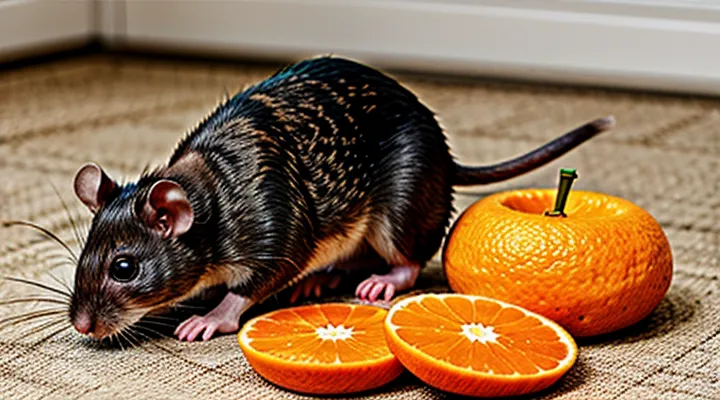
Understanding Mandarin Oranges
Nutritional Profile for Humans
Vitamins and Minerals
Mandarin oranges contain vitamin C, vitamin A (as beta‑carotene), folate, potassium, calcium, and small amounts of magnesium and iron. These nutrients support immune function, vision, blood formation, and electrolyte balance in rodents, but the concentrations differ from those required by rats.
Vitamin C is not essential for rats because they synthesize it endogenously. Excess dietary vitamin C may cause gastrointestinal upset. Vitamin A is vital for retinal health; however, high levels can lead to toxicity, especially when combined with other vitamin A sources in the diet. Folate contributes to DNA synthesis; the amount in a single mandarin slice is modest and unlikely to cause deficiency or excess.
Potassium helps regulate fluid balance, yet an overabundance may strain the kidneys of small animals. Calcium supports bone development, but mandarin oranges provide a low calcium‑to‑phosphorus ratio, which can interfere with proper mineral absorption if the fruit constitutes a large portion of the diet. Magnesium and iron are present in trace amounts and generally pose no risk.
Practical guidance:
- Offer mandarin orange as an occasional treat, not more than one–two small segments per week for an adult rat weighing 300 g.
- Ensure the primary diet remains a balanced rodent pellet formulated with appropriate vitamin and mineral levels.
- Remove seeds and peel; both contain compounds that may irritate the digestive tract.
- Observe the rat after introduction; discontinue if diarrhea, reduced appetite, or lethargy appear.
By limiting intake and integrating the fruit into a nutritionally complete regimen, owners can provide the beneficial micronutrients of mandarin oranges without exposing rats to the hazards of overconsumption.
Fiber Content
Mandarin oranges contain dietary fiber that influences a rat’s gastrointestinal function. The fruit provides roughly 1.5 g of total fiber per 100 g of edible portion, split between soluble and insoluble fractions. Soluble fiber forms a viscous gel, moderating glucose absorption, while insoluble fiber adds bulk, promoting peristalsis.
Rats on standard laboratory chow receive about 4–5 g of fiber daily. Introducing mandarin orange flesh adds a modest increase, typically 0.2–0.4 g per serving of 15 g fruit. This supplemental amount can enhance stool consistency without overwhelming the gut microbiota.
Key points for incorporating mandarin orange fiber into a rat’s diet:
- Limit fruit to 5–10 % of total daily intake to avoid excessive sugar and acid load.
- Monitor fecal output; sudden changes may indicate intolerance to added fiber.
- Prefer fresh, seed‑free segments; avoid peel, which contains higher levels of indigestible fiber and potential pesticides.
- Provide water in excess of normal levels to aid fiber transit.
Excessive fiber beyond the recommended proportion may cause diarrhea, reduced nutrient absorption, or hindrance of calcium uptake. Balanced inclusion of mandarin orange flesh supplies a beneficial fiber boost while maintaining overall diet stability.
Sugar Content
Mandarin oranges contain roughly 8–9 g of total sugars per 100 g of fresh fruit, most of which is fructose, glucose, and a small amount of sucrose. A typical medium mandarin (about 80 g) provides approximately 6–7 g of sugar.
Rats in a standard laboratory or pet diet receive less than 5 % of their caloric intake from sugars. Commercial rodent chow is formulated to keep simple carbohydrate levels low, usually under 3 g per 100 g of feed. Introducing a fruit with 8 g of sugar per 100 g therefore raises the overall sugar proportion substantially if not carefully measured.
Elevated sugar intake can accelerate weight gain, increase blood glucose, and promote dental plaque formation in rats. Chronic exposure may predispose animals to metabolic syndrome‑like conditions, which compromise experimental reliability and animal welfare.
Practical guidelines for offering mandarin orange to rats:
- Limit fruit to a maximum of 5 % of the daily diet weight (≈1 g of fresh fruit per 20 g of chow).
- Offer fruit no more than twice per week to prevent cumulative sugar load.
- Remove seeds and peel; provide only the flesh in small, bite‑size pieces.
- Monitor body weight and activity; discontinue if rapid weight gain or lethargy appears.
These measures keep sugar consumption within safe limits while allowing occasional enrichment with citrus flavor.
Potential Benefits for Rats
Hydration
Mandarin oranges contain roughly 85 % water, which can contribute to a rat’s daily fluid intake. However, the fruit’s sugar concentration and acidic pH can interfere with normal hydration if offered in excess. Monitor the animal’s overall water consumption and adjust the supply of fresh drinking water accordingly.
Key points for maintaining proper hydration while providing mandarin slices:
- Offer no more than one small segment (about ½ cm³) per 100 g of body weight per day.
- Ensure continuous access to clean, fresh water; replace it at least twice daily.
- Observe the rat’s urine output and skin elasticity; reduced output or sticky skin indicates insufficient hydration.
- Limit fruit frequency to 2–3 times per week to prevent excessive sugar and acid load.
- Remove any uneaten fruit within a few hours to avoid spoilage, which can introduce bacterial contamination and affect fluid balance.
If a rat shows signs of dehydration—dry mouth, sunken eyes, lethargy—discontinue fruit offerings immediately and increase water availability until normal intake resumes.
Antioxidants
Mandarin orange slices can serve as a natural source of antioxidants for laboratory or pet rats when incorporated into a balanced diet.
- Vitamin C (ascorbic acid) – primary water‑soluble antioxidant, scavenges free radicals and supports collagen synthesis.
- Flavonoids (hesperidin, naringenin) – polyphenolic compounds that modulate oxidative pathways and reduce inflammation.
- Carotenoids (β‑cryptoxanthin, lutein) – lipid‑soluble antioxidants that protect cell membranes from lipid peroxidation.
Rats receiving moderate amounts of these compounds exhibit lower markers of oxidative stress, improved immune cell function, and enhanced recovery after metabolic challenges. Studies on rodent models show measurable increases in plasma antioxidant capacity within 24 hours of a single fruit serving.
Recommended portion: one to two small segments (approximately 2–4 g fresh fruit) per 100 g body weight, offered no more than three times per week. This schedule supplies antioxidant benefits while limiting excess sugars.
Potential issues include high fructose content, which may promote weight gain if over‑fed, and citric acid, which can irritate the oral mucosa or stomach lining in sensitive individuals. Monitor rats for signs of diarrhea or reduced feed intake after introduction.
When used sparingly and alongside a nutritionally complete pellet diet, mandarin orange provides a measurable antioxidant boost without compromising overall health.
Potential Risks for Rats
Acidity and Digestive Upset
Mandarin oranges contain citric and ascorbic acids at levels that can lower the pH of a rat’s stomach contents. The fruit’s natural acidity is higher than that of many leafy vegetables commonly offered to rodents.
Rats possess a relatively short digestive tract and lack the robust buffering mechanisms found in larger mammals. Introducing a markedly acidic food can overwhelm gastric secretions, leading to irritation of the mucosal lining and transient dysbiosis.
Feeding guidelines:
- Offer only a small segment (no more than ¼ of a peeled mandarin) once or twice a week.
- Observe the animal for at least 24 hours after introduction.
- Discontinue the fruit if any of the following appear: • Diarrhea or loose stools • Reduced appetite • Abdominal swelling or discomfort • Excessive water consumption
When the fruit is accepted without adverse signs, it may remain an occasional treat, but it should never replace the core diet of balanced rodent chow, fresh water, and low‑acid vegetables.
High Sugar and Dental Issues
Mandarin oranges contain approximately 10 g of sugar per 100 g of fruit. A typical serving for a small rat would represent a significant portion of its daily carbohydrate intake, quickly exceeding the recommended limit for laboratory‑grade rodent diets. Excessive sugar promotes rapid growth of oral bacteria, leading to plaque accumulation and an increased risk of dental caries. Rats’ incisors grow continuously; however, the enamel on the cheek teeth is thin and vulnerable to acid erosion caused by frequent exposure to sugary juices.
Key concerns:
- Dental decay: High‑sugar foods lower oral pH, accelerating demineralization of molar surfaces.
- Periodontal disease: Plaque buildup triggers inflammation of gingival tissue, potentially progressing to infection.
- Metabolic stress: Elevated blood glucose can predispose rats to obesity and insulin resistance, compounding dental problems.
If mandarin oranges are offered, limit the portion to no more than a few bite‑size pieces per week and monitor the animal’s teeth for signs of discoloration, roughness, or abnormal wear. Regular dental examinations and a balanced diet low in simple sugars remain essential for maintaining oral health in pet and laboratory rats.
Pectin and Other Concerns
Pectin, a soluble fiber abundant in mandarin oranges, can affect a rat’s gastrointestinal tract. In moderate amounts it may aid digestion, but excessive intake often leads to soft stools or diarrhea due to rapid fermentation in the hindgut. Rats lack the enzymatic capacity to break down large quantities of pectin efficiently, making precise portion control essential.
Beyond fiber, mandarin oranges present additional nutritional and safety considerations. Their high natural sugar content can contribute to weight gain and elevate blood glucose levels, especially when offered regularly. Vitamin C, while beneficial in small doses, may cause urinary acidity if consumed in excess, potentially stressing renal function. The fruit’s acidic juice can erode dental enamel, increasing the risk of tooth wear in species that gnaw continuously.
Potential contaminants also warrant attention. Commercially grown mandarins may carry pesticide residues; washing thoroughly or selecting organic produce reduces this hazard. The thin skin contains essential oils that can irritate the oral mucosa, and while citrus seeds are small, they pose a choking risk and contain trace amounts of cyanogenic compounds.
In summary, feeding mandarin oranges to rats requires careful evaluation of pectin load, sugar and acid levels, dental impact, and possible chemical residues. Limited, well‑washed portions offered intermittently mitigate most concerns while allowing occasional enrichment.
Feeding Guidelines for Rats
Preparation Before Feeding
Peeling and Seed Removal
When offering mandarin oranges to pet rats, remove the peel and all seeds to prevent choking and digestive irritation. Use a clean knife or kitchen shears; slice the fruit lengthwise, discard the outer skin, and examine the interior for seeds.
- Cut the orange in half, then into quarters.
- Peel each segment by pulling the skin away from the flesh.
- Inspect each piece; any visible seed must be extracted with tweezers or the tip of a knife.
- Rinse the flesh briefly in cool water to eliminate residual pulp or zest.
- Pat dry with a paper towel before presenting a small portion to the rat.
Only a few bite‑size pieces should be given at a time, and the fruit must be fresh. Repeating the process ensures a safe, nutritionally appropriate treat for the animal.
Portion Size Recommendations
Rats may enjoy mandarin orange as an occasional treat, but the amount must be controlled to avoid digestive upset and excess sugar.
- Offer a segment no larger than ½ inch (1.3 cm) of peeled fruit per 100 g of body weight.
- Limit feeding to two small pieces per week; more frequent exposure can lead to diarrhea.
- Remove seeds and membranes completely; these contain compounds that can be harmful.
- Adjust portion size for younger or smaller rats: halve the recommended piece length.
- If a rat shows signs of weight gain or hyperactivity, reduce or suspend orange treats.
Monitor the rat’s response for 24 hours after each offering. Record any changes in stool consistency, appetite, or behavior. Reduce the portion or discontinue the fruit if adverse effects appear. Consistent, modest servings provide vitamin C and flavor without compromising health.
Frequency of Feeding
Occasional Treat vs. Staple Food
Mandarin oranges can be offered to pet rats, but they belong in the category of occasional treats rather than a dietary mainstay. Rats require a balanced base of commercial rodent pellets, fresh vegetables, and limited protein sources; fruit supplies extra sugars and water content that can disrupt this balance if overused.
Key points for safe inclusion:
- Frequency: limit to 1–2 small slices per week.
- Portion size: a piece no larger than a thumbnail to keep total sugar intake below 5 % of daily calories.
- Preparation: remove seeds and peel; rinse to eliminate pesticide residues.
- Monitoring: observe for loose stools, weight changes, or loss of appetite after consumption.
- Variety: rotate with other low‑sugar fruits (e.g., blueberries) to prevent preference for a single source.
When mandarin orange pieces are given sporadically, they provide enrichment, mental stimulation, and a source of vitamin C without compromising nutritional stability. Regular feeding of the fruit would increase carbohydrate load, raise the risk of dental decay, and potentially lead to obesity. Therefore, treat the citrus as a supplemental reward, not as a staple component of the rat’s diet.
Observing Your Rat’s Reaction
Signs of Discomfort or Allergy
Rats that react negatively to mandarin oranges display observable physical and behavioral changes. Recognizing these signs prevents prolonged distress and possible health complications.
- Swelling of the face, ears, or paws
- Red or irritated skin around the mouth and nose
- Excessive scratching, licking, or chewing of the affected area
- Watery, runny eyes or nasal discharge
- Hunched posture, reluctance to move, or reduced activity
- Rapid breathing, wheezing, or audible coughing
- Diarrhea, loose stools, or vomiting shortly after consumption
- Sudden loss of appetite or refusal to eat familiar foods
If any of these symptoms appear after offering a mandarin segment, remove the fruit immediately, monitor the animal, and consult a veterinarian. Prompt action reduces the risk of severe allergic reactions and supports the rat’s recovery.
Alternative Safe Fruits
Berries
Berries offer a low‑calorie source of vitamins, antioxidants, and fiber that can complement a rodent’s diet. When evaluating fruit options for rats, consider the sugar concentration, size of the pieces, and potential pesticide residues.
Suitable berries for occasional feeding include:
- Blueberries – rich in vitamin C and anthocyanins; offer a soft texture that rats can easily chew.
- Raspberries – contain dietary fiber and vitamin K; feed in small quantities to avoid excess natural sugars.
- Strawberries – provide folate and manganese; remove stems and cut into bite‑size pieces.
- Blackberries – supply vitamin E and polyphenols; monitor for seeds that may be difficult for some individuals.
Feeding guidelines:
- Offer no more than one teaspoon of mixed berries per 100 g of body weight per week.
- Rinse thoroughly under running water to eliminate surface contaminants.
- Provide fresh, unsweetened berries; frozen varieties are acceptable after thawing, provided no added sugars or preservatives are present.
- Observe for signs of gastrointestinal upset, such as loose stools, and discontinue use if symptoms appear.
Potential drawbacks:
- High natural sugar content can contribute to obesity or dental issues if overfed.
- Certain berries may contain minute amounts of oxalic acid, which could affect calcium metabolism in large doses.
- Pesticide residues pose a toxic risk; organic sources reduce this hazard.
Integrating berries into a balanced diet requires moderation, proper preparation, and regular health monitoring. This approach aligns with broader fruit‑based recommendations for small mammals, ensuring nutritional benefits without compromising wellbeing.
Apples
Apples are a common fruit offered to laboratory and pet rats as a supplemental treat. The flesh provides simple sugars, dietary fiber, and a modest amount of vitamin C, all of which can contribute to energy intake and digestive health when given in moderation.
Rats tolerate raw apple slices without adverse reactions if the skin is washed thoroughly to remove pesticide residues. Seeds contain amygdalin, a cyanogenic compound; even a single seed can be harmful. Therefore, remove all seeds before offering the fruit.
Guidelines for safe inclusion:
- Offer no more than one to two small slices (approximately 1 cm² each) per day for an adult rat weighing 300 g.
- Limit total fruit servings to 5 % of the animal’s overall diet to avoid excess sugar.
- Introduce the fruit gradually, observing for changes in stool consistency or appetite.
- Store cut pieces in the refrigerator and discard after 24 hours to prevent bacterial growth.
Potential concerns include dental wear from the crisp texture, which can be beneficial, and the risk of gastrointestinal upset if large quantities are consumed. Monitoring body weight and behavior will reveal whether the fruit is well tolerated.
In summary, apples constitute a safe, nutritionally modest addition to a rat’s diet when seedless, portion‑controlled, and incorporated alongside a balanced pellet or mash base. This approach aligns with broader recommendations for fruit supplementation in rodent care.
Pears
Pears provide rats with soluble fiber, vitamin C, and modest amounts of potassium. The fruit’s low acidity makes it gentler on a rodent’s digestive system than citrus varieties, reducing the risk of stomach upset.
When incorporating pears into a rat’s diet, follow these guidelines:
- Offer only fresh, ripe fruit; discard any bruised or moldy sections.
- Cut the pear into bite‑size pieces no larger than ½ cm to prevent choking.
- Limit portions to 1–2 grams per 100 g of body weight, equivalent to a small slice a few times a week.
- Remove the core and seeds, as they contain trace cyanogenic compounds.
Compared with mandarins, pears contain less sugar and fewer organic acids, which can be advantageous for rats prone to dental wear or urinary issues. However, the lower vitamin C content means mandarins remain useful for supplementing this nutrient when required.
Excessive pear consumption may lead to soft stools due to high fiber levels. Monitor fecal consistency and adjust the amount accordingly. Combining pears with a balanced pellet base and occasional vegetables ensures nutritional completeness without overreliance on any single fruit.
Fruits to Avoid Completely
Citrus Rind
Citrus rind, the outer layer of mandarin oranges, contains essential oils, flavonoids, and a high concentration of citric acid. Rats that are offered mandarin fruit may encounter the rind when the whole fruit is presented, making an understanding of its effects crucial.
The rind’s essential oils, particularly limonene, can irritate a rat’s gastrointestinal lining. Citric acid may cause mild acidosis if consumed in large amounts. Conversely, flavonoids provide antioxidant activity that could support cellular health when intake is limited. The fiber content aids digestion, but excessive amounts risk impaction.
Safe handling of citrus rind for rats involves several steps:
- Remove all visible wax or pesticide residues before processing.
- Trim the rind to a thin strip, discarding the white pith, which holds the highest concentration of bitter compounds.
- Rinse the trimmed strip under running water to eliminate surface contaminants.
- Offer no more than a single, bite‑size piece per week to prevent overexposure to acids and oils.
Avoid feeding whole mandarin segments with untrimmed rind, providing large quantities of rind, or using commercially treated fruit. Monitoring the rat’s behavior after exposure will reveal any adverse reactions such as reduced appetite or diarrhea.
Unripe Fruits
Unripe citrus, including green mandarin oranges, contain higher concentrations of organic acids, essential oils, and certain bitter compounds than their ripe counterparts. These substances can irritate the gastrointestinal lining of small mammals, leading to reduced appetite, vomiting, or diarrhea. Laboratory observations show that rats exposed to unripe citrus experience transient discomfort and may exhibit signs of oral aversion.
When considering mandarin oranges for rat diets, evaluate the fruit’s maturity:
- Color: bright orange indicates ripeness; green or mottled skin suggests immaturity.
- Firmness: soft flesh releases juice easily; hard, dry pulp is typical of unripe fruit.
- Aroma: strong, sharp scent often correlates with higher essential‑oil content.
If a mandarin orange fails any of these criteria, omit it from the rat’s menu. Should a caretaker decide to offer a small portion of ripe fruit, limit the amount to no more than 5 % of the total daily intake and monitor for adverse reactions. Replace any unripe offering with safe alternatives such as apple slices, banana, or carrot.
Overall, unripe mandarin oranges pose unnecessary digestive risk for rats. Providing only fully ripened citrus eliminates the hazards associated with excess acids and bitter compounds, supporting a balanced and health‑focused feeding regimen.
Grapes
Grapes are occasionally offered to laboratory and pet rats as a treat, but their inclusion in a rat’s diet requires strict control.
The fruit supplies simple carbohydrates, small amounts of vitamin C, and trace minerals such as potassium. These nutrients can supplement a balanced rodent chow when given sparingly.
Risks include high sugar content, potential for gastrointestinal upset, and the documented susceptibility of some rodent strains to grape‑induced kidney failure. Whole grapes also pose a choking hazard for small animals.
Safe use of grapes with rats follows these points:
- Remove skin and seeds; cut fruit into pieces no larger than 0.5 cm.
- Limit intake to one or two pieces per week, not exceeding 2 % of the animal’s daily caloric intake.
- Observe for signs of distress, such as reduced activity or abnormal urination, after the first exposure.
- Prefer fresh, unsprayed grapes; avoid dried or processed varieties that contain added sugars or preservatives.
When fruit is part of a broader feeding strategy that includes citrus options, grapes should remain an occasional supplement rather than a staple.