
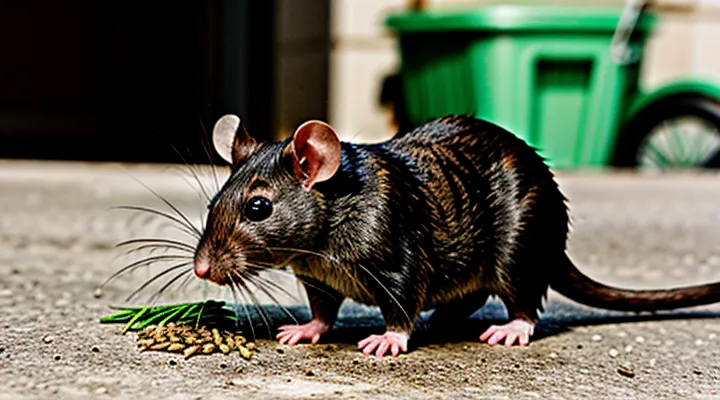
Essential Dietary Components for Rats
Macronutrients
The suitability of fried seeds for rats hinges on the macronutrient profile of the food and the species’ dietary requirements. Rats require a balanced intake of protein, carbohydrate, and fat to support growth, reproduction, and metabolic health. Excessive concentrations of any macronutrient can disrupt this balance and lead to obesity, hepatic lipidosis, or nutrient deficiencies.
- Protein: Fried seeds contain moderate protein (approximately 5‑10 % by weight). Rat diets typically provide 14‑20 % protein; the contribution from seeds alone is insufficient to meet this target.
- Fat: Oil used in frying raises total fat content to 30‑45 % of the seed’s weight, with a high proportion of saturated and omega‑6 fatty acids. Rats thrive on a diet with 5‑10 % fat; the elevated level in fried seeds exceeds recommended limits and increases caloric density.
- Carbohydrate: Residual carbohydrate remains low (3‑6 %). While not detrimental, the imbalance with protein and fat renders the overall energy ratio unsuitable.
Calories from fried seeds are dense, delivering roughly 500‑600 kcal per 100 g, far above the energy density of standard rodent chow. Regular consumption would likely result in weight gain and metabolic strain.
Given the macronutrient mismatch, fried seeds should not constitute a regular component of a rat’s diet. Occasional, minimal portions may be offered as a treat, provided the overall daily intake of protein, fat, and calories remains within established guidelines. Monitoring body condition and adjusting the primary diet accordingly is essential to prevent adverse health outcomes.
Micronutrients
Micronutrients are critical for rat health, providing vitamins and minerals that support metabolism, immune function, and tissue repair. When seeds are fried, heat can degrade heat‑sensitive vitamins such as vitamin C and some B‑complex vitamins, while mineral content generally remains stable but may become less bioavailable due to changes in seed matrix.
Key micronutrients affected by frying include:
- Vitamin C: rapidly oxidized at high temperatures, resulting in significant loss.
- Thiamine (B1): sensitive to heat, with reductions observed after typical frying procedures.
- Riboflavin (B2) and Niacin (B3): partially degraded, depending on oil temperature and duration.
- Minerals (iron, zinc, magnesium): largely retained, though binding to altered fiber may limit absorption.
For rat diets, providing raw or lightly toasted seeds ensures higher retention of vitamins, while supplementing with a balanced vitamin mix can compensate for losses incurred by frying. Monitoring serum levels of the listed micronutrients helps verify that dietary adjustments meet the species‑specific nutritional requirements.
Water Intake
Rats that consume fried seeds experience a sudden increase in dietary fat and salt. This change elevates the osmotic load that the kidneys must excrete, making adequate hydration essential. Without sufficient water, rats are at risk of dehydration, electrolyte imbalance, and renal stress.
Key points for managing water intake when offering fried seeds:
- Provide fresh, clean water at all times; replace it at least twice daily to prevent contamination.
- Monitor daily water consumption; a typical adult rat drinks 30–45 ml per 100 g of body weight.
- Observe for signs of reduced drinking, such as concentrated urine or lethargy, and adjust fluid availability immediately.
- Consider offering water in a bottle with a sipper tube to reduce spillage and encourage consistent intake.
Ensuring that rats have unrestricted access to water mitigates the physiological challenges introduced by high‑fat, high‑salt snacks and supports overall health.
Risks of Feeding Fried Foods to Rats
Feeding rats fried foods, including fried seeds, introduces several health hazards. The high fat content increases caloric density, leading to rapid weight gain and obesity. Excessive adiposity predisposes rats to insulin resistance, hepatic steatosis, and cardiovascular strain.
Fried items contain oil residues that may be oxidized during cooking. Oxidized lipids generate free radicals, which damage cellular membranes and accelerate aging processes. Rats consuming oxidized fats exhibit elevated markers of oxidative stress and reduced immune function.
Salt and seasoning frequently added to fried products raise sodium intake. Elevated sodium disrupts electrolyte balance, raises blood pressure, and can cause renal impairment. Rats are particularly sensitive to sodium fluctuations, and chronic excess may result in dehydration and electrolyte disorders.
Acrylamide, a by‑product of high‑temperature cooking of carbohydrate‑rich foods, forms in fried seeds. Acrylamide is neurotoxic and carcinogenic in laboratory studies. Regular exposure increases the risk of nerve damage and tumor development.
Potential gastrointestinal issues include:
- Diarrhea caused by excessive fat emulsification.
- Pancreatitis from overstimulation of pancreatic enzyme secretion.
- Obstruction from indigestible crusts adhering to the intestinal lining.
Overall, incorporating fried foods into a rat’s diet compromises metabolic health, organ function, and lifespan. A balanced diet based on species‑appropriate pellets, fresh vegetables, and occasional raw seeds provides the nutrients rats require without the risks associated with fried products.
Why Fried Seeds Are Problematic for Rats
High Fat Content Concerns
Rats that receive fried seeds are exposed to a markedly elevated fat intake. Commercially fried seeds contain between 15 % and 30 % total fat, with a substantial portion as saturated fatty acids. Laboratory‑reared rats thrive on diets where fat provides no more than 5 % of metabolizable energy; pet formulations typically aim for 2 %–4 % to maintain lean body condition.
Excess dietary fat can trigger several physiological disturbances:
- rapid weight gain and obesity;
- hepatic lipid accumulation leading to fatty liver disease;
- increased blood cholesterol and triglyceride levels, stressing cardiovascular function;
- gastrointestinal upset, including diarrhea and reduced nutrient absorption.
To mitigate these effects, limit fried seeds to occasional treats and adhere to strict portion control. A safe serving does not exceed 0.5 g per 100 g of body weight, offered no more than twice per week. Prefer raw or lightly toasted seeds, which retain nutritional value while reducing fat content. Substitute with vegetables, whole‑grain pellets, or low‑fat protein sources for regular feeding.
Potential for Rancidity and Toxins
Feeding fried seeds to rats introduces fats that are prone to oxidation when exposed to heat, light, and air. Oxidized fats produce peroxides and aldehydes, compounds that can damage cellular membranes and impair liver function. Rats metabolize these substances more rapidly than larger mammals, yet excessive intake overwhelms detoxification pathways, leading to oxidative stress.
Key considerations for rancidity and toxin formation include:
- Temperature exposure – high frying temperatures accelerate lipid breakdown, generating free radicals.
- Storage conditions – prolonged storage of fried seeds in warm, humid environments increases the rate of lipid oxidation.
- Seed type – seeds with high polyunsaturated fatty acid content (e.g., sunflower, pumpkin) are more susceptible to rancidity than those rich in saturated fats.
- Additives – salt, spices, and flavor enhancers can contain preservatives that interact with oxidized lipids, potentially forming harmful nitrosamines.
When rancid seeds are consumed, rats may exhibit reduced appetite, weight loss, and gastrointestinal irritation. Chronic exposure can lead to hepatic inflammation, altered blood lipid profiles, and impaired immune response. To mitigate risks, limit fried seed portions, ensure fresh preparation, and store any leftovers in airtight, refrigerated containers for no more than 24 hours.
Presence of Harmful Additives
Rats that are offered fried seed products are exposed to a range of chemical compounds added during processing. These substances are not part of the natural seed composition and can compromise rodent health.
- Sodium chloride (excess salt)
- Monosodium glutamate (flavor enhancer)
- Sodium nitrate or nitrite (preservatives)
- Artificial colorants (e.g., tartrazine, sunset yellow)
- Partially hydrogenated oils (trans‑fat sources)
Each additive carries specific physiological risks. High sodium levels increase water intake and strain renal function, potentially leading to dehydration and kidney damage. Flavor enhancers such as MSG may provoke hyperexcitability in the nervous system and alter feeding behavior. Nitrates and nitrites can form carcinogenic nitrosamines in the digestive tract. Synthetic dyes have been linked to liver enzyme induction and oxidative stress. Trans fats elevate blood lipid concentrations, fostering cardiovascular complications.
Laboratory observations confirm that rats consuming diets containing these agents display reduced weight gain, gastrointestinal inflammation, and abnormal blood chemistry. Chronic exposure amplifies susceptibility to metabolic disorders and reduces lifespan.
Safe feeding practices require sourcing seeds that are raw, unsalted, and free of synthetic preservatives. When fried products are considered, verify ingredient lists for the absence of the additives noted above. Opt for minimal‑processing alternatives to avoid inadvertent toxic exposure.
Difficulty in Digestion
Feeding fried seeds to rats presents a notable digestive challenge. The high fat content of fried seeds slows gastric emptying, leading to prolonged exposure of the stomach lining to acidic secretions. Excessive fat can overwhelm the rat’s limited bile production, resulting in malabsorption and steatorrhea.
Key digestive complications include:
- Delayed gastric transit, which increases risk of gastric distension.
- Bile insufficiency, causing fat droplets to remain unprocessed in the intestine.
- Potential for pancreatitis due to sudden spikes in pancreatic enzyme demand.
Rats lack the enzymatic capacity to efficiently break down the saturated fats and oil residues typical of fried products. Regular consumption may induce chronic inflammation of the gastrointestinal tract and compromise nutrient absorption, ultimately affecting growth and overall health.
Healthy Alternatives to Fried Seeds
Safe Seed Options for Rats
Feeding rats fried seeds poses health risks due to added oils, salt, and potential contaminants. The high fat content can lead to obesity, hepatic strain, and digestive upset, while seasonings may cause electrolyte imbalance. For a balanced diet, choose seeds that are natural, low‑fat, and free of additives.
- Sunflower seeds (unshelled, raw) – rich in vitamin E and healthy fats; limit to a few per day.
- Pumpkin seeds (raw, unsalted) – source of protein, magnesium, and antioxidants; offer in small quantities.
- Flaxseed (ground) – provides omega‑3 fatty acids and fiber; incorporate sparingly to avoid digestive issues.
- Sesame seeds (raw, unroasted) – contain calcium and iron; use modestly because of high fat density.
- Hemp seeds (raw, hulled) – high‑quality protein and essential fatty acids; serve in limited portions.
Preparation guidelines: rinse seeds to remove dust, dry thoroughly, and store in airtight containers at cool temperatures. Measure servings with a calibrated spoon to prevent overfeeding. Combine seeds with a base of high‑quality rodent pellets and fresh vegetables to ensure nutritional completeness. Regularly monitor body condition and adjust seed intake accordingly.
Other Acceptable Snacks
Rats may consume seeds, but frying introduces excessive fat and sodium, which can strain their cardiovascular and renal systems. For a balanced diet, provide alternatives that supply fiber, vitamins, minerals, and protein without unnecessary additives.
- Fresh vegetables – kale, carrot tops, broccoli florets; offer 1–2 teaspoons daily, washed and chopped.
- Raw fruits – apple slices (core removed), blueberries, pear; limit to 1–2 teaspoons due to sugar content.
- Whole grains – cooked oatmeal, quinoa, barley; serve warm, unsalted, 1 teaspoon per day.
- Protein sources – boiled egg white, plain cooked chicken, mealworms; restrict to ½ teaspoon, occasional inclusion.
- Commercial rodent treats – low‑fat, grain‑based blocks; follow manufacturer’s serving guidelines.
Each snack should be introduced gradually, observed for adverse reactions, and incorporated as part of a diet dominated by a high‑quality rodent pellet base.
Commercial Rat Food Recommendations
Commercial rat food manufacturers design formulas to meet the nutritional requirements of domestic rats. Protein levels typically range from 18 % to 22 % of the diet, while fiber content stays between 5 % and 8 % to support digestive health. Fat is limited to 4 %–6 % because excess lipids can lead to obesity and liver strain. Vitamins and minerals are added in precise ratios to prevent deficiencies common in captive rodents.
Fried seeds introduce several variables that commercial blends avoid. The frying process adds oil, increasing the fat content beyond the safe threshold. Heat alters the seed’s fatty‑acid profile, creating trans fats that rats cannot metabolize efficiently. Additionally, the high temperature degrades heat‑sensitive nutrients such as vitamin E and certain B‑vitamins, reducing the overall nutritional value of the seed.
When evaluating commercial products, consider the following criteria:
- Ingredient transparency – manufacturers list each component and its source; avoid blends that hide seed content behind vague terms like “flavorings.”
- Absence of fried or roasted seeds – look for statements such as “no fried seeds” or “no roasted nuts.”
- Balanced macronutrient ratios – protein, fiber, and fat percentages should match the standards above.
- Added pre‑biotics or probiotics – these support gut health, which can be compromised by high‑fat treats.
- Compliance with pet‑food regulations – products certified by agencies such as the FDA or AAFCO meet safety benchmarks.
If a rat owner wishes to offer seeds as occasional enrichment, choose raw, unsalted varieties and limit portions to less than 5 % of the daily caloric intake. Commercial diets already contain a modest amount of raw seeds for texture and micronutrients; supplementing with fried seeds offers no additional benefit and may jeopardize health.
Preparing Seeds Safely for Rats
Soaking and Sprouting Seeds
Rats that receive seeds as part of a balanced diet benefit from preparations that reduce anti‑nutrients and improve digestibility. Fried seeds, which retain high fat content, can introduce excessive calories and potential toxins if not pre‑treated.
Soaking seeds in cool water for 4–12 hours activates enzymatic breakdown of phytic acid and tannins. The process lowers bitterness and facilitates nutrient absorption. After soaking, rinse seeds thoroughly to remove residual debris and surface compounds.
Sprouting follows soaking. Transfer rinsed seeds to a breathable container, maintain humidity at 85–95 %, and keep temperature between 20 °C and 25 °C. Sprout for 2–5 days, discarding any seeds that develop mold. Sprouted seeds exhibit increased protein, vitamin C, and B‑complex levels, while carbohydrate content diminishes.
When considering fried seeds for rats, apply the following protocol:
- Soak seeds for the recommended period.
- Rinse and drain completely.
- Allow sprouting under controlled conditions.
- Lightly fry sprouts at 150 °C for no more than 2 minutes, using a neutral oil with a high smoke point.
- Cool and serve in limited portions.
Properly soaked and sprouted seeds provide a safer, more nutrient‑dense foundation for any subsequent cooking method, reducing the risks associated with raw or heavily fried seed consumption for rats.
Roasting Seeds (Unsalted and Unfried)
Roasting seeds without added salt or prior frying creates a product that retains most of the original nutrient profile while reducing moisture content and eliminating potential microbial contaminants. The process involves heating whole or split seeds in a dry environment at a controlled temperature, typically between 150 °C and 180 °C, for a period of 10–20 minutes depending on seed size and oil content. Continuous stirring or periodic shaking prevents scorching and promotes even coloration.
Key parameters for a safe roast:
- Temperature: 150 °C–180 °C (maintain within ±5 °C)
- Duration: 10 min for small seeds, up to 20 min for larger varieties
- Stirring interval: every 2–3 minutes
- Cooling: spread seeds on a clean surface until ambient temperature is reached
- Storage: airtight container at ≤20 °C, use within 2 weeks
Nutritional changes include a modest increase in available carbohydrates due to starch gelatinization and a slight reduction in heat‑sensitive vitamins (e.g., vitamin C). Protein quality remains largely intact, and the seed’s fiber content is unchanged. The absence of salt eliminates the risk of hypernatremia, and the lack of pre‑frying avoids excess oil that could lead to obesity in small mammals.
For rats, roasted unsalted seeds serve as an acceptable occasional supplement. Digestive enzymes in rodents can handle the mild heat‑induced modifications, and the lower fat content reduces the likelihood of hepatic strain. Nevertheless, roasted seeds should not replace a balanced grain‑based diet; they are best offered as a treat limited to 5–10 % of total daily caloric intake. Monitoring for signs of gastrointestinal upset after introduction is advisable, and any adverse reaction warrants immediate discontinuation.
Portion Control and Moderation
Fried seeds contain concentrated calories, saturated fat, and often added salt. Excess intake can lead to obesity, hepatic lipidosis, and cardiovascular strain in laboratory and pet rodents. Therefore, any inclusion of such treats must be limited to a small fraction of the animal’s total daily energy budget.
Typical adult rats require approximately 15 kcal per 100 g of body weight. Fried seeds should contribute no more than 5 % of this requirement. For a 250‑g rat, the daily caloric allowance is about 37 kcal; fried seeds should supply at most 1.8 kcal, which corresponds to roughly 0.5 g of seeds (≈1 – 2 whole seeds, depending on size and coating).
Guidelines for moderate feeding:
- Offer fried seeds no more than three times per week.
- Limit each serving to 1‑2 seeds, ensuring the total weight stays under 0.5 g.
- Provide the treat after the main meal, not as a substitute for nutritionally balanced feed.
- Record the exact number of seeds given and monitor body weight weekly.
If weight gain exceeds 5 % over a month, reduce or discontinue the treat. Observe for signs of gastrointestinal upset, increased thirst, or lethargy; any adverse response warrants immediate cessation. Adjust portions based on individual metabolic rate, activity level, and overall diet composition.
Observing Your Rat's Health and Diet
Signs of Dietary Distress
Feeding fried seeds to rats introduces high fat and salt levels that can challenge their digestive system. Monitoring for dietary distress is essential to prevent health complications.
Typical indicators of distress include:
- Reduced food intake or complete refusal of food
- Lethargy, diminished activity, or difficulty moving
- Diarrhea, loose stools, or presence of blood in feces
- Rapid weight loss or failure to gain expected weight
- Abnormal breathing, wheezing, or signs of respiratory discomfort
- Excessive grooming of the anal area or visible irritation
These symptoms arise because excessive oil and sodium strain the pancreas, liver, and gastrointestinal tract. Fat overload may trigger pancreatitis, while salt excess can lead to electrolyte imbalance and hypertension. Persistent respiratory signs suggest inflammation from inhaled oil particles. Immediate removal of fried seeds, veterinary assessment, and a return to a balanced, low‑fat diet are required to mitigate damage.
Consulting a Veterinarian
Pet rat owners often wonder whether fried seeds are suitable as a treat. Determining safety and nutritional value requires professional veterinary input because rats have specific dietary requirements and are prone to digestive issues.
A veterinarian can evaluate the following factors: the fat content of fried seeds, potential presence of additives or salt, the rat’s age, weight, and existing health conditions, and the impact on dental wear. The clinician will also consider whether the treat aligns with a balanced diet that includes standard rodent pellets, fresh vegetables, and occasional protein sources.
- Are fried seeds nutritionally compatible with a rat’s diet?
- What quantity, if any, can be offered without risking obesity or gastrointestinal distress?
- Do the seeds contain seasonings, oils, or preservatives that could cause toxicity?
- How should the treat be introduced to avoid sudden dietary changes?
- What signs of adverse reaction should prompt immediate veterinary attention?
After receiving the veterinarian’s recommendations, owners should follow the prescribed portion size, monitor the rat for any behavioral or health changes, and adjust the overall feeding plan accordingly. Regular check‑ups ensure that occasional treats do not compromise the animal’s long‑term wellbeing.