
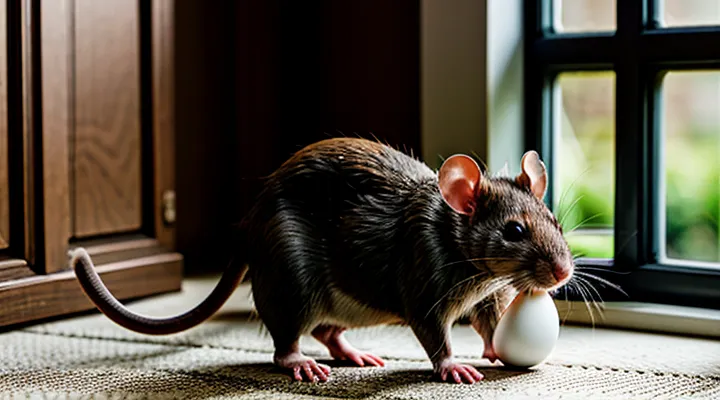
Nutritional Benefits of Eggshells
Calcium Content
Eggshell powder contains approximately 94 % calcium carbonate, the primary source of elemental calcium for mammals. One gram of finely ground eggshell provides about 380 mg of calcium, equivalent to roughly 38 % of the recommended daily intake for an adult human; for a laboratory rat weighing 250 g, this amount represents a substantial portion of its calcium requirement.
Rats regulate calcium through intestinal absorption, renal reabsorption, and skeletal deposition. When calcium intake exceeds physiological needs, excess is excreted in urine or deposited as soft tissue calcifications. Therefore, precise dosing is essential to avoid hypercalcemia and associated metabolic disturbances.
Practical guidelines for incorporating eggshell into a rat diet:
- Preparation: Clean shells, remove membranes, bake at 180 °C for 10 minutes, grind to a fine powder to prevent gastrointestinal irritation.
- Dosage: 0.1 g of eggshell powder per 100 g of body weight per day delivers roughly 38 mg of calcium; adjust based on the calcium content of the base diet.
- Monitoring: Measure serum calcium levels periodically; observe for signs of renal stone formation or abnormal behavior.
- Compatibility: Combine with a balanced diet containing adequate phosphorus (Ca:P ratio ≈ 1:1) to maintain mineral equilibrium.
Research indicates that modest supplementation improves bone mineral density in growing rats without adverse effects, provided the above protocols are followed. Excessive inclusion, especially in diets already rich in calcium, leads to mineral imbalance and health risks.
Other Trace Minerals
Eggshells supply a readily absorbable calcium source for laboratory rats, but they also contain minor quantities of additional trace elements that can affect overall nutrition. These minerals are present in the organic matrix and may contribute to metabolic functions when eggshell is incorporated into the diet.
- Manganese – involved in enzyme activation and bone formation.
- Zinc – supports immune competence and protein synthesis.
- Copper – required for iron transport and antioxidant enzymes.
- Selenium – participates in glutathione peroxidase activity.
- Iron – present in very low concentrations, influences hemoglobin synthesis.
The amounts of these trace minerals in a typical eggshell sample range from 0.1 to 0.5 mg per gram of shell, far below the daily requirements for rats. Consequently, eggshell supplementation does not usually fulfill the dietary needs for these elements; separate supplementation may be necessary to achieve recommended intake levels.
Absorption of the trace minerals from eggshell is comparable to that from other natural feed ingredients, provided the shell is finely ground and mixed thoroughly with the basal diet. Excessive inclusion of eggshell can dilute the overall nutrient density, potentially leading to marginal deficiencies of the trace elements listed above.
Safety considerations include monitoring for mineral imbalances, especially copper and iron, which can become toxic at high concentrations. Regular analysis of feed composition and periodic blood chemistry checks help ensure that trace mineral levels remain within physiological limits while maintaining the calcium benefits of eggshell supplementation.
Potential Risks and Concerns
Choking Hazard
Eggshell fragments pose a significant choking risk for laboratory and pet rodents. The hard, irregular pieces can become lodged in the upper airway or esophagus, leading to rapid respiratory distress or blockage of food passage. Even small shards may cause mucosal injury that precipitates swelling and further obstruction.
Risk factors include:
- Size of fragment exceeding 2 mm in diameter
- Presence of sharp edges
- Inadequate supervision during feeding
- Prior dental or oral abnormalities in the animal
To mitigate danger, provide only finely ground eggshell powder mixed with standard diet, ensure particle size is uniformly below the threshold, and monitor animals for signs of respiratory difficulty, gagging, or reduced food intake. If obstruction is suspected, immediate veterinary intervention is required.
Salmonella and Other Bacteria
Eggshells may contain Salmonella enterica, a gram‑negative pathogen capable of colonising the gastrointestinal tract of rodents. The bacteria can survive on the shell surface after oviposition and persist through refrigeration if not properly handled. Ingestion of contaminated eggshell material can lead to diarrhoea, weight loss, and systemic infection in rats, especially in young or immunocompromised individuals.
Other microorganisms frequently associated with eggshells include:
- Campylobacter jejuni – microaerophilic bacterium that causes enteritis.
- Escherichia coli (pathogenic strains) – can produce enterotoxins.
- Listeria monocytogenes – psychrotrophic organism that multiplies at refrigeration temperatures.
- Staphylococcus aureus – produces heat‑stable enterotoxins.
Risk reduction requires strict hygiene:
- Collect shells from eggs stored under refrigeration for at least 24 hours to allow surface drying.
- Rinse shells with warm water, then immerse in a 10 % bleach solution for 5 minutes.
- Rinse thoroughly with sterile water to remove residual disinfectant.
- Bake shells at 180 °C for 15 minutes to achieve a core temperature of ≥ 70 °C, which destroys vegetative cells and most spores.
- Grind baked shells to a fine powder; store in an airtight container at 4 °C.
When these procedures are followed, the probability of Salmonella and other bacterial contamination drops to negligible levels, making eggshell powder a safe calcium supplement for laboratory or pet rats.
Sharp Edges and Internal Injuries
Feeding rats eggshell material introduces a risk of physical injury when the shell is not properly prepared. Uncrushed fragments retain sharp edges that can cut the oral mucosa, damage the esophagus, or perforate the stomach and intestines. Injuries may manifest as bleeding, reluctance to eat, or abdominal discomfort.
To minimize these hazards, follow a preparation protocol:
- Clean shells thoroughly to remove residual albumen and contaminants.
- Bake or boil shells for at least ten minutes to sterilize.
- Cool, then grind or pulverize the shells into a fine powder; particle size should be less than one millimeter.
- Incorporate the powder into the regular diet at a low concentration (e.g., 1–2 % of total feed weight).
- Observe rats for signs of oral trauma or digestive distress during the first days of inclusion.
When the preparation steps are adhered to, the risk of sharp‑edge injuries is effectively eliminated, allowing rats to benefit from the calcium content of eggshells without compromising gastrointestinal integrity.
Pesticide and Chemical Residue
Eggshells are a potential calcium supplement for laboratory and pet rats, but their safety depends on the presence of pesticide and chemical residues that may remain after processing. Residues originate from agricultural practices, cleaning agents, and storage materials. Even low concentrations can accumulate in the rodent’s diet, altering metabolic pathways and potentially confounding experimental results.
Key considerations for residue management include:
- Source verification: Obtain eggs from farms that practice integrated pest management and avoid synthetic pesticides near laying hens.
- Cleaning protocol: Rinse shells with distilled water, then boil for at least ten minutes to degrade surface contaminants.
- Sterilization: Autoclave or bake shells at 180 °C for 30 minutes to eliminate persistent chemicals such as organochlorines.
- Residue testing: Conduct periodic gas chromatography–mass spectrometry (GC‑MS) analyses to detect pesticide traces; accept only samples below the established limit of 0.01 mg/kg for each analyte.
- Documentation: Record batch numbers, processing dates, and test results to maintain traceability and ensure reproducibility in research settings.
When these controls are applied, the risk of pesticide and chemical exposure through eggshell supplementation becomes negligible, allowing rats to receive a reliable calcium source without compromising health or data integrity.
Preparing Eggshells for Rats (If Deemed Safe)
Cleaning Eggshells
Clean eggshells must be free of organic residue, bacteria, and shell fragments before they become a safe calcium source for rodents. Residual membrane, blood, or dirt can introduce pathogens and reduce nutrient availability, so thorough preparation is required.
Preparation steps
- Rinse each shell under running water to remove loose debris.
- Submerge shells in boiling water for 5 minutes; the heat destroys Salmonella and other microorganisms.
- Transfer shells to a clean container, cover with fresh water, and let cool for 2 minutes to prevent accidental burns.
- Drain and spread shells on a drying rack; allow air‑dry for at least 30 minutes or place in a low‑temperature oven (≤ 100 °C) for 10 minutes to ensure complete moisture removal.
- Once dry, grind shells with a mortar and pestle, coffee grinder, or food processor until a fine powder forms; fine particles are easier for rats to ingest and digest.
After grinding, store the powder in an airtight container in a cool, dark place. Use a measured scoop to add a controlled amount to the daily diet, avoiding excessive calcium that could disturb the animal’s mineral balance. Regularly inspect stored powder for moisture or mold; discard any compromised batch.
Sterilization Methods
Eggshells intended for rodent consumption must be rendered sterile to prevent microbial contamination. Effective sterilization preserves calcium while eliminating pathogens.
- Autoclave: 121 °C, 15 psi, 15 min. Destroys bacteria, spores, and viruses; retains mineral content. Requires sealed, heat‑resistant containers.
- Dry‑heat oven: 200 °C for 30 min. Kills most organisms; may cause slight loss of organic matrix. Suitable for powdered or crushed shells.
- Chemical disinfectant: 70 % ethanol immersion for 5 min followed by thorough rinsing with sterile water. Removes surface microbes; does not affect calcium but may leave residue if rinsing is inadequate.
- Ultraviolet (UV‑C) exposure: 254 nm, 30 min on each side of thin shell pieces. Effective for surface sterilization; limited penetration, unsuitable for dense fragments.
- Microwave: High‑power burst (1 min) on a low‑moisture sample. Reduces bacterial load but can cause uneven heating; validation required.
Selection criteria include equipment availability, batch size, and impact on nutritional quality. Autoclaving and dry‑heat provide the most reliable sterility for bulk preparations. Chemical and UV methods are appropriate for small, pre‑treated portions when rapid turnover is needed. Consistent documentation of parameters ensures reproducibility and safety for laboratory or pet‑care settings.
Grinding to Powder
Eggshells provide a highly bioavailable calcium source for laboratory and pet rats, but only when converted to a fine, sterile powder. Direct consumption of raw shell fragments poses risks of gastrointestinal injury and uneven nutrient absorption.
The preparation process consists of four essential stages:
- Cleaning: Rinse shells thoroughly, remove membranes, and discard any residual organic material.
- Sterilization: Boil for 10 minutes or bake at 180 °C for 15 minutes to eliminate pathogens.
- Drying: Air‑dry or place in a low‑heat oven (≤ 100 °C) until moisture content is negligible.
- Grinding: Use a ceramic or stainless‑steel mill to pulverize dried shells, then pass the product through a 250‑µm sieve to achieve uniform particle size.
Particle size below 250 µm prevents sharp edges while maximizing calcium solubility. Store the powder in airtight containers at 4–8 °C to maintain sterility and prevent moisture uptake.
Nutritional guidelines recommend incorporating 0.5–1 % eggshell powder by weight of the total diet, delivering approximately 500 mg calcium per kilogram of feed. Adjust inclusion rates according to the specific calcium requirements of the rat strain and experimental protocol. Monitoring blood calcium levels ensures the supplement remains within safe physiological limits.
Alternatives to Eggshells for Calcium
Commercial Rat Foods
Commercial rat diets are formulated to meet the specific nutritional requirements of laboratory and pet rodents. Protein sources typically include soy, fish meal, or dried insects; carbohydrates come from grains such as wheat, corn, or barley; fats are supplied by vegetable oils; and vitamins and minerals are added in defined concentrations. Eggshells are not listed among standard ingredients, as the calcium they provide is supplied through synthetic calcium carbonate or phosphate salts that ensure consistent bioavailability and safety.
When evaluating the inclusion of eggshell powder in a rodent feed, consider the following factors:
- Calcium level – Eggshells contain about 40 % calcium carbonate but also variable amounts of magnesium, phosphorus, and trace minerals; precise formulation requires analytical testing.
- Particle size – Fine grinding is necessary to prevent dental injury and to promote uniform mixing; coarse fragments can cause gastrointestinal obstruction.
- Pathogen risk – Raw eggshells may harbor Salmonella or other microorganisms; sterilization by heat or irradiation is mandatory before incorporation.
- Regulatory compliance – Many animal feed standards prohibit non‑standard animal‑derived components unless validated for safety and efficacy.
Manufacturers that offer specialty formulations sometimes provide “calcium‑enhanced” mixes, where eggshell-derived calcium is processed under controlled conditions to meet regulatory specifications. These products are labeled accordingly and include documentation of sterilization, particle size distribution, and calcium content.
If a caretaker wishes to supplement a standard commercial diet with eggshells, the safest practice is to use a commercially prepared calcium additive rather than raw shells. This approach maintains the diet’s nutritional balance, avoids contamination hazards, and complies with established feeding guidelines for rats.
Dairy Products (in moderation)
Rats require a balanced diet that includes protein, fiber, vitamins, and minerals. Commercial rodent pellets provide the core nutrition, while occasional treats can add variety.
Dairy products supply calcium, phosphorus, and B‑vitamins, but rats lack the digestive enzymes to process large amounts of lactose efficiently. Overconsumption may cause gastrointestinal upset, including diarrhea and gas.
Guidelines for moderate dairy inclusion:
- Offer no more than one teaspoon of plain yogurt, kefir, or low‑fat cheese per week per adult rat.
- Choose unsweetened, unflavored varieties to avoid added sugars and artificial additives.
- Observe each animal for signs of intolerance, such as soft stools or reduced appetite, and discontinue if symptoms appear.
When calcium is needed, eggshell powder remains a more reliable source because it is low in lactose and can be finely ground and mixed into pellets. Dairy should complement, not replace, this calcium supplement.
Fortified Foods
Eggshell powder is a common calcium source in laboratory rodent diets, especially when the feed is designed to meet specific nutrient benchmarks. Incorporating eggshell into a fortified ration allows precise adjustment of calcium levels without introducing excess phosphorus or other minerals that could disrupt mineral balance.
Key considerations for using eggshell in fortified rodent feeds:
- Purity and processing – Eggshell must be cleaned, sterilized, and ground to a fine particle size to prevent contamination and ensure uniform distribution in the diet.
- Calcium bioavailability – Calcium carbonate from eggshell exhibits high absorption efficiency in rats, comparable to synthetic calcium carbonate, making it suitable for diets targeting bone development or metabolic studies.
- Safety thresholds – Established guidelines recommend a calcium inclusion rate of 0.5–1.0 % of the total diet weight for adult rats; exceeding this range may lead to hypercalcemia and renal stress.
- Interaction with other nutrients – Adequate vitamin D levels are required to facilitate calcium utilization; fortified feeds should include sufficient vitamin D3 to avoid secondary deficiencies.
- Regulatory compliance – Formulations must adhere to institutional animal care protocols and relevant nutraceutical standards, documenting source verification and batch testing.
When designing a fortified feed that contains eggshell, researchers should verify that the final composition aligns with the nutritional requirements of the specific rat strain and experimental objectives. Properly prepared eggshell can safely enhance calcium content, supporting skeletal health and experimental consistency.
Expert Opinions and Recommendations
Veterinarian Advice
Veterinarians recommend offering eggshell to rats only after it has been processed to ensure safety and nutritional benefit. Raw shells can cause injury or contain harmful bacteria; therefore, preparation is essential.
- Clean shells thoroughly under running water.
- Boil for at least five minutes to sterilize.
- Allow to cool completely.
- Grind or crush into a fine powder; a coarse texture may damage teeth or cause choking.
- Introduce the powder gradually, limiting the amount to 0.5 g per 100 g of body weight per week.
Eggshell powder supplies calcium, which supports bone development and dental health. However, excessive calcium may lead to urinary tract stones, especially in older or female rats prone to mineral imbalances. Regular monitoring of urine and weight helps detect early signs of problems.
If a rat shows signs of digestive upset, reduced appetite, or abnormal behavior after consuming eggshell, discontinue use and consult a veterinarian promptly. Routine veterinary check‑ups should include assessment of calcium levels when eggshell is part of the diet.
Rat Owner Experiences
Rats that receive ground eggshell as a supplement show measurable changes in calcium intake. Owners who incorporate the material report fewer dental issues and stronger skeletal development, especially in breeding females. Observations include:
- Increased enamel hardness observed during routine health checks.
- Reduced incidence of bone fractures in litters whose mothers received a modest daily dose.
- No detectable gastrointestinal irritation when the shell is finely powdered and mixed with regular feed.
Preparation methods vary, but the consensus among experienced keepers emphasizes safety and consistency. The shell must be cleaned, boiled for at least five minutes to eliminate pathogens, dried, and then ground to a fine powder that can be measured accurately. A typical dosage ranges from 0.5 g to 1 g per adult rat per day, mixed into a small portion of fresh vegetables or a protein treat to ensure complete consumption.
Negative outcomes are rare but documented. Over‑supplementation can lead to hypercalcemia, manifested by lethargy and reduced appetite. Some owners note occasional refusal when the powder is added to dry kibble, suggesting that flavor masking may be necessary.
Overall, the collective experience of rat caretakers indicates that, when administered correctly, eggshell provides a reliable source of calcium without adverse effects. Regular monitoring of weight, dental health, and activity levels remains essential to confirm the supplement’s efficacy.