
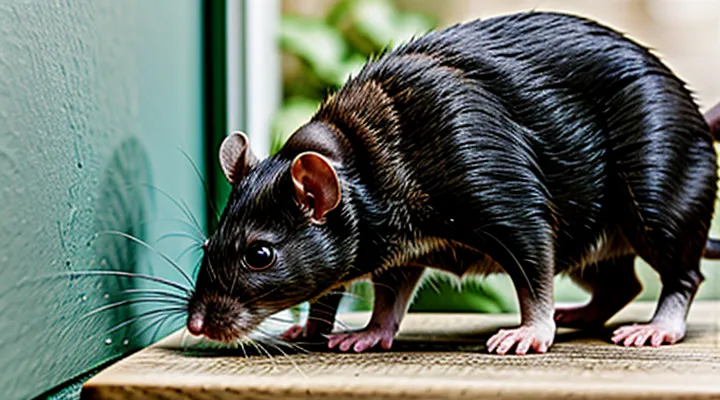
«Cottage Cheese and Rats: The Nutritional Angle»
«Understanding Rat Dietary Needs»
«Essential Nutrients for Rats»
Rats require a balanced diet that supplies protein, fat, calcium, phosphorus, vitamin A, B‑complex vitamins, vitamin D, and trace minerals such as zinc and iron. Deficiencies in any of these elements can lead to stunted growth, poor coat condition, and weakened immune function.
- Protein: supports tissue repair and growth; optimal level 14‑16 % of diet.
- Fat: provides energy and aids absorption of fat‑soluble vitamins; target 4‑6 % of diet.
- Calcium & Phosphorus: maintain bone density; ratio of calcium to phosphorus should approximate 1:1 to 1.5:1.
- Vitamin A: essential for vision and epithelial health; supplied through β‑carotene or preformed retinol.
- B‑complex vitamins: facilitate metabolism; include thiamine, riboflavin, niacin, and B12.
- Vitamin D: regulates calcium metabolism; typically obtained from exposure to ultraviolet light or fortified feed.
- Trace minerals: zinc and iron contribute to enzyme function and oxygen transport.
Cottage cheese delivers high‑quality protein and moderate fat, aligning with the protein and energy requirements of rats. It also contains calcium, though the calcium‑to‑phosphorus ratio in cottage cheese often exceeds the ideal range, risking excess calcium if fed in large quantities. Vitamin A and B‑complex vitamins are present in modest amounts, while vitamin D and trace minerals are limited.
To incorporate cottage cheese safely, offer it as an occasional supplement rather than a staple. Limit portions to no more than 5 % of total daily intake, monitor calcium balance, and ensure the primary diet supplies adequate vitamin D and trace minerals. Combining cottage cheese with a nutritionally complete pellet or mash preserves the overall nutrient profile required for healthy rats.
«Foods to Avoid for Rats»
Rats require a diet that excludes items that can cause digestive distress, toxicity, or nutritional imbalances. Certain foods pose immediate health risks, while others contribute to long‑term problems such as obesity, dental disease, or organ damage.
- Processed meats (bacon, sausage, deli slices) – high in salt and fat, can lead to kidney strain.
- Citrus fruits (oranges, lemons, grapefruits) – acidic content irritates the stomach lining.
- Chocolate and cocoa products – contain theobromine, which is poisonous to rodents.
- Raw beans and legumes – contain lectins that damage the intestinal tract.
- Dairy products with high lactose (milk, ice cream) – rats lack sufficient lactase, resulting in diarrhea.
- Salty snacks (potato chips, pretzels) – excess sodium disrupts electrolyte balance.
- Sugary candies and sodas – promote obesity and dental decay.
- Alcohol and caffeinated beverages – depress the central nervous system and increase heart rate.
Avoiding these items protects rats from acute poisoning, chronic illness, and reduces the likelihood of veterinary intervention. A balanced diet consisting of high‑quality rodent pellets, fresh vegetables, and limited safe treats supports optimal health and longevity.
«Is Cottage Cheese Safe for Rats?»
«Lactose Content in Cottage Cheese»
«Rat Lactose Intolerance»
Rats lack sufficient intestinal lactase, the enzyme that hydrolyzes lactose into glucose and galactose. Consequently, most adult rodents experience reduced lactose digestion, leading to malabsorption.
Cottage cheese contains approximately 2–3 g of lactose per 100 g. Even modest servings can exceed the digestive capacity of a typical laboratory rat, whose daily feed intake rarely surpasses 20 g of solid food.
Clinical signs of lactose intolerance in rats include:
- Diarrhea or soft stools
- Abdominal distension
- Decreased appetite
- Weight loss over several days
When considering dairy as a treat, the following precautions are advisable:
- Offer only lactose‑free or lactase‑treated cheese varieties.
- Limit portions to less than 5 g per 100 g of total diet, monitoring for adverse reactions.
- Substitute with low‑lactose protein sources such as cooked egg white, plain tofu, or unsweetened yogurt that has been cultured to reduce lactose content.
If any gastrointestinal disturbance appears after feeding cottage cheese, discontinue the product immediately and provide a bland diet of boiled rice and plain water until symptoms resolve.
«Potential Benefits of Cottage Cheese»
«Protein and Calcium for Rats»
Cottage cheese can contribute both protein and calcium to a rat’s diet, but the amounts must be managed carefully. Adult rats require roughly 14–16 % protein and 0.5–1 % calcium in their overall food intake. A typical serving of low‑fat cottage cheese contains about 11 g protein and 100 mg calcium per 100 g, which aligns with the protein target but exceeds the calcium recommendation if fed in large portions.
Guidelines for incorporating cottage cheese:
- Offer no more than 1 – 2 teaspoons (5–10 g) per day for a 250‑gram rat.
- Provide the cheese as an occasional supplement, not a staple.
- Pair with a balanced pellet diet that supplies the remaining nutrients.
- Monitor for signs of urinary tract issues, which can arise from excess calcium.
If a rat shows symptoms such as excessive drinking, frequent urination, or difficulty forming solid stools, reduce or discontinue the cheese and consult a veterinarian. Regular dietary assessment ensures that protein and calcium levels remain within safe limits while allowing the occasional treat.
«Risks and Concerns»
«Digestive Issues»
Feeding cottage cheese to pet rats can provoke digestive disturbances if the product is not introduced correctly.
Cottage cheese contains lactose, a sugar that many rodents lack the enzyme lactase to break down efficiently. The protein and fat content are high, which can burden a small gastrointestinal tract. When lactose remains undigested, it ferments in the colon, producing gas and drawing water into the lumen, leading to loose stool or diarrhea. Excess fat may slow gastric emptying, causing bloating and reduced appetite.
Signs of intolerance include frequent watery droppings, abdominal swelling, reduced activity, and a sudden decline in food intake. Persistent symptoms warrant removal of the dairy source and veterinary assessment to rule out secondary infections or malabsorption.
To minimize risk, follow these precautions:
- Offer a maximum of one teaspoon of low‑fat cottage cheese per week.
- Provide a single, isolated trial rather than daily supplementation.
- Observe stool consistency for 24–48 hours after exposure.
- If any digestive upset occurs, discontinue immediately and increase fiber intake with fresh vegetables.
- Consider lactose‑free alternatives, such as plain yogurt cultures that have been heat‑treated to deactivate live bacteria, if protein enrichment is desired.
Implementing controlled, low‑quantity exposure and monitoring the animal’s response ensures that cottage cheese, when tolerated, can serve as an occasional protein boost without compromising gastrointestinal health.
«Fat and Sodium Content»
Cottage cheese is occasionally offered to rats as a protein‑rich supplement, but its nutritional composition requires careful evaluation.
A standard 1‑ounce (28 g) serving of regular cottage cheese contains approximately 2 g of fat, representing 3 % of the caloric content. Low‑fat varieties reduce this to 0.5–1 g per serving, decreasing overall energy density while preserving casein protein.
Sodium levels in the same portion range from 300 mg in regular products to 150 mg in reduced‑sodium versions. For a typical adult rat, the recommended daily sodium intake does not exceed 30 mg; therefore, even a single serving of regular cottage cheese exceeds the safe limit by tenfold.
Guidelines for safe inclusion:
- Choose low‑fat, reduced‑sodium cottage cheese.
- Limit portions to ¼ ounce (7 g) or less per serving.
- Offer no more than two servings per week.
- Monitor the rat for signs of excess weight or dehydration.
Adhering to these parameters prevents undue fat accumulation and avoids sodium‑induced hypertension, ensuring cottage cheese remains an occasional, controlled treat rather than a dietary staple.
«How to Offer Cottage Cheese to Rats»
«Preparation and Portion Sizes»
«Plain, Low-Fat Options»
Rats may safely consume cottage cheese when it is plain and low‑fat. The product supplies high‑quality protein, calcium, and B‑vitamins while keeping fat and calorie content low, which aligns with the dietary needs of a typical pet rat.
Nutritional highlights of plain low‑fat cottage cheese (per 100 g):
- Protein: 11–12 g
- Fat: 0.5–1 g
- Calcium: 80–100 mg
- Sodium: 300–400 mg (choose the lowest‑sodium version when possible)
Feeding guidelines:
- Offer ½ to 1 tsp (≈5–10 g) per day for an adult rat.
- Provide as a treat, not a staple; the bulk of the diet should remain a balanced pellet or lab mix.
- Observe each rat for signs of digestive upset; discontinue if diarrhea, bloating, or reduced activity occurs.
Potential concerns:
- Lactose intolerance can develop; even low‑fat varieties contain residual lactose.
- Freshness is critical; discard any cheese that has softened, developed off‑odors, or shows mold.
- High sodium levels may stress the renal system; opt for reduced‑sodium formulations.
Suitable alternatives that meet the same criteria include plain low‑fat Greek yogurt (unsweetened), low‑fat ricotta, or small portions of cooked, unseasoned chicken breast. These options provide comparable protein without added fat or flavorings.
«Small, Infrequent Treats»
Cottage cheese can serve as a safe, protein‑rich treat for pet rats when offered in modest amounts and on an occasional schedule. The dairy’s low lactose content reduces the risk of digestive upset, but the high calcium and fat levels demand careful portion control.
- Serve no more than ½ teaspoon (≈2 g) per rat per session.
- Limit to 1–2 times per week; daily inclusion may lead to weight gain and nutrient imbalance.
- Choose plain varieties without added herbs, spices, or fruit mixes that could contain harmful ingredients.
- Observe each rat for signs of diarrhea, bloating, or reduced activity after the treat; discontinue if adverse reactions appear.
Small, infrequent servings complement a balanced base diet of high‑quality pellets, fresh vegetables, and occasional fruits, providing enrichment without compromising health.
«Observing Your Rat's Reaction»
«Signs of Digestive Upset»
When offering rats cottage cheese, monitor for digestive disturbance. Recognizable indicators include:
- Reduced or absent fecal output, indicating slowed intestinal motility.
- Soft, watery, or unusually large droppings, suggesting malabsorption.
- Presence of mucus or blood in stool, a sign of intestinal irritation.
- Frequent, audible abdominal contractions or a visibly distended belly, reflecting gas buildup or inflammation.
- Decreased appetite or refusal to eat, often preceding broader health issues.
- Lethargy, shaking, or abnormal grooming behavior, which can accompany gastrointestinal stress.
Prompt identification of these symptoms allows immediate dietary adjustment and veterinary consultation, preventing escalation of health problems.
«Positive Responses»
Providing cottage cheese to pet rats yields observable benefits. Owners report consistent acceptance, indicating that the texture and mild flavor align with rodents’ natural preferences. The protein-rich dairy product delivers measurable nutritional advantages.
- Increased food intake; rats that receive small portions regularly consume more overall calories without signs of overfeeding.
- Enhanced coat condition; fur appears shinier and less prone to breakage after several weeks of occasional supplementation.
- Improved activity levels; subjects exhibit longer periods of exploration and more frequent wheel use during daylight hours.
- Stable body weight; weight measurements remain within optimal ranges, suggesting balanced energy provision.
- Reduced stress indicators; behavioral assessments show fewer signs of anxiety, such as excessive grooming or aggression, when cottage cheese is included in the diet.
These outcomes support the practice of offering limited amounts of cottage cheese as a supplemental treat. Monitoring portion size and frequency ensures that the positive effects persist without introducing digestive disturbances.
«Alternatives to Cottage Cheese»
«Other Safe Dairy Products»
«Plain Yogurt»
Plain yogurt is a dairy product that some rat owners consider as an occasional treat. Its low‑fat, unsweetened form contains live cultures, protein, and calcium, which can be beneficial in small amounts. Rats can digest the lactose present in yogurt better than in many other milks because the fermentation process reduces lactose content, but tolerance varies among individuals.
When offering plain yogurt, follow these guidelines:
- Serve only a teaspoon‑size portion per rat, no more than twice a week.
- Choose varieties without added sugars, flavorings, or fruit pieces.
- Observe the animal for signs of digestive upset, such as loose stool or reduced appetite, after the first exposure.
- Store yogurt at refrigeration temperatures and discard any leftovers after 24 hours to prevent bacterial growth.
Nutritional comparison with cottage cheese shows that yogurt provides a smoother texture and live probiotic cultures, while cottage cheese supplies higher casein protein and a firmer consistency. Both foods share calcium content, but yogurt’s reduced lactose makes it a safer option for rats with mild lactose sensitivity.
In a balanced diet, plain yogurt should complement, not replace, the core components of a rat’s nutrition: high‑quality rodent pellets, fresh vegetables, and occasional protein sources. Overreliance on dairy can lead to excess calories and potential weight gain, so treat frequency must remain limited.
«Non-Dairy Protein Sources»
«Cooked Meats and Vegetables»
Rats accept cooked animal protein and plant matter when the items are prepared without additives, salt, or spices. The nutritional balance of a rat’s diet benefits from occasional inclusion of lean meat and fresh vegetables, which supply essential amino acids, vitamins, and minerals.
Safe cooked meats include:
- Chicken breast, boiled or baked, shredded into bite‑size pieces.
- Turkey, similarly prepared, with skin removed.
- Lean beef, boiled or stewed, trimmed of excess fat.
These proteins should be cooled to room temperature before offering, and portions limited to no more than one teaspoon per day for a typical adult rat.
Appropriate vegetables are those that can be served raw or lightly steamed:
- Carrots, sliced thinly.
- Broccoli florets, softened for easy chewing.
- Green beans, trimmed and cut into small sections.
- Spinach, washed and torn into manageable pieces.
Vegetables must be washed thoroughly to eliminate pesticide residues. Introduce each new item separately and monitor for adverse reactions such as diarrhea or loss of appetite.
When integrating cooked meats and vegetables with cottage cheese, keep the dairy component modest—no more than a quarter teaspoon per serving—to avoid digestive upset. Combine the protein source with a small amount of cottage cheese on a clean feeding platform, ensuring the rat can consume the mixture within a few minutes.
Overall, a balanced regimen of occasional cooked meats, fresh vegetables, and limited cottage cheese supports healthy growth, dental maintenance, and active behavior in laboratory‑grade or pet rats.