
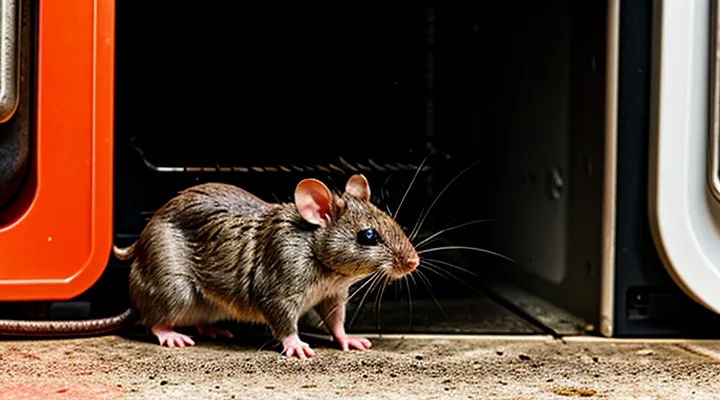
Understanding Rat Dietary Needs
Essential Nutritional Requirements
Rats require a diet that supplies protein, essential fatty acids, vitamins, minerals, and adequate hydration. Protein supplies amino acids for tissue growth; fats provide energy and support cell membranes; vitamins A, D, E, K and the B‑complex facilitate metabolism and immune function; minerals such as calcium, phosphorus, magnesium, potassium, and trace elements maintain bone health and enzymatic activity; water is vital for all physiological processes.
- Protein: 15‑20 % of total calories
- Fat: 5‑10 % of total calories, with a balance of omega‑3 and omega‑6
- Vitamin A, D, E, K, B‑complex: supplied by fortified chow or fresh produce
- Calcium : phosphorus ratio near 1 : 1
- Magnesium, potassium, sodium, zinc, iron, selenium: present in appropriate concentrations
- Clean, fresh water: available at all times
Cooked shrimp delivers high‑quality protein and omega‑3 fatty acids but lacks most vitamins and is low in calcium and potassium. It contains cholesterol and, if seasoned, added sodium, which can exceed a rat’s tolerable limits. The nutrient profile therefore does not meet the comprehensive requirements of a rat’s diet.
Occasional inclusion of plain, fully cooked shrimp can serve as a protein supplement provided the primary diet remains a nutritionally complete rodent chow. Overreliance on shrimp risks deficiencies in vitamins, calcium, and other minerals, and may introduce excess cholesterol.
Guidelines for safe use:
- Offer no more than 5 % of daily caloric intake as shrimp, equating to roughly one small piece (≈2 g) for an adult rat.
- Serve only unseasoned, boiled or steamed shrimp; discard shells to avoid choking hazards.
- Monitor body condition and behavior; adjust portion size if weight gain or digestive upset occurs.
- Complement with a balanced feed that supplies missing nutrients, or consider a vitamin/mineral supplement if shrimp is fed regularly.
Foods to Avoid
Rats may tolerate small amounts of cooked shrimp, but many other foods pose serious health risks and should be excluded from their diet.
- Raw or undercooked seafood – contains parasites and harmful bacteria that can cause gastrointestinal distress.
- Citrus fruits – high acidity leads to enamel erosion and stomach upset.
- Chocolate and caffeine – contain theobromine and caffeine, which are toxic to rodents even in minimal quantities.
- Alcohol and fermented products – depress the central nervous system and can result in respiratory failure.
- Avocado (especially the pit and skin) – contains persin, a compound that can cause heart damage.
- High‑fat processed snacks – promote obesity, liver disease, and cardiovascular problems.
- Onions, garlic, and leeks – contain thiosulfates that damage red blood cells, leading to anemia.
- Artificial sweeteners (e.g., xylitol) – can cause rapid insulin release and hypoglycemia.
- Dairy products – many rats lack lactase, resulting in diarrhea and nutrient malabsorption.
- Sticky or sugary foods – encourage tooth decay and dental malocclusion.
Each listed item presents a clear physiological hazard; eliminating them from a rat’s feeding regimen supports optimal health and reduces the likelihood of acute or chronic conditions.
Shrimp as a Food Source for Rats
Nutritional Profile of Shrimp
Protein Content
Cooked shrimp supplies a high proportion of protein, typically 20–25 g per 100 g of edible portion. The protein is composed mainly of essential amino acids such as lysine, methionine, and tryptophan, which are required for growth, tissue repair, and enzymatic functions in rodents.
When evaluating shrimp as a dietary supplement for rats, consider the following points:
- Protein density: Compared with standard rodent chow (approximately 18–20 % protein), shrimp offers a comparable or slightly higher protein concentration per gram.
- Amino acid profile: The balance of essential amino acids aligns with the nutritional needs of laboratory and pet rats, supporting lean body mass development.
- Digestibility: Heat‑treated shrimp proteins are highly digestible, with reported apparent digestibility values above 90 % in mammals, indicating efficient absorption.
- Potential excess: Excessive protein can stress renal function; a balanced diet should keep total protein intake within the 15–20 % range of total calories.
In practice, a modest serving—no more than 5 g of cooked shrimp per 100 g of total diet—provides supplemental protein without surpassing recommended levels. Adjust portions based on the animal’s size, activity level, and overall diet composition.
Vitamin and Mineral Content
Cooked shrimp provides a concentrated source of several micronutrients that can influence a rat’s nutritional balance. The meat is especially rich in vitamin B12, delivering approximately 1.5 µg per 30 g serving, which meets the daily requirement for an adult rat. It also supplies vitamin B3 (niacin) at about 3 mg and modest amounts of vitamin B6. These B‑vitamins support energy metabolism and nervous‑system function.
Key minerals in shrimp include:
- Selenium: roughly 40 µg per 30 g, contributing to antioxidant defenses.
- Iodine: about 30 µg, essential for thyroid hormone synthesis.
- Phosphorus: near 200 mg, supporting bone mineralization and cellular energy.
- Zinc: approximately 1 mg, involved in immune response.
- Magnesium: around 20 mg, needed for enzymatic reactions.
Additional nutrients such as copper (0.3 mg) and iron (0.5 mg) appear in smaller quantities. The fatty‑acid profile is dominated by omega‑3 EPA and DHA, which can aid inflammatory regulation.
Potential drawbacks arise from the cooked preparation. Sodium content can reach 200 mg per 30 g, which may exceed recommended limits for laboratory rats and increase the risk of hypertension. Cholesterol levels are high, about 150 mg, and excessive intake could affect lipid metabolism. No added sugars or preservatives are typical in plain boiled shrimp, but seasoning or butter would introduce unwanted fats and additives.
When incorporating cooked shrimp into a rat’s diet, balance with a standard rodent chow that supplies adequate fiber, calcium, and vitamin D. Limit shrimp portions to no more than 10 % of total daily caloric intake to avoid mineral excess and maintain overall dietary equilibrium.
Fat Content
Cooked shrimp contains a relatively low amount of fat compared with many other protein sources. A 100‑gram serving of boiled shrimp provides approximately 0.5–1 g of total fat, of which saturated fatty acids account for less than 0.2 g. The fat is primarily unsaturated, including modest levels of omega‑3 fatty acids such as eicosapentaenoic acid (EPA) and docosahexaenoic acid (DHA).
Rats require a diet that supplies about 5–10 % of calories from fat. The fat contributed by a small portion of shrimp (e.g., 5 g) represents roughly 0.05 % of a rat’s daily caloric intake, well within the acceptable range. Excessive fat intake can lead to obesity, hepatic lipidosis, and altered lipid metabolism in rodents; therefore, shrimp should be offered in limited quantities.
Guidelines for feeding cooked shrimp to rats:
- Serve no more than 5 g per 100 g of body weight per week.
- Ensure the shrimp is unseasoned, free of butter, oil, or sauce.
- Combine with a balanced rodent chow that already meets the required fat percentage.
- Monitor the animal’s weight and health indicators after introduction.
When provided sparingly and without added fats, cooked shrimp contributes negligible additional fat while delivering high‑quality protein and beneficial omega‑3 nutrients.
Potential Benefits of Feeding Shrimp to Rats
Feeding cooked shrimp to rats can supply nutrients that are otherwise scarce in standard grain‑based diets. Shrimp is rich in high‑quality protein, providing essential amino acids that support muscle development and tissue repair. The lipid profile includes omega‑3 fatty acids, which contribute to cardiovascular health and may enhance cognitive function. Additionally, shrimp contains astaxanthin, a potent antioxidant that helps mitigate oxidative stress at the cellular level.
Key advantages include:
- Increased protein intake without excessive caloric load.
- Supply of long‑chain polyunsaturated fatty acids beneficial for heart and brain health.
- Presence of trace minerals such as iodine and selenium, supporting thyroid regulation and immune response.
- Antioxidant compounds that protect against free‑radical damage.
When incorporated in moderation, shrimp can complement a balanced rodent diet, improve overall physiological resilience, and diversify the palate, potentially encouraging more consistent feeding behavior.
Potential Risks of Feeding Shrimp to Rats
Allergic Reactions
Feeding rats cooked shrimp introduces the risk of allergic reactions, similar to those observed in other mammals. Shrimp contains tropomyosin, a protein that commonly triggers immune responses. When a rat’s immune system identifies tropomyosin as foreign, it may produce IgE antibodies, leading to the following signs:
- Skin redness or swelling
- Itching or excessive grooming
- Respiratory distress, including wheezing or rapid breathing
- Gastrointestinal upset, such as vomiting or diarrhea
- Anaphylactic shock in severe cases, characterized by sudden collapse and loss of consciousness
Laboratory studies indicate that rodents can develop sensitization after repeated exposure to crustacean proteins. Sensitization may occur after a single feeding if the rat has a pre‑existing predisposition to atopy. Cross‑reactivity with other shellfish proteins increases the likelihood of a reaction after exposure to related foods.
Preventive measures include:
- Introducing shrimp in minimal quantities and observing the animal for immediate adverse effects.
- Conducting a skin prick test or serum IgE assay before regular inclusion in the diet.
- Maintaining a record of any prior allergic incidents involving protein‑rich foods.
- Providing an alternative protein source, such as boiled chicken or eggs, for rats with documented sensitivities.
If an allergic response appears, discontinue shrimp immediately, monitor vital signs, and consult a veterinarian. Antihistamines or corticosteroids may be prescribed to mitigate symptoms, while epinephrine kits are reserved for life‑threatening reactions.
Choking Hazards
Cooked shrimp may appear suitable for rat diets, yet its physical characteristics create significant choking hazards.
Rats have a maximum bite diameter of approximately 5 mm. Shrimp segments larger than this size can become lodged in the oral cavity or pharynx, obstructing airflow. Cutting each piece to a length of 2–3 mm and a width under 4 mm reduces the likelihood of blockage.
The firm, fibrous texture of cooked shrimp resists chewing. Insufficient mastication can force a solid fragment deeper into the airway, especially if the rat swallows whole. Soaking shrimp briefly in warm water softens muscle fibers, promoting easier breakdown.
Shell remnants, including the exoskeleton and tail, contain sharp edges and rigid fragments. Any residual shell can puncture the esophagus or become an impaction point. Complete removal of all shell material before serving eliminates this risk.
Practical measures:
- Trim shrimp to ≤3 mm pieces.
- Soften with a brief warm‑water soak.
- Strip all shell, including tail and vein.
- Observe the rat during the first feeding session.
- Discontinue if the animal shows signs of distress, such as gagging or labored breathing.
Adhering to these protocols minimizes choking incidents while allowing occasional inclusion of shrimp as a protein source.
Contaminants and Toxins
Cooked shrimp may contain substances that threaten rat health. These substances fall into several categories:
- Heavy metals – arsenic, mercury, and cadmium accumulate in marine crustaceans; they persist after cooking and can damage kidneys and nervous tissue.
- Bacterial pathogens – Salmonella and Vibrio species survive at low cooking temperatures; ingestion may cause gastrointestinal infection.
- Biotoxins – Paralytic shellfish toxin and tetrodotoxin can be present in contaminated shrimp; cooking does not neutralize them and they interfere with neuromuscular function.
- Chemical residues – Pesticides, antibiotics, and antifungal agents used in aquaculture remain in tissue; chronic exposure leads to immunosuppression and organ dysfunction.
Cooking reduces viable bacteria but does not remove heavy metals, biotoxins, or chemical residues. Therefore, raw safety does not guarantee suitability for rats.
Safe practice requires:
- Purchasing shrimp from reputable, toxin‑tested sources.
- Removing shells and tails to eliminate chitin that rats cannot digest.
- Cooking to an internal temperature of at least 74 °C (165 °F) for a minimum of 2 minutes.
- Avoiding added salts, spices, or sauces that introduce sodium overload or toxic additives.
- Offering only small, occasional portions to limit cumulative toxin intake.
Adhering to these measures minimizes the risk of contaminant‑related illness when rats are offered cooked shrimp.
Heavy Metals
Rats may consume cooked shrimp, but the presence of heavy metals in marine crustaceans can affect safety. Shrimp accumulate metals such as mercury, cadmium, lead, and arsenic through water and feed. These elements persist after cooking and can be absorbed by rodents, potentially causing neurotoxicity, renal impairment, or reproductive issues.
Key considerations for using shrimp as rodent feed:
- Test shrimp for total mercury and cadmium concentrations before inclusion in diets.
- Compare measured levels with established tolerable intake limits for rats (e.g., <0.5 ppm mercury, <0.1 ppm cadmium).
- Source shrimp from low‑contamination fisheries or certified aquaculture operations.
- Limit shrimp portions to a small percentage of total caloric intake to reduce metal load.
If testing confirms metal concentrations below toxic thresholds, occasional feeding of cooked shrimp is acceptable. Continuous monitoring and adherence to dietary guidelines are essential to avoid cumulative heavy‑metal exposure.
Additives
Rats can consume cooked shrimp only when the product is free of additives that pose health risks. Commercially prepared shrimp often contain preservatives, flavor enhancers, and anti‑microbial agents to extend shelf life and improve taste. These substances are formulated for human consumption and may exceed the metabolic tolerance of rodents.
Additives that should be excluded from rat diets include:
- Sodium chloride above 0.3 % of the shrimp weight – excess salt leads to dehydration and kidney strain.
- Monosodium glutamate (MSG) – can cause hyperexcitability and gastrointestinal upset.
- Sulfites – may trigger respiratory irritation and hemolytic anemia in susceptible individuals.
- Phosphates (e.g., sodium phosphate) – interfere with calcium balance and bone health.
- Artificial sweeteners such as xylitol – toxic to many mammals, including rats.
Safe preparation practices:
- Select raw, unseasoned shrimp and discard any pre‑cooked varieties that list additives on the label.
- Rinse thoroughly under cold water to remove surface residues.
- Boil or steam the shrimp without adding salt, spices, or sauces.
- Cool, pat dry, and cut into bite‑size pieces appropriate for the animal’s size.
- Store in airtight containers for no more than 24 hours to prevent bacterial growth.
When additives are absent, cooked shrimp provides a protein source rich in omega‑3 fatty acids and astaxanthin, both beneficial for rat health. However, shrimp should remain an occasional treat, not a staple, to maintain a balanced diet.
Preparing Shrimp for Rats
Proper Cooking Methods
Cooking shrimp for rodent consumption demands methods that preserve protein while eliminating pathogens. Heat must reach a temperature sufficient to destroy bacteria, parasites, and viral agents without introducing harmful additives.
Safe preparation techniques include:
- Boiling: submerge peeled shrimp in water, bring to a rolling boil, maintain for 3–5 minutes until flesh turns opaque.
- Steaming: place shrimp in a steamer basket over simmering water, cover, and steam for 4–6 minutes.
- Baking: arrange shrimp on a foil‑lined tray, bake at 350 °F (175 °C) for 6–8 minutes, ensuring even heat distribution.
All methods require the following constraints: no salt, spices, oils, butter, or flavor enhancers; shrimp must be fully thawed and rinsed before cooking; cooking vessels should be free of residues that could leach chemicals.
After heating, transfer shrimp to a clean, shallow container. Allow to cool to room temperature, then refrigerate at 40 °F (4 °C) if not fed immediately. Discard any portion that remains warm for more than 30 minutes to prevent bacterial growth.
When serving, cut shrimp into bite‑size pieces appropriate for the animal’s jaw size. Provide only a small portion alongside a balanced diet, monitoring for adverse reactions.
Avoiding Seasonings and Spices
Cooked shrimp can be offered to rats only when it is plain and free of any additives. Seasonings and spices introduce compounds that rodents metabolize poorly and that may cause acute or chronic health problems.
Veterinary recommendations specify that the following substances must be excluded from shrimp intended for rat consumption:
- Salt or soy sauce – excess sodium disrupts electrolyte balance and can lead to dehydration.
- Garlic, onion, leeks – contain thiosulphates that damage red blood cells, causing hemolytic anemia.
- Chili peppers, black pepper, paprika – irritate the gastrointestinal lining and may provoke inflammation.
- Sugar, honey, syrup – promote rapid weight gain and increase risk of dental disease.
- Butter, oil, margarine – add unnecessary fat, raising the likelihood of hepatic lipidosis.
- Commercial sauces (e.g., teriyaki, barbecue) – typically contain a blend of the above ingredients and preservatives.
The safest preparation method involves boiling or steaming shrimp until the flesh is fully opaque, then cooling it to room temperature. No seasoning, oil, or garnish should be applied. Portion size should not exceed 5 % of the rat’s total daily caloric intake, and the shrimp should be offered infrequently, not more than once or twice per week.
Monitoring after feeding is essential. Observe for signs of gastrointestinal upset, such as diarrhea or reduced activity, and discontinue shrimp if any adverse reaction occurs. By eliminating all flavorings and limiting frequency, owners ensure that shrimp serves only as a protein supplement without exposing rats to toxic or harmful ingredients.
Portion Sizes
Feeding rats cooked shrimp requires precise portion control to avoid digestive upset and nutritional imbalance. The amount offered should correspond to the animal’s body mass and overall diet composition.
- Rats up to 150 g: no more than 0.5 g of cooked shrimp per serving.
- Rats 150–250 g: limit to 1 g of cooked shrimp per serving.
- Rats over 250 g: maximum 1.5 g of cooked shrimp per serving.
These quantities represent less than 5 % of total daily caloric intake and ensure that protein from shrimp does not displace essential rodent chow.
Serve shrimp once or twice a week, not daily. Observe the rat for signs of diarrhea, decreased activity, or refusal to eat. If adverse reactions appear, discontinue shrimp and consult a veterinarian. Adjust portions upward only after stable weight gain and consistent health markers.
Frequency of Feeding
Cooked shrimp may serve as an occasional protein boost for pet rats, but its introduction requires strict control of feeding intervals.
Rats tolerate shrimp only in limited amounts; excessive exposure can cause digestive upset, excess fat, or mineral imbalance. Veterinary nutritionists advise the following schedule:
- Offer shrimp no more than once every 7‑10 days.
- Limit each serving to 1‑2 small pieces (approximately 2‑3 g).
- Provide shrimp after a regular meal, not as a replacement for staple rodent chow.
Observe rats for signs of intolerance—vomiting, loose stools, or reduced activity—and discontinue the treat if symptoms appear. Adjust frequency downward if any adverse reaction occurs, and maintain a balanced diet composed primarily of commercial pellets, fresh vegetables, and occasional grains.
Consistent adherence to the outlined interval preserves the nutritional benefit of shrimp while preventing health risks.
Alternative Protein Sources for Rats
Safe Meat Options
Rats require protein from animal sources that are cooked, plain, and free of additives. Cooking eliminates pathogens that can cause gastrointestinal distress, while removing seasoning prevents exposure to sodium, garlic, onion, or other toxic compounds.
Cooked shrimp may be offered occasionally. The shell must be removed, the flesh should be boiled or steamed without oil or seasoning, and portions limited to a few bites per week to avoid excess protein and cholesterol.
Safe meat options include:
- Chicken breast, boiled or baked, skinless, no seasoning
- Turkey meat, plain, fully cooked, no skin
- Lean beef, boiled or grilled, trimmed of fat, no marinades
- Pork tenderloin, cooked thoroughly, no added salt or spices
- Fish such as cod or salmon, steamed or baked, boneless, no seasoning
- Cooked shrimp, shelled, plain, limited frequency
Precautions: avoid raw meat, processed products, cured or smoked items, and any meat containing bones that could splinter. Monitor the rat for signs of intolerance, such as diarrhea or reduced appetite, after introducing new protein sources.
Plant-Based Proteins
Rats that are offered cooked shrimp require an alternative protein source when shrimp is unavailable, unsuitable, or undesirable for health or ethical reasons. Plant-derived proteins provide a viable substitute, delivering comparable nitrogen levels without the risks associated with seafood.
Key characteristics of plant proteins include:
- High protein concentration in legumes (soybeans, lentils, chickpeas) and grains (quinoa, amaranth).
- Presence of essential amino acids lysine, methionine, and tryptophan, though some sources may be lower in methionine.
- Fiber content that supports gastrointestinal motility.
- Low levels of saturated fat and cholesterol.
When incorporated correctly, plant proteins satisfy the rat’s nutritional requirements:
- Balanced amino‑acid profile achieved by combining legumes with grains.
- Adequate supply of B‑vitamins, iron, and zinc, which are critical for growth and immune function.
- Digestibility rates ranging from 70 % to 85 % after cooking or extrusion, comparable to animal protein.
Compared with shrimp, plant proteins differ in several respects:
- Shrimp offers a complete amino‑acid spectrum and high omega‑3 fatty acids but may contain heavy‑metal residues.
- Plant sources lack marine‑derived omega‑3s; supplementation with algae oil or flaxseed can bridge the gap.
- Shrimp’s cholesterol content is absent in plant proteins, reducing the risk of lipid disorders.
Practical guidance for rat diets:
- Combine soy flour (30 % of total protein) with quinoa (20 %) and pea protein (50 %) to achieve a complete amino‑acid profile.
- Cook legumes thoroughly to deactivate antinutrients such as trypsin inhibitors.
- Limit total protein to 20 %–25 % of the diet by weight, aligning with established rodent nutritional standards.
- Monitor body condition and adjust portions based on weight gain or loss.
Plant-based proteins therefore constitute an effective, nutritionally sound alternative to cooked shrimp for laboratory and pet rats, ensuring consistent protein intake while mitigating potential hazards linked to seafood.
Recognizing Signs of Dietary Distress
Symptoms to Look Out For
Feeding rats cooked shrimp introduces protein and chitin, but it also carries a risk of adverse reactions. Monitor the animal closely for signs that indicate intolerance or toxicity.
- Loss of appetite – sudden refusal to eat or a marked decrease in food intake.
- Vomiting or regurgitation – expulsion of stomach contents shortly after a meal.
- Diarrhea – watery, unformed stools, possibly with blood or mucus.
- Lethargy – reduced activity, sluggish movements, or prolonged resting periods.
- Respiratory distress – rapid breathing, wheezing, or audible labored breaths.
- Skin abnormalities – swelling, redness, or hives around the snout, paws, or tail.
- Weight loss – measurable decrease in body mass over a short period.
- Behavioral changes – aggression, irritability, or unusual hiding behavior.
If any of these symptoms appear after introducing cooked shrimp, discontinue the food immediately and consult a veterinarian. Early detection prevents escalation to severe gastrointestinal upset, allergic reactions, or organ damage.
When to Consult a Veterinarian
Feeding rats cooked shrimp can be safe if the portion is small, unseasoned, and fully cooked to eliminate bacterial contamination. After offering shrimp, observe the animal closely for any adverse reaction. Immediate veterinary consultation is warranted if any of the following occur:
- Persistent vomiting or regurgitation
- Diarrhea lasting more than 24 hours
- Noticeable lethargy or loss of coordination
- Swelling around the mouth, eyes, or limbs
- Sudden loss of appetite accompanied by weight loss
- Labored breathing or wheezing
Even without obvious symptoms, a veterinarian should be contacted if the rat exhibits repeated episodes of gastrointestinal upset after shrimp consumption, or if the owner is uncertain about the appropriate serving size. Professional advice helps prevent nutritional imbalances, allergic responses, and potential toxicity from improperly prepared seafood. Regular check‑ups remain essential for maintaining overall health when introducing new foods into a rat’s diet.