
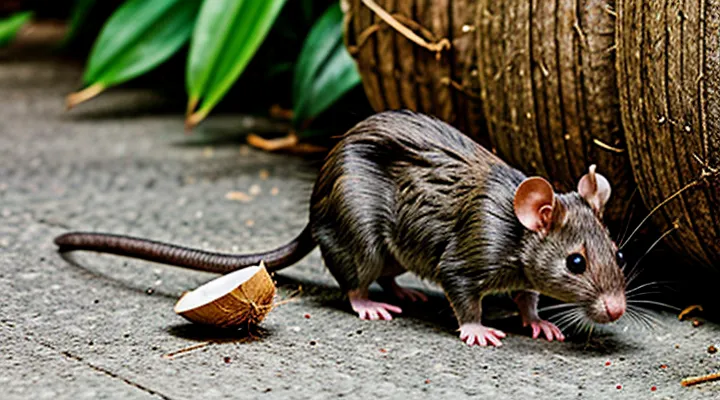
Understanding Rat Dietary Needs
Essential Nutritional Requirements for Rats
Macronutrients
Coconut supplies three primary macronutrients: fats, carbohydrates, and a small amount of protein. Rat diets require a high proportion of protein (approximately 18‑22 % of calories) to support growth and reproduction; coconut’s protein contribution is minimal, typically 3‑4 % of its dry weight. Fat content is substantial, ranging from 30‑35 % of the nut’s mass, primarily as saturated medium‑chain triglycerides. Carbohydrates account for roughly 60 % of the dry matter, mainly as sugars and dietary fiber.
When considering coconut as a supplement for rats, the macronutrient profile demands careful balancing:
- Protein deficit: Additional high‑quality protein sources (e.g., soy, whey, or insect meal) must accompany coconut to meet the species‑specific requirement.
- Fat excess: Excess saturated fat can lead to obesity and hepatic lipidosis; inclusion should not exceed 5‑10 % of the total diet by weight.
- Carbohydrate load: High simple sugar levels may cause dysglycemia; fiber content mitigates this risk but does not replace the need for complex carbohydrates.
A practical formulation might consist of 5 % shredded coconut mixed with a standard rodent chow that supplies the necessary protein and complex carbohydrates, ensuring the overall macronutrient distribution remains within the accepted range for laboratory rats. Regular monitoring of body condition and metabolic markers is essential to confirm that the addition does not disrupt nutritional balance.
Micronutrients
Coconut contains several micronutrients that can affect a rat’s health when included in its diet. The fruit provides vitamin E, a fat‑soluble antioxidant that supports cellular membranes, and small amounts of B‑complex vitamins such as thiamine (B1), riboflavin (B2), and niacin (B3), which participate in energy metabolism. Minerals present include potassium, magnesium, iron, and trace copper, each contributing to enzyme function, nerve transmission, and oxygen transport.
When offering coconut to pet rodents, consider the following points:
- Vitamin E: 0.5 mg per 100 g of fresh coconut; excess may interfere with vitamin K–dependent clotting processes.
- B‑vitamins: collectively under 0.2 mg per 100 g; insufficient levels can lead to reduced appetite and sluggish growth.
- Potassium: approximately 350 mg per 100 g; high intake may aggravate renal strain in animals with compromised kidney function.
- Magnesium: about 30 mg per 100 g; supports muscle contraction and bone formation, but overconsumption can cause gastrointestinal upset.
- Iron: roughly 0.4 mg per 100 g; adequate for hemoglobin synthesis, yet excess iron may promote oxidative stress.
Coconut’s fiber content is largely insoluble, providing limited fermentable substrate for the rat’s gastrointestinal microbiota. Because the micronutrient profile is modest, coconut should complement, not replace, a balanced rodent chow that supplies essential vitamins and minerals in calibrated amounts.
To avoid nutritional imbalance, limit coconut to no more than 5 % of total daily food weight. Monitor the animal for signs of deficiency (e.g., weight loss, lethargy) or toxicity (e.g., diarrhea, abnormal bleeding). Adjust the proportion based on the individual’s age, health status, and overall diet composition.
Foods to Avoid for Rats
Rats require a diet that excludes several common foods because of toxicity, digestive issues, or nutritional imbalance. The following items should never be offered to pet rats:
- Chocolate, candy, and any products containing caffeine or theobromine
- Citrus fruits and their juices, which can cause stomach irritation
- Raw or undercooked beans, particularly kidney beans, due to lectin content
- Processed meats, salty snacks, and foods high in sodium
- Dairy products, especially cheese and milk, which many rats cannot digest
- Avocado flesh and pit, containing persin that is harmful to rodents
- Alcohol and any fermented beverages
- Sugary foods, including sugary cereals and baked goods, which lead to obesity and dental disease
- High‑fat foods such as fried items, nuts in large quantities, and fatty cuts of meat
These exclusions protect rats from acute poisoning, chronic health problems, and nutritional deficiencies. When selecting treats, prioritize fresh vegetables, fruits in moderation, and commercially formulated rat pellets that meet established dietary standards.
Coconut for Rats: Is It Safe?
Nutritional Profile of Coconut
Calories and Fats
Coconut can be included in a rat’s diet as an occasional treat, provided its nutritional profile is understood.
A typical serving of unsweetened coconut meat contains approximately 354 kcal per 100 g. This energy density exceeds that of most standard rodent chow, which averages 300–320 kcal per 100 g. Consequently, a small portion of coconut (10–15 g) contributes 35–53 kcal, representing a noticeable addition to a rat’s daily intake.
The fat content of coconut is high, with about 33 g of fat per 100 g of meat. The majority of this fat is saturated, primarily in the form of medium‑chain triglycerides (MCTs) such as lauric acid. MCTs are metabolized more rapidly than long‑chain fatty acids, but excessive saturated fat can predispose rats to obesity and lipid‑related health issues.
Key nutritional values for raw, unsweetened coconut (per 100 g):
- Energy: 354 kcal
- Total fat: 33 g
- Saturated fat: 30 g
- Medium‑chain triglycerides: 12 g (≈ lauric acid)
- Protein: 3.3 g
- Carbohydrate: 15 g (mostly fiber)
When offering coconut, limit portions to no more than 5 % of the total daily caloric intake and monitor body condition regularly. Replace a portion of the standard diet only after confirming that the rat tolerates the addition without gastrointestinal upset.
Fiber Content
Coconut supplies a notable amount of dietary fiber, which influences gastrointestinal function in rodents. Raw coconut meat contains roughly 9 g of fiber per 100 g, predominantly insoluble cellulose and hemicellulose. Shredded coconut adds about 7 g per 100 g, while coconut flour, a processed product, delivers up to 45 g per 100 g due to the removal of fat and moisture.
- Insoluble fiber: promotes bulk formation, accelerates transit time, and may reduce the risk of constipation in rats.
- Soluble fiber: limited in coconut; the minor fraction (≈2 g per 100 g) can modestly increase water‑binding capacity, potentially softening stools.
- Fermentability: Rats possess limited capacity to ferment coconut fiber; excessive intake may lead to gas accumulation and discomfort.
Safe inclusion levels depend on the overall diet composition. A conservative recommendation limits coconut‑derived fiber to 5 % of total dietary weight, ensuring that the primary nutrient balance—protein, fat, and essential vitamins—remains unaffected. Exceeding this threshold can displace critical nutrients and cause digestive upset, especially in young or compromised individuals.
Vitamins and Minerals
Coconut provides several micronutrients that can affect a rat’s diet. The flesh contains vitamin E, modest amounts of B‑vitamins (thiamine, riboflavin, niacin, pantothenic acid), and trace vitamin K. The meat also supplies minerals such as potassium, magnesium, phosphorus, calcium, iron, zinc, and copper, though concentrations are lower than in typical rodent feeds.
Key considerations for incorporating coconut into a rat’s nutrition plan:
- Vitamin E: antioxidant, supports cell membranes; excess may interfere with vitamin K–dependent clotting.
- B‑vitamins: assist energy metabolism; deficiency unlikely when coconut is a minor supplement.
- Potassium: regulates fluid balance; high intake can stress renal function if combined with other potassium‑rich foods.
- Magnesium and phosphorus: essential for bone health; imbalance may affect calcium absorption.
- Iron and copper: required in trace amounts; over‑supplementation can cause oxidative damage.
Rats metabolize dietary fats efficiently, but coconut’s saturated fat content is high. Feeding coconut should not exceed 5 % of total caloric intake to avoid excessive fat accumulation and potential gastrointestinal upset. Monitoring body weight and stool consistency helps identify adverse reactions early.
When using coconut as an occasional treat, ensure the primary diet remains balanced with commercially formulated rat chow that meets established vitamin and mineral requirements. Supplementary coconut should complement, not replace, the core nutrition plan.
Potential Benefits of Coconut for Rats
Hydration
Coconut products affect rat hydration in several specific ways.
Coconut water supplies a modest amount of electrolytes, primarily potassium and sodium, which can help maintain fluid balance when offered in small, fresh portions. The fluid content is high, but the natural sugars may increase osmotic load, potentially drawing water into the gastrointestinal tract and causing mild diarrhea if the rat consumes excessive quantities.
Coconut meat contains very little water; its fiber and fat content can absorb intestinal fluids, reducing overall hydration. Feeding large pieces of meat may therefore counteract the fluid benefit of the water component.
Safe practice includes:
- Providing only fresh, unsweetened coconut water in a shallow dish, limited to a few milliliters per day.
- Monitoring the rat’s regular water intake; coconut water should supplement, not replace, clean drinking water.
- Avoiding canned coconut products that contain added sugars, preservatives, or high sodium levels.
- Observing the animal for signs of dehydration (dry nose, sunken eyes) or gastrointestinal upset after introduction.
When introduced gradually, coconut water can contribute to a rat’s fluid intake without jeopardizing hydration status, provided that standard water sources remain readily available.
Digestive Health
Coconut can be introduced into a rat’s diet, but its effect on gastrointestinal function depends on composition and quantity. The flesh and oil contain dietary fiber, saturated fat, and medium‑chain triglycerides (MCTs). Fiber adds bulk, promotes peristalsis, and supports a healthy microbial population. MCTs are absorbed directly into the portal circulation, providing an energy source that bypasses complex lipid digestion.
Potential advantages include:
- Increased stool bulk, which may reduce constipation.
- Faster energy availability from MCTs, useful for active or recovering animals.
- Mild antimicrobial properties that could modulate gut flora.
Possible drawbacks arise from the high fat content. Excessive coconut can overwhelm the rat’s limited bile capacity, leading to steatorrhea, soft stools, or abdominal discomfort. Raw coconut may contain residual sugars that ferment, causing gas and bloating. Individual sensitivity varies; allergic reactions, though rare, manifest as itching, swelling, or digestive upset.
Safe incorporation follows these guidelines:
- Offer fresh or dried coconut in small pieces, no larger than 0.5 cm³.
- Limit frequency to two to three times per week.
- Keep total coconut-derived calories below 5 % of the daily energy intake.
- Observe for signs of intolerance: watery feces, reduced appetite, or lethargy.
If adverse symptoms appear, discontinue coconut immediately and revert to a balanced, low‑fat diet. Regular monitoring ensures that coconut contributes positively to digestive health without compromising overall nutrition.
Antioxidant Properties
Coconut contains several antioxidant compounds, primarily phenolic acids, flavonoids, and vitamin E. These molecules neutralize free radicals, reducing oxidative stress in cellular membranes and mitochondria. In rodents, dietary antioxidants have been linked to lower markers of lipid peroxidation and improved enzymatic defense systems such as superoxide dismutase and glutathione peroxidase.
When coconut is introduced into a rat’s diet, the following effects are typically observed:
- Increased plasma levels of total antioxidant capacity within 2 weeks of regular consumption.
- Decreased malondialdehyde concentrations, indicating reduced lipid oxidation.
- Enhanced activity of hepatic antioxidant enzymes, supporting detoxification pathways.
Experimental studies using shredded coconut or coconut oil at 5–10 % of total caloric intake demonstrate dose‑dependent antioxidant benefits without adverse effects on growth or organ histology. Excessive inclusion (>15 % of calories) may lead to fat overload, diminishing the antioxidant advantage and potentially causing hepatic steatosis.
Overall, coconut’s antioxidant profile can contribute to oxidative balance in rats, provided the inclusion rate remains within established nutritional limits.
Potential Risks of Coconut for Rats
High Fat Content Concerns
Coconut contains a substantial proportion of fat, primarily saturated medium‑chain triglycerides. In rodents, excessive dietary fat can overwhelm hepatic lipid metabolism, leading to hepatic steatosis and impaired insulin signaling. Consequently, introducing coconut as a regular treat may increase the risk of obesity and related metabolic disorders.
Key considerations for high‑fat coconut exposure in rats:
- Caloric density – coconut supplies more than 350 kcal per 100 g; even small amounts can elevate daily energy intake.
- Digestive tolerance – rats possess limited capacity to emulsify large fat loads, which may cause diarrhea or steatorrhea.
- Cardiovascular impact – sustained saturated fat consumption can raise serum cholesterol and promote atherosclerotic changes in susceptible strains.
- Nutrient balance – fat‑rich coconut can displace essential proteins, vitamins, and minerals if offered in place of a balanced diet.
When coconut is provided, limit portions to under 5 % of total caloric intake and monitor body weight, liver enzymes, and lipid profiles regularly to detect early signs of metabolic imbalance.
Choking Hazards from Solid Pieces
Rats may enjoy coconut, but solid fragments pose a real choking risk. The animal’s small oral cavity and limited chewing ability can allow a piece to become lodged in the throat, leading to airway obstruction or esophageal injury.
- Offer only finely shredded or grated coconut; avoid whole or large chunks.
- Inspect each portion for hardness; discard any hard, unsoftened pieces.
- Supervise the rat during the initial exposure to ensure it can manipulate the food safely.
- Remove any uneaten solid pieces after a short period to prevent prolonged chewing attempts.
If a rat shows signs of distress—gasping, pawing at the mouth, or loss of balance—treat it as a potential choking emergency and seek veterinary care immediately.
Sugar Content and Dental Health
Coconut meat contains roughly 3–4 g of total sugars per 100 g, mainly glucose and fructose. These simple carbohydrates are readily metabolized by oral bacteria, increasing the production of acidic metabolites that can demineralize enamel. In rats, enamel is thinner than in larger mammals, making it especially vulnerable to acid attack.
- High‑sugar foods accelerate plaque formation.
- Acidic by‑products lower plaque pH below the critical threshold for enamel dissolution.
- Frequent exposure without adequate dental cleaning leads to enamel erosion, increased cavity incidence, and potential tooth loss.
Providing coconut as an occasional treat limits sugar exposure. Pairing small portions with fresh vegetables or chewing materials (e.g., wooden blocks) can help maintain oral pH balance and promote natural tooth wear, reducing the risk of dental disease.
How to Safely Offer Coconut to Rats
Choosing the Right Type of Coconut
Coconut can be included in a rat’s diet, but only certain forms are safe and nutritionally appropriate.
Fresh coconut meat provides fiber and medium‑chain fatty acids. Remove the outer husk, slice the white flesh, and offer small, bite‑size pieces. Limit portions to avoid excessive fat intake, which can lead to digestive upset.
Dried shredded coconut is convenient for storage. Choose unsweetened, unsalted varieties without added preservatives. Rehydrate briefly in warm water before serving to reduce hardness and improve palatability.
Coconut water supplies electrolytes but contains high natural sugars. Offer only a few milliliters occasionally, and monitor blood‑sugar levels in diabetic‑prone individuals.
Coconut oil is highly concentrated fat. Use a few drops mixed into regular feed no more than once a week to prevent obesity and hepatic strain.
Key factors for selecting coconut products:
- No added sugar, salt, or flavorings
- Minimal processing; retain natural nutrients
- Small, manageable portion sizes
- Freshness; discard any moldy or rancid material
By adhering to these guidelines, coconut can be a beneficial occasional supplement for rats without compromising health.
Preparation Methods
Coconut can be included in a rat’s diet as an occasional treat, provided it is prepared safely and without additives. Raw coconut flesh, unsweetened shredded coconut, and a few drops of pure coconut oil are the most suitable forms. All preparations must be free of salt, sugar, flavorings, or preservatives, which can cause digestive upset.
Preparation guidelines
-
Fresh coconut meat:
- Select a mature coconut, crack it with a hammer or heavy knife.
- Drain the liquid; discard it if it contains added flavorings.
- Use a sharp peeler or knife to remove the brown skin, leaving only the white flesh.
- Cut the flesh into ¼‑inch cubes or thin strips.
- Rinse the pieces under cold water, pat dry, and serve a small portion (no more than 2‑3 g per 100 g body weight).
-
Unsweetened shredded coconut:
-
Coconut oil:
- Choose extra‑virgin, cold‑pressed oil with no added antioxidants.
- Warm a few drops to room temperature; do not exceed 0.5 ml per serving.
- Drizzle the oil over fresh fruit or vegetables, or apply directly to a small piece of coconut meat.
- Observe the rat for any signs of diarrhea or weight gain; adjust the amount accordingly.
-
Coconut water:
- Use only freshly extracted, unprocessed coconut water.
- Filter through a fine mesh to remove pulp.
- Offer 1‑2 ml per day in a clean water bottle, alternating with regular water.
- Discard any leftover liquid after 24 hours to avoid bacterial growth.
All coconut products should be introduced gradually, monitoring the animal for adverse reactions. Limit total coconut intake to less than 5 % of the rat’s overall caloric consumption to maintain nutritional balance.
Portion Control and Frequency
When offering coconut to rats, limit each serving to a small, measurable amount. Fresh coconut flesh or unsweetened shredded coconut should not exceed 0.5 g (about one teaspoon) per adult rat. Coconut oil, due to its concentrated fat, should be restricted to a few drops (no more than 0.1 ml) and used only occasionally.
Frequency matters because coconut’s high saturated‑fat content can promote weight gain and liver strain if given too often. A safe schedule is:
- One small portion every 4–7 days.
- No more than two servings per month for juvenile rats.
- Observe the animal for signs of digestive upset before increasing frequency.
Additional considerations:
- Provide coconut as a treat, not a staple; the primary diet must remain a balanced rodent pellet or mash.
- Ensure the coconut is plain, free of added sugars, salts, or flavorings.
- Monitor body condition; reduce or stop coconut if the rat shows excess weight or fatty liver indicators.
By adhering to these portion sizes and intervals, coconut can be incorporated safely without compromising the rat’s nutritional balance.
Monitoring Your Rat's Reaction
Introducing any new food to a pet rodent requires systematic observation. Coconut, whether fresh, dried, or processed, contains fats that can affect digestion and metabolism. Immediate and delayed responses must be recorded to determine suitability.
Begin by offering a small, measured piece—no larger than a pea—on a clean surface separate from the regular diet. Observe the rat for five minutes, noting acceptance, hesitation, or refusal. If the animal consumes the piece, continue monitoring for at least two hours, checking for changes in activity, posture, and excretion.
Typical indicators of adverse reaction include:
- Reduced movement or lethargy
- Rapid breathing or panting
- Diarrhea or loose stools
- Vomiting or spitting out food
- Swelling around the mouth or face
If any of these signs appear, remove coconut from the diet and consult a veterinarian. In the absence of negative symptoms, maintain a log of the amount given, frequency, and observed behavior for future reference. Consistent documentation enables reliable assessment of coconut’s impact on the individual rat’s health.
Alternatives to Coconut for Rat Treats
Healthy Fruit and Vegetable Options
Rats thrive on a diet that includes fresh fruits and vegetables, provided each item meets criteria for low sugar, moderate acidity, and absence of toxic compounds. Selecting produce that supplies vitamins, minerals, and dietary fiber supports dental health, immune function, and digestive regularity.
- Apples (core removed, skin optional): source of vitamin C and fiber.
- Blueberries: high antioxidant content, low sugar.
- Carrots: beta‑carotene, calcium, and crunch that aids tooth wear.
- Bell peppers (any color): rich in vitamin C and A, low in calories.
- Zucchini: soft texture, water content, and potassium.
- Leafy greens such as kale, spinach, and romaine: provide iron, calcium, and folate.
Coconut flesh is safe in limited amounts. The meat contains saturated fat and medium‑chain triglycerides; excessive intake can lead to obesity and liver strain. Offer a small cube (no more than ½ cm³) once or twice a week, ensuring the piece is fresh and free of added sugars or flavorings.
Feed fruit and vegetable portions in moderation—no more than 10 % of total daily intake. Wash produce thoroughly, remove seeds, pits, and stems that could cause choking or contain cyanogenic glycosides. Store leftovers in the refrigerator for up to 24 hours to prevent spoilage.
Commercial Rat Treats
Commercial rat treats are formulated to supplement the diet of laboratory and pet rodents, offering palatable nutrients that standard chow may lack. Inclusion of coconut in these products addresses specific dietary gaps, such as essential fatty acids and dietary fiber, while providing a texture that encourages natural foraging behavior.
Coconut contributes medium‑chain triglycerides, lauric acid, and insoluble fiber. These components support energy metabolism, immune function, and gastrointestinal health when offered in appropriate quantities. Excessive fat can predispose rodents to obesity and hepatic lipid accumulation; therefore, manufacturers limit coconut to a modest proportion of the overall formulation.
Safety assessments focus on microbial contamination, pesticide residues, and the potential for allergic reactions. Certified suppliers employ heat‑treated or desiccated coconut to minimize mold growth. Batch testing for aflatoxins and residual chemicals is required by most veterinary nutrition standards, ensuring that the final product meets established toxicological thresholds.
Regulatory frameworks demand transparent labeling of ingredient sources, nutritional percentages, and any added preservatives. Products that comply with the Association of American Feed Control Officials (AAFCO) or European Pet Food Industry Federation (FEDIAF) guidelines carry certification marks, indicating adherence to quality and safety protocols.
When selecting coconut‑containing rat treats, consider the following criteria:
- Coconut content not exceeding 5 % of total weight.
- Absence of added sugars, artificial flavors, or unnecessary binders.
- Certification from recognized feed safety authorities.
- Evidence of batch testing for microbial and chemical contaminants.
- Positive feedback from peer‑reviewed studies on rodent health outcomes.
Homemade Rat Treat Recipes
Coconut can be incorporated into rat treats when offered in small quantities and prepared without added sugars or salts. Fresh, unsweetened coconut flesh contains medium‑chain triglycerides, fiber, and a modest amount of protein, all of which are safe for adult rats in moderation. Excessive coconut may contribute unnecessary calories and fat, so limit portions to no more than a teaspoon of grated flesh per serving.
When formulating homemade treats, follow these principles: use plain coconut (fresh, frozen, or unsweetened dried), avoid flavored varieties, balance coconut with low‑fat protein sources, and include a bulk ingredient such as rolled oats or whole‑grain bread crumbs. All components should be fresh, free of mold, and prepared in a hygienic environment.
Sample recipes
-
Coconut‑Oat Bites
- 1 cup rolled oats, finely ground
- 2 tbsp unsweetened shredded coconut, finely chopped
- 1 tbsp peanut butter (unsalted, no xylitol)
- 1 tbsp water
- Mix ingredients, form small balls, refrigerate 30 min, bake at 150 °C for 10 min.
-
Coconut‑Apple Chews
-
Coconut‑Banana Muffins
- 1 banana, mashed
- 2 tbsp coconut flour
- 1 tbsp rolled oats, ground
- 1 tbsp plain yogurt (low‑fat)
- Blend, spoon into mini muffin tins, bake at 160 °C for 12 min.
-
Coconut‑Seed Energy Balls
- 1 tbsp sunflower seeds, toasted
- 1 tbsp unsweetened coconut shreds
- 1 tbsp honey (optional, for adult rats only)
- 1 tbsp oat flour
- Press into small spheres, chill until firm.
Store finished treats in an airtight container in the refrigerator for up to five days. Serve one or two pieces per rat, adjusting frequency based on overall diet composition and body condition. Regular monitoring of weight and activity levels ensures that coconut inclusion remains beneficial rather than detrimental.