
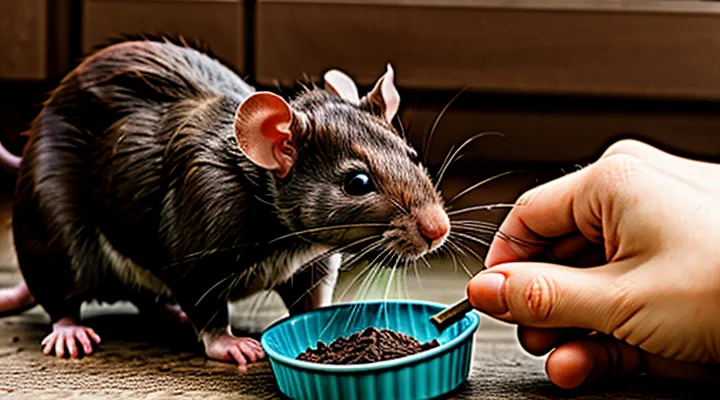
The Allure of Chocolate for Rodents
Why Chocolate Seems Appealing
Common Misconceptions about Rat Diets
Rats are opportunistic eaters, yet many owners rely on inaccurate beliefs when choosing foods.
- Rats thrive on a balanced mix of grains, fresh vegetables, and limited protein; they do not require sugary treats for energy.
- Commercial rat pellets provide complete nutrition; supplementing with human snacks is unnecessary.
- Small amounts of fruit are safe, but high‑sugar items can disrupt gut flora and lead to obesity.
- “All human foods are safe for rats” is false; many contain ingredients toxic to rodents.
Chocolate contains theobromine and caffeine, compounds that rodents metabolize slowly. Even a tiny piece can cause rapid heart rate, tremors, and seizures. Owners who assume that a rat’s small size protects it from toxicity often overlook the cumulative effect of these stimulants. The misconception that rats can tolerate sweet foods encourages the inclusion of chocolate, directly contradicting the dietary principle that only nutritionally appropriate, low‑sugar foods should be offered. Ignoring these facts risks severe health consequences and undermines the rat’s natural dietary balance.
The Perils of Chocolate for Rats
Toxic Components
Theobromine: The Primary Culprit
Theobromine, a methylxanthine alkaloid, comprises 1–2 % of dark chocolate and up to 0.5 % of milk chocolate. Its molecular structure resembles caffeine, allowing it to cross cell membranes rapidly and bind to adenosine receptors, phosphodiesterases, and calcium channels.
Rats metabolize theobromine far slower than humans. Hepatic enzymes convert only a fraction of ingested theobromine per hour, resulting in prolonged plasma concentrations. Toxicity emerges at doses of 100 mg kg⁻¹ or higher; a single 10‑gram piece of milk chocolate can exceed this threshold for an average laboratory rat.
Observed physiological disruptions include:
- tachycardia and arrhythmias,
- hypertension,
- hyperexcitability progressing to seizures,
- vomiting and diarrhea,
- rapid decline in locomotor activity.
These responses stem from sustained sympathetic stimulation, intracellular calcium overload, and impaired neuronal inhibition. The cumulative effect often leads to fatal cardiac arrest within 24 hours.
Consequently, any inclusion of chocolate in rodent diets poses a direct health risk. Safe feeding protocols exclude cocoa‑derived products and replace them with nutritionally balanced, theobromine‑free alternatives.
Caffeine: Another Dangerous Stimulant
Caffeine, like theobromine in chocolate, is a potent central‑nervous‑system stimulant that poses significant risks to laboratory rodents. Rats metabolize caffeine more slowly than humans, resulting in prolonged exposure to its pharmacological action.
Acute ingestion of caffeine triggers:
- Elevated heart rate and blood pressure
- Hyperactivity followed by tremors
- Diarrhea and dehydration
- Seizures at high concentrations
The median lethal dose (LD₅₀) for rats ranges from 190 mg kg⁻¹ to 200 mg kg⁻¹, a level easily reached when caffeine is administered in food or water without precise dosing. Sub‑lethal exposure can impair learning, memory, and stress hormone regulation, confounding experimental outcomes.
Because caffeine and chocolate share similar toxic mechanisms—both block adenosine receptors and increase catecholamine release—research protocols that involve chocolate must also control for accidental caffeine contamination. Preventing caffeine exposure safeguards animal welfare and preserves data integrity.
Mechanisms of Toxicity
Metabolic Differences in Rats
Rats metabolize theobromine, the primary toxic component of chocolate, at a rate markedly slower than that of many other mammals. Hepatic cytochrome P450 isoforms responsible for demethylation of theobromine display reduced activity in rats, resulting in prolonged plasma concentrations after ingestion.
Key metabolic characteristics include:
- Reduced clearance: Theobromine half‑life in rats ranges from 10 to 14 hours, compared with 2 to 3 hours in species such as dogs.
- Limited conjugation: Glucuronidation pathways for theobromine are less expressed, decreasing the formation of readily excreted metabolites.
- Higher sensitivity of cardiac tissue: Rat myocardium exhibits heightened responsiveness to theobromine‑induced calcium influx, predisposing to arrhythmias at lower concentrations.
Experimental data indicate a median lethal dose (LD₅₀) for theobromine in rats of approximately 200 mg kg⁻¹. Commercial milk chocolate contains roughly 1.5 mg g⁻¹ of theobromine; a 30‑g portion delivers 45 mg, representing a substantial fraction of the LD₅₀ for a 250‑g rat. Dark chocolate can contain up to 5 mg g⁻¹, raising the risk proportionally.
Consequences of feeding rats chocolate include:
- Rapid onset of tachycardia and hypertension.
- Gastrointestinal distress due to stimulation of gastric secretions.
- Potential for fatal cardiac arrest at doses exceeding the metabolic capacity for detoxification.
Given the identified metabolic constraints, chocolate constitutes a hazardous dietary element for rats and should be excluded from their nutrition.
Accumulation and Overdose
Chocolate contains theobromine and caffeine, compounds that rats metabolize far more slowly than humans. When a rat consumes chocolate, these alkaloids enter the bloodstream and are eliminated by the kidneys at a reduced rate. Repeated exposure or a single large dose causes the substances to accumulate, raising plasma concentrations to toxic levels.
The toxic threshold for theobromine in rats is approximately 200 mg kg⁻¹ body weight. Exceeding this limit produces:
Cumulative intake can occur even with modest portions if feeding occurs daily, because the elimination half‑life exceeds 12 hours. Consequently, the effective dose builds with each feeding, eventually surpassing the lethal dose without an obvious single‑time overdose.
Overdose manifests within minutes to hours after the peak concentration is reached. Clinical signs include hyperactivity followed by collapse, respiratory distress, and loss of coordination. Laboratory analysis shows markedly increased serum theobromine and caffeine, alongside renal impairment due to reduced clearance.
Preventing toxicity requires strict control of chocolate quantity and frequency. A single dose below 50 mg kg⁻¹, administered no more than once per week, keeps plasma levels below the toxic range. Any deviation—larger portions, more frequent feeding, or use of dark chocolate with higher theobromine content—rapidly escalates the risk of lethal accumulation.
Symptoms of Chocolate Poisoning
Early Warning Signs
Rats that have ingested chocolate may exhibit subtle physiological changes before severe toxicity develops. Early detection relies on recognizing specific behavioral and physical cues.
- Reduced activity, lethargy, or reluctance to explore.
- Tremors or involuntary muscle twitching, particularly around the jaw and whiskers.
- Rapid, shallow breathing or irregular respiratory rhythm.
- Excessive salivation or drooling, sometimes accompanied by foaming at the mouth.
- Diarrhea or loose stools, often with a noticeable odor.
- Unusual vocalizations, such as high‑pitched squeaks or prolonged squealing.
Accompanying these signs, a slight increase in body temperature may be measurable with a rectal probe. Blood glucose levels can drop rapidly, leading to hypoglycemia that manifests as weakness or fainting. If any combination of these indicators appears after a rat has access to chocolate, immediate veterinary intervention is required to prevent cardiac arrhythmias, seizures, or death. Prompt treatment with activated charcoal, intravenous fluids, and supportive care significantly improves survival odds.
Severe Reactions
Chocolate contains theobromine and caffeine, compounds that rats metabolize far more slowly than humans. When a rat ingests even modest amounts, blood concentrations can quickly reach toxic levels, triggering severe physiological responses.
Acute toxicity may manifest as:
- Cardiac arrhythmias and tachycardia, leading to sudden cardiac arrest.
- Central nervous system hyperactivity, resulting in seizures or tremors.
- Hyperthermia, caused by increased metabolic rate and muscular activity.
- Gastrointestinal irritation, producing vomiting, diarrhea, and abdominal pain.
- Renal failure, due to reduced blood flow and direct nephrotoxic effects.
These reactions can progress within minutes to several hours after exposure. Lethal outcomes have been documented at theobromine doses as low as 100 mg kg⁻¹ in laboratory rats. Prompt veterinary intervention—emesis induction, activated charcoal administration, and supportive care—can mitigate damage, but delayed treatment often leads to irreversible organ failure and death.
Long-Term Health Consequences
Chocolate contains theobromine and caffeine, compounds that rodents metabolize far slower than humans. Repeated ingestion exposes rats to persistent low‑level toxicity, producing measurable health changes over weeks to months.
- Persistent weight gain and elevated serum glucose indicate developing obesity and insulin resistance.
- Elevated systolic pressure, cardiac hypertrophy, and occasional arrhythmias demonstrate chronic cardiovascular strain.
- Hepatic enzyme elevation, fat accumulation in liver cells, and progressive fibrosis reveal ongoing liver damage.
- Continuous tremor, heightened startle response, and occasional seizure activity reflect cumulative neurotoxic effects.
- Declines in sperm count, reduced estrous cycling, and increased embryonic resorption illustrate compromised reproductive function.
- Shifts in gut microbial composition, reduced bacterial diversity, and increased opportunistic species indicate microbiome disruption.
Long‑term exposure shortens lifespan, as experimental cohorts receiving regular chocolate show higher mortality rates than control groups. The documented physiological impairments underscore the incompatibility of chocolate with rat health and highlight the necessity of restricting such foods in laboratory and pet care settings.
Safe Treats and Healthy Alternatives
Suitable Foods for Rats
Fruits and Vegetables
Chocolate contains theobromine, a compound that rats metabolize poorly, leading to rapid toxicity. When considering alternative foods, fruits and vegetables offer safe, nutrient‑dense options that avoid the risks associated with chocolate.
Fresh produce provides vitamins, minerals, and fiber essential for rodent health. Low‑sugar fruits such as apples, blueberries, and strawberries supply antioxidants without excessive caloric load. Leafy greens—including kale, spinach, and romaine lettuce—deliver calcium, potassium, and vitamin K, supporting bone and cardiovascular function. Root vegetables like carrots and sweet potatoes add beta‑carotene and complex carbohydrates, contributing to energy balance.
Safe fruit and vegetable selections for rats:
- Apple slices (core and seeds removed)
- Blueberries, raspberries, or blackberries, fresh or frozen
- Small pieces of banana, limited to avoid high sugar
- Carrot sticks, raw or lightly steamed
- Spinach or kale leaves, chopped
- Broccoli florets, raw or steamed briefly
Avoid citrus fruits, grapes, and avocado, which can cause gastrointestinal upset or contain toxic substances. Introduce new items gradually, monitoring for adverse reactions. Incorporating a varied diet of appropriate fruits and vegetables reduces reliance on harmful treats and supports overall rat well‑being.
Grains and Proteins
Rats require a balanced diet that supplies sufficient carbohydrates and amino acids for growth, reproduction, and immune function. Grain sources such as wheat, oats, and barley deliver digestible starches, fiber, and essential B‑vitamins, while protein‑rich foods like soy, lentils, and boiled egg provide the amino acids necessary for tissue repair and enzyme production. Both nutrient groups support the metabolic pathways that detoxify harmful substances, including theobromine, the toxic compound found in chocolate.
When chocolate is offered, theobromine overwhelms the rat’s limited hepatic capacity, leading to cardiovascular stress and neurological disturbances. A diet emphasizing high‑quality grains and proteins reduces reliance on sugary treats and helps maintain hepatic enzyme activity, thereby mitigating the severity of toxic exposure.
Practical feeding guidelines:
- Provide a base of whole‑grain pellets or a mixture of cooked oats and barley, ensuring at least 15 % of total calories from carbohydrates.
- Supplement with 10–15 % protein from soybeans, cooked lentils, or scrambled egg, adjusting for age and reproductive status.
- Avoid processed snacks, sugary foods, and any chocolate‑containing products.
- Monitor body condition and adjust grain‑protein ratios to prevent obesity or deficiency.
Consistent inclusion of appropriate grains and proteins sustains metabolic health, enhances the rat’s ability to process toxins, and eliminates the need for chocolate as a reward or supplement.
General Dietary Guidelines
Moderation and Variety
Rats should receive a diet that balances limited treats with a broad range of nutritionally complete foods. Chocolate, even in small amounts, contains theobromine and caffeine, compounds that rats metabolize slowly, leading to elevated heart rate, seizures, and possible death. Consequently, chocolate must be excluded from any rat feeding regimen.
Moderation applies to all supplemental items. A single piece of fruit or a handful of seeds can enhance enrichment without disrupting the core diet. Variety prevents nutritional gaps and reduces the risk of obesity; rotating vegetables, grains, and protein sources supplies essential vitamins and minerals.
- Fresh leafy greens (e.g., kale, romaine) – daily, small portions.
- Cooked lean protein (e.g., chicken, boiled egg) – 1–2 teaspoons per week.
- Whole grains (e.g., oats, barley) – 1–2 teaspoons, three times weekly.
- Safe fruits (e.g., apple slices, berries) – occasional, no more than a few bites per week.
Each addition should be introduced gradually, monitored for digestive tolerance, and kept within the limits outlined above. By adhering to these principles, caretakers ensure a healthy, stimulating diet while eliminating the hazards associated with chocolate consumption.
Foods to Strictly Avoid (Beyond Chocolate)
Rats metabolize many substances differently from humans, making several common foods toxic. Even small amounts can cause rapid organ failure, severe gastrointestinal distress, or neurological damage.
- Caffeine‑containing products – coffee, tea, energy drinks, and soda stimulate the rat’s cardiovascular system, leading to arrhythmias and possible death.
- Alcohol – ethanol depresses the central nervous system, resulting in hypothermia, respiratory failure, and coma at low doses.
- Onions, garlic, and other allium vegetables – compounds convert hemoglobin to methemoglobin, reducing oxygen transport and causing anemia.
- Raw or undercooked beans (especially kidney beans) – contain phytohaemagglutinin, a lectin that induces vomiting, diarrhea, and intestinal hemorrhage.
- Avocado flesh and pit – persin and persin‑related toxins damage heart muscle and can trigger fatal cardiac events.
- Xylitol‑sweetened foods – artificial sweetener triggers rapid insulin release, leading to hypoglycemia and liver failure.
- High‑fat processed meats – excessive saturated fat overloads the rat’s liver, causing steatosis and pancreatitis.
- Salty snacks and cured meats – high sodium levels precipitate hypertension, renal insufficiency, and electrolyte imbalance.
These items should never be offered to pet or laboratory rats. Substituting safe alternatives—fresh vegetables, whole grains, and species‑appropriate protein sources—maintains health without exposing rodents to preventable hazards.
What to Do if Your Rat Consumes Chocolate
Immediate Actions
Assessing the Amount Ingested
Chocolate contains theobromine, a compound toxic to rodents at relatively low doses. Determining whether a rat has consumed a harmful quantity requires precise measurement of the ingested mass and comparison with established toxicity thresholds.
The toxic dose of theobromine for rats is approximately 100 mg per kilogram of body weight. To assess risk, follow these steps:
- Weigh the rat to obtain its current body mass (kg).
- Identify the chocolate type (dark, milk, white) and locate the manufacturer’s label or laboratory analysis indicating theobromine concentration (mg g⁻¹).
- Measure the exact amount of chocolate the rat ate, using a calibrated scale (g).
- Calculate theobromine intake: multiply chocolate mass by concentration, then divide by the rat’s weight.
- Compare the resulting value with the 100 mg kg⁻¹ threshold. Intake exceeding this level signals imminent toxicity; intake below it may still cause sub‑clinical effects and warrants monitoring.
Additional variables influencing toxicity include the rat’s age, health status, and metabolic rate. Repeated small exposures can accumulate, raising the effective dose over time. Laboratory confirmation of theobromine levels in the specific chocolate batch improves accuracy, especially for artisanal or homemade products where labeling may be absent.
When the calculated intake approaches or surpasses the toxic threshold, immediate veterinary intervention is required. Even marginally lower doses justify observation for signs such as hyperactivity, tremors, or cardiac irregularities, because individual sensitivity varies. Accurate assessment of ingested quantity remains the cornerstone of safe handling of chocolate around rats.
Contacting a Veterinarian
If a rat has eaten chocolate, immediate professional advice is crucial. Chocolate contains theobromine, a toxin that rats metabolize poorly; even small amounts can cause rapid heart rate, tremors, or seizures. Delay in treatment increases the risk of severe complications or death.
When calling a veterinarian, provide the following details:
- Species and approximate age of the rat
- Exact type of chocolate (dark, milk, white) and estimated quantity consumed
- Time elapsed since ingestion
- Any observed symptoms (e.g., hyperactivity, vomiting, tremors)
The veterinarian will assess the severity based on this information and may recommend:
- Inducing vomiting under supervision
- Administering activated charcoal to limit toxin absorption
- Intravenous fluids and medication to support cardiac function
Follow the professional’s instructions precisely. Keep the rat in a calm, quiet environment until care is received, and monitor for changes in behavior or condition. If symptoms worsen, seek emergency veterinary care without hesitation.
Veterinary Interventions
Inducing Vomiting
Chocolate contains theobromine, a compound that rats metabolize slowly. Even small amounts can cause tremors, rapid heart rate, and seizures. When a rat is observed eating chocolate, prompt intervention reduces systemic absorption.
Inducing vomiting removes the toxin from the stomach before it reaches the bloodstream. This procedure is appropriate only if the rat is alert, breathing normally, and the ingestion occurred within the past 30 minutes. Delayed attempts are ineffective and increase the risk of aspiration.
Standard procedure for emesis in rats
- Prepare a 3 % hydrogen peroxide solution.
- Administer 0.5 ml per 100 g body weight using a sterile oral syringe.
- Hold the rat upright, gently tilt the head back, and dispense the solution slowly.
- Observe for retching; allow the rat to expel contents naturally.
- After vomiting, provide fresh water and monitor for signs of distress.
Risks include aspiration pneumonia, esophageal irritation, and stress‑induced shock. If the rat shows signs of weakness, loss of consciousness, or respiratory difficulty, do not attempt emesis; immediate veterinary care is required.
When vomiting is contraindicated, administer activated charcoal at 1 g per kilogram body weight to bind residual theobromine, and arrange urgent professional treatment.
Supportive Care
Chocolate contains theobromine and caffeine, compounds that rats metabolize slowly. Even small amounts can cause rapid heart rate, tremors, seizures, and death. When a rat is suspected of ingesting chocolate, immediate supportive care is essential to mitigate toxicity.
Effective supportive care includes:
- Continuous observation of heart rhythm and respiratory rate.
- Intravenous or subcutaneous fluids to maintain hydration and promote renal excretion of toxins.
- Administration of anti‑emetic medication to prevent vomiting and aspiration.
- Use of activated charcoal, given promptly, to bind residual theobromine in the gastrointestinal tract.
- Monitoring blood glucose and correcting hypoglycemia if it occurs.
- Seizure control with appropriate anticonvulsants when neurologic signs appear.
Veterinary intervention should follow these steps without delay. Early fluid therapy and toxin adsorption significantly improve survival odds. Post‑recovery, provide a toxin‑free diet and monitor for delayed organ damage.