
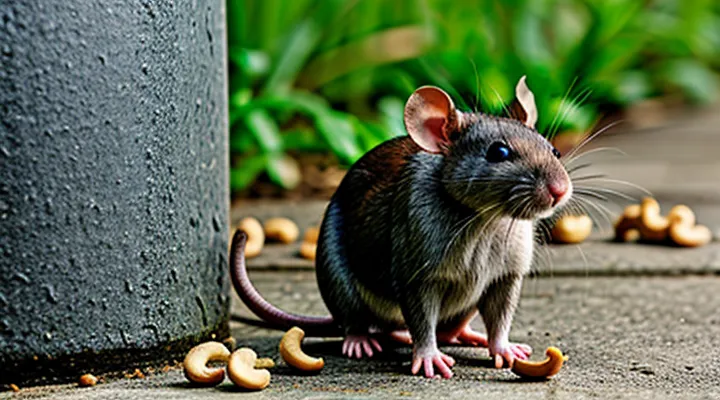
Nutritional Profile of Cashews
Macronutrients
Cashews contain three primary macronutrients: protein, fat, and carbohydrate. Their approximate composition per 100 g is:
- Protein: 18 g
- Fat: 44 g (predominantly monounsaturated and polyunsaturated fatty acids)
- Carbohydrate: 30 g (including 3 g of dietary fiber)
Rats require a diet balanced in these macronutrients to support growth, reproduction, and metabolic health. Standard laboratory rodent chow provides roughly 20 % protein, 5 % fat, and 55 % carbohydrate on a dry‑matter basis. Compared with this formulation, cashews deliver a markedly higher fat proportion and a lower carbohydrate share.
When evaluating cashews as a supplemental ingredient for rats, consider the following factors:
- Energy density: 553 kcal per 100 g exceeds typical rodent diet levels, risking excess caloric intake if not portion‑controlled.
- Fat quality: High levels of unsaturated fats are beneficial in moderate amounts but may cause gastrointestinal upset when introduced abruptly.
- Protein contribution: 18 % protein aligns with rodent requirements, yet the amino‑acid profile differs from soy‑based protein sources commonly used in chow.
- Fiber content: 3 % dietary fiber supports gut motility but is insufficient to replace the fiber supplied by standard feed.
- Antinutrients: Raw cashews contain phytic acid, which can impair mineral absorption if consumed in large quantities.
To incorporate cashews safely, limit inclusion to no more than 5 % of total diet weight, ensure gradual introduction, and monitor body weight, coat condition, and fecal consistency. Laboratory analyses confirm that a 5 % inclusion maintains macronutrient ratios within acceptable ranges for rats, provided the base diet remains nutritionally complete.
Micronutrients
Cashews contain a distinct micronutrient profile that influences the nutritional balance of laboratory and pet rats. The nuts are rich in vitamin E, several B‑vitamins, copper, magnesium, phosphorus, zinc, and trace amounts of iron and selenium. These nutrients support antioxidant defenses, enzymatic reactions, and bone development, but their concentrations differ markedly from the levels required by rodents.
- Vitamin E (α‑tocopherol): high antioxidant activity, protects cell membranes.
- Thiamine (B1), riboflavin (B2), niacin (B3), pyridoxine (B6): co‑enzymes in carbohydrate and protein metabolism.
- Vitamin B9 (folate): essential for DNA synthesis and red blood cell formation.
- Copper: co‑factor for cytochrome c oxidase and superoxide dismutase.
- Magnesium: stabilizes ATP, participates in neuromuscular transmission.
- Phosphorus: component of bone mineral and nucleic acids.
- Zinc: regulates immune function and protein synthesis.
Rats require daily micronutrient intakes that are lower in absolute amount but higher on a per‑kilogram basis than human recommendations. For example, adult rats need approximately 15 µg of vitamin E per 100 g body weight, whereas a typical serving of cashews (5 g) supplies about 0.5 µg, representing a minor contribution. Conversely, copper levels in cashews approach 0.9 mg per 100 g, which can exceed the rat’s safe upper limit if the nuts are fed regularly in large quantities.
Excessive cashew consumption may lead to hypervitaminosis E, copper toxicity, and an imbalance of calcium‑to‑phosphorus ratios, potentially impairing bone health. The high fat content also increases caloric density, risking obesity and related metabolic disorders, which can mask micronutrient deficiencies.
When offering cashews, limit portions to 1–2 g per 100 g of body weight per week, integrate the nuts into a diet already balanced for vitamins and minerals, and monitor weight and clinical signs of deficiency or excess. Supplementary micronutrient mixes should be adjusted only if analytical testing confirms shortfalls attributable to cashew inclusion.
Potential Risks of Feeding Cashews to Rats
High Fat Content
Cashews contain approximately 44 % fat by weight, making them one of the most lipid‑dense nuts. The majority of this fat is unsaturated (oleic and linoleic acids), which contributes to a high caloric value of about 560 kcal per 100 g. While unsaturated fats support cell membrane integrity, the overall energy density can quickly exceed a rat’s daily requirement.
- A typical adult laboratory rat consumes 15–20 g of food per day; a single 5 g piece of cashew provides roughly 30 % of that caloric intake.
- Excessive fat intake may lead to rapid weight gain, hepatic steatosis, and increased risk of pancreatitis in rodents.
- High‑fat diets can alter gut microbiota, potentially causing diarrhoea or reduced nutrient absorption.
- Rodents lack the enzymatic capacity to efficiently process large quantities of plant‑derived oils, which may result in fatty liver lesions over time.
If cashews are offered, limit the portion to no more than 1 g per day and balance the diet with low‑fat protein sources, fiber‑rich vegetables, and a controlled carbohydrate supply. Regular monitoring of body weight and stool consistency is essential to detect adverse effects early.
Salted or Roasted Cashews
Rats can ingest cashews, but the preparation method determines safety and nutritional value. Salted or roasted varieties introduce ingredients that may exceed the dietary limits of a typical pet rat.
- Salt content in seasoned cashews can cause electrolyte imbalance, leading to dehydration or kidney strain. Even low‑sodium products often contain more salt than a rat’s daily requirement.
- Roasting commonly involves oil or butter. Added fats increase caloric density and may contribute to obesity or gastrointestinal upset, especially if the rat is not accustomed to high‑fat foods.
- Heat treatment can reduce natural antinutrients such as phytic acid, improving mineral absorption. However, excessive roasting temperatures may degrade vitamins, notably vitamin E and B‑complex nutrients.
If cashews are offered, select unsalted, dry‑roasted nuts without added oil. Limit portions to no more than one or two whole kernels per week, treating them as occasional enrichment rather than a staple. Monitor the animal for signs of digestive disturbance, excessive thirst, or changes in behavior after consumption.
Choking Hazard
Cashews are dense, irregularly shaped nuts that can exceed the diameter of a rat’s pharynx. When presented whole, they may become lodged in the upper airway or esophagus, leading to rapid respiratory compromise.
Rats have powerful incisors for gnawing, yet their oral cavity is limited in volume. A single whole cashew can occupy more space than the rat can safely swallow, increasing the probability of blockage. Obstruction symptoms appear within minutes and may include labored breathing, coughing, and inability to ingest water.
To minimize choking risk, follow these practices:
- Cut cashews into pieces no larger than 2 mm across.
- Offer only a few fragments per feeding session.
- Observe the animal for at least five minutes after ingestion.
- Remove any uneaten pieces promptly.
- Avoid giving whole nuts or large chunks under any circumstances.
Implementing these measures reduces the likelihood of airway obstruction while allowing rats to benefit from the nutritional content of cashews.
Safe Feeding Guidelines for Rats
Raw and Unsalted Cashews
Raw, unsalted cashews contain approximately 18 % protein, 44 % fat (predominantly monounsaturated oleic acid), 30 % carbohydrates, and a modest amount of fiber. They also supply vitamin E, magnesium, copper, and phosphorus. The absence of added salt eliminates the risk of sodium overload, which can be harmful to small mammals.
Rats can metabolize the fats and proteins in cashews, but several factors limit safe inclusion:
- Caloric density: One gram of cashew provides about 5.5 kcal; excessive intake leads to rapid weight gain.
- Aflatoxin risk: Raw nuts may harbor fungal toxins; sourcing from reputable suppliers and storing in a cool, dry environment reduces exposure.
- Digestive tolerance: High fat content can cause loose stools or gastrointestinal upset if introduced abruptly.
- Allergenic potential: Individual rats may develop hypersensitivity; monitor for swelling, itching, or respiratory distress after first exposure.
A conservative feeding protocol recommends offering no more than 0.5 % of a rat’s body weight per week, divided into several small portions. For a 250‑gram rat, this translates to roughly 1.25 grams of cashew per week, or about a single half‑almond per day. Introduce the nut gradually, observe behavior and fecal consistency, and discontinue if adverse signs appear.
Proper handling includes washing the nuts to remove surface contaminants, drying them thoroughly, and keeping them in an airtight container at temperatures below 20 °C. These measures preserve nutritional quality and minimize microbial growth, ensuring the occasional treat remains safe for the animal.
Moderation is Key
Feeding rats cashews can be safe, provided the portion is limited and the nut is properly prepared. Cashews contain fat, protein, and minerals such as magnesium and zinc, but their high fat content can lead to obesity and digestive upset if over‑consumed. Raw cashews may also carry aflatoxins; roasting at low temperature reduces this risk.
- Offer no more than one‑half of a whole cashew (approximately 2–3 g) per rat, once or twice a week.
- Remove the shell and any salt or seasoning before serving.
- Observe the animal for signs of diarrhea, lethargy, or weight gain after introduction.
- Replace excess cashew treats with low‑fat vegetables or commercial rodent pellets to maintain balanced nutrition.
Moderation prevents caloric overload while allowing rats to enjoy the occasional nutty flavor. Consistent monitoring ensures the diet remains nutritionally appropriate and health‑preserving.
Preparation Methods
Cashews may be included in a rat’s diet when they are processed to eliminate hazards and presented in a size appropriate for small mammals.
- Use raw, unshelled cashews; discard the hard outer shell completely.
- Roast without oil, butter, or seasoning; allow the nuts to cool before serving.
- Boil for 2–3 minutes, then dry thoroughly; this reduces potential aflatoxin exposure.
- Grind or chop into pieces no larger than 2 mm to prevent choking.
Preparation must avoid added salt, sugar, or flavor enhancers, as these can cause electrolyte imbalance or digestive upset. Store processed nuts in an airtight container at low temperature to preserve freshness and inhibit mold growth. Offer only a small portion—approximately 1 % of the animal’s body weight per week—to maintain nutritional balance and prevent excess fat intake.
Alternatives to Cashews for Rats
Other Nuts and Seeds
Rats can tolerate a variety of nuts and seeds when offered in moderation, but each type presents distinct nutritional benefits and hazards.
Almonds, walnuts, pistachios, sunflower seeds, and pumpkin seeds are commonly considered. Their high fat content supplies energy, while vitamin E, magnesium, and zinc support immune function and coat health. However, excessive fat may cause obesity and hepatic lipidosis; unsalted varieties reduce sodium overload.
Potential risks include:
- Aflatoxin contamination – molds on stored nuts produce toxins that damage liver tissue; store in airtight containers, discard any with visible mold.
- Phytic acid – present in many seeds, binds minerals and impairs absorption; limit daily intake to 5 % of total diet weight.
- Allergenic proteins – can trigger respiratory or dermal reactions in sensitive individuals; observe rats for sneezing, itching, or lethargy after introduction.
Safe feeding guidelines:
- Offer raw, unsalted, unroasted nuts; avoid flavored or coated products.
- Provide no more than 1 % of body weight per week, divided into small portions.
- Introduce a single nut type for three days, monitor behavior and fecal consistency before adding another.
- Grind or chop larger nuts to prevent choking and facilitate digestion.
In summary, nuts and seeds enrich a rat’s diet when managed carefully, with attention to portion size, storage conditions, and individual tolerance.
Fruits and Vegetables
Rats can safely consume a variety of fruits and vegetables, provided the items are fresh, washed, and offered in moderation. These plant foods supply essential vitamins, minerals, and fiber that complement a standard rodent diet.
Suitable options include:
- Apples (core removed, no seeds)
- Blueberries
- Carrots (peeled)
- Bell peppers (all colors)
- Leafy greens such as kale and romaine lettuce
- Cucumber slices
- Zucchini
Each item should be cut into bite‑size pieces to prevent choking and introduced gradually to monitor tolerance. High‑water content produce, like watermelon or grapes, may cause loose stools if overfed.
Foods to avoid are citrus fruits, avocado, raw onion, and any fruit with pits or seeds that contain cyanogenic compounds. These can be toxic or irritate the digestive tract.
Compared with nuts such as cashews, fruits and vegetables contain lower fat levels and fewer calories, reducing the risk of obesity and hepatic strain in rats. Incorporating a balanced selection of safe produce strengthens overall health without the concerns associated with high‑fat nut consumption.
Observing Your Rat After Feeding Cashews
Signs of Digestive Upset
Feeding rats cashews can trigger gastrointestinal disturbances if the nuts are introduced improperly or in excess. Rats lack the enzymes needed to break down the high fat and protein content of cashews quickly, which may lead to observable signs of digestive upset.
Typical indicators include:
- Soft, watery stools or sudden diarrhea
- Reduced food intake and prolonged periods of fasting
- Abdominal swelling or a visibly distended belly
- Frequent grooming of the anal area, suggesting irritation
- Lethargy accompanied by a reluctance to move or explore
- Unusual vocalizations that sound strained or distressed
When any of these symptoms appear after a rat consumes cashews, remove the nuts from the diet immediately and monitor the animal. Persistent or severe reactions warrant veterinary assessment to prevent dehydration, electrolyte imbalance, or secondary infections.
Allergic Reactions
Rats can ingest cashew nuts, but the presence of allergens warrants careful monitoring. Cashew proteins may trigger immune responses similar to those observed in other mammals. Common manifestations include:
- Skin reddening or swelling around the mouth and paws
- Sneezing, nasal discharge, or wheezing
- Gastrointestinal upset such as vomiting or diarrhea
- Lethargy or decreased activity levels
Allergic reactions arise when the rat’s immune system identifies specific cashew proteins as foreign, producing IgE antibodies that activate mast cells. Subsequent release of histamine and other mediators leads to the symptoms listed above. The severity of the response varies with individual sensitivity, prior exposure, and the quantity consumed.
Preventive measures involve introducing cashews in minimal amounts and observing the animal for at least 24 hours. If any symptom appears, discontinue the nut immediately and consult a veterinarian. In cases of confirmed hypersensitivity, avoid all cashew products and consider alternative treats lacking known allergens.