
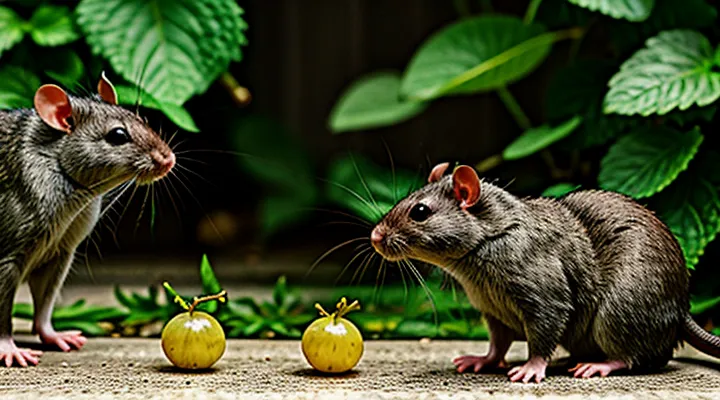
Gooseberries and Rat Diet: A General Overview
Nutritional Profile of Gooseberries
Vitamins and Minerals
Gooseberries contain several micronutrients that intersect with the dietary requirements of laboratory and pet rats. The fruit supplies vitamin C, vitamin A (as β‑carotene), vitamin K, and modest amounts of B‑complex vitamins, notably thiamine and riboflavin. Mineral content includes potassium, calcium, magnesium, iron, and trace amounts of zinc and copper. These compounds support antioxidant defenses, bone metabolism, and enzymatic activity in rodents.
Rats synthesize their own vitamin C, so the additional supply from gooseberries does not address a deficiency but may enhance oxidative stress resistance when the diet is otherwise low in antioxidants. Vitamin A from the fruit contributes to retinal health and epithelial maintenance, yet excessive intake can lead to hypervitaminosis A, especially if combined with fortified feeds. Vitamin K assists in blood clotting; the levels in gooseberries are low enough to avoid toxicity.
Mineral considerations focus on the balance between potassium and sodium. Gooseberries provide potassium that may aid in electrolyte equilibrium, but the fruit’s calcium and magnesium are modest and unlikely to influence skeletal health significantly. Iron bioavailability from plant sources is limited by phytates; the modest iron in gooseberries does not pose a risk of overload in normal rat diets.
Potential adverse factors include:
- High natural sugar concentration, which can disturb glucose regulation if offered in large quantities.
- Presence of oxalic acid, which may contribute to calcium oxalate crystal formation when consumed excessively.
- Possible pesticide residues on non‑organic fruit, requiring thorough washing.
Guidelines for inclusion:
- Offer fresh, washed gooseberries as an occasional treat, not exceeding 5 % of total daily caloric intake.
- Limit portions to one or two small berries per 100 g of body weight.
- Monitor individual rats for signs of gastrointestinal upset or changes in weight.
When integrated within a balanced laboratory chow or commercial rodent diet, gooseberries can provide supplemental vitamins and minerals without compromising nutritional adequacy, provided the above limits are observed.
Fiber Content
Gooseberries contain a notable amount of dietary fiber, averaging 2.0 g per 100 g of fresh fruit. This soluble and insoluble fiber mix can promote gastrointestinal motility in rodents, helping to prevent constipation and maintain healthy gut flora. For laboratory or pet rats, the recommended contribution of fruit-derived fiber to the total diet is no more than 5 % of the daily dry matter intake; exceeding this proportion may lead to excessive bulk and reduced nutrient absorption.
Key considerations for incorporating gooseberries into a rat’s feeding regimen:
- Fiber density: 2 g / 100 g fresh weight; lower in dried fruit due to water loss.
- Daily allowance: Limit to 1–2 g of fresh gooseberries per 100 g of rat body weight, ensuring the overall fiber quota remains within the 5 % threshold.
- Potential effects: Enhanced stool formation and transit time; possible mild laxative response if intake is high.
- Monitoring: Observe fecal consistency and body weight; adjust portions if stools become overly soft or if weight loss occurs.
Providing gooseberries in modest quantities supplies beneficial fiber without compromising the balanced nutrient profile required for rat health.
Sugar Content
Gooseberries contain moderate amounts of simple sugars. Fresh fruit averages 4–7 g of total sugars per 100 g, with fructose and glucose comprising the majority. Dried gooseberries concentrate sugars to roughly 30 g per 100 g due to moisture loss.
Laboratory rodents tolerate limited dietary sugars. Standard rat chow limits added sugars to less than 5 % of total calories, corresponding to about 10 g of sugar per kilogram of body weight per day for a 250‑g adult. Exceeding this threshold can induce hyperglycemia, weight gain, and altered gut microbiota.
Considerations for offering gooseberries to rats:
- Serve fresh fruit in small portions (no more than 5 g per day) to stay within the 10 g/kg limit.
- Prefer fresh over dried to avoid excessive sugar density.
- Monitor body weight and blood glucose after introduction.
- Provide water and balanced chow concurrently to prevent nutrient dilution.
When sugar intake remains within recommended limits, occasional gooseberry pieces pose minimal metabolic risk. Persistent overfeeding of sugary fruit may lead to obesity and related health issues.
Potential Benefits of Gooseberries for Rats
Antioxidant Properties
Gooseberries contain a high concentration of polyphenolic compounds, notably flavonoids such as quercetin and anthocyanins. These molecules neutralize free radicals by donating electrons, thereby reducing oxidative stress in cellular membranes. In rodents, dietary antioxidants have been shown to protect hepatic tissue, improve mitochondrial efficiency, and modulate inflammatory pathways.
Key antioxidant constituents of gooseberries:
- Vitamin C – water‑soluble, scavenges reactive oxygen species, regenerates other antioxidants.
- Anthocyanins – pigment molecules that inhibit lipid peroxidation and support endothelial function.
- Quercetin – flavonol that chelates metal ions, stabilizes cell membranes, and influences gene expression related to oxidative defense.
- Ellagic acid – phenolic acid with documented DNA‑protective activity.
When incorporated into a rat diet at levels ranging from 2 % to 5 % fresh fruit, these compounds elevate plasma total antioxidant capacity without adverse effects on growth metrics. Excessive inclusion (>10 % fresh weight) may introduce high sugar loads, potentially offsetting antioxidant benefits by promoting hyperglycemia and associated oxidative pathways.
Practical considerations for feeding trials:
- Standardize fruit preparation – wash, de‑seed, and homogenize to ensure uniform nutrient distribution.
- Monitor intake – record daily consumption to calculate actual antioxidant exposure per kilogram of body weight.
- Assess biomarkers – measure glutathione, superoxide dismutase, and malondialdehyde levels pre‑ and post‑intervention to quantify oxidative status.
Overall, the antioxidant profile of gooseberries makes them a viable supplement for rats, provided that dosage respects metabolic limits and is integrated with a balanced diet.
Digestive Health Considerations
Feeding rats gooseberries requires assessment of their gastrointestinal tolerance. Gooseberries are acidic (pH 2–3), contain high levels of vitamin C and soluble fiber, and present a modest sugar load. The acidity can irritate the stomach lining, especially in animals unaccustomed to sour foods. Soluble fiber may increase bulk and promote fermentation, leading to gas or loose stools if introduced abruptly.
Key considerations for digestive health:
- Acidic content – limit to a few small pieces per serving; monitor for signs of gastric discomfort.
- Fiber load – supplement with regular bedding and high‑fiber chow to balance bulk; avoid large, sudden increases.
- Sugar concentration – keep fruit to less than 5 % of total daily intake to prevent dysbiosis.
- Oxalic acid – present in modest amounts; excessive consumption may contribute to calcium oxalate formation in kidneys. Restrict frequency to avoid accumulation.
- Freshness – provide only ripe, uncontaminated fruit; discard moldy or overripe portions to prevent enteric infections.
- Gradual introduction – start with a single bite, observe stool consistency and appetite for 24–48 hours before offering additional pieces.
Overall, small, occasional servings of fresh gooseberry can be incorporated into a rat’s diet without compromising digestive health, provided the above guidelines are followed and the fruit does not replace nutritionally complete rodent chow.
Risks and Concerns of Feeding Gooseberries to Rats
Toxicity and Harmful Compounds
Oxalates
Oxalates are organic acids that bind calcium to form insoluble crystals. In plants, they serve as a defense mechanism and contribute to the fruit’s tart flavor. Gooseberries contain measurable amounts of oxalic acid, typically ranging from 30 to 80 mg per 100 g of fresh fruit, depending on cultivar and ripeness.
Rats metabolize oxalates similarly to other mammals; excess ingestion can lead to calcium oxalate precipitation in the kidneys, causing nephrolithiasis and impaired renal function. Experimental data indicate that a dietary oxalate load exceeding 200 mg kg⁻¹ day⁻¹ produces observable renal crystal formation in laboratory rats.
Considering the oxalate content of gooseberries, a conservative feeding guideline can be derived:
- Limit gooseberry intake to ≤ 5 g kg⁻¹ body weight per day (fresh weight).
- Ensure the overall diet provides less than 150 mg oxalate kg⁻¹ day⁻¹ from all sources.
- Monitor urine for crystal presence when introducing gooseberries for the first time.
Adhering to these limits minimizes the risk of oxalate‑induced kidney damage while allowing rats to experience the nutritional benefits of gooseberries, such as vitamin C and antioxidants.
Other Potentially Harmful Substances
When assessing the safety of offering gooseberries to laboratory or pet rats, it is essential to consider additional compounds that may pose health risks. Rats metabolize many plant-derived chemicals differently from humans, and certain substances commonly found in fruit, vegetables, and processed foods can cause toxicity, gastrointestinal distress, or organ damage.
- Citrus essential oils (e.g., limonene, linalool): High concentrations irritate the mucosal lining and may lead to hepatic enzyme induction.
- Alkaloid‑rich seeds (e.g., apple, apricot, cherry pits): Contain amygdalin, which hydrolyzes to cyanide; ingestion of even small seed fragments can be lethal.
- Oxalic acid (present in spinach, rhubarb leaves, beet greens): Binds calcium, precipitating renal stones and impairing kidney function.
- Solanine (found in green potatoes and unripe tomatoes): Disrupts neuronal membranes, causing tremors and lethargy at doses as low as 200 mg/kg.
- Artificial sweeteners (especially xylitol): Rapidly absorbed, trigger hypoglycemia and hepatic failure in rodents.
- High‑sugar syrups and honey: Exacerbate obesity, induce insulin resistance, and promote dental caries when provided regularly.
Each of these agents demonstrates that a seemingly innocuous fruit does not exist in isolation; the surrounding diet may introduce hazardous chemicals. Comprehensive dietary planning for rats should therefore exclude foods containing the listed compounds, monitor for signs of distress after any new item is introduced, and reference established toxicology databases to verify safety.
Digestive Upset and Related Issues
Diarrhea
Gooseberries contain high levels of organic acids and soluble fiber. When rats consume them, the gastrointestinal tract may react with increased motility and fluid secretion, leading to loose stools. The condition can appear within hours after a single serving or develop gradually with repeated exposure.
Typical signs of the disturbance include:
- Watery, unformed feces
- Increased frequency of defecation
- Mild abdominal cramping observable as restlessness
- Potential dehydration if fluid loss is not compensated
Underlying mechanisms involve:
- Rapid fermentation of soluble fiber by gut microbes, producing excess gas and short‑chain fatty acids that draw water into the lumen.
- Acidic compounds irritating the intestinal mucosa, stimulating secretory pathways.
- Disruption of normal electrolyte balance, impairing water reabsorption.
Preventive measures:
- Limit gooseberry intake to no more than 5 % of total diet weight.
- Introduce the fruit gradually, monitoring stool consistency after each addition.
- Provide constant access to clean water and a balanced diet rich in protein and complex carbohydrates.
If diarrhea occurs, corrective steps are:
- Remove the fruit from the diet immediately.
- Offer electrolyte‑balanced hydration solutions, such as low‑dose oral rehydration salts mixed with water.
- Supplement with easily digestible proteins (e.g., boiled egg white) to support intestinal recovery.
- Observe for improvement within 24–48 hours; persistent symptoms warrant veterinary examination.
Bloating and Gas
Gooseberries contain high levels of dietary fiber, organic acids, and sorbitol. When rats ingest these compounds, bacterial fermentation in the hindgut can increase gas production. Excess gas expands the intestinal lumen, leading to visible abdominal distention and discomfort.
Typical manifestations of gastrointestinal over‑inflation include:
- Swollen abdomen that feels firm to the touch
- Rapid, shallow breathing due to pressure on the diaphragm
- Reduced feed intake and lethargy
- Loose or frothy stools indicating incomplete digestion
Preventive measures focus on portion control and gradual introduction. Offer no more than a single, small berry (approximately 2–3 g) per 100 g of body weight, and observe the animal for at least 24 hours. If signs of bloating appear, withhold further gooseberry exposure and provide plain water and a low‑fiber diet until normal stool consistency returns.
Long‑term feeding of gooseberries is discouraged because repeated fermentable substrate can predispose rats to chronic dysbiosis and intestinal obstruction. Safer fruit alternatives, such as apple slices (seedless) or blueberries, present lower sorbitol content and reduced risk of gas accumulation.
Proper Preparation and Serving Guidelines
Washing and Cleaning
Proper preparation of gooseberries for rodent consumption begins with thorough cleaning. Rinse the fruit under cool running water to remove surface soil and debris. Use a soft brush to dislodge particles lodged in the skin, especially when berries are harvested from a garden or wild area. After brushing, submerge the berries in a shallow bowl of water mixed with a mild, food‑grade sanitizer (e.g., a dilute solution of hydrogen peroxide or a commercial fruit wash) for one to two minutes. Rinse again with clean water to eliminate any residual sanitizer.
Dry the cleaned berries with a clean paper towel or a low‑heat air dryer before offering them to the rats. Ensure the drying surface is free from contaminants and that the fruit is completely dry to prevent mold growth during storage.
Key steps for safe preparation:
- Rinse under running water.
- Brush gently to remove adhered dirt.
- Soak briefly in a food‑safe sanitizer solution.
- Rinse thoroughly to remove sanitizer residue.
- Pat dry on a sterile surface.
Following these procedures minimizes microbial risk and ensures the fruit is suitable for inclusion in a rat’s diet.
Portion Sizes
Rats can safely eat gooseberries when the fruit is introduced gradually and served in appropriately measured amounts. Excessive portions increase the risk of gastrointestinal upset because the berries contain organic acids and small seeds that may irritate the digestive tract.
- One to two fresh gooseberries per day for an adult rat weighing 250‑300 g.
- For juvenile rats, limit intake to a single berry every other day.
- Ensure each berry is washed, stems removed, and cut into bite‑size pieces to prevent choking.
- Offer the fruit as a treat, not as a staple, keeping the total fruit contribution below 5 % of the rat’s overall caloric intake.
If a rat shows signs of diarrhea, reduced appetite, or lethargy after consumption, discontinue the fruit immediately and monitor health. Adjust future portions downward or omit the fruit entirely based on the animal’s response.
Frequency of Feeding
Gooseberries can be offered to rats as an occasional treat, but the feeding schedule must respect their digestive tolerance and overall diet balance.
Rats process fruit sugars and organic acids more efficiently when intake is limited. Excessive consumption may cause diarrhea, weight gain, or interfere with nutrient absorption from their regular chow. Small portions also reduce the risk of dental wear from the fruit’s acidity.
Recommended feeding frequency
- Offer fresh gooseberry pieces no more than three times per week.
- Limit each serving to 2–3 mm cubes, roughly 0.5 g per adult rat.
- Provide the treat after the main meal to ensure primary nutrition is not displaced.
If a rat shows signs of gastrointestinal upset, extend the interval to once weekly or discontinue the fruit entirely. Regular health checks—including weight, coat condition, and stool consistency—should guide any adjustments to the schedule.
Alternative Safe Fruits and Vegetables for Rats
Berries
Rats thrive on a diet that combines protein, grains, and occasional fruits. Berries, including gooseberries, are low‑calorie fruits that provide vitamins C and K, fiber, and antioxidants. Their natural acidity and sugar content are generally safe for rodents when offered in moderation.
Key considerations for introducing gooseberries to rats:
- Nutrient profile: High vitamin C supports immune function; fiber aids digestion.
- Portion size: No more than one teaspoon of fresh berries per day for an adult rat.
- Preparation: Wash thoroughly, remove stems, and cut into bite‑size pieces to prevent choking.
- Frequency: Offer berries no more than two to three times per week to avoid excess sugar.
- Observation: Monitor for signs of gastrointestinal upset, such as diarrhea or reduced appetite.
Potential risks include:
- High acidity: May irritate the stomach lining if given in large amounts.
- Sugar spikes: Can contribute to obesity or dental problems over time.
- Pesticide residue: Residual chemicals can be toxic; always use organically grown or thoroughly rinsed fruit.
When incorporated correctly, gooseberries serve as a nutritious supplement that enhances variety without compromising health. Regular assessment of weight and behavior ensures the fruit remains a beneficial addition rather than a hazard.
Leafy Greens
Leafy greens can complement a rat’s diet that also includes gooseberries, providing essential vitamins, minerals, and fiber while moderating the fruit’s natural sugars.
Rats tolerate a variety of greens, but nutritional content differs markedly. Dark, tender leaves contain higher levels of vitamin A, vitamin K, calcium, and antioxidants than pale or fibrous varieties.
Benefits of regular green intake include improved coat condition, enhanced immune response, and support for digestive health. These effects arise from the combined action of micronutrients and dietary fiber, which promote gut motility and microbial balance.
Risks appear when greens contain high oxalate or nitrate concentrations, or when they are contaminated with pesticides. Excess oxalates may contribute to kidney stone formation; nitrates can interfere with oxygen transport. Choosing organically grown, low‑oxalate options reduces these hazards.
Safe leafy greens for rats
- Romaine lettuce (core only)
- Spinach (limited, due to oxalates)
- Kale (young leaves)
- Swiss chard (young leaves)
- Arugula
- Dandelion greens (fresh, pesticide‑free)
Feeding guidelines: offer 1–2 grams of fresh greens per 100 grams of body weight daily, wash thoroughly, remove stems, and chop into bite‑size pieces. Introduce new greens gradually to monitor tolerance.
When gooseberries are part of the menu, limit fruit to 5–10 % of total intake to prevent excess sugar. Pairing greens with berries balances carbohydrate load and supplies fiber that mitigates rapid glucose absorption.
Overall, a diet that alternates leafy greens with occasional gooseberries meets nutritional requirements while avoiding over‑reliance on any single food source.
Other Safe Produce
Rats that tolerate gooseberries also accept a range of other fruits and vegetables without adverse effects. The following items are recognized as safe when offered in appropriate portions.
- Apples, core removed, no seeds
- Blueberries, fresh or frozen, no added sugar
- Strawberries, stems removed
- Carrots, raw or lightly steamed, cut into bite‑size pieces
- Broccoli florets, raw or steamed briefly
- Peas, shelled, fresh or frozen
- Zucchini, raw or cooked, sliced thinly
- Bell peppers, any color, seeded and diced
Preparation guidelines: rinse produce thoroughly, discard pits, seeds, and stems that could pose choking hazards; serve no more than 10 % of the rat’s daily caloric intake from fresh produce; introduce new items individually to monitor tolerance. These practices reduce the risk of gastrointestinal upset and maintain nutritional balance.