
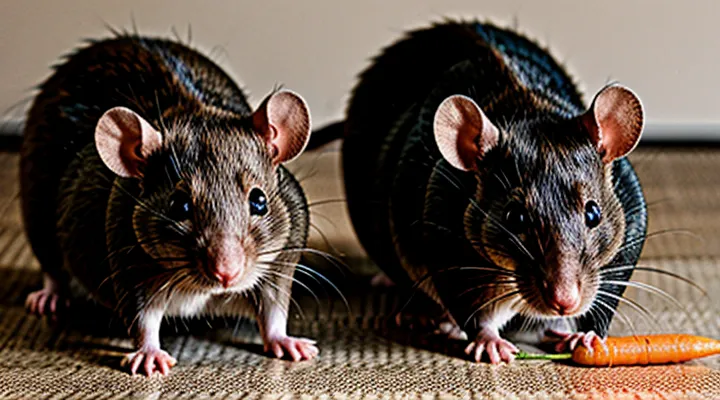
Nutritional Profile of Carrots
Vitamins and Minerals
Cooked carrot can be included in a rat’s diet, but the decision relies on the nutrient profile it delivers.
Carrots supply several vitamins that contribute to physiological functions. Per 100 g of boiled carrot the typical content is:
- Vitamin A (as β‑carotene): ~8 800 µg retinol activity equivalents
- Vitamin K1: ~13 µg
- Vitamin C: ~3 mg (reduced from raw)
- Vitamin B6: ~0.1 mg
These vitamins support vision, blood clotting, antioxidant defenses, and amino‑acid metabolism.
Mineral concentrations in the same portion include:
- Potassium: ~320 mg
- Calcium: ~30 mg
- Magnesium: ~12 mg
- Phosphorus: ~30 mg
- Iron: ~0.3 mg
Potassium contributes to electrolyte balance, while calcium and phosphorus are required for bone health.
Cooking improves the bioavailability of β‑carotene by breaking down cell walls, but it degrades heat‑sensitive nutrients such as vitamin C. Consequently, the vitamin C contribution of cooked carrot is modest compared with raw.
Feeding guidelines recommend offering cooked carrot as a supplementary treat, not exceeding 10 % of total daily intake. For an adult laboratory rat (≈250 g body weight) this translates to roughly 5–10 g of cooked carrot per day, provided that the primary diet already supplies adequate protein, fat, and fiber. Excessive vitamin A intake can lead to hypervitaminosis; monitoring total carotenoid consumption across all food items prevents this risk.
When incorporated correctly, cooked carrot supplies a balanced set of vitamins and minerals that complement a standard rodent chow, enhancing dietary diversity without compromising health.
Fiber Content
Cooked carrot supplies dietary fiber that differs from raw carrot in moisture and texture. A medium carrot (approximately 61 g) contains about 2 g of total fiber; cooking reduces weight to roughly 45 g, raising the fiber concentration to about 2.2 g per 100 g of cooked product. This increase results from water loss during boiling or steaming.
Fiber in rats supports gastrointestinal motility, promotes healthy gut microbiota, and helps regulate blood glucose. Soluble fiber from carrots forms a viscous gel that slows carbohydrate absorption, while insoluble fiber adds bulk to feces, preventing constipation.
When incorporating cooked carrot into a rat’s diet, consider the following:
- Limit to 5–10 % of total daily food intake to avoid excess calories and potential nutrient imbalance.
- Ensure the carrot is plain, without added salt, butter, or sugar, which could interfere with fiber benefits.
- Observe stool consistency; sudden changes may indicate an adjustment period for the digestive system.
Overall, the fiber content of cooked carrot provides a modest, beneficial contribution to a rat’s nutritional regimen when offered in controlled portions.
Sugar Content
Carrots contain carbohydrates primarily as simple sugars, chiefly glucose and fructose. A 100‑gram portion of raw carrot provides about 4.7 g of total sugars. Cooking reduces water content, concentrating the sugars; the same weight of boiled or steamed carrot contains roughly 5.5 g of sugars.
Rats metabolize glucose efficiently, but excessive sugar can lead to obesity, insulin resistance, and dental issues. Laboratory studies indicate that a diet with more than 10 % of calories from simple sugars increases the risk of metabolic disturbances in rodents. Consequently, the sugar contribution of cooked carrot must be evaluated against the rat’s daily caloric intake.
Typical sugar values for cooked carrot servings:
- 10 g (≈1 tsp) cooked carrot: ~0.55 g sugars
- 30 g (≈1 Tbsp) cooked carrot: ~1.65 g sugars
- 50 g (≈½ cup) cooked carrot: ~2.75 g sugars
For an adult laboratory rat consuming ~15 kcal per day, the recommended maximum sugar intake is approximately 1.5 g. A single 30‑gram serving of cooked carrot approaches this limit, while smaller portions remain within safe bounds. Adjust portion size accordingly to keep total dietary sugars below the threshold.
The Impact of Cooking on Carrots
Nutrient Retention
Cooking carrots alters the concentration of several nutrients that are relevant to a rat’s dietary needs. Heat degrades water‑soluble vitamins, while some carotenoids become more bioavailable. The net effect determines how suitable cooked carrots are as a supplement in a rodent diet.
Beta‑carotene, the precursor of vitamin A, experiences partial breakdown at temperatures above 100 °C, yet the remaining fraction is more readily absorbed. Vitamin C, entirely water‑soluble, declines sharply during boiling; steaming preserves a larger share. Dietary fiber retains its structural integrity, providing the same bulk effect after cooking. Minerals such as potassium and magnesium remain stable, with negligible loss unless leached into cooking water.
- Beta‑carotene: ~70 % of raw content retained after steaming; ~50 % after boiling.
- Vitamin C: ~30 % retained after steaming; <10 % after boiling.
- Fiber: >95 % retained regardless of method.
- Potassium, magnesium: >98 % retained; loss occurs only if cooking liquid is discarded.
For optimal nutrient delivery, serve carrots that are lightly steamed and cooled before offering them to rats. Avoid boiling, which eliminates most vitamin C and reduces beta‑carotene substantially. Incorporate cooked carrots as a modest portion of the overall diet to complement raw vegetables and commercial feed, ensuring balanced intake of essential vitamins and minerals.
Changes in Texture
Cooked carrots differ markedly from raw carrots in texture, a factor that influences a rat’s ability to chew and digest the food. Heat breaks down cell walls, softening the vegetable and reducing its crispness. The resulting flesh becomes pliable, with a smoother surface that requires less gnawing effort. Moisture content rises as water is absorbed during boiling, steaming, or roasting, making the carrot more yielding under pressure.
Key texture changes include:
- Fiber softening: Lignin and cellulose weaken, decreasing resistance to bite.
- Moisture increase: Water retention creates a tender, almost mushy consistency.
- Structural collapse: The rigid lattice of raw tissue collapses, eliminating the crunchy bite.
- Surface smoothness: Heat smooths irregularities, reducing abrasive feel.
These alterations affect a rat’s oral mechanics and gastrointestinal processing. Softer texture eases chewing for young or dental‑compromised rats, while the higher moisture may accelerate gastric emptying. Conversely, excessive softness can limit the mechanical breakdown typically provided by gnawing, potentially reducing the stimulation of the digestive tract. Understanding these texture shifts helps determine whether cooked carrots constitute a suitable dietary component for laboratory or pet rats.
Increased Digestibility
Cooking carrots changes their physical structure, making them easier for rats to break down. Heat softens cellulose and hemicellulose, reducing the effort required by the animal’s incisors and gastric muscles. The softened fibers allow enzymes in the small intestine to access starches and sugars more efficiently, resulting in higher caloric extraction per gram of food.
Nutrient availability also improves. Vitamin A precursors (beta‑carotene) become more bioavailable after thermal treatment, while certain antinutrients, such as oxalates, diminish in concentration. The net effect is a measurable increase in the amount of usable energy and vitamins derived from a given portion of carrot.
However, excessive heat can degrade heat‑sensitive compounds. Prolonged boiling lowers beta‑carotene levels and may cause loss of some B‑vitamins. To maximize benefits, steam or lightly boil carrots until they are tender but not mushy, then cool to room temperature before serving.
Practical feeding guidelines:
- Offer only small pieces (1–2 cm) to avoid choking.
- Limit frequency to 2–3 times per week; carrots remain a supplement, not a staple.
- Ensure the carrots are plain, without added fats, salts, or sugars.
- Observe the rat for any signs of digestive upset after the first few servings.
Following these practices leverages the enhanced digestibility of cooked carrots while preventing potential nutrient loss or gastrointestinal issues.
Are Cooked Carrots Safe for Rats?
Potential Benefits
Cooked carrot can serve as a supplemental food for domestic rats, offering nutrients that differ from standard grain‑based diets. Heating the vegetable softens cellulose, making it easier for rodents to digest while preserving most vitamins and antioxidants.
- High levels of beta‑carotene convert to vitamin A, supporting vision and immune function.
- Dietary fiber promotes gastrointestinal motility, reducing the risk of constipation.
- Antioxidants such as lutein and polyphenols help mitigate oxidative stress, which may influence longevity.
- Moisture content contributes to overall hydration, particularly useful when water intake is limited.
- Sweet flavor provides sensory enrichment, encouraging natural foraging behavior and preventing boredom‑related issues.
When incorporating cooked carrot, use plain boiling or steaming without added salt, fat, or seasoning. Offer small portions—approximately one teaspoon per 100 g of body weight—once or twice weekly to avoid excess sugar intake. Monitor weight and stool consistency to ensure the supplement complements, rather than replaces, a balanced rat diet.
Risks and Considerations
Feeding rats cooked carrots introduces several nutritional and health variables that differ from raw vegetables. Heat alters carbohydrate structure, reduces fiber integrity, and may degrade heat‑sensitive vitamins such as vitamin C. These changes affect digestibility and the overall dietary balance for the animal.
Potential hazards include:
- Reduced fiber content – cooked carrots provide less bulk, which can impair gastrointestinal motility.
- Vitamin loss – thermal processing diminishes certain micronutrients, possibly requiring supplementation.
- Caloric increase – softening of starches raises the glycemic load, increasing the risk of obesity and related disorders.
- Contamination risk – improper cooking or storage can introduce bacterial growth or mold, posing infection hazards.
- Additive exposure – seasoning, butter, or oil added during preparation may contain salts, fats, or chemicals unsuitable for rodents.
When incorporating cooked carrots, follow these guidelines:
- Cool the vegetable completely before offering it to prevent burns.
- Serve only small portions, treating the item as an occasional treat rather than a staple.
- Ensure the rest of the diet supplies adequate fiber, vitamins, and minerals to offset the nutritional gaps.
- Prepare the carrot without added salts, sugars, or fats; plain steaming or boiling is sufficient.
- Observe the rat for changes in stool consistency, weight, or behavior after introduction, and discontinue if adverse effects appear.
Optimal Preparation Methods
Cooking carrots for pet rats requires careful handling to preserve nutrients and ensure safety. Begin by selecting fresh, organic carrots free from bruises or mold. Wash thoroughly under running water, then peel to remove the outer layer where pesticide residues may concentrate.
Preparation steps
- Cutting: Slice carrots into uniform ¼‑inch pieces; consistent size promotes even cooking and simplifies portion control.
- Cooking method: Steam for 4–6 minutes until tender but still firm. Steaming retains more beta‑carotene and vitamin C than boiling, which leaches nutrients into water.
- Temperature: Maintain water at a gentle boil; avoid high‑heat frying or roasting, which can create acrylamide and other harmful compounds.
- Cooling: Transfer steamed pieces to a bowl of ice water for 1–2 minutes, then drain. Rapid cooling stops cooking, preserves texture, and reduces bacterial growth.
- Serving size: Offer ½ to 1 teaspoon of cooled carrot per 100 g of rat body weight, mixed with regular dry feed. Adjust based on individual appetite and health status.
- Storage: Store leftover portions in an airtight container in the refrigerator for up to 48 hours. Discard any pieces that become soft, discolored, or emit an off‑odor.
Key considerations
- Avoid adding salt, butter, or seasoning; rats are sensitive to sodium and fats.
- Do not feed raw carrot alongside the cooked portion in the same meal; raw fibers may cause digestive upset when combined with freshly steamed material.
- Monitor rats for signs of diarrhea or reduced activity after introducing cooked carrot; discontinue if adverse reactions appear.
Following these procedures yields a safe, nutrient‑rich carrot supplement that complements a balanced rodent diet.
Feeding Guidelines
Portion Sizes
Rats can safely consume cooked carrots when the portions are carefully controlled. Excessive amounts introduce unnecessary sugars and may disrupt digestive balance.
- Small adult rat: ½ to 1 teaspoon of finely chopped cooked carrot per day.
- Juvenile rat (under 8 weeks): ¼ to ½ teaspoon per day.
- Large or breeding rat: up to 1 ½ teaspoons per day, divided into two feedings.
Portion size should be measured with a standard kitchen spoon to ensure consistency. The carrot must be fully cooked, without added salt, butter, or seasonings, and cooled to room temperature before serving. Raw carrots are harder to digest and should be avoided in favor of the cooked form.
Feeding frequency matters. Offer the calculated portion once daily or split into two equal servings to prevent sudden spikes in blood glucose. Observe the rat for signs of stool changes or reduced appetite; adjust the amount accordingly.
When introducing cooked carrot, start at the lower end of the recommended range. Increase gradually only if the rat tolerates the food without adverse effects. This approach maintains nutritional balance while allowing the animal to benefit from the vitamin A and fiber content of the carrot.
Frequency of Feeding
Cooked carrot can be incorporated into a rat’s diet, but the amount and schedule must align with the animal’s overall nutritional requirements.
A typical adult laboratory or pet rat consumes roughly 10 % of its body weight in food each day. Within that total, vegetables should represent no more than 10–15 % of the diet. Consequently, a small piece of cooked carrot—about ½ gram for a 200‑gram rat—can be offered safely.
Feeding frequency guidelines:
- Daily offering: Provide a fresh piece of cooked carrot once per day, ensuring the remainder of the diet consists of balanced commercial pellets and occasional protein sources.
- Alternate days: If the rat’s diet already includes other vegetable varieties, limit carrot to every other day to prevent excess carbohydrate intake.
- Weekly maximum: Do not exceed three servings per week, as repeated high‑sugar exposure can lead to obesity and gastrointestinal upset.
Monitor the rat’s weight, coat condition, and stool consistency after each serving. Any sign of soft stools or weight gain warrants a reduction in frequency or portion size. Adjust the schedule based on the individual’s activity level and health status, maintaining the principle that vegetables supplement—not dominate—the primary diet.
Combining with Other Foods
Cooked carrot provides beta‑carotene, fiber, and modest calories, making it a safe occasional component of a rat’s diet when prepared without added salt, butter, or spices.
When integrating cooked carrot with other foods, maintain a balanced ratio of protein, fat, and carbohydrates. Typical combinations include:
- A small piece of cooked carrot (no larger than a thumbnail) mixed with a tablespoon of high‑quality rodent pellet or lab mash.
- Cooked carrot blended into a fresh vegetable medley such as broccoli florets, spinach leaves, or zucchini slices.
- A dab of low‑fat plain yogurt or unsweetened kefir combined with carrot for probiotic benefits, provided the rat tolerates dairy.
Key considerations:
- Limit carrot to no more than 10 % of the total daily food volume to prevent excess sugar intake.
- Avoid pairing with foods known to be toxic to rats, including raw potatoes, onions, garlic, and citrus peels.
- Observe the animal for any digestive upset after introducing a new combination; discontinue the mix if loose stools or reduced appetite occur.
Regular rotation of safe food groups—protein sources (hard‑boiled egg, cooked chicken), healthy fats (small amounts of unsalted nuts), and diverse vegetables—ensures nutritional completeness while allowing cooked carrot to contribute variety and micronutrients.
Observing Your Rat’s Reaction
Signs of Digestive Upset
Rats that consume cooked carrots may display digestive distress. Recognizing these symptoms promptly prevents worsening health conditions.
Common indicators of gastrointestinal upset include:
- Soft, watery, or unformed stools
- Diarrhea persisting for more than 24 hours
- Reduced frequency of normal fecal pellets
- Visible blood or mucus in the feces
- Excessive licking or grooming of the anal area
Additional signs that suggest a broader reaction are:
- Loss of appetite or refusal to eat familiar foods
- Lethargy and reduced activity levels
- Abdominal swelling or a noticeable bulge
- Frequent or strained urination, often accompanied by a sour odor
- Rapid weight loss despite continued feeding
When multiple symptoms appear together, or any sign intensifies, immediate veterinary evaluation is essential to rule out severe inflammation, infection, or obstruction caused by the cooked vegetable.
Allergic Reactions
Rats tolerate many vegetables, yet cooking alters carrot composition, potentially exposing immune‑reactive proteins. Even when heat reduces some allergens, individual rodents may still develop hypersensitivity.
Typical manifestations of a reaction include:
- Swelling of the muzzle or ears
- Itching or excessive grooming of the face
- Redness or rash on the skin
- Respiratory distress such as rapid breathing or wheezing
- Gastrointestinal upset, including vomiting or diarrhea
Diagnosis relies on observation of these signs after the carrot is introduced, followed by elimination of the food and, if necessary, veterinary testing for specific IgE antibodies. Treatment may involve antihistamines, corticosteroids, or supportive care, depending on severity.
To minimize risk, introduce cooked carrot gradually, starting with a small piece and monitoring for any abnormal behavior. Offer alternative, low‑allergen vegetables—such as cucumber or zucchini—if a reaction occurs. Maintain a record of all dietary changes to assist veterinary assessment.
Monitoring Overall Health
When introducing cooked carrot into a rat’s diet, systematic health monitoring is essential to determine suitability and detect adverse effects. Observations should begin before the dietary change to establish baseline values, then continue at regular intervals after the carrot is added.
Key indicators to track include:
- Body weight measured weekly; any loss exceeding 5 % of baseline warrants immediate review.
- Stool consistency and frequency; loose or unusually hard stools may signal digestive intolerance.
- Dental condition; cooked carrot is softer than raw, but excessive consumption can still affect incisor wear.
- Coat quality; dull or patchy fur can reflect nutritional imbalance or stress.
- Activity level; reduced exploration or lethargy may indicate discomfort or illness.
- Respiratory signs; coughing or nasal discharge should be documented promptly.
Laboratory assessments, performed monthly, provide objective data:
- Complete blood count to detect anemia or infection.
- Serum biochemistry focusing on glucose, liver enzymes, and renal markers.
- Electrolyte panel, particularly potassium, which can fluctuate with high‑carrot intake.
Record all measurements in a consistent format, noting the date, the amount of cooked carrot offered, and any concurrent dietary modifications. Compare results against the pre‑introduction baseline to identify trends. If any parameter deviates from normal ranges, reduce or discontinue the carrot and consult a veterinary specialist. Continuous, quantitative monitoring ensures that the addition of cooked carrot supports, rather than compromises, overall rat health.