
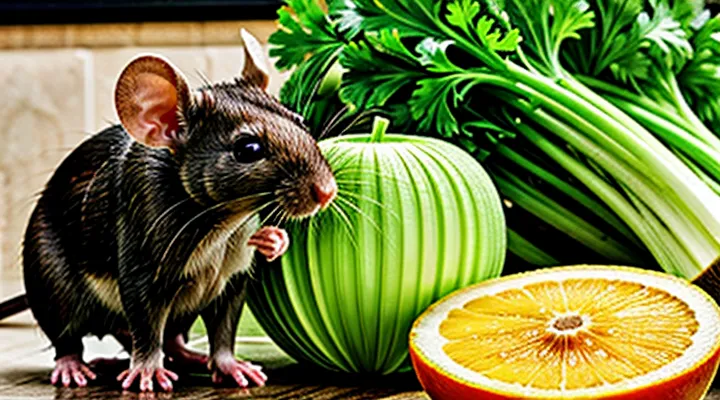
Understanding Rat Dietary Needs
Essential Nutrients for Rats
Macronutrients
Celery contains very low levels of protein, fat, and carbohydrates, making it a marginal source of the three macronutrients required for a balanced rat diet. Adult rats typically need approximately 18–20 % protein, 5–7 % fat, and 45–55 % carbohydrate on a caloric basis; celery contributes only about 0.7 % protein, 0.2 % fat, and 3 % carbohydrate per 100 g fresh weight.
- Protein contribution: insufficient to meet growth or maintenance needs; supplementation with higher‑protein foods is necessary if celery is offered regularly.
- Fat contribution: negligible; does not affect essential fatty‑acid intake.
- Carbohydrate contribution: primarily simple sugars and dietary fiber; fiber aids gastrointestinal motility but does not supply significant energy.
- Caloric density: approximately 16 kcal per 100 g, far below the 300–350 kcal typical daily intake for a 250‑g rat; excessive volume would be required to impact energy balance.
Including celery as an occasional treat can increase dietary fiber without displacing primary macronutrient sources. However, reliance on celery for any macronutrient requirement would lead to deficiencies, reduced growth rates, and potential health issues. A rat diet should prioritize protein‑rich pellets or lab‑formulated feeds, add modest amounts of celery for texture and hydration, and maintain overall macronutrient ratios within established nutritional guidelines.
Micronutrients
Celery supplies a range of micronutrients that can complement a rat’s standard diet. These compounds contribute to physiological processes but must be balanced against the animal’s overall nutritional requirements.
- Vitamin K ≈ 30 µg per 100 g – supports blood clotting mechanisms.
- Vitamin C ≈ 3 mg per 100 g – acts as an antioxidant, aids collagen synthesis.
- Folate ≈ 36 µg per 100 g – essential for DNA synthesis and cell division.
- Potassium ≈ 260 mg per 100 g – regulates nerve impulse transmission and fluid balance.
- Calcium ≈ 30 mg per 100 g – contributes to bone mineralization.
The listed micronutrients can improve immune function, enhance tissue repair, and maintain electrolyte equilibrium when incorporated in modest amounts. Their water‑soluble nature reduces the risk of accumulation, allowing excess to be excreted.
Conversely, celery’s low caloric density limits its contribution to energy intake. The potassium content may exceed safe limits if offered in large quantities, potentially leading to hyperkalemia. Vitamin K levels, while beneficial, could interfere with anticoagulant therapy in laboratory settings. Calcium present in celery is insufficient to replace dedicated calcium sources, risking deficiency if used as a primary supplement.
Integrating small, measured portions of celery provides a source of essential micronutrients without displacing the primary feed. Regular monitoring of nutrient intake ensures that benefits are realized while avoiding adverse effects.
Foods to Avoid for Rats
Toxic Foods
Rats can safely consume small amounts of celery, but owners must be aware of foods that pose a genuine health risk. Toxic substances in common household foods can cause rapid deterioration of rat physiology, leading to gastrointestinal distress, organ failure, or death.
Key toxic foods for rats include:
- Chocolate and cocoa products – contain theobromine, a stimulant not metabolized efficiently by rodents.
- Avocado (especially the pit and skin) – high in persin, which induces cardiac and respiratory complications.
- Allium family members such as onions, garlic, leeks, and chives – contain thiosulfates that damage red blood cells and cause hemolytic anemia.
- Caffeinated beverages and products – stimulate the central nervous system, potentially resulting in seizures.
- Alcohol and alcoholic mixtures – depress central nervous function, leading to respiratory failure.
- Xylitol‑sweetened items – induce rapid insulin release, causing hypoglycemia and hepatic failure.
When evaluating celery as a dietary addition, consider these factors:
- Celery’s high water content supports hydration and provides modest fiber, aiding digestive regularity.
- The vegetable contains low levels of nitrates; excessive intake may contribute to methemoglobinemia, though typical serving sizes remain safe.
- Celery lacks the toxic compounds listed above, making it a preferable alternative to many popular human snacks.
Balancing a rat’s diet requires eliminating the hazardous items while offering safe vegetables in measured portions. Regular monitoring for signs of distress—such as lethargy, abnormal stool, or respiratory changes—ensures that any accidental exposure to toxic foods is detected early.
Harmful Foods
Celery is often considered a low‑calorie treat for pet rats, but its safety depends on the presence of other foods that can cause toxicity. Understanding which items are harmful prevents accidental poisoning and supports a balanced diet.
Rats should never be given the following substances:
- Chocolate or cocoa products – contain theobromine, which is cardiotoxic.
- Avocado flesh and pit – high in persin, leading to respiratory distress.
- Onions, garlic, leeks, chives – organosulfur compounds damage red blood cells.
- Citrus peels – acidic oils irritate the gastrointestinal tract.
- Alcohol and caffeinated beverages – depress the central nervous system.
- Processed meats with high sodium – cause electrolyte imbalance and kidney strain.
- Moldy or spoiled food – toxins from fungi trigger hepatic failure.
If celery is offered, it must be washed thoroughly, cut into small pieces, and served without added salts or seasonings. Pairing celery with a diet free of the items listed above reduces the risk of adverse reactions and ensures that the treat contributes fiber without compromising health.
Celery for Rats: The Pros
Nutritional Benefits of Celery
Vitamins and Minerals
Celery provides a modest amount of vitamins and minerals that can supplement a rat’s diet. Each stalk contains vitamin A, vitamin K, vitamin C, folate, potassium, calcium and magnesium, all of which contribute to normal physiological functions such as vision, blood clotting, antioxidant protection, nerve transmission and bone health.
Potential benefits
- Vitamin A supports retinal health and epithelial integrity.
- Vitamin K is required for proper blood coagulation.
- Vitamin C offers antioxidant activity and aids iron absorption.
- Folate participates in DNA synthesis and red‑blood‑cell formation.
- Potassium assists in fluid balance and muscular function.
- Calcium and magnesium contribute to skeletal development and enzymatic reactions.
Potential drawbacks
- Water‑rich composition supplies few calories, risking nutrient dilution if offered excessively.
- Low protein and limited B‑vitamin content mean celery cannot replace staple rodent chow.
- Oxalates present in the plant may bind calcium, reducing its bioavailability and potentially encouraging urinary stone formation.
- High fiber can cause loose stools or gastrointestinal irritation in sensitive individuals.
Integrating small, occasional pieces of celery can enrich a rat’s intake of specific micronutrients, but reliance on the vegetable as a primary source is inadvisable. Balance with a complete, nutritionally balanced diet to ensure adequate protein, essential fatty acids and the full spectrum of vitamins and minerals required for optimal health.
Fiber Content
Celery supplies approximately 1.6 grams of dietary fiber per 100 grams, primarily insoluble cellulose. The fiber originates from the plant’s stalks and leaves and contributes to bulk in the gastrointestinal tract.
- Enhances peristalsis, promoting regular bowel movements in rodents.
- Supports growth of beneficial gut microbes that ferment fiber into short‑chain fatty acids.
- Provides a low‑calorie source of bulk, helping to prevent obesity when offered in moderation.
Excessive fiber can overwhelm a rat’s digestive capacity. High insoluble fiber may accelerate transit time, reducing nutrient absorption and causing loose stools. The water‑rich nature of celery (about 95 % moisture) can dilute electrolytes if fed in large quantities, potentially leading to electrolyte imbalance.
Balancing fiber intake requires limiting celery to small, occasional pieces—no more than 5–10 percent of the total daily diet by weight. Combine celery with balanced pellets and occasional protein sources to maintain optimal digestive health.
Hydration Benefits
Celery’s high water content makes it an effective source of fluid for pet rats. A 100‑gram serving of raw celery contains roughly 95 % moisture, delivering up to 95 ml of water per serving. This contributes directly to daily hydration needs, especially when water bottles are inaccessible or malfunctioning.
- Increases total fluid intake without additional calories.
- Supports kidney function by providing a steady supply of dilute urine‑forming fluid.
- Helps maintain skin turgor and mucous membrane moisture, reducing the risk of dehydration‑related stress.
When evaluating whether to include celery in a rat’s diet, consider the balance between hydration advantage and potential drawbacks such as low nutritional density and possible fiber‑induced gastrointestinal upset. Providing celery as an occasional supplement can enhance fluid consumption while preserving overall dietary balance.
Enrichment and Chewing Opportunities
Celery stalks provide a natural texture that satisfies rats’ instinct to gnaw, helping to wear down continuously growing incisors and reducing the likelihood of dental problems. The crisp fibers also stimulate exploratory behavior, encouraging rats to manipulate the vegetable and interact with their environment, which can lower stress levels and prevent boredom‑related behaviors.
Advantages
- Hard, fibrous structure supports regular tooth wear.
- Moisture content encourages chewing without excessive dryness.
- Mild flavor introduces variety, enhancing environmental complexity.
- Low caloric density prevents unintended weight gain when offered in moderation.
Disadvantages
- Nutrient profile is limited; celery supplies minimal protein, fat, and essential vitamins.
- High water percentage can lead to loose stools if overfed.
- Thin stalks pose a choking hazard for small or inexperienced chewers.
- Potential pesticide residues require thorough washing or sourcing of organic produce.
When incorporated as an occasional supplement, celery can enrich a rat’s habitat and provide safe chewing material, provided owners monitor portion size, ensure cleanliness, and balance the diet with nutritionally dense foods.
Celery for Rats: The Cons and Risks
Potential Digestive Issues
Fiber Overload
Celery contains a high proportion of insoluble fiber, which can exceed the digestive capacity of a typical laboratory rat when offered in large quantities. Excessive fiber slows gastric emptying, reduces nutrient absorption, and may cause intestinal blockage if the rat ingests too much raw stalk.
Potential effects of fiber overload include:
- Decreased food intake due to early satiety.
- Soft or watery stools, progressing to diarrhea if the gut microbiota cannot process the surplus fiber.
- Weight loss resulting from reduced caloric efficiency.
- Increased risk of colonic impaction, especially in older or obese individuals.
To mitigate these risks, limit celery portions to no more than 5 % of the daily diet by weight, monitor fecal consistency, and ensure a balanced feed that supplies adequate protein, fat, and vitamins. Regular veterinary assessment is advisable for rats showing persistent gastrointestinal disturbances.
Gas and Bloating
Celery contains a high proportion of water and dietary fiber, which can increase intestinal gas production in rats. The fibrous components are fermented by gut microbes, releasing volatile compounds that expand the colon and may cause discomfort. Excessive gas can lead to visible abdominal distension, reduced appetite, and altered feeding behavior.
Potential advantages
- Small, controlled portions provide soluble fiber that supports regular bowel movements and may prevent constipation.
- The moisture content assists hydration, reducing the likelihood of dry‑feces‑related irritation that can also produce gas.
Potential disadvantages
- Rapid introduction of raw celery can overwhelm microbial fermentation, resulting in sudden bloating and flatulence.
- High fiber load may interfere with nutrient absorption, especially if the rat’s diet already contains adequate fiber from other sources.
- Persistent abdominal swelling can mask underlying health issues, delaying veterinary diagnosis.
To minimize gas and bloating, introduce celery gradually, limit servings to no more than a few millimeters of stalk per day, and monitor the rat for signs of abdominal enlargement or reduced food intake. If symptoms persist, discontinue celery and consult a veterinarian.
Choking Hazards
Stringy Texture
Celery’s fibrous strands present a distinct challenge for rats. The plant’s vascular bundles create a chewable yet resistant texture that can stimulate dental activity but may also obstruct the digestive tract if fragments are swallowed whole.
Veterinary observations identify two primary effects of the stringy component:
- Dental wear: Continuous gnawing on fibrous material promotes natural tooth abrasion, helping maintain appropriate incisors length.
- Gastrointestinal blockage: Large, unbroken fibers can accumulate in the stomach or intestines, leading to impaction and requiring medical intervention.
Nutritional analysis shows that the stringy portion contributes minimal caloric value. It supplies a modest amount of insoluble fiber, which can aid bowel regularity when provided in controlled, finely chopped pieces.
Recommendations for safe inclusion:
- Slice celery into bite‑size segments, no longer than 0.5 cm, to reduce the risk of obstruction.
- Offer no more than one small piece per day, monitoring for signs of discomfort or altered stool consistency.
- Combine with softer vegetables, such as carrots or cucumber, to balance texture and ensure adequate hydration.
When administered correctly, the fibrous texture can serve a functional role in dental health without compromising digestive safety. Incorrect preparation, however, elevates the danger of gastrointestinal complications.
Small Pieces
Feeding rats celery in bite‑size portions reduces choking risk and promotes manageable intake. Small pieces, typically 0.5‑1 cm cubes, fit comfortably in a rat’s mouth and allow the animal to chew thoroughly, enhancing digestion of the fibrous vegetable.
Advantages of offering tiny celery chunks
- Limits accidental airway obstruction.
- Encourages mastication, which stimulates saliva production and supports oral health.
- Facilitates precise control of calorie contribution, preventing overfeeding.
Potential drawbacks
- Very small pieces may be discarded quickly, leading to waste.
- Reduced surface area can limit exposure to the vegetable’s water content, offering less hydration per serving.
- If presented without supervision, rats may ingest excessive fiber, causing loose stools.
Optimal practice: present a measured amount of 0.5‑1 cm cubes, observe the rat’s response during the first feeding, and adjust portion size based on tolerance and stool consistency.
Pesticide and Herbicide Concerns
Washing Procedures
Feeding rats celery requires thorough cleaning to eliminate soil, pesticide residues, and microbial contaminants. Proper washing safeguards animal health and preserves the vegetable’s nutritional value.
- Rinse under cool running water for 30 seconds, using hands to agitate surfaces.
- Submerge in a bowl of diluted food‑grade sanitizer (e.g., 1 % hydrogen peroxide) for 2 minutes.
- Scrub with a soft brush, focusing on crevices and the base where dirt accumulates.
- Rinse again under running water to remove sanitizer residues.
- Pat dry with a clean paper towel or allow to air‑dry on a sterile rack before chopping.
Dry, unblemished stalks reduce the risk of gastrointestinal upset and limit exposure to harmful bacteria such as Salmonella. Cutting celery into bite‑size pieces after washing prevents choking and facilitates even consumption, ensuring each rat receives the intended fiber and vitamin content.
Neglecting these steps can introduce toxins, lower palatability, and compromise experimental data in research settings. Consistent application of the described washing protocol supports reliable outcomes when evaluating the advantages and disadvantages of celery in a rat diet.
Organic Options
Organic celery offers a low‑calorie, high‑water source of fiber for pet rats. The vegetable contains vitamins A, K, and C, as well as potassium and folate, which support vision, blood clotting, and cellular metabolism. Because celery is naturally low in fat and sugars, it does not contribute to obesity or dental plaque when offered in moderation.
When selecting celery for rats, choose certified organic produce to avoid pesticide residues that could irritate the gastrointestinal tract or accumulate in liver tissue. Wash the stalks thoroughly under running water, then trim the ends and cut into bite‑size pieces to prevent choking. Offer no more than one to two small pieces per day, adjusting the amount based on the animal’s size and overall diet composition.
Potential drawbacks of organic celery include:
- High sodium content in the stalks, which may affect electrolyte balance in sensitive individuals.
- Low caloric density, requiring supplemental nutrients to meet daily energy needs.
- Possible presence of natural oxalates that can contribute to kidney stone formation if consumed excessively.
Balancing organic celery with other certified organic vegetables—such as carrots, bell peppers, and leafy greens—provides a diversified nutrient profile while minimizing the risks associated with a single food source. Regular veterinary monitoring ensures that the rat’s health parameters remain within optimal ranges.
How to Safely Offer Celery to Rats
Preparation Guidelines
Washing Celery
Proper preparation of celery for rodent diets begins with thorough washing. Residues from pesticides, soil particles, and microbial contaminants remain on the surface after harvest. Direct consumption of unwashed stalks can introduce toxins or pathogens to a rat’s digestive system, potentially negating the vegetable’s nutritional advantages.
Effective cleaning follows a simple sequence:
- Place celery under a steady stream of cool water, turning pieces to expose all sides.
- Submerge stalks in a shallow bowl of water for 2–3 minutes; gentle agitation loosens adhered particles.
- Use a soft brush or clean cloth to scrub the outer ribs, focusing on crevices where dirt accumulates.
- Rinse again under running water to remove loosened debris.
- Pat dry with a paper towel or allow air‑drying on a clean surface before cutting.
Inspection after washing is essential. Discard any sections showing rot, discoloration, or excessive softness. Trim the leafy tops if they appear wilted, as these parts harbor higher bacterial loads.
Cleaned celery retains its fiber, vitamin K, and potassium content while minimizing health risks for rats. Incorporating properly washed stalks supports a balanced diet and reduces the likelihood of gastrointestinal upset.
Cutting Celery
Cutting celery properly is essential when offering it to rats as part of a balanced diet. The vegetable’s fibrous structure requires preparation that minimizes choking hazards while preserving nutritional value.
Effective preparation includes the following steps:
- Wash thoroughly under running water to remove soil and pesticide residues.
- Trim the ends to eliminate tougher, woody portions.
- Slice into pieces no larger than 0.5 cm in width and 1 cm in length; this size fits comfortably in a rat’s mouth and promotes safe chewing.
- Remove any visible strings or overly fibrous ribs that could cause obstruction.
- Store cut pieces in an airtight container in the refrigerator and use within 24 hours to prevent wilting and bacterial growth.
Advantages of appropriately cut celery:
- Reduces risk of respiratory blockage during ingestion.
- Enhances palatability, encouraging consistent consumption.
- Maintains water content, supporting hydration without additional fluids.
- Allows precise portion control, aiding dietary monitoring.
Potential drawbacks of improper cutting:
- Oversized chunks increase the likelihood of airway obstruction.
- Excessive trimming may discard a significant portion of the vegetable’s fiber and micronutrients.
- Prolonged storage after cutting can lead to nutrient degradation and mold development.
In practice, adhering to the outlined cutting protocol ensures that celery contributes positively to a rat’s diet while mitigating health risks.
Portion Control
Frequency of Feeding
Celery can be included in a rat’s diet, but the timing and amount require careful control. A typical adult rat consumes 10–15 g of food daily; celery should represent no more than 5 % of that total, equivalent to 0.5–0.75 g per day. Offering celery every other day keeps the vegetable’s high water content from diluting the overall nutrient balance while still providing fiber and vitamin K.
- Feed small, bite‑size pieces (1–2 mm) to prevent choking.
- Limit servings to 2–3 days per week; on non‑celery days, replace with a low‑water vegetable such as carrot or bell pepper.
- Monitor stool consistency; loose stools indicate excessive celery intake and warrant reduction or temporary cessation.
- Adjust frequency for growing or pregnant rats, who need higher caloric density; in these cases, keep celery to a maximum of once weekly.
Consistent scheduling prevents abrupt changes in gut flora and reduces the risk of calcium‑oxalate crystal formation associated with excessive celery consumption. Regular assessment of weight and health markers ensures the feeding regimen remains safe and beneficial.
Appropriate Amounts
Celery can be included in a rat’s diet, but the quantity must be controlled to avoid digestive upset and nutrient imbalance. Veterinary nutritionists advise limiting fresh celery to no more than 5 % of the total daily food intake by weight. For an average adult rat consuming roughly 20 g of food per day, this translates to approximately 1 g of raw celery, or a single thin stalk segment.
Key considerations for determining a safe portion:
- Fiber content: Celery is high in insoluble fiber; excessive amounts may cause loose stools.
- Water loss: The vegetable’s low caloric density means it contributes little energy, so it should not replace balanced pellets or protein sources.
- Frequency: Offer celery no more than three times per week to maintain dietary variety without overexposure.
If a rat shows signs of diarrhea or reduced appetite after celery consumption, reduce the serving size or discontinue the vegetable. Monitoring body weight and stool consistency provides a practical method for adjusting the amount over time.
Monitoring for Adverse Reactions
Signs of Discomfort
Rats that experience gastrointestinal irritation from celery often display specific behavioral and physiological cues. Reduced activity, such as lingering in one corner or abandoning the running wheel, signals discomfort. A sudden decline in grooming frequency may accompany abdominal pain, as the animal diverts energy to coping with distress.
Changes in fecal output provide a reliable indicator. Loose, watery stools or noticeable blood suggest that the fibrous content of celery is upsetting the digestive tract. Conversely, hard, dry pellets can reflect dehydration caused by the vegetable’s high water content when not balanced with adequate hydration sources.
Respiratory alterations, including rapid or shallow breathing, may arise from abdominal cramping that limits normal diaphragmatic movement. Observe the rat’s posture: a hunched back, curled tail, or a tendency to press the abdomen against the cage wall often accompanies visceral discomfort.
Additional signs include:
- Excessive salivation or drooling, indicating oral irritation from raw celery fibers.
- Vocalizations such as high‑pitched squeaks when handled, reflecting heightened sensitivity.
- Reluctance to eat other foods, suggesting a lingering negative association with the recent meal.
Monitoring these indicators enables prompt dietary adjustments, ensuring that the inclusion of celery does not compromise the animal’s health.
When to Consult a Vet
Feeding celery to pet rats can be safe, but certain conditions warrant professional veterinary advice.
If a rat exhibits any of the following after consuming celery, schedule an examination promptly:
- Persistent diarrhea or loose stools lasting more than 24 hours
- Vomiting or regurgitation of food
- Signs of abdominal pain, such as hunching or guarding the belly
- Sudden weight loss or failure to gain weight despite regular feeding
- Lethargy, reduced activity, or difficulty moving
- Excessive thirst or increased urination
- Respiratory distress, coughing, or nasal discharge
Additional circumstances that justify a vet visit include:
- Introduction of celery as a new dietary component for a rat that has never eaten raw vegetables before
- Presence of underlying health issues (e.g., kidney disease, gastrointestinal disorders) that could be aggravated by fibrous foods
- Observation of allergic reactions, such as swelling of the face, ears, or paws, or itching
When any of these indicators appear, contact a qualified small‑animal veterinarian familiar with rodent health. Early intervention can prevent complications and ensure the rat’s diet remains balanced and safe.
Alternative Healthy Snacks for Rats
Recommended Vegetables
Leafy Greens
Leafy greens constitute a regular element of a balanced rat diet, providing vitamins, minerals, and moisture that complement commercial feeds. Common options include romaine lettuce, kale, spinach, and celery, each offering distinct nutritional profiles.
Advantages
- High content of vitamin A, K, and C supports immune function and vision.
- Calcium‑phosphorus ratio in most greens favors skeletal health.
- Dietary fiber promotes gastrointestinal motility and prevents constipation.
- Water‑rich composition contributes to overall hydration, reducing the need for supplemental water sources.
Disadvantages
- Elevated oxalate levels in spinach and beet greens can interfere with calcium absorption and precipitate urinary crystals.
- Residual pesticides or herbicides pose toxic risks if greens are not thoroughly washed.
- Excessive fiber may cause diarrhoea or bloating, especially in young or stressed animals.
- Rigid stalks, such as celery ribs, present choking hazards when offered whole.
Feeding recommendations
- Rinse all greens under running water; consider a brief soak in a dilute vinegar solution to remove surface contaminants.
- Offer no more than 10 % of total daily intake by weight; adjust portions based on the rat’s size and activity level.
- Introduce new varieties gradually, observing for changes in stool consistency or appetite.
- Exclude high‑oxalate greens from regular rotation if the rat shows signs of urinary tract issues.
Integrating a variety of safe, properly prepared leafy greens can enhance nutritional balance while minimizing potential health concerns.
Root Vegetables
Root vegetables are frequently included in laboratory and pet rat diets because they supply carbohydrates, fiber, and micronutrients that support growth and metabolism. Common options include carrots, sweet potatoes, beets, and radishes; each presents a distinct nutrient profile.
- Carrots: high in β‑carotene, vitamin K, and soluble fiber.
- Sweet potatoes: rich in complex starch, vitamin A, and potassium.
- Beets: source of folate, manganese, and natural sugars.
- Radishes: low‑calorie, contain glucosinolates and vitamin C.
Benefits for rats stem from these components. Fiber promotes gastrointestinal motility and fecal bulk, while vitamins and minerals contribute to bone health, immune function, and enzymatic activity. The carbohydrate content provides readily available energy, useful for active or breeding individuals.
Potential drawbacks accompany excessive or improper use. High sugar levels in beets and sweet potatoes can lead to weight gain and dysbiosis if offered daily. Oxalate‑rich beets may precipitate kidney stones when fed in large quantities. Raw root skins may contain pesticide residues; thorough washing or brief cooking reduces this risk. Large pieces pose a choking hazard, particularly for juvenile rats.
Compared with celery, root vegetables deliver greater caloric density and a broader spectrum of vitamins and minerals. Celery supplies primarily water and fiber with minimal energy, making it suitable as an occasional snack rather than a staple. Root vegetables therefore complement a balanced rat diet by filling nutritional gaps left by low‑calorie greens.
Feeding recommendations: wash all produce thoroughly, remove bruised sections, and cut into bite‑size pieces (approximately ¼ inch thick). Offer raw or lightly steamed portions no larger than 5 % of total daily intake; rotate varieties to prevent nutrient excess. Monitor weight and stool consistency; adjust frequency if signs of gastrointestinal upset appear.
Recommended Fruits
Berries
Berries are a common supplement to a rodent’s diet and merit consideration when evaluating the suitability of celery for rats. Their high water content, natural sugars, and antioxidant compounds can enhance hydration and provide quick energy, which may complement the low‑calorie, fibrous profile of celery. However, berries also introduce variables that affect health outcomes.
Advantages of including berries with celery:
- Source of vitamin C and other micronutrients absent in celery.
- Antioxidants may support immune function.
- Sweet taste encourages dietary variety, reducing monotony.
Potential drawbacks:
- Sugar levels can promote weight gain if over‑fed.
- Some berries contain seeds that pose choking hazards.
- Acidic varieties may irritate the gastrointestinal lining when combined with celery’s fibrous texture.
Balancing portions—offering a few berries a few times per week alongside measured celery servings—optimizes nutritional benefits while minimizing risks. Monitoring the rat’s weight, stool consistency, and overall activity provides practical feedback on the combined diet’s effectiveness.
Other Fruits
Rats can enjoy a variety of fruits alongside celery, but each fruit presents distinct nutritional benefits and potential risks.
Fruit options that complement celery include apples, berries, bananas, and melons. These items supply carbohydrates, vitamins, and antioxidants, contributing to energy balance and immune support. However, fruit sugars may promote obesity if offered excessively, and certain fruits contain compounds that can irritate the digestive tract.
Advantages of adding other fruits to a rat’s diet
- Provides essential vitamins such as A, C, and K.
- Supplies antioxidants that combat cellular stress.
- Increases dietary variety, encouraging natural foraging behavior.
- Offers moisture, aiding hydration.
Potential drawbacks
- High fructose content can lead to weight gain.
- Seeds or pits (e.g., apple seeds, peach pits) contain cyanogenic glycosides; they must be removed.
- Citrus acidity may cause gastrointestinal upset in sensitive individuals.
- Overreliance on fruit can displace protein and fiber sources needed for gut health.
When incorporating fruits, follow these guidelines: offer small portions (no more than a teaspoon per day), remove all seeds and pits, and rotate varieties to prevent nutrient imbalances. Monitor the rat’s weight and stool consistency to detect adverse reactions promptly.
Occasional Treats
Celery may be included as an occasional treat for pet rats when offered in small, bite‑size pieces. The vegetable supplies water and a modest amount of fiber, which can aid digestive regularity. Its low calorie density makes it suitable for limited use without contributing to excess weight.
Potential benefits
- High moisture content supports hydration.
- Crunchy texture encourages natural gnawing behavior.
- Vitamin K and small amounts of vitamin C provide supplemental nutrients.
Possible drawbacks
- Fibrous strands can cause intestinal blockage if large pieces are swallowed whole.
- Low caloric value offers minimal energy, so it cannot replace a balanced diet.
- Some rats may develop a preference for celery, reducing intake of nutritionally richer foods.
When feeding celery, cut the stalk into pieces no larger than 1 cm × 1 cm. Observe the rat for signs of difficulty chewing or abnormal stool. Limit the treat to two to three times per week, ensuring that the primary diet remains a formulated pellet or mash formulated for rats.