
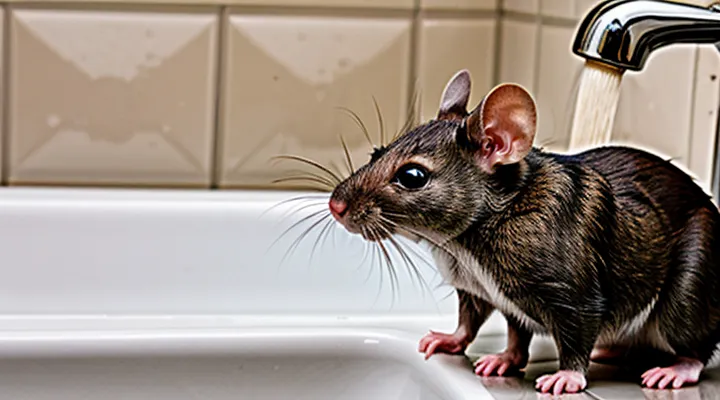
When is Bathing Necessary?
Spot Cleaning versus Full Bath
When a rat becomes soiled, two approaches exist: targeted spot cleaning and a complete immersion bath. Spot cleaning addresses localized messes without exposing the animal to prolonged water contact. Use a damp, lint‑free cloth or a cotton swab lightly moistened with warm water and a few drops of pet‑safe, unscented shampoo. Gently wipe the affected area, avoiding the eyes, ears, and genital region. Pat the fur dry with a soft towel and allow the rat to warm up in a draft‑free enclosure. This method minimizes stress and preserves the natural oils that protect the skin.
A full bath involves submerging the entire rat in a shallow container filled with lukewarm water (approximately 30 °C). Add a minimal amount of mild, rodent‑formulated cleanser; excessive soap can strip protective fur oils. Keep the immersion time under five minutes, constantly monitoring the animal’s breathing and body temperature. Immediately after removal, wrap the rat in an absorbent towel, then place it in a heated, low‑humidity environment until completely dry. Full baths are appropriate for severe infestations, persistent odors, or when spot cleaning fails to remove contaminants.
Key distinctions
- Stress level – Spot cleaning induces minimal anxiety; full immersion can trigger panic in unaccustomed rats.
- Time required – Spot cleaning takes seconds to minutes; full baths demand preparation, supervision, and extended drying time.
- Skin health – Spot cleaning preserves natural oils; full baths risk dryness if over‑used.
- Effectiveness – Spot cleaning resolves minor stains; full baths eliminate widespread dirt and odor.
Use spot cleaning as the default response to minor messes. Reserve full baths for situations where contamination is extensive, the rat shows signs of skin infection, or odor persists despite targeted cleaning. In all cases, ensure water temperature is appropriate, avoid harsh chemicals, and observe the animal closely to prevent hypothermia or respiratory distress.
Medical Reasons for Bathing
Rats may require bathing for specific health conditions that cannot be managed solely by grooming or environmental cleaning. Dermatological infections, such as fungal or bacterial dermatitis, often respond more rapidly to topical antiseptic baths, reducing lesion spread and discomfort. Parasite infestations, particularly heavy mite or flea loads, can be eliminated with medicated shampoos formulated for small rodents, preventing secondary skin damage and systemic irritation.
- Flea or mite infestations resistant to spot treatments
- Severe dermatitis unresponsive to topical ointments
- Persistent odor caused by ulcerated wounds or necrotic tissue
- Allergic reactions producing excessive scratching and self‑trauma
When a medical bath is indicated, the procedure must follow strict protocols. Use only products labeled safe for rodents, dilute according to manufacturer instructions, and maintain water temperature between 30–32 °C (86–90 °F). Limit exposure to 2–3 minutes, ensuring the rat remains upright to prevent aspiration. After bathing, dry the animal with a low‑heat source or a soft towel, monitor for signs of hypothermia, and re‑evaluate the underlying condition within 24 hours. Failure to adhere to these guidelines can exacerbate stress, cause respiratory complications, or compromise the skin barrier, undermining therapeutic goals.
Odor Control for Specific Cases
When a rat requires a bath, odor management becomes critical in environments where scent may attract predators, cause stress among cage mates, or violate hygiene standards. Effective odor control prevents secondary health issues and maintains a stable habitat for the animal and its caretakers.
Specific situations that demand targeted odor mitigation include:
- Medical treatment: Rats undergoing topical medication often develop lingering scents from ointments or antiseptics. Rinse with lukewarm water, then apply a diluted white‑vinegar solution (1 part vinegar to 4 parts water) to neutralize residual chemicals before drying with a low‑heat hair dryer.
- Breeding colonies: High‑density breeding rooms generate strong musky odors. Use a mild enzymatic cleanser on the fur after each bath, followed by a brief exposure to activated‑charcoal air filters positioned near the cage racks.
- Research facilities: Experiments involving scented compounds may leave persistent residues on the animal’s coat. Rinse with distilled water, then spray a 0.5 % hydrogen peroxide solution to break down odor‑producing molecules without harming the skin.
- Home environments: Pet owners concerned about indoor smell can add a teaspoon of baking soda to the final rinse water, allowing the mineral to absorb volatile compounds before towel‑drying.
Warnings for odor control procedures are straightforward. Do not use strong fragrances, such as perfume or essential oils, because they can mask the underlying odor while irritating the rat’s sensitive olfactory system. Avoid excessive drying temperatures; temperatures above 40 °C may damage the fur’s protective oils and intensify odor release. Always monitor the rat after treatment for signs of respiratory distress, skin irritation, or behavioral changes, and discontinue the method if adverse reactions appear.
Risks and Warnings of Bathing Rats
Hypothermia
Bathing a rat can cause a rapid drop in body temperature, leading to hypothermia if water is too cold or exposure is prolonged. Rats maintain core temperature around 37 °C; water below 30 °C accelerates heat loss because their fur provides limited insulation when wet.
Signs of hypothermia include shivering, lethargy, tremors, and a slowed heart rate. In severe cases, the animal may become unresponsive, exhibit pale or bluish skin, and show difficulty breathing.
Preventive measures:
- Use lukewarm water (30‑32 °C).
- Limit the bath to 2–3 minutes.
- Dry the rat immediately with a soft towel, then place it in a warm, draft‑free area.
- Provide a heat source such as a low‑wattage heat lamp or a warm pad set to a safe temperature.
If hypothermia is suspected:
- Wrap the rat in a dry, insulating cloth.
- Transfer to a pre‑warmed enclosure (approximately 35 °C).
- Monitor breathing and responsiveness.
- Contact a veterinarian if the animal remains lethargic after 10 minutes of warming.
Understanding the temperature thresholds and rapid drying requirements eliminates the primary risk of hypothermia during rat hygiene procedures.
Skin Irritation and Dryness
Bathing rats can lead to skin irritation if water temperature, cleaning agents, or drying methods are inappropriate. Warm water above 30 °C (86 °F) accelerates loss of the protective lipid layer, causing redness and itching. Harsh soaps disrupt the natural pH of rodent skin, increasing the risk of dermatitis. Even mild shampoos may strip oils, leaving the coat dry and brittle.
To minimize irritation and dryness, follow these precise steps:
- Use lukewarm water (25–28 °C / 77–82 °F) and limit exposure to two minutes.
- Select a fragrance‑free, rodent‑specific cleanser with a pH of 6.5–7.0; avoid human shampoos.
- Rinse thoroughly to eliminate residue that can provoke inflammation.
- Pat the fur dry with a soft towel; do not rub aggressively.
- Apply a thin layer of a veterinarian‑approved moisturizer if the coat feels tight after drying.
Frequent bathing—more than once a month for most adult rats—exacerbates dryness. Juvenile rats have thinner skin and should be bathed even less often. Observe the animal after each wash; signs of scratching, flaking, or loss of fur indicate that the bathing protocol is too harsh and requires adjustment.
Stress and Fear in Rats
Rats experience acute stress when exposed to water that is too cold, too hot, or applied abruptly. Their natural aversion to immersion triggers a cascade of physiological responses: elevated heart rate, increased cortisol levels, and heightened respiratory frequency. Prolonged exposure can depress immune function and delay wound healing, making bath‑related stress a serious welfare concern.
Observable indicators of fear and stress include:
- Rapid, shallow breathing
- Trembling or shaking of the body
- Attempted escape by climbing or clawing at the enclosure
- Vocalizations such as high‑pitched squeaks
- Excessive grooming or self‑biting after the session
These behaviors often precede a surge in adrenal hormones, which can persist for several hours. The stress response may also manifest as reduced food intake and decreased activity in the days following the bath.
Mitigation strategies focus on gradual habituation and environmental control. Steps that reduce fear include:
- Introducing a shallow, lukewarm water dish weeks before any full immersion.
- Allowing the rat to explore the bathing area voluntarily, without forced handling.
- Using a soft, non‑slippery surface to prevent loss of footing.
- Limiting the duration of exposure to no more than two minutes for untrained individuals.
When these precautions are followed, the physiological impact of bathing can be minimized, preserving the animal’s health while allowing necessary hygiene procedures.
Respiratory Issues
Bathing a rat can provoke respiratory complications if proper precautions are not observed. Moisture in the nasal passages and lungs may lead to infection, pneumonia, or chronic breathing problems. The following factors directly affect respiratory health during and after a bath:
- Use lukewarm water (30‑33 °C). Water that is too hot or cold stresses the respiratory system and may cause bronchoconstriction.
- Keep the bathing period brief, ideally under two minutes. Prolonged exposure increases the risk of water entering the airway.
- Apply water only to the fur, avoiding the face, nose, and mouth. Direct spray or submersion of the head can force water into the trachea.
- Dry the animal immediately after bathing. Use a low‑heat hair dryer on the lowest setting or a soft towel; lingering dampness promotes bacterial growth in the respiratory tract.
- Ensure a well‑ventilated environment. Fresh air reduces the buildup of humidity that can irritate the lungs.
- Monitor the rat for signs of distress: rapid breathing, audible wheezing, or nasal discharge. Prompt veterinary assessment is required if any symptom appears.
Failure to follow these measures can result in irreversible lung damage or fatal respiratory failure. Consequently, bathing should be reserved for situations where hygiene outweighs the inherent respiratory risk, and each session must be executed with strict adherence to the outlined safeguards.
Safe Bathing Practices (If Absolutely Necessary)
Water Temperature and Depth
When giving a rat a bath, water temperature must stay within a narrow, safe band. Ideal temperature ranges from 30 °C to 35 °C (86 °F‑95 °F). Anything cooler induces shock; anything hotter risks burns and hyperthermia. Test the water with a thermometer or the back of your hand before submerging the animal.
Depth should be shallow enough that the rat can stand on the bottom without effort. A container holding 2–3 cm (¾‑1 in) of water provides sufficient coverage to wet the fur while allowing the rat to keep its paws on a solid surface. Deeper water increases the risk of drowning, especially for inexperienced handlers, and may cause the animal to panic.
Guidelines for temperature and depth:
- Measure temperature; keep it between 30 °C‑35 °C.
- Use a container no deeper than 3 cm.
- Ensure the rat can touch the bottom at all times.
- Adjust water level if the rat appears distressed; remove immediately.
Adhering to these parameters minimizes stress and prevents injury during a bath.
Shampoo Selection and Usage
Choosing a suitable shampoo for a rat requires attention to composition, scent, and safety.
- Mild, unscented formula – eliminates risk of respiratory irritation and prevents stress caused by strong odors.
- Pet‑specific or veterinary‑approved – ensures pH balance compatible with rodent skin, which differs from that of cats or dogs.
- Free of harsh detergents, parabens, and dyes – reduces likelihood of dermatitis or allergic reactions.
- Water‑soluble and easily rinsed – prevents residue that could attract pests or cause grooming difficulties.
Application must follow a strict protocol to avoid harm.
- Prepare lukewarm water (approximately 30 °C) in a shallow container; water that is too hot can cause burns, while cold water may induce hypothermia.
- Wet the rat briefly, limiting exposure to a maximum of 30 seconds before shampooing.
- Dispense a few drops of the selected shampoo onto the fur, avoiding the eyes, ears, and genital area.
- Gently massage the lather, focusing on the dorsal surface and tail; the skin on the belly and paws requires minimal contact.
- Rinse thoroughly with clean lukewarm water until no suds remain; residual soap can lead to skin dryness.
- Pat dry with a soft, absorbent towel and place the animal in a warm, draft‑free environment until completely dry.
Do not reuse shampoo between animals, and discard any product that shows discoloration or an off‑odor. Regular monitoring after each bath for signs of redness, excessive scratching, or lethargy is essential; any adverse reaction warrants immediate veterinary consultation.
Drying Techniques and Precautions
Proper drying after a bath prevents hypothermia, skin irritation, and respiratory problems in rats. Use a low‑heat source and limit exposure time to maintain body temperature.
- Pat the fur gently with a soft, absorbent towel; avoid vigorous rubbing that can damage the coat.
- Place the animal in a warm, draft‑free area (e.g., a heated enclosure set to 75–80 °F) for 10–15 minutes.
- If a hair dryer is employed, set it to the lowest heat and airflow settings; keep the nozzle at least six inches from the skin and move it continuously.
- Monitor the rat’s behavior; signs of shivering or lethargy indicate excessive cooling and require immediate warming.
Precautions include keeping the drying environment free of strong odors, chemicals, and direct sunlight. Do not use high‑temperature devices such as ovens or radiators. Ensure the rat cannot escape or become trapped while still damp. After drying, check for residual moisture in the ears and tail, wiping gently if necessary. Regularly inspect the coat for signs of dermatitis, which may result from improper drying techniques.
Post-Bath Care and Monitoring
After a bath, remove excess water with a soft towel, pressing gently rather than rubbing. If a hair dryer is used, set it to the lowest temperature and keep it at least six inches from the animal to avoid burns.
Place the rat in a warm, draft‑free area until its fur is completely dry. A pre‑heated cage with clean bedding provides a safe environment and reduces the risk of hypothermia.
Monitor the following indicators during the first 24 hours:
- Activity level: normal exploration versus lethargy
- Eating and drinking: regular intake or sudden refusal
- Respiratory pattern: steady breaths without wheezing or rapid panting
- Skin and fur: absence of redness, irritation, or clumped hair
- Behavior: lack of excessive grooming, aggression, or signs of distress
Inspect the ears for moisture accumulation and gently dry them if needed. Check the fur for tangles; use a pet‑safe conditioner or a small amount of mineral oil only when matting is present. Avoid applying scented products or harsh chemicals.
Continue observation for at least three days. Contact a veterinarian if any abnormal signs persist, such as prolonged inactivity, loss of appetite, respiratory difficulty, or skin lesions.
Alternatives to Full Baths
Dust Baths
Rats instinctively seek dry, particulate material to clean their fur and remove excess oils. This behavior, known as dust bathing, mimics activities observed in wild rodents that roll in sand, ash, or finely shredded paper. The practice supports coat health, reduces skin irritation, and provides mental stimulation.
Unlike water bathing, which can chill a rat’s body and disturb its natural grooming rhythm, a dust bath offers a safe alternative that does not introduce moisture to the skin. Providing a suitable substrate eliminates the need for wet cleaning while preserving the animal’s physiological balance.
Guidelines for offering a dust bath
- Use sterile, fine‑grained material such as chinchilla sand, play sand, or shredded paper; avoid cedar or pine shavings that emit respiratory irritants.
- Place the substrate in a shallow, escape‑proof container that allows easy entry and exit.
- Keep the bath area separate from food and water stations to prevent contamination.
- Refresh the material every 2–3 days, or sooner if it becomes soiled or clumped.
- Observe the rat during initial sessions to ensure it can navigate the container without stress.
Precautions
- Do not use dust containing dust mites, mold, or chemical additives.
- Monitor for signs of respiratory distress, such as wheezing or persistent sneezing; discontinue use if symptoms appear.
- Limit exposure to 10–15 minutes per session; excessive time can dry out the skin.
- Keep the bath away from children or other pets that might disturb the substrate.
Implementing dust baths according to these rules provides rats with a natural grooming method while minimizing health risks associated with improper materials or prolonged exposure.
Wipes and Damp Cloths
Wipes and damp cloths provide a practical alternative to full immersion when maintaining rat hygiene. They allow spot cleaning of fur, paws, and tail without exposing the animal to prolonged water contact, which can cause stress and hypothermia.
Guidelines for safe use:
- Choose unscented, alcohol‑free wipes or a soft cloth moistened with lukewarm water.
- Test a small skin area for irritation before full application.
- Gently wipe in the direction of hair growth to avoid pulling follicles.
- Avoid the face, eyes, and ears; use a cotton swab with a minimal amount of moisture for those regions.
- Limit sessions to a few minutes; excess moisture can lead to skin maceration.
- Dry the rat with a clean, lint‑free towel immediately after cleaning.
- Observe the animal for signs of discomfort, excessive grooming, or skin redness; discontinue use if any adverse reaction occurs.
These practices reduce the risk of chemical exposure, minimize stress, and support overall coat health while adhering to the broader guidelines for rat bathing safety.
Maintaining Cage Hygiene
Maintaining a clean cage is essential for the health of pet rats and supports safe bathing practices. Regular removal of soiled bedding prevents ammonia buildup, which can irritate the respiratory system. Replace at least half of the bedding weekly and dispose of all waste daily. Clean food and water containers with mild detergent and rinse thoroughly to avoid residue.
Key actions for cage hygiene:
- Scrub the cage interior with warm water and a non‑abrasive cleaner; avoid harsh chemicals that may linger on surfaces.
- Rinse all surfaces multiple times, ensuring no soap remains.
- Disinfect with a diluted solution of white vinegar or a pet‑safe disinfectant; allow a contact time of 5–10 minutes before a final rinse.
- Dry the cage completely before adding fresh bedding to inhibit mold growth.
Monitor the cage for signs of dampness, foul odor, or excess droppings, and address issues promptly. Consistent hygiene reduces stress, minimizes infection risk, and creates a stable environment for occasional baths.
Grooming by the Rat Itself
Rats maintain coat condition primarily through self‑grooming. They lick fur with their tongues, use forepaws to clean face and ears, and rub bodies against surfaces to remove debris. The behavior reduces parasite load and distributes natural skin oils.
Typical grooming sessions last 5–10 minutes and occur several times daily. Increased frequency signals heat stress, illness, or skin irritation. Conversely, prolonged or obsessive grooming may indicate pain, ectoparasites, or neurological issues.
Self‑grooming satisfies most cleaning needs; external baths are rarely required. When bathing is considered, follow these precautions:
- Verify that the rat’s coat is visibly dirty or oily despite regular grooming.
- Use lukewarm water (30–32 °C) and limit exposure to 1–2 minutes.
- Apply a mild, rodent‑safe cleanser only if skin condition warrants it.
- Dry the animal thoroughly with a soft towel; avoid hair dryers or drafts.
- Observe post‑bath behavior for signs of stress or hypothermia.
Monitoring self‑grooming provides an early indicator of health problems. Intervening with a bath should occur only after confirming that the rat cannot achieve cleanliness autonomously and after weighing the risk of stress or temperature shock.