
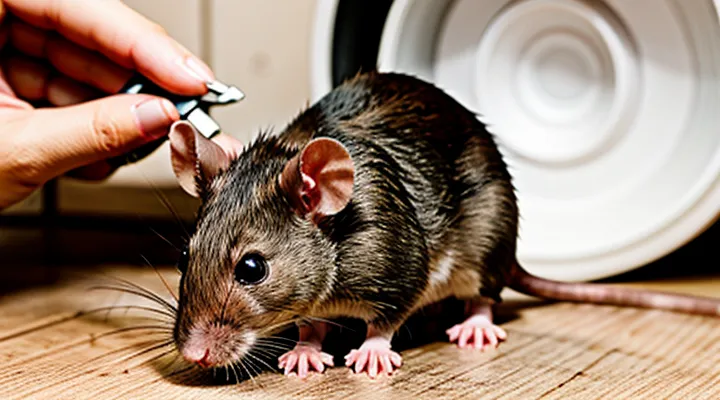
Understanding Rat Nails
Why Trimming Might Be Necessary
Overgrown Nails: Health Risks
Overgrown rat nails present several health hazards that can compromise the animal’s well‑being. Excessive length creates pressure on the toe pads, leading to painful gait alterations and reduced mobility. Continuous contact with cage surfaces may cause nails to split or break, exposing sensitive tissue and increasing the risk of infection. Bacterial colonization frequently follows such injuries, potentially spreading systemically if left untreated.
Additional complications arise from impaired grooming. Rats rely on precise nail length to maintain balance while climbing and foraging; abnormal nails disrupt these behaviors, causing stress and weight loss. In severe cases, chronic pain may trigger abnormal postures, placing undue strain on joints and spine.
Preventive measures include regular nail assessments, prompt trimming using appropriate tools, and observation for signs of swelling, discoloration, or discharge. Early intervention reduces the likelihood of tissue damage and supports overall health.
Key health risks associated with excessive nail growth:
- Pressure‑induced discomfort and altered locomotion
- Nail splitting or fracturing, leading to open wounds
- Localized infection with potential systemic spread
- Impaired grooming, resulting in nutritional deficiencies
- Chronic pain influencing musculoskeletal integrity
Routine monitoring and safe trimming protocols are essential to mitigate these risks and maintain optimal rat health.
Natural Wear and Tear
Rats experience continuous abrasion of their claws through daily activities such as climbing, digging, and gnawing. This natural wear reduces claw length gradually, maintaining a functional shape that supports balance and locomotion. When the rate of abrasion declines—commonly in captive environments with smooth surfaces—claws may become overgrown, increasing the risk of injury, infection, and difficulty in grooming.
Regular assessment of claw condition should focus on three observable factors:
- Length relative to the foot pad; excess beyond the pad indicates insufficient wear.
- Curvature; a pronounced hook suggests limited contact with abrasive substrates.
- Soft tissue health; redness or swelling signals possible trauma from overgrowth.
If natural wear proves inadequate, careful trimming becomes necessary. The procedure must employ sterilized tools, restrain the animal gently, and cut only the sharp, translucent tip to avoid the vascular pink portion known as the quick. Applying a mild antiseptic after trimming supports healing and prevents bacterial entry.
When and How to Trim Rat Nails
Assessing the Need for Trimming
Visual Inspection
Visual inspection is the first critical step before any claw‑cutting intervention on a rat. The evaluator must determine nail length, health of the surrounding tissue, and presence of abnormalities.
- Observe the tip of each claw for a clear, pinkish nail bed; a dark, opaque appearance may indicate infection or blood accumulation.
- Measure the free edge of the nail; a length extending beyond the quick (the vascularized portion) requires immediate attention.
- Check for cracks, splinters, or uneven edges that could cause pain or impede safe cutting.
- Examine the surrounding fur and skin for redness, swelling, or discharge, which suggest underlying trauma or infection.
- Assess the rat’s posture and gait; reluctance to walk or favoring a limb can reveal hidden nail issues.
If any of these observations reveal excessive length, damage, or signs of disease, postpone trimming until the condition is treated or consult a veterinarian. Only after confirming healthy nail anatomy and clear tissue should the trimming procedure proceed.
Behavioral Cues
Recognizing specific behavioral cues allows safe nail trimming for rats without causing undue stress. Observing the animal’s response before, during, and after restraint provides reliable indicators of its comfort level.
-
Signs of calm readiness:
• «relaxed posture» with limbs loosely positioned,
• continuous grooming activity,
• steady breathing rhythm,
• absence of sudden movements. -
Signs of heightened stress:
• «rapid breathing»,
• «teeth chattering»,
• attempts to escape the hand or cage,
• vigilant scanning of surroundings,
• piloerection of the dorsal fur.
When calm cues dominate, gentle handling with a soft cloth or a specialized restraining device can proceed. If any stress cues appear, pause the procedure, allow the rat to recover in a quiet environment, and reassess after a short interval. Repeated exposure to calm cues reinforces tolerance, reducing the likelihood of stress responses in future trimming sessions.
Essential Tools for Safe Trimming
Choosing the Right Clippers
Choosing appropriate clippers is a fundamental step in ensuring safe rat nail trimming. The tool must accommodate the small size of a rat’s paws while providing precise control to avoid tissue damage.
Key criteria for selecting clippers include:
- Blade length not exceeding 5 mm, allowing access to the nail tip without excessive pressure.
- Curved or angled blade design, which aligns with the natural curvature of the nail.
- Non‑slip grip surface, reducing the risk of accidental movement during the cut.
- Stainless‑steel construction, preventing corrosion and maintaining sharpness over repeated use.
A clippers set featuring interchangeable blades offers flexibility for different nail thicknesses. Models with a safety guard that limits blade exposure further protect against over‑cutting.
Regular maintenance preserves functionality: clean blades with an alcohol swab after each session, dry thoroughly, and inspect for dullness. Replace blades when cutting efficiency declines to maintain consistent, clean cuts.
Styptic Powder: A Must-Have
Styptic powder provides immediate hemostasis when a rat’s nail is inadvertently cut too close to the quick. The fine, absorbent particles constrict blood vessels, limiting blood loss and preventing prolonged bleeding.
Key advantages include:
- Rapid clot formation without external pressure.
- Minimal tissue irritation compared to liquid agents.
- Easy application: a pinch of powder applied directly to the bleeding site stops flow within seconds.
- Safe for repeated use; no cumulative toxicity observed in rodent species.
Proper usage protocol:
- Prepare a small, clean container of powder before beginning the trimming session.
- After clipping, inspect the nail tip for any exposed pink tissue.
- If bleeding occurs, dip a sterile gauze or cotton swab into the powder and press gently onto the wound.
- Maintain pressure for 10–15 seconds; bleeding should cease promptly.
- Store the powder in a dry, airtight container to preserve efficacy.
Incorporating «styptic powder» into a rat nail‑trimming routine enhances safety, reduces stress for the animal, and supports consistent grooming practices.
Towels and Treats
When trimming a rat’s nails, maintaining a clean surface and providing positive reinforcement are essential components of a safe procedure. A soft, absorbent towel placed on a stable work area absorbs blood, prevents slipping, and creates a barrier between the animal’s paws and hard surfaces. The towel should be folded to form a shallow pocket, allowing the rat to rest comfortably while the caregiver gains clear visual access to the claws.
Positive reinforcement through edible rewards encourages the rat to remain calm and cooperative. Small, high‑value treats—such as pieces of dried fruit, millet spray, or specially formulated rodent treats—should be offered immediately after each successful clip. The timing of the treat reinforces the association between nail trimming and a pleasant outcome, reducing stress and minimizing sudden movements that could lead to injury.
Practical steps for integrating towels and treats into the nail‑trimming routine:
- Prepare a clean, lint‑free towel and lay it on a non‑slipping mat.
- Gently wrap the rat in the towel, leaving the paws exposed but supported.
- Secure the towel’s edges with a light grip to prevent the animal from slipping.
- Clip the nail using appropriate clippers, avoiding the quick.
- Immediately present a small treat, allowing the rat to consume it before proceeding to the next paw.
Consistent use of a dedicated towel and timely treats creates a predictable environment, enhances safety, and supports successful nail maintenance for rats.
Step-by-Step Trimming Guide
Preparing Your Rat
Before trimming a rat’s nails, the animal must be calm and secure. Place the rat in a quiet room with minimal distractions. Use a soft towel or a small, ventilated container to limit movement without causing stress. Check the paws for injuries, swelling, or signs of infection; any abnormality requires veterinary attention prior to clipping.
Prepare the necessary tools within arm’s reach. A pair of small, sharp nail clippers designed for rodents, a styptic powder or cornstarch for bleeding control, and a bright light source to visualize the nail’s pink growth area (the quick) are essential. Disinfect the clippers with isopropyl alcohol before each session.
Steps for preparation:
- Gently restrain the rat by wrapping the towel around the body, leaving the paws exposed.
- Inspect each nail under the light, identifying the quick to avoid cutting it.
- Have the styptic material ready in case of accidental bleeding.
- Perform the trim in short, controlled motions, cutting only the distal tip of the nail.
After trimming, release the rat back into its enclosure and observe for any discomfort. Provide a treat to reinforce a positive experience. Regular preparation and careful handling reduce stress and promote safe nail maintenance.
Holding Your Rat Securely
Secure handling of a rat is a prerequisite for safe nail trimming. A calm animal reduces the risk of sudden movements that could injure both pet and handler.
Before beginning, prepare a flat, non‑slippery surface and have all tools within easy reach. Ensure the rat is accustomed to gentle restraint through regular, brief sessions.
Effective holding techniques:
- Place the rat on the palm, thumb and index finger forming a gentle “U” shape around the torso; the body rests against the heel of the hand while the forelimbs are supported by the fingers.
- Apply light pressure to the hindquarters with the opposite hand, using the palm to prevent escape without compressing the spine.
- Keep the head slightly elevated, allowing the eyes to remain open; this position discourages defensive biting.
- Maintain a firm yet relaxed grip for the duration of the trim, releasing immediately if the rat shows signs of stress.
After trimming, return the rat to its enclosure and monitor for any signs of discomfort. Consistent practice of these holding methods ensures efficient nail maintenance while preserving the animal’s well‑being.
Identifying the Quick
The quick is the living tissue within a rat’s claw that contains blood vessels and nerves. Cutting into this area causes bleeding and pain; therefore, precise identification is essential for safe nail trimming.
Visible signs of the quick include a translucent pink zone at the tip of the nail, especially in lighter‑colored claws. In darker nails, the quick appears as a small, darker core when the nail is gently illuminated from the side. The border between the clear nail plate and the pink tissue is usually sharp and can be felt with a fingertip.
Practical steps for locating the quick:
- Position the rat’s foot on a stable surface; gently extend the claw.
- Observe the nail from a side angle; note any pink translucency.
- Press lightly on the nail tip; a slight resistance indicates the solid nail plate, while a softer area suggests the quick.
- Trim only the clear portion, staying at least 1 mm away from the pink zone.
If bleeding occurs, it indicates the quick has been cut. Immediate action includes applying a small amount of styptic powder or cornstarch to the tip and maintaining gentle pressure until the bleeding stops. Repeated trimming of the same nail should be spaced by several weeks to allow regrowth of the quick.
Making the Cut
Trimming a rat’s nails requires precise handling, appropriate tools, and strict safety measures. The process begins with selecting a pair of small, sharp nail clippers designed for rodents or a fine‑tipped human nail clipper. Ensure the instrument is clean and disinfected before each use.
The rat should be gently restrained to prevent sudden movements. Hold the animal securely but without excessive pressure, supporting the body with one hand while the other hand steadies the paw. Locate the transparent nail tip; avoid the pink, vascular portion known as the quick. Cutting only the opaque tip eliminates the risk of bleeding.
A step‑by‑step approach enhances consistency:
- Position the claw so the quick is clearly visible.
- Clip a small segment of the nail tip, no more than a millimeter.
- Pause to inspect for any signs of bleeding; apply a sterile styptic powder if necessary.
- Repeat for each claw, working gradually to maintain the animal’s calm.
After trimming, observe the rat for a short period to confirm the absence of discomfort or excessive bleeding. Regular maintenance, typically once every two to three weeks, prevents overgrowth and associated health issues.
Post-Trimming Care
After nail trimming, examine each claw for clean cuts and any residual bleeding. Apply a sterile antiseptic solution directly to the wound edges; allow it to dry before handling the animal again.
Observe the rat for at least fifteen minutes following the procedure. If bleeding persists, apply gentle pressure with a clean gauze pad until hemostasis is achieved.
Maintain a warm, quiet enclosure for the next twelve to twenty‑four hours. Provide soft bedding to reduce stress on the paws and limit exposure to rough surfaces that could reopen the wound.
Key post‑trimming actions:
- Clean the clipped area with a veterinary‑approved antiseptic.
- Inspect for signs of infection: swelling, redness, discharge, or odor.
- Monitor daily for changes in behavior, grooming, or locomotion.
- If infection indicators appear, seek veterinary assessment promptly.
- Replace bedding regularly to keep the environment dry and hygienic.
Document the trimming date, observed issues, and any interventions performed. Accurate records aid in evaluating the rat’s response to future nail‑maintenance routines.
What to Do If You Cut the Quick
Applying Styptic Powder
Applying styptic powder is a critical step in preventing prolonged bleeding after a rat’s nails have been trimmed. The powder’s astringent properties cause rapid vasoconstriction, sealing cut vessels within seconds.
Procedure:
- Have a small container of sterile styptic powder within arm’s reach before beginning the trim.
- After each nail cut, press a fingertip‑sized amount of powder directly onto the bleeding edge.
- Hold pressure for 10–15 seconds; the bleeding should cease promptly.
- If bleeding persists, repeat the application once more before assessing for deeper injury.
Precautions:
- Use only veterinary‑grade styptic powder; avoid products containing irritants such as menthol or alcohol.
- Do not apply powder to intact skin; limit contact to the cut site to prevent unnecessary irritation.
- Store the powder in a dry, sealed container to maintain efficacy.
- Dispose of any contaminated applicators according to local biohazard guidelines.
Monitoring for Bleeding
When a rat’s claw is trimmed, immediate observation for blood loss prevents complications.
Visible indicators of hemorrhage include a bright red stream from the nail bed, a darkening spot that expands, and the presence of blood on surrounding fur or the trimming tool.
Effective response steps:
- Apply gentle pressure with a clean, dry gauze pad for 30–60 seconds.
- If bleeding persists, introduce a small amount of styptic powder or cornstarch directly onto the wound.
- Maintain pressure for an additional 1–2 minutes until flow ceases.
- Inspect the site after compression; ensure the clot is stable and no fresh bleeding occurs.
Continued oozing after the above measures, swelling, or signs of distress such as lethargy require prompt veterinary evaluation. Early detection and swift action protect the animal’s health and support safe nail‑trimming practices.
When to Contact a Vet
When a rat’s nails have been trimmed, immediate assessment determines whether professional veterinary assistance is required. Delayed or excessive bleeding, visible infection, or signs of severe pain indicate an urgent need for expert care.
Key indicators for contacting a vet:
- Bleeding that does not cease within five minutes despite gentle pressure.
- Swelling, redness, or pus around the nail bed.
- The rat vocalizes or exhibits frantic behavior after trimming.
- Inability or reluctance to walk, climb, or grip surfaces.
- A broken or partially torn nail exposing underlying tissue.
- Persistent licking or chewing at the trimmed area.
- The animal is a juvenile or has known health conditions that compromise healing.
If any of these conditions are present, arrange veterinary evaluation promptly. Early intervention prevents complications and supports a swift recovery. «If bleeding persists beyond five minutes, seek veterinary care».
Alternatives to Trimming and Prevention
Providing Enrichment for Natural Wear
Rough Surfaces and Substrates
Rats require precise nail trimming to prevent injury and infection. The condition of the surface on which the animal is restrained directly influences the safety of the procedure. Rough or uneven substrates can cause the rat to shift unexpectedly, increasing the risk of accidental cuts to the skin or damage to the nail bed. Selecting a stable, low‑friction platform minimizes movement and allows the technician to maintain control of the claw.
Effective substrates include:
- «non‑slip rubber mat» placed on a flat workbench;
- «soft foam pad» covered with a disposable, smooth sheet;
- «hard plastic tray» with a textured bottom that does not protrude.
Each option provides a secure base while avoiding sharp edges that could harm the animal. The material should be easy to clean and disinfect between sessions to reduce the spread of pathogens.
During trimming, the rat’s paws are gently positioned on the chosen surface, ensuring that only the nail tip is exposed. The clamp or holder used to secure the limb must not exert pressure on the surrounding fur or skin. By combining a suitable substrate with careful handling, the risk of splintering or over‑cutting is substantially reduced, supporting a humane and efficient nail‑trimming protocol.
Digging Boxes and Toys
Providing a secure environment for trimming a rat’s claws enhances precision and reduces stress. Digging boxes and chew toys serve as essential tools that encourage natural behavior, keep the animal occupied, and facilitate safe handling during the procedure.
Key functions of digging boxes and toys include:
- Offering a familiar substrate that distracts the rat while the handler secures the paws;
- Allowing the animal to grip and stabilize its limbs, preventing sudden movements;
- Reducing anxiety by enabling exploratory activity before and after grooming;
- Supporting hygiene by containing debris that can be easily removed and sanitized.
Selection criteria for these accessories emphasize material safety and ease of cleaning. Preferred substrates consist of untreated paper bedding or shredded cellulose, which avoid splintering and are free of toxic additives. Toys should be constructed from untreated wood, natural fibers, or safe polymers; they must be free of small detachable parts that could be ingested. Regular inspection and replacement of worn items prevent hidden hazards that could compromise the trimming process.
Professional Grooming Services
When to Seek Expert Help
Trimming a rat’s claws can be performed at home with proper technique, yet specific circumstances demand veterinary or professional intervention.
- Persistent bleeding that does not cease within a minute after applying pressure.
- Visible infection, swelling, or discharge around the nail bed.
- Fractured or splintered nail causing abnormal shape or pain.
- Sudden aggression or extreme stress during handling, indicating the animal’s inability to tolerate the procedure.
- Absence of appropriate tools, such as calibrated nail clippers designed for small rodents.
- Underlying health conditions (e.g., clotting disorders, severe arthritis) that increase procedural risk.
When any of these indicators appear, immediate consultation with a qualified veterinarian ensures safe resolution and prevents complications.
Finding a Rat-Savvy Veterinarian or Groomer
Trimming a rat’s nails safely often requires a professional who understands the species’ anatomy and stress responses. Selecting a veterinarian or groomer with specific rat experience reduces the risk of injury and ensures humane handling.
Key qualifications to verify:
- Certification in exotic‑animal practice or equivalent advanced training.
- Documented history of treating rodents, particularly rats.
- Availability of appropriate restraint tools and nail‑trimming instruments.
- Policies regarding anesthesia or sedation for particularly anxious individuals.
- Positive client testimonials referencing rat care.
Effective methods for locating such specialists:
- Search veterinary association directories for members listed under “exotic mammals” or “small rodents.”
- Contact local animal shelters or rescue groups that work with rats; they often maintain lists of trusted practitioners.
- Inquire at reputable pet‑store specialists; many maintain relationships with nearby rat‑savvy veterinarians or groomers.
- Utilize online forums dedicated to pet rats; community members frequently share recommendations and contact information.
Before scheduling, confirm the provider’s approach:
- Request a brief description of handling techniques; look for calm, low‑stress methods.
- Ask whether the practitioner performs a pre‑procedure health assessment.
- Clarify post‑procedure monitoring procedures and any follow‑up instructions.
Choosing a qualified professional aligns with the overarching goal of safe nail maintenance, minimizes complications, and promotes the rat’s overall wellbeing.