
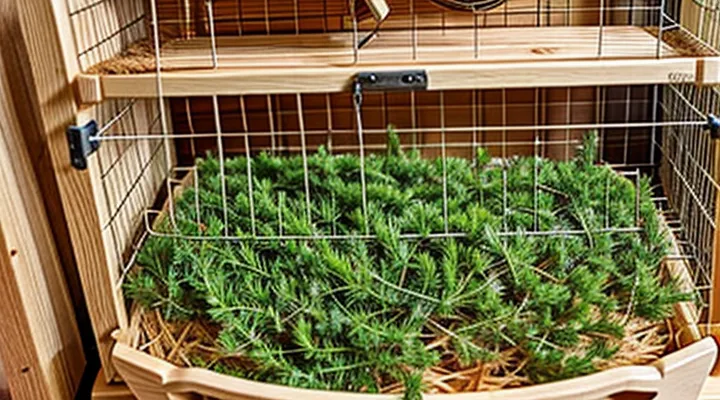
«Health Risks Associated with Pine Shavings»
«Respiratory Issues»
Pine shavings release volatile aromatic compounds, primarily phenols and terpenes, which act as respiratory irritants for rats. Inhalation of these substances can trigger inflammation of the nasal mucosa, leading to sneezing, nasal discharge, and increased susceptibility to secondary infections such as bronchitis and pneumonia. Chronic exposure may exacerbate pre‑existing conditions, reduce aerobic capacity, and impair growth rates.
Key factors that influence the severity of respiratory problems include:
- Particle size: fine shavings remain airborne longer, increasing inhalation risk.
- Ventilation: inadequate airflow allows accumulation of irritant vapors.
- Exposure duration: continuous bedding contact raises cumulative dose.
- Animal health: immunocompromised or juvenile rats exhibit heightened sensitivity.
Mitigation strategies involve selecting bedding with low aromatic content, such as paper‑based or aspen shavings, ensuring at least 15 air changes per hour in the cage environment, and regularly replacing soiled bedding to prevent buildup of dust and volatile compounds. When pine shavings are used, opting for kiln‑dried material reduces resin content, but monitoring for signs of respiratory distress remains essential.
«Liver Damage»
Pine shavings are a common bedding material for laboratory and pet rodents, but they contain volatile compounds that can affect hepatic function. The resinous components of pine—primarily pine oil, phenols, and terpenes—are absorbed through inhalation and dermal contact. In rats, these substances are metabolized by liver enzymes, and excessive exposure can overwhelm detoxification pathways, leading to hepatocellular injury.
Key mechanisms of liver damage include:
- Oxidative stress: Pine-derived terpenes generate reactive oxygen species, which damage cellular membranes and mitochondrial DNA.
- Enzyme induction: Phenolic compounds stimulate cytochrome P450 activity, altering normal metabolic rates and producing toxic intermediates.
- Inflammatory response: Irritant vapors trigger cytokine release, promoting hepatic inflammation and fibrosis over prolonged exposure.
Empirical studies demonstrate dose‑dependent effects. Rats housed on untreated pine shavings for more than four weeks show elevated serum alanine aminotransferase (ALT) and aspartate aminotransferase (AST) levels, histological signs of necrosis, and reduced glutathione reserves. When shavings are pre‑treated—washed, heat‑sterilized, or replaced with low‑resin alternatives—biomarkers return to baseline, indicating that the risk is mitigated by reducing resin content.
Practical recommendations for minimizing hepatic risk:
- Select low‑resin pine varieties (e.g., white pine) or use alternative bedding such as paper or aspen.
- Perform regular bedding changes (minimum twice weekly) to limit volatile accumulation.
- Employ ventilation systems that achieve at least 15 air changes per hour in the cage environment.
- Monitor liver enzymes in long‑term studies, establishing reference ranges for the specific strain and housing conditions.
In summary, untreated pine shavings pose a measurable threat to rat liver health through oxidative, enzymatic, and inflammatory pathways. Proper selection, processing, and environmental management are essential to prevent hepatic damage while retaining the practical benefits of pine bedding.
«Skin Irritation and Allergies»
Pine shavings release aromatic compounds such as phenols, terpenes, and resin acids. When these substances contact a rat’s skin, they can disrupt the epidermal barrier, leading to erythema, itching, and localized inflammation. Rats with sensitive skin or pre‑existing dermatological conditions are especially prone to developing irritant dermatitis.
Common manifestations of skin irritation from pine bedding include:
- Red or pink patches on the fur‑covered skin
- Scratching or excessive grooming
- Hair loss in affected areas
- Swelling or mild ulceration
Allergic reactions differ from irritant dermatitis in that they involve an immune response. Sensitisation may occur after repeated exposure, producing delayed‑type hypersensitivity. Symptoms can extend beyond the skin to include sneezing, nasal discharge, and watery eyes, indicating a systemic response to the airborne pine particles.
Risk mitigation strategies:
- Conduct a short‑term exposure trial with a single rat before full‑scale implementation.
- Observe the animal for the signs listed above during the trial period.
- If any reaction appears, replace pine shavings with inert substrates such as paper bedding, aspen chips, or hemp.
- Maintain low humidity and good ventilation to reduce the concentration of volatile compounds.
- Keep bedding dry; damp pine shavings increase the release of irritant chemicals.
When pine shavings are chosen despite the risk, regular health checks and prompt removal of soiled material limit prolonged skin contact. Monitoring and swift substitution of bedding material protect the animal’s welfare and prevent escalation from mild irritation to chronic allergic dermatitis.
«Why Pine Shavings Are Problematic»
«Phenols and Aromatic Hydrocarbons»
Pine bedding releases a mixture of phenolic compounds and aromatic hydrocarbons as the wood dries and is disturbed. Phenols, such as guaiacol and catechol, are partially water‑soluble, moderately volatile, and possess antiseptic properties. Their concentration in fresh shavings can reach several milligrams per kilogram of material, decreasing over time as the wood ages. Aromatic hydrocarbons, including terpenes like α‑pinene and β‑pinene, evaporate readily at ambient temperature, creating a distinctive scent and contributing to the overall chemical profile of the bedding.
Both groups of substances interact with the respiratory system of small mammals. Phenols can irritate mucous membranes, provoke coughing, and, at elevated levels, impair hepatic function. Aromatic hydrocarbons are known to cause nasal irritation, affect olfactory epithelium, and, in chronic exposure, increase the risk of liver and kidney stress. The magnitude of these effects depends on ventilation, bedding thickness, and the duration of exposure.
Key considerations for using pine litter in rodent enclosures:
- Ensure continuous airflow to dilute airborne phenols and terpenes.
- Replace bedding frequently, especially during warm months when volatilization accelerates.
- Monitor rats for signs of respiratory distress, such as sneezing, labored breathing, or nasal discharge.
- Prefer aged or kiln‑dried shavings, which contain lower concentrations of volatile compounds.
When these precautions are applied, the antiseptic benefits of phenolic constituents can coexist with the structural comfort of wood shavings. Without adequate ventilation and regular bedding turnover, the presence of phenols and aromatic hydrocarbons poses a measurable health risk to housed rodents.
«Dust Content»
Pine shavings generate particulate matter that can become airborne within a rodent enclosure. The size and concentration of these particles influence respiratory health, eye irritation, and the cleanliness of the cage environment.
Typical pine bedding contains a mixture of fine fibers and larger chips. Fine fibers, measuring less than 10 µm, remain suspended for extended periods, while larger chips settle quickly. The proportion of fine fibers varies by processing method and brand, with some products reporting up to 15 % dust by weight.
Elevated dust levels increase the risk of respiratory inflammation in rats. Chronic exposure may lead to nasal mucosa irritation, reduced airway clearance, and heightened susceptibility to infections. Eye irritation can also occur, particularly in young or immunocompromised individuals.
To control dust when employing pine bedding, consider the following measures:
- Choose a product labeled “low‑dust” or “dust‑free.”
- Pre‑sift shavings through a coarse mesh to remove the smallest particles.
- Store bedding in a sealed container to prevent moisture‑induced clumping, which releases additional dust when disturbed.
- Replace the substrate regularly, monitoring for visible dust accumulation.
- Provide adequate ventilation in the animal room to dilute airborne particles.
By selecting low‑dust pine shavings and implementing these practices, the bedding can be used safely without compromising rat health or cage hygiene.
«Safer Alternatives for Rat Bedding»
«Paper-Based Bedding»
Paper-based bedding offers a low‑dust, absorbent alternative for rodent enclosures. Its composition—typically shredded newspaper, recycled paper pulp, or cellulose strips—provides a soft substrate that reduces the risk of respiratory irritation common with aromatic wood shavings. The material’s high absorbency limits moisture buildup, helping maintain a dry environment that discourages bacterial growth.
Key characteristics include:
- Minimal volatile organic compounds; no pine resin or aromatic oils.
- Easy to replace; sections can be removed without disturbing the whole cage.
- Biodegradable; compostable after use, reducing waste impact.
- Low cost; bulk purchases often undercut specialty wood products.
Potential drawbacks:
- Less natural digging medium; some rats may show reduced burrowing behavior.
- May compact when wet, requiring more frequent changes.
- Slightly higher weight per volume, affecting transport and storage.
When evaluating the suitability of pine shavings for rat housing, paper bedding addresses the primary concerns: respiratory health, odor control, and ease of maintenance. Rats tolerate the texture, and the absence of pine allergens makes it a safer choice for sensitive individuals. Proper layering—approximately two inches of dry paper bedding—provides sufficient cushioning while allowing for spot cleaning. Regular monitoring of moisture levels ensures the substrate remains effective throughout the cleaning cycle.
«Aspen Shavings»
Aspen shavings are a common bedding material for rodents because they are low in aromatic oils and dust. Unlike pine, which contains resinous compounds that can irritate a rat’s respiratory system, aspen provides a neutral environment that supports healthy breathing.
Nutritional safety is not a concern; aspen is non‑toxic and does not contain the phenols found in some coniferous woods. The material is absorbent, allowing efficient moisture control, which helps prevent the growth of mold and bacteria in the cage.
Key characteristics of aspen shavings:
- Minimal dust production, reducing inhalation risk.
- Soft texture that prevents skin abrasions while offering sufficient nesting support.
- High absorbency, facilitating quick removal of urine and droppings.
- Inexpensive and readily available from pet‑store suppliers.
When evaluating bedding alternatives for a rat enclosure, aspen shavings meet the primary criteria of safety, comfort, and hygiene, making them a suitable substitute for pine‑based options.
«Fleece and Fabric Liners»
Fleece and fabric liners are common alternatives to loose bedding in rodent enclosures. When evaluating pine shavings as a substrate, the presence of a removable fabric layer influences hygiene, temperature regulation, and the risk of respiratory irritation.
A fabric liner can:
- Contain pine particles, preventing them from spreading to ventilation openings.
- Provide a washable surface that reduces the need for frequent complete cage cleanouts.
- Offer a soft texture that may improve comfort for the animals.
Potential drawbacks include:
- Reduced airflow under the liner, which can trap dust from pine shavings and increase inhalation hazards.
- Difficulty in securing the liner tightly enough to prevent rats from chewing or escaping through gaps.
- Possible retention of moisture, leading to mold growth if the liner is not dried thoroughly after washing.
Best practices for combining fleece or fabric liners with pine shavings:
- Select a breathable, tightly woven material that allows air exchange while holding particles.
- Cut the liner to fit the cage interior precisely, securing edges with clips or non‑toxic adhesive.
- Replace the liner weekly and wash it in hot water (≥60 °C) with a mild detergent, rinsing thoroughly.
- Monitor the cage for signs of respiratory distress, especially during the first few days after introducing pine shavings.
Overall, a well‑maintained fabric liner can mitigate some of the disadvantages of pine shavings, but careful management of ventilation and cleaning protocols remains essential.
«Other Safe Options»
When selecting bedding for a rat enclosure, the primary concern is a material that is non‑toxic, absorbent, and comfortable for the animals. Pine shavings can release aromatic oils that may irritate the respiratory system, prompting owners to explore alternative substrates.
- Paper‑based bedding (recycled newspaper, shredded paper) – low dust, high absorbency, readily available.
- Aspen shavings – free of resinous compounds, soft texture, suitable for nesting.
- Coconut fiber (coir) – natural, biodegradable, provides good insulation and nesting material.
- Hemp bedding – minimal dust, strong absorbency, durable over time.
- Unbleached cotton flakes – soft, low allergen potential, easy to replace.
Choosing the appropriate option involves checking for dust levels, ensuring the material does not contain added fragrances or chemicals, and confirming that it can be changed frequently to maintain hygiene. Regular monitoring of the cage’s humidity and cleanliness will prevent mold growth and reduce the risk of respiratory issues.
«Proper Cage Maintenance with Safe Bedding»
«Frequency of Cleaning»
Pine bedding absorbs moisture quickly, so waste and urine can become saturated within hours. This accelerates bacterial growth and ammonia production, making regular removal essential for rodent health.
Key determinants of cleaning intervals include:
- Quantity of droppings and urine deposited each day
- Ambient humidity and cage ventilation
- Size of the bedding layer and its depth
- Presence of strong pine odor, which may mask early signs of waste accumulation
For optimal hygiene, implement the following routine:
- Remove visibly soiled shavings and replace with fresh material at least once daily.
- Conduct a complete bedding change every 3–5 days, depending on humidity and colony size.
- Perform a weekly deep clean of the cage, scrubbing surfaces with a mild, rodent‑safe disinfectant before adding new pine bedding.
Monitor the cage for increasing ammonia smell, damp patches, or reduced activity in the animals. Any of these indicators warrant an immediate full bedding replacement, regardless of the standard schedule. Consistent adherence to this regimen maintains a clean environment while preserving the natural properties of pine shavings.
«Quantity of Bedding»
When pine shavings are chosen as the substrate for a rat enclosure, the amount applied directly affects hygiene, comfort, and respiratory health. An appropriate depth creates a absorbent layer without allowing the material to become compacted or overly dusty.
A practical guideline for a standard 20‑inch by 12‑inch cage with a floor area of approximately 240 sq in (1.5 sq ft) is to provide a bedding depth of 1–1.5 inches. This translates to roughly 0.5 lb (225 g) of dry pine shavings per week, assuming regular spot cleaning. For larger cages or multi‑level setups, increase the volume proportionally, maintaining the same depth.
Key points for managing bedding quantity:
- Measure depth with a ruler before adding material; adjust after each cleaning session.
- Distribute shavings evenly to avoid low spots where waste can accumulate.
- Replace the entire bedding layer every 5–7 days, or sooner if moisture or odor becomes noticeable.
- Monitor rats for signs of respiratory irritation; excessive accumulation can increase airborne particles.
By adhering to these quantity parameters, pine shavings can serve as a functional and safe substrate while minimizing health risks and maintenance effort.
«Recognizing Signs of Illness in Rats»
«Respiratory Symptoms»
Pine shavings are a common bedding material for laboratory and pet rodents, valued for absorbency and scent. The same aromatic compounds that mask waste odors—principally phenols and terpenes—can act as respiratory irritants when inhaled by small mammals with sensitive airways.
Inhalation of volatile organic compounds released from fresh pine bedding increases the concentration of airborne particulates within an enclosure. Elevated particulate levels provoke inflammatory responses in the nasal passages and lower respiratory tract, compromising mucociliary clearance and gas exchange.
Typical respiratory manifestations observed in rats exposed to pine shavings include:
- Repetitive sneezing
- Clear or serous nasal discharge
- Audible wheezing during expiration
- Labored or rapid breathing (tachypnea)
- Coughing episodes
- Reduced activity due to dyspnea
Continuous observation of these signs enables early detection of bedding‑related distress. If symptoms appear, immediate removal of pine shavings, replacement with low‑dust alternatives such as aspen, paper pulp, or hemp, and ventilation enhancement are recommended. Veterinary assessment should follow persistent or severe presentations to rule out secondary infections or allergic sensitization.
«Skin Conditions»
Pine shavings introduce volatile compounds such as terpenes and phenols that can irritate rodent skin. Direct contact may cause erythema, pruritus, or localized inflammation. Rats with compromised fur or existing dermatitis are especially vulnerable.
Common skin issues linked to pine bedding include:
- Contact dermatitis: redness and swelling where shavings touch the skin.
- Allergic reaction: hives or papules after repeated exposure to aromatic oils.
- Fungal overgrowth: moisture trapped in pine fibers creates a humid microenvironment favorable to dermatophytes.
- Mechanical abrasion: sharp needle fragments can cause micro‑lacerations, leading to secondary infection.
Preventive measures focus on bedding selection and hygiene. Use low‑dust, kiln‑dried pine products to reduce particulate load. Replace bedding frequently, at least twice weekly, to limit resin accumulation. Monitor rats daily for signs of irritation; early detection permits swift bedding change and topical treatment.
If skin lesions appear, remove pine shavings immediately, clean the affected area with a mild antiseptic solution, and apply a veterinary‑approved ointment. Consider switching to paper, hemp, or aspen bedding, which lack irritant oils and provide comparable absorbency without compromising rodent comfort.
«Behavioral Changes»
Pine shavings introduce a distinct olfactory environment that can alter rat behavior. Studies show that the scent of pine may trigger nesting activity, increase grooming, and affect social interaction patterns. Observed effects include:
- Enhanced nest building: rats incorporate the soft, aromatic material into nests, resulting in larger, more complex structures.
- Elevated grooming frequency: the resinous particles stimulate grooming, which can improve coat condition but also lead to over‑grooming if exposure is excessive.
- Modified aggression levels: some groups display reduced territorial disputes, while others exhibit heightened irritability, likely reflecting individual scent sensitivity.
- Altered exploration: rats tend to investigate pine‑lined areas more actively, increasing locomotor activity during the first 24 hours after introduction.
- Variable stress markers: cortisol measurements rise in a subset of rats exposed to fresh pine shavings, suggesting a stress response to the strong odor.
These behavioral shifts depend on shavings quality, age, and ventilation. Fresh, untreated pine releases volatile compounds that can exacerbate respiratory irritation, indirectly influencing activity and social dynamics. Proper curing of the shavings and regular cage cleaning mitigate adverse effects while preserving the nesting benefits.