
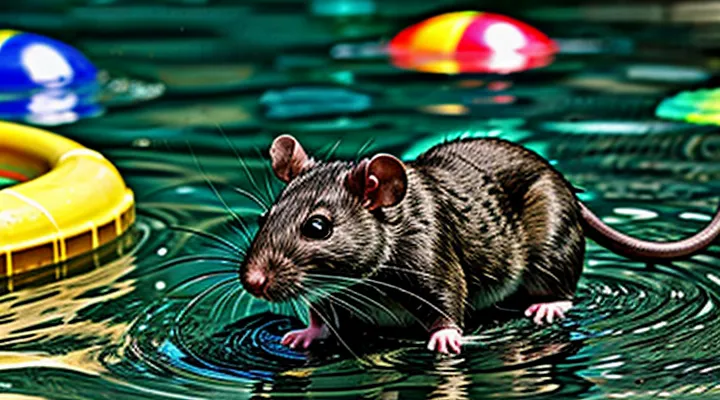
The Natural Instincts of Rats in Water
Understanding Rodent Swimming Abilities
Pet rats possess a natural ability to stay afloat and move through water. Their bodies are buoyant, and a reflexive paddling motion enables them to navigate short distances without assistance. This instinctive behavior is common among many rodents, which have evolved to escape predators or cross shallow streams in the wild.
Key physiological traits that support aquatic movement include:
- Dense, muscular hind limbs that generate propulsion.
- A flexible spine allowing coordinated side‑to‑side strokes.
- A tail that functions as a rudder for steering.
- Skin and fur that repel water to a limited extent, reducing drag.
Safety considerations are essential when exposing a pet rat to water. Rats can become exhausted quickly, especially in cold or deep environments. Supervision, brief exposure times, and warm, shallow water reduce stress and prevent hypothermia. After swimming, the animal should be dried thoroughly and kept in a warm area.
In experimental settings, rats have demonstrated the capacity to complete maze tasks while swimming, indicating that their motor skills remain functional underwater. However, prolonged immersion leads to fatigue, loss of coordination, and increased risk of drowning. Proper handling and observation are therefore required to ensure that any swimming activity remains brief, controlled, and beneficial for the animal’s well‑being.
How Wild Rats Interact with Water
Escape Mechanisms
Pet rats possess innate abilities that enable rapid departure from aquatic environments. Muscular hind‑limb strokes generate thrust, while fore‑limb paddling stabilizes direction. A flexible spine allows swift undulation, producing efficient propulsion without excessive energy expenditure.
Breathing control contributes to escape. Rats can hold their breath for 30–90 seconds, depending on size and conditioning, delaying submersion while seeking the surface. The diaphragm contracts rhythmically, maintaining oxygen exchange when the head breaks the water surface.
Buoyancy is achieved through a combination of lung inflation and the low density of fur. When a rat surfaces, inhalation expands the thoracic cavity, increasing overall buoyancy and facilitating upward movement. The dense, water‑repellent coat traps air, reducing drag and aiding floatation.
Reflexive behaviors trigger immediate response to water exposure:
- Immediate head lift to locate air.
- Rapid limb extension to generate thrust.
- Tail curling to steer and stabilize.
- Quick surface breach followed by vigorous paddling to reach safety.
Owners must mitigate accidental immersion by securing cages, eliminating open water sources, and supervising any intentional swimming sessions. Training can enhance confidence, but supervision remains essential to prevent drowning.
Foraging for Food
Pet rats frequently encounter shallow water while searching for edible items in outdoor environments. Their natural foraging routes often include garden beds, puddles, and low‑lying streams where insects, seeds, and plant material accumulate.
Rats possess strong forelimb and hindlimb coordination, dense fur that repels water, and a flexible spine that enables efficient propulsion. These adaptations allow them to cross short distances of water without compromising respiration or balance. Laboratory observations confirm that domesticated specimens can sustain buoyancy for several seconds, sufficient to reach a dry surface or a food source.
When owners provide enrichment that mimics outdoor foraging, introducing controlled water elements can stimulate natural behaviors. However, exposure must be managed to prevent hypothermia, drowning, or stress. Recommended precautions include:
- Use a shallow, temperature‑regulated container no deeper than 2 cm.
- Supervise each session; terminate if the rat shows signs of fatigue.
- Dry the animal immediately after activity and provide a warm resting area.
- Limit sessions to 1–2 minutes for inexperienced individuals.
Understanding the link between aquatic ability and food‑seeking behavior helps owners create safe, stimulating habitats that respect the species’ innate capacities.
Pet Rats and Water: Safety and Considerations
Is it Safe for Pet Rats to Swim?
Potential Dangers of Swimming
Pet rats are capable of paddling when placed in water, but several hazards can quickly turn a brief immersion into a life‑threatening situation.
- Hypothermia – Small mammals lose heat faster than larger animals. Even lukewarm water can lower body temperature, leading to loss of coordination and eventual collapse.
- Drowning – Rats lack the instinct to surface consistently. Panic can cause them to inhale water, especially if they become disoriented or exhausted.
- Skin irritation – Chlorinated pools, saltwater, or chemically treated baths may cause dermatitis, disrupting the protective fur barrier and increasing infection risk.
- Stress‑induced organ strain – Acute stress elevates heart rate and cortisol levels, potentially overloading the cardiovascular system of a fragile pet.
- Escaping injuries – Rapid movement in confined spaces can result in bruises, cuts, or broken bones if the rat collides with hard surfaces.
To mitigate these risks, provide only shallow, warm water for brief supervised sessions, keep the environment calm, and dry the animal promptly after exposure. Continuous monitoring is essential; any sign of distress warrants immediate removal from the water.
Water Temperature Concerns
Pet rats can be introduced to water safely only when temperature is carefully controlled.
Temperatures between 75 °F and 85 °F (24 °C‑29 °C) maintain core body heat without causing stress. Below 70 °F (21 °C) rats experience rapid heat loss, leading to hypothermia, reduced circulation, and potential shock. Temperatures above 90 °F (32 °C) increase the risk of overheating, dehydration, and promote bacterial proliferation in the water.
Cold water accelerates metabolic slowdown; rats become lethargic and may lose coordination, compromising their ability to escape the container. Warm water elevates heart rate and respiration; prolonged exposure can result in heat exhaustion and respiratory distress.
Safety measures:
- Use a calibrated thermometer to verify water temperature before each session.
- Adjust ambient room temperature to keep water within the 75‑85 °F range.
- Limit swimming time to 5‑10 minutes for inexperienced rats; extend gradually only if the animal shows no signs of distress.
- Provide a dry, warm area for immediate post‑swim recovery.
- Replace water after each use to prevent microbial growth.
Monitoring temperature eliminates the primary physiological hazards associated with aquatic activity, ensuring that swimming remains a beneficial enrichment rather than a health threat.
Risk of Drowning
Pet rats are capable of brief surface swimming, but their anatomical and behavioral traits make them highly vulnerable to drowning. Their small size, limited lung capacity, and instinct to cling to solid surfaces reduce the time they can remain afloat without assistance. When placed in water, a rat may initially paddle, yet the lack of strong buoyancy control quickly leads to exhaustion, loss of coordination, and submersion.
Key factors that increase drowning risk:
- Depth and temperature: Even shallow water can be fatal if the rat cannot reach a stable platform; cold water accelerates hypothermia and muscle fatigue.
- Surface texture: Smooth or slippery surfaces prevent rats from gripping, causing them to slip and become fully immersed.
- Stress response: Exposure to unfamiliar aquatic environments triggers panic, impairing the animal’s natural survival instincts.
- Health status: Respiratory infections, obesity, or injuries diminish stamina and reduce the ability to keep the head above water.
Preventive measures:
- Avoid placing pet rats in any unattended water source, including sinks, bathtubs, or open containers.
- Provide secure, textured platforms (e.g., rubber mats, wooden blocks) if water enrichment is necessary for enrichment purposes.
- Supervise any water‑related activities closely; intervene at the first sign of distress.
- Keep water shallow (no deeper than 1 cm) and warm (approximately 30 °C) to minimize hypothermic shock.
- Monitor the rat’s health regularly; ensure respiratory and cardiovascular systems are sound before any exposure to water.
If drowning occurs, immediate action is critical. Remove the animal from the water, gently dry the fur, and apply gentle pressure to the chest to stimulate breathing. If the rat does not resume normal respiration within a few seconds, perform small, quick breaths into the nostrils while supporting the airway, followed by chest compressions if necessary. Seek veterinary assistance promptly, as delayed treatment can result in irreversible brain damage.
Contaminated Water Hazards
Pet rats occasionally encounter water during play or accidental exposure. Contaminated water poses several direct threats to their health.
- Pathogenic bacteria (e.g., Salmonella, Leptospira) can enter the bloodstream through the gastrointestinal tract after ingestion.
- Toxic chemicals such as heavy metals, pesticides, or disinfectant residues cause organ dysfunction and neurological impairment.
- Parasites (e.g., Giardia, Cryptosporidium) proliferate in stagnant or polluted water, leading to chronic diarrhea and dehydration.
- Elevated ammonia or chlorine levels damage mucosal membranes, increasing susceptibility to infection.
Ingestion or prolonged contact with polluted water may result in rapid onset of illness, reduced immune response, and potentially fatal outcomes. Regular testing of water sources, provision of filtered or boiled water, and immediate removal of standing water reduce exposure risk. Monitoring for signs of distress—lethargy, loss of appetite, abnormal stool—allows early intervention.
Should You Encourage Your Pet Rat to Swim?
Benefits of Controlled Water Play
Pet rats possess a natural instinct to paddle when they encounter water, but exposing them to water should be managed deliberately. Controlled water play creates a safe environment where the animal can experience the activity without risk of hypothermia, drowning, or stress.
Physical advantages
- Muscle groups in the limbs and torso engage during swimming motions, promoting strength and flexibility.
- Cardiovascular system receives mild aerobic stimulation, supporting heart health and endurance.
- Joint lubrication improves as movement encourages synovial fluid circulation.
Psychological advantages
- Novel sensory input stimulates curiosity, reducing boredom often seen in cage‑bound rodents.
- Short, supervised sessions provide a focused outlet for natural exploratory behavior, lowering signs of anxiety.
- Successful navigation of a water obstacle reinforces confidence and can ease handling during veterinary examinations.
Safety parameters
- Water temperature must remain between 22 °C and 26 °C; colder water can cause rapid heat loss, while hot water risks burns.
- Depth should not exceed the animal’s shoulder height; a shallow basin allows the rat to touch the bottom easily.
- Sessions limited to 2–3 minutes prevent fatigue; immediate drying with a soft towel follows each play period.
- Supervision is mandatory; any sign of distress requires immediate removal from the water.
Implementing these guidelines transforms water exposure from a potential hazard into a structured enrichment activity that supports muscular development, cardiovascular function, and behavioral well‑being in domestic rats.
When to Avoid Water Activities
Pet rats possess a natural ability to paddle and stay afloat for short periods, yet several conditions render water exposure hazardous. Recognizing these situations prevents stress, injury, or fatality.
- Illness or respiratory infection: compromised lungs diminish buoyancy and increase the risk of drowning.
- Young, very small, or elderly rats: limited muscle strength and reduced coordination impede safe movement in water.
- Extreme temperatures: water below 15 °C (59 °F) can cause hypothermia; water above 30 °C (86 °F) may lead to overheating and rapid dehydration.
- Presence of chemicals, detergents, or chlorine: toxic substances irritate mucous membranes and can be absorbed through the skin.
- Unsecured or unsupervised environments: lack of immediate assistance makes accidental submersion more likely.
- Recent surgery or wounds: open injuries are prone to infection when exposed to moisture.
When any of these factors apply, refrain from introducing a pet rat to pools, baths, or accidental water sources. Instead, provide dry enrichment and monitor hydration through fresh water dishes. Maintaining a safe environment eliminates unnecessary risks while acknowledging the animal’s limited aquatic competence.
Best Practices for Introducing Water
Shallow Water Exploration
Pet rats possess natural buoyancy and instinctive paddling motions that enable movement in shallow water. Their dense fur traps air, providing temporary flotation, while the hind limbs generate rhythmic strokes. In depths no deeper than a few centimeters, rats can maintain balance and propel themselves without significant effort.
Observations of rats in controlled shallow environments reveal consistent behaviors:
- Immediate surface contact upon entry, followed by rapid adjustment of limb position.
- Use of whiskers to gauge water depth and detect obstacles.
- Preference for moving along the bottom rather than remaining suspended, reducing energy expenditure.
Physiological factors support shallow water activity. The rodent’s heart rate rises modestly during brief immersion, indicating manageable stress levels. Respiratory patterns shift to shallow breaths, allowing continued oxygen intake while the head remains above water. Muscular endurance in the hind limbs sustains locomotion for several minutes before fatigue sets in.
Safety considerations for owners include:
- Ensure water temperature remains within the rat’s comfort range (20‑25 °C). Cold water can induce hypothermia.
- Limit exposure time to under five minutes to prevent exhaustion.
- Provide a non‑slippery surface or textured material to prevent loss of footing.
- Supervise at all times; intervene if the rat shows signs of distress, such as frantic paddling or prolonged submersion.
In summary, domesticated rats can navigate shallow water effectively, leveraging innate swimming mechanics and physiological resilience. Proper supervision and environmental control maximize safety while allowing exploration of aquatic environments.
Supervision and Safety Measures
Pet rats may encounter water during recreational activities, veterinary examinations, or accidental exposure. Their natural instinct to paddle does not guarantee safety; vigilant oversight and preventive protocols are essential to avoid drowning, hypothermia, or stress‑induced injury.
Effective supervision and safety measures include:
- Constant visual monitoring; never leave a rat unattended in a bowl, bathtub, or container with water.
- Use shallow, temperature‑controlled basins; water depth should not exceed the animal’s shoulder height, and temperature must remain between 20 °C and 25 °C to prevent shock.
- Secure the enclosure; ensure the water source is placed on a stable surface to prevent tipping or spillage.
- Provide a dry retreat area within immediate reach; a raised platform or absorbent pad allows the rat to exit the water quickly.
- Limit exposure time; sessions should last no longer than two minutes for inexperienced rats, with gradual extensions as the animal demonstrates confidence.
- Employ a rescue tool, such as a soft brush or small net, ready to assist if the rat shows signs of distress or inability to surface.
- Conduct a health check before each session; verify no respiratory or skin conditions that could be aggravated by moisture.
- Keep the environment quiet; reduce loud noises and sudden movements that could startle the rat and impair its swimming ability.
Documentation of each swimming session, including duration, water temperature, and observed behavior, supports ongoing risk assessment and informs adjustments to supervision practices. Consistent application of these measures safeguards the well‑being of pet rats when water exposure is unavoidable.
Post-Swim Care
After a rat emerges from water, rapid drying prevents hypothermia. Gently pat the animal with a soft, absorbent towel, then place it in a warm, draft‑free area. A temperature of 22‑24 °C (72‑75 °F) is optimal; a heating pad set on low can be used if ambient warmth is insufficient, but ensure the rat cannot touch the pad directly.
Inspect the skin and fur for signs of irritation, cuts, or abrasions. Any visible injury should be cleaned with a saline solution and, if necessary, treated with a veterinary‑approved antiseptic. Remove excess water from the ears and nostrils to avoid blockage.
Offer fresh water and a small portion of regular food within the hour after the swim. Hydration supports recovery, while a light meal supplies energy without overloading the digestive system.
Monitor behavior for at least 24 hours. Indicators of distress include lethargy, shivering, excessive grooming, or respiratory changes. If any abnormal signs appear, seek veterinary attention promptly.
Key steps for post‑swim care: