
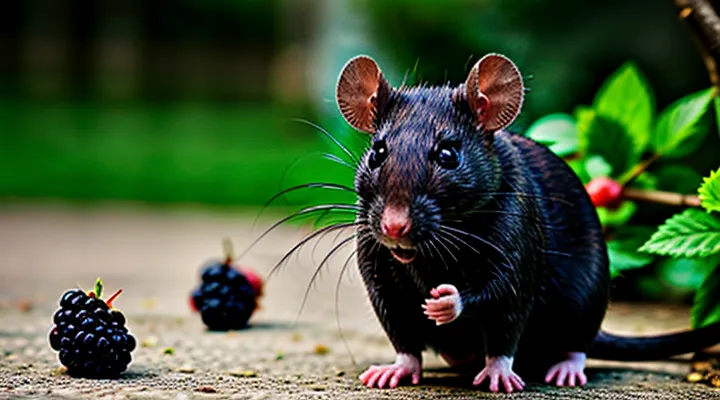
Nutritional Profile of Blackberries
Vitamins and Minerals
Blackberries contain a range of nutrients that can affect the health of domesticated rats. Vitamin C, present in moderate amounts, supports immune function and tissue repair. Vitamin K1 contributes to blood clotting mechanisms. Small quantities of vitamin A aid vision and skin maintenance.
Mineral content includes potassium, which assists in nerve transmission and muscle contraction. Magnesium participates in enzymatic reactions and energy metabolism. Calcium, though limited, supports bone development. Iron supplies oxygen‑transport capacity, while manganese functions as a co‑factor for antioxidant enzymes.
When offering blackberries to pet rats, consider the following points:
- Provide only fresh, pesticide‑free fruit; wash thoroughly.
- Limit portions to a few berries per week; excess sugar may disrupt gut flora.
- Observe for signs of digestive upset; discontinue if diarrhea or bloating occurs.
Overall, the vitamin and mineral profile of blackberries can complement a balanced diet, provided that intake remains controlled and the fruit is introduced gradually.
Fiber Content
Blackberries contain a notable amount of dietary fiber, typically ranging from 4 to 5 grams per 100 grams of fresh fruit. The fiber is primarily composed of soluble pectin and insoluble cellulose, both of which influence gastrointestinal function.
For pet rats, the fiber content serves several physiological purposes:
- Promotes regular intestinal motility, reducing the risk of constipation.
- Supports the growth of beneficial gut microbiota through fermentation of soluble fibers.
- Contributes to satiety, helping to prevent overeating of high‑calorie foods.
However, excessive fiber can lead to digestive upset, including bloating or loose stools. A balanced approach recommends offering blackberries as an occasional treat, limiting the portion to no more than 10 grams per serving. This amount supplies roughly 0.4–0.5 grams of fiber, aligning with the modest fiber requirements of a typical adult rat.
Monitoring stool consistency after introduction of blackberries provides practical feedback on tolerance. If stools become unusually soft, reduce or discontinue the fruit until normal consistency returns.
Antioxidant Properties
Blackberries contain a high concentration of natural antioxidants that can contribute to cellular health in small mammals. The fruit’s phytochemical profile includes anthocyanins, flavonols, vitamin C, and ellagic acid, each capable of neutralizing free radicals and reducing oxidative stress.
- Anthocyanins — pigments responsible for deep coloration, strong free‑radical scavengers.
- Flavonols — quercetin and kaempferol, support enzyme systems that repair oxidative damage.
- Vitamin C — water‑soluble antioxidant, regenerates other antioxidants and aids collagen synthesis.
- Ellagic acid — polyphenol with documented anti‑inflammatory activity.
In rats, dietary antioxidants may improve immune responsiveness and protect neural tissue from age‑related degeneration. Controlled inclusion of blackberry flesh can enhance plasma antioxidant capacity without disrupting normal metabolism.
Safety considerations require limiting intake to a few small berries per week, ensuring the fruit is washed, free of pesticide residue, and offered without stems or leaves that could cause gastrointestinal irritation. Excessive consumption may lead to sugar overload or mild diarrhea; monitoring body condition and stool consistency is advisable. Regularly rotating fruit options prevents nutrient imbalances and maintains dietary variety.
Safe Feeding Practices
Moderation is Key
Blackberries provide antioxidants, vitamins C and K, and dietary fiber that can complement a balanced rodent diet. Pet rats tolerate the fruit when it forms a small portion of daily intake.
- Offer no more than one to two small berries per rat each day.
- Remove seeds and stems; only the fleshy part is suitable.
- Introduce gradually to monitor for digestive upset or allergic reaction.
Excessive consumption may lead to diarrhea, weight gain, or disruption of gut flora. Frequent feeding beyond the recommended amount increases sugar load, which can strain insulin regulation and promote dental decay.
Veterinary guidance emphasizes that treats should never exceed ten percent of total caloric intake. «Treats are supplemental, not primary nutrition.» Applying this principle ensures blackberries enhance, rather than compromise, health.
Preparation Guidelines
Blackberries can be included in a rat’s diet when prepared with care. Fresh fruit must be free from pesticides, mold, and bruises to avoid digestive upset.
Prepare the berries by following these steps:
- Rinse each berry under cool running water for at least 30 seconds.
- Inspect the surface; discard any that show signs of decay or soft spots.
- Pat dry with a clean paper towel to remove excess moisture.
- Cut the berries into pieces no larger than one‑centimeter cubes to prevent choking.
- Offer a small portion—approximately one to two berries per day—for an adult rat; adjust quantity for juveniles or smaller individuals.
- Observe the animal for any adverse reactions during the first 24 hours; cease feeding if diarrhea or lethargy occurs.
Storage guidelines: keep uncut berries in a sealed container in the refrigerator for no more than two days. Once cut, place the pieces in an airtight container and consume within 12 hours to maintain freshness.
Washing
When offering blackberries to a domesticated rat, thorough washing of the fruit is a prerequisite for safe consumption. Residual pesticides, soil particles, and microbial contaminants can cause gastrointestinal upset or infection in small mammals.
- Rinse berries under cool running water for at least thirty seconds.
- Gently rub each berry with fingertips or a soft brush to dislodge surface debris.
- Submerge berries in a solution of one part white vinegar to three parts water for two minutes, then rinse again.
- Pat dry with a clean paper towel before placing in the animal’s enclosure.
Cleaning the rat itself before handling fresh produce reduces the risk of cross‑contamination. Use a damp, lint‑free cloth to wipe the fur, focusing on the paws and snout where food particles accumulate. Avoid soaking the animal; excessive moisture can damage the skin’s protective oils.
Feeding bowls and enrichment toys must be washed after each use of fruit. Disassemble components, scrub with mild detergent, rinse thoroughly, and air‑dry before refilling. Regular sanitation prevents mold growth and bacterial colonisation.
Adhering to these washing protocols ensures that blackberries remain a nutritious treat rather than a health hazard for pet rats.
Removing Stems and Leaves
Blackberries can be a suitable treat for pet rats when prepared correctly. The fruit’s high antioxidant content and natural sugars provide nutritional benefits, but the edible portion must be isolated from non‑edible components.
- Trim the berry at the stem, discarding the short stalk attached to the fruit.
- Separate the leaf‑like calyx that surrounds the top of the berry; this part is fibrous and may cause digestive irritation.
- Rinse the cleaned berries under cool running water to remove surface residues and potential pesticide traces.
- Pat dry with a clean paper towel before offering a small portion to the animal.
Only the fleshy portion of the berry should be presented. Stems and leaves contain cellulose that rats cannot efficiently break down and may lead to gastrointestinal blockage. Serving the fruit in moderation prevents excess sugar intake and maintains a balanced diet.
Potential Risks and Concerns
Choking Hazards
Blackberries are occasionally offered as a treat to domesticated rats, but the fruit presents a genuine choking risk because of its size, seed density, and fibrous skin.
The primary hazards include:
- Whole berries that exceed the animal’s oral capacity, creating an obstruction in the trachea.
- Large seeds that can lodge in the pharynx or be aspirated into the airway.
- Tough outer skin that may detach and block the airway if not softened.
Safe feeding practices mitigate these dangers. Slice the fruit into pieces no larger than a few millimeters, discard all seeds, and optionally steam or puree the pulp to reduce firmness. Present only the prepared portions, monitoring the animal until consumption is complete.
Adhering to these precautions eliminates the choking threat while allowing rats to enjoy the nutritional benefits of blackberries.
Pesticide Residue
Pesticide residues present on blackberries pose a health risk for domesticated rats. Ingested chemicals can affect the liver, kidneys, and nervous system, potentially leading to reduced appetite, weight loss, or neurological signs.
Regulatory agencies establish Maximum Residue Limits (MRLs) for fruits, expressed in milligrams per kilogram. In the United States, the Environmental Protection Agency sets MRLs for common insecticides such as chlorpyrifos and imidacloprid at 0.5 mg/kg and 0.2 mg/kg respectively. European standards often adopt lower thresholds, for example «0.1 mg/kg» for certain fungicides. Residue measurements on commercially available blackberries frequently approach these limits, especially when grown conventionally.
Practical measures to lower exposure:
- Purchase organic berries verified by accredited certification bodies.
- Rinse fruit under running water for at least 30 seconds; a brush can remove surface particles.
- Soak berries in a dilute solution of food‑grade hydrogen peroxide (3 %) for 2 minutes, then rinse thoroughly.
- Pat dry with a clean cloth before offering to the animal.
Observation of abnormal behavior—tremors, excessive salivation, or lethargy—after consumption warrants immediate veterinary evaluation. Limiting blackberry treats to occasional, thoroughly cleaned portions reduces the likelihood of pesticide‑related toxicity while preserving nutritional benefits.
Sugar Content and Digestive Upset
Blackberries contain natural sugars, primarily fructose and glucose, at approximately 4–5 g per 100 g of fresh fruit. Pet rats have a limited capacity to metabolize high‑sugar loads; excess intake can overwhelm the small intestine’s absorptive mechanisms, leading to osmotic diarrhea and abdominal discomfort.
Elevated sugar levels increase the osmotic pressure within the gut lumen, drawing water into the intestines. The resulting fluid shift accelerates transit time, reduces nutrient absorption, and may provoke inflammation of the mucosal lining. Clinical signs of digestive upset include loose stools, increased frequency of defecation, and occasional vomiting. Persistent symptoms warrant reduction or elimination of sugary treats.
Guidelines for safely offering blackberries to pet rats:
- Offer no more than one small berry (≈5 g) per week.
- Observe the animal for any change in stool consistency after the first exposure.
- Provide fresh water and a balanced diet rich in fiber and protein to mitigate potential imbalance.
- If diarrhea occurs, withhold all fruit for 48 hours and re‑introduce gradually at half the previous amount.
Alternative low‑sugar treats such as cucumber slices, bell‑pepper strips, or small portions of leafy greens present fewer risks of osmotic disturbance while supplying essential vitamins and minerals.
Alternative Fruit Options for Rats
Safe Fruits to Offer
Pet rats can include a variety of fruits in their diet, provided each option meets safety criteria. Fruit should be fresh, washed, and offered in small, bite‑size pieces to prevent choking. Excessive sugar or acidic content may cause digestive upset; therefore, moderation is essential.
Safe fruit choices include:
- Apples, core removed, skin thinly sliced
- Blueberries, whole, rinsed thoroughly
- Strawberries, hulled and quartered
- Raspberries, washed and served whole
- Pears, cored and sliced thinly
- Mango, peeled and diced into small cubes
- Melon (cantaloupe, honeydew), seedless, cubed
Each fruit listed supplies vitamins and antioxidants beneficial to rodent health when incorporated sparingly. Introduce new items gradually, observing for signs of intolerance such as diarrhea or reduced appetite. Avoid fruits with pits, large seeds, or high toxicity, including grapes, cherries, and citrus peels. Regular monitoring ensures that fruit supplementation supports overall well‑being without compromising nutritional balance.
Fruits to Avoid
Pet rats have a digestive system adapted to a diet rich in grains, vegetables, and limited fruit. While occasional berries may be tolerated, several common fruits pose health risks and should be excluded from their diet.
«Citrus fruits» such as oranges, lemons, and grapefruits contain high acidity that can irritate the gastrointestinal tract and lead to ulceration.
«Stone fruits» including cherries, apricots, and peaches contain pits that present choking hazards and may release cyanogenic compounds from their seeds.
«Grapes and raisins» have been linked to acute kidney failure in small mammals; even small quantities can be toxic.
«Avocado» contains persin, a toxin that can cause respiratory distress and cardiac complications.
«Tomatoes» (technically a fruit) possess solanine in the green parts, which is neurotoxic and may cause lethargy or tremors.
Providing a balanced diet that avoids these fruits reduces the risk of digestive upset, organ damage, and fatal poisoning. Regular observation of a rat’s health after any fruit introduction is essential to ensure no adverse reactions occur.
Observing Your Rat's Reaction
Signs of Digestive Issues
Pet rats that ingest blackberries may exhibit specific indicators of gastrointestinal distress. Recognizing these signs enables timely intervention and prevents escalation of health problems.
Typical manifestations include:
- Reduced appetite or complete refusal of food;
- Loose, watery stools or occasional blood‑tinged feces;
- Abdominal swelling or palpable tension;
- Frequent or prolonged licking of the anal area;
- Lethargy, diminished activity, or reluctance to move;
- Unexplained weight loss over several days.
When any of these symptoms appear after feeding blackberries, immediate veterinary assessment is advised. Early diagnosis and appropriate treatment reduce the risk of severe complications such as intestinal blockage or infection.
Allergic Reactions
Blackberries are occasionally offered as a treat for domesticated rats, yet the presence of allergenic compounds can provoke immune responses.
Rats may react to proteins, anthocyanins, or residual pollen contained in the fruit. Sensitization occurs when the immune system identifies these substances as foreign, triggering the release of histamine and other mediators.
Typical manifestations of an allergic episode include:
- Facial swelling or puffiness around the eyes and nose
- Itching or excessive grooming of the affected area
- Respiratory distress, such as rapid breathing or audible wheezing
- Diarrhea or vomiting accompanied by blood-tinged stools
- Lethargy and loss of appetite
Immediate actions involve removing the fruit, monitoring the animal, and contacting a veterinarian. Antihistamines or corticosteroids may be prescribed to mitigate severe symptoms.
Preventive measures consist of introducing blackberries in minimal quantities, observing the rat for any adverse reaction, and limiting exposure to other potential allergens. Regular veterinary check‑ups ensure early detection of hypersensitivity and support overall health.