
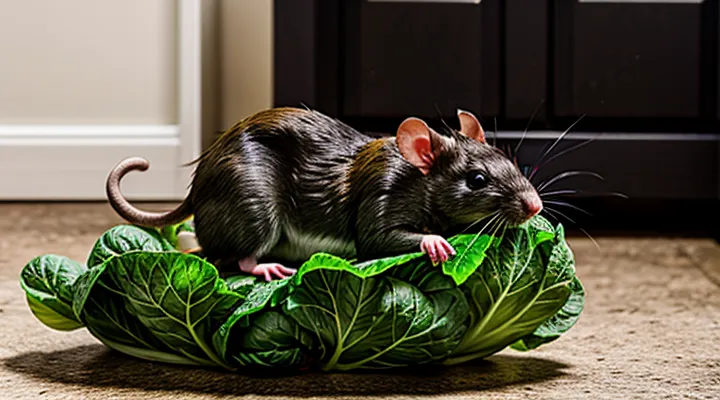
Understanding Rat Dietary Needs
General Nutritional Requirements
Essential Macronutrients
Pet rats require a diet that supplies the three essential macronutrients: protein, fat and carbohydrate. Each macronutrient contributes to growth, tissue repair, energy metabolism and overall health.
- Protein – necessary for muscle development and enzyme synthesis.
- Fat – provides concentrated energy and supports absorption of fat‑soluble vitamins.
- Carbohydrate – supplies readily available energy; fiber, a component of carbohydrate, aids digestive function.
Fresh cabbage delivers a modest amount of carbohydrate, primarily as dietary fiber, and contains negligible protein and fat. Its macronutrient composition therefore does not satisfy the protein or fat requirements of a rat’s diet, but it can serve as a source of fiber and hydration when offered in moderation.
To incorporate cabbage safely, limit portions to no more than 10 % of total daily intake and complement with high‑quality rodent pellets or formulated feeds that meet the protein (≈15–20 % of diet) and fat (≈5–7 % of diet) standards. Supplemental sources such as boiled egg, cooked chicken or low‑fat cheese can provide the missing protein and fat, while the cabbage contributes fiber and micronutrients.
Balanced nutrition, achieved by combining a staple feed with controlled cabbage servings, ensures that pet rats receive all essential macronutrients without compromising dietary adequacy.
Essential Micronutrients
Pet rats require a balanced intake of micronutrients to maintain metabolic functions, immune competence, and skeletal health. Fresh cabbage can contribute several of these nutrients, but it does not supply the full spectrum needed for optimal well‑being.
Key micronutrients that must be present in a rat’s diet include:
- «vitamin C» – supports collagen synthesis and antioxidant defenses; rats synthesize it endogenously, yet dietary sources aid stress resilience.
- «vitamin A» – essential for vision, epithelial integrity, and cell differentiation; cabbage provides β‑carotene, a provitamin A precursor.
- «vitamin K» – involved in blood coagulation and bone metabolism; leafy vegetables are primary sources.
- «folate» (vitamin B9) – required for nucleic acid synthesis and red blood cell formation; cabbage offers moderate amounts.
- «iron» – critical for oxygen transport; cabbage contains non‑heme iron, which is less bioavailable than heme sources.
- «zinc» – influences enzyme activity, immune response, and wound healing; present in small quantities in cabbage.
- «copper» – participates in iron metabolism and antioxidant enzymes; trace amounts are detectable in raw cabbage.
While cabbage supplies the nutrients listed above, it lacks sufficient levels of calcium, phosphorus, and certain B‑complex vitamins (e.g., B12) that rats cannot obtain from plant matter alone. Consequently, a diet relying solely on cabbage would be deficient in these areas. To ensure comprehensive micronutrient coverage, supplement fresh cabbage with a high‑quality commercial rat pellet formulated to meet established nutritional standards, and consider occasional additions of fortified foods or approved supplements for calcium, phosphorus, and vitamin B12.
Foods to Avoid
Toxic Foods
Pet rats require a diet that excludes foods known to cause toxicity. Safe nutrition supports digestive health, organ function, and longevity.
Common toxic foods for rats include:
- Chocolate, caffeine, and caffeine‑containing beverages
- Alcohol and any fermented products
- Avocado (especially the pit and skin)
- Raw or undercooked beans, particularly kidney beans
- Citrus peels and large quantities of citrus fruit
- Onions, garlic, and other members of the Allium family
- Processed meats containing high levels of sodium and preservatives
- High‑fat dairy products such as cheese and butter
- Foods with artificial sweeteners, especially xylitol
Fresh cabbage offers fiber, vitamin C, and folate, but it also contains compounds that may cause gas and mild digestive upset if introduced abruptly. The leafy structure can pose a choking hazard for very small rats; cutting cabbage into bite‑size pieces eliminates this risk.
To incorporate cabbage safely:
- Wash thoroughly to remove pesticide residues.
- Slice into small, manageable pieces.
- Offer a modest portion (no more than 5 % of the daily diet) for a few days while observing stool consistency and behavior.
- Discontinue if signs of bloating, diarrhea, or reduced appetite appear, then reintroduce gradually after a short interval.
Balanced feeding regimens should prioritize commercial rat pellets, supplemented with fresh vegetables that have been vetted for safety. Regular monitoring ensures that any adverse reaction to cabbage or other foods is detected promptly.
Foods with Limited Benefits
Pet rats require a diet rich in protein, fat, and fiber, supplemented with fresh vegetables in modest amounts. Certain vegetables contribute minimal nutritional value and may introduce digestive concerns.
Cabbage offers modest vitamin C and fiber, yet its low caloric density and presence of fermentable sugars limit its overall benefit. Excessive intake can cause gas, bloating, and reduced appetite for more nutrient‑dense foods.
Other vegetables with similarly limited advantages include:
- Lettuce varieties with high water content and low nutrient density
- Raw carrots, providing beta‑carotene but limited protein and fat
- Celery, primarily water and fiber, offering negligible caloric contribution
When incorporating these items, restrict portions to no more than a few bite‑size pieces per week, ensuring they complement, rather than replace, staple foods such as high‑quality rat pellets and occasional protein treats. Monitoring weight and stool consistency helps confirm that limited‑benefit foods do not impair overall health.
Cabbage for Pet Rats: A Detailed Analysis
Nutritional Profile of Cabbage
Vitamins
Fresh cabbage is a common vegetable offered to domestic rats, primarily because it supplies several essential vitamins. The nutrient profile supports growth, immune function, and metabolic health.
- Vitamin C – antioxidant, protects cells from oxidative stress.
- Vitamin K 1 – essential for blood clotting and bone metabolism.
- Vitamin A (β‑carotene) – precursor for vision and epithelial maintenance.
- Folate (vitamin B9) – involved in DNA synthesis and red blood cell formation.
Rats require vitamin C from dietary sources; deficiency leads to scurvy, characterized by impaired wound healing and joint problems. A small portion of raw cabbage (approximately 5 % of daily caloric intake) can meet a significant fraction of this need. Vitamin K 1 intake must be balanced, as excessive amounts may interfere with anticoagulant therapies. Vitamin A from β‑carotene converts efficiently in rodents, but over‑supplementation can cause toxicity; moderation prevents hypervitaminosis. Folate contributes to rapid cell turnover; adequate supply supports healthy fur and nail growth.
Guidelines for inclusion:
- Offer raw cabbage no more than two to three times per week.
- Limit each serving to a teaspoon‑size piece per 100 g of body weight.
- Wash thoroughly to remove pesticide residues.
- Monitor for signs of digestive upset; discontinue if diarrhea or gas occurs.
«Cabbage provides vitamin C, K, and folate», a statement frequently cited in veterinary nutrition literature, underscores its value when used as a supplemental component of a balanced rat diet. Regular rotation with other leafy greens ensures comprehensive vitamin coverage while minimizing the risk of nutrient excess.
Minerals
Fresh cabbage supplies a range of minerals, yet the suitability of this vegetable for domesticated rats depends on the balance between essential nutrients and potential imbalances.
Key minerals required for optimal rat health include:
- Calcium – supports bone development and neuromuscular function.
- Phosphorus – works synergistically with calcium for skeletal integrity.
- Potassium – maintains electrolyte equilibrium and cardiac rhythm.
- Magnesium – contributes to enzymatic activity and energy metabolism.
- Iron – essential for hemoglobin synthesis and oxygen transport.
Cabbage delivers modest amounts of calcium and potassium, while phosphorus and iron levels remain relatively low. The mineral profile may not meet the full dietary requirements of rats, particularly for calcium‑phosphorus ratios critical to preventing metabolic bone disease. Excessive intake of oxalic acid, present in cruciferous vegetables, can bind calcium and reduce its bioavailability.
To incorporate fresh cabbage safely, limit portions to no more than 5 % of total daily food weight, supplement the diet with a balanced laboratory‑grade rat pellet that guarantees adequate mineral provision, and monitor for signs of deficiency or excess. Regular analysis of the overall diet ensures that mineral intake remains within established physiological ranges, preserving skeletal health and metabolic stability.
Fiber Content
Fresh cabbage supplies a notable amount of dietary fiber, which aids gastrointestinal motility in small rodents. The vegetable’s insoluble fiber promotes bulk formation, facilitating regular fecal passage and reducing the risk of constipation. Soluble fiber, present in smaller quantities, can modestly influence gut microbiota by providing fermentable substrates.
Typical fiber values for raw cabbage are:
- Total dietary fiber: approximately 2.5 g per 100 g
- Insoluble fiber: about 1.8 g per 100 g
- Soluble fiber: roughly 0.7 g per 100 g
Providing a measured portion of fresh cabbage contributes to the daily fiber requirement of pet rats, which generally ranges from 3 % to 5 % of total caloric intake. Excessive fiber may displace essential protein and fat sources, so inclusion should be limited to a modest fraction of the overall diet. Regular monitoring of stool consistency confirms appropriate fiber levels.
Potential Benefits of Cabbage for Rats
Hydration
Fresh cabbage is a common vegetable supplement for domesticated rats. Its high moisture proportion directly influences the animal’s overall fluid balance.
Cabbage tissue contains approximately 90 % water. This water contributes to daily fluid intake, reducing the volume of plain water a rat must consume to stay hydrated. The vegetable also supplies electrolytes such as potassium and sodium, which assist in maintaining osmotic equilibrium.
When cabbage is offered, rats typically ingest both solid fiber and liquid content. The fiber absorbs water in the gastrointestinal tract, slowing transit and promoting hydration of the intestinal mucosa. Excessive fiber without adequate supplemental water can lead to mild dehydration; therefore, continuous access to fresh drinking water remains essential.
Guidelines for safe inclusion of cabbage:
- Provide small, bite‑sized pieces (no larger than 1 cm³) to prevent choking and limit fiber load.
- Offer cabbage no more than three times per week to avoid cumulative moisture overload.
- Monitor water bowl levels; refill promptly if consumption declines after cabbage feeding.
- Observe stool consistency; loose stools may indicate excess fiber and reduced hydration efficiency.
By integrating modest portions of fresh cabbage while ensuring unrestricted access to clean water, pet rats receive both nutritional variety and adequate hydration.
Digestive Health
Feeding fresh cabbage to pet rats can influence their digestive health, provided the vegetable is introduced correctly.
Cabbage supplies soluble and insoluble fiber, vitamin C, and small amounts of calcium and potassium. Fiber promotes intestinal motility, while vitamin C supports overall metabolism. The nutrient profile aligns with the dietary needs of laboratory‑bred rats, which tolerate a modest amount of leafy greens.
Excessive fiber may trigger gas formation, bloating, or loose stools. Raw cabbage also contains glucosinolates, compounds that can irritate the gastrointestinal lining if consumed in large quantities. Calcium oxalate crystals, present in the outer leaves, pose a risk of kidney stone formation when intake is unchecked.
Guidelines for safe inclusion:
- Wash thoroughly to remove pesticide residues.
- Remove the tough outer layers and core.
- Chop into bite‑size pieces, no larger than 0.5 cm.
- Offer ½ – 1 teaspoon of chopped cabbage per 100 g of body weight, no more than three times per week.
- Observe the rat for 24 hours after the first serving; discontinue if diarrhea or reduced appetite occurs.
Signs of digestive distress include watery feces, frequent urination, lethargy, and refusal to eat. Persistent symptoms warrant veterinary evaluation to rule out underlying conditions and adjust the diet accordingly.
Antioxidant Properties
Fresh cabbage supplies a range of antioxidant compounds that contribute to cellular protection in pet rats. The vegetable’s nutrient profile includes vitamin C, beta‑carotene, flavonoids, and glucosinolates, each acting as a free‑radical scavenger.
Key antioxidant constituents in cabbage:
- vitamin C – water‑soluble, reduces oxidative damage in plasma;
- beta‑carotene – provitamin A, mitigates lipid peroxidation;
- flavonoids (e.g., quercetin) – modulate enzyme activity involved in oxidative pathways;
- glucosinolates – hydrolyze to isothiocyanates with reported anti‑inflammatory effects.
These agents collectively support immune competence, maintain membrane integrity, and lower the incidence of age‑related oxidative stress in rodents. Incorporating cabbage into a rat’s diet can enhance overall health status when administered responsibly.
Practical guidelines:
- Offer small, bite‑size pieces to prevent choking;
- Limit frequency to two to three times per week to avoid excessive fiber intake;
- Wash thoroughly and remove outer leaves that may contain pesticide residues;
- Introduce gradually, monitoring for digestive upset.
When balanced with a complete rodent pellet diet, fresh cabbage provides a natural source of antioxidants that reinforce physiological resilience without replacing essential nutrients.
Potential Risks and Concerns
Gas and Bloating
Fresh cabbage contains considerable amounts of fiber and certain sugars that undergo fermentation in the hindgut of rodents. Fermentation produces gases, primarily carbon dioxide, hydrogen, and methane, which can accumulate and lead to abdominal distension. In small mammals such as pet rats, rapid gas buildup may overwhelm the limited capacity of the gastrointestinal tract, resulting in observable bloating and discomfort.
Key considerations for preventing excessive gas and bloating include:
- Introduce cabbage gradually, starting with a few grams per week, to allow microbial populations to adapt.
- Combine cabbage with low‑fermentable vegetables (e.g., carrots or bell peppers) to dilute fermentable substrates.
- Monitor stool consistency; loose, frothy feces often indicate over‑fermentation.
- Ensure constant access to clean water, facilitating intestinal motility and gas expulsion.
- Limit overall cabbage proportion to no more than 5 % of the total daily diet by weight.
When signs of abdominal swelling appear, reduce or cease cabbage provision for several days and observe for improvement. Persistent bloating warrants veterinary assessment to rule out underlying conditions such as intestinal obstruction or dysbiosis. «Cabbage is high in fiber and can cause fermentation», a principle supported by rodent nutrition studies, underscores the need for measured inclusion in a balanced diet.
Goitrogenic Compounds
Fresh cabbage contains compounds that can interfere with thyroid hormone synthesis. These substances, known as «goitrogenic compounds», include glucosinolates and their breakdown products such as isothiocyanates and thiocyanates. When metabolized, they inhibit the uptake of iodine by the thyroid gland, potentially reducing the production of thyroxine (T4) and triiodothyronine (T3).
Pet rats rely on a balanced diet to maintain normal metabolic rate and growth. Excessive intake of goitrogenic agents may lead to hypothyroidism, manifested by slowed growth, lethargy, and weight gain. Rats possess a relatively efficient detoxification system, yet chronic exposure to high levels of these compounds can overwhelm hepatic pathways.
Guidelines for safe inclusion of cabbage in a rat’s diet:
- Limit fresh cabbage to no more than 5 % of total daily food weight.
- Offer cabbage intermittently, not daily, to allow metabolic recovery.
- Provide a diet enriched with iodine sources (e.g., iodized salt or commercial rodent feed) to counteract potential deficits.
- Monitor rats for signs of thyroid imbalance, including reduced activity and changes in coat condition.
Cooking reduces glucosinolate concentrations by up to 70 %, thereby decreasing goitrogenic risk. Steaming or blanching cabbage for a short period retains most nutrients while mitigating thyroid interference.
In summary, fresh cabbage can be part of a pet rat’s diet if served sparingly, complemented by adequate iodine, and rotated with other vegetables to limit cumulative exposure to goitrogenic compounds. Regular health checks ensure early detection of any thyroid-related issues.
Pesticide Residues
Fresh cabbage can be part of a balanced diet for pet rats, provided that pesticide residues remain below toxic thresholds. Commercial cabbage often contains residues of organophosphates, pyrethroids, and fungicides. Regulatory agencies set Maximum Residue Limits (MRLs) for each compound; for example, the European Union defines an MRL of 0.01 mg kg⁻¹ for chlorpyrifos in cabbage. Average residue levels reported in market surveys range from 0.002 to 0.015 mg kg⁻¹, occasionally exceeding the MRL for specific pesticides.
Rats metabolize many xenobiotics more rapidly than larger mammals, yet acute toxicity can occur at doses as low as 0.5 mg kg⁻¹ for certain organophosphates. Chronic exposure to sub‑lethal residues may affect liver function, reproductive health, and behavior. The margin of safety for rodents is typically calculated by dividing the No‑Observed‑Adverse‑Effect Level (NOAEL) by the estimated daily intake. When residue concentrations approach or surpass the NOAEL, the risk of adverse effects increases markedly.
Practical measures reduce exposure:
- Purchase cabbage from certified organic sources or producers with documented low pesticide use.
- Rinse leaves under running water for at least 30 seconds; a brief soak in a 1 % vinegar solution further decreases surface residues.
- Peel outer leaves, which retain the highest concentration of sprayed chemicals.
- Offer only a limited portion (no more than 5 % of total daily food weight) to keep cumulative pesticide intake low.
- Monitor for signs of toxicity, such as reduced activity, tremors, or loss of appetite, and discontinue cabbage if symptoms appear.
Adhering to these guidelines ensures that pesticide residues in fresh cabbage do not compromise the health of pet rats.
Best Practices for Feeding Cabbage
Preparation Guidelines
Fresh cabbage can be a nutritious addition to a rat’s diet when prepared correctly. The vegetable must be cleaned, trimmed, and served in appropriate portions to prevent digestive upset.
- Wash the head thoroughly under running water to remove soil and pesticide residues. Rinse until the water runs clear.
- Remove the outer leaves, which are often tougher and may contain higher levels of contaminants.
- Cut the remaining cabbage into small, bite‑size pieces no larger than ½ inch (≈1.3 cm). This size encourages chewing and reduces choking risk.
- Blanch the pieces briefly (30–45 seconds) in boiling water, then shock in cold water. Blanching softens the fibers, making digestion easier while preserving most vitamins.
- Pat the cabbage dry with a clean cloth or paper towel. Excess moisture can promote mold growth in the cage.
- Offer a single serving of 1–2 tablespoons per 100 g of body weight. Adjust quantity based on the individual’s activity level and overall diet composition.
- Discard any uneaten cabbage after 2 hours to maintain hygiene and prevent bacterial growth.
Regularly rotate the cabbage with other leafy greens to provide a balanced nutrient profile. Monitoring stool consistency and appetite will indicate whether the preparation method meets the rat’s needs.
Portion Control
Fresh cabbage can be included in a rat’s diet, provided the amount is carefully managed. Excessive leafy vegetables may displace essential protein and fat sources, leading to nutritional imbalance.
Portion size should reflect the rat’s overall caloric intake. A typical adult rat consumes roughly 10–15 % of its daily calories from vegetables. For a 150‑gram rat, this translates to 1–2 grams of raw cabbage per day, roughly a small fingertip piece. Younger or smaller rats require proportionally less; older or larger individuals may tolerate up to 3 grams.
Frequency influences digestion. Offering fresh cabbage two to three times weekly allows the gut microbiota to adapt without causing excess gas or diarrhea. Daily feeding increases risk of fiber overload.
Monitoring weight and stool consistency is essential. If weight loss or loose stools appear, reduce cabbage portions or extend intervals between servings. Adjustments should be recorded to maintain a consistent feeding schedule.
Recommended portion guidelines
- Small adult rat (≤ 120 g): 0.5–1 g per serving, 2–3 times weekly.
- Medium adult rat (121–150 g): 1–2 g per serving, 2–3 times weekly.
- Large adult rat (> 150 g): 2–3 g per serving, 2–3 times weekly.
All cabbage should be washed, trimmed of tough outer leaves, and presented in bite‑size pieces. Combine with a balanced commercial pellet base to ensure complete nutrition.
Frequency of Feeding
Fresh cabbage can be part of a pet rat’s diet, but the feeding schedule requires careful control to avoid gastrointestinal upset. Small portions introduced gradually allow the digestive system to adapt, while excessive frequency increases the risk of diarrhea and nutrient imbalance.
Guidelines for offering fresh cabbage:
- Offer a bite‑size piece (approximately ½ cm³) no more than two to three times per week.
- Observe stool consistency after each serving; return to a less frequent schedule if loose stools appear.
- Rotate cabbage with other leafy greens such as kale or romaine to provide a broader nutrient profile.
- Ensure the primary diet remains a high‑quality rodent pellet formulated for balanced protein, fat, and fiber.
Consistent monitoring of weight, activity level, and coat condition confirms that cabbage supplementation supports health without displacing essential nutrients. Adjust the schedule based on individual tolerance, maintaining the principle that fresh vegetables supplement, not replace, the core diet.
Alternative Leafy Greens
Safe Alternatives
Fresh cabbage presents a risk of digestive upset in pet rats due to its high fiber and potential pesticide residues. Veterinary guidance recommends offering vegetables that are easier to digest and lower in contaminants.
Safe alternatives include:
- Carrot slices, peeled and finely chopped.
- Bell pepper strips, seed‑removed and washed thoroughly.
- Zucchini cubes, offered raw or lightly steamed.
- Spinach leaves, limited to small portions because of oxalate content.
- Broccoli florets, served raw in modest amounts.
Each alternative should be introduced gradually, with observation for adverse reactions. Nutritional balance requires supplementing with a high‑quality rat pellet diet and occasional fruit treats such as apple or banana slices, provided without seeds. Regular cleaning of feeding dishes reduces bacterial growth, enhancing overall safety.
Unsafe Alternatives
Pet rats that receive fresh cabbage as a vegetable supplement may be offered other foods that appear safe but actually jeopardize health.
• Citrus slices – high acidity damages enamel and can cause gastrointestinal upset.
• Raw onions or garlic – contain compounds that induce hemolytic anemia in rodents.
• Avocado flesh – persin toxin leads to respiratory distress and cardiac complications.
• Chocolate or cocoa products – methylxanthines trigger rapid heart rate, seizures, and possible death.
• High‑fat processed snacks – excessive lipids promote obesity, liver disease, and metabolic disorders.
These items lack the nutritional balance required for small mammals and introduce toxins or physiological stressors absent in leafy greens. Substituting them for cabbage increases the likelihood of digestive irritation, organ failure, or acute toxicity. Veterinary guidance recommends limiting diet to species‑appropriate vegetables, grains, and formulated rodent pellets, excluding the listed hazardous foods.