
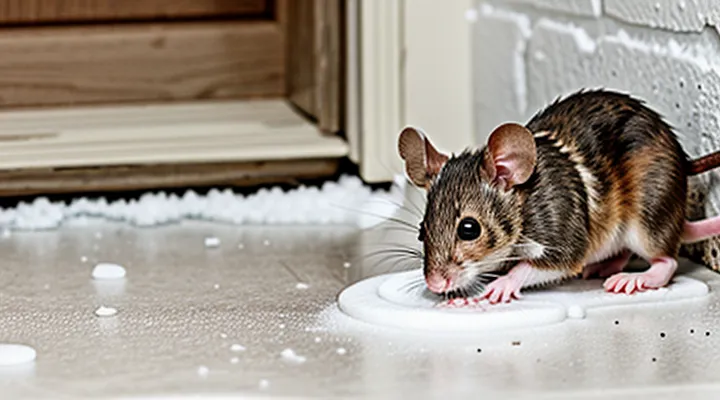
Understanding Rodent Behavior
Why Mice Chew
Mice gnaw on a wide range of building materials because their incisors grow continuously and require constant abrasion. The act of chewing wears down tooth length, preventing overgrowth that would impair feeding.
- Dental maintenance: each bite removes a measurable amount of enamel, keeping the teeth at functional length.
- Exploration: tactile feedback obtained by biting helps mice assess the composition and stability of surrounding structures.
- Nutrient extraction: some foams contain organic binders or additives that provide trace proteins or fats.
- Nest construction: chewed fragments become pliable filler for burrows and hidden chambers.
- Pathway creation: enlarging openings through insulation enables movement between walls, ceilings, and crawl spaces.
These motivations drive mice to target foam insulation despite its synthetic nature, leading to compromised thermal performance and structural integrity in residential walls.
Common Chewing Materials
Mice select chewing materials based on texture, availability, and nutritional value. Soft, fibrous, or easily shredded substances satisfy their instinct to gnaw and provide occasional protein.
- Wood – natural fibers, low density, easy to bite; commonly found in framing and trim.
- Fiberglass insulation – flexible strands, minimal resistance; rodents can create tunnels through it.
- Cellulose (paper‑based) insulation – shredded paper fibers, attractive for gnawing.
- Drywall (gypsum board) – relatively soft surface, allows mice to create entry holes.
- Plastic sheathing – thin polymer layers on wiring or piping, readily chewed.
- Rubber tubing – pliable, low hardness, often used for plumbing or electrical conduit.
- Cardboard and packaging – abundant in storage areas, readily broken down.
- Soft foam (polyurethane, polyethylene) – lightweight, porous, similar to other polymer foams found in cushions or sealants.
These materials share low tensile strength and a structure that can be fractured with minimal effort. When assessing the likelihood that rodents will damage foam within wall cavities, compare foam’s hardness and composition to the items listed above; if foam resembles the softer polymers, it presents a comparable target for gnawing activity.
Foam Insulation: A Mouse Perspective
Types of Foam Insulation
Foam insulation comes in several formulations, each with distinct physical properties that influence durability, moisture resistance, and vulnerability to rodent damage.
- Open‑cell spray foam – low‑density, flexible material that expands quickly to fill gaps. Its porous structure absorbs water, degrades under prolonged humidity, and provides an easy chewing surface for small mammals.
- Closed‑cell spray foam – high‑density, rigid foam with sealed cells. It resists moisture, offers greater compressive strength, and presents a harder surface that discourages gnawing, though persistent rodents can still create entry points.
- Rigid board foam – panels of polystyrene (EPS or XPS) or polyisocyanurate. EPS is lightweight and relatively soft, while XPS and polyiso are denser and more resistant to compression. All boards can be pierced if rodents gain access, but denser boards require more effort to damage.
- Foam sealant caulk – low‑volume, paste‑like material used for small gaps. Its softness makes it a preferred target for chewing, and it offers limited structural protection.
The likelihood of gnawing depends on the foam’s hardness, cell structure, and exposure. Harder, closed‑cell products and dense board varieties reduce the incentive for mice to bite, whereas soft, open‑cell foams and caulks are more readily chewed. Selecting the appropriate type for each cavity, combined with proper sealing of entry points, minimizes the risk of rodent damage within wall cavities.
Vulnerability of Different Foams
Rodents can gnaw insulation installed inside walls, but the likelihood of damage depends on the foam’s physical properties and composition.
- Open‑cell polyurethane spray foam – low density, soft texture; readily chewed, holes appear within days of infestation.
- Closed‑cell polyurethane spray foam – high density, rigid; resistant to chewing, damage occurs only after prolonged exposure.
- Expanded polystyrene (EPS) beads – brittle, easily fragmented; mice can bite through thin panels, especially at joints.
- Extruded polystyrene (XPS) boards – dense, smooth surface; moderate resistance, chewing possible at edges or where the board is thin.
- Polyethylene (PE) foam sheeting – flexible, low tensile strength; highly vulnerable, rodents can tear sheets quickly.
Vulnerability correlates with foam density, hardness, and the presence of deterrent additives. Low‑density, soft foams provide minimal physical barrier, while high‑density closed‑cell formulations create a robust obstacle. Additives such as bittering agents or rodent‑repellent compounds can reduce chewing but do not guarantee immunity.
Selecting insulation with high compressive strength and minimal gaps, combined with supplemental barriers (metal mesh or steel studs), offers the most reliable protection against rodent intrusion.
How Mice Damage Foam
Mice possess continuously growing incisors that enable them to gnaw a wide range of substrates, including the polyurethane foam commonly installed within residential wall cavities. Their chewing activity directly compromises the integrity of the insulation.
- Creates holes that expose interior spaces to air infiltration.
- Reduces thermal resistance, leading to temperature fluctuations and higher heating or cooling demand.
- Introduces saliva and urine, which can foster mold growth and emit foul odors.
- Provides material for nest construction, accelerating material loss.
- Opens pathways for secondary pests, such as insects, that exploit the damaged foam.
Typical indicators of foam damage include audible gnawing, visible bite marks or missing sections, scattered foam fragments on surfaces, and a noticeable rise in energy consumption.
Effective countermeasures involve sealing all potential entry points with steel mesh or cement, replacing compromised foam with rodent‑resistant insulation, and deploying traps or bait stations to control the mouse population. Continuous monitoring ensures early detection and prevents extensive degradation of wall insulation.
Signs of Mouse Infestation in Walls
Auditory Clues
Mice gnawing insulation foam within interior walls generate distinctive sounds that can confirm their activity. The auditory evidence is reliable because rodents produce high‑frequency noises during chewing and movement that differ from normal house sounds.
Key auditory indicators include:
- Sharp, repetitive squeaks occurring at night or early morning.
- Rapid, intermittent gnawing noises resembling the sound of a small saw or sandpaper.
- Soft scratching or scurrying sounds within wall cavities, often followed by a brief silence as the mouse retreats.
- Occasional squeals when the animal is startled, typically louder than ambient creaks.
Variations in volume and rhythm help differentiate mouse activity from other sources:
- Continuous, low‑level rustling suggests insects or settling structures.
- Sporadic, high‑pitched chirps align with mouse communication and feeding behavior.
- Sudden, louder bursts indicate active chewing of foam or other soft materials.
Listening for these patterns during quiet periods, especially after sunset, provides a practical method to detect rodent intrusion without visual inspection. Recording the sounds and comparing them to known rodent audio samples can further improve identification accuracy.
Visual Evidence
Visual evidence of rodent activity in interior walls often appears as distinct damage to foam insulation. Chewed sections reveal irregular, jagged openings where the material has been removed, exposing underlying studs or wiring. In photographs, these areas contrast sharply with the surrounding intact foam, showing discoloration, frayed edges, and occasional droppings nearby.
Typical visual indicators include:
- Irregular holes ranging from a few millimeters to several centimeters in diameter.
- Fibrous or shredded foam particles scattered on the floor or within wall cavities.
- Small, dark fecal pellets found adjacent to damaged foam.
- Gnaw marks on the surface of the foam, characterized by parallel grooves or bite marks.
High‑resolution images captured during inspections allow professionals to differentiate between rodent damage and other causes, such as mechanical impact or moisture degradation. Comparative analysis of before‑and‑after photos confirms that the observed damage aligns with the known chewing behavior of mice, which can penetrate soft foam materials when seeking nesting sites or food sources.
Odor Indicators
Mice that access wall cavities leave distinct odor traces that reveal their presence even when visual evidence is hidden.
- Sharp, ammonia‑like scent from concentrated urine deposits.
- Musky, fecal odor concentrated near gnawed material.
- Sweet, oily aroma released when polyurethane or other foam insulation is chewed.
- Burnt plastic smell if mice gnaw through foam and generate friction heat.
The intensity of these smells correlates with the size of the infestation and the extent of material damage. Fresh urine produces a more pungent odor than aged deposits; a lingering sweet or oily scent indicates ongoing foam degradation.
Detecting a combination of urine, fecal, and foam‑related aromas confirms rodent activity within insulated walls. Absence of these odors suggests either a non‑rodent source or a sealed cavity with no current infestation.
Professional inspection should prioritize odor sampling before invasive wall opening, using scent‑sensitive equipment or trained detection dogs to locate the precise area of damage.
Consequences of Foam Damage
Reduced Insulation Efficiency
Mice that gnaw foam insulation create openings, compress cells, and disperse fibers. These alterations break the continuous barrier that prevents heat flow, allowing air movement and increasing thermal conductivity. The resulting gaps act as thermal bridges, reducing the overall R‑value of the wall assembly.
- Direct holes increase convective heat transfer.
- Compacted foam raises material density, lowering its insulating capacity.
- Displaced fibers fill cavities, diminishing air‑space effectiveness.
A typical 2‑inch spray‑foam panel loses up to 15 % of its rated R‑value after a few centimeters of chewing damage. The loss forces heating and cooling systems to work harder, raising energy consumption and utility bills.
Preventive measures include sealing entry points, installing metal mesh barriers, and selecting rodent‑resistant insulation formulations. Regular inspection of wall cavities can detect early damage, allowing prompt repair before efficiency declines further.
Structural Concerns
Mice are capable of gnawing the foam insulation that fills wall cavities, and this activity creates several structural issues. The material’s softness encourages repeated bites, which can thin or perforate the insulation layer. When the foam is compromised, the wall cavity loses its intended thermal barrier, leading to temperature fluctuations that stress surrounding framing members.
Compromised insulation also opens pathways for moisture ingress. Water can enter through the gaps left by chewing, accumulate on interior surfaces, and promote rot in wooden studs. Rot weakens load‑bearing components, reducing the wall’s capacity to support roof and floor loads.
Additional concerns include:
- Increased air movement that elevates energy consumption and may cause condensation on interior surfaces.
- Attraction of other pests, such as insects, that thrive in damp, weakened wood.
- Potential for localized sagging or bowing of wall sections if structural members deteriorate.
Overall, mouse damage to foam insulation directly undermines the wall’s ability to maintain structural stability, protect against moisture, and preserve energy efficiency. Prompt detection and repair are essential to prevent progressive degradation.
Health Risks
Mice that gnaw insulation foam within wall cavities introduce several direct health hazards. Their saliva and urine contaminate the material, creating a breeding ground for bacteria, viruses, and fungi. These microorganisms can become airborne and infiltrate living spaces, increasing the risk of respiratory infections, allergic reactions, and asthma exacerbations.
Key health concerns include:
- Pathogen transmission – rodents carry Hantavirus, Salmonella, and Leptospira; damage to foam allows these agents to spread through dust and air currents.
- Allergen exposure – mouse droppings and dander mixed with degraded foam generate potent allergens that trigger sneezing, itching, and chronic sinusitis.
- Mold proliferation – compromised foam retains moisture, encouraging mold growth; spores released from mold colonies cause mycotoxin‑related symptoms such as headaches, fatigue, and immune suppression.
- Chemical irritation – degraded polyurethane releases volatile organic compounds (VOCs) that irritate eyes, throat, and lungs, especially in sensitive individuals.
Persistent exposure can lead to long‑term respiratory disease and weakened immune response. Prompt identification of rodent activity and professional removal of contaminated insulation are essential to mitigate these health risks.
Prevention and Mitigation Strategies
Sealing Entry Points
Mice gain access to wall cavities through gaps, cracks, and openings that connect the interior of a home with the exterior or attic. When these entry points remain untreated, rodents can reach insulation materials, including foam, and compromise structural integrity by gnawing them.
Effective sealing of entry points involves the following actions:
- Inspect the building envelope for holes larger than ¼ inch, focusing on areas around utility penetrations, vent pipes, and foundation cracks.
- Apply steel wool or copper mesh to fill small gaps before applying sealant, preventing rodents from chewing through softer materials.
- Use high‑grade silicone or polyurethane caulk to seal joints around windows, doors, and baseboards.
- Install metal flashing or hardware cloth over larger openings, securing it with corrosion‑resistant screws.
- Repair damaged siding, roof sheathing, and soffits, ensuring a continuous barrier against intrusion.
Regular maintenance, including periodic visual checks and prompt repair of newly formed cracks, sustains the barrier and limits the risk of mice reaching foam insulation.
Rodent-Proofing Materials
Mice can penetrate many interior insulation products, including polyurethane foam, by gnawing through the material or exploiting gaps around it. Effective rodent-proofing requires selecting substances that resist chewing and sealing entry points.
Materials that deter mouse intrusion include:
- Metal sheathing – steel or aluminum panels, 0.5 mm thickness or greater, prevent bite penetration and can be installed over existing foam.
- Rigid foam board – closed‑cell polyisocyanurate or extruded polystyrene, 1 inch or thicker, offers higher density than standard spray foam and resists gnawing.
- Fiber‑reinforced cement board – combines cement with fiberglass mesh, provides a hard, non‑edible surface.
- Silicone‑based sealants – remain flexible after curing, fill cracks around pipes and vents where mice could wedge through.
- Wire mesh – galvanized steel mesh, ¼‑inch aperture, applied to vent openings and crawl spaces.
Installation guidelines:
- Cover all foam surfaces with a metal or rigid board layer before finishing walls.
- Seal seams with silicone sealant, ensuring continuity around electrical boxes and plumbing penetrations.
- Install wire mesh over ventilation grilles and any access doors, securing edges with stainless‑steel screws.
- Inspect exterior siding and foundation for cracks; repair with cement‑based mortar or appropriate sealant.
Choosing high‑density, non‑organic materials and maintaining a continuous barrier eliminates the primary pathways mice use to access interior foam. Regular inspection of sealed areas sustains protection over time.
Professional Pest Control
Mice are capable of gnawing polyurethane and polystyrene foam used in interior and exterior wall cavities. Their incisors continuously grow, prompting them to chew any material soft enough to wear down teeth. Foam insulation, especially when loosely packed or exposed, provides an accessible food source and a pathway for nesting, allowing rodents to expand their activity within a structure.
Professional pest control services address foam damage through a systematic approach:
- Conduct a thorough inspection of wall cavities, attics, and crawl spaces to locate gnaw marks, droppings, and entry points.
- Identify species, activity level, and extent of insulation loss using visual cues and, when necessary, motion‑activated cameras.
- Seal gaps larger than ¼ inch with steel mesh, cement, or expanding foam formulated to resist rodent chewing.
- Replace compromised insulation with rodent‑resistant materials such as mineral wool or dense foam blends that incorporate bittering agents.
- Deploy bait stations or snap traps in strategic locations, following local regulations and safety protocols.
- Provide a monitoring schedule, typically every 30 days for the first quarter, to verify that reinfestation does not occur.
Prevention relies on maintaining a sealed building envelope, eliminating food and water sources, and scheduling regular professional assessments. Early detection of chewing damage reduces repair costs and prevents structural weakening caused by prolonged rodent activity.
Addressing Existing Infestations
Trapping Methods
Mice that gnaw foam insulation in interior walls require targeted control measures. Effective trapping reduces damage, limits population growth, and prevents further structural compromise.
-
Snap traps: steel bar with spring mechanism, baited with high‑fat foods such as peanut butter or sunflower seeds. Position perpendicular to wall cavities, with trigger end facing the entry point. Check daily and replace promptly after capture.
-
Live‑catch traps: cage‑style devices that allow humane removal. Bait similarly to snap traps. Locate near active chew marks and release captured rodents at least one mile from the residence to avoid re‑entry.
-
Electronic traps: battery‑powered units delivering a lethal pulse. Ideal for concealed installation within wall voids where direct sight lines are unavailable. Use conductive bait to ensure contact with the sensor plate.
-
Glue boards: adhesive pads placed in narrow passages. Suitable for detecting low‑level activity but not recommended as primary control due to potential suffering and difficulty of removal.
Key placement principles:
- Identify fresh gnaw marks, droppings, or runways along baseboards and behind appliances.
- Set traps within 12‑18 inches of these indicators, aligning with the direction of mouse travel.
- Secure traps to prevent displacement by vibration or household traffic.
Bait selection influences success. Protein‑rich or oily substances attract house mice more reliably than sugary options. Rotate bait types weekly to maintain interest.
Safety considerations include wearing gloves when handling traps, disposing of captured rodents in sealed containers, and keeping traps out of reach of children and pets. Regular inspection, replacement of ineffective devices, and sealing of entry points complement trapping efforts, ensuring long‑term protection of foam insulation and structural integrity.
Exclusion Techniques
Mice can damage foam insulation located in interior wall cavities, creating gaps that reduce thermal efficiency and allow further pest intrusion. Effective exclusion focuses on preventing access, eliminating pathways, and maintaining a sealed envelope around the building’s interior.
- Inspect exterior walls for cracks, gaps around utility penetrations, and damaged siding; fill openings with steel wool, copper mesh, or expanding polyurethane foam reinforced with mesh.
- Install metal flashing or hardware cloth (½‑inch mesh) around vents, foundation vents, and crawl‑space openings; secure with stainless‑steel screws to resist gnawing.
- Apply continuous sheathing tape or caulk to seams where drywall meets trim, baseboards, and window frames; prioritize high‑traffic mouse routes such as near pipes and electrical conduits.
- Use door sweeps and weather‑stripping on all exterior doors; ensure thresholds are tight and free of debris that could serve as a foothold.
- Deploy perimeter bait stations or snap traps in concealed locations near identified entry points; monitor and replace regularly to maintain pressure on the mouse population.
Regular maintenance reinforces exclusion measures: re‑inspect sealed areas after seasonal weather changes, replace worn flashing, and keep vegetation trimmed at least 12 inches from the foundation to reduce shelter. Combining physical barriers with diligent inspection creates a durable defense against rodents chewing foam within wall cavities.
Repairing Damaged Foam
Mice can gnaw spray‑foam insulation that fills wall cavities, creating holes that compromise thermal performance and allow air leakage. Repairing the damaged foam restores the barrier and prevents further rodent intrusion.
Identify all compromised sections by probing walls with a thin rod or flashlight. Remove loose material, clean the area of debris, dust, and any droppings. Disinfect the surface with a mild bleach solution, then let it dry completely.
Prepare a high‑expansion polyurethane spray foam kit rated for sealing gaps. Follow the manufacturer’s safety instructions: wear gloves, eye protection, and work in a well‑ventilated space. Apply the foam directly into each opening, allowing it to expand and fill the cavity. After curing (usually 15–30 minutes), trim excess foam with a utility knife to align with the surrounding wall surface.
Finish the repair by covering the foam with a compatible wallboard or plaster to match interior finishes. Seal any remaining gaps around the repaired area with caulk to block future entry.
Key steps for effective foam repair
- Locate and expose all damaged sections.
- Remove and clean affected material.
- Disinfect and dry the work area.
- Apply appropriate expanding foam according to product guidelines.
- Trim, finish, and seal the repaired surface.
Regular inspection of wall cavities and prompt repair of any damage reduce the risk of repeated rodent activity and maintain insulation efficiency.