
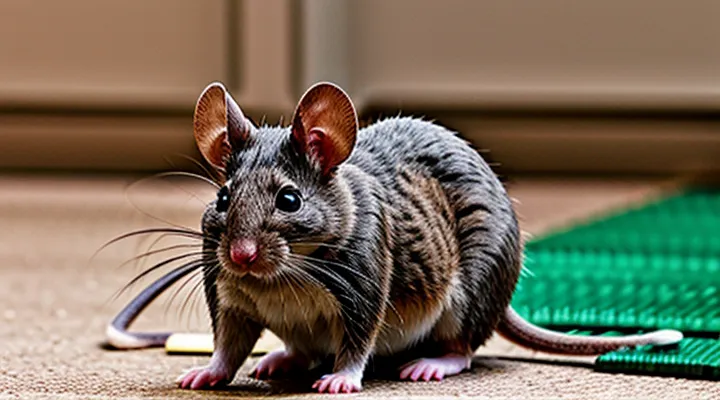
The Cognitive Abilities of Mice
Natural Behaviors and Instincts
Social Learning in Rodents
Research on rodents demonstrates that individuals acquire new behaviors by observing conspecifics, a process termed social learning. Experiments with laboratory mice reveal that naïve subjects can replicate a task after watching trained peers perform it. In one study, a mouse observed a demonstrator retrieving a food reward from a maze; the observer subsequently solved the maze without prior exposure to the apparatus. Similar findings appear in studies of fear conditioning, where mice that witnessed a peer receiving a mild shock later exhibited heightened avoidance of the associated cue, despite never experiencing the shock themselves.
Key observations from the literature include:
- Observational learning of foraging techniques, such as manipulating a lever to release food, occurs after a single demonstration.
- Transmission of danger signals through visual and auditory cues enables rapid group‑level adaptation to threats.
- Social transmission of grooming patterns reduces parasitic load across colonies, indicating that learned hygienic behaviors spread without direct instruction.
Neurobiological analyses link these capabilities to the rodent mirror‑neuron system and to activity in the anterior cingulate cortex, regions that respond both during action execution and observation. Dopaminergic pathways reinforce successful imitation, strengthening the association between observed outcomes and motor commands.
The existence of robust social learning mechanisms implies that mice are capable of acquiring complex tasks through indirect instruction, expanding the repertoire of training methods beyond direct reinforcement. Designing protocols that incorporate demonstrator models can enhance efficiency in behavioral experiments and reduce the number of conditioning trials required for naïve subjects.
Problem-Solving Skills in Laboratory Settings
Mice demonstrate measurable problem‑solving abilities when subjected to structured conditioning protocols. Researchers employ operant chambers, maze navigation, and touchscreen tasks to assess how rodents acquire and apply solutions to novel challenges. Repeated exposure to variable contingencies forces the animals to adjust strategies, revealing capacity for flexible cognition.
Key elements that enhance problem‑solving performance include:
- Incremental difficulty scaling, ensuring each trial introduces a modest increase in complexity.
- Positive reinforcement schedules that reward correct choices with food or water, reinforcing adaptive behavior.
- Controlled sensory cues that guide decision‑making without providing explicit solutions.
Data from longitudinal studies show that trained mice improve success rates by 30–45 % across successive phases, indicating retention of learned strategies and transfer to unfamiliar tasks. Neurophysiological recordings reveal heightened activity in prefrontal and hippocampal circuits during successful problem resolution, supporting the link between training and neural plasticity.
Practical implications for laboratory research involve using trained mice as reliable models for cognitive deficits, drug efficacy testing, and genetic manipulation studies. Consistent training regimens reduce variability in experimental outcomes, allowing more precise interpretation of behavioral and physiological measurements.
Training Methodologies for Mice
Operant Conditioning Principles
Positive Reinforcement Techniques
Positive reinforcement provides a reliable framework for shaping mouse behavior. Experimental studies demonstrate that rodents readily associate a discrete cue with a desirable outcome, allowing precise control over task acquisition.
Effective reinforcement relies on three principles. First, the reward must follow the target response without delay. Second, the stimulus–reward pairing should be consistent across trials. Third, complex behaviors are built by reinforcing successive approximations toward the final goal.
Common techniques include:
- Food pellets or sucrose solution delivered immediately after the correct response.
- Clicker training, where an audible marker signals the exact moment of desired behavior before the reward.
- Target training, using a small object that the mouse learns to touch or approach, followed by a treat.
- Shaping, which reinforces increasingly accurate versions of a behavior until the complete action is performed.
- Social reinforcement, allowing brief access to a conspecific after a successful trial for socially motivated individuals.
Implementation requires careful timing; delays longer than a few hundred milliseconds reduce learning speed. Reward magnitude should be sufficient to motivate without causing satiation. Prior habituation to the experimental apparatus minimizes stress and improves response consistency. Avoidance of aversive stimuli preserves the positive association and prevents counter‑conditioning.
When applied correctly, mice acquire tasks such as lever pressing, maze navigation, and discrimination of visual or olfactory cues within a limited number of sessions. The resulting performance provides reliable data for behavioral and neuroscientific investigations.
Negative Reinforcement: Ethical Considerations
Negative reinforcement involves the removal of an aversive stimulus when the animal performs a desired response, thereby increasing the likelihood of that response. In rodent conditioning, the technique typically employs brief electric shocks, loud noises, or air puffs that cease once the mouse executes a specific action, such as pressing a lever or navigating a maze.
Ethical evaluation of this approach requires consideration of several factors:
- Animal welfare: Repeated exposure to aversive cues can induce chronic stress, anxiety, or pain, compromising the subject’s physiological and behavioral integrity.
- Scientific validity: Stress‑related alterations may confound experimental outcomes, reducing the reliability of data derived from negatively reinforced subjects.
- Justification of necessity: Researchers must demonstrate that the knowledge gained cannot be obtained through less aversive methods, such as positive reinforcement or automated tracking.
- Regulatory compliance: Institutional review boards and national guidelines mandate minimization of discomfort, documentation of stimulus intensity, and provision of analgesia when appropriate.
- Alternatives: Emerging technologies—virtual reality environments, optogenetic control, and reward‑based training—offer viable replacements that eliminate the need for aversive stimuli.
Implementation of negative reinforcement should therefore be restricted to cases where no feasible alternative exists, and only after rigorous assessment of the proportionality between scientific benefit and animal burden. Continuous monitoring, refinement of stimulus parameters, and adherence to the three‑Rs (Replacement, Reduction, Refinement) are essential to uphold ethical standards.
Habituation and Desensitization
Habituation refers to the progressive decline of a mouse’s response to a repeatedly presented, non‑threatening stimulus. The process relies on synaptic weakening within sensory pathways, allowing the animal to conserve attention for novel events. In laboratory settings, researchers expose subjects to the experimental apparatus, handling, and ambient noises for several consecutive sessions until measurable reductions in startle or exploratory interruptions occur. Typical protocols involve 5–10 min daily exposures over 3–7 days, with response metrics such as latency to approach or frequency of grooming recorded to confirm habituation.
Desensitization builds on habituation by pairing the previously neutral stimulus with a mild aversive or rewarding event, then gradually reducing the intensity of that event. The goal is to diminish the animal’s conditioned emotional reaction while preserving the ability to learn new associations. Effective desensitization schedules often include:
- Initial pairing: stimulus + low‑intensity shock or food reward for 2–3 sessions.
- Gradual attenuation: decrease shock voltage or reward magnitude by 10–20 % each session.
- Assessment phase: present stimulus alone and measure physiological indicators (e.g., heart rate, corticosterone) to verify reduced reactivity.
Both processes serve as foundational steps before implementing operant or classical conditioning in mice. By ensuring that baseline anxiety and novelty‑driven avoidance are minimized, researchers achieve higher acquisition rates for tasks such as lever pressing, maze navigation, or auditory discrimination. Moreover, habituated and desensitized subjects display more stable performance across testing days, reducing variability attributable to stress‑induced fluctuations.
Key considerations include:
- Consistency of environmental parameters (lighting, temperature, odor) during habituation.
- Verification that desensitization does not extinguish the capacity for future learning; monitoring spontaneous recovery is essential.
- Ethical compliance with institutional guidelines on stimulus intensity and exposure duration.
When applied systematically, habituation and desensitization transform inherently reactive mice into reliable participants for complex behavioral experiments.
Clicker Training Adaptations for Small Animals
Clicker training, a form of operant conditioning that pairs a distinct auditory cue with a reward, can be applied to rodents as small as mice when the protocol is adjusted for their size, sensory capabilities, and behavioral patterns.
Effective adaptations begin with equipment selection. Standard clickers produce a sound level of 70–80 dB, which may startle a mouse. A low‑volume clicker or a custom‑built device emitting a 50–55 dB tone ensures the cue remains audible without causing stress. The reward must be highly palatable and easily consumable; liquid sucrose solution or tiny seed pieces work better than larger food items that require manipulation.
Key procedural modifications include:
- Interval timing: Deliver the click within 0.2–0.3 seconds of the target behavior; mice respond to tighter windows than larger animals.
- Session length: Limit training bouts to 5–7 minutes to match the short attention span of rodents.
- Environment control: Use a quiet chamber with minimal visual distractions; dim lighting reduces anxiety and enhances focus on the auditory cue.
- Shaping steps: Break complex tasks into micro‑behaviors (e.g., nose‑poke, lever press) and reinforce each step before progressing.
Safety considerations mandate regular cleaning of feeding apparatus to prevent contamination and monitoring of body weight to avoid over‑feeding. Consistent application of the adapted clicker protocol yields reliable acquisition of simple tasks such as navigation of mazes, lever activation, and object retrieval, demonstrating that small rodents are capable of learning through conditioned auditory signals when training methods respect their physiological constraints.
Specific Tasks and Tricks Mice Can Learn
Navigating Mazes and Obstacle Courses
Mice readily learn to navigate mazes and obstacle courses when reinforced with consistent stimuli. Positive reinforcement, typically a food reward, is delivered immediately after the animal reaches a target zone. Repeated trials condition the mouse to associate specific cues—such as visual landmarks or tactile textures—with the reward location, thereby shaping its route selection.
Key elements influencing performance include:
- Maze complexity: Simple Y‑mazes produce rapid acquisition; multi‑arm mazes extend learning curves.
- Sensory modalities: Visual patterns, olfactory markers, and whisker‑based tactile feedback each contribute to spatial orientation.
- Reward schedule: Fixed‑ratio reinforcement accelerates initial learning; variable‑ratio schedules sustain long‑term engagement.
Neurobehavioral studies demonstrate that trained mice develop stable place fields in the hippocampus, indicating spatial memory consolidation. Transfer tests, where the original layout is altered, reveal flexible problem‑solving abilities; mice often adjust routes within a few trials, suggesting that training extends beyond rote memorization to adaptive navigation.
Object Recognition and Discrimination
Mice demonstrate robust object recognition when repeatedly exposed to visual, tactile, or olfactory cues. During training sessions, subjects learn to differentiate a target stimulus from a set of alternatives, indicating that perceptual discrimination can be shaped by reinforcement schedules.
Key features of successful object discrimination protocols include:
- Controlled presentation of stimuli with consistent spatial and temporal parameters.
- Immediate delivery of reward (e.g., sucrose solution) contingent on correct identification.
- Randomized inter-trial intervals to prevent anticipatory behavior.
- Use of counterbalanced designs to eliminate bias from stimulus position or modality.
Neurophysiological recordings reveal that the perirhinal cortex and hippocampal formation exhibit heightened firing rates during correct selections, suggesting these regions encode the learned associations. Lesion studies confirm that disruption of these structures impairs both recognition memory and discrimination accuracy.
Overall, empirical evidence supports the capacity of mice to acquire object recognition skills through systematic training, demonstrating that complex perceptual tasks are within their learning repertoire.
Simple Agility Routines
Mice respond to repetitive, low‑stress challenges that require quick movements and precise navigation. Simple agility routines exploit their natural curiosity and rapid reflexes, allowing handlers to shape behavior without complex equipment.
- Construct a short PVC tunnel (15–20 cm long) with open ends; encourage entry by placing a treat at the far side.
- Attach a lightweight ladder (four rungs, 2 cm spacing) to a sturdy platform; reward the animal for reaching the top.
- Arrange a series of low hurdles (1 cm height) spaced 5 cm apart; use a gentle tap on the floor to prompt forward motion.
- Introduce a rotating disc (10 cm diameter) that spins slowly; mice learn to maintain balance while seeking food placed near the edge.
Training sessions last 5–10 minutes, repeated three times daily. Begin with a single element, then combine two, progressing to the full sequence once the mouse traverses each component without hesitation. Consistent timing, minimal distractions, and immediate positive reinforcement (small seed piece or sweet mash) ensure rapid acquisition of the routine.
Responding to Cues and Commands
Mice demonstrate rapid acquisition of stimulus–response associations when exposed to systematic reinforcement protocols. Operant conditioning chambers equipped with levers, nose‑poke ports, or touch‑screens provide the environment in which cues are paired with rewards, yielding measurable changes in behavior within a few sessions.
Typical cues include:
- Visual signals – illuminated LEDs or patterned screens that indicate a forthcoming reward.
- Auditory tones – discrete frequencies or sequences used to mark correct responses.
- Tactile prompts – vibrations or textured surfaces that guide paw or whisker placement.
- Olfactory markers – scented pads that signal the location of food or water.
Commands are conveyed through shaping procedures that reinforce successive approximations of the target action. A common sequence involves:
- Presenting a cue and delivering a small food pellet when the mouse makes any contact with the designated apparatus.
- Gradually requiring more precise contacts (e.g., pressing a lever for a specified duration) before reward delivery.
- Introducing a secondary cue that signals termination of the action, thereby establishing a start‑stop command pair.
Performance metrics such as latency to respond, error rate, and consistency across trials quantify the mouse’s ability to follow cues and obey commands. Data consistently show that, after limited training, mice can execute complex sequences—e.g., navigating mazes, performing lever presses on cue, and discriminating between auditory patterns—with accuracy exceeding 80 % in controlled settings.
Factors Influencing Trainability
Age and Developmental Stage
Mice exhibit distinct learning capacities that depend on their age and developmental stage. Neonatal rodents (post‑natal days 0‑7) have limited motor control and underdeveloped sensory systems, preventing reliable operant conditioning. Their neural circuits are still forming, and basic reflexes dominate behavior, making systematic training impractical.
Juvenile mice (approximately post‑natal days 14‑28) enter a period of rapid synaptic plasticity. At this stage, sensory acuity improves, locomotor skills mature, and hippocampal-dependent memory emerges. Training protocols that rely on visual or auditory cues become effective, and acquisition rates increase compared with adults. Critical windows for specific tasks—such as spatial navigation or fear conditioning—often align with this developmental phase.
Adult mice (post‑natal day 60 and beyond) possess fully developed neural architecture and stable behavioral repertoires. They demonstrate consistent performance in operant chambers, exhibit robust long‑term memory, and tolerate repeated sessions with minimal stress. However, learning speed may decline relative to juveniles, and age‑related sensory deficits can affect task specificity.
Key considerations for designing mouse training programs:
- Select stimulus modalities appropriate to the animal’s sensory development (e.g., tactile cues for neonates, visual cues for juveniles and adults).
- Adjust session length to match stamina and attention span; younger mice require shorter, more frequent trials.
- Monitor stress indicators, as younger animals display heightened corticosterone responses that can impair learning.
- Align task complexity with developmental milestones; simple discrimination tasks suit juveniles, while multi‑step sequences are suitable for mature subjects.
Individual Temperament and Personality
Individual temperament determines how a mouse responds to conditioning. Bold, exploratory specimens readily approach novel stimuli, while shy individuals withdraw when presented with the same cues. Consequently, training protocols that rely on voluntary interaction succeed more often with the former group and require additional habituation steps for the latter.
Personality traits such as aggression, curiosity, and persistence shape learning speed. Aggressive mice may exhibit rapid acquisition of avoidance tasks but resist reward‑based paradigms. Curious mice explore maze arms repeatedly, facilitating spatial learning, whereas low‑curiosity individuals need extended shaping periods. Persistence, measured by the number of attempts a mouse makes before giving up, predicts performance in operant schedules that demand repeated lever presses.
Effective training programs incorporate temperament assessment early in the experimental timeline. Common practices include:
- Open‑field test to quantify exploration versus avoidance.
- Elevated plus‑maze to gauge anxiety‑related behavior.
- Novel object recognition to evaluate curiosity levels.
Data from these assays inform the selection of reinforcement type, cue intensity, and session duration, reducing failure rates and improving reproducibility across studies.
Environmental Enrichment and Stimulation
Environmental enrichment provides mice with complex sensory, cognitive, and motor experiences that exceed the minimal standards of a laboratory cage. Such experiences modify neural circuitry, enhance synaptic plasticity, and reduce stress‑induced cortisol spikes, all of which directly affect learning capacity.
- structural objects (tunnels, nesting material, platforms)
- sensory stimuli (olfactory cues, varied lighting, auditory playback)
- cognitive challenges (puzzle feeders, mazes, foraging tasks)
- social opportunities (group housing, controlled interactions)
Enrichment improves performance in conditioning paradigms by increasing attention to cues, accelerating acquisition of operant responses, and stabilizing retention over time. Mice housed with varied stimuli exhibit higher rates of correct lever presses, quicker adaptation to new reward schedules, and fewer false alarms compared with standard‑caged controls.
Implementing enrichment in training protocols requires consistent rotation of objects to prevent habituation, monitoring of hierarchy to avoid aggression, and alignment of enrichment items with the specific behavioral task. When enrichment is integrated systematically, training sessions become shorter, data variability declines, and reproducibility across laboratories improves.
Trainer Consistency and Patience
Consistent cue delivery and timing form the foundation of successful mouse conditioning. Repeating the same signal for each target behavior eliminates ambiguity, allowing the animal to form a reliable association between the cue and the expected response. Variations in tone, duration, or context disrupt learning curves and increase the number of trials required for acquisition.
Patience governs the pace at which progress is measured. Mice typically require multiple repetitions before a behavior stabilizes; premature reinforcement of incomplete attempts reinforces incorrect patterns. Allowing sufficient intervals between sessions prevents fatigue and sustains motivation, while avoiding overtraining that may lead to extinction.
Key practices for maintaining consistency and patience:
- Use a single, distinct auditory or tactile signal for each command.
- Deliver rewards immediately after the correct response, within a one‑second window.
- Limit training sessions to 5–10 minutes, repeating daily for several weeks.
- Record each trial’s outcome to track incremental improvements and adjust timing only when data indicate a plateau.
Adhering to these principles maximizes the likelihood that rodents will learn complex tasks, demonstrating that reliable instruction and measured persistence are indispensable components of any mouse training program.
Ethical Considerations in Mouse Training
Welfare Standards and Best Practices
Training mice demands adherence to rigorous welfare standards to ensure ethical research and reliable results. Facilities must provide environments that satisfy species‑specific needs, including appropriate cage size, enrichment items, and temperature control. Nutrition should be balanced, with consistent access to clean water and food that meet established dietary guidelines.
Health monitoring programs require regular veterinary examinations, pathogen screening, and documentation of any medical interventions. Records of weight, behavior, and physiological indicators must be maintained throughout the training period.
Best practices for humane mouse training include:
- Gradual habituation to handling devices, starting with brief, low‑stress exposures.
- Positive reinforcement using preferred food rewards delivered immediately after the desired response.
- Session lengths limited to 5–10 minutes to prevent fatigue, with sufficient rest intervals.
- Clear, consistent cue structures; auditory or visual signals should remain unchanged across trials.
- Continuous observation for signs of distress, such as excessive grooming, vocalization, or abnormal posture, prompting immediate cessation of the session.
Data collection protocols must incorporate blind scoring where feasible, and experimental designs should incorporate control groups that receive identical handling without training tasks. Compliance with institutional animal care and use committees, as well as national regulations, guarantees that training procedures align with accepted ethical standards.
Stress Reduction Techniques
Effective conditioning of laboratory mice requires minimizing physiological and psychological stress. Researchers achieve this by standardizing handling procedures, providing consistent environmental cues, and employing gradual exposure to experimental apparatus. Consistency reduces uncertainty, allowing mice to form reliable expectations about their surroundings.
Key techniques for stress reduction include:
- Habituation sessions: Repeated, brief exposure to the testing arena before data collection.
- Gentle handling: Use of cupped hands or tunnel devices to avoid tail‑pinch stress.
- Environmental enrichment: Inclusion of nesting material, shelters, and chewable objects to promote natural behaviors.
- Noise control: Implementation of sound‑attenuating barriers and low‑decibel equipment.
- Predictable schedule: Fixed timing for feeding, cleaning, and experimental trials.
- Positive reinforcement: Delivery of small food rewards contingent on desired actions.
Applying these measures creates a low‑arousal baseline, increasing the likelihood that mice will respond reliably to operant conditioning protocols and other training paradigms.
Avoiding Aversive Methods
Training mice without aversive techniques aligns with ethical standards and improves learning outcomes. Positive reinforcement, such as food rewards or gentle tactile cues, strengthens desired behaviors while minimizing stress. Consistent timing of reinforcement creates clear associations, enabling mice to acquire tasks efficiently.
Aversive methods—electric shocks, loud noises, or forced restraint—trigger fear responses that interfere with memory formation. Repeated exposure to these stimuli can lead to heightened cortisol levels, reduced motivation, and increased variability in experimental data. Eliminating such stimuli preserves physiological stability and enhances reproducibility.
Practical steps for aversive‑free training include:
- Use of palatable treats delivered immediately after correct responses.
- Implementation of gradual shaping, rewarding incremental progress toward the target behavior.
- Application of gentle handling techniques to maintain calm during apparatus interaction.
Monitoring behavior for signs of anxiety, such as excessive grooming or avoidance, provides early indicators that adjustments are needed. By prioritizing humane reinforcement, researchers achieve reliable conditioning while upholding animal welfare.
Purpose and Benefits of Training
Training mice serves experimental objectives, behavioral conditioning, and welfare enhancement. Researchers employ operant and classical paradigms to probe learning capacity, memory formation, and sensory processing. Conditioning protocols also enable precise control of animal responses, facilitating drug screening, disease modeling, and neurobiological investigations.
Benefits of mouse training include:
- Consistent behavioral outputs that improve data reliability.
- Reduction of spontaneous variability, allowing smaller sample sizes.
- Alignment with ethical standards by minimizing stress through predictable routines.
- Enhanced translational relevance, as trained tasks mirror human cognitive assessments.
- Economic efficiency derived from streamlined experimental timelines.
These advantages collectively strengthen scientific rigor, support humane practices, and accelerate discovery in biomedical research.