
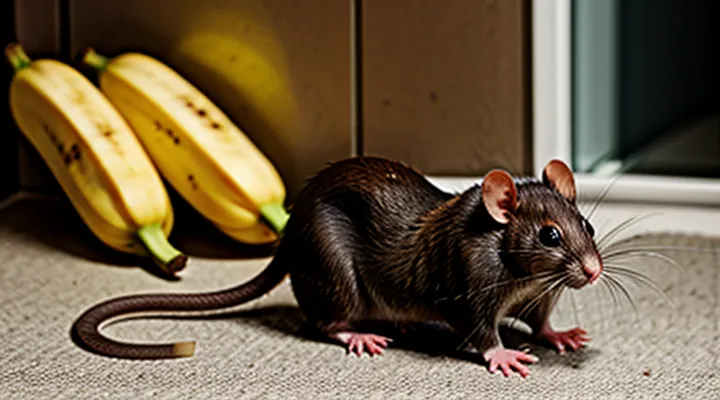
The Nutritional Value of Bananas for Rats
Macronutrients in Bananas
Carbohydrates and Energy
Bananas contain primarily simple sugars—glucose, fructose, and sucrose—together with a modest amount of dietary fiber. The total carbohydrate content averages 23 g per 100 g of fruit, providing roughly 90 kcal of energy. These sugars are rapidly absorbed in the small intestine, entering the bloodstream as glucose, the principal fuel for cellular respiration.
Rats possess an efficient glycolytic pathway that converts glucose into pyruvate, which then enters the mitochondria for oxidative phosphorylation. Each gram of carbohydrate yields approximately 4 kcal of usable energy, supporting basal metabolism, thermoregulation, and activity. The presence of dietary fiber in bananas can moderate glucose absorption, reducing post‑prandial spikes.
Feeding bananas to ornamental rats requires attention to quantity, frequency, and overall diet balance. Recommended practices include:
- Offer no more than 5 g of banana flesh per 100 g of body weight, limiting caloric contribution to under 10 % of daily intake.
- Provide banana as an occasional treat, not a staple, to prevent excess sugar and potential obesity.
- Ensure the primary diet remains a high‑protein, low‑fat pellet formulated for rats, supplemented with fresh vegetables for fiber and micronutrients.
- Monitor individual rats for signs of digestive upset, such as soft stools or reduced appetite, and discontinue if adverse effects appear.
When incorporated responsibly, the carbohydrate profile of bananas supplies a quick energy source without compromising the nutritional requirements of fancy rats.
Fiber Content
Bananas contain dietary fiber primarily as soluble pectin and a smaller proportion of insoluble cellulose. A medium banana (approximately 118 g) provides about 3 g of total fiber, of which roughly 2 g is soluble and 1 g is insoluble. The fiber concentration translates to roughly 2.5 % of the fruit’s fresh weight.
Rats require fiber to maintain gut motility and to support a healthy microbiome. Soluble fiber slows gastric emptying, moderates glucose absorption, and supplies fermentable substrates for colonic bacteria. Insoluble fiber adds bulk, promoting regular bowel movements and preventing constipation. Excessive fiber can dilute nutrient density and cause loose stools, especially in small animals with high metabolic rates.
Guidelines for feeding bananas to pet rats:
- Offer no more than 5 % of the daily caloric intake as banana flesh.
- Limit frequency to two to three small pieces per week.
- Observe stool consistency after introduction; discontinue if diarrhea occurs.
- Balance with a diet rich in coarse fibers such as hay, whole grains, and leafy greens.
When incorporated within these limits, the fiber from bananas contributes to digestive health without compromising nutrient balance.
Micronutrients and Health Benefits
Vitamins Present
Bananas contain several vitamins that are relevant to the dietary needs of domesticated rats. The primary vitamins present are:
- Vitamin C (ascorbic acid): antioxidant, supports immune function.
- Vitamin B6 (pyridoxine): involved in protein metabolism and neurotransmitter synthesis.
- Vitamin A (beta‑carotene precursor): contributes to vision, skin health, and cellular growth.
- Folate (vitamin B9): essential for DNA synthesis and red blood cell formation.
- Small amounts of riboflavin (vitamin B2) and thiamine (vitamin B1).
These nutrients can complement a balanced rat diet when offered in limited quantities. Excessive banana intake may lead to elevated sugar and fiber levels, which can cause gastrointestinal upset or weight gain. A safe recommendation is a slice no larger than ½ inch, provided no other high‑sugar foods are given the same day. Regular monitoring of body condition and stool consistency ensures that the added vitamins support health without adverse effects.
Minerals and Their Role
Fancy rats require a balanced intake of macro‑ and trace minerals to support bone development, nerve function, and metabolic processes. Calcium and phosphorus maintain skeletal integrity; magnesium participates in enzymatic reactions; potassium regulates fluid balance; sodium influences nerve impulse transmission; and trace elements such as zinc, copper, manganese, and selenium act as cofactors for antioxidant enzymes.
Bananas contribute several of these nutrients, but their mineral profile is limited. A medium banana (≈118 g) supplies approximately:
- Calcium: 5 mg
- Phosphorus: 26 mg
- Magnesium: 32 mg
- Potassium: 422 mg
- Sodium: 1 mg
- Zinc: 0.2 mg
- Copper: 0.1 mg
- Selenium: <0.1 µg
The potassium content is high, while calcium, phosphorus, and trace minerals fall well below the levels required for a healthy rat diet. Relying on bananas as a primary source of minerals would result in chronic deficiencies, particularly in calcium and zinc, which can impair growth and immune function.
To incorporate bananas safely, offer them as occasional treats, not as a staple. Complement the diet with a commercially formulated rodent pellet that meets established mineral standards, and consider adding a fortified vegetable mix or a calibrated mineral supplement to address gaps left by fruit consumption. Monitoring body condition and veterinary blood work will confirm that mineral balance remains within optimal ranges.
Safety and Moderation Considerations
Potential Risks of Banana Consumption
High Sugar Content
Bananas contain approximately 12 g of sugar per 100 g of fruit. This level exceeds the typical carbohydrate intake recommended for domesticated rats, whose natural diet supplies less than 5 g of sugar per day.
Elevated sugar intake can cause rapid spikes in blood glucose, leading to obesity, dental decay, and insulin resistance in rats. Their short digestive tract processes simple sugars quickly, but excess glucose overwhelms hepatic metabolism and may result in fatty liver disease.
Guidelines for offering bananas to pet rats:
- Limit portions to no more than 5 g (about one‑tenth of a medium banana) per week.
- Offer only fresh, ripe fruit; avoid overripe or bruised sections that harbor mold.
- Observe the animal for signs of digestive upset, such as loose stools or reduced activity, after each exposure.
- Complement banana treats with high‑fiber, low‑sugar foods to maintain a balanced diet.
When bananas are introduced sparingly and monitored, the sugar load remains within a tolerable range, minimizing health risks while providing occasional enrichment.
Digestive Upset
Bananas are occasionally offered to pet rats as a treat, but their high sugar and fiber content can disturb the gastrointestinal system. Rats possess a short, simple intestine adapted for low‑glycemic, high‑protein diets; sudden ingestion of large, sweet fruit may overwhelm enzymatic capacity and alter gut motility.
The fruit’s composition includes:
- Simple carbohydrates (fructose, glucose) that raise blood sugar rapidly.
- Soluble fiber that can increase stool bulk and speed transit.
- Potassium and vitamin C, beneficial in small amounts but excessive intake may cause electrolyte imbalance.
When a rat’s digestive tract reacts negatively, observable signs include:
- Loose, watery feces or diarrhea.
- Reduced appetite and lethargy.
- Abdominal bloating or discomfort when handled.
To minimize risk:
- Offer no more than a half‑slice (approximately 5 g) per week.
- Introduce the fruit gradually, monitoring stool consistency after each exposure.
- Provide fresh water and a balanced diet rich in protein and complex carbohydrates.
- Discontinue banana if any gastrointestinal symptoms appear, and consult a veterinarian if they persist.
Controlled, infrequent portions allow rats to enjoy the flavor without compromising digestive health.
Recommended Feeding Guidelines
How Much Banana is Safe?
Bananas are safe for pet rats in limited quantities. Their high sugar and fiber content can cause digestive upset if over‑fed. A single slice of banana, approximately 10–15 g, provides a modest source of potassium, vitamin C, and vitamin B6 without overwhelming the animal’s metabolism.
Guidelines for feeding banana to fancy rats:
- Offer no more than one slice per week for an adult rat weighing 250–300 g.
- For juveniles or smaller individuals, reduce the portion to half a slice and monitor stool consistency.
- Remove any leftover banana after two hours to prevent spoilage and bacterial growth.
- Combine banana with a balanced diet of high‑quality rodent pellets, fresh vegetables, and occasional protein treats.
Excessive banana consumption may lead to:
- Diarrhea or soft stools caused by excess fructose.
- Weight gain due to added calories.
- Potential imbalance of calcium‑phosphorus ratio if banana replaces calcium‑rich foods.
If a rat shows signs of gastrointestinal distress after eating banana, discontinue the fruit and consult a veterinarian. Regular observation of body condition and stool quality ensures that banana remains a harmless treat within the recommended limits.
Frequency of Feeding
Bananas may be offered to pet rats with a selective breeding background, but the treat should be given sparingly to avoid digestive upset and excess sugar.
- Offer banana no more than once or twice a week.
- Limit each serving to a small piece roughly the size of a pea (approximately 2–3 grams).
- Provide the fruit in a fresh, ripe state; discard any over‑ripe or bruised portions.
- Observe the rat for 24 hours after the first exposure; discontinue if loose stools, reduced activity, or weight loss occur.
Regular feeding schedules for staple foods—pellets, fresh vegetables, and occasional protein—should remain unchanged. Treats such as banana are supplemental and must not replace the balanced diet required for optimal health. Monitoring body condition and adjusting portion size accordingly ensures that the occasional fruit treat contributes flavor without compromising nutrition.
Preparing Bananas for Rats
Ripe vs. Unripe Bananas
Ripe bananas contain high levels of simple sugars, low starch, and a soft texture that rats can easily chew and digest. Unripe bananas are rich in resistant starch, have a firmer flesh, and present a lower glycemic load. The nutritional shift from starch to sugar occurs as the fruit ripens, altering both caloric density and mineral availability.
For ornamental rats, these characteristics influence dietary suitability:
- Simple sugars in ripe fruit provide quick energy but may cause rapid blood‑glucose spikes if fed in excess.
- Resistant starch in unripe fruit offers slower digestion, beneficial for gut microbiota, yet the hardness can damage incisors or cause choking.
- Fiber content rises slightly with ripeness, supporting intestinal motility; excessive fiber from unripe bananas can lead to loose stools.
- Potassium concentration remains comparable, supporting muscle function regardless of ripeness.
- Vitamin B6 peaks in ripe bananas, enhancing metabolic pathways; unripe fruit supplies lower amounts.
A balanced approach recommends offering small portions of fully ripe banana as an occasional treat, while avoiding unripe pieces that may present mechanical hazards and digestive strain. Monitoring individual response ensures the fruit complements the rat’s overall nutrition plan without inducing gastrointestinal distress.
Peeling and Mashing
Bananas are safe for domesticated rats when offered in moderation, but the fruit’s skin and texture can pose choking hazards. Removing the peel eliminates fibrous material that rats cannot digest efficiently, and mashing the flesh creates a manageable consistency that mimics the soft foods rats naturally process.
Procedure for preparing banana feed:
- Select a ripe banana; overripe fruit may contain excess sugars that can upset digestion.
- Wash the banana thoroughly to remove residual pesticides.
- Cut the banana into manageable sections, discard the peel completely.
- Place the flesh on a clean cutting board and use a fork or potato masher to achieve a smooth paste; avoid adding water or other liquids that could dilute nutrients.
- Allow the mash to cool to room temperature before offering a small portion (no more than one teaspoon) on a clean dish.
- Remove any uneaten mash after 30 minutes to prevent spoilage and bacterial growth.
Alternative Fruits and Treats for Fancy Rats
Other Safe Fruits
Apples and Berries
Fancy rats often encounter fruit as a dietary supplement, prompting owners to question the suitability of bananas. Apples and berries represent alternative options that merit detailed examination.
Apples provide soluble fiber, vitamin C, and modest sugars. Core removal eliminates small seeds that contain trace cyanogenic compounds. Berries—including strawberries, blueberries, and raspberries—offer high antioxidant levels, low caloric density, and a balance of natural sugars and dietary fiber.
Compared with bananas, apples contain less starch and lower overall sugar concentration, reducing the risk of rapid blood‑glucose spikes. Berries present even lower sugar content and higher micronutrient density, making them suitable for regular, small‑portion feeding. All three fruits supply moisture and enrichment, but bananas deliver higher potassium and carbohydrate loads, which may be excessive if offered frequently.
Feeding recommendations:
- Offer apple slices no larger than ¼ inch thick, once or twice weekly.
- Provide a handful of fresh berries (approximately 5–7 berries) at the same interval.
- Ensure fruit is washed, free of pesticides, and served without stems or pits.
- Monitor individual rats for digestive tolerance; discontinue if loose stools appear.
Incorporating apples and berries into a balanced rodent diet delivers nutritional variety while mitigating the potential drawbacks associated with frequent banana consumption.
Pears and Melons
Pears and melons provide moisture, simple sugars, and dietary fiber that complement the typical grain‑based diet of domesticated rats. Both fruits contain vitamin C, potassium, and antioxidants, nutrients that support immune function and muscle health in these small mammals.
Compared with bananas, pears have lower starch content and a firmer texture, reducing the risk of gastrointestinal upset. Melons contribute higher water content, which aids hydration but requires careful portion control to avoid diarrhea caused by excess fructose. The combined nutrient profile of pears and melons aligns with the metabolic needs of rats that are accustomed to occasional fruit treats.
- Offer fresh, seed‑free pieces no larger than 1 cm³.
- Limit total fruit intake to 5 % of daily caloric consumption.
- Remove skins that may contain pesticide residues.
- Observe each animal for signs of digestive disturbance after introduction.
Adhering to these guidelines ensures that pears and melons serve as safe, nutritious adjuncts to the overall diet of ornamental rodents.
Unsafe Foods to Avoid
Citrus Fruits
Rats kept as pets often receive a variety of fruits, and owners may wonder if bananas are suitable for refined specimens. Understanding the role of citrus fruits clarifies dietary balance and potential interactions.
Citrus fruits provide vitamin C, flavonoids, and moderate amounts of natural sugars. Key nutrients include:
- Vitamin C: 30–70 mg per 100 g, supporting immune function.
- Potassium: 150–200 mg per 100 g, aiding electrolyte balance.
- Fiber: 2–3 g per 100 g, promoting gastrointestinal health.
- Citric acid: contributes to pH regulation.
These components differ from the carbohydrate profile of bananas, which contain higher starch and lower acidity.
Rats tolerate small portions of citrus without adverse effects, provided the following guidelines are observed:
- Offer no more than 5 % of total daily calories from citrus.
- Remove seeds and peel, which contain compounds that may irritate the digestive tract.
- Introduce citrus gradually to monitor tolerance.
- Combine citrus with banana in limited quantities to prevent excessive sugar intake.
When integrating citrus fruits into a rat’s diet, maintain overall nutritional balance. Small, occasional servings complement banana treats, enhance flavor variety, and supply essential micronutrients without compromising health.
Processed Snacks
Processed snacks are food items that have been altered through cooking, drying, extrusion, or the addition of preservatives to extend shelf life and enhance flavor. Common categories include grain‑based pellets, dried fruit chips, and flavored biscuits. When evaluating these products for sophisticated pet rats, consider three factors: nutritional composition, ingredient safety, and texture suitability.
- Nutritional composition – Protein should exceed 15 % of the product weight; fiber should range between 3–5 %; added sugars must remain below 5 % to avoid metabolic strain.
- Ingredient safety – Avoid artificial colorants, high‑sodium salts, and additives labeled “for human consumption only.” Natural sweeteners such as maltitol are acceptable in limited amounts.
- Texture suitability – Crunchy items must break easily under the rat’s incisors; overly hard pieces risk dental injury, while excessively soft snacks may cause choking.
Banana‑flavored processed snacks often contain dried banana powder or puree. Dried banana contributes modest amounts of potassium and vitamin B6, but the processing stage can diminish fiber and introduce concentrated sugars. For refined rats that enjoy occasional fruit flavors, a snack containing no more than 10 % banana derivatives is safe when offered as a supplement, not a staple.
Feeding guidelines:
- Offer processed snacks no more than twice weekly.
- Limit total snack calories to 5 % of the animal’s daily energy intake.
- Monitor for gastrointestinal upset after introduction of banana‑based products.
In summary, processed snacks that meet the outlined nutritional and safety criteria can be incorporated into the diet of upscale rats, provided banana content remains modest and the product’s texture aligns with the species’ dental capabilities.