
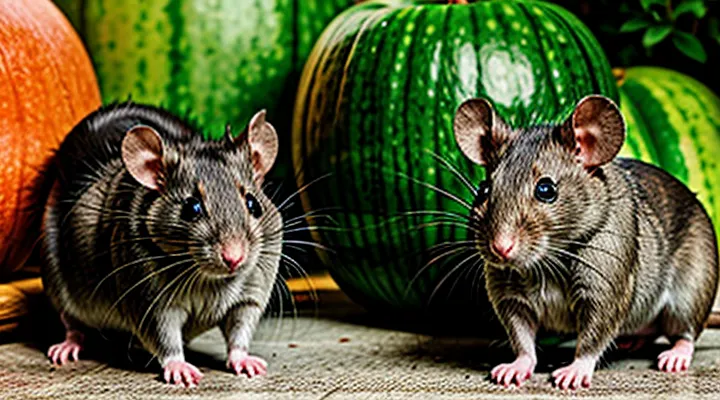
Understanding Melon and Rats' Dietary Needs
General Nutritional Value of Melon
Vitamins and Minerals in Melon
Melons contain a range of micronutrients that can affect the health of pet rats when offered in moderation. The fruit’s nutrient profile includes vitamins A, C, B‑complex (B1, B2, B6, folate) and minerals such as potassium, magnesium, calcium, and small amounts of iron and zinc. These compounds contribute to visual function, immune response, metabolic processes, and electrolyte balance.
- Vitamin A (β‑carotene): ~170 µg per 100 g, supports retinal health and epithelial maintenance.
- Vitamin C: ~7 mg per 100 g, acts as an antioxidant and aids collagen synthesis.
- Vitamin B6: ~0.04 mg per 100 g, involved in neurotransmitter production.
- Folate: ~20 µg per 100 g, essential for DNA synthesis.
- Potassium: ~170 mg per 100 g, regulates fluid balance and nerve function.
- Magnesium: ~10 mg per 100 g, required for enzymatic activity.
- Calcium: ~7 mg per 100 g, contributes to bone mineralization.
Rats can digest the water‑rich flesh of melon, but the high sugar content may lead to gastrointestinal upset or weight gain if consumed excessively. Introducing small, bite‑sized pieces a few times per week provides the listed micronutrients without overwhelming the animal’s carbohydrate tolerance. Monitoring for signs of diarrhea or reduced appetite is advisable after each feeding.
Water Content and Hydration Benefits
Melons contain approximately 90 % water by weight, providing a readily available source of fluid for small mammals. The high moisture level can contribute to daily hydration needs, especially when water intake from a bottle is limited or when ambient temperature rises.
Key hydration benefits for pet rats include:
- Rapid replenishment of body fluids after activity or heat exposure.
- Support of kidney function by diluting urinary solutes, reducing the risk of crystal formation.
- Assistance in maintaining optimal blood volume, which influences cardiovascular stability.
When introducing melon, offer only small, seed‑free pieces (no more than 1–2 cm³ per 100 g of body weight) to prevent gastrointestinal upset. Monitor for signs of diarrhea or changes in appetite, and ensure fresh drinking water remains available at all times.
Rat Dietary Staples
Essential Nutrients for Rats
Rats require a balanced diet that supplies macronutrients, vitamins, and minerals essential for growth, reproduction, and immune function. When considering fruit such as melon, evaluate its nutrient contribution against the rat’s overall dietary needs.
Key nutrients for healthy rats include:
- Protein: 14‑20 % of diet; sources include soy, whey, and insect meal.
- Fat: 5‑10 % of diet; provides essential fatty acids and energy.
- Carbohydrates: 45‑55 % of diet; primarily from grains and starches.
- Fiber: 3‑5 % of diet; supports gastrointestinal motility.
- Vitamin A: Crucial for vision and epithelial health; abundant in beta‑carotene.
- Vitamin D: Regulates calcium absorption; synthesized through exposure to UV light.
- Vitamin E: Antioxidant protecting cell membranes.
- B‑complex vitamins: Facilitate metabolism of carbohydrates, proteins, and fats.
- Calcium and phosphorus: Required in a 1:1 to 2:1 ratio for bone development.
- Magnesium, potassium, and sodium: Maintain electrolyte balance and nerve function.
- Trace minerals (zinc, iron, copper, manganese): Involved in enzymatic reactions and immune response.
Melon supplies water, simple sugars, and modest amounts of vitamin A and potassium. It lacks protein, fat, calcium, phosphorus, and most B‑vitamins. Consequently, melon should be offered only as a limited treat, not as a nutrient source. Excessive melon can disturb the calcium‑phosphorus balance and increase caloric intake without providing essential amino acids or fats.
Practical guidance:
- Limit melon to 5‑10 % of total daily caloric intake.
- Provide a complete rodent pellet or formulated diet as the primary food source.
- Supplement with protein‑rich foods (e.g., boiled egg, cooked lean meat) and calcium sources (e.g., powdered calcium supplement or cuttlebone).
- Monitor body condition and adjust fruit frequency to prevent obesity or nutrient deficiencies.
By maintaining the core nutrient profile and treating melon as an occasional supplement, pet rats receive the dietary foundation necessary for optimal health while enjoying occasional variety.
Foods to Avoid for Rats
Rats enjoy a varied diet, but several foods pose serious health risks and should never be offered. Toxic substances, high‑fat items, and foods that disrupt digestive balance are the primary concerns.
- Chocolate, caffeine, and nicotine: contain alkaloids that cause cardiac and neurological failure.
- Citrus fruits (including lemon, orange, and lime): high acidity damages tooth enamel and can lead to stomach irritation.
- Raw beans and legumes: contain lectins that impair nutrient absorption and may cause vomiting.
- Processed meats and salty snacks: excess sodium and preservatives strain kidneys and raise blood pressure.
- Sugary candies and artificial sweeteners: promote obesity, dental decay, and metabolic disturbances.
- Dairy products: many rats lack lactase, resulting in diarrhea and gastrointestinal upset.
- High‑fat foods such as fried items, butter, and fatty cuts of meat: contribute to liver disease and rapid weight gain.
Avoiding these items protects rat health and supports a balanced diet that includes safe vegetables, whole grains, and protein sources appropriate for rodents.
Feeding Melon to Rats: Safety and Guidelines
Is Melon Safe for Rats?
Types of Melon: Cantaloupe, Watermelon, Honeydew
Pet rats can safely consume melon in moderation, provided the fruit is prepared correctly and the specific variety’s characteristics are considered.
Cantaloupe offers high water content and vitamins A and C. The flesh is soft, making it easy for rats to chew. Seeds must be removed, and the rind should be discarded to avoid gastrointestinal blockage. Excessive cantaloupe can cause loose stools due to its natural sugars.
Watermelon supplies hydration and potassium. Rats should receive only the red flesh; the green rind and seeds are indigestible and may cause intestinal irritation. Portion size should be limited to prevent diarrhea, as the fruit’s high sugar concentration can upset the digestive balance.
Honeydew delivers vitamin B6 and moderate sugar levels. Like the other varieties, the skin and seeds are unsuitable for rats. Small cubes of honeydew flesh can be offered as an occasional treat, with attention to the rat’s overall carbohydrate intake.
- Remove all seeds and rind before serving.
- Offer only small pieces (no larger than a pea) at a time.
- Observe the rat for any signs of digestive upset after introduction.
- Incorporate melon as a supplement, not a staple, to maintain a balanced diet.
Potential Benefits of Melon for Rats
Pet rats can safely consume small portions of melon, offering several physiological advantages. The fruit’s high water content contributes to hydration, particularly useful for animals kept in dry environments.
- Vitamin A supports retinal function and immune response.
- Vitamin C provides antioxidant protection, reducing oxidative stress.
- Dietary fiber aids gastrointestinal motility, helping prevent constipation.
- Low caloric density supplies energy without promoting excess weight gain.
Melon also introduces sensory variety, encouraging natural foraging behavior and reducing boredom. However, portions should remain modest to avoid excessive sugar intake, and seeds must be removed to prevent choking hazards. Regular monitoring of weight and stool consistency ensures the fruit’s benefits are realized without adverse effects.
How to Prepare Melon for Rats
Washing and Peeling Requirements
When offering melon to pet rats, preparation must eliminate surface contaminants and remove potentially hazardous skin. Use fresh, ripe fruit; discard any that shows mold, bruising, or soft spots.
- Rinse the melon under running water for at least 30 seconds.
- Apply a food‑safe brush to the exterior, moving in a circular motion to dislodge dirt.
- Rinse again to flush away loosened particles.
- Pat the surface dry with a clean paper towel or cloth.
After cleaning, remove the rind to prevent rats from ingesting indigestible cellulose and possible pesticide residues trapped in the skin.
- Slice the melon lengthwise with a sanitized knife.
- Separate the flesh from the rind, discarding the outer layer entirely.
- Cut the flesh into bite‑size cubes, roughly ½ cm to 1 cm, suitable for a rat’s mouth.
- Inspect each piece for seeds; remove all seeds, as they pose choking risks and contain trace compounds that may be harmful.
Prepared melon should be served immediately or stored in a sealed container in the refrigerator for no more than 24 hours. Discard any leftovers after this period to avoid bacterial growth.
Seed Removal and Why It's Important
Melon can be a suitable treat for pet rats when its seeds are removed. Seeds present physical and biochemical hazards that compromise animal health and negate the nutritional benefits of the fruit.
- Hard seed coats may cause oral injury or obstruct the gastrointestinal tract.
- Certain melon varieties contain low levels of cucurbitacin, a bitter compound toxic in concentrated doses; seeds concentrate this substance.
- Unremoved seeds increase the risk of accidental ingestion of pesticide residues that often remain on the seed surface.
Removing seeds restores the fruit’s high water content, vitamins A and C, and simple sugars, allowing rats to digest the flesh without exposure to the mentioned dangers. Proper preparation—cutting the flesh into bite‑size pieces and discarding all seeds—ensures that the treat contributes positively to the animal’s diet while minimizing health risks.
Appropriate Serving Sizes
Melon may be offered to pet rats as an occasional treat, but the portion must remain small to avoid dietary imbalance.
Fruit should represent no more than roughly 10 % of a rat’s daily caloric intake. An adult rat consumes about 15–20 kcal per day; melon supplies approximately 0.5 kcal per gram. Consequently, a safe daily amount of melon ranges from 5 g to 15 g, depending on the animal’s size.
- Small rats (≈150 g): 5–7 g, about one‑quarter of a standard slice.
- Medium rats (≈200–250 g): 8–10 g, roughly one‑third of a slice.
- Large rats (≈250–300 g): 12–15 g, close to half a slice.
Offer these quantities no more than two to three times per week. Prepare the fruit by removing seeds, rind, and any hard parts, then cut the flesh into bite‑size cubes that fit comfortably in the rat’s mouth. Consistent adherence to these limits keeps melon a safe, enjoyable supplement to a balanced rodent diet.
Potential Risks and Considerations
Sugar Content and Moderation
Melons contain high levels of simple carbohydrates, primarily fructose and glucose. Watermelon provides approximately 6 g of sugar per 100 g, while cantaloupe reaches around 8 g per 100 g. These values exceed the typical carbohydrate intake from standard rodent chow, which averages 4–5 g per 100 g of feed.
Rats metabolize sugars rapidly, but excessive intake can lead to weight gain, impaired glucose regulation, and dental decay. Their small body mass magnifies the effect of even modest sugar loads, making precise portion control essential to avoid metabolic stress.
Guidelines for offering melon to pet rats
- Limit to 5–10 g of fresh flesh per 100 g of body weight, equivalent to a small bite.
- Serve no more than two to three times per week.
- Remove seeds and rind; present only soft, edible flesh.
- Observe the animal for changes in activity, coat condition, or stool consistency; adjust frequency if adverse signs appear.
Adhering to these limits integrates melon’s hydration benefits while preventing the health risks associated with high sugar consumption.
Digestive Upset and Bloating
Melon contains high levels of water and natural sugars, which can overwhelm the limited digestive capacity of domesticated rats. Rapid ingestion of juicy fruit may lead to excessive gas production, causing abdominal distension and discomfort. The soft flesh also provides fermentable carbohydrates that intestinal bacteria break down, generating volatile compounds that increase intestinal pressure.
Potential signs of digestive disturbance include:
- Abdominal swelling visible through the fur
- Increased flatulence or audible rumbling
- Reduced appetite and lethargy
- Loose stools or occasional diarrhea
These symptoms often appear within a few hours after a large portion is introduced. Small, controlled servings—no more than a bite‑size cube—minimize the risk. Providing fresh, clean water alongside the fruit helps regulate osmotic balance and supports normal gut motility.
If bloating persists or is accompanied by vomiting, immediate veterinary assessment is advisable. Persistent gastrointestinal upset can progress to more serious conditions such as gastric stasis, which requires professional intervention.
Allergic Reactions and Monitoring
Feeding melon to pet rats can trigger immune responses; vigilant observation is essential.
Allergic manifestations fall into three categories:
- Dermal irritation: redness, swelling, or localized hair loss.
- Respiratory distress: sneezing, labored breathing, or nasal discharge.
- Gastrointestinal upset: vomiting, diarrhea, or reduced appetite.
Recognizable indicators include sudden skin changes, abnormal breathing patterns, and altered stool consistency. Immediate cessation of melon and consultation with a veterinarian are recommended upon detection.
A systematic monitoring plan should consist of:
- Baseline health assessment before introduction of melon.
- Controlled portion (no larger than 5 g) offered once, with observation for 24 hours.
- Hourly checks during the first six hours for acute signs; thereafter, twice‑daily inspections for the next two days.
- Documentation of any symptoms, including time of onset and severity.
- If symptoms appear, discontinue melon, provide supportive care, and seek veterinary evaluation.
Consistent record‑keeping and prompt response reduce the risk of severe allergic outcomes and ensure the well‑being of domestic rats when novel foods are introduced.
Alternative Fruit Options for Rats
Safe Fruits for Rats
Berries
Berries present a distinct nutritional profile compared to watermelon, offering high levels of antioxidants, fiber, and vitamin C while containing minimal water content. These characteristics affect how domestic rats process the fruit and influence the suitability of combined feeding strategies.
When evaluating whether pet rats can safely consume watermelon, consider the following points related to berries:
- Digestive tolerance – Rats digest soluble fiber in berries more efficiently than the high fructose load of melon, reducing the risk of gastrointestinal upset.
- Caloric balance – A modest portion of berries (approximately one teaspoon per 100 g body weight) supplies energy without the excess sugars found in watermelon slices.
- Potential toxins – Certain berries, such as wild nightshade or unripe grapes, contain compounds toxic to rodents; only cultivated varieties like strawberries, blueberries, and raspberries are recommended.
- Hydration – Watermelon provides significant water; pairing a small quantity of berries with a limited watermelon serving can maintain hydration while delivering complementary nutrients.
Practical feeding guidelines:
- Offer fresh, washed berries in small, bite‑sized pieces.
- Limit watermelon to no more than 5 % of the daily diet to prevent sugar overload.
- Observe the rat for signs of diarrhea or reduced appetite after introducing either fruit.
- Rotate berry varieties weekly to avoid monotony and ensure a balanced intake of micronutrients.
Overall, berries can be incorporated into a rat’s diet alongside a controlled amount of watermelon, enhancing nutritional diversity while minimizing health risks.
Apples
Apples frequently appear in discussions of fruit options for pet rats, providing a reference point when evaluating other fruits such as melon. Their texture, sugar content, and fiber profile differ markedly, influencing suitability for rodent diets.
Apples supply soluble fiber, vitamin C, and modest amounts of potassium. The flesh is low in fat and contains natural sugars that can be metabolized by rats without causing acute toxicity. The skin holds additional fiber but may carry pesticide residues; thorough washing or organic sourcing mitigates this risk. Core seeds contain amygdalin, which releases cyanide in sufficient quantities; even small seed fragments can be harmful, so removal is mandatory.
- Offer fresh, washed apple slices no larger than 1 cm × 2 cm.
- Remove all seeds and core material before feeding.
- Limit portions to 5–10 % of the rat’s daily caloric intake.
- Introduce gradually; monitor for digestive upset or changes in stool.
- Store leftovers refrigerated and discard after 24 hours to prevent spoilage.
Compared with melon, apples provide higher fiber and lower water content, reducing the likelihood of diarrhea that can accompany excessive melon consumption. Both fruits are safe when prepared correctly, but apples demand stricter seed removal and portion control, while melon requires monitoring for sugar overload due to its higher moisture and natural sugar concentration.
Bananas
Bananas are a fruit that domestic rats can safely consume in moderation. They provide simple carbohydrates, potassium, vitamin C, and dietary fiber, all of which can complement a rat’s standard grain‑based diet. The high sugar content means bananas should be offered only as an occasional treat to avoid weight gain and potential digestive upset.
Feeding guidelines:
- Offer a slice no larger than ½ inch thick, equivalent to roughly 1 gram for a typical adult rat.
- Limit banana treats to two or three times per week.
- Observe the animal for signs of diarrhea or reduced appetite after introduction.
- Store fresh banana in a sealed container in the refrigerator and discard any portion that becomes brown or moldy.
When evaluating the suitability of melon for pet rats, bananas serve as a comparable low‑risk fruit option, demonstrating that fruit can be part of a balanced diet if quantity and frequency are controlled.
Fruits to Avoid for Rats
Citrus Fruits
Domestic rats occasionally receive fruit treats, and melon frequently appears on owners’ menus. Evaluating citrus fruits alongside melon clarifies dietary choices for these pets.
Citrus fruits contain high levels of vitamin C, natural sugars, citric acid, and flavonoids.
- Vitamin C: supports antioxidant defenses.
- Sugar: provides rapid energy, but excess may cause obesity.
- Citric acid: lowers pH, can irritate the gastrointestinal tract.
- Flavonoids: possess anti‑inflammatory properties, yet bioavailability in rats remains limited.
The acidic nature of citrus fruits poses a risk of gastric irritation and may alter gut flora. Rats lack a robust mechanism to neutralize high acidity, leading to potential vomiting, diarrhea, or enamel erosion on incisors. Additionally, the essential oil compounds in some citrus varieties (e.g., limonene) can be mildly toxic at concentrated doses.
Melon differs markedly: it supplies water, moderate sugars, and negligible acidity. Compared with citrus, melon presents a lower likelihood of digestive upset and does not introduce the same level of citric acid stress.
For safe fruit inclusion, follow these guidelines:
- Offer citrus in minimal quantities (no more than a ¼ teaspoon per serving).
- Observe the rat for signs of discomfort after ingestion.
- Prioritize low‑acid fruits such as melon as the primary treat.
- Ensure the overall diet remains balanced with protein, fiber, and essential nutrients.
In practice, citrus fruits can be part of a rat’s occasional diet, but melon remains the safer, more suitable option for regular fruit supplementation.
Grapes
Grapes are occasionally offered to pet rats as a treat, but their suitability differs from that of melons. Grapes contain high levels of natural sugars and moderate amounts of vitamins A and C, which can provide a brief energy boost. However, the fruit’s skin and seeds pose digestive challenges; rats may experience gastrointestinal irritation if seeds are ingested, and the skin’s fibrous texture can be difficult to chew.
Safety considerations for grapes include:
- Remove all seeds before offering the fruit.
- Serve only small, bite‑sized pieces to prevent choking.
- Limit intake to no more than one to two grapes per week to avoid excessive sugar consumption.
- Observe the rat for signs of diarrhea or abdominal discomfort after feeding.
Comparatively, melons present lower sugar density and a softer flesh, making them easier for rats to consume. While both fruits supply water and some nutrients, melons are generally better tolerated and pose fewer risks of gastrointestinal upset.
Veterinary guidance recommends using grapes solely as an occasional supplement, not as a regular component of a rat’s diet. A balanced diet should prioritize species‑appropriate pellets, fresh vegetables, and limited fruit treats to maintain optimal health.
Avocados
Avocados are rich in monounsaturated fats, potassium, and fiber, but they also contain persin, a compound that can be toxic to many mammals. Domestic rats metabolize persin differently from larger animals; low‑level exposure typically does not cause acute symptoms, yet the margin of safety remains narrow.
When considering fruit options for pet rats, melons are generally regarded as low‑risk, high‑water content foods. Avocados, by contrast, should be offered only if the risk of persin toxicity is understood and controlled. The following points summarize safe handling:
- Serve only a very small piece (no larger than a pea) to test individual tolerance.
- Remove skin and seed completely; both contain higher concentrations of persin.
- Observe the rat for 24 hours after ingestion for signs of gastrointestinal upset, lethargy, or respiratory distress.
- If any adverse reaction appears, discontinue avocado immediately and consult a veterinarian.
Nutritionally, avocado provides calories comparable to a small amount of commercial rat treat, but its fat content can contribute to obesity if fed regularly. Balanced diets for rats prioritize grains, protein sources, and occasional fresh vegetables; fruit should remain a minor supplement.
In summary, avocados can be introduced sparingly to domestic rats, provided the fruit is peeled, pitted, and limited to minimal portions, while monitoring for adverse effects. Regular inclusion of melon remains a safer, hydrating option for routine fruit supplementation.