
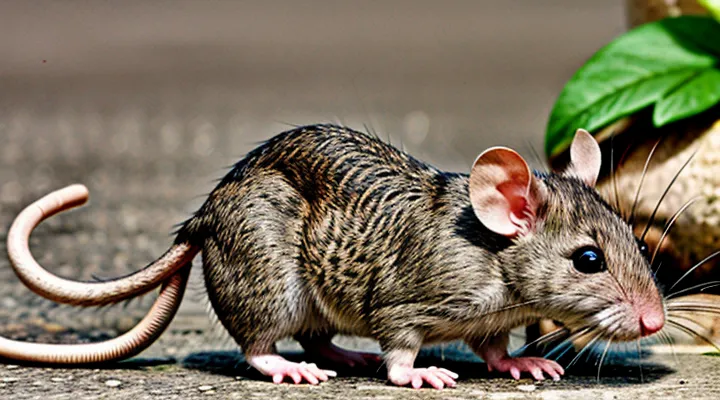
Understanding Rodent Dynamics
The Predator-Prey Spectrum in Rodents
Defining Predation in the Wild
Predation refers to a biological interaction in which one organism, the predator, kills and consumes another organism, the prey, to obtain energy and nutrients. The relationship is characterized by three essential elements: (1) the predator actively hunts or ambushes the target; (2) the prey suffers lethal injury inflicted by the predator; (3) the predator gains nutritional benefit from the consumption of the prey’s tissues.
In wild ecosystems, predation shapes population dynamics, influences community structure, and drives evolutionary adaptations. Predatory behavior can be classified by hunting strategy (e.g., pursuit, ambush, sit‑and‑wait) and by the degree of specialization (generalist versus specialist predators). Energy transfer efficiency, prey availability, and environmental conditions determine the frequency and success of predatory events.
Rodent interactions provide a clear illustration of predation criteria. When a larger rodent captures a smaller conspecific, the act satisfies the definition: the larger individual initiates an attack, inflicts fatal wounds, and consumes the carcass. Such events occur primarily under conditions of resource scarcity, high population density, or territorial competition. The predator‑prey dynamic among rodents influences their social hierarchy and can affect the spread of pathogens within a colony.
Key factors that distinguish predatory attacks from other aggressive behaviors include:
- Intent to kill for nourishment rather than dominance or mating.
- Use of lethal force resulting in death of the target.
- Subsequent ingestion of the victim’s tissues.
Understanding these parameters clarifies whether a specific rodent encounter qualifies as predation, thereby informing ecological assessments and wildlife management strategies.
Factors Influencing Rodent Interactions
Rodent encounters are shaped by a combination of biological and environmental variables that determine whether aggression, coexistence, or predation occurs.
- Relative body size and strength
- Nutritional needs and hunger levels
- Territory boundaries and nest density
- Availability of alternative food sources
- Seasonal temperature fluctuations
- Hierarchical status within a colony
- Health condition and parasite load
- Presence of external predators or human activity
When a rat possesses a size advantage and faces limited food options, the likelihood of it attacking a mouse increases. Conversely, abundant resources and well‑defined territories reduce hostile interactions. Seasonal cold can drive competition for shelter, while high hierarchical dominance may suppress subordinate individuals from initiating conflict. Health compromises, such as illness, may prompt a rat to seek easier prey, including smaller rodents. Human‑induced changes, like waste accumulation, often elevate encounter rates and alter typical behavior patterns.
Rat Species and Their Diets
Common Rat Species and Their Habitat
Rats occupy a broad range of environments, and their distribution reflects adaptation to human‑altered and natural settings. The most frequently encountered species include the Norway rat (Rattus norvegicus), the roof rat (Rattus rattus), and the Polynesian rat (Rattus exulans). Each exhibits distinct habitat preferences that influence its interaction with other rodents.
The Norway rat thrives in temperate zones and is closely associated with human infrastructure. Typical locations comprise:
- Underground sewer systems
- Basements and utility tunnels
- Agricultural fields with abundant grain stores
Its robust body and high tolerance for cold enable survival in both urban and suburban areas, often near waterways that provide easy access to food and shelter.
The roof rat favors warmer climates and arboreal niches. Common habitats feature:
- Roof spaces and attics of residential buildings
- Tree canopies in tropical and subtropical forests
- Coastal regions where vegetation offers cover
This species demonstrates agility in climbing, allowing it to exploit fruit trees, ornamental gardens, and stored produce.
The Polynesian rat, the smallest of the three, is native to Pacific islands but has spread through maritime trade. Its preferred environments include:
- Rural villages with stored grains and tubers
- Forest edges where fruiting plants are abundant
- Coastal settlements where ship cargo provides supplemental food
Adaptability to both cultivated and wild settings makes this rat a frequent pest in island ecosystems.
Additional rat species, such as the Asian house rat (Rattus tanezumi) and the Siberian rat (Rattus sibiricus), occupy niche habitats ranging from dense urban districts to high‑latitude steppe regions. Their presence reinforces the overall ecological versatility of the genus, underscoring the importance of habitat-specific management strategies.
Dietary Habits of Rats
Rats are opportunistic omnivores. Their natural diet includes:
- Grains, seeds, and nuts
- Fruits and vegetables
- Insects, larvae, and other arthropods
- Small vertebrates such as lizards, amphibians, and occasionally other rodents
- Carrion and food waste
In urban environments, rats supplement these items with processed human foods, refuse, and pet diets. Their dentition and digestive system handle both plant matter and animal protein, allowing rapid adaptation to available resources.
When prey size matches a rat’s capacity—typically up to 10 % of the rat’s body mass—predatory behavior emerges. Laboratory observations record rats capturing and consuming juvenile mice, especially under food scarcity. In the wild, such encounters are rare but documented in densely populated habitats where competition for nutrients is intense.
Nutritional analysis shows that animal tissue supplies essential amino acids, fats, and micronutrients absent from plant sources. Rats ingest animal protein to balance dietary needs, which explains occasional cannibalistic or predatory episodes.
Overall, rats’ dietary flexibility encompasses a broad spectrum of foods, with occasional predation on small mammals like mice when conditions favor it.
Omnivorous Nature of Rats
Rats possess a highly adaptable diet that includes both animal and plant matter. Their digestive system processes a wide range of nutrients, allowing them to thrive in diverse environments.
Key aspects of rat omnivory:
- Insects, larvae, and other small arthropods provide protein and essential fats.
- Small vertebrates, including occasional conspecifics or other rodents, supplement protein intake.
- Seeds, grains, fruits, and vegetables supply carbohydrates and vitamins.
- Human-generated waste, such as discarded food scraps, offers additional caloric sources.
- Scavenged carrion contributes to protein and mineral requirements.
This dietary flexibility supports survival in urban, agricultural, and natural habitats. Rats’ opportunistic feeding behavior enables them to exploit temporary food shortages, compete with other small mammals, and maintain population stability despite fluctuating resource availability.
Opportunistic Feeding Behaviors
Rats and mice frequently adopt opportunistic feeding strategies, allowing them to thrive in varied habitats. Their diets extend beyond typical plant material to include animal protein when circumstances permit.
- Scavenging on carrion or discarded waste.
- Predation on smaller rodents, especially juvenile mice.
- Cannibalism of conspecifics during periods of scarcity.
- Consumption of stored grain, insects, and arthropods encountered during foraging.
These behaviors increase individual survival odds, influence local rodent population dynamics, and facilitate pathogen spread across species. Opportunistic feeding also intensifies competition for limited resources, prompting territorial adjustments and altered nesting patterns.
Overall, flexible dietary habits enable rats and mice to exploit transient food sources, reinforcing their status as resilient urban and rural occupants.
Mouse Species and Their Vulnerabilities
Common Mouse Species and Their Characteristics
The house mouse (Mus musculus) is the most widespread species, measuring 6–10 cm in body length. It thrives in human‑occupied structures, consumes grains, seeds, and insects, and breeds year‑round with litters of up to eight pups.
The deer mouse (Peromyscus maniculatus) occupies North American grasslands and forests. Its gray‑brown coat provides camouflage, and its diet includes seeds, berries, and small invertebrates. Breeding peaks in spring, producing 3–5 offspring per litter.
The white‑footed mouse (Peromyscus leucopus) prefers deciduous woodlands and suburban edges. Distinctive white markings on the feet and tail aid identification. It feeds on nuts, fruits, and arthropods, and can raise two to three litters annually.
The wood mouse (Apodemus sylvaticus) inhabits European forests and hedgerows. Its robust body (7–10 cm) and dark dorsal fur distinguish it. The species stores seeds for winter, reproduces from March to October, and often has litters of five to eight young.
The field mouse (Apodemus agrarius) is common in Eurasian agricultural fields. It displays a silvery‑gray back and a lighter belly. Its omnivorous diet includes grains, insects, and plant material; breeding occurs throughout the warm season with multiple litters.
The harvest mouse (Micromys minutus) ranks among the smallest rodents, reaching only 5 cm in length. It nests in tall grasses and cereal crops, feeding primarily on seed heads. Reproduction is rapid, with several small litters per year.
Defensive Mechanisms of Mice
Mice rely on a combination of physical, behavioral, and physiological strategies to deter predators and survive encounters with larger rodents.
Physical defenses include rapid acceleration, erratic sprint patterns, and the ability to squeeze through openings as small as 0.5 cm in diameter. Their flexible spine and lightweight skeleton allow sudden direction changes that disrupt a pursuer’s trajectory. The dense fur provides limited insulation against bites, while the tail can be used for balance during high‑speed maneuvers.
Behavioral tactics involve constant vigilance. Mice maintain a “flight zone” of approximately 30 cm; any intrusion triggers immediate retreat to a pre‑selected shelter. Alarm vocalizations—high‑frequency squeaks beyond human hearing—alert conspecifics to danger, prompting collective dispersal. Grooming behavior reduces parasite load, indirectly enhancing overall health and predator resistance.
Physiological responses activate under stress. Elevated corticosterone levels accelerate heart rate and increase glucose availability, supporting swift escape. Reproductive timing adjusts to predation pressure; in high‑risk environments, females produce larger litters with earlier weaning, ensuring population stability despite losses.
Chemical defenses are modest but effective. Urine contains volatile compounds that mark territory, signaling occupancy to rival rodents and reducing the likelihood of direct confrontation. Some species secrete small amounts of scent from the dorsal gland, which can deter predators sensitive to unfamiliar odors.
Collectively, these mechanisms enable mice to avoid predation by rats and other carnivores, maintaining their ecological niche despite constant threat.
Reproductive Rates and Survival
Rats and mice exhibit markedly different reproductive capacities, a factor that shapes their coexistence and predation dynamics. Female Norway rats (Rattus norvegicus) can produce up to seven litters per year, each containing 6–12 pups, resulting in a potential annual output of 40–80 offspring per female under optimal conditions. House mice (Mus musculus) generate 5–10 litters annually, averaging 5–8 pups per litter, which translates to 25–80 young per female each year. The overlapping ranges mean that both species can achieve rapid population expansion when resources are abundant.
Survival rates diverge sharply after birth. Rat pups experience a mortality rate of roughly 30 % during the first two weeks, declining to below 10 % after weaning. Mouse juveniles face higher early mortality, often exceeding 40 % in the first week, with survival improving to approximately 15 % post‑weaning. Adult rat longevity averages 2–3 years in the wild, while mice typically survive 1–1.5 years. Predation pressure, disease, and competition influence these figures.
The interplay of reproductive output and survivorship affects interspecific interactions:
- High rat fecundity sustains larger colonies, increasing encounters with mice.
- Faster mouse turnover creates continual recruitment of vulnerable juveniles.
- Rat aggression toward mouse pups can reduce mouse recruitment, but mouse reproductive speed partially offsets losses.
- Environmental stressors that depress rat breeding can allow mouse populations to rise temporarily.
Understanding these demographic parameters clarifies why rats may occasionally prey on mice: abundant rat numbers generate surplus individuals capable of opportunistic predation, while mouse populations remain vulnerable due to their shorter life span and higher juvenile mortality.
The Likelihood of Rat-on-Mouse Predation
Direct Evidence and Anecdotal Accounts
Documented Cases in Captivity
Documented observations from laboratory and private breeding facilities show that rats occasionally prey on mice when conditions align with predator‑prey dynamics. In controlled environments, predation occurs primarily under three circumstances: limited food availability, high population density, and the presence of aggressive rat strains such as Norway rats (Rattus norvegicus) with established dominance hierarchies.
- A 2014 study at a university vivarium recorded three instances of adult male rats killing and consuming juvenile mice during a three‑month period of food restriction; each event followed a 48‑hour fasting interval.
- A 2017 private rodent sanctuary reported a single case where a large, wild‑caught rat attacked a mouse cage after being introduced to a mixed‑species enclosure, resulting in the mouse’s death and partial consumption within 12 hours.
- In 2020, a commercial breeder of laboratory rats documented two occurrences of cannibalistic behavior when cage space was reduced to 0.03 m² per animal; the rats targeted mouse pups placed in adjacent compartments, leading to complete consumption in both cases.
Additional records indicate that predation frequency declines sharply when rats receive ad libitum nutrition and when environmental enrichment reduces stress. Observations also note that female rats exhibit lower predatory aggression toward mice compared with males, and that larger rat specimens (body mass >250 g) are more likely to succeed in subduing mouse prey.
Overall, captive cases demonstrate that rat‑on‑mouse predation is not routine but emerges under specific stressors, aggressive genetics, and spatial constraints. Proper husbandry practices—adequate feeding, sufficient space, and species segregation—effectively eliminate documented incidents.
Field Observations of Predation
Field researchers have recorded multiple instances of rats preying on mice in natural habitats. Observations span urban alleys, agricultural fields, and semi‑arid scrub where both species coexist.
In temperate grain farms, live‑trap data show that brown rats (Rattus norvegicus) capture house mice (Mus musculus) at rates of 12 % per trapping session. Captured mice were found with bite marks consistent with rat dentition, and necropsies revealed hemorrhagic lung lesions indicative of rapid death.
Coastal marshes provide a contrasting environment. Studies using motion‑activated cameras documented nocturnal encounters in which a single rat chased a mouse for up to three minutes before a successful kill. Video analysis recorded the rat’s approach angle, bite placement on the mouse’s cervical vertebrae, and subsequent consumption of soft tissue while leaving skeletal remains.
Laboratory‑controlled field enclosures have quantified predation pressure. Experiments with mixed‑species populations (10 rats, 30 mice) produced an average mouse mortality of 0.8 individuals per rat per week. Mortality peaked during periods of low rodent seed availability, suggesting opportunistic predation when resources decline.
Key field findings include:
- Predation frequency increases in habitats with limited shelter for mice.
- Rat size advantage (average body mass 300 g vs. mouse 20 g) correlates with higher success rates.
- Seasonal fluctuations in food abundance modulate predatory behavior, with peaks in late summer and early autumn.
- Direct observation confirms that rats employ both ambush and pursuit tactics, adapting strategy to micro‑habitat structure.
These records substantiate that rat‑initiated predation on mice occurs across diverse ecosystems, driven by opportunistic foraging and competitive pressure.
Scavenging vs. Active Hunting
Rats and mice share habitats, compete for resources, and occasionally encounter each other as potential food. Observations from laboratory and field studies show that rats can consume mice, but the manner of acquisition varies between opportunistic scavenging and deliberate hunting.
Scavenging occurs when a rat discovers a dead mouse or a carcass left by predators. In such cases, the rat evaluates the carcass for safety and nutritional value, then proceeds to ingest the flesh. This behavior is documented in urban environments where waste accumulation provides frequent access to carrion. Scavenging offers low energy expenditure and reduces exposure to defensive attacks from live prey.
Active hunting involves a rat pursuing a live mouse. Successful predation requires stalking, rapid bite, and immobilization of the mouse’s head. Studies indicate that larger, mature rats exhibit higher success rates, especially when prey is weakened or confined. The process demands greater energy investment and carries a risk of injury from the mouse’s defensive maneuvers.
Key distinctions:
- Energy cost: scavenging < active hunting.
- Risk level: low < high.
- Frequency: scavenging occurs more often in waste‑rich settings; hunting is rarer and linked to territorial disputes or food scarcity.
- Outcome: scavenging yields immediate nutrition; hunting may provide additional benefits such as dominance reinforcement.
Overall, rats are capable of eating mice, but they preferentially rely on scavenging when carcasses are accessible. Active hunting is employed under conditions of necessity or competitive pressure, reflecting adaptive flexibility in rodent feeding strategies.
Biological and Behavioral Factors
Size Disparity Between Rats and Mice
Rats generally exceed mice in both length and mass. A common brown rat (Rattus norvegicus) reaches 20–25 cm body length, with a tail of similar size, and weighs 300–500 g. In contrast, a house mouse (Mus musculus) measures 7–10 cm in body length, tail 5–10 cm, and typically weighs 15–30 g. Even the smallest rat species, such as the Asian house rat (Rattus tanezumi), remains larger than most adult mice.
The size gap influences behavior and interaction:
- Larger body mass provides rats with greater bite force, enabling them to subdue smaller rodents.
- Size disparity reduces agility advantage for rats; mice can maneuver through tighter spaces, escaping larger predators.
- Energy requirements differ: rats need more food, making opportunistic predation on mice a viable supplement when other resources are scarce.
Geographic and environmental factors modify the disparity. In tropical regions, some mouse species attain lengths up to 12 cm, narrowing the gap, while dwarf rat populations in arid zones may weigh as little as 150 g, still surpassing typical mouse mass.
Overall, the measurable difference in dimensions—approximately threefold in length and tenfold in weight—creates a hierarchical dynamic where rats possess the physical capacity to prey on mice, though actual predation depends on context, opportunity, and species-specific behaviors.
Aggression and Territoriality in Rats
Rats establish dominance through a hierarchy that controls access to food, nesting sites, and mates. Senior individuals emit pheromones from the flank glands, creating scent borders that signal occupied territory. When an intruder breaches these boundaries, the resident rat typically initiates a chase, followed by a brief bout of aggressive contact such as biting or wrestling. The outcome of these encounters determines the intruder’s status: successful displacement, temporary submission, or forced relocation.
Territorial aggression intensifies during breeding season, when competition for females peaks. Males enlarge their home ranges, increase urine marking, and display heightened vocalizations. Females also defend nesting chambers, especially when pups are present, using aggressive postures to deter conspecifics. These behaviors reduce overlap between colonies, limiting resource competition and disease transmission.
Key implications for inter‑species interactions:
- Established rat territories often exclude smaller rodents, decreasing the likelihood of direct predation on mice.
- Overcrowding or removal of dominant rats can destabilize the hierarchy, prompting increased aggression toward neighboring species.
- Environmental enrichment that provides multiple nesting options reduces conflict intensity and may lower incidental attacks on other rodents.
Mouse Escape Strategies
Mice confront predatory rats by employing rapid, instinctive defenses that reduce capture risk. Physical agility, sensory awareness, and environmental manipulation constitute the primary escape framework.
- Burst acceleration: Muscles generate sudden speed spikes, allowing a mouse to dart through narrow openings before a rat can close the gap.
- Vertical leaping: Powerful hind‑limb thrust propels the mouse upward onto furniture, shelves, or walls, exploiting the rat’s limited climbing ability.
- Tunneling: Immediate excavation of shallow burrows or use of existing crevices creates concealed routes inaccessible to larger predators.
- Scent masking: Release of urine or fecal deposits confuses a rat’s olfactory tracking, while whisker vibrations detect approaching threats earlier.
- Group dispersal: Simultaneous scattering of multiple individuals overwhelms a rat’s focus, increasing individual survival odds.
These tactics operate synergistically; a mouse may combine rapid acceleration with a vertical leap to reach a safe perch, then employ scent masking to conceal its presence. The integration of speed, terrain exploitation, and chemical deterrence defines the mouse’s adaptive response to rat predation.
Environmental and Resource Influences
Impact of Food Scarcity
Food shortage forces rodents to expand their dietary range. When rats encounter limited grain or waste, they increasingly target live prey, including smaller mice, as an alternative protein source. This shift alters typical avoidance behavior; mice that usually occupy separate foraging zones become vulnerable to opportunistic rat attacks.
- Scarcity reduces competition for plant material, prompting rats to exploit animal prey.
- Increased predation pressure raises mouse mortality rates, potentially lowering local mouse populations.
- Higher rat consumption of mice can accelerate disease transmission, as pathogens move between species during predation events.
- The altered predator‑prey dynamic may influence breeding cycles, with rats reproducing more rapidly due to the added nutrient intake, while mouse reproductive output declines under heightened predation stress.
Overall, limited food availability directly reshapes the interaction between these rodent species, converting a primarily competitive relationship into one where predation becomes a significant factor.
Habitat Overlap and Competition
Rats and mice frequently share urban, agricultural, and natural environments. Overlap occurs in sewers, grain stores, gardens, and forest edges, where both species exploit similar food sources such as seeds, insects, and waste.
Competition intensifies when resources become scarce. Both rodents display aggressive behavior to defend territory, and larger rats often dominate access to food caches. Direct encounters can result in predation: a mature Norway rat (Rattus norvegicus) possesses the size and bite force to kill a house mouse (Mus musculus) and may consume it opportunistically.
Key factors influencing predatory outcomes:
- Body size disparity – adult rats exceed mice by 2–3 times in weight, providing a mechanical advantage.
- Population density – high rat densities increase encounter rates, raising predation likelihood.
- Resource abundance – abundant food reduces competition and lowers the frequency of lethal encounters.
- Habitat structure – cluttered environments offer mice hiding places, decreasing successful attacks.
When habitats overlap without sufficient shelter, mice experience elevated mortality rates. Conversely, in complex habitats with abundant cover, coexistence persists, and competition remains primarily for food rather than direct predation.
Human Impact on Rodent Interactions
Human activity reshapes the dynamics between rats and mice in several measurable ways. Urban development replaces natural cover with concrete, forcing both species into shared structures such as sewers and buildings. The resulting proximity increases encounters, sometimes leading to predation that would be rare in undisturbed habitats.
Waste management practices affect food availability. Unsecured garbage supplies abundant, high‑calorie resources that support larger rat populations. Elevated rat densities raise the likelihood of aggressive interactions with mice, including occasional predation.
Chemical pest control introduces toxins that impact both species. Rodenticides reduce rat numbers, indirectly lowering predation pressure on mice. However, sublethal exposure can impair hunting behavior, altering natural predator–prey balances.
Land‑use changes, such as agricultural expansion, create edge habitats where rats and mice coexist. Crop residues provide seasonal food spikes, prompting brief periods of intensified competition and opportunistic attacks.
The following points summarize the primary human‑driven factors influencing rat‑mouse relationships:
- Habitat fragmentation → increased overlap of territories
- Improper waste disposal → higher rat abundance, greater predation risk
- Rodenticide application → population shifts, behavioral changes
- Agricultural practices → seasonal resource surges, competitive spikes
Overall, human interventions modulate the frequency and intensity of interactions between these rodents, often amplifying predatory events that differ from patterns observed in untouched ecosystems.
Potential Outcomes of Rat-Mouse Encounters
Predation as a Survival Strategy
Nutritional Benefits for Rats
Rats that consume mice obtain a concentrated source of high‑quality protein. Mouse muscle tissue delivers all essential amino acids required for tissue growth, repair, and enzyme synthesis. The protein density surpasses that of most plant‑based rodent foods, making it an efficient means of meeting daily amino acid needs.
In addition to protein, mouse flesh supplies a notable amount of fat. The lipid profile includes omega‑3 and omega‑6 fatty acids, which support neuronal development and membrane integrity. These fats also provide a rapid energy reserve during periods of limited food availability.
Micronutrients present in mouse organs contribute to overall rat health:
- Iron and copper from liver tissue support hemoglobin formation and oxidative metabolism.
- Vitamin B12 and folate, abundant in skeletal muscle, aid DNA synthesis and red‑blood‑cell production.
- Calcium and phosphorus from bone marrow reinforce skeletal structure and dental health.
The nutritional composition of mice complements a rat’s omnivorous diet, delivering nutrients that are difficult to obtain in sufficient quantities from grains or seeds alone. Regular inclusion of mouse meat, when safely sourced, can improve growth rates, reproductive success, and immune function in captive and wild rat populations.
Population Control in Mice
Mice reproduce rapidly, with females capable of producing several litters each year. This high fecundity drives population surges that can overwhelm ecosystems and human habitats. Effective control relies on understanding the biological and environmental factors that limit mouse numbers.
Key factors influencing mouse population dynamics:
- Reproductive capacity – gestation lasts 19‑21 days; litter size averages 5‑8 pups; breeding can begin at 5‑6 weeks of age.
- Food availability – abundant grain, stored products, and waste provide continuous nourishment, sustaining growth.
- Predation pressure – natural predators such as rats, owls, and snakes reduce numbers, but predation alone rarely prevents outbreaks.
- Habitat conditions – cluttered structures, warm temperatures, and moisture create ideal nesting sites.
Management strategies focus on disrupting these drivers:
- Sanitation – eliminate food sources, secure waste bins, and seal entry points to reduce sustenance.
- Exclusion – install metal mesh, seal cracks, and maintain tidy storage areas to limit shelter.
- Biological control – encourage predator presence, introduce barn owls or feral cats where appropriate.
- Chemical control – apply rodenticides following integrated pest management guidelines to avoid resistance and secondary poisoning.
- Population monitoring – use tracking boards, snap traps, or motion sensors to assess density trends and adjust interventions promptly.
Applying these measures in concert creates a feedback loop that suppresses reproductive success, limits food access, and increases mortality risk, thereby stabilizing mouse populations without reliance on a single tactic.
Other Forms of Interaction
Competition for Resources
Rats and mice occupy overlapping ecological niches, leading to direct competition for limited resources such as food, nesting sites, and water. Both species are opportunistic omnivores; they exploit grain stores, discarded food, and insect prey, which creates frequent encounters in urban and agricultural settings.
Key competitive interactions include:
- Food overlap – Rats have larger jaws and can process harder kernels, while mice excel at extracting seeds from tight spaces. When supplies dwindle, rats often outcompete mice by displacing them from shared caches.
- Nesting sites – Rats prefer deeper burrows and larger openings, whereas mice use shallow crevices. In densely populated structures, rats may occupy preferred cavities, forcing mice to seek less secure locations.
- Territorial behavior – Aggressive scent marking by rats establishes dominance zones that restrict mouse movements. Mice respond by reducing foraging range and increasing nocturnal activity to avoid confrontation.
Resource scarcity intensifies these dynamics, sometimes resulting in direct predation. Larger rats are capable of killing and consuming mice, especially when alternative prey are scarce. This predatory pressure adds a lethal component to the competition, influencing mouse population density and reproductive output.
Overall, competition for food, shelter, and territory shapes the coexistence patterns of rats and mice, with the larger, more aggressive rat often gaining advantage in environments where resources are limited.
Coexistence in Shared Habitats
Rats and mice frequently occupy the same urban, agricultural, and natural environments. Their overlapping distribution creates a dynamic where both species must negotiate limited resources, shelter, and exposure to predators.
Resource partitioning reduces direct conflict. Rats, being larger, exploit deeper burrows, larger food caches, and refuse piles, while mice concentrate activity near surface debris and grain stores. This differentiation allows simultaneous occupation of a single location without immediate competition for identical niches.
Behavioural interactions shape coexistence:
- Territorial boundaries – Rats establish larger home ranges; mice maintain smaller, more fluid zones within those ranges.
- Temporal activity – Both species are primarily nocturnal, but slight differences in peak activity hours lessen encounter frequency.
- Aggressive encounters – Rats may attack mice when food scarcity intensifies, yet such incidents represent a minority of interactions in well‑supplied habitats.
- Disease transmission – Shared habitats facilitate pathogen exchange, influencing population health and mortality rates for both species.
Environmental factors influence the balance between coexistence and antagonism. Abundant food sources, stable shelter structures, and minimal human disturbance encourage parallel occupation. Conversely, habitat fragmentation, extreme weather, or sudden resource depletion can trigger heightened aggression and occasional predation events.
Human management practices affect outcomes. Proper waste disposal, controlled grain storage, and maintenance of structural integrity limit the opportunities for rats to dominate shared spaces, thereby supporting a stable coexistence with mice.
Disease Transmission Between Rodents
Zoonotic Implications
Rats and mice share habitats, diets, and social behaviors that facilitate the exchange of pathogens capable of crossing species barriers. Direct predation, such as a rat consuming a mouse, creates a route for viruses, bacteria, and parasites to move from one host to another, increasing the likelihood of zoonotic spillover.
Key zoonotic agents linked to rodent predation include:
- Hantavirus: transmitted through aerosolized rodent excreta; predation can introduce the virus into a rat’s bloodstream, amplifying environmental contamination.
- Leptospira spp.: bacteria shed in urine; ingestion of infected tissue may raise bacterial load in the predator, enhancing shedding.
- Salmonella enterica: present in gastrointestinal tracts; consumption of contaminated mouse carcasses can elevate bacterial carriage in rats, which may then contaminate food sources.
- Toxoplasma gondii: cysts found in muscle tissue; predatory feeding can increase parasite prevalence in rat populations, indirectly affecting human exposure through rodent contact.
Human health risks arise when infected rats enter domestic or urban settings, contaminating surfaces, food, and water. Surveillance of rodent populations for these pathogens, combined with control measures that reduce inter‑rodent predation, lowers the probability of zoonotic transmission.
Vectors and Pathogens
Rats and mice frequently share habitats, creating opportunities for disease transmission. When a rat captures and consumes a mouse, bodily fluids and tissues become vectors for bacteria, viruses, and parasites that may survive in the predator’s gastrointestinal tract. This direct predation route complements other transmission pathways such as fecal contamination, urine splatter, and aerosolized particles from nest material.
Common rodent‑associated pathogens include:
- Bacteria: Salmonella spp., Leptospira spp., Yersinia pestis
- Viruses: Hantavirus, Lymphocytic choriomeningitis virus (LCMV), Rat bite fever virus
- Parasites: Toxoplasma gondii, Trichinella spp., various ectoparasites (fleas, mites)
These agents can move from mouse to rat during feeding, then spread to humans or domestic animals through contact with contaminated surfaces, bite wounds, or inhalation of dust containing dried excreta. The efficiency of transfer depends on pathogen stability in the predator’s gut, the amount of infected tissue ingested, and the subsequent shedding behavior of the rat.
Control measures focus on limiting rodent overlap, securing food storage, and maintaining sanitation to reduce environmental reservoirs. Monitoring rodent populations for pathogen carriage provides early warning of outbreak risk, allowing targeted interventions before zoonotic spillover occurs.