
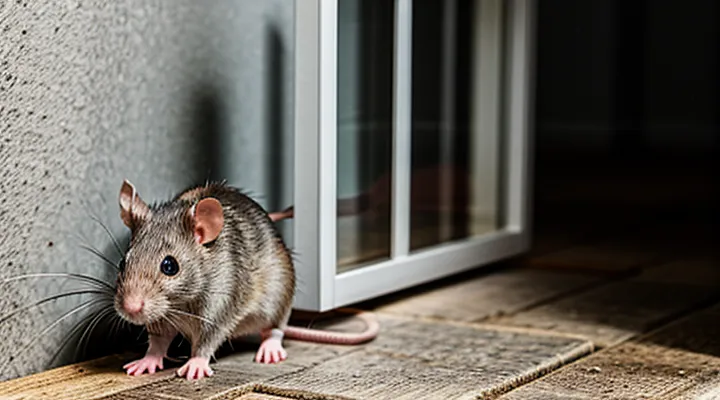
Why Rats Need Companionship
Instinctual Pack Behavior
Rats possess an innate drive to live within a group, a behavior rooted in their evolutionary history as foragers and prey. This drive manifests in constant social interaction, coordinated movement, and shared vigilance against threats.
Typical pack‑related actions include mutual grooming, hierarchical displays, and vocal exchanges that regulate group cohesion. These activities reduce stress hormones, enhance immune function, and support efficient foraging strategies.
When a rat is isolated, the absence of these interactions triggers physiological and behavioral disturbances. Observable effects are:
- Elevated corticosterone levels
- Repetitive pacing or bar‑biting
- Reduced food intake and weight loss
- Increased susceptibility to respiratory infections
Sustained isolation compromises welfare and may shorten lifespan. To mitigate these risks, keep rats in pairs or small groups, provide nesting material, and ensure opportunities for tactile contact. Regular health checks should accompany any solitary housing decision, with immediate re‑socialization if stress indicators emerge.
Benefits of Group Living
Rats are highly social mammals; isolation disrupts natural behaviors and compromises welfare. Group housing aligns with their evolutionary background and yields measurable advantages.
- Enhanced mental stimulation: interaction with conspecifics provides opportunities for play, grooming, and problem‑solving, reducing anxiety and stereotypic actions.
- Improved physiological health: studies show lower cortisol levels and stronger immune responses in rats housed with peers compared to solitary individuals.
- Increased activity levels: shared spaces encourage exploration and exercise, contributing to better cardiovascular function.
- Social learning: younger rats acquire foraging and nesting skills by observing older cage mates, accelerating development.
- Reproductive stability: stable groups facilitate natural breeding cycles and reduce stress‑induced infertility.
Providing a compatible cohort eliminates the need for artificial enrichment that attempts to substitute for social contact. Proper group composition—balanced sex ratios, adequate space, and environmental complexity—prevents aggression and ensures each animal receives sufficient resources. The evidence confirms that communal living is essential for optimal rat health and behavior.
Risks of Solitary Confinement for Rats
Behavioral Problems
Rats are highly social mammals; isolation often triggers a range of behavioral disturbances. When a rat lives without conspecifics, it may exhibit heightened aggression, repetitive stereotypies, and diminished exploratory drive. These manifestations can compromise welfare and increase the risk of injury to the animal or caretaker.
Common behavioral problems observed in solitary rats include:
- Aggression toward humans or objects – heightened territoriality and irritability.
- Self‑injurious behaviors – bar‑biting, chewing cage bars, or excessive grooming that leads to hair loss.
- Stereotypic actions – repetitive circling, pacing, or head‑bobbing patterns.
- Reduced playfulness – loss of natural social play, resulting in lethargy or depression‑like signs.
- Impaired learning – diminished performance in maze or conditioning tasks due to lack of social stimulation.
Underlying mechanisms involve stress hormone elevation, altered neurotransmitter balance, and deficient sensory input normally provided by cage mates. Mitigation strategies focus on environmental enrichment and social interaction:
- Introduce a compatible companion to restore group dynamics.
- Provide complex nesting material, tunnels, and chewable objects to occupy the rat’s investigative instincts.
- Rotate toys and rearrange cage layout regularly to prevent monotony.
- Ensure consistent handling schedules to build trust and reduce fear responses.
In the absence of a partner, these interventions can alleviate many of the adverse behaviors, but they rarely replace the full spectrum of social benefits derived from group housing. For optimal mental health, housing rats with at least one other rat remains the most reliable practice.
Aggression and Depression
Rats housed without conspecifics often exhibit heightened aggression. Isolation removes normal social hierarchies and grooming exchanges that normally suppress territorial disputes. Behavioral indicators include frequent biting, lunging, and persistent vocalizations. Physiological stress markers, such as elevated corticosterone, correlate with these actions and can impair immune function.
Depressive-like states also emerge under solitary conditions. Rats may display reduced locomotion, diminished response to novel objects, and a decline in sucrose preference, reflecting anhedonia. Neurochemical analyses reveal decreased dopamine and serotonin activity, aligning with observed mood disturbances.
Management strategies focus on environmental enrichment and limited social contact:
- Provide nesting material, tunnels, and chewable objects to stimulate exploratory behavior.
- Schedule brief, supervised interactions with a familiar cage‑mate to mitigate extreme isolation effects.
- Monitor weight, grooming quality, and activity levels daily to detect early signs of aggression or depression.
When aggression persists despite enrichment, consider gradual introduction to a compatible partner, observing for reciprocal affiliative behaviors. Persistent depressive indicators may warrant veterinary assessment for pharmacological intervention, such as selective serotonin reuptake inhibitors, in conjunction with behavioral modifications.
Destructive Habits
Rats are highly social mammals; isolating an individual often triggers behaviors that damage the environment and the animal itself. When a solitary rat lacks companionship, it may develop repetitive or self‑directed actions that serve as coping mechanisms for stress and boredom.
Common destructive habits observed in single‑housed rats include:
- Persistent gnawing of cage bars, plastic lids, or wiring, which can compromise structural integrity and pose electrical hazards.
- Excessive chewing of enrichment items, leading to rapid deterioration and loss of functional toys.
- Over‑grooming that results in hair loss, skin irritation, or self‑inflicted wounds.
- Repetitive digging or burrowing in bedding, creating deep holes that destabilize the substrate and increase the risk of injury.
- Vocalizations or frantic pacing that may damage cage components through repeated impact.
These behaviors stem from the animal’s unmet need for social interaction and mental stimulation. Providing a conspecific companion typically reduces the frequency and intensity of such habits, preserving both the rat’s health and the durability of its enclosure. If solitary housing is unavoidable, environmental enrichment must be intensified, and regular monitoring is essential to detect early signs of destructive activity.
Health Concerns
Keeping a rat without conspecifics creates distinct health risks. Social isolation disrupts normal physiological regulation, leading to measurable adverse outcomes.
- Chronic stress elevates cortisol, suppressing immune response and increasing susceptibility to respiratory infections.
- Reduced activity often results in weight gain, hepatic lipidosis, and insulin resistance.
- Lack of chewing opportunities accelerates dental overgrowth, causing malocclusion and difficulty eating.
- Absence of social play heightens stereotypic behaviors, which can progress to self‑injury or ulcerative skin lesions.
Mitigation requires targeted management. Provide daily foraging puzzles, chewable objects, and climbing structures to simulate social stimulation. Record body condition weekly; adjust diet to maintain optimal weight. Schedule quarterly veterinary examinations focusing on respiratory health, dental assessment, and stress‑related biomarkers. These measures reduce the physiological impact of solitary housing and preserve overall wellbeing.
Stress-Related Illnesses
Rats housed without companions experience chronic stress that triggers measurable physiological changes. Elevated cortisol levels suppress immune function, increase gut permeability, and alter neurotransmitter balance. These alterations create a pathway for disease development.
Stress‑related illnesses observed in solitary rats include:
- Suppressed immunity leading to frequent bacterial infections.
- Gastric ulceration caused by increased gastric acid secretion.
- Respiratory tract infections due to weakened mucosal defenses.
- Cardiac hypertrophy linked to sustained sympathetic activation.
- Behavioral disorders such as stereotypies, aggression, and depressive‑like states.
Mitigation requires environmental enrichment, regular handling, and visual or olfactory contact with conspecifics. Providing nesting material, chew toys, and structured interaction periods reduces cortisol spikes and lowers incidence of the listed conditions. Continuous monitoring of weight, coat condition, and activity levels enables early detection of stress‑induced pathology.
Suppressed Immune System
Rats housed without companions often experience chronic stress, which can depress immune function. Elevated corticosterone levels interfere with lymphocyte proliferation, reducing the animal’s ability to combat bacterial and viral agents.
Immunosuppression in solitary rats manifests as:
- Decreased white‑blood‑cell counts
- Slower wound healing
- Increased incidence of respiratory infections
- Higher mortality after exposure to pathogens
The weakened immune response raises the risk of disease outbreaks in a cage, even when sanitation standards are high. Preventive measures must include regular health checks, enriched environments that mitigate stress, and, when possible, pair housing to preserve normal social immunity.
If a rat must remain alone, caretakers should monitor physiological indicators—body temperature, activity level, grooming behavior—and adjust diet, enrichment, and veterinary care to counteract the immune deficit.
Lack of Mental Stimulation
Rats are highly social mammals that rely on constant environmental interaction to maintain cognitive health. When a rat lives without companions, the absence of mental stimulation becomes a primary concern.
- Repetitive behaviors such as excessive grooming, pacing, or self‑injury often indicate boredom.
- Reduced problem‑solving ability appears as slower responses to new objects or puzzles.
- Elevated stress hormones correlate with diminished learning capacity and poorer memory retention.
A solitary rat receives fewer opportunities to explore complex social hierarchies, which limits exposure to varied scents, sounds, and tactile cues. This deprivation restricts neural pathway development, leading to a less adaptable brain.
To mitigate the deficit, owners can introduce enrichment devices that mimic social challenges: puzzle feeders, tunnels that require navigation, and rotating toys that change regularly. However, these measures cannot fully replace the cognitive benefits derived from interaction with conspecifics. The most effective strategy remains housing rats in compatible pairs or small groups, ensuring continuous mental engagement.
Exceptional Circumstances and Considerations
When Isolation Might Be Necessary
Rats generally thrive in social groups, yet certain circumstances require solitary housing. Isolation is justified when the animal’s health, safety, or experimental integrity could be compromised by contact with conspecifics.
- Quarantine of newly acquired individuals prevents introduction of pathogens to an established colony.
- Treatment of contagious diseases demands separation to contain infection and allow targeted medication.
- Aggressive behavior, identified through repeated fighting or injury, may necessitate temporary removal of the offending rat to protect its peers.
- Breeding programs often isolate a pregnant female during the final days of gestation to reduce stress and prevent accidental removal of pups.
- Research protocols that involve precise measurement of physiological parameters or drug administration may require a controlled environment free from interference by cage mates.
- Behavioral studies focusing on individual cognition or learning need a single subject to eliminate social variables.
In each case, the decision to house a rat alone should be guided by veterinary assessment, documented observation, and adherence to institutional animal‑care guidelines. Continuous monitoring is essential; isolation must be limited to the minimum period needed to achieve the specific objective and should be followed by reintegration when conditions permit.
Introducing a New Rat
Introducing a new rat into a solitary environment requires careful assessment of the animal’s temperament, health status, and the suitability of the enclosure. Evaluate the rat’s age, sex, and previous social experiences; younger, neutered individuals adapt more readily to isolation, while older or intact rats may exhibit heightened stress.
Health screening should include a veterinary check for parasites, respiratory infections, and dental problems. Record weight, coat condition, and any signs of aggression or anxiety before placement. A clean, spacious cage equipped with nesting material, chew toys, and multiple hiding spots reduces the likelihood of boredom and stereotypic behaviors.
When the rat is cleared for solo housing, follow these steps:
- Acclimation period: Keep the enclosure closed for 24–48 hours to allow the rat to explore without external disturbances.
- Environmental enrichment: Introduce new objects gradually, rotating toys every few days to maintain interest.
- Observation schedule: Check the rat twice daily for eating, drinking, and grooming patterns; note any excessive vocalization or repetitive pacing.
- Stress mitigation: Provide a consistent light‑dark cycle, stable temperature, and quiet surroundings; avoid sudden noises or handling spikes.
- Health monitoring: Conduct weekly weight measurements and visual inspections; seek veterinary care at the first sign of illness.
If the rat displays persistent agitation, self‑injury, or refusal to eat, reconsider solitary housing and explore a compatible companion. Proper preparation and ongoing monitoring ensure the rat’s welfare while living alone.
Illness or Injury
Rats housed individually are more prone to health problems that often go unnoticed without a cage‑mate to provide social cues. Isolation can mask early signs of disease, delay detection of injuries, and increase stress‑related immune suppression.
Common indicators of illness or injury in a solitary rat include:
- Lethargy or reduced activity
- Loss of appetite or weight loss
- Scruffy or uneven fur, especially around the tail or hindquarters
- Nasal or ocular discharge
- Labored breathing or audible wheezing
- Limping, favoring a limb, or visible wounds
- Unusual vocalizations or excessive grooming of a specific area
When any of these symptoms appear, immediate veterinary assessment is essential. Diagnosis typically involves physical examination, blood work, and imaging to identify infections, respiratory disorders, dental issues, or musculoskeletal injuries. Treatment may require antibiotics, anti‑inflammatory medication, wound care, or supportive therapy such as fluid replacement.
Preventive measures for individually housed rats focus on environmental management and regular health monitoring:
- Maintain a clean cage with frequent bedding changes to reduce pathogen load.
- Provide enrichment items that encourage movement and prevent muscle atrophy.
- Conduct daily visual inspections, noting changes in behavior, coat condition, and mobility.
- Schedule routine veterinary check‑ups at least twice a year, even in the absence of overt symptoms.
Overall, solitary confinement heightens the risk that illness or injury will progress unnoticed, making vigilant observation and prompt professional intervention critical for the animal’s welfare.
Mitigating the Effects of Solitude
Rats are highly social mammals; solitary confinement can trigger stress, aggression, and reduced exploratory behavior. Effective mitigation requires a combination of environmental, sensory, and human-mediated interventions.
Enrichment devices such as tunnels, chewable branches, and nest boxes increase physical activity and provide opportunities for natural foraging. Rotating items every few days prevents habituation and sustains interest.
Sensory stimulation compensates for the lack of conspecific contact. Auditory playback of gentle rodent vocalizations, low‑frequency music, or recorded natural sounds can lower cortisol levels. Visual complexity, achieved with patterned walls or rotating mirrors, offers additional mental engagement.
Human interaction serves as a proxy for peer contact. Daily handling sessions of 10–15 minutes, combined with gentle grooming, reinforce trust and reduce anxiety. Offering treats during these periods creates positive reinforcement.
A structured routine reinforces predictability, which mitigates stress. Consistent feeding times, cleaning schedules, and interaction windows help the animal anticipate events and maintain stable circadian rhythms.
Key mitigation strategies
- Provide a variety of chewable and nesting materials; replace weekly.
- Install auditory playback of low‑stress rodent sounds for 30 minutes daily.
- Rotate visual elements (mirrors, patterned panels) every 3–4 days.
- Conduct brief, calm handling sessions each day; incorporate treat rewards.
- Maintain a fixed schedule for feeding, cleaning, and interaction.
Monitoring behavior—such as increased grooming, reduced aggression, and consistent exploration—indicates successful mitigation. Adjust enrichment complexity and interaction frequency if signs of stress persist.
Increased Human Interaction
Rats are highly social mammals; when housed without a cage mate, human contact becomes a primary source of social stimulation. Regular, deliberate interaction can mitigate some effects of isolation, but it does not replace the complex communication and grooming behaviors that conspecifics provide.
Key aspects of increased human interaction:
- Frequency: Daily handling sessions of 10–15 minutes reduce stress hormones and encourage habituation to the caretaker.
- Quality: Gentle stroking, nose-to-nose contact, and vocal engagement stimulate tactile and auditory pathways similar to rat‑to‑rat interactions.
- Enrichment: Introducing novel objects, puzzles, and foraging opportunities during handling sessions enhances cognitive engagement.
- Health monitoring: Direct observation allows early detection of respiratory issues, weight loss, or skin lesions common in solitary rats.
- Bond formation: Consistent, positive contact can develop a bond that lessens anxiety when the owner is absent, yet the bond remains limited to a single species.
Despite these benefits, human interaction cannot fully replicate the reciprocal grooming, hierarchy establishment, and social play inherent to rat groups. Studies show higher cortisol levels and reduced exploratory behavior in rats kept alone, even with extensive caretaker contact. Consequently, while increased human engagement improves welfare, it should be considered a supplementary measure, not a justification for solitary housing. The optimal approach remains pairing rats with compatible cage mates whenever feasible.
Enriched Environment
Providing a single rat with an enriched environment compensates for the social interaction it would otherwise miss. Enrichment supplies mental stimulation, physical exercise, and opportunities for natural behaviors, reducing stress‑induced pathology.
Key components of a rat‑focused enrichment program include:
- Structural complexity: tunnels, platforms, and climbing ladders that mimic burrow systems.
- Manipulable objects: chew blocks, nesting material, and puzzle feeders that require problem‑solving.
- Sensory variation: scented herbs, textured fabrics, and rotating toys to prevent habituation.
- Scheduled changes: weekly rearrangement of items to sustain novelty.
Research indicates that rats housed alone but provided with such stimuli exhibit normal corticosterone levels, maintain body weight, and display exploratory behavior comparable to socially housed counterparts. Absence of enrichment correlates with increased stereotypies, reduced neurogenesis, and heightened susceptibility to disease.
Implementation guidelines: introduce one enrichment type at a time, monitor the animal’s interaction, and adjust intensity based on observed engagement. Regular cleaning prevents contamination, while rotating items preserves interest. A well‑designed enriched environment thus supports the physiological and behavioral health of a solitary rat.
Providing Toys and Stimulation
Rats require constant mental and physical engagement; without it, a solitary animal may develop stereotypic behaviors such as excessive grooming or repetitive pacing. Enrichment should mimic natural foraging and exploration patterns.
- Chewable items: untreated wood blocks, sisal ropes, and cardboard tubes satisfy dental health and encourage gnawing.
- Manipulable puzzles: plastic shells with hidden treats, sliding locks, and maze boards stimulate problem‑solving skills.
- Climbing structures: woven ladders, branch-like perches, and angled platforms provide vertical space and promote exercise.
- Sensory toys: fabric strips with varied textures, scented herbs, and light‑weight balls introduce tactile and olfactory variety.
Rotation of toys every few days prevents habituation and maintains curiosity. Introducing novel objects under supervision allows the rat to assess safety without risking injury. Regular interaction—brief hand‑outs, gentle handling, and vocal communication—complements environmental enrichment and reinforces the bond between caretaker and animal.
The Ideal Rat Household
Recommended Group Sizes
Rats thrive on interaction; solitary housing leads to stress, reduced activity, and health problems. For optimal welfare, keep them in groups that reflect their natural social structure.
- Pairs (2 rats): Provides constant companionship, easy to monitor, suitable for limited space.
- Trios (3 rats): Allows a clear hierarchy, reduces dominance aggression, offers more social stimulation.
- Small groups (4‑6 rats): Mirrors wild colonies, distributes social roles, encourages natural grooming and play behaviors.
- Larger groups (7+ rats): Suitable for spacious enclosures, promotes complex social dynamics, requires vigilant observation to prevent bullying.
When selecting a group size, consider enclosure dimensions, individual temperaments, and the ability to provide regular health checks. Consistent group composition minimizes stress and supports long‑term physical and mental health.
Choosing Compatible Rats
When determining whether a single rat is suitable for a household, the most reliable approach is to evaluate potential companions and select individuals that will coexist peacefully. Compatibility reduces stress, prevents aggression, and promotes natural social behavior, making group housing the preferred option for most owners.
Key factors for selecting compatible rats include:
- Age similarity – rats of comparable developmental stage tend to bond more readily.
- Sex pairing – same‑sex groups avoid breeding complications; opposite‑sex pairs should be neutered or spayed.
- Temperament – calm, inquisitive individuals blend well with other gentle rats; aggressive or overly dominant animals are best kept apart.
- Health status – only rats free of respiratory infections, parasites, or visible injuries should be introduced together.
- Size parity – markedly different body sizes can lead to bullying; choose rats of similar weight and stature.
Observe initial interactions in a neutral enclosure for at least 30 minutes. Signs of mutual grooming, shared nesting material, and quiet coexistence indicate a successful match. If tension arises—such as chasing, biting, or loud vocalizations—reassess pairings and consider alternative companions or, if necessary, separate housing with enrichment to meet the rat’s social needs.
Monitoring Social Dynamics
When a rat is housed without conspecifics, continuous observation of its social behavior becomes the primary indicator of welfare. Absence of interaction does not eliminate the need to track how the animal expresses or suppresses innate social cues.
Relevant behavioral metrics include:
- Frequency and duration of grooming bouts
- Occurrence of vocalizations such as ultrasonic squeaks
- Exploration patterns within the cage
- Frequency of stereotypic movements (e.g., repetitive circling)
- Changes in feeding and drinking rates
Objective data collection can be achieved through:
- Video recordings reviewed on a daily schedule
- Automated motion‑detection software that quantifies activity levels
- Periodic measurement of stress hormones (e.g., corticosterone) from fecal samples
- Structured behavior logs completed by caretakers after each observation session
Interpretation follows established thresholds: a sustained drop of more than 30 % in grooming, emergence of persistent stereotypies, or a marked increase in stress hormone concentrations signals compromised well‑being. Immediate corrective actions—environmental enrichment, introduction of a compatible companion, or relocation to a larger enclosure—should be implemented once any threshold is exceeded.
Systematic monitoring of these parameters provides a reliable framework for evaluating the suitability of solitary housing and ensures that decisions are based on measurable evidence rather than anecdotal impressions.