
Rabies Virus and Its Transmission
What is Rabies?
Rabies is a viral encephalitis caused by the Rabies lyssavirus, a member of the Rhabdoviridae family. The virus targets the central nervous system, leading to progressive neurological dysfunction and, once clinical signs appear, almost invariably fatal outcomes.
Transmission occurs through the saliva of infected mammals, most commonly via bites, scratches, or mucous membrane exposure. The virus replicates in peripheral nerves before traveling to the brain, a process that defines the incubation period, which can range from weeks to several months depending on factors such as wound location and viral load.
Clinical presentation follows a biphasic pattern. The prodromal phase includes nonspecific symptoms—fever, malaise, and paresthesia at the wound site. The subsequent neurologic phase is characterized by agitation, hydrophobia, hypersalivation, paralysis, and seizures. Death typically results from respiratory failure.
Prevention relies on three pillars:
- Pre‑exposure vaccination for high‑risk groups (e.g., veterinarians, wildlife workers).
- Post‑exposure prophylaxis (PEP) consisting of wound cleansing, rabies immunoglobulin, and a series of rabies vaccine doses administered promptly after potential exposure.
- Control of rabies reservoirs through animal vaccination programs and population management.
Accurate diagnosis requires detection of viral antigens or RNA in saliva, cerebrospinal fluid, or brain tissue, often supplemented by serologic testing for rabies‑specific antibodies. Early identification and immediate initiation of PEP are the only proven interventions to avert disease progression.
Common Vectors of Rabies
Wild Animals
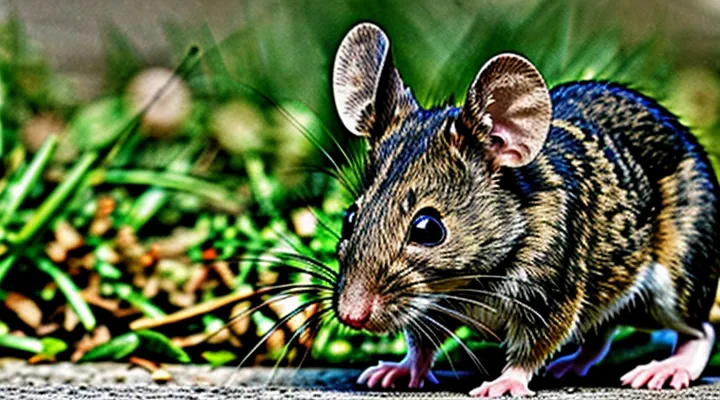
Mice are not recognized as natural carriers of the rabies virus. The virus persists primarily in carnivorous and chiropteran wildlife, where it circulates through bites or scratches among species such as foxes, raccoons, skunks, coyotes, and most notably, bats. These animals maintain the pathogen in sylvatic cycles, providing the primary source of infection for other mammals.
Laboratory testing has repeatedly shown that laboratory mice can be experimentally infected, yet they do not develop sufficient viral load to transmit the disease through a bite. Field studies of wild rodent populations confirm a negligible prevalence of rabies antibodies, indicating that spontaneous infection in free‑living mice is exceedingly rare.
When assessing potential exposure from a rodent bite, the following points are decisive:
- Presence of rabies in the local wildlife reservoir (e.g., bats, foxes, raccoons).
- Confirmation that the biting animal exhibited signs of rabies before the incident.
- Documentation of a direct bite wound that penetrated the skin.
Given the epidemiological data, the risk of acquiring rabies from a mouse bite is virtually nonexistent. Health‑care protocols therefore prioritize observation of the animal and assessment of exposure to known rabies vectors rather than immediate prophylaxis for rodent injuries.
Domestic Animals
Rodents, including mice, are rarely carriers of the rabies virus. Laboratory data and field surveillance indicate that the prevalence of rabies among wild mice is extremely low, and documented cases of mice transmitting the virus to other species are virtually nonexistent.
Domestic animals most commonly exposed to rabies are dogs, cats, and ferrets, which typically acquire the virus from larger carnivores such as bats, raccoons, skunks, or foxes. When a pet encounters a mouse, the primary concerns are:
- Potential for bacterial infection from the bite wound.
- Mechanical injury that may require veterinary evaluation.
- Very low probability of rabies transmission, because mice seldom develop or shed the virus.
If a pet is bitten by a mouse, the recommended actions are:
- Clean the wound with soap and water, then apply an antiseptic.
- Observe the animal for signs of infection (redness, swelling, discharge).
- Contact a veterinarian promptly to assess the need for antibiotics or tetanus prophylaxis.
- Verify the vaccination status of the pet; a current rabies vaccine eliminates the need for post‑exposure rabies treatment in most jurisdictions.
- Report the incident to local animal health authorities if the mouse was found dead or displaying abnormal behavior, to rule out rare rabies exposure.
Overall, the risk that a mouse bite will convey rabies to a domestic animal is negligible. Preventive measures focus on maintaining up‑to‑date rabies vaccinations for pets and minimizing rodent infestations in the home environment.
Mouse Bites and Rabies Risk
The Nature of Rabies Transmission
Viral Presence in Saliva
Rabies virus is excreted in the saliva of infected mammals. In rodents, the virus is detectable only when the animal is actively shedding, which occurs after the virus reaches the salivary glands during the terminal phase of infection. Laboratory studies show that:
- Viral RNA can be amplified from mouse saliva using RT‑PCR during the last 2–3 days before death.
- Virus isolation from saliva requires a high viral load; most mice carry levels below the threshold for successful culture.
- Transmission through a bite depends on the presence of viable virions at the wound site; low‑dose exposure rarely leads to infection.
Field observations indicate that naturally infected wild mice rarely develop clinical rabies, and documented cases of transmission from a mouse bite are exceedingly scarce. Experimental inoculation of mice with rabies virus demonstrates that, even when saliva contains detectable virus, the probability of successful transmission to a new host remains low compared to larger carnivores.
Therefore, the presence of rabies virus in mouse saliva is a measurable but infrequent phenomenon, and the risk of transmission through a bite is correspondingly minimal.
Entry Through Open Wounds
A rabies virus reaches the nervous system only when it enters a host through a breach in the skin or mucous membranes. An open wound created by a mouse’s incisors provides such a breach, but several conditions must be met for infection to occur.
- The mouse must be infected with rabies and shedding virus in its saliva at the time of the bite.
- The bite must penetrate deep enough to deposit saliva into the wound tissue.
- The virus must survive the short interval between exposure and the host’s immune response.
Wild mice are rarely carriers of rabies; surveillance data show infection rates far below those observed in larger rodents, feral cats, or wildlife reservoirs such as raccoons and bats. Consequently, the probability that a mouse bite introduces viable rabies virus through an open wound is exceedingly low.
When a bite does produce an open wound, immediate wound cleansing with soap and water reduces viral load. Post‑exposure prophylaxis (PEP) is recommended only if the animal is confirmed or suspected to be rabid, or if the bite occurs in a high‑risk environment where rabies is endemic.
In summary, entry through an open wound is a recognized transmission route for rabies, but the rarity of infected mice and the shallow nature of most mouse bites make actual transmission from a mouse bite an exceptional event.
Prevalence of Rabies in Rodents
Low Risk in Small Rodents
Rodent species such as mice are rarely involved in the natural cycle of rabies viruses. The virus predominantly circulates among larger carnivores—foxes, raccoons, skunks, and bats—where it maintains a stable reservoir. Small rodents lack the biological and ecological characteristics that support sustained viral replication, resulting in an exceedingly low incidence of infection.
Epidemiological data from North America and Europe show fewer than a handful of confirmed rabies cases linked to mouse bites over several decades. Surveillance reports consistently indicate that when rodents test positive, they are typically found dead or severely compromised, suggesting that infection is a terminal event rather than a source of onward transmission.
Key points for medical assessment:
- Bite exposure from a mouse usually does not trigger post‑exposure prophylaxis unless the animal is known to be rabid or originates from a high‑risk area.
- Laboratory testing of rodents is often impractical; most health agencies recommend observation of the animal for ten days when feasible.
- Rabies vaccination of domestic pets remains the primary preventive measure against spill‑over to humans; small rodent control contributes minimally to overall risk reduction.
In clinical practice, the decision to administer rabies immunoglobulin and vaccine should be based on the animal’s species, health status, and exposure circumstances rather than on a blanket assumption that any rodent bite poses a serious threat.
Factors Affecting Mouse Rabies
Mice are rarely involved in rabies transmission, yet several variables determine whether the virus can be present in a mouse population and consequently whether a bite might pose a risk.
- Species susceptibility – Certain murine strains possess innate resistance to rabies infection, while wild rodents may lack this protection. Laboratory mice, bred for research, often carry genetic traits that limit viral replication.
- Geographic exposure – Areas with high prevalence of rabies‑infected carnivores (foxes, raccoons, skunks) increase the likelihood that mice encounter the virus through scavenging or predation.
- Contact with reservoir hosts – Direct or indirect interaction with infected mammals, including bites, saliva contamination, or consumption of carcasses, provides the primary route for viral entry into rodent hosts.
- Viral strain virulence – Some rabies variants exhibit greater neurotropism, enabling more efficient infection of atypical hosts such as rodents. Strains adapted to carnivores may fail to establish infection in mice.
- Environmental conditions – Low temperatures and high humidity can prolong virus stability in the environment, raising the chance of indirect exposure. Conversely, harsh climates reduce rodent activity and viral persistence.
- Population density – Crowded mouse colonies facilitate rapid spread once infection is introduced, whereas sparse populations limit transmission opportunities.
- Age and immune status – Juvenile mice with undeveloped immune systems are more susceptible to infection, while older individuals with prior exposure to related viruses may exhibit partial immunity.
- Stress factors – Nutritional deficits, overcrowding, and predator pressure suppress immune function, increasing vulnerability to rabies infection.
Understanding these factors clarifies why mouse bites are an uncommon source of rabies, while highlighting circumstances that could elevate the risk.
Documented Cases and Statistical Data
Rarity of Mouse-Transmitted Rabies
Rabies transmission through a mouse bite is an exceptional event. Documented cases are scarce; surveillance reports from health agencies list fewer than a dozen instances worldwide over several decades. The rarity stems from several biological and ecological factors:
- Low susceptibility – laboratory studies show that mice develop only transient, low‑level infection after exposure, insufficient for efficient viral shedding.
- Limited viral load – when infection occurs, viral concentrations in salivary glands remain below the threshold required for transmission.
- Behavioral patterns – mice rarely engage in prolonged biting or saliva exchange with humans or larger mammals, reducing exposure risk.
- Epidemiological role – rodents are not recognized as natural reservoirs for rabies; the virus persists primarily in carnivores such as foxes, raccoons, and bats.
Occasional reports of rabid mice involve experimental inoculation or exposure to highly infected environments, not typical wild populations. Consequently, public‑health guidelines treat mouse bites as low‑risk for rabies, focusing instead on more common vectors.
CDC Guidelines
The Centers for Disease Control and Prevention (CDC) classifies rodents, including mice, as low‑risk vectors for rabies. Rabies cases involving rodents are exceedingly rare, and documented transmissions from mouse bites have not been reported.
When evaluating a mouse bite, CDC guidance advises the following criteria to determine the need for rabies post‑exposure prophylaxis (PEP):
- The animal was healthy and displayed normal behavior at the time of the encounter.
- No evidence exists that the mouse was exposed to a rabid animal or lived in an area with confirmed rabies activity.
- The bite occurred in a setting where the mouse was captive or domesticated, such as a laboratory or household environment.
If any of these conditions are uncertain, CDC recommends contacting local public health authorities for risk assessment. When PEP is indicated, the protocol includes:
- Immediate thorough washing of the wound with soap and water for at least 15 minutes.
- Administration of a rabies vaccine series (typically four doses on days 0, 3, 7, and 14).
- Consideration of rabies immune globulin for severe exposures, as directed by health officials.
For bites that meet all low‑risk criteria, CDC does not require PEP; instead, it advises routine wound care and observation of the animal, if possible, for a 10‑day period. Any change in the mouse’s health status during observation should trigger re‑evaluation.
When to Seek Medical Attention
Assessing a Mouse Bite
Severity of the Bite
A mouse bite generally produces a shallow puncture, often no larger than a few millimeters. The wound may bleed minimally and cause localized soreness, but deep tissue disruption is uncommon.
Compared with bites from larger mammals, the limited depth reduces the probability of virus entry. Rabies virus resides in nervous tissue; transmission requires access to peripheral nerves, which shallow punctures rarely achieve.
- Depth: typically epidermal to superficial dermal layers.
- Tissue damage: minimal; rarely involves muscle or tendon.
- Infection risk: secondary bacterial infection more likely than viral transmission.
- Rabies relevance: low; virus exposure requires a bite that penetrates nerve-rich tissue, which mouse bites seldom do.
Clinical management focuses on wound cleaning, tetanus update, and observation for bacterial signs. Rabies prophylaxis is rarely indicated unless the animal is confirmed rabid or the bite is unusually deep and involves a nerve‑rich area.
Location of the Bite
A bite from a small rodent can introduce rabies virus into the peripheral nervous system, and the anatomical site of the wound determines the speed at which the virus reaches the brain. Nerves in the head, neck, and upper torso are shorter and more directly connected to the central nervous system, so an infection acquired at these locations may progress within weeks rather than months. Bites on the hands, feet, or distal limbs involve longer nerve pathways, often extending the incubation period and allowing more time for post‑exposure prophylaxis to be effective.
Key considerations for bite location:
- Proximity to the brain – wounds on the face, scalp, or neck present the highest risk of rapid viral migration.
- Nerve density – areas with dense sensory innervation (e.g., fingertips) provide multiple routes for the virus to travel.
- Vascular supply – rich blood flow can facilitate viral spread but also enhances delivery of immune cells and therapeutic agents.
- Depth of penetration – deep puncture wounds increase the likelihood that viral particles reach nerve endings.
When assessing exposure, clinicians should prioritize bites in regions closest to the central nervous system, initiate rabies prophylaxis promptly, and monitor for neurological signs regardless of the animal’s size.
Signs and Symptoms of Rabies
Early Symptoms
A bite from a mouse can introduce the rabies virus if the animal is infected. The virus travels from the wound to the central nervous system during an incubation period that typically lasts from a few weeks to several months, depending on factors such as bite location and viral load.
Early clinical manifestations appear after the virus reaches peripheral nerves. Common initial signs include:
- Fever, often low‑grade, without an obvious source.
- Headache that may be persistent or worsening.
- Generalized weakness or fatigue.
- Discomfort or prickling sensations at the bite site, sometimes described as itching or a tingling feeling.
- Nausea or loss of appetite.
These symptoms are nonspecific and can be mistaken for other infections. Prompt medical assessment is essential because once neurological signs such as agitation, hydrophobia, or paralysis develop, the disease is almost invariably fatal. Immediate post‑exposure prophylaxis dramatically reduces the risk of progression to severe rabies.
Advanced Symptoms
After the incubation period, rabies that may be introduced through a rodent bite presents a sequence of severe neurological manifestations. Patients typically experience hyperactivity, agitation, and pronounced anxiety, often accompanied by sudden outbursts of aggression. Autonomic dysfunction becomes evident as profuse sweating, tachycardia, and fluctuating blood pressure. Dysphagia and hypersalivation develop, leading to the classic “foaming at the mouth” appearance. Muscular spasms, particularly in the neck and throat, cause the characteristic “hydrophobia” reaction when the individual attempts to swallow liquids. Seizures may occur, reflecting widespread cortical irritation. As the disease progresses, consciousness deteriorates, resulting in coma and eventual respiratory failure. Early recognition of these advanced signs is essential for timely supportive care, though the prognosis after symptom onset remains uniformly fatal.
Post-Exposure Prophylaxis (PEP)
When PEP is Recommended
A mouse bite may introduce rabies virus if the animal is infected, but the risk is low. Post‑exposure prophylaxis (PEP) should be considered whenever the circumstances increase the probability of transmission.
- The bite occurs in a region where rabies is enzootic in rodent populations or where recent rabies cases have been documented in wildlife.
- The mouse shows signs of illness consistent with rabies, such as abnormal behavior, paralysis, or excessive salivation, before or after the bite.
- The bite is deep, puncturing tissue, and the wound is not promptly cleaned or treated.
- The victim has not been previously vaccinated against rabies and lacks documented pre‑exposure immunization.
- The exposure involves a captive mouse that has been in contact with other potentially rabid animals, or the animal’s health status is unknown.
If any of these conditions are met, immediate medical evaluation is warranted, and a full PEP regimen—rabies immune globulin and a series of rabies vaccine doses—should be administered according to current public‑health guidelines. When the bite occurs under low‑risk conditions—healthy mouse, prompt wound care, and no regional rabies activity—PEP is generally not indicated.
The PEP Regimen
A mouse bite rarely carries the rabies virus, yet any mammalian bite that might involve a rabid animal warrants immediate assessment. Post‑exposure prophylaxis (PEP) addresses three critical steps: thorough wound cleansing, passive immunization, and active immunization.
- Wound cleansing – irrigate with copious sterile saline for at least 15 minutes; remove devitalized tissue; apply antiseptic solution.
- Passive immunization – administer rabies‑immune globulin (RIG) once, infiltrating as much as possible into and around the wound; the remainder is given intramuscularly at a site distant from the vaccine.
- Active immunization – give the first dose of rabies vaccine (either 5 IU or 1 ml of a modern cell‑culture product) on day 0, followed by doses on days 3, 7, and 14. For immunocompromised patients, add a fifth dose on day 28.
Vaccination schedule may be adjusted if the bite originates from a confirmed rabid animal or if the exposed individual has prior rabies immunization; in the latter case, only two additional vaccine doses (days 0 and 3) are required, and RIG is omitted.
All PEP components must be initiated promptly, preferably within 24 hours of exposure, to maximize efficacy and prevent viral entry into the nervous system.
Preventing Rabies
Rabies Vaccination for Pets
Rabies is a fatal viral disease that can be transmitted through the saliva of infected mammals, including rodents. Although mice rarely carry the virus, a bite from an infected mouse poses a theoretical risk to domestic animals. Preventing such exposure relies on consistent rabies immunization of pets.
Vaccination provides active immunity by stimulating the production of neutralizing antibodies. Once administered, the vaccine protects dogs, cats, and ferrets for one to three years, depending on the product and local regulations. Immunized pets are less likely to develop clinical rabies after a potential exposure, reducing the need for post‑exposure treatment.
Key elements of a pet rabies vaccination program:
- Initial dose given at three months of age or older.
- Booster administered one year after the first dose.
- Subsequent boosters every one to three years, as specified by the vaccine label and jurisdiction.
- Documentation of each dose in a veterinary record and a government‑issued certificate.
Legal requirements vary by region, but most authorities mandate at least one rabies vaccine for dogs and cats. Failure to comply can result in fines, quarantine, or euthanasia of the animal if exposure occurs. Compliance also facilitates rapid public health response when a bite incident is reported.
Veterinarians assess health status before vaccination to identify contraindications such as severe illness or allergic reactions to previous doses. In cases where immediate vaccination is not possible, a temporary “wait‑and‑watch” protocol may be applied, but the animal remains at risk until immunized.
Overall, routine rabies vaccination of pets eliminates the primary pathway for virus transmission from wildlife, including occasional rodent bites, and safeguards both animal and human health.
Avoiding Wildlife
Rodent bites rarely transmit rabies, but the potential exists when a mouse carries the virus and breaks the skin. Because the probability is low, most public‑health guidelines focus on preventing contact with wild mammals rather than treating every mouse bite as a rabies case.
Preventing encounters with wildlife reduces the chance of any bite, including those from small rodents. Effective measures include:
- Securing food sources: store garbage in sealed containers, clean up spills promptly, and avoid leaving pet food outdoors.
- Eliminating shelter: trim vegetation, remove debris, and seal cracks in buildings to deny nesting sites.
- Using protective equipment: wear gloves when handling wildlife or cleaning areas where rodents may be present.
- Maintaining distance: observe animals from afar, do not attempt to feed or handle them, and keep pets on leashes in areas with known wildlife activity.
- Implementing exclusion methods: install door sweeps, screens, and mouse traps in a humane, regulated manner.
If a bite occurs, clean the wound immediately with soap and water, apply an antiseptic, and seek medical evaluation. Health professionals may recommend rabies post‑exposure prophylaxis based on the animal’s species, behavior, and local rabies prevalence. Prompt reporting to local animal control agencies aids in assessing the risk and preventing further incidents.
First Aid for Animal Bites
Immediate Cleaning
Immediate cleaning of a mouse bite is the first, most effective measure to lower the chance of rabies transmission. Prompt irrigation with clean running water for at least 15 minutes removes saliva, blood, and debris that may contain the virus. Follow irrigation with thorough washing using mild soap; friction helps detach residual particles.
After washing, apply an antiseptic solution such as povidone‑iodine or chlorhexidine to the wound. Cover the area with a sterile dressing to prevent secondary infection. Document the incident, including the date, location, and circumstances of the bite, and contact a healthcare professional without delay for risk assessment and possible post‑exposure prophylaxis.
Key actions:
- Rinse under running water ≥ 15 minutes.
- Wash with soap, scrub gently.
- Disinfect with approved antiseptic.
- Dress the wound with sterile material.
- Seek medical evaluation promptly.
Medical Consultation
A patient who has been bitten by a mouse may wonder whether rabies transmission is possible. The clinician’s first task is to evaluate the bite’s epidemiological relevance. Rodents are infrequent reservoirs of the rabies virus; documented cases of rabies transmitted from mice are exceedingly rare. Nonetheless, the bite must be examined for signs of infection and the animal’s exposure history must be considered.
Immediate management includes thorough irrigation of the wound with soap and water, followed by antiseptic application. The patient should receive a tetanus update if indicated and be advised to monitor the site for redness, swelling, or discharge. Documentation of the incident—date, location, circumstances, and any observable animal behavior—is essential for later assessment.
Risk assessment proceeds with the following considerations:
- Whether the mouse was observed alive after the bite and its health status.
- Geographic prevalence of rabies in local wildlife.
- History of the animal’s contact with known rabid species.
- Availability of the animal for laboratory testing, if feasible.
If the animal cannot be examined or if it displayed abnormal behavior (e.g., aggression, paralysis), the clinician must weigh the need for post‑exposure prophylaxis (PEP). PEP is recommended when any of the following apply:
- The bite occurred in a region with documented rabies cases in rodents.
- The animal cannot be captured for observation or testing.
- The patient is immunocompromised or has other risk factors that increase susceptibility.
When PEP is indicated, the regimen includes a dose of human rabies immune globulin administered around the wound, followed by a series of rabies vaccine injections on days 0, 3, 7, and 14 (and day 28 for immunocompromised individuals).
The patient should return for follow‑up within 48 hours to assess wound healing and confirm that the prophylactic schedule is proceeding as planned. Any emergence of neurological symptoms—such as headache, fever, or muscle weakness—warrants immediate reassessment.
In summary, a mouse bite rarely transmits rabies, but a structured medical consultation that includes wound care, risk evaluation, and, when justified, prophylactic treatment ensures patient safety.