
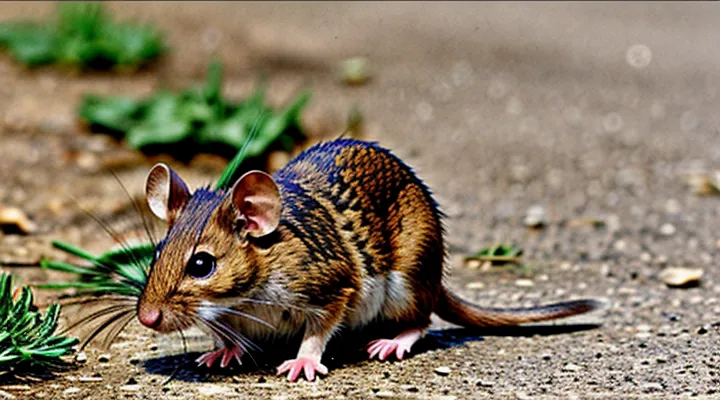
Understanding Rabies Transmission
The Rabies Virus and Its Hosts
The rabies virus belongs to the genus Lyssavirus and is transmitted primarily through the saliva of infected mammals. Once the virus enters a host’s peripheral nerves, it travels centripetally to the central nervous system, where it replicates and induces fatal encephalitis.
Typical reservoirs include carnivores and chiropteran species. The most common domestic hosts are dogs, cats, and ferrets; wild reservoirs consist of raccoons, skunks, foxes, and several bat species. Rodents are seldom listed among natural reservoirs. Their role in rabies ecology is limited to occasional spill‑over infections from primary hosts.
Key points regarding rodent susceptibility:
- Experimental inoculation demonstrates that many rodent species can develop infection when exposed to high viral loads.
- Field observations record rare cases of rabies in squirrels, groundhogs, and beavers, usually linked to direct contact with a rabid predator.
- Epidemiological surveys show an absence of sustained transmission cycles within rodent populations.
Field mice (family Muridae) share physiological traits with other small rodents: high metabolic rates, short lifespans, and robust innate immunity. Laboratory studies indicate that intramuscular inoculation can produce clinical rabies, but natural exposure is exceedingly unlikely because:
- Predatory mammals rarely prey on field mice in a manner that delivers infectious saliva to bite wounds.
- The virus requires a relatively large inoculum to overcome the mouse’s immune defenses.
- No documented cases of field mice serving as source animals for secondary transmission exist.
Consequently, while a field mouse can theoretically contract rabies under artificial conditions, the probability of natural infection remains negligible, and rodents do not contribute to the maintenance of the virus in wildlife ecosystems.
How Rabies Spreads Among Animals
Rabies is an acute viral encephalitis transmitted primarily through the saliva of infected mammals. The virus reaches the central nervous system after entering peripheral nerves at the site of exposure.
Typical reservoir species include domestic and wild carnivores such as dogs, foxes, raccoons, and various bat species. These animals maintain the virus in natural cycles and frequently transmit it to other mammals. Small rodents, including field mice, are seldom involved in these cycles because they rarely encounter infectious saliva and exhibit a low susceptibility to the virus.
Transmission mechanisms are limited to a few pathways:
- Bite wounds that introduce infected saliva into muscle tissue
- Scratches contaminated with saliva
- Direct contact of mucous membranes or open wounds with saliva
- Inhalation of aerosolized virus in densely populated bat colonies
- Rare vertical transmission from mother to offspring
Field mice display minimal risk of infection. Documented cases of rabies in this group are exceptional and usually result from experimental inoculation rather than natural exposure. The combination of low contact frequency with primary reservoirs and inherent resistance reduces the likelihood of the disease establishing in field mouse populations.
Surveillance programs focus on high‑risk species; monitoring of small rodents is not a priority unless unusual clusters of rabid wildlife are detected. Preventive measures, such as vaccination of domestic dogs and control of rabid wildlife, indirectly protect all mammals, including field mice, by limiting the overall prevalence of the virus in the environment.
Rodents and Rabies: A Low Risk
Susceptibility of Field Mice to Rabies
Field mice (e.g., Apodemus sylvaticus) are small, primarily herbivorous rodents that inhabit temperate grasslands and forest edges. Their physiology, rapid reproductive cycle, and limited interaction with carnivorous reservoirs define their ecological niche.
Rabies virus belongs to the Rhabdoviridae family and persists mainly in carnivores (canids, mustelids) and bats. Transmission requires direct saliva contact; the virus exploits neural pathways to reach the central nervous system. Species with low oral exposure and robust innate immunity typically exhibit resistance.
- Experimental inoculation of field mice with high viral loads results in:
- Field observations across Europe and North America report:
- No confirmed natural rabies cases in wild field mouse populations.
- Absence of viral isolation from trapped specimens during routine surveillance.
The limited susceptibility stems from a combination of physiological barriers (e.g., rapid peripheral immune response) and ecological factors (low probability of bite exposure). Consequently, field mice are not considered a rabies reservoir or a significant source of spillover to humans or domestic animals.
Public‑health protocols therefore prioritize monitoring of carnivorous and chiropteran species. Surveillance of small rodent communities remains useful for ecosystem health assessments but does not alter rabies control strategies.
Documented Cases and Scientific Evidence
Field mice are not recognized as natural reservoirs of the rabies virus. The virus primarily circulates among carnivores such as dogs, foxes, raccoons, and certain bat species. Surveillance programs worldwide consistently report zero confirmed cases of rabies infection in free‑living field mice.
Published surveillance data from North America, Europe, and Asia list rodents only as incidental findings. When rodents appear in diagnostic records, the specimens are usually secondary to predation or scavenging, and laboratory confirmation of rabies in the rodent tissue is absent. No peer‑reviewed case report documents a field mouse with a laboratory‑confirmed rabies infection acquired in the wild.
Experimental inoculation studies provide the most direct evidence of susceptibility. In controlled experiments, field mice (or closely related Peromyscus species) have been injected intracerebrally or intramuscularly with high viral loads. Results show:
- Limited viral replication; virus titres remain low compared with those in typical reservoir hosts.
- Rapid onset of clinical signs, but the disease course does not produce sufficient viral shedding in saliva for transmission.
- Mortality rates approach 100 % under artificial exposure, confirming that the virus can cause fatal encephalitis, yet the infection does not persist or spread naturally.
These findings indicate that, while a field mouse can develop rabies under experimental conditions, the species lacks the biological and ecological traits required to maintain the virus in wild populations.
Overall, the combination of extensive field surveillance and laboratory data leads to a consistent conclusion: documented natural infections in field mice are absent, and scientific evidence suggests that the species functions as a dead‑end host rather than a competent vector for rabies transmission.
The Role of Small Mammals in the Rabies Cycle
Field mice belong to the order Rodentia, a group that is generally considered a dead‑end host for rabies virus. Experimental inoculation demonstrates that the virus can replicate in murine brain tissue, but peripheral infection rarely leads to sustained viral shedding. Consequently, field mice do not contribute to onward transmission under natural conditions.
Small mammals, including shrews, voles, and other rodents, are occasionally detected with rabies antibodies, indicating exposure. Their epidemiological significance is limited because:
- Low viral loads in saliva reduce transmission probability.
- Short life spans diminish the chance of maintaining the virus in a population.
- Predation by carnivores, the primary rabies reservoirs, removes infected individuals before they can spread the virus.
Carnivore species such as raccoons, foxes, and skunks remain the principal reservoirs, sustaining the rabies cycle through bite‑mediated transmission. Sporadic spillover into small mammals occurs when these predators prey on rodents, but the reverse flow—rodents infecting carnivores—is not supported by field data.
Public‑health surveillance focuses on species with proven capacity for viral maintenance and transmission. While field mice can contract rabies under laboratory conditions, their role in natural rabies ecology is negligible, and they do not represent a significant risk to humans or domestic animals.
What to Do If You Encounter a Mouse
Identifying Signs of Illness in Mice
Mice that appear healthy can mask underlying disease, making early detection essential for any assessment of zoonotic risk. Observable indicators separate normal behavior from pathology and guide appropriate intervention.
Typical signs of illness in small rodents include:
- Lethargy or reduced activity, especially when the animal remains motionless for extended periods.
- Unexplained weight loss despite adequate food availability.
- Disheveled or ruffled fur, often accompanied by excessive grooming or biting at the coat.
- Respiratory abnormalities such as rapid, shallow breathing, audible wheezing, or nasal discharge.
- Neurological manifestations, for example tremors, loss of coordination, head tilting, or seizures.
- Gastrointestinal distress marked by diarrhea, constipation, or abdominal swelling.
- Ocular changes, including clouded eyes, excessive tearing, or crust formation around the lids.
- Abnormal posture, such as hunching, arching the back, or a hunched tail.
When several of these symptoms appear concurrently, the likelihood of a serious infection increases. Laboratory testing, necropsy, and pathogen-specific assays are required to confirm rabies exposure, as the virus rarely infects field mice but can be transmitted through bites from infected predators. Prompt veterinary evaluation and isolation of symptomatic individuals reduce the chance of disease spread to other wildlife and humans.
When to Contact Animal Control or Health Officials
If a field mouse is found dead, injured, or behaving unusually, contact animal control or health officials promptly. Immediate notification is required when the animal has been bitten, scratched, or had saliva contact with a person or domestic pet, because rabies transmission can occur through such exposure. Also call authorities if the mouse was found in a location where humans or pets frequently enter, such as a home, garden, or schoolyard, and the animal cannot be safely removed.
Report the incident in the following situations:
- Visible signs of neurological disease (tremors, paralysis, excessive aggression) in the mouse.
- Recent sightings of wild mammals known to carry rabies (e.g., raccoons, bats, foxes) near the mouse’s habitat.
- Unexplained bites or scratches on people or pets that occurred outdoors or in structures where the mouse was present.
- Inability to capture or contain the animal without direct handling.
When contacting authorities, provide:
- Exact location of the mouse.
- Description of the animal’s condition and behavior.
- Details of any human or animal exposure, including wound type and time elapsed.
- Information on other wildlife observed in the area.
Animal control will arrange safe removal and testing, while health officials will advise on post‑exposure prophylaxis if needed. Prompt reporting reduces the risk of rabies spread and ensures appropriate public‑health response.
Safety Precautions Around Wild Animals
Rabies spreads through the saliva of infected mammals; the virus can reach humans and domestic animals when a bite, scratch, or mucosal exposure occurs. Small rodents such as field mice are rarely diagnosed with the disease, yet occasional reports confirm that the infection is not impossible. Consequently, interactions with any wild creature demand precautionary measures.
When outdoor activities bring you near wildlife, adopt the following practices:
- Keep a minimum distance of several meters from unhabituated animals.
- Refrain from feeding, handling, or attempting to capture any wild specimen.
- Wear thick gloves and long sleeves if contact with vegetation or potential shelters is unavoidable.
- Store food in sealed containers; remove attractants that could draw rodents or larger mammals to human dwellings.
- Ensure that pets are up‑to‑date on rabies vaccinations and are supervised during outdoor excursions.
If a bite, scratch, or saliva contact occurs, follow these steps immediately:
- Wash the wound thoroughly with soap and running water for at least 15 seconds.
- Apply an antiseptic solution and cover the area with a clean dressing.
- Seek medical evaluation without delay; specify the animal type and circumstances of the exposure.
- Follow the clinician’s advice regarding post‑exposure prophylaxis and tetanus protection.
Adhering to these protocols minimizes the risk of rabies transmission from field mice and other wild animals, protecting both human health and wildlife integrity.
Preventing Rabies Exposure
Vaccinating Pets
Rabies transmission relies on saliva from infected mammals entering an open wound or mucous membrane. Field mice possess low body temperature and rapid metabolism, conditions that inhibit viral replication; consequently, documented cases of rabies in these rodents are exceedingly rare. Nonetheless, a mouse can become a passive carrier if bitten by a rabid predator, potentially exposing other animals.
Vaccinating domestic animals interrupts this chain. Immunization of dogs, cats, and ferrets creates a barrier that prevents the virus from reaching wildlife reservoirs, including small rodents. When a pet is protected, the likelihood of a rabid predator attacking and contaminating a field mouse diminishes markedly.
Practical measures for pet owners:
- Administer core rabies vaccine according to veterinary schedule.
- Keep vaccinations current; boosters typically required every one to three years.
- Restrict outdoor access for pets in areas with known rabies activity.
- Report stray or wild animals exhibiting abnormal behavior to local health authorities.
Avoiding Contact with Wild Animals
Wild rodents such as field mice are extremely unlikely to serve as rabies reservoirs, yet direct interaction can still pose a health risk. Rabies transmission typically occurs through the saliva of infected carnivores; however, accidental bites or scratches from any wild creature create a pathway for pathogens, including the rabies virus, to enter the body. Maintaining distance from these animals eliminates the primary exposure route.
Effective avoidance strategies include:
- Securing food storage to deter foraging rodents.
- Keeping yards free of debris, tall grass, and compost piles that attract wildlife.
- Installing sealed barriers around homes, sheds, and animal enclosures.
- Using gloves and tools rather than hands when handling potential nests or droppings.
- Educating children about the dangers of touching or handling unfamiliar animals.
If contact occurs, immediate wound cleansing with soap and water, followed by professional medical evaluation, is essential. Prompt post‑exposure prophylaxis can prevent disease progression even when the animal’s rabies status is uncertain.
Adopting these measures reduces the likelihood of any rabies‑related incident involving field mice or other wild species, protecting both human health and wildlife welfare.
Educating Yourself and Others
Rabies is a viral disease that primarily affects mammals with well‑developed salivary glands. Carnivores such as dogs, raccoons, and bats are the most common reservoirs. Small rodents, including field mice, possess low body temperatures and limited virus replication, which makes natural infection rare. Laboratory studies have documented isolated cases of experimental infection, but field observations show no credible evidence of rabies transmission from or to field mice.
Understanding this scientific context is essential for accurate public communication. To educate yourself and others effectively:
- Review current veterinary and epidemiological literature on rabies reservoirs and host susceptibility. Reliable sources include the CDC, WHO, and peer‑reviewed journals.
- Verify claims about rodent involvement by checking the original study design, sample size, and whether infection was natural or experimentally induced.
- Distinguish between factual risk (negligible for field mice) and anecdotal myths that may cause unnecessary alarm.
When sharing information with the public:
- Present concise statements of fact, such as “Field mice are not recognized as natural carriers of rabies.”
- Cite authoritative references to reinforce credibility.
- Address common misconceptions directly, explaining why the virus does not sustain in these small mammals.
- Encourage proper preventive actions focused on known vectors—vaccinate domestic pets, avoid contact with wild carnivores, and seek medical advice after any bite from a recognized rabies host.
By grounding discussions in verified data and avoiding speculative language, you reduce misinformation and promote informed decision‑making regarding rabies risk.