
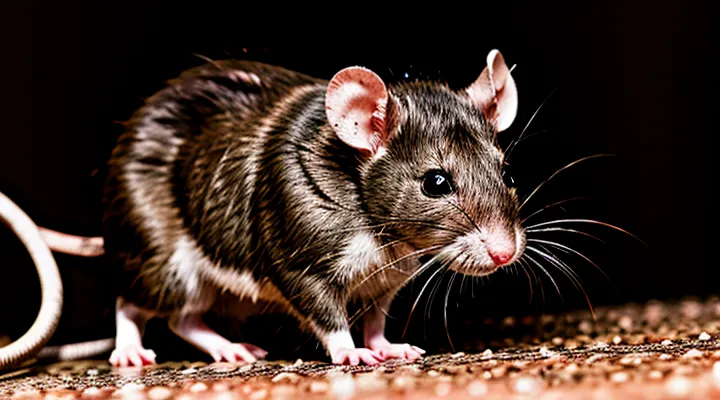
Understanding Ear Bleeding in Rats
Anatomy of a Rat’s Ear
External Ear Structures
The external ear of a rat consists of the pinna, the auricular cartilage, the hair‑covered skin, and the external auditory canal that leads to the tympanic membrane. The pinna is a mobile flap of cartilage supported by a thin layer of perichondrium; it directs sound waves toward the canal and contains a dense network of capillaries that can rupture under trauma or infection. The skin lining the canal is thin, keratinized, and richly supplied with blood vessels and ceruminous glands that produce wax to protect the deeper structures. The canal itself is approximately 5 mm long, narrows toward the tympanic membrane, and is lined by stratified squamous epithelium that can become inflamed, leading to edema and bleeding.
Key anatomical features relevant to hemorrhage:
- Cartilaginous framework – provides structural support; fractures can tear adjacent vessels.
- Vascular plexus – superficial capillary loops beneath the skin of the pinna and canal; most common source of bleeding.
- Ceruminous glands – located near the canal entrance; inflammation can cause glandular rupture and blood‑tinged discharge.
- Tympanic membrane attachment – the canal’s distal end; perforation may result in blood entering the middle ear.
Understanding these components assists in diagnosing the origin of ear bleeding, differentiating between external trauma, otitis externa, or systemic coagulopathies, and guides appropriate therapeutic interventions such as local hemostasis, antimicrobial washes, or surgical repair when structural damage is evident.
Middle Ear Structures
The middle ear of a rat consists of a thin, fibro‑elastic membrane separating the external auditory canal from the air‑filled cavity. This tympanic membrane transmits acoustic energy to three articulated bones—the malleus, incus, and stapes—collectively known as the ossicular chain. The stapes footplate interfaces with the oval window, projecting vibrations into the inner ear fluid.
Within the cavity, a mucosal lining covers the walls and folds around the ossicles. Vascular supply derives primarily from branches of the external carotid artery, including the deep auricular and stylomastoid arteries. Venous drainage follows the emissary veins toward the sigmoid sinus. The eustachian tube (auditory tube) connects the middle ear to the nasopharynx, regulating pressure and permitting clearance of secretions.
Bleeding from the rat’s ear often originates in these structures:
- Rupture of the tympanic membrane or ossicular ligaments due to trauma.
- Inflammatory erosion of the mucosa and vascular plexus in otitis media.
- Neoplastic infiltration of the middle ear lining, compromising blood vessels.
- Congenital or acquired vascular malformations affecting the arterial branches.
Effective management targets the underlying source:
- Antimicrobial therapy for infectious inflammation, administered systemically or locally.
- Hemostatic agents applied to the tympanic membrane when accessible.
- Surgical debridement or ossicle reconstruction for severe structural damage.
- Monitoring of eustachian tube function to prevent pressure‑related re‑bleeding.
Understanding the anatomy of the rat middle ear provides a framework for diagnosing hemorrhagic presentations and selecting appropriate therapeutic interventions.
Inner Ear Structures
The inner ear of a rat consists of a fluid‑filled labyrinth that houses the auditory and vestibular systems. The labyrinth is divided into the bony labyrinth, which provides structural support, and the membranous labyrinth, which contains sensory epithelia. The auditory portion, the cochlea, spirals around a central axis and includes the scala vestibuli, scala media, and scala tympani. The vestibular portion comprises the utricle, saccule, and three semicircular canals, each ending in an ampulla.
Key components relevant to ear hemorrhage:
- Cochlear duct (scala media)
- Stria vascularis
- Vestibular endolymphatic sac
- Semicircular canal ampullae
- Blood‑brain barrier of the inner ear
Rupture of capillaries within the stria vascularis or damage to the delicate vessels of the ampullae can introduce blood into the endolymphatic space. Elevated intracranial pressure, traumatic manipulation, or infectious inflammation may compromise vascular integrity, leading to observable bleeding from the external ear canal.
Diagnostic assessment requires otoscopic examination to detect external blood flow, followed by high‑resolution micro‑CT or MRI to visualize internal hemorrhage. Histological sampling of the cochlear and vestibular tissues confirms the presence of extravasated erythrocytes and identifies the affected structures.
Effective treatment focuses on stabilizing vascular integrity and preventing secondary damage. Interventions include:
- Systemic administration of corticosteroids to reduce inflammation and edema.
- Antifibrinolytic agents to promote clot formation within the damaged vessels.
- Controlled ventilation to maintain normal intracranial pressure.
- Local application of hemostatic gels in the external auditory canal when bleeding persists.
Prompt identification of the specific inner ear structure involved guides targeted therapy, minimizes auditory and balance deficits, and improves recovery outcomes in experimental rat models.
Recognizing Symptoms of Ear Bleeding
Visible Blood
Visible blood from a rat’s ear signals disruption of the external or middle ear vasculature. The presence of bright red or dark clotted material on the pinna or within the ear canal provides immediate visual evidence of hemorrhage and helps differentiate bleeding from other otic disorders such as otitis or wax accumulation.
Common sources of ear bleeding in rats include:
- Traumatic injury (bite wounds, cage bars, handling mishaps).
- Otitis externa or media with ulcerated skin or ruptured tympanic membrane.
- Neoplastic growths (e.g., squamous cell carcinoma, mast cell tumor) eroding vascular tissue.
- Systemic coagulopathies (vitamin K deficiency, anticoagulant exposure, liver disease).
- Parasitic infestations (ear mites) causing inflammatory erosion.
When visible blood is observed, immediate steps are:
- Apply gentle pressure with sterile gauze to control active flow.
- Inspect the ear for perforations, lacerations, or masses; document location and extent.
- Collect a small blood sample for hematology and coagulation profiling if systemic bleeding is suspected.
- Initiate topical hemostatic agents (e.g., silver sulfadiazine) on superficial lesions; reserve systemic antibiotics for confirmed infection.
- Schedule diagnostic imaging (radiographs or CT) when deeper structures or neoplasia are suspected.
- Refer to a veterinary specialist for surgical intervention if the tympanic membrane is ruptured or a tumor is identified.
Effective management relies on rapid identification of the bleeding source, appropriate hemostasis, and targeted treatment of the underlying condition. Continuous monitoring for recurrent hemorrhage ensures timely adjustment of therapy.
Behavioral Changes
Ear bleeding in rats frequently coincides with distinct alterations in activity, social interaction, and sensory responses. Recognizing these changes aids early diagnosis and informs therapeutic decisions.
Observable behavioral modifications include:
- Reduced exploration of novel environments
- Increased grooming of the affected ear or surrounding head region
- Decreased participation in group nesting or huddling
- Heightened aggression toward cage mates when the ear is touched
- Abnormal head tilting or circling movements
These patterns arise from several underlying conditions that provoke hemorrhage. Physical trauma disrupts vestibular function, leading to disorientation and the circling described above. Bacterial or fungal infections generate pain and inflammation, prompting excessive grooming and avoidance of contact. Neoplastic growths within the ear canal compress neural structures, producing persistent head tilt and diminished social engagement.
Effective treatment—whether surgical debridement, antimicrobial therapy, or tumor excision—typically restores normal behavior within days to weeks. Prompt cessation of pain and restoration of ear integrity reduce self‑injurious grooming and encourage re‑establishment of typical exploratory and communal activities. Monitoring behavioral trends throughout recovery provides a practical metric for assessing therapeutic success.
Other Associated Symptoms
Ear hemorrhage in rats rarely occurs in isolation. Clinicians should routinely assess for additional clinical signs that may clarify the underlying pathology.
- Nasal or ocular discharge suggests concurrent upper‑respiratory infection or sinus involvement.
- Respiratory effort changes, such as rapid breathing or audible wheezes, indicate possible pulmonary compromise or severe infection.
- Lethargy, reduced activity, or abnormal posture point to systemic illness or pain.
- Decreased food and water intake, weight loss, or failure to thrive reflect metabolic stress or chronic disease.
- Swelling or palpable masses around the pinna, jaw, or cervical region may signal abscess formation, neoplasia, or traumatic injury.
- Pruritus, scratching, or head shaking denote irritation, otitis externa, or middle‑ear disease.
- Fever, identified by elevated body temperature, supports an infectious or inflammatory process.
Presence of any of these symptoms warrants immediate diagnostic work‑up, including otoscopic examination, radiography, culture of ear exudate, and complete blood count. Early recognition of associated signs accelerates appropriate therapeutic intervention and improves prognosis.
Common Causes of Blood from a Rat’s Ear
Trauma and Injuries
Fights with Cagemates
Ear bleeding in laboratory rats often signals aggressive encounters with cage mates. When a rat incurs a wound to the pinna during a fight, the resulting hemorrhage may appear suddenly, prompting immediate veterinary assessment. Recognizing the behavioral triggers of such injuries helps prevent recurrence and supports effective treatment.
Physical signs include fresh blood pooling on the fur surrounding the ear, swelling, and possible discoloration of the pinna. Inspect the cage for torn bedding, broken chew toys, or other objects that could exacerbate injuries. Observe the social hierarchy; dominant individuals frequently initiate bites that target the ears of subordinates.
Management steps:
- Clean the wound with sterile saline to remove debris and reduce infection risk.
- Apply a topical antiseptic agent approved for rodents; avoid substances that may cause irritation.
- Monitor for signs of infection: redness, pus, increased swelling, or fever.
- If infection develops, initiate systemic antibiotics based on culture results or empirical guidelines for gram‑negative bacteria common in rodent wounds.
- Provide analgesia using rodent‑appropriate doses of NSAIDs or opioids, following veterinary dosage charts.
Preventive measures focus on minimizing aggression:
- Maintain appropriate group size; overcrowding raises competition for resources.
- Ensure ample enrichment: tunnels, nesting material, and chew objects reduce stress.
- Separate individuals displaying persistent dominance or chronic injuries.
- Conduct regular health checks to identify early signs of conflict‑related trauma.
Prompt treatment of ear bleeding combined with strategies to reduce fighting improves welfare and reduces the likelihood of recurrent injuries in caged rat populations.
Accidental Falls
Accidental falls represent a common source of trauma in rats, frequently producing bleeding from the external ear canal. The impact of a fall can rupture delicate vascular structures within the auricle, leading to visible hemorrhage and potential secondary infection.
- Direct impact with a hard surface causing rupture of auricular vessels.
- Sudden deceleration that strains the ear cartilage and adjacent skin, producing lacerations.
- Secondary injuries such as bruising or swelling that compress blood vessels and provoke leakage.
Effective treatment follows a structured protocol:
- Apply gentle pressure with sterile gauze to control active bleeding for up to two minutes.
- Clean the affected area using isotonic saline or a mild antiseptic solution to remove debris and reduce bacterial load.
- Administer a topical antibiotic ointment to the wound margins, covering with a breathable dressing if swelling is present.
- Observe for signs of infection, including increased redness, pus, or persistent discharge; initiate systemic antibiotics if indicated.
- Provide analgesia with an appropriate rodent‑safe NSAID to alleviate pain and limit stress.
Preventive measures focus on minimizing fall risk: secure cage enclosures, eliminate elevated platforms without guardrails, and ensure bedding depth sufficient to cushion impacts. Regular health monitoring allows early detection of ear injuries before they progress to severe hemorrhage.
Self-Inflicted Injuries
Rats may produce ear hemorrhage when they deliberately damage their own tissue. Self‑inflicted injuries arise from stress, environmental deprivation, or neurological disorders that trigger compulsive chewing or scratching. Observers often note localized swelling, reddening, and persistent oozing from the pinna.
The underlying mechanisms include:
- Excessive grooming driven by anxiety or boredom.
- Neuropathic pain leading to maladaptive biting.
- Deficiency in enrichment causing stereotypic behavior.
Prompt identification relies on visual inspection of the ear, assessment of the animal’s behavior, and exclusion of external trauma. Laboratory analysis of the blood may reveal infection or coagulopathy, informing subsequent care.
Effective management combines immediate wound care with long‑term behavioral modification:
- Clean the wound with sterile saline; apply a topical antiseptic.
- Use a protective bandage or Elizabethan collar to prevent further chewing.
- Provide environmental enrichment—nesting material, chew toys, and varied layout.
- Administer analgesics or anxiolytics as prescribed by a veterinarian.
- Monitor healing daily; adjust enrichment and medication based on response.
Addressing the root causes of self‑harm reduces recurrence and supports overall health of the rat.
External Abrasions
External abrasions are a common source of ear hemorrhage in laboratory and pet rats. The thin skin covering the pinna is prone to mechanical damage from cage accessories, aggressive grooming, or accidental trauma. When the epidermis is breached, capillary vessels rupture, producing fresh, bright red blood that may soak the fur and spread to surrounding tissues.
Typical indicators include localized redness, a visible scrape or tear, and a small amount of oozing blood. In severe cases, the wound may enlarge, exposing underlying cartilage and increasing the risk of secondary infection. Prompt assessment should focus on the size of the abrasion, presence of debris, and any signs of inflammation such as swelling or pus.
Effective management consists of three stages:
- Cleaning: Rinse the area with sterile saline or a mild antiseptic solution. Remove hair or foreign material using fine forceps or a sterile cotton swab. Avoid harsh scrubbing that could enlarge the wound.
- Protection: Apply a thin layer of veterinary-grade topical antibiotic ointment (e.g., bacitracin or mupirocin). Cover the site with a breathable, non‑adhesive dressing if the rat is likely to scratch or bite the area.
- Monitoring: Inspect the wound daily for reduced bleeding, granulation tissue formation, and absence of discharge. Replace dressing every 24‑48 hours and continue antibiotic application for 5‑7 days or until complete epithelialization.
If the abrasion exceeds 5 mm, involves cartilage exposure, or shows signs of infection, seek veterinary intervention. Systemic antibiotics may be required, and suturing or tissue glue can be considered for larger defects. Preventive measures include regular cage cleaning, smooth cage hardware, and minimizing aggressive interactions among group‑housed rats.
Infections and Inflammations
Otitis Externa
Bleeding from a rat’s ear often signals otitis externa, an inflammation of the external auditory canal. The condition arises when the delicate skin lining the canal is compromised, allowing blood vessels to rupture.
Common precipitants include:
- Prolonged moisture from grooming or environmental humidity
- Foreign objects such as bedding fibers or parasites (mites, ticks)
- Bacterial or fungal colonization, frequently involving Staphylococcus spp. or Candida spp.
- Traumatic injury from handling or cage cleaning
Clinical signs accompany the hemorrhage: redness, swelling, foul odor, scratching, and possible discharge. A veterinary examination should include otoscopic inspection, cytology of any exudate, and culture when infection is suspected.
Therapeutic protocol typically follows these steps:
- Clean the canal with a sterile, non‑irritating solution (e.g., diluted chlorhexidine).
- Apply topical antimicrobial agents appropriate to culture results; common choices are gentamicin or miconazole ointments.
- Use anti‑inflammatory medication, such as a low‑dose corticosteroid cream, to reduce edema.
- Maintain dry conditions by improving cage ventilation and limiting exposure to water.
If systemic involvement is evident—fever, lethargy, or extensive tissue damage—oral antibiotics (e.g., enrofloxacin) and analgesics may be required. Regular monitoring ensures resolution; persistent bleeding warrants re‑evaluation for underlying neoplasia or immune disorders.
Otitis Media
Otitis media in laboratory and pet rats refers to inflammation of the middle ear cavity, frequently associated with hemorrhagic otic discharge. The condition arises when pathogens or irritants breach the tympanic membrane or ascend through the auditory tube, producing edema, exudate, and vascular rupture that may manifest as blood staining the external ear canal.
Common precipitants include:
- Bacterial invasion (Streptococcus pneumoniae, Haemophilus spp., Pseudomonas aeruginosa)
- Viral agents (Sendai virus, rat coronavirus)
- Traumatic injury (ear cleaning, cage mate aggression)
- Allergic or irritant exposure (dust, chemicals)
- Secondary infection following otitis externa
Clinical presentation typically features:
- Hemorrhagic or purulent ear discharge
- Redness and swelling of the pinna
- Head tilt or circling indicative of vestibular involvement
- Reduced responsiveness to acoustic stimuli
Diagnosis relies on:
- Direct otoscopic visualization of the tympanic membrane and canal contents
- Cytological examination of discharge to identify inflammatory cells and microorganisms
- Bacterial culture and sensitivity testing for targeted antimicrobial selection
- Radiographic or computed tomography imaging to assess bony involvement or fluid accumulation
Therapeutic protocol emphasizes rapid pathogen control and inflammation reduction:
- Systemic antibiotics selected according to culture results (e.g., enrofloxacin, ampicillin‑sulbactam)
- Topical otic formulations containing antiseptics and corticosteroids for local effect
- Analgesics (meloxicam) to alleviate pain and improve feeding behavior
- Surgical drainage or tympanostomy tube placement in cases of persistent effusion
Preventive measures focus on environmental management:
- Regular cleaning of cages and bedding to limit bacterial load
- Isolation of new or symptomatic animals for observation
- Maintenance of optimal humidity and temperature to reduce mucosal irritation
- Avoidance of aggressive handling of the ear region
Prompt identification and evidence‑based treatment of middle‑ear inflammation substantially decrease the risk of recurrent ear bleeding and associated morbidity in rats.
Ear Mites (Otodectes cynotis)
Ear mites (Otodectes cynotis) are common ectoparasites that may colonize the external ear canal of rodents, including rats. Infestation provokes intense irritation, inflammation, and secondary bacterial infection, which together can lead to hemorrhage from the ear canal. The mite’s life cycle—egg, larva, nymph, adult—occurs entirely on the host, allowing rapid population growth and continuous tissue damage.
Transmission occurs through direct contact between animals or via contaminated bedding, grooming tools, and cages. Infested rats often display excessive scratching, head shaking, and crusted debris resembling coffee grounds. Persistent otorrhea, reddened canal walls, and visible mites under magnification confirm the diagnosis. Cytological examination of ear swabs reveals characteristic oval-shaped mites and associated inflammatory cells.
Effective management combines immediate parasite eradication with supportive care to stop bleeding and prevent recurrence. Recommended actions include:
- Topical acaricide (e.g., selamectin or ivermectin) applied according to veterinary dosage, repeated after 7–10 days to cover the mite’s life cycle.
- Cleaning the ear canal with a sterile saline solution to remove debris and reduce bacterial load.
- Systemic antibiotic therapy (e.g., enrofloxacin) for secondary bacterial infection, administered for 5–7 days.
- Environmental decontamination: wash bedding, cages, and accessories with a disinfectant effective against arthropods; replace with clean materials.
Monitoring after treatment should focus on the absence of otorrhea, normalization of ear coloration, and lack of mite detection on follow‑up examinations. Prompt intervention prevents chronic otitis and minimizes the risk of severe hemorrhagic complications in affected rats.
Fungal Infections
Fungal infections are a recognized source of otic hemorrhage in laboratory and pet rats. Colonization of the external auditory canal by opportunistic fungi can damage the delicate vasculature of the ear pinna, leading to visible bleeding.
Common etiologic agents include Aspergillus species, particularly A. fumigatus and A. niger, as well as Candida species. Infected ears often present with crusted discharge, erythema, and occasional blood-tinged secretions. Progressive infection may erode the tympanic membrane and surrounding tissue, exacerbating hemorrhagic signs.
Diagnosis relies on otoscopic examination, cytological analysis of ear swabs, and culture on Sabouraud dextrose agar. Histopathology confirms fungal invasion when necrotic tissue and hyphal elements are observed.
Effective treatment combines antifungal therapy and supportive care:
- Topical application of 1 % clotrimazole or miconazole cream twice daily for 7–10 days.
- Systemic administration of itraconazole (5 mg/kg) orally once daily for 14 days in severe cases.
- Gentle cleaning of the ear canal with sterile saline to remove debris before medication.
- Analgesic and anti‑inflammatory agents, such as meloxicam (0.2 mg/kg), to reduce pain and swelling.
Prevention emphasizes strict hygiene, regular ear inspections, and environmental control to limit fungal spore load. Maintaining low humidity and providing clean bedding reduce colonization risk, while prompt treatment of minor otic lesions prevents progression to bleeding.
Tumors and Growths
Benign Tumors
Ear bleeding in rats may result from non‑malignant growths that develop in the external or middle ear structures. These growths are classified as benign tumors, which expand locally without invading surrounding tissues or metastasizing.
Benign tumors are characterized by slow growth, well‑defined borders, and cellular differentiation similar to the tissue of origin. They rarely cause systemic illness but can produce local obstruction, inflammation, or vascular disruption that leads to hemorrhage.
Common benign ear tumors in rats include:
- Fibroadenoma: glandular tissue proliferation that can compress ear canals.
- Papilloma: epithelial outgrowths that may ulcerate and bleed.
- Hemangioma: vascular lesions prone to rupture.
- Lipoma: fatty tissue masses that can displace vessels.
Diagnosis relies on visual inspection, otoscopic examination, and tissue sampling. Histopathological analysis confirms tumor type and excludes malignancy. Imaging such as high‑resolution micro‑CT may aid in assessing size and extent.
Treatment options consist of:
- Complete surgical excision with margin clearance to prevent recurrence.
- Cryotherapy or laser ablation for small, superficial lesions.
- Periodic monitoring when surgery poses high risk; lesions that remain stable and asymptomatic may be left untreated.
Prognosis after removal is favorable; recurrence rates are low when excision is thorough. Ongoing observation ensures early detection of any changes that could compromise ear integrity.
Malignant Tumors
Ear bleeding in rats often signals serious underlying pathology. Among the most critical possibilities are malignant neoplasms arising in the auricular region. These tumors can invade vascular structures, leading to persistent or episodic hemorrhage.
Malignant tumors that commonly affect the rat ear include:
- Squamous cell carcinoma – originates from epidermal cells, rapidly infiltrates dermal vessels.
- Fibrosarcoma – arises from connective tissue, may erode surrounding capillaries.
- Hemangiosarcoma – malignant endothelial proliferation, inherently hemorrhagic.
Diagnostic approach:
- Visual inspection for ulceration, mass size, and bleeding pattern.
- Palpation to assess firmness and fixation to underlying structures.
- Imaging (high‑resolution ultrasound or micro‑CT) to determine depth and vascular involvement.
- Fine‑needle aspiration or incisional biopsy for histopathological confirmation.
Treatment protocol:
- Surgical excision with wide margins (≥5 mm) to achieve complete removal; intra‑operative hemostasis essential.
- Adjunctive radiotherapy for residual microscopic disease or inoperable locations.
- Chemotherapy (e.g., doxorubicin, cyclophosphamide) administered in metronomic schedules to reduce tumor burden and control bleeding.
- Supportive care includes analgesia, wound dressings, and iron supplementation to counter anemia from chronic loss.
Prognosis correlates with tumor type, size, and completeness of resection. Early identification and aggressive multimodal therapy markedly improve survival and minimize recurrent ear hemorrhage.
Aural Polyps
Aural polyps are proliferative masses that develop within the external auditory canal or middle ear of rats. They consist of granulation tissue, inflammatory cells, and fibrovascular stroma, often forming in response to chronic irritation.
Typical causes include persistent otitis externa or media, foreign material lodged in the ear canal, bacterial or fungal infection, neoplastic transformation, and repeated trauma. Each factor can stimulate mucosal hyperplasia, leading to polyp formation.
Affected rats frequently exhibit unilateral or bilateral ear discharge, occasional hemotympanum, and visible bleeding from the canal. Additional signs may be head shaking, scratching, and reduced hearing.
Accurate diagnosis relies on direct otoscopic visualization of the mass, followed by sampling for cytologic analysis. Histopathological examination confirms the benign or malignant nature of the lesion. Radiographic or CT imaging assists in assessing the extent of tissue involvement and any bony erosion.
Treatment protocols consist of:
- Empirical broad‑spectrum antibiotics targeting common otic pathogens.
- Anti‑inflammatory agents to reduce swelling and pain.
- Surgical excision of the polyp under anesthesia, ensuring complete removal to prevent recurrence.
- Post‑operative care with topical antiseptics and regular ear cleaning.
Prognosis is favorable when the underlying infection or irritation is eliminated and the polyp is fully excised. Recurrence rates increase if the primary cause remains untreated.
Other Medical Conditions
Blood Clotting Disorders
Ear hemorrhage in rats often signals an underlying disturbance in hemostasis. When the coagulation cascade fails, even minor trauma to the auricular tissue can produce persistent bleeding. Deficiencies in clotting factors, platelet dysfunction, or hyperfibrinolysis compromise clot formation, allowing blood to escape from the ear canal or pinna.
Typical clotting abnormalities observed in laboratory rodents include:
- Vitamin K‑dependent factor deficiency (II, VII, IX, X) caused by dietary insufficiency or antagonists.
- Inherited platelet aggregation defects, such as Glanzmann‑type dysfunction.
- Acquired thrombocytopenia resulting from viral infection or bone‑marrow suppression.
- Hyperactive fibrinolytic pathways triggered by endotoxemia or inflammatory cytokines.
Diagnostic evaluation requires quantitative measurement of prothrombin time, activated partial thromboplastin time, platelet count, and fibrinogen concentration. Confirmatory assays for specific factor activities or platelet function tests help differentiate hereditary from acquired etiologies.
Therapeutic intervention focuses on restoring hemostatic balance. Recommended measures are:
- Administer fresh frozen plasma or factor‑specific concentrates to replace deficient clotting proteins.
- Provide vitamin K1 (phytonadione) orally or subcutaneously for antagonism‑related deficits.
- Use platelet transfusions or thrombopoietic agents when platelet numbers are critically low.
- Apply antifibrinolytic agents such as tranexamic acid to curb excessive clot breakdown.
- Maintain a sterile environment and apply gentle pressure dressings to the affected ear to limit ongoing loss.
Prompt correction of the coagulopathy reduces bleeding duration, prevents secondary infection, and supports recovery of auditory structures. Continuous monitoring of coagulation parameters ensures that treatment remains effective and adjustments are made as the animal’s condition evolves.
Systemic Illnesses Affecting Blood Vessels
Ear hemorrhage in rats often signals underlying systemic disease that compromises vascular integrity. Several disorders directly affect blood vessels and can produce bleeding from the ear canal.
- Septicemia caused by Gram‑negative bacteria (e.g., Pseudomonas, Escherichia coli) induces endothelial disruption and disseminated intravascular coagulation, leading to capillary rupture.
- Leptospirosis triggers vasculitis through immune complex deposition, resulting in focal hemorrhage in peripheral tissues, including the ear.
- Rodent hemorrhagic disease, a calicivirus infection, damages endothelial cells and precipitates rapid blood loss from mucosal surfaces.
- Anticoagulant rodenticide poisoning impairs clotting factor synthesis, producing spontaneous bleeding at sites with fragile vasculature.
- Immune‑mediated vasculitis, often linked to systemic autoimmune conditions, generates inflammation of medium‑sized vessels and may manifest as ear bleeding.
- Viral hemorrhagic fevers (e.g., hantavirus) cause widespread endothelial leakage, producing petechiae and larger hemorrhagic foci in the ear region.
- Severe thrombocytopenia, whether drug‑induced or secondary to bone‑marrow suppression, reduces platelet plug formation and predisposes to spontaneous hemorrhage.
Diagnostic workup should include complete blood count, coagulation profile, bacterial culture, serology for leptospira and calicivirus, and toxicology screening for anticoagulant residues. Imaging of the ear canal may reveal vascular lesions but is not essential for systemic assessment.
Treatment protocols depend on the identified cause. Broad‑spectrum antibiotics address bacterial sepsis; specific antivirals or supportive care are indicated for viral infections. Anticoagulant toxicity requires vitamin K1 administration and plasma transfusion. Immunosuppressive agents (e.g., corticosteroids) are reserved for confirmed immune‑mediated vasculitis. Platelet transfusion may be necessary in severe thrombocytopenia. Fluid therapy, analgesia, and environmental warmth support recovery while the underlying disease resolves.
Foreign Bodies in the Ear Canal
Foreign bodies lodged in a rodent’s ear canal frequently trigger mucosal injury, inflammation, and hemorrhage. Objects such as plant fragments, nesting material, or accidental debris can breach the delicate tympanic membrane or irritate the external auditory canal, leading to visible blood discharge.
The presence of a foreign object is often confirmed by:
- Visual inspection with an otoscope or magnifying lens
- Palpation of the ear’s outer rim for discomfort or swelling
- Observation of blood staining on the fur or cage bedding
Removal techniques depend on the material’s size, shape, and location:
- Gentle suction using a low‑pressure veterinary aspirator for soft, loose debris.
- Fine forceps or micro‑hooks for solid fragments that can be grasped without damaging surrounding tissue.
- Irrigation with sterile saline when the object is small and non‑sharp; pressure must not exceed 30 psi to avoid further trauma.
After extraction, the canal should be flushed with sterile saline, and a topical antimicrobial ointment applied to reduce infection risk. Monitoring for continued bleeding, swelling, or discharge over the next 24–48 hours is essential; persistent hemorrhage may indicate deeper tissue damage and require surgical intervention.
Preventive measures include regular cage cleaning, removal of excess bedding material, and periodic ear examinations during routine health checks. Early detection of foreign bodies minimizes the likelihood of severe bleeding and promotes rapid recovery.
Diagnostic Approaches
Initial Veterinary Examination
Visual Inspection
Visual inspection is the first step when a rat presents with ear hemorrhage. The observer should note the color of the blood, which distinguishes arterial (bright red) from venous (dark red) flow and may indicate the severity of vascular damage. The volume of bleeding—whether a single droplet, continuous stream, or pooling—helps assess the urgency of intervention. The exact location of the source, such as the external auditory canal, auricle cartilage, or surrounding skin, provides clues about possible trauma, infection, or neoplasia.
Additional visual cues include swelling, ulceration, or discharge. Swelling suggests inflammation or edema, while ulcerated tissue may point to chronic infection or neoplastic growth. Purulent discharge indicates secondary bacterial involvement, warranting antimicrobial therapy. The presence of crusted blood or dried clots can obscure the active source and may require gentle cleaning before further evaluation.
A systematic visual checklist improves consistency:
- Blood color: bright red, dark red, or mixed.
- Bleeding pattern: intermittent, continuous, pooled.
- Source location: canal, pinna, adjacent skin.
- Tissue condition: swelling, ulceration, crusting.
- Additional discharge: serous, purulent, serosanguinous.
Accurate visual assessment guides immediate actions such as applying pressure, cleaning the area, or preparing for diagnostic sampling. It also informs the selection of therapeutic measures, including hemostatic agents, topical antiseptics, or surgical intervention when a structural lesion is identified. Continuous monitoring of the visual signs after treatment ensures that hemorrhage resolves and that complications are detected promptly.
Otoscopy
Otoscopy provides direct visualization of the external auditory canal and tympanic membrane, allowing rapid assessment of hemorrhagic lesions in laboratory rodents. A handheld otoscope equipped with a 2‑mm speculum and a high‑intensity LED light fits the small anatomy of a rat ear, minimizing tissue trauma while delivering sufficient illumination for detailed inspection.
During examination, clinicians observe the following typical signs of ear bleeding:
- Fresh sanguineous fluid pooling at the canal entrance
- Disruption or perforation of the tympanic membrane
- Subtle bruising or discoloration of the canal epithelium
- Presence of exudate indicating secondary infection
These findings guide differential diagnosis. Primary vascular rupture, traumatic injury, otitis media, or neoplastic invasion can each produce distinct otoscopic patterns. For instance, a clean perforation with active bleeding suggests acute trauma, whereas a perforated membrane surrounded by purulent discharge points to infectious inflammation.
Treatment decisions depend on otoscopic assessment. Immediate hemostasis is achieved with gentle compression using sterile gauze; topical vasoconstrictors may be applied if bleeding persists. When infection is evident, broad‑spectrum antibiotics administered systemically or locally address bacterial involvement. Persistent membrane defects warrant surgical repair or placement of a tympanic patch to restore barrier function and prevent chronic otitis.
Regular otoscopic monitoring tracks healing progress, verifies cessation of hemorrhage, and detects complications such as granulation tissue formation or recurrent bleeding. Consistent use of this diagnostic tool improves outcome reliability in managing rat ear hemorrhage.
Palpation
Palpation is a fundamental clinical maneuver for evaluating ear hemorrhage in rodents. By gently applying pressure to the auricular tissue, the examiner can assess the extent of swelling, the presence of subcutaneous fluid pockets, and the integrity of surrounding structures. A firm, localized mass often indicates a hematoma, while diffuse softness suggests edema or ongoing bleeding. Detecting pulsatile throbbing may reveal arterial involvement that requires immediate intervention.
During the examination, the practitioner should:
- Use clean, gloved fingertips to minimize contamination.
- Apply gradual pressure from the base of the ear toward the tip.
- Observe changes in tissue firmness and note any discharge from the canal.
- Compare the affected ear with the contralateral side for symmetry.
- Record the size of any palpable collection in millimeters.
Palpation guides therapeutic decisions. If a confined hematoma is identified, needle aspiration followed by compression can prevent expansion. When the tissue feels tense and fluid‑filled, a brief incision may be necessary to evacuate the blood and allow drainage. In cases where arterial bleeding is suspected, the examiner must locate the source quickly and apply direct pressure or ligature to stop flow before systemic effects develop.
Regular reassessment through palpation ensures that treatment remains effective. A reduction in firmness and the absence of new fluid pockets indicate successful resolution, whereas increasing tension signals a need for additional intervention. This tactile feedback, combined with visual inspection, forms a reliable protocol for managing ear bleeding in laboratory rats.
Further Diagnostic Tests
Ear Swab and Cytology
Ear swab collection followed by cytological examination provides rapid, direct insight into the cellular and microbial components present in a rat’s bleeding ear canal. The method supplies the essential data needed to differentiate traumatic hemorrhage from infectious or neoplastic processes, thereby informing immediate therapeutic choices.
The procedure begins with brief sedation or inhalant anesthesia to minimize stress. A sterile, fine‑tip cotton or polyester swab is gently introduced into the external auditory meatus, avoiding contact with the damaged tissue when possible. The swab rotates lightly to acquire exudate, blood, and surface debris, then is placed in a transport medium such as sterile saline or a cytology preservative. Samples are processed within minutes to preserve cellular integrity.
Cytological assessment involves rapid staining (e.g., Diff‑Quik or Gram stain) and microscopic evaluation at 400–1000× magnification. The analyst records the presence of inflammatory cells, epithelial fragments, bacterial morphology, and any atypical or malignant cells. Quantitative estimates of neutrophils versus lymphocytes help distinguish acute infection from chronic inflammation, while Gram reaction identifies bacterial class.
Typical cytologic patterns observed in bleeding ears include:
- Predominant neutrophils with intracellular Gram‑positive cocci – acute bacterial otitis.
- Mixed neutrophils and eosinophils with fungal hyphae – mycotic infection.
- Abundant squamous epithelial cells and keratin debris – traumatic abrasion.
- Pleomorphic large cells with high nuclear‑to‑cytoplasmic ratio – possible neoplasia.
Interpretation of these findings directly shapes treatment. Confirmed bacterial infection prompts targeted antimicrobial therapy, often combined with topical antiseptics. Evidence of fungal elements requires antifungal agents and environmental decontamination. Predominant traumatic changes lead to careful cleaning, hemostasis, and protective bandaging. Detection of neoplastic cells necessitates histopathology and surgical planning. Timely ear swab cytology therefore streamlines decision‑making and improves outcomes for rats presenting with ear hemorrhage.
Blood Tests (CBC, Coagulation Profile)
When a rat presents with hemorrhage from the ear, laboratory evaluation begins with a complete blood count (CBC). The CBC provides quantitative data on red blood cells, hemoglobin, hematocrit, white blood cells, and platelets. Low hematocrit or hemoglobin indicates acute blood loss, while elevated white‑cell counts suggest an inflammatory or infectious component. Platelet counts reveal whether thrombocytopenia contributes to the bleeding tendency.
The coagulation profile complements the CBC by assessing the functional status of the clotting cascade. Prothrombin time (PT) evaluates the extrinsic pathway, activated partial thromboplastin time (aPTT) measures the intrinsic pathway, and fibrinogen concentration reflects the final step of clot formation. Prolonged PT or aPTT signals deficiencies in clotting factors, liver dysfunction, or the presence of anticoagulant substances. Reduced fibrinogen may accompany consumptive coagulopathies such as disseminated intravascular coagulation.
Interpretation of these tests guides therapeutic choices:
- Anemia detected → fluid resuscitation and, if severe, blood transfusion.
- Leukocytosis → empirical antimicrobial therapy pending culture results.
- Thrombocytopenia → platelet transfusion or agents that stimulate platelet production.
- Coagulopathy → administration of fresh frozen plasma, vitamin K, or specific factor concentrates.
Regular monitoring of CBC and coagulation parameters after intervention allows assessment of response and adjustment of treatment plans.
Imaging (X-rays, CT Scans, MRI)
Imaging techniques provide essential information for diagnosing and managing ear hemorrhage in laboratory rats. Radiographic examination quickly identifies skeletal abnormalities or foreign bodies that may contribute to bleeding. Computed tomography offers cross‑sectional views, revealing middle‑ear cavity expansion, fluid accumulation, and bony erosion with high spatial resolution. Magnetic resonance imaging supplies superior soft‑tissue contrast, allowing assessment of inflammatory edema, vascular lesions, and the extent of hematoma in the pinna and surrounding structures.
- X‑ray: rapid, low‑cost, detects fractures, otic capsule disruption, metallic fragments.
- CT scan: detailed bone anatomy, quantifies air‑fluid levels, guides surgical planning.
- MRI: visualizes soft‑tissue pathology, distinguishes hemorrhage from pus, evaluates vascular integrity.
Selection depends on clinical urgency, available equipment, and the need for soft‑tissue versus bony detail. Imaging results directly influence treatment choices, such as conservative management, surgical debridement, or targeted antimicrobial therapy.
Biopsy
Bleeding from a rat’s ear often signals underlying pathology that requires precise identification. A tissue sample taken from the affected area provides the definitive information needed to differentiate infectious, traumatic, neoplastic, or vascular causes.
The biopsy procedure follows a standardized sequence:
- Anesthetize the animal with an appropriate protocol to minimize stress and movement.
- Clean the ear surface with sterile saline and apply a topical antiseptic.
- Use a sterile 2‑mm punch or scalpel to excise a full‑thickness fragment that includes epidermis, dermis, and cartilage when possible.
- Place the specimen in a labeled container with formalin or a suitable fixative for histopathological processing.
- Close the incision with a single absorbable suture or tissue adhesive to reduce further bleeding.
Histological examination reveals cellular architecture, presence of inflammatory infiltrates, bacterial colonies, or malignant cells. Special stains and immunohistochemistry can confirm specific pathogens or tumor markers. The resulting diagnosis guides therapeutic choices:
- Antibiotic or antifungal regimens for infectious lesions.
- Surgical debridement or excision for neoplastic growths.
- Hemostatic agents and supportive care for vascular injuries.
Timely execution of the biopsy, combined with accurate laboratory interpretation, shortens the interval between symptom onset and targeted treatment, thereby improving outcome and reducing mortality in laboratory and pet rat populations.
Treatment Strategies
First Aid for Ear Bleeding
Gentle Cleaning
Gentle cleaning is the initial intervention for a rat presenting with ear bleeding. The procedure removes external contaminants, reduces bacterial load, and allows clear observation of the wound.
Required supplies include sterile saline, soft gauze pads, cotton-tipped applicators without sharp points, and disposable gloves. All items must be free of fragrance or additives that could irritate the delicate tissue.
Procedure
- Wear gloves, secure the animal to prevent movement.
- Moisten a gauze pad with saline; excess fluid should be dripped off.
- Lightly press the pad against the outer ear to absorb blood and debris.
- Use a cotton-tipped applicator, dampened with saline, to wipe the perimeter of the wound. Avoid inserting the tip into the ear canal.
- Pat the area dry with a clean gauze pad.
Precautions
- Do not apply pressure that could worsen hemorrhage.
- Discontinue cleaning if the rat shows signs of distress or if bleeding intensifies.
- Replace gauze and applicators after each use to maintain sterility.
After cleaning, reassess the ear for swelling, discharge, or tissue damage. If the wound appears viable, apply an appropriate topical antiseptic or antibiotic as directed by veterinary guidance. Monitor the rat for changes over the next 24‑48 hours and adjust treatment accordingly.
Applying Pressure (if safe)
Applying pressure can stop bleeding from a rat’s ear when the injury is superficial and there is no indication of a deeper wound or fracture. The technique must be performed with care to avoid further tissue damage.
First, assess the site. If the ear tissue appears torn, bruised, or the rat shows signs of distress, discontinue pressure and seek veterinary assistance. When the wound is a clean puncture or minor laceration, proceed as follows:
- Use a sterile gauze pad or a clean piece of cloth.
- Place the pad directly over the bleeding point.
- Hold gentle, steady pressure for 2–3 minutes.
- Observe for cessation of blood flow. If bleeding persists, re‑apply pressure for another minute, then reassess.
Do not compress the ear with excessive force; the cartilage is delicate and can fracture under high pressure. After bleeding stops, clean the area with a mild antiseptic solution, apply a thin layer of a veterinary‑approved ointment, and monitor the rat for signs of infection or re‑bleeding. If the bleed resumes or the rat exhibits lethargy, swelling, or abnormal behavior, contact a veterinarian promptly.
Keeping the Rat Calm
Keeping a rat calm during examination reduces stress‑induced hypertension, which can exacerbate ear bleeding and hinder accurate assessment. A relaxed animal also facilitates gentle handling, decreasing the risk of further trauma to the ear canal.
Effective calming strategies include:
- Gradual habituation: Introduce the rat to handling sessions of increasing duration over several days. Limit each session to 2–3 minutes initially, extending only as the animal shows no signs of agitation.
- Environmental control: Perform the examination in a quiet room with dim lighting. Maintain a constant temperature (22–24 °C) to prevent thermoregulatory stress.
- Gentle restraint: Use a soft cloth or a small, ventilated tube to hold the rat. Apply minimal pressure, supporting the body without constricting the thorax.
- Scent masking: Place a few drops of a neutral, non‑irritant odor (e.g., diluted chamomile essential oil) on a tissue near the work area to distract the animal from unfamiliar smells.
- Pre‑treatment of anxiety: Administer a low dose of a benzodiazepine (e.g., midazolam 0.5 mg/kg intraperitoneally) or a mild sedative as prescribed by a veterinarian, only when rapid calmness is required and after evaluating contraindications.
Monitoring the rat’s behavior—such as ear posture, vocalizations, and movement—provides immediate feedback on the effectiveness of the calming measures. Adjustments should be made promptly to maintain a low‑stress environment throughout the diagnostic and therapeutic process.
Medical Treatments
Antibiotics for Bacterial Infections
Ear bleeding in rats frequently indicates an underlying infection of the external or middle ear. Bacterial agents such as Staphylococcus aureus, Pseudomonas aeruginosa, and Streptococcus species are most commonly isolated from affected tissue. Prompt antimicrobial therapy reduces tissue damage and prevents systemic spread.
Effective treatment requires an antibiotic that reaches therapeutic concentrations in the ear canal and surrounding structures. Selection criteria include susceptibility of the isolated pathogen, ability to penetrate biofilm, and safety for the animal’s age and health status.
Recommended antibiotics for typical bacterial ear infections in rats:
- Enrofloxacin – broad‑spectrum fluoroquinolone, high ear tissue penetration, administered orally or subcutaneously at 10 mg/kg once daily for 7‑10 days.
- Trimethoprim‑sulfamethoxazole – effective against Staphylococcus and Streptococcus, given at 30 mg/kg orally twice daily for 5‑7 days.
- Gentamicin – aminoglycoside suitable for topical use; apply 0.3 % solution to the ear canal twice daily for 5 days, avoiding systemic absorption.
- Amoxicillin‑clavulanate – covers a range of Gram‑positive organisms, administered at 20 mg/kg orally twice daily for 7 days.
Dosage must be adjusted for juvenile or compromised rats, and treatment duration should continue at least 48 hours beyond the resolution of clinical signs. Culture and sensitivity testing remain the gold standard for confirming the appropriate antimicrobial choice.
Antifungals for Fungal Infections
Antifungal therapy is a critical component when addressing ear‑related fungal infections in rodents that may lead to hemorrhage. Effective treatment requires selecting agents that achieve therapeutic concentrations in the external auditory canal and surrounding tissues while minimizing systemic toxicity.
Commonly employed antifungal classes include:
- Azoles (e.g., itraconazole, fluconazole): Inhibit ergosterol synthesis, provide oral and topical options, and cover most Candida and Aspergillus species. Dosage must consider hepatic metabolism.
- Polyene macrolides (e.g., amphotericin B, nystatin): Bind membrane sterols, causing rapid cell death. Topical formulations are preferred for localized ear lesions; systemic use demands renal monitoring.
- Echinocandins (e.g., caspofungin, micafungin): Disrupt β‑1,3‑glucan synthesis, effective against resistant Candida strains. Administration is intravenous; penetration into ear tissue is limited, making them a secondary choice.
- Allylamines (e.g., terbinafine): Block squalene epoxidase, useful for dermatophyte infections that can extend to the ear canal. Oral dosing achieves adequate tissue levels.
Treatment protocols should begin with a culture or microscopic identification of the pathogen to match the antifungal spectrum. Empirical therapy may start with a broad‑spectrum azole, followed by adjustment based on susceptibility results. Duration typically spans 2–4 weeks, extending until clinical signs resolve and repeat examinations confirm the absence of fungal elements.
Monitoring includes regular assessment of ear appearance, bleeding frequency, and systemic parameters such as liver enzymes for azoles or renal function for polyenes. Adjustments to dosage or drug selection are made promptly if adverse effects or therapeutic failure emerge.
Antiparasitics for Mites
Mite infestations are a frequent underlying factor in otic hemorrhage observed in laboratory and pet rats. Direct irritation of the auditory canal and secondary bacterial invasion result from mite feeding activity, leading to inflammation, ulceration, and bleeding. Prompt identification of ectoparasites enables targeted therapy and reduces the risk of chronic otitis.
Effective antiparasitic agents for rat ear mites include:
- Ivermectin, administered orally at 0.2 mg/kg or topically at 0.5 % solution; provides rapid paralysis of mites.
- Selamectin, applied once to the dorsal neck region at 6 mg/kg; offers systemic coverage for several weeks.
- Amitraz, diluted to 0.025 % for ear canal drops; acts as a neurotoxin specific to arthropods.
- Milbemycin oxime, given orally at 0.5 mg/kg; effective against a broad spectrum of ectoparasites, including ear mites.
Treatment protocols should combine antiparasitic medication with cleaning of the ear canal using a sterile saline flush to remove debris and exudate. Follow‑up examinations within 48 hours confirm mite elimination; repeat dosing may be required according to the product’s residual activity. Adjustments in dosage are necessary for juvenile or compromised rats to avoid toxicity.
Anti-inflammatory Medications
Anti‑inflammatory agents are a central component of therapeutic protocols for hemorrhage originating in a rat’s ear. Their primary function is to suppress the inflammatory cascade that aggravates vascular permeability and delays clot formation. Selecting the appropriate medication depends on the underlying cause—traumatic injury, bacterial otitis, or allergic dermatitis—and on the rat’s physiological status.
Commonly employed classes include non‑steroidal anti‑inflammatory drugs (NSAIDs) and corticosteroids. NSAIDs such as meloxicam, carprofen, and ketoprofen inhibit cyclo‑oxygenase enzymes, reducing prostaglandin synthesis and thereby diminishing edema and pain. Typical dosing for adult laboratory rats ranges from 1 mg/kg (ketoprofen, subcutaneous) to 2 mg/kg (meloxicam, oral) once daily; adjustments are required for renal impairment or concurrent nephrotoxic agents.
Corticosteroids, for example dexamethasone and prednisolone, act upstream by suppressing cytokine production and leukocyte migration. They are indicated when inflammation is severe or when an immune‑mediated component is suspected. Standard regimens involve 0.5 mg/kg dexamethasone administered intramuscularly every 24 hours for a short course (3–5 days) to avoid systemic side effects. Longer courses demand tapering to prevent adrenal suppression.
When combining anti‑inflammatory drugs with antibiotics for infectious ear conditions, avoid NSAIDs that interfere with bacterial clearance, such as ibuprofen, which may reduce the efficacy of certain fluoroquinolones. Monitor for gastrointestinal ulceration, hepatic enzyme elevation, and behavioral changes indicative of pain relief or adverse reactions.
Key considerations for effective use:
- Verify the cause of ear bleeding before initiating therapy.
- Choose NSAIDs for mild to moderate inflammation; reserve corticosteroids for severe or immune‑driven cases.
- Adjust dose according to body weight, renal and hepatic function.
- Limit treatment duration to the minimum effective period.
- Conduct daily observations for signs of hemorrhage progression, wound healing, and drug tolerance.
Appropriate anti‑inflammatory management, integrated with hemostatic measures and infection control, accelerates resolution of ear bleeding and supports the overall recovery of the animal.
Pain Management
Pain associated with ear hemorrhage in rats requires prompt, targeted intervention to prevent distress and secondary complications. Analgesic selection must consider the animal’s size, metabolic rate, and the underlying cause of the bleeding, such as trauma, infection, or coagulopathy.
Effective pain control typically includes:
- Non‑steroidal anti‑inflammatory drugs (NSAIDs): Meloxicam 1–2 mg/kg subcutaneously every 24 h; carprofen 5 mg/kg orally every 12 h. Both reduce inflammation and provide moderate analgesia.
- Opioids: Buprenorphine 0.05 mg/kg subcutaneously every 8–12 h for severe pain; fentanyl patches (0.018 mg/kg/24 h) for continuous relief in larger specimens.
- Local anesthetics: Lidocaine 2 % solution applied topically to the ear canal for brief procedures; bupivacaine 0.25 % infiltrated around the wound for up to 6 h of localized analgesia.
Adjunct measures enhance comfort:
- Warm, humidified environment to maintain ear tissue perfusion.
- Gentle handling to avoid additional stress.
- Monitoring of pain indicators—reduced grooming, altered posture, vocalization—at least every 4 h during the acute phase.
When the bleeding source is addressed—surgical ligation, antimicrobial therapy, or correction of clotting defects—analgesic regimens can be tapered. Continuous assessment ensures dosage adjustments align with the animal’s recovery trajectory, minimizing both pain and drug‑related side effects.
Surgical Interventions
Removal of Tumors or Polyps
Rat ear bleeding often signals underlying neoplastic growths such as tumors or polyps. Accurate identification requires otoscopic examination, followed by imaging (micro‑CT or MRI) to assess size, location, and vascular involvement. Histopathology confirms the lesion type and guides therapeutic decisions.
Surgical excision remains the primary method for eliminating neoplastic tissue that causes hemorrhage. The procedure includes:
- Pre‑operative assessment of coagulation status and anesthesia plan.
- Precise incision around the lesion to minimize damage to surrounding cartilage and auditory structures.
- Gentle dissection using microsurgical instruments; for highly vascular tumors, bipolar cautery or laser coagulation reduces intra‑operative bleeding.
- Complete removal of the mass with a margin of healthy tissue to lower recurrence risk.
- Closure with absorbable sutures and application of a topical hemostatic agent.
Post‑operative care focuses on preventing infection and monitoring for re‑bleeding. Recommended measures:
- Administer broad‑spectrum antibiotics for 5–7 days.
- Provide analgesics to control pain and reduce stress‑induced hypertension.
- Inspect the ear daily; any fresh blood warrants immediate veterinary review.
When surgery is contraindicated—due to advanced age, comorbidities, or inaccessible tumor location—alternative approaches include:
- Cryotherapy to freeze superficial polyps.
- Radiofrequency ablation for small, well‑defined lesions.
- Systemic chemotherapy for malignant tumors with metastatic potential.
Timely removal of neoplastic growths effectively stops ear hemorrhage, preserves auditory function, and improves overall prognosis for affected rodents.
Drainage of Abscesses
Ear bleeding in rodents frequently signals a purulent infection within the ear canal or surrounding tissues. When a localized collection of pus forms, pressure builds, vessels rupture, and blood appears at the ear margin. Prompt removal of the abscess reduces tissue damage, relieves pain, and prevents systemic spread.
Effective abscess drainage follows a systematic approach:
- Assessment – Palpate the ear to locate fluctuation, note swelling size, and evaluate the animal’s temperature and behavior for signs of systemic illness.
- Preparation – Clean the operative field with a mild antiseptic solution; wear sterile gloves and use a sharp, sterile scalpel or needle.
- Incision – Make a small, vertical cut at the most prominent bulge, avoiding major cartilage structures.
- Evacuation – Apply gentle pressure to express pus; collect material for microbiological analysis if needed.
- Irrigation – Flush the cavity with sterile saline to remove residual debris.
- Packing – Insert a sterile gauze strip soaked in a topical antiseptic; secure loosely to allow drainage while preventing tissue adherence.
- Medication – Administer an appropriate systemic antibiotic based on culture results; consider a local analgesic ointment for comfort.
Post‑procedure care includes daily inspection of the wound, replacement of packing until granulation tissue forms, and monitoring for recurrence. Maintaining a dry, clean environment and providing a balanced diet support healing. Early recognition of ear abscesses and adherence to the drainage protocol markedly improve outcomes for affected rats.
Repair of Traumatic Injuries
Bleeding from a rat’s ear often indicates a traumatic injury to the pinna or underlying vasculature. Immediate assessment should focus on the severity of hemorrhage, the presence of tissue laceration, and any signs of infection. Stabilizing the animal’s condition requires rapid hemostasis, followed by careful wound repair to prevent further complications.
First‑aid measures include applying gentle pressure with sterile gauze to control bleeding, then cleaning the wound with isotonic saline or a mild antiseptic solution. After decontamination, evaluate the need for suturing based on the depth and length of the incision. For superficial cuts, tissue adhesive may provide adequate closure, while deeper lacerations typically require fine, non‑absorbable sutures placed at 1‑2 mm intervals to approximate the edges without compromising blood flow.
Post‑operative care should address pain management, infection prevention, and monitoring of healing progress:
- Administer an appropriate analgesic (e.g., buprenorphine) at recommended dosages.
- Provide a prophylactic antibiotic covering common rodent pathogens, such as enrofloxacin, for a minimum of five days.
- Keep the animal in a clean, dry environment; avoid excessive handling that could stress the wound.
- Inspect the site daily for signs of edema, discharge, or dehiscence; intervene promptly if abnormalities appear.
Long‑term outcomes depend on maintaining a sterile environment and ensuring the animal’s nutritional needs are met to support tissue regeneration. Proper documentation of the injury, treatment protocol, and follow‑up observations is essential for reproducibility in research settings and for refining therapeutic approaches.
Supportive Care
Maintaining a Clean Environment
A clean habitat reduces the risk of otic trauma and infection that can lead to hemorrhage in rodents. Dust, bedding fragments, and excess moisture create irritants that damage the delicate ear canal lining, making bleeding more likely.
Regular sanitation practices address these hazards:
- Replace bedding weekly; use low‑dust, absorbent material.
- Clean cages with mild disinfectant; rinse thoroughly to remove residues.
- Maintain humidity between 40‑60 % to prevent fungal growth without fostering bacterial proliferation.
- Inspect cages for sharp objects, broken chew toys, or protruding wire mesh that could puncture the ear.
Prompt removal of contaminants also supports the efficacy of medical interventions. When a rat presents with ear bleeding, a sterile environment minimizes secondary infection during wound cleaning and topical medication application. Continuous monitoring of cage conditions ensures that treatment outcomes are not compromised by re‑exposure to harmful agents.
Nutritional Support
Nutrient intake directly influences the healing of ear hemorrhage in rodents. Adequate protein supplies the amino acids required for tissue repair, while balanced energy levels prevent catabolism that could delay clot formation.
Key dietary components include:
- High‑quality protein (e.g., casein, soy isolate) at 18–20 % of total calories to support fibroblast proliferation.
- Vitamin C (ascorbic acid) at 50–100 mg/kg daily to enhance collagen synthesis and capillary stability.
- Vitamin K (phylloquinone) at 0.5 mg/kg daily to facilitate clotting factor activation.
- Zinc at 10–15 mg/kg daily to promote epithelial regeneration and immune function.
- Omega‑3 fatty acids (EPA/DHA) at 0.5 % of diet to reduce inflammation and improve vascular integrity.
- Adequate hydration (minimum 10 ml water per 100 g body weight) to maintain blood volume and nutrient transport.
Implement these nutrients through a formulated rodent diet or targeted supplementation. Monitor serum levels of vitamin K and zinc weekly; adjust dosages if deficiencies appear. Observe wound edges for reduced exudate and progressive epithelial closure as indicators of effective nutritional support.
Stress Reduction
Ear hemorrhage in laboratory rats often signals physiological stress, which can exacerbate vascular fragility and impair healing. Chronic activation of the hypothalamic‑pituitary‑adrenal axis elevates corticosterone levels, leading to reduced collagen synthesis and weakened capillary walls. When stress is unmanaged, minor trauma or spontaneous rupture may produce visible bleeding from the auricle.
Reducing environmental and psychological stress mitigates these pathophysiological pathways and supports recovery. Effective interventions include:
- Consistent light‑dark cycles (12 h / 12 h) to synchronize circadian rhythms.
- Enriched housing with nesting material, tunnels, and chewable objects to promote natural behaviors.
- Daily handling by the same technician to habituate animals and lower fear responses.
- Temperature and humidity control within recommended ranges (22 ± 2 °C; 50 ± 10 % RH).
- Minimal noise exposure; use sound‑absorbing barriers and limit sudden loud events.
Implementing these measures lowers corticosterone spikes, improves vascular integrity, and accelerates cessation of ear bleeding. When stress reduction is combined with appropriate hemostatic agents and wound care, the overall prognosis for rat ear hemorrhage improves markedly.
Prevention of Ear Bleeding
Environmental Management
Safe Caging
Safe caging is a critical factor in preventing ear trauma that can lead to hemorrhage in laboratory rats. Proper cage design, maintenance, and handling protocols reduce the risk of injury and support accurate diagnostic observations.
A well‑ventilated cage constructed from smooth, non‑abrasive materials prevents accidental scratching of the ear pinna. Rounded corners and removable enrichment items eliminate sharp edges that could puncture delicate tissues. Regular inspection for wear, cracks, or loose components ensures that no hidden hazards develop over time.
Cleaning procedures must avoid excessive moisture that can soften bedding and cause rats to dig aggressively, increasing the chance of ear damage. Use a mild, non‑irritating disinfectant and dry the cage thoroughly before reintroducing animals. Replace bedding weekly to maintain a stable environment and prevent accumulation of debris that may be ingested or cause self‑inflicted injuries.
Handling techniques complement cage safety. Transfer rats using a gentle cupping motion, supporting the head without applying pressure to the ear. Restrain only when necessary, and release the animal promptly to minimize stress and the likelihood of reflexive ear pinching.
Key elements of a safe caging system:
- Smooth, rounded interior surfaces
- Secure, detachable enrichment without sharp points
- Routine structural inspections
- Controlled cleaning with quick‑drying methods
- Frequent bedding replacement
- Gentle handling protocols
Implementing these measures creates a stable housing environment, reduces the incidence of ear bleeding, and improves the reliability of experimental outcomes related to ear pathology.
Regular Cage Cleaning
Regular cage cleaning directly influences the incidence of ear hemorrhage in laboratory rats. Accumulated waste, moisture, and bacterial colonies create an environment that irritates the skin and mucous membranes of the auditory canal, increasing the likelihood of trauma and infection that can manifest as bleeding.
Effective cleaning protocols include:
- Daily removal of uneaten food and droppings from the cage floor and accessories.
- Weekly disinfection of the entire enclosure using an approved rodent‑safe sanitizer, followed by thorough rinsing to eliminate residue.
- Bi‑weekly replacement of bedding material with a low‑dust, absorbent substrate to reduce moisture retention.
- Routine inspection of cage components for cracks or rough edges that could damage the ear tissue; replace any compromised items promptly.
Consistent sanitation also facilitates early detection of ear problems. Visual checks during cleaning allow staff to note discoloration, swelling, or discharge, enabling prompt veterinary assessment and treatment before the condition worsens.
Neglecting regular cleaning elevates stress levels, compromises immune function, and predisposes rats to otic infections that often present as ear bleeding. Maintaining a strict cleaning schedule therefore serves as a preventive measure and supports effective clinical management of ear hemorrhage.
Appropriate Bedding
Appropriate bedding directly influences the incidence of otic hemorrhage in laboratory and pet rats. Wet, abrasive, or scented substrates can damage the delicate skin of the ear canal, promote bacterial growth, and exacerbate underlying trauma. Selecting a material that remains dry, low‑dust, and free of volatile oils reduces the risk of ear irritation and supports effective therapeutic measures.
Recommended bedding types include:
- Unbleached paper pulp or compressed paper sheets; absorb moisture quickly, produce minimal dust, and lack aromatic compounds.
- Kiln‑dried aspen shavings; low in resin, non‑allergenic, and easy to replace.
- Recycled cellulose pellets; compact, absorbent, and allow precise control of depth.
Materials to avoid:
- Cedar or pine shavings; natural oils can cause respiratory and dermal irritation, potentially extending to the ear region.
- Scented or chemically treated bedding; fragrances may mask early signs of infection and increase inflammation.
- Excessively deep or damp bedding; creates a humid microenvironment that encourages bacterial proliferation.
Maintenance practices reinforce the protective effect of suitable bedding. Change the substrate at least twice weekly, or more frequently if moisture accumulates. Spot‑clean areas where rats gnaw or nest to prevent localized buildup of debris. Monitor the cage for signs of excessive scratching, discharge, or swelling, and adjust bedding depth to maintain a comfortable surface without restricting movement.
When ear bleeding occurs, immediate removal of the contaminated bedding prevents further exposure to pathogens. Replace it with the recommended low‑dust option, and keep the cage environment clean throughout the treatment period. Consistent use of appropriate bedding, combined with prompt medical intervention, lowers recurrence rates and facilitates recovery.
Social Dynamics
Introducing Rats Carefully
Introducing rats with caution minimizes stress and lowers the likelihood of ear injury that can cause hemorrhage. A stable, quiet enclosure, clean bedding, and proper lighting create a safe environment before any direct contact. Use gloves or clean hands, and keep nails trimmed to avoid accidental puncture of delicate ear tissue.
Acclimatization proceeds in stages. First, allow the animal to explore the cage freely for several minutes while the handler remains still. Second, approach slowly, offering a treat to encourage voluntary approach. Third, place a hand near the rat’s back, allowing it to climb onto the palm without forcing movement. Observe for signs of agitation such as rapid breathing, vocalization, or attempts to escape; cease handling if these appear.
- Approach from the side, not directly over the head.
- Support the neck and shoulders with one hand, keeping the other hand under the torso.
- Hold the rat gently but securely, avoiding pressure on the ears.
- Limit handling sessions to 2–3 minutes for naïve individuals.
- Rotate handling direction daily to prevent habituation to a single angle.
If bleeding from the ear is detected, apply a sterile gauze pad with gentle pressure for 1–2 minutes. Inspect the ear canal for foreign objects or wounds; do not attempt deep cleaning. Contact a veterinarian promptly for diagnostic evaluation and appropriate therapy, which may include topical antiseptics, analgesics, or surgical intervention if required. Early intervention reduces tissue damage and improves recovery outcomes.
Monitoring Group Dynamics
Monitoring the social environment of laboratory rodents is essential when investigating ear hemorrhage in rats and evaluating therapeutic interventions. Group composition, hierarchy, and interaction patterns directly influence stress levels, which can modify vascular responses and confound data.
Key aspects to observe include
- dominance rank and aggression incidents,
- grooming frequency,
- changes in feeding and drinking behavior,
- movement patterns within the cage.
Effective monitoring employs a combination of visual assessment and automated tracking. Continuous video recording provides timestamps for conflict events; software analysis extracts locomotor activity and proximity metrics. Complementary physiological measures—cortisol concentrations, heart‑rate variability, and body‑temperature fluctuations—correlate behavioral stress with bleeding severity.
Data integration reveals how social stress amplifies or mitigates ear bleeding, guiding adjustments to housing conditions, cohort size, and timing of treatment administration. By maintaining stable group dynamics, researchers reduce variability, improve reproducibility, and ensure that therapeutic outcomes reflect the underlying pathology rather than environmental artifacts.
Routine Health Checks
Regular Vet Visits
Regular veterinary examinations are essential for early detection of ear hemorrhage in rats. Routine check‑ups allow clinicians to inspect the external and internal ear structures, identify subtle discoloration, discharge, or swelling before the condition progresses.
Key advantages of scheduled visits include:
- Prompt identification of traumatic injuries, infections, or neoplasia that can cause bleeding.
- Immediate collection of samples for cytology, culture, or histopathology, facilitating accurate diagnosis.
- Timely administration of therapeutic measures such as topical antiseptics, systemic antibiotics, or surgical intervention when required.
- Ongoing monitoring of recovery, ensuring that treatment protocols remain effective and adjusting them as needed.
During each appointment, the veterinarian typically:
- Performs a visual and otoscopic examination to assess the ear canal and tympanic membrane.
- Evaluates overall health indicators—weight, coat condition, behavior—to rule out systemic contributors.
- Collects and analyzes any fluid or blood present, using laboratory tests to determine bacterial, fungal, or parasitic involvement.
- Discusses preventive strategies with the owner, including environmental enrichment, proper cage hygiene, and safe handling techniques that reduce trauma risk.
A practical schedule for healthy rats involves an initial comprehensive exam at three months of age, followed by semi‑annual visits for mature animals. Rats with a history of ear bleeding or related disorders should be seen every three months, or sooner if new symptoms appear. Maintaining this frequency minimizes the likelihood of severe hemorrhagic episodes and supports swift, evidence‑based treatment when they occur.
Daily Observation for Early Signs of Issues
Daily observation of laboratory or pet rats provides the earliest opportunity to detect ear hemorrhage before it escalates into a serious condition. Consistent visual checks each morning and evening reveal subtle changes in ear coloration, discharge, or swelling that precede overt bleeding.
Key indicators to monitor include:
- Red or pink discoloration of the pinna or inner ear canal
- Clear, serous fluid that becomes tinged with blood over time
- Swelling that compresses the ear canal, limiting airflow
- Behavioral signs such as head shaking, scratching, or reduced grooming of the affected side
- Sudden changes in posture or balance, suggesting vestibular involvement
When any of these signs appear, immediate steps should follow. First, isolate the animal to prevent further trauma. Second, examine the ear with a magnifying lamp, noting the extent and source of the bleed. Third, apply gentle pressure with sterile gauze to control active bleeding for no longer than two minutes. Fourth, record observations in the animal’s health log, specifying date, time, and exact findings.
If bleeding persists after direct pressure, initiate pharmacologic intervention. Topical hemostatic agents (e.g., silver sulfadiazine cream) can be applied sparingly to the wound edge. Systemic treatment may include a short course of broad‑spectrum antibiotics to reduce infection risk and, when indicated, analgesics to alleviate discomfort. Veterinary consultation is required for lesions that do not resolve within 24 hours or for rats displaying systemic signs such as lethargy, fever, or weight loss.
Preventive measures reinforce the value of daily checks. Maintain a clean cage environment, avoid excessive humidity, and ensure that enrichment items do not create sharp edges near the ears. Regular health assessments, combined with prompt response to early signs, substantially reduce the likelihood of severe ear bleeding and improve overall welfare.
Parasite Control
Prophylactic Treatments
Ear hemorrhage in laboratory rats often results from trauma, otitis, or vascular abnormalities. Preventive measures reduce incidence, improve animal welfare, and maintain data integrity.
Effective prophylactic strategies include:
- Environmental control – maintain cage bedding at appropriate depth, eliminate sharp objects, and ensure adequate ventilation to prevent moisture‑related skin irritation.
- Gentle handling – use restrained devices designed to minimize pressure on the auricle; train personnel in low‑stress handling techniques.
- Nutritional support – provide diets enriched with vitamin C and zinc, nutrients known to strengthen capillary walls and promote tissue repair.
- Regular health monitoring – schedule weekly otoscopic examinations; record any signs of inflammation, swelling, or discharge for early intervention.
- Vaccination and parasite management – administer approved vaccines against common bacterial ear infections and implement routine ectoparasite control to limit secondary infection risk.
- Topical prophylaxis – apply a sterile, non‑irritating emollient containing lanolin or aloe vera to the ear pinna twice weekly to maintain skin integrity and barrier function.
Implementation requires documentation of each preventive action in the animal care log, verification of compliance during routine audits, and immediate adjustment of protocols when deviations are detected. Consistent application of these measures markedly lowers the probability of ear bleeding events in rat colonies.
Quarantine for New Rats
Quarantine isolates newly acquired rats from established colonies, reducing the risk that undetected pathogens trigger ear hemorrhage or other health issues. During the isolation period, veterinarians can observe clinical signs, perform diagnostic testing, and apply preventive measures before the animal joins the main group.
Key elements of an effective quarantine protocol:
- Separate housing with dedicated cages, bedding, and feeding equipment.
- Minimum isolation duration of 30 days, extending to 60 days if the source facility lacks health certifications.
- Daily visual inspection for swelling, discharge, or bleeding around the ears.
- Weekly veterinary examinations, including otoscopic assessment and, when indicated, ear swabs for bacterial culture.
- Strict hygiene practices: hand washing, glove use, and disinfection of all surfaces before and after handling each rat.
- Controlled environmental conditions (temperature, humidity) to minimize stress, which can exacerbate vascular fragility in the ear.
Implementing these steps creates a controlled environment where early detection of ear bleeding causes—such as trauma, infection, or vascular disorders—becomes feasible. Prompt treatment, guided by veterinary diagnosis, can then be administered before the condition spreads to other rats.