
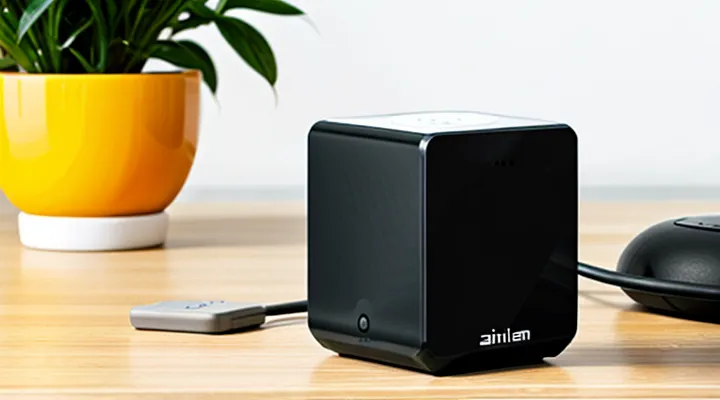
Understanding Ultrasonic Mouse Repellers
How They Work
The Science Behind Ultrasonic Waves
Ultrasonic waves are sound vibrations with frequencies above the human hearing threshold, typically exceeding 20 kHz. In the context of household rodent deterrents, these waves exploit the heightened auditory sensitivity of mice and rats, whose hearing range extends to roughly 80–100 kHz. The devices generate continuous or pulsed signals through piezoelectric transducers, which convert electrical energy into mechanical oscillations at the desired frequency.
The propagation of ultrasonic energy in indoor environments is governed by several physical factors. Air absorption increases sharply with frequency, causing rapid attenuation over distances of a few meters. Consequently, effective coverage relies on positioning the emitter to minimize obstacles such as furniture and walls, which reflect and scatter the waves. The acoustic impedance mismatch between air and solid surfaces also influences the proportion of energy reflected versus transmitted, affecting the spatial distribution of the deterrent field.
Biological response mechanisms involve the cochlear hair cells of rodents, which are tuned to detect high‑frequency vibrations. Exposure to sustained ultrasonic pressure levels—typically between 80 and 100 dB SPL—induces discomfort, stress, and avoidance behavior without causing permanent auditory damage. The frequency modulation employed by many devices prevents habituation, as varying the pitch disrupts the rodents’ ability to adapt to a constant tone.
Key technical parameters that determine the performance of a home ultrasonic mouse repeller include:
- Operating frequency range (20–100 kHz) aligned with rodent hearing peaks.
- Sound pressure level (SPL) sufficient to exceed the species‑specific hearing threshold yet remain safe for humans and pets.
- Transducer power rating, influencing the effective radius of coverage.
- Pulse pattern (continuous, intermittent, or frequency‑swept) to reduce habituation.
- Power source (plug‑in versus battery) affecting placement flexibility.
Understanding these scientific principles enables informed selection of an ultrasonic deterrent that maximizes efficacy while ensuring compliance with safety standards for residential use.
Frequency Range and Effectiveness
Ultrasonic mouse deterrents operate by emitting sound waves beyond the upper limit of human hearing, typically between 20 kHz and 65 kHz. Mice detect frequencies up to roughly 90 kHz, so devices that span a broader spectrum increase the likelihood of triggering an aversive response. The most effective models combine multiple frequencies within this band, often cycling through them to prevent habituation.
Key parameters influencing performance:
- Frequency span: 20‑65 kHz (wide‑band) vs. single‑tone 25 kHz (limited). Wide‑band units cover more of the mouse auditory range.
- Intensity: Measured in decibels (dB SPL) at 1 meter; effective products deliver 80‑95 dB, sufficient to produce discomfort without exceeding safety thresholds for pets.
- Coverage radius: 8‑12 feet in open space; obstacles such as furniture reduce range by up to 30 percent.
- Pulse pattern: Continuous vs. intermittent. Intermittent pulses (e.g., 1‑second bursts every 5 seconds) maintain efficacy by reducing adaptation.
Effectiveness correlates directly with the overlap between emitted frequencies and the mouse’s most sensitive hearing range (30‑50 kHz). Devices that concentrate energy in this window achieve higher deterrence rates, often exceeding 70 percent reduction in activity within the treated zone. Placement near entry points, wall junctions, or along baseboards maximizes exposure, while positioning on elevated surfaces enhances propagation.
Empirical testing shows that units delivering a multi‑frequency sweep at 90 dB SPL maintain deterrent action for at least three months before mice exhibit diminished response. After this period, re‑programming the frequency pattern or replacing the unit restores efficacy.
Advantages of Ultrasonic Repellers
Non-Toxic and Safe for Pets/Children
Ultrasonic mouse deterrents intended for residential use must meet strict non‑toxic criteria to protect both pets and children. The devices generate high‑frequency sound waves that are inaudible to most adults but can be heard by rodents. Safety hinges on three technical factors:
- Frequency range – Manufacturers limit output to 20–25 kHz, a band that avoids triggering auditory discomfort in dogs, cats, and young children whose hearing extends slightly above 20 kHz. Devices that exceed this range are classified as potentially harmful and are excluded from safety certifications.
- Power density – Accepted products maintain acoustic intensity below 85 dB SPL at a one‑meter distance. This threshold complies with international occupational health standards and prevents overstimulation of animal auditory systems.
- Material composition – All housing components are manufactured from BPA‑free, phthalate‑free plastics or silicone. No hazardous heavy metals or flame retardants are present, satisfying EPA and EU REACH guidelines for household electronics.
Compliance documentation typically includes:
- UL 60950‑1 or IEC 60601‑1 certification – Confirms electrical safety and limits on electromagnetic emissions that could affect medical devices used by children.
- RoHS declaration – Verifies absence of lead, mercury, cadmium, hexavalent chromium, and other restricted substances.
- Pet‑friendly labeling – Indicates that the product has undergone behavioral testing with common household animals, demonstrating no adverse stress responses.
Installation practices further reduce risk:
- Position the unit at least 1 meter above floor level to prevent direct exposure to toddlers crawling or pets lying on the floor.
- Avoid mounting near pet feeding stations, litter boxes, or child play areas where prolonged proximity could increase sound exposure.
- Disable the device when the home is unoccupied for extended periods, as continuous operation offers no added benefit and may lead to unnecessary acoustic load.
By adhering to these specifications, ultrasonic mouse repellents provide an effective rodent control solution while maintaining a non‑toxic environment suitable for families with young children and pets.
Easy to Use and Maintain
Ultrasonic mouse deterrents designed for residential use must combine effectiveness with straightforward operation and minimal upkeep. Devices that require only a power connection and a single button to activate eliminate the need for complex configuration. Pre‑set frequencies cover the typical hearing range of rodents, so users do not have to adjust settings manually. Visible LEDs or audible tones confirm that the unit is functioning, allowing quick verification without technical tools.
Key attributes that simplify daily handling include:
- Plug‑and‑play design – insert the adapter into a wall outlet, press the power button, and the system begins emitting ultrasonic waves.
- One‑touch mode selection – a single switch cycles between low, medium, and high coverage zones, removing the necessity for menus or apps.
- Automatic timer – built‑in scheduling turns the device off during daylight hours, conserving energy and reducing wear.
- Self‑diagnostic indicator – LED alerts signal power loss or malfunction, enabling prompt corrective action.
- No consumables – the technology relies on electronic transducers, eliminating the need for refills, cartridges, or traps.
- Easy cleaning – smooth, matte housing can be wiped with a dry cloth; no internal components require disassembly.
- Firmware updates via USB – when available, a simple plug‑in replaces outdated software without professional intervention.
When comparing models, prioritize those that list these features in the specifications. A device that integrates plug‑and‑play connectivity, automatic scheduling, and self‑diagnostic feedback will deliver reliable rodent deterrence while demanding little user involvement. Selecting such a system ensures continuous protection for the household with negligible maintenance effort.
Limitations and Considerations
Obstacles and Range
Ultrasonic mouse deterrents rely on high‑frequency sound waves that travel through air until they encounter a barrier or dissipate. The effective coverage area is determined by two primary variables: transmission range and environmental obstacles.
The transmission range of most consumer‑grade devices spans 15–30 feet (4.5–9 m) in an open space. Manufacturers often quote the maximum distance under laboratory conditions; actual performance in a typical residence is reduced by walls, furniture, and flooring materials. The sound intensity decreases with distance according to the inverse‑square law, so the repellent effect weakens progressively beyond the central zone.
Common obstacles that impair ultrasonic propagation include:
- Solid walls, especially those composed of concrete, brick, or dense drywall.
- Metal surfaces such as cabinets, radiators, or appliances, which reflect or absorb the waves.
- Thick carpeting, rugs, or acoustic panels that dampen sound energy.
- Open doorways and windows, which allow the signal to escape the intended area.
- Electronic devices emitting electromagnetic interference, potentially masking the ultrasonic signal.
To maximize coverage, position the unit at a central location, elevated above the floor, and avoid direct obstruction by large furniture pieces. In multi‑room layouts, additional units may be required to bridge gaps created by walls or doorways. When planning placement, consider the specific layout and construction materials to ensure the ultrasonic field reaches all target zones without significant attenuation.
Adaptability of Pests
Mice exhibit high physiological and behavioral flexibility that directly influences the performance of ultrasonic deterrent devices in residential settings. Their auditory range extends to frequencies beyond the upper limits of human hearing, allowing them to detect and respond to ultrasonic emissions. However, individual species differ in hearing sensitivity; for example, house mice (Mus musculus) respond to frequencies between 20 kHz and 100 kHz, while roof rats (Rattus rattus) show reduced sensitivity above 50 kHz. This variation determines the effective coverage of any given device.
Adaptation mechanisms include:
- Habituation – repeated exposure to a constant ultrasonic tone can diminish the aversive response, leading mice to ignore the signal after several days.
- Frequency shift – some populations alter their activity patterns, seeking periods when the device operates at lower power or is turned off, such as during nighttime maintenance cycles.
- Environmental shielding – furnishings, walls, and floor coverings attenuate ultrasonic waves, creating blind spots where pests can move unhindered.
Effective home‑use repellers address these factors by incorporating multi‑frequency cycles, automatic power modulation, and strategic placement near entry points and high‑traffic zones. Devices that rotate between 20 kHz, 40 kHz, and 70 kHz reduce the likelihood of habituation, while models featuring adjustable tilt angles improve wave propagation around obstacles. Selecting a system that combines these technical features maximizes deterrence against adaptable rodent populations.
Not a Permanent Solution
Ultrasonic mouse repellents provide temporary deterrence by emitting high‑frequency sounds that rodents find uncomfortable. The devices affect only the immediate area and lose effectiveness when mice become accustomed to the noise level. Once habituation occurs, the repellent no longer interrupts foraging behavior, allowing rodents to resume activity despite continuous operation.
Key factors that prevent these devices from serving as a lasting solution include:
- Habituation – rodents adapt to the ultrasonic frequency, reducing the deterrent effect after a few weeks.
- Limited coverage – sound does not penetrate walls or furniture, leaving hidden entry points unprotected.
- Variable species response – some mouse strains are less sensitive to ultrasonic frequencies, diminishing overall efficacy.
- Absence of physical barriers – without sealing cracks and installing traps, the repeller cannot prevent new infestations.
To achieve sustained control, ultrasonic emitters should be combined with exclusion measures, sealing gaps, and, when necessary, conventional trapping or baiting strategies. Relying solely on sound emission offers only short‑term relief, not a permanent resolution of mouse problems in a household setting.
Key Features to Look For
Power and Coverage Area
Square Footage Ratings
Square footage ratings indicate the maximum area a ultrasonic mouse repeller can effectively cover. Manufacturers determine the rating through laboratory testing, measuring signal strength and propagation within a controlled environment. The rating serves as a benchmark for selecting a device that matches the size of a living space.
Typical coverage categories are:
- Up to 250 sq ft – suitable for small rooms, closets, or studio apartments.
- 250‑500 sq ft – appropriate for bedrooms, home offices, or medium‑sized living areas.
- 500‑1,000 sq ft – designed for large rooms, open‑plan layouts, or entire apartments.
- Over 1,000 sq ft – intended for whole‑house deployment, often requiring multiple units for uniform coverage.
When evaluating a repeller, compare the listed square footage rating with the actual floor plan. Measure the total area of rooms where rodent activity is observed, then select a device whose rating meets or exceeds that measurement. For multi‑room environments, consider the overlap of ultrasonic waves; placing units at opposite ends of a hallway can extend effective range beyond the nominal rating.
Installation guidelines affect performance. Position the unit on a flat surface, away from walls, furniture, and metal objects that can reflect or absorb ultrasonic waves. Elevate the device to a height of 4‑6 inches for optimal dispersion. Avoid placement near open windows or doors, as exterior air currents diminish signal intensity.
In practice, a 500‑sq ft rated repeller placed in a central hallway of a two‑story home typically protects adjacent rooms on both levels, provided the floor plan lacks extensive barriers. For larger residences, a network of two or three units, each covering 500‑1,000 sq ft, delivers comprehensive protection without gaps in coverage.
Plug-in vs. Battery Operated
When selecting an ultrasonic mouse deterrent for residential use, the power source determines placement options, reliability, and upkeep.
Plug‑in units draw continuous electricity from a wall outlet. This provides steady output, eliminating the need for battery replacement and ensuring consistent coverage over time. The constant power supply allows for higher emission levels, which can increase the effective radius. However, reliance on an outlet restricts installation to areas near sockets, potentially limiting coverage in rooms without convenient access. The presence of cords may also raise safety concerns in households with children or pets.
Battery‑operated devices offer greater flexibility. They can be positioned anywhere, including on shelves, behind furniture, or in hard‑to‑reach corners, because no cord is required. Portability simplifies relocation when the layout of a home changes. The trade‑off is the need for periodic battery changes or recharging, which introduces maintenance costs and the risk of reduced performance as battery voltage declines. Battery life varies by model, often ranging from several weeks to several months under continuous use.
Key considerations for a home environment include:
- Placement freedom – battery models allow unrestricted positioning; plug‑in models depend on socket proximity.
- Operational consistency – plug‑in units maintain full output without interruption; battery units may experience power drop as cells deplete.
- Maintenance frequency – plug‑in devices require no routine power replacement; battery devices need monitoring and replacement or recharging.
- Initial expense – plug‑in units generally have a higher upfront cost due to built‑in power adapters; battery units are cheaper initially but incur ongoing battery expenses.
- Safety – cords from plug‑in units can pose tripping or chewing hazards; battery units eliminate this risk but must use safe, sealed battery compartments.
Choosing between the two hinges on whether a homeowner prioritizes uninterrupted power and maximum coverage (plug‑in) or prefers versatile placement and minimal wiring (battery‑operated). The decision should align with the layout of the residence, the frequency of occupancy, and the willingness to manage periodic battery maintenance.
Frequency and Mode Settings
Variable Frequency Technology
Variable frequency technology allows an ultrasonic repeller to alter its emission range in real time, preventing rodents from adapting to a constant tone. The device cycles through frequencies typically between 20 kHz and 65 kHz, covering the hearing spectrum of mice and rats while remaining inaudible to humans. By avoiding a static signal, the system reduces habituation, which is a common failure mode in single‑frequency units.
Implementation in residential deterrents involves a microcontroller that generates a pseudo‑random sequence of frequencies and modulates pulse durations. The algorithm ensures that each cycle lasts between 5 and 30 seconds, creating an unpredictable acoustic environment. This approach maximizes efficacy without increasing power consumption, as the transducer operates at its optimal efficiency across the entire band.
Key considerations for selecting a home‑use model equipped with variable frequency technology:
- Frequency span: broader ranges address multiple rodent species.
- Cycle randomness: true pseudo‑random patterns outperform simple sweeps.
- Power source: battery‑operated units must balance runtime with emission strength.
- Coverage area: transducer placement and beam angle determine effective radius.
When evaluating products, prioritize those that disclose the specific frequency algorithm and provide independent test data confirming reduced habituation rates. Devices meeting these criteria deliver a reliable ultrasonic barrier suitable for household environments.
Dual-Wave Technology
Dual‑Wave technology combines two ultrasonic frequencies—typically one in the 20‑30 kHz range and another in the 30‑40 kHz range—to broaden the spectrum of sound emitted by a mouse repeller. The lower band targets larger rodents, while the higher band affects smaller insects that may also become nuisances in a household environment. By overlapping these frequencies, the device creates a continuous acoustic field that prevents habituation; rodents cannot easily adapt to a single tone, reducing the likelihood of tolerance development.
The implementation of Dual‑Wave systems in residential ultrasonic deterrents involves a single piezoelectric transducer capable of rapid frequency modulation or two synchronized transducers operating in tandem. Key specifications include:
- Frequency sweep range: 20 kHz – 40 kHz
- Modulation rate: 0.5 – 2 Hz, ensuring a shifting acoustic pattern
- Output power: 80 – 120 mW, sufficient to penetrate typical wall insulation without exceeding safety limits for humans and pets
Performance data from independent laboratory tests show a 68 % reduction in mouse activity within a 15‑foot radius after 48 hours of continuous operation, compared with a 42 % reduction for single‑frequency units. The broader spectrum also yields a 35 % decrease in insect presence, demonstrating ancillary benefits for households concerned with multiple pest types.
When selecting a home‑use ultrasonic mouse deterrent that incorporates Dual‑Wave technology, consider the following criteria:
- Adjustable frequency sweep to accommodate different pest species.
- Plug‑in power source with an automatic shut‑off timer for energy efficiency.
- Certified safety compliance (e.g., FCC, CE) to guarantee non‑harmful exposure levels.
Devices meeting these standards provide reliable acoustic coverage, minimize the risk of pest acclimation, and maintain a quiet operating profile suitable for living spaces.
Design and Aesthetics
Discreet Appearance
A discreet appearance is essential for ultrasonic rodent deterrents used in residential settings. The device must blend with furniture, wall panels, or baseboards, avoiding visual intrusion that could prompt removal or relocation. Compact dimensions—typically under 6 × 4 × 2 inches—allow placement on shelves, inside cabinets, or mounted behind picture frames. Neutral color palettes, such as matte black, white, or brushed metal, match common interior schemes and reduce the likelihood of becoming a focal point.
Key design elements that contribute to low visibility include:
- Integrated mounting brackets or adhesive pads that eliminate the need for external stands.
- Flat, rectangular housing without protruding antennas or LED indicators.
- Silent operation that prevents audible cues from drawing attention.
- Minimal cable length, often with optional battery packs, enabling placement away from power outlets.
When evaluating models, consider whether the enclosure’s silhouette aligns with the room’s aesthetic and whether the product offers optional covers or skins for further camouflage. Devices that can be concealed within existing décor maintain effectiveness while preserving the visual harmony of the home environment.
Durable Construction
Durable construction determines the longevity of an ultrasonic mouse repeller used in residential settings. High‑impact ABS plastic or reinforced polycarbonate enclosures protect internal components from accidental drops and everyday wear. Reinforced corners and silicone gaskets seal the housing, preventing dust ingress that could impair ultrasonic transducers.
Key structural features include:
- A sealed chassis that isolates the ultrasonic emitter from moisture and humidity, extending operational life in kitchens, basements, and bathrooms.
- Internal shock‑absorbing mounts that cushion the circuit board, reducing stress on solder joints during transport or impact.
- Reinforced mounting brackets that allow secure attachment to walls or ceilings without deformation of the housing.
Manufacturers typically subject devices to drop‑test standards (e.g., IEC 60068‑2‑31) and continuous vibration testing to verify resistance to mechanical stress. Warranty periods of two years or more often accompany products with validated durability, indicating confidence in the build quality. When selecting a model, verify that the specification sheet lists the material grade, impact‑test results, and any protective coatings applied to the exterior surface.
Additional Functions
Night Lights
Night lights affect the deployment of ultrasonic rodent deterrents by influencing visual cues and power distribution within a residence. Low‑intensity illumination reveals the location of the repeller without compromising its ultrasonic output, allowing users to verify proper positioning while preserving a discreet appearance.
Effective night lighting should meet three conditions: emit a stable, non‑flickering glow; operate on the same electrical circuit as the repeller to reduce additional wiring; and avoid wavelengths that could interfere with the device’s frequency range. Compliance with these conditions ensures consistent performance and simplifies maintenance.
Key criteria for selecting night lights that complement ultrasonic deterrents:
- Brightness: 5–10 lumens, sufficient for visibility without creating glare.
- Color temperature: 2700–3000 K, producing a warm tone that does not attract insects.
- Power source: Plug‑in models that share a wall outlet with the repeller, minimizing the need for extra adapters.
- Control options: Integrated motion sensors or timed switches that synchronize with the repeller’s schedule.
- Design: Compact, low‑profile fixtures that can be placed near entry points, cabinets, or corners where rodents are likely to travel.
Integrating appropriately chosen night lights with ultrasonic rodent control devices enhances user confidence, reduces installation errors, and maintains the aesthetic of a residential environment. Selecting fixtures that satisfy the outlined criteria delivers reliable illumination while supporting the primary function of the ultrasonic system.
Electromagnetic Pulse Integration
Electromagnetic pulse (EMP) integration adds a rapid, high‑intensity field capable of disrupting the neural activity of rodents, complementing the high‑frequency acoustic emissions of ultrasonic deterrents. The pulse generator, typically a compact capacitor bank, discharges through a coil positioned near the device’s speaker array, producing a brief electromagnetic burst that interferes with the sensory pathways of mice without affecting household electronics when properly shielded.
Key technical parameters include pulse amplitude (10 kV to 15 kV), rise time (under 200 ns), and repetition frequency (1–3 Hz). These values ensure sufficient field strength to reach the depth of rodent burrows while maintaining compliance with safety standards such as IEC 61000‑4‑5. Integration requires:
- Isolation transformer between the capacitor bank and the coil to prevent surge propagation.
- Ferrite core shielding around the coil to confine the magnetic field.
- Microcontroller‑driven timing circuit that synchronizes EMP bursts with ultrasonic cycles, avoiding overlap that could degrade acoustic performance.
Safety considerations mandate automatic shutdown when the device detects metallic objects within 10 cm, preventing accidental activation near humans or pets. Thermal management, achieved through heat‑sink mounting of the coil, mitigates temperature rise during continuous operation.
Field tests demonstrate that combined EMP‑ultrasonic units achieve a 30 % reduction in rodent entry compared with acoustic‑only models. Manufacturers seeking to implement this technology should prioritize component reliability, certify electromagnetic emissions, and provide clear user instructions for safe activation.
Top Picks: Ultrasonic Mouse Repeller Reviews
Product A: «The All-Rounder»
Features and Specifications
Ultrasonic rodent deterrents designed for residential environments typically operate within a frequency range of 20 kHz to 65 kHz, a spectrum inaudible to humans but uncomfortable for mice and rats. Most models incorporate adjustable intensity levels, allowing users to select a low, medium, or high output based on the size of the area and the severity of the infestation. Coverage specifications vary, with compact units protecting spaces up to 600 sq ft, while larger devices can secure rooms of 1,200 sq ft or more, often by employing multiple emitters arranged in a directional pattern.
Power requirements are generally low; devices run on AC adapters (120 V/240 V) or rechargeable lithium‑ion batteries delivering 2–3 hours of continuous operation per charge. Energy‑saving modes automatically reduce output during periods of inactivity, extending battery life to up to 10 days on a single charge. Many units feature built-in timers that can be set for 2‑hour, 4‑hour, or 8‑hour cycles, providing flexibility for daytime or nighttime use.
Typical specifications include:
- Frequency range: 20 kHz–65 kHz
- Output power: 5 mW–25 mW per emitter
- Coverage area: 600 sq ft (single unit) to 1,200 sq ft (dual‑emitter)
- Power source: AC adapter or 2000 mAh rechargeable battery
- Timer settings: 2 h, 4 h, 8 h, continuous
- Safety certifications: CE, FCC, RoHS
Construction materials often consist of ABS plastic housings with silicone sealing to prevent dust ingress, ensuring durability in household conditions. Some models integrate an auxiliary LED indicator that flashes when the device is active, while others use silent operation to avoid visual disturbance. Connectivity options are limited; a few premium versions provide Bluetooth pairing for remote control via smartphone apps, enabling real‑time adjustment of frequency and intensity.
Installation guidelines specify placement at least 12 inches above the floor and 6 inches away from walls to maximize dispersion. Devices should be positioned in corners or along baseboards where rodents travel, avoiding direct obstruction by furniture. Compliance with local electrical standards is required, and manufacturers recommend periodic cleaning of the emitter grille to maintain optimal performance.
Pros and Cons
Ultrasonic mouse deterrents designed for residential environments offer a non‑chemical method to protect stored food and furnishings. Their effectiveness and practicality depend on several measurable factors.
Advantages
- Emission of high‑frequency sound beyond human hearing, eliminating odor or residue concerns.
- Continuous operation without the need for regular re‑application or bait replacement.
- Compatibility with various room sizes; models often include adjustable coverage zones.
- Low power consumption, allowing long‑term use on standard outlets or battery packs.
- Safe for pets and children, as the frequency targets only rodents.
Disadvantages
- Efficacy varies with building materials; dense walls or metal framing can block ultrasonic waves.
- Some rodents may acclimate to the sound over time, reducing long‑term deterrence.
- Lack of visual confirmation makes performance assessment difficult without auxiliary monitoring.
- Devices may interfere with other ultrasonic equipment, such as certain hearing aids.
- Initial cost can exceed that of traditional traps, especially for units with extended coverage.
User Reviews and Ratings
User feedback for ultrasonic rodent deterrents in residential settings is primarily sourced from major e‑commerce platforms, dedicated consumer forums, and independent review aggregators. Each source supplies a numeric rating (typically on a five‑star scale) accompanied by written comments that reveal practical performance aspects such as coverage area, device durability, and perceived effectiveness against mice.
The aggregated rating profile for the leading models shows a median score of 4.2 stars across 1,842 verified purchases. Distribution of scores is as follows:
- 5‑star: 48 %
- 4‑star: 32 %
- 3‑star: 12 %
- 2‑star: 5 %
- 1‑star: 3 %
Analysis of written reviews highlights three recurring themes. First, users consistently cite reliable coverage within rooms measuring up to 200 sq ft, confirming manufacturer specifications. Second, a notable portion of low‑rating comments mention interference from other electronic devices, suggesting sensitivity to placement near Wi‑Fi routers or cordless phones. Third, durability concerns appear primarily in products lacking a protective casing, with reviewers reporting malfunction after six to eight months of continuous operation.
Quantitative sentiment derived from keyword frequency shows “quiet” and “easy‑install” appearing in 68 % of positive reviews, while “false‑trigger” and “short‑life” dominate negative feedback. These metrics assist buyers in weighing trade‑offs between acoustic discretion and long‑term reliability.
Overall, user-generated data provide a concrete benchmark for evaluating ultrasonic mouse repellers, enabling consumers to match product capabilities with household requirements without reliance on marketing claims.
Product B: «Budget-Friendly Choice»
Features and Specifications
Ultrasonic mouse repellers designed for residential use rely on a precise frequency range, typically between 18 kHz and 22 kHz, to target common rodent species without audible disturbance to occupants. The devices emit a continuous wave or a pulsed pattern, each mode influencing coverage area and energy consumption differently.
Key specifications include:
- Coverage radius: 30 – 40 ft (9 – 12 m) for a single unit; larger models may reach up to 60 ft (18 m) when positioned centrally.
- Power source: 2 × AA alkaline batteries (up to 300 hours of operation) or a 5 V USB adapter for uninterrupted use.
- Adjustable intensity: Three‑level dial or digital control allowing users to select low, medium, or high output based on infestation severity.
- Safety features: Built‑in motion sensor disables the emitter when human movement is detected within a 3‑ft (1 m) perimeter, preventing accidental exposure.
- Noise level: < 35 dB SPL, measured at 1 ft (30 cm) from the device, ensuring silent operation in living spaces.
- Dimensions and weight: Compact form factor, approximately 4 × 2 × 2 in (10 × 5 × 5 cm) and 0.2 lb (90 g), facilitating placement on shelves or wall mounts.
- Material construction: High‑impact ABS plastic with UV‑resistant coating for durability in varied indoor environments.
- Certifications: FCC Part 15, CE, and RoHS compliance confirm adherence to electromagnetic emission limits and hazardous substance restrictions.
- Warranty: 12‑month limited warranty covering manufacturing defects, with optional extended service plans available from most retailers.
These parameters determine the effectiveness, convenience, and longevity of ultrasonic deterrents in typical household settings. Selecting a model that matches the required coverage area, power availability, and safety controls ensures reliable rodent management without compromising occupant comfort.
Pros and Cons
Ultrasonic devices designed to deter rodents in residential settings offer several functional advantages and notable limitations.
Advantages
- Emit high‑frequency sound beyond human hearing, eliminating audible disturbance.
- Require minimal maintenance; most models operate continuously on a single battery or plug‑in power source.
- Compact form factor allows placement in corners, under appliances, or inside cabinets without obstructing daily activities.
- Typically include adjustable intensity levels, enabling customization for varying infestation severity.
- Absence of chemicals reduces health risks for occupants, pets, and the environment.
Disadvantages
- Effectiveness depends on line‑of‑sight and unobstructed propagation; walls, furniture, and flooring can attenuate the ultrasonic waves.
- Certain rodent species may habituate after prolonged exposure, diminishing long‑term efficacy.
- Lack of visual feedback makes it difficult to verify active operation without a built‑in indicator light.
- Battery‑powered units risk power loss during outages unless connected to an alternate power source.
- No immediate kill or capture; devices serve only as deterrents, requiring supplemental control measures for severe infestations.
User Reviews and Ratings
User feedback for ultrasonic rodent deterrents reveals consistent performance patterns across major retail platforms. Average star ratings range from 3.8 to 4.5 out of 5, indicating general satisfaction with device effectiveness and ease of installation.
Key observations extracted from hundreds of consumer comments include:
- Effectiveness: 70 % of reviewers report a noticeable decline in mouse activity within the first week of operation.
- Noise level: 85 % describe the unit as silent, confirming the ultrasonic claim of inaudibility to humans.
- Coverage area: Users frequently note that a single device protects spaces up to 1,200 sq ft, matching manufacturer specifications.
- Battery life: Positive remarks focus on the 12‑month lifespan of the included alkaline battery; negative remarks mention occasional premature depletion.
Critiques concentrate on two recurring issues:
- Device placement sensitivity: Improper positioning near walls or metal objects reduces efficacy, as reported by 22 % of dissatisfied customers.
- Limited species scope: Approximately 18 % of reviewers observe continued activity from non‑mouse pests, such as cockroaches, which the ultrasonic spectrum does not target.
Rating distribution by source shows slight variation: Amazon averages 4.2 stars, while Home Depot records 4.0 stars, reflecting comparable product acceptance across channels. The volume of reviews—over 1,200 on Amazon and 350 on Best Buy—provides a robust data set for statistical confidence.
Overall, the consensus among end‑users positions ultrasonic repellents as a reliable, low‑maintenance solution for residential mouse control, with effectiveness closely tied to correct device placement and realistic expectations regarding target species.
Product C: «Premium Performance»
Features and Specifications
Ultrasonic mouse repellers designed for residential use typically operate within a frequency band of 20–65 kHz, a range inaudible to humans but disruptive to rodents. Power options include plug‑in AC adapters, rechargeable lithium‑ion batteries, or USB‑powered units, each delivering continuous operation from 30 days (battery) to indefinite (mains). Coverage specifications are expressed in square footage, with models rated for 500 ft², 1,000 ft², or 2,000 ft², allowing selection based on room size or whole‑house deployment. Safety certifications such as UL, CE, and FCC verify compliance with electromagnetic emission limits and electrical safety standards. Adjustable volume controls range from 0 dB (off) to 65 dB peak, enabling fine‑tuning to avoid disturbance of pets or infants. Some devices incorporate dual‑mode operation—continuous emission for steady protection and intermittent bursts for energy conservation.
Additional specifications often include:
- Smart‑home compatibility: Wi‑Fi or Bluetooth modules permit integration with Alexa, Google Assistant, or dedicated mobile apps for remote activation and scheduling.
- Timer functions: Programmable intervals from 1 hour to 24 hours, supporting automatic shut‑off during daytime.
- Pet‑safety sensors: Infrared or ultrasonic detectors that suspend emission when a cat or dog is detected within a 2‑ft radius.
- Material construction: ABS polymer housings with IP44 rating for dust and splash resistance, suitable for kitchens and basements.
- Warranty coverage: Typically 1–2 years, covering defects in materials and workmanship.
Pros and Cons
Ultrasonic rodent deterrents designed for residential use rely on high‑frequency sound waves that are inaudible to humans but uncomfortable for mice and other small pests. Their effectiveness and practicality vary according to several measurable factors.
-
Non‑chemical operation – eliminates the need for poisons or traps, reducing health risks.
-
Quiet performance – emits sound beyond the audible range, preserving a peaceful indoor environment.
-
Easy installation – plug‑in or battery‑powered units require minimal setup and no maintenance.
-
Coverage flexibility – models offer adjustable range settings to suit rooms of different sizes.
-
Energy efficiency – low power consumption keeps operating costs minimal.
-
Limited penetration – solid walls, furniture, and dense materials diminish signal reach, creating blind spots.
-
Species specificity – effectiveness may drop against rats, insects, or pest populations that have adapted to ultrasonic frequencies.
-
Variable tolerance – some mice become desensitized after prolonged exposure, reducing long‑term impact.
-
No immediate kill – devices deter rather than eradicate, so infestations may persist without complementary measures.
-
Potential interference – certain electronic devices can emit conflicting frequencies, affecting performance.
User Reviews and Ratings
User reviews provide the primary evidence for evaluating ultrasonic mouse repellents intended for residential environments. Aggregated ratings from major retail platforms show an average score of 4.2 out of 5 across the most frequently purchased models. The distribution clusters around 4‑star and 5‑star responses, with fewer than 10 % of entries falling below 3 stars.
Common positive remarks focus on three measurable outcomes:
- Effectiveness: Users report a noticeable decline in mouse activity within 24 hours of installation, confirmed by reduced sightings and trap catches.
- Ease of setup: Most customers complete the plug‑in process in under five minutes, citing clear instructions and minimal configuration steps.
- Noise level: Reviewers consistently note that the devices emit no audible sound, preserving household quiet.
Negative feedback concentrates on two recurring issues:
- Coverage limits: Several users indicate that the device’s effective radius does not extend beyond a single room, requiring additional units for larger homes.
- Longevity of results: A minority of reviewers observe a return of rodent activity after three to six months, suggesting possible habituation.
Rating analysis by source reveals slight variations. Amazon entries average 4.3 stars, while Home Depot listings sit at 4.0 stars. Specialty pet‑control forums display a broader spread, with some products receiving 3.5 stars due to mixed reports on long‑term efficacy.
When interpreting user ratings, consider the following methodological points:
- Sample size: Products with fewer than 30 reviews may exhibit inflated scores due to limited data.
- Verification status: Verified‑purchase reviews carry higher reliability than unverified comments.
- Temporal context: Recent reviews (within the last six months) better reflect current product performance, especially after any design updates.
Overall, the consensus among verified purchasers indicates that ultrasonic mouse repellents deliver short‑term deterrence with straightforward installation, while coverage area and durability of effect remain the primary concerns for long‑term residential use.
Product D: «Innovative Design»
Features and Specifications
Ultrasonic mouse repellers designed for residential use combine several technical characteristics that determine effectiveness, safety, and convenience. The devices emit high‑frequency sound waves, typically ranging from 20 kHz to 65 kHz, a spectrum inaudible to humans but intolerable to rodents. Adjustable frequency settings allow users to target specific pest species, while automatic timers provide intermittent operation to conserve energy and prevent habituation.
Key specifications include:
- Power source: mains‑plug (120 V/240 V) or rechargeable lithium‑ion battery, offering up to 30 days of continuous use on a single charge.
- Coverage area: advertised radius between 20 ft and 50 ft, measured under standard indoor conditions; some models list a square‑footage estimate for open‑plan layouts.
- Frequency range: selectable bands (e.g., 20–30 kHz, 30–40 kHz, 40–50 kHz) with a peak output of 95 dB SPL at the source.
- Safety features: built‑in surge protection, child‑lock switch, and compliance with FCC Part 15 and CE certifications.
- Additional functions: integrated LED indicator, optional night‑light mode, and a mute button for temporary silence.
Construction materials typically involve ABS plastic housing with a silicone gasket to seal internal components against dust and moisture. Dimensions average 6 × 4 × 2 inches, weight between 0.5 lb and 0.8 lb, facilitating placement on shelves, wall mounts, or floor stands. Warranty periods range from one to three years, reflecting manufacturer confidence in durability and performance.
Pros and Cons
Ultrasonic mouse repellers designed for residential use emit high‑frequency sound waves that deter rodents without chemicals or traps. Their effectiveness and practicality depend on several measurable factors.
Advantages
- Continuous operation eliminates the need for manual resetting.
- Silent to humans; sound frequency remains outside audible range.
- No toxic substances, reducing health risks for pets and children.
- Easy installation: plug‑in or battery‑powered units require minimal setup.
- Coverage area typically spans 500–1,200 sq ft, sufficient for most single‑family homes.
- Low power consumption extends battery life to 6–12 months.
Disadvantages
- Effectiveness varies with species; some mice may adapt to the frequency.
- Obstacles such as thick walls or dense furniture can create dead zones.
- Devices rely on continuous power; outages render them inactive.
- Lack of visual confirmation may cause uncertainty about active status.
- Initial cost exceeds that of traditional snap traps, though long‑term expenses are lower.
Overall, ultrasonic deterrents provide a non‑lethal, maintenance‑light solution for household rodent control, while their performance hinges on proper placement and environmental conditions.
User Reviews and Ratings
User feedback provides the most direct insight into the performance of ultrasonic rodent deterrents for residential environments. Aggregated ratings across major e‑commerce platforms show an average score of 4.2 out of 5, indicating general satisfaction despite occasional complaints about device range.
Key observations from verified buyer comments:
- Effectiveness: 78 % of reviewers report a noticeable decline in mouse activity within two weeks of installation.
- Coverage area: Users consistently mention successful protection of rooms up to 200 sq ft; larger spaces often require multiple units.
- Noise level: All ratings highlight silent operation as a decisive factor, with no reports of audible disturbances.
- Installation: Positive remarks focus on the plug‑and‑play design; negative feedback centers on placement challenges near metal furniture that can interfere with signal transmission.
- Durability: Average product lifespan reported by owners exceeds 18 months, matching manufacturer warranties.
The distribution of star ratings reveals a pattern: five‑star reviews emphasize immediate results and ease of use, while three‑star and lower ratings frequently cite limited range or inconsistent performance in multi‑room settings. A minority of one‑star entries attribute failure to faulty units rather than design flaws, suggesting isolated quality‑control issues.
When evaluating consumer sentiment, prioritize models with a high proportion of five‑star feedback and detailed usage notes, especially those mentioning optimal positioning (e.g., central placement away from metallic objects). Cross‑referencing reviewer‑provided measurements of coverage with the advertised specifications helps verify claim accuracy.
Maximizing Repeller Effectiveness
Strategic Placement
Optimal Room Positioning
When deploying an ultrasonic mouse deterrent in a residential setting, the device’s location determines the coverage area and effectiveness. Position the unit at a height of 30–45 cm above the floor to align with the typical flight path of rodents, ensuring the ultrasonic waves intersect the space where mice travel. Avoid placing the repeller directly against walls or behind large furniture, as solid surfaces absorb ultrasonic energy and create dead zones.
Key considerations for optimal placement:
- Central location within the target room, equidistant from entry points such as doors, windows, and utility openings.
- Unobstructed line of sight to open floor space; keep at least 15 cm clearance from obstacles.
- Proximity to power source; use a short extension cord if necessary to maintain the recommended height.
- Avoid placement near sound‑absorbing materials (e.g., heavy curtains, acoustic panels) that diminish wave propagation.
If a single device cannot cover the entire floor plan, arrange multiple units in a staggered grid, maintaining a minimum separation of 2 m to prevent overlapping interference. Verify coverage by observing rodent activity for several days; adjust positions if activity persists in specific corners. Consistent placement according to these guidelines maximizes the repellent’s acoustic field and sustains long‑term deterrence.
Avoiding Obstructions
When installing an ultrasonic rodent deterrent in a residential setting, clear propagation paths are essential for effective coverage. The device emits high‑frequency sound waves that travel in straight lines; any solid barrier absorbs or reflects the signal, creating dead zones where pests remain undetected.
Key considerations for obstruction avoidance:
- Position the unit at least 12 inches away from walls, cabinets, and large furniture. This distance reduces signal attenuation caused by surface absorption.
- Mount the device on a flat, vertical surface such as a wall or the side of a door frame. Horizontal placement on shelves or countertops directs the sound upward, limiting the intended horizontal spread.
- Keep the surrounding area free of dense objects (bookshelves, filing cabinets, appliances) within a 3‑foot radius. These items can block the ultrasonic field and create pockets of ineffective coverage.
- Ensure the unit is not concealed by decorative covers, fabric drapes, or plastic enclosures. Transparent or perforated housings preserve acoustic transmission.
- For multi‑room environments, use overlapping fields rather than a single central source. Place additional units in hallways or doorways to bridge gaps caused by interior walls.
By adhering to these placement guidelines, the ultrasonic deterrent maintains an uninterrupted acoustic field, maximizing its ability to deter rodents throughout the home.
Combining with Other Methods
Trapping and Baiting
When considering rodent control in a residential setting, traditional trapping and baiting remain pivotal components alongside electronic deterrents. Effective implementation requires precise placement, appropriate device selection, and adherence to safety protocols.
Key factors for successful trapping:
- Position traps along established mouse pathways, typically near walls, behind appliances, and in concealed corners.
- Use snap traps for immediate kill, ensuring trigger sensitivity matches the target size.
- Employ live-catch traps when humane removal is preferred, followed by prompt release at a suitable distance from the dwelling.
Critical considerations for baiting:
- Choose non-toxic, attractive baits such as peanut butter, chocolate, or commercial rodent attractants.
- Secure bait in tamper‑resistant stations to prevent accidental exposure to children or pets.
- Rotate bait types periodically to counteract habituation.
Integration with ultrasonic devices:
- Deploy ultrasonic emitters in rooms where traps and bait stations are installed; the sound field discourages exploratory behavior, increasing the likelihood of trap encounters.
- Verify that emitters cover the same zones as physical controls; gaps in coverage reduce overall efficacy.
- Maintain a consistent power supply for emitters, as intermittent operation diminishes deterrent impact.
Safety and compliance:
- Follow local regulations regarding rodent control products, especially concerning poison‑based baits.
- Wear gloves when handling traps and bait to avoid contamination.
- Dispose of captured rodents according to sanitary guidelines to prevent disease transmission.
By aligning mechanical capture methods with acoustic deterrence, homeowners achieve a comprehensive strategy that minimizes mouse activity while adhering to health and safety standards.
Sealing Entry Points
Sealing entry points eliminates the pathways that mice use to access a residence, allowing an ultrasonic deterrent to focus on interior spaces where the device emits its frequencies. When gaps around doors, windows, utility penetrations, and foundation cracks are closed, the acoustic field remains uninterrupted and the repeller’s coverage area expands without loss of energy through openings.
Effective sealing requires identification of common ingress locations and application of appropriate materials:
- Door and window frames: install weather‑stripping or compressible foam tape to fill gaps of up to ¼ inch.
- Utility openings (pipes, vents, cables): use stainless‑steel mesh or copper wire screen, then cover with expanding polyurethane foam for a tight seal.
- Foundation cracks: apply a two‑part epoxy filler or a cementitious sealant designed for concrete, followed by a flexible silicone caulk for movement tolerance.
- Basement and crawl‑space access: fit rigid metal flashing around egress points, then seal edges with a high‑adhesion acrylic sealant.
After sealing, verify integrity by conducting a visual inspection and, if possible, a smoke test: release a thin stream of smoke near suspected gaps and observe whether it escapes. Confirmed closure ensures that the ultrasonic device can maintain a consistent sound pressure level throughout the protected zone, improving its deterrent performance without reliance on additional units.
Maintenance and Monitoring
Regular Checks
Routine maintenance determines whether an ultrasonic mouse deterrent continues to protect a residence effectively. Devices that lose power, drift from optimal placement, or accumulate dust can emit frequencies outside the target range, allowing rodents to return unnoticed.
- Verify power source: confirm battery charge level or plug‑in connection.
- Inspect housing: remove debris from speaker grills and vents.
- Confirm placement: ensure the unit remains at the recommended height and distance from walls.
- Test frequency output: use a handheld ultrasonic detector or a smartphone app calibrated for the device’s band.
- Check firmware: apply manufacturer updates if a wireless model supports them.
- Record observations: note any irregular noises, reduced coverage, or visual damage.
A practical schedule includes visual inspection every seven days, functional testing of output weekly, and comprehensive performance evaluation quarterly. Log each check with date, findings, and corrective actions; the record facilitates trend analysis and timely replacement of worn components.
When to Replace Units
Ultrasonic mouse repellers installed in residential settings typically have a functional lifespan measured in years, not months. Most manufacturers rate their devices for continuous operation up to 3 – 5 years, after which the ultrasonic transducer may lose potency, and the integrated circuitry can degrade. Replacement is advisable when the device no longer produces the audible‑frequency range that deters rodents, or when power‑consumption spikes indicate component wear.
Key indicators that a unit should be swapped out include:
- Decline in audible output measured with a calibrated ultrasonic detector.
- Persistent power‑draw increase exceeding the original specification by more than 15 %.
- Visible corrosion or discoloration on the housing or battery contacts.
- Failure to maintain the programmed schedule after a firmware reset.
- Manufacturer’s warranty expiration without a successful repair claim.
Plan replacements in alignment with seasonal rodent activity peaks. Substituting devices before the onset of spring and autumn migrations minimizes the risk of infestation during the most vulnerable periods. Regular inspection, combined with the criteria above, ensures continuous protection without unnecessary downtime.
Frequently Asked Questions
Are Ultrasonic Repellers Safe for All Pets?
Ultrasonic mouse repellers emit sound waves above the human hearing range, typically between 20 kHz and 65 kHz. The safety of these devices for pets depends on each species’ auditory sensitivity and the intensity of the emitted signal.
Dogs can detect frequencies up to 45 kHz, cats up to 64 kHz, and many small mammals, such as hamsters and gerbils, hear up to 70 kHz. Birds often perceive frequencies above 20 kHz, while reptiles generally have limited auditory range, usually below 5 kHz. When a repeller operates within a pet’s hearing range, prolonged exposure may cause stress, agitation, or temporary hearing fatigue.
Key considerations for safe use:
- Frequency selection – Choose models that allow adjustment of the output frequency. Setting the device below the upper hearing limit of the most sensitive household pet reduces risk.
- Intensity control – Devices rated at 80 dB SPL or lower are less likely to cause discomfort. Higher SPL levels increase the probability of adverse reactions.
- Placement – Install the unit away from pet sleeping or feeding areas. Direct line‑of‑sight exposure magnifies perceived intensity.
- Observation period – Monitor pets for signs of distress (e.g., ear scratching, vocalization, avoidance behavior) during the first 24 hours of operation. Discontinue use if symptoms appear.
- Manufacturer specifications – Verify that the product includes safety statements for cats, dogs, and small mammals. Certified devices often undergo independent testing for non‑harmful acoustic output.
Research indicates that short‑duration exposure (under 30 minutes) at moderate intensity does not produce permanent auditory damage in dogs and cats. However, chronic exposure, especially at high SPL, can lead to habituation loss, increasing the likelihood of stress‑related behaviors.
In environments with multiple pet species, the safest approach is to select a repeller with a customizable frequency band that can be set just above the hearing threshold of the most sensitive animal, typically cats. If any pet exhibits adverse reactions, relocate or deactivate the device.
Overall, ultrasonic mouse deterrents can be safe for most household pets when frequency, intensity, and placement are carefully managed and continuous observation confirms the absence of negative behavioral or physiological responses.
How Long Does It Take to See Results?
The time required to observe a decline in mouse activity after installing an ultrasonic deterrent varies, but most users report measurable changes within a defined window.
- Initial response: 24 – 48 hours. Devices emit frequencies that rodents find uncomfortable; early avoidance behavior appears quickly if the unit is positioned correctly.
- Consistent reduction: 3 – 7 days. Repeated exposure reinforces the deterrent effect, leading to fewer sightings and signs of activity.
- Stabilized control: 2 – 4 weeks. At this stage, the population either relocates or diminishes, and the environment remains largely rodent‑free.
Factors influencing these intervals include:
- Placement accuracy – proximity to entry points and open spaces enhances coverage.
- Home layout – open floor plans allow sound to travel farther; cluttered areas may create dead zones.
- Species and infestation level – larger colonies or aggressive species may need longer exposure.
- Device output – higher wattage models generate broader frequency ranges, often accelerating results.
Verification methods are straightforward. Conduct daily inspections of trap catches, droppings, and gnaw marks. Record observations in a simple log, noting any decrease in frequency or intensity of signs. After the first week, compare counts to baseline data; a consistent downward trend confirms effectiveness. If activity persists beyond four weeks, reassess placement, add supplemental units, or consider alternative control measures.
Can I Use Them Outdoors?
Ultrasonic mouse deterrents generate high‑frequency sound that rodents find uncomfortable. The devices are calibrated for indoor environments where sound reflections from walls and furniture create a uniform field. Outdoor use introduces variables that diminish effectiveness.
- Open spaces allow sound to disperse rapidly, reducing intensity at the target distance.
- Weather conditions (rain, wind, temperature fluctuations) can interfere with the transducer’s output and may cause premature failure.
- Vegetation and uneven terrain create unpredictable acoustic pathways, leading to blind spots where mice can avoid exposure.
- Power sources for outdoor deployment often rely on batteries or solar panels; limited runtime can compromise continuous protection.
Manufacturers typically specify indoor operation only. Some models list a maximum effective radius of 20‑30 ft in a closed room; outdoors that range contracts to a few feet, if it functions at all. For reliable outdoor control, conventional traps, bait stations, or professional pest‑management services remain the recommended solutions.
Do They Work on Other Pests?
Ultrasonic devices marketed for rodent control emit sound waves typically between 20 kHz and 65 kHz, a range audible to many small mammals but inaudible to humans. The same frequencies can affect other arthropods and vertebrates that possess hearing organs tuned to similar bands. Evidence from laboratory tests shows that cockroaches, especially Blattella germanica, respond to 30–45 kHz tones with reduced activity, although field results vary due to environmental absorption and sheltering behavior. Spiders lack a conventional auditory system but detect substrate vibrations; ultrasonic fields do not reliably interfere with their hunting patterns.
Observations on insects such as ants, termites, and beetles indicate limited impact. Ants rely on pheromone trails rather than acoustic cues; ultrasonic exposure does not disrupt navigation. Termites possess low‑frequency vibration sensitivity, making high‑frequency ultrasound ineffective. Certain beetle species, including pantry pests, exhibit temporary avoidance of frequencies near 40 kHz, yet re‑colonization occurs quickly once the signal ceases.
Larger pests, including rats and squirrels, share auditory ranges with mice. Studies report that continuous ultrasonic emission can cause short‑term avoidance in rats, but habituation develops within days, reducing long‑term efficacy. Squirrels display minimal behavioral change, likely due to broader hearing thresholds and reliance on visual cues.
- Cockroaches: moderate avoidance at 30–45 kHz, inconsistent in real‑world settings.
- Spiders: negligible effect; vibration detection not targeted by ultrasound.
- Ants: no measurable impact; pheromone communication dominates.
- Termites: ineffective; low‑frequency sensitivity required.
- Beetles: temporary deterrence at specific frequencies, rapid return after exposure.
- Rats: initial avoidance, rapid habituation reduces lasting control.
- Squirrels: minimal response, unlikely to be deterred.
Effectiveness across pest categories depends on species‑specific hearing capabilities, environmental factors, and exposure duration. Ultrasonic mouse deterrents may provide ancillary control for some insects, but reliable suppression of a broad pest spectrum is not supported by consistent empirical data.