
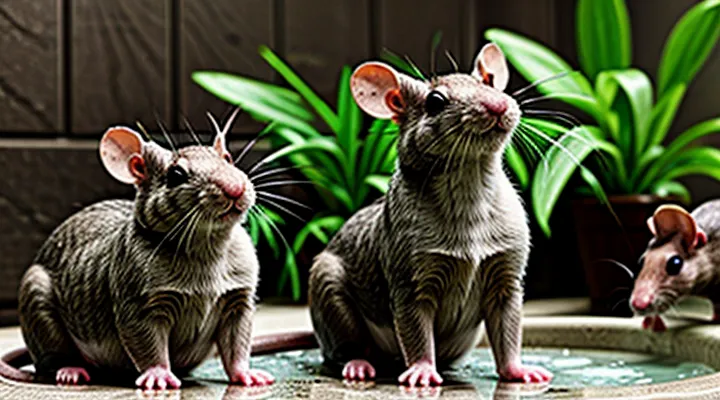
Understanding Dumbo Rats' Natural Grooming
The Importance of Self-Grooming
Self‑grooming is the primary method dambo rats use to maintain coat condition, remove parasites, and regulate body temperature. The behavior also stimulates circulation and strengthens the skin’s barrier against infection.
When evaluating the need for external bathing, consider the following points:
- Grooming frequency correlates with reduced external parasite load; frequent self‑cleaning typically eliminates the need for regular water baths.
- The natural oils distributed during grooming protect fur from desiccation; excessive bathing can strip these oils and impair insulation.
- Stress levels rise when rats are forced into water; self‑grooming provides a low‑stress alternative for hygiene maintenance.
- Observing grooming patterns offers insight into health; decreased grooming may signal illness or discomfort, prompting veterinary assessment.
If a dambo rat exhibits poor coat condition despite regular grooming, a single, mild bath with lukewarm water and a species‑appropriate, fragrance‑free cleanser may be administered. Immediately dry the animal and monitor for signs of skin irritation.
Overall, encouraging regular self‑grooming reduces reliance on bathing, preserves coat integrity, and supports the animal’s physiological stability.
When Do Rats Need a Bath?
Rats groom themselves continuously; a bath is rarely required. A bath becomes necessary only when the animal’s coat is visibly soiled, emits a strong odor, or when a skin condition such as fungal infection is diagnosed by a veterinarian.
Signs that a rat may need a bath include:
- Persistent dirt or oil buildup that normal grooming does not remove
- Unusual smell despite a clean cage
- Visible patches of hair loss or crusty skin
When a bath is indicated, use lukewarm water (approximately 30 °C) and a mild, pet‑safe shampoo. Limit exposure to 2–3 minutes to prevent stress and hypothermia. Rinse thoroughly, then gently towel‑dry and place the rat in a warm, draft‑free area until completely dry.
Routine bathing is unnecessary and can disrupt the natural oil balance of the fur, leading to dry skin and increased susceptibility to parasites. Regular cage cleaning, provision of sand baths, and monitoring of health status are sufficient for most pet rats.
If a rat shows persistent odor or coat issues despite proper husbandry, consult a veterinarian before attempting another bath.
The Risks of Bathing Dumbo Rats
Skin and Coat Issues
Dry Skin and Irritation
Bathing dambo rats can predispose them to dry skin and irritation. The species’ natural habitat provides high humidity, and their skin relies on ambient moisture to maintain barrier integrity. Removing this moisture too quickly or too often strips the protective lipid layer, leading to transepidermal water loss.
Key factors that exacerbate the condition:
- Over‑use of soaps or detergents lacking neutral pH.
- Water temperature above 30 °C, which accelerates lipid depletion.
- Insufficient drying time before returning the animal to its enclosure.
- Lack of supplemental humidity after the bath.
Consequences include flaky patches, redness, and increased susceptibility to secondary infections. Monitoring skin condition after each bath allows early detection of problems.
Mitigation strategies:
- Limit bathing frequency to the minimum required for health checks or necessary cleaning.
- Apply a gentle, reptile‑safe moisturizer or a thin layer of natural oil (e.g., jojoba) after drying.
- Maintain enclosure humidity at 70–80 % for at least several hours post‑bath.
- Use lukewarm water (25–28 °C) and a fragrance‑free, pH‑balanced cleanser designed for small mammals.
Implementing these measures reduces the risk of dry skin and irritation while preserving the benefits of occasional bathing.
Loss of Essential Oils
Bathing dambo rats can strip the skin of its natural essential oils. Water, especially when hot, dissolves the lipid layer that protects against dehydration and infection. Repeated immersion accelerates the depletion, leaving the coat dry and brittle.
Factors influencing oil loss include:
- Temperature above body heat, which increases solubility of oils.
- Detergent or soap residues that emulsify lipids.
- Length of exposure, with longer baths removing more oil.
Consequences of reduced essential oils are increased susceptibility to skin irritation, compromised barrier function, and a higher risk of parasite invasion. To preserve the protective layer, limit bathing frequency, use lukewarm water, and avoid harsh cleaning agents. If cleaning is necessary, apply a post‑bath moisturizer formulated for rodents to restore the lipid barrier.
Respiratory Problems
Sensitivity to Water and Temperature Changes
Dambo rats possess a highly developed cutaneous and thermoregulatory system that reacts sharply to moisture and temperature fluctuations. Direct exposure to water can disrupt the natural oil balance of the skin, leading to rapid loss of insulation and increased susceptibility to hypothermia. Even brief immersion in cool water may trigger vasoconstriction and reduced circulation, especially in individuals with compromised health.
Temperature shifts during bathing sessions amplify stress. Warm water above 30 °C can cause overheating, while water below 20 °C accelerates heat loss. The species’ small body mass limits its capacity to maintain core temperature, making precise control of water temperature essential for safety.
Behavioral signs of distress appear quickly: frantic swimming, prolonged grooming, and attempts to escape the water source. These actions indicate discomfort and a physiological response to the environmental change. Monitoring for tremors, shivering, or lethargy provides early detection of adverse effects.
Practical guidelines for handling water exposure:
- Use lukewarm water (24‑26 °C) only when necessary for medical procedures.
- Limit immersion time to a maximum of 30 seconds; dry the animal immediately afterward.
- Apply a soft, absorbent towel to remove excess moisture before returning the rat to its habitat.
- Maintain ambient room temperature at 22‑24 °C to reduce thermal gradient.
- Observe the animal continuously; abort the procedure if stress indicators emerge.
Adhering to these parameters minimizes the risk associated with water contact and preserves the animal’s physiological stability.
Stress and Anxiety
The Impact of Unfamiliar Environments
Bathing dambo rats in unfamiliar settings triggers physiological stress, alters grooming behavior, and can compromise immune function. Elevated cortisol levels indicate acute stress response; prolonged exposure may suppress lymphocyte activity, increasing susceptibility to infection.
Environmental novelty also affects social dynamics. Rats introduced to new habitats often display heightened aggression, reduced nesting, and disrupted foraging patterns. These changes reduce overall welfare and undermine experimental reliability when subjects are used for research.
Key impacts of unfamiliar environments:
- Stress hormone surge (cortisol, adrenaline)
- Decreased body temperature regulation
- Impaired coat condition and increased parasite load
- Altered social hierarchy and increased conflict
- Reduced reproductive performance
Mitigation strategies include gradual acclimation, environmental enrichment, and consistent temperature control. Implementing these measures minimizes stress, preserves health, and supports ethical standards in rodent care.
Alternatives to Traditional Bathing
Spot Cleaning for Minor Soiling
Using Damp Cloths and Unscented Wipes
Using damp cloths and unscented wipes offers a practical alternative to full immersion baths for dambo rats. The method reduces stress, prevents water‑related skin irritation, and maintains coat cleanliness with minimal residue.
Key considerations:
- Cloth moisture: keep the fabric slightly damp, not wet, to avoid soaking the animal.
- Wipe composition: select products free of fragrances, alcohol, and harsh chemicals; pure water or a mild saline solution is sufficient.
- Application technique: wipe in the direction of hair growth, covering the head, neck, limbs, and ventral surface. Avoid vigorous rubbing that could damage delicate skin.
- Frequency: limit use to weekly sessions or as needed when the coat becomes visibly dirty; excessive cleaning may strip natural oils.
- Observation: monitor for signs of skin redness, matting, or excessive scratching after each session; adjust moisture level or product choice accordingly.
When performed correctly, damp cloths and unscented wipes provide an efficient, low‑risk hygiene routine for dambo rats, supporting health without the complications associated with full baths.
Sand Baths for Coat Maintenance
Choosing Safe and Appropriate Sands
Selecting the right substrate for bathing dambo rats is critical to prevent injury, infection, and stress. The sand must be chemically inert, free of sharp particles, and maintain a stable temperature when wet.
- Particle size: grains between 0.5 mm and 2 mm allow gentle scratching without abrasions.
- Purity: sterilized, dust‑free sand eliminates pathogens and respiratory irritants.
- Absorbency: high‑capacity sand retains moisture without becoming soggy, reducing bacterial growth.
- pH neutrality: a pH range of 6.5–7.5 avoids skin irritation.
- Source: commercial reptile‑grade sand, sourced from reputable suppliers, ensures consistent quality.
Before introduction, rinse the sand in lukewarm water, then dry it to the desired moisture level. Replace the substrate weekly or when visible contamination occurs. Monitoring the rats’ behavior—such as avoidance or excessive grooming—provides immediate feedback on substrate suitability.
Maintaining a Clean Environment
The Role of Cage Hygiene
Bathing dambo rats remains a contested practice; cage hygiene determines whether additional cleaning is necessary. A clean enclosure reduces skin oil buildup, minimizes parasite exposure, and stabilizes the animal’s microenvironment, thereby lowering the need for supplemental baths.
- Daily spot‑cleaning removes feces and soiled bedding.
- Weekly full substrate change prevents accumulation of moisture and organic matter.
- Water bottles and food dishes must be rinsed with hot water and a mild disinfectant at least twice a week.
- Ventilation gaps should be inspected monthly to avoid excess humidity.
Neglecting these measures leads to crusty fur, dermatitis, and heightened susceptibility to bacterial or fungal infections. Persistent odors indicate bacterial proliferation, which can stress the rat and provoke abnormal grooming behavior.
Maintain a cleaning schedule that aligns with the colony’s size and activity level. Use unscented, animal‑safe detergents; rinse thoroughly to avoid residue. Monitor the cage for visible soiling and odor, adjusting the routine as needed. When hygiene standards are met, routine bathing offers little benefit and may disrupt the rat’s natural skin barrier.
When a Bath Becomes Necessary
Specific Health Conditions
Parasite Infestations
Bathing dambo rats is frequently considered a method to reduce parasite load, yet the practice carries specific risks and benefits that must be understood.
Common ectoparasites affecting dambo rats include:
- Sarcoptes scabiei (mange mites) – cause intense pruritus, skin thickening, and secondary bacterial infection.
- Notoedres cati – produce focal alopecia and crusted lesions.
- Fleas (Ctenocephalides spp.) – transmit bacterial agents and provoke allergic dermatitis.
- Internal nematodes (e.g., Strongyloides spp.) – may be present without external signs but exacerbate when skin barrier is compromised.
Accurate identification relies on visual inspection, dermal scrapings examined under microscopy, and, when indicated, fecal flotation for gastrointestinal parasites. Prompt treatment with appropriate acaricides or anthelmintics reduces morbidity and prevents spread to cohabiting animals.
Recommendations for bathing to manage infestations:
- Use a mild, veterinary‑approved shampoo formulated for rodents; avoid harsh detergents that damage the lipid barrier.
- Maintain water temperature between 30‑32 °C; colder water induces stress, hotter water causes burns.
- Limit immersion to 2–3 minutes; prolonged exposure increases hypothermia risk.
- Rinse thoroughly to eliminate residue that could irritate skin.
- Dry the animal completely with a low‑heat source or warm environment; monitor for shivering.
- Apply a targeted topical acaricide after the coat is dry, following dosage guidelines.
- Re‑evaluate parasite status after 7–10 days; repeat treatment if larvae persist.
Bathing alone does not eradicate internal parasites; regular fecal examinations and systemic deworming remain essential components of a comprehensive parasite control program.
Severe Soiling Unmanageable by Spot Cleaning
Dambo rats kept in enclosures with high‑moisture substrates frequently develop dense, sticky deposits that adhere to fur and skin. When waste, oil, and plant material combine, the resulting mass resists removal by targeted wiping or localized cleaning.
Spot cleaning leaves residual layers embedded in the coat, creating hotspots for bacterial growth and skin irritation. The accumulation also reduces the animal’s ability to regulate temperature, leading to stress and potential health decline.
A complete bath addresses the problem efficiently. Recommended procedure:
- Fill a shallow container with lukewarm water (approximately 30 °C).
- Add a few drops of a rodent‑safe, mild surfactant formulated for aquatic mammals.
- Submerge the rat briefly, allowing water to penetrate the fur.
- Gently massage the coat to loosen embedded debris.
- Rinse thoroughly to eliminate all soap residues.
- Dry with a low‑heat hair dryer or soft towels, ensuring the animal remains warm.
Bathing should be performed only when visual assessment confirms extensive soiling that cannot be resolved by localized cleaning. Frequent full baths may disrupt natural oil balance; schedule them sparingly, typically no more than once every two to three weeks, unless health indicators demand more immediate intervention.
Vet-Recommended Bathing Protocols
Guidance from Professionals
Professional guidance on cleaning dambo rats emphasizes safety, health, and animal welfare. Veterinarians advise that routine bathing is unnecessary for most healthy individuals; natural grooming behavior maintains coat condition and reduces stress. Excessive washing can disrupt skin microbiota, increase susceptibility to infections, and cause temperature shock.
When bathing is deemed essential—such as after exposure to toxic substances, severe soiling, or dermatological treatment—experts recommend the following protocol:
- Use lukewarm water (30‑32 °C) to prevent hypothermia.
- Apply a mild, veterinary‑approved cleanser; avoid human shampoos and harsh chemicals.
- Limit exposure time to 3‑5 minutes; promptly dry the animal with a soft towel and a low‑heat source if needed.
- Monitor respiratory rate and behavior throughout the process; discontinue if the rat shows signs of distress.
- Follow up with a veterinary check to assess skin integrity and overall health.
Veterinary specialists stress that any deviation from standard care should be discussed with a qualified practitioner before implementation.
Products Safe for Rats
Bathing dambo rats demands products formulated for small mammals; harsh detergents, fragrances, and alcohol can damage delicate skin and respiratory systems.
- Rodent‑specific shampoos free of sulfates, parabens, and artificial dyes.
- Unscented grooming wipes containing only water, aloe vera, and mild moisturizers.
- Mineral oil or veterinary‑grade ear cleaners without menthol or phenol.
- Soft, lint‑free towels treated with hypoallergenic, non‑ionic surfactants.
Select items that list “for rats” or “for small rodents” on the label, verify that the ingredient list excludes known irritants, and confirm that the product is veterinary‑approved. Conduct a patch test on a small area of skin before full application; observe the animal for signs of redness, sneezing, or excessive grooming.
Using only products meeting these criteria minimizes the risk of dermatological and respiratory complications while maintaining hygiene for dambo rats.
How to Bathe a Dumbo Rat Safely
Preparation for Bathing
Gathering Supplies
When preparing to bathe dambo rats, the first priority is a secure, shallow vessel that prevents slipping and allows easy access. A plastic tub or a wide, low-sided aquarium works well; the interior should be smooth to avoid injuries.
Warm water is essential. Maintain a temperature between 30 °C and 35 °C, verified with a digital thermometer. Water depth should not exceed one inch, enough to wet the fur without submerging the animal.
Mild, rodent‑safe cleanser is required. Choose a soap formulated for small mammals, free of fragrances and dyes. Apply a small amount to a soft cloth, not directly to the animal, to control exposure.
Absorbent, lint‑free towels facilitate rapid drying. Keep several on hand to replace a damp one quickly, minimizing the risk of chilling.
A soft grooming brush assists in removing debris after the wash. Select bristles that are gentle yet effective at detangling fur.
Disposable gloves protect the handler from potential bites and reduce cross‑contamination. Use a new pair for each session.
After bathing, a disinfectant suitable for cage surfaces should be ready. A diluted solution of quaternary ammonium or a veterinary‑approved sanitizer ensures the environment remains hygienic.
Supplies checklist
- Shallow, smooth‑sided tub or aquarium
- Digital thermometer
- Warm water source (e.g., kettle or hot tap)
- Rodent‑safe mild soap
- Soft cloth or sponge
- Lint‑free towels (multiple)
- Gentle grooming brush
- Disposable nitrile gloves
- Approved cage disinfectant
Collecting these items before the procedure eliminates interruptions and supports a safe, efficient bath for dambo rats.
Creating a Calm Environment
A calm setting reduces stress during a dambo rat bath, which directly influences health outcomes. Minimize sudden noises, bright lights, and rapid movements. Use a quiet room with dim, steady lighting and keep the temperature stable at approximately 24 °C (75 °F).
Prepare the bathing area in advance. Place a non‑slippery mat in a shallow container, add lukewarm water (30–32 °C), and have drying materials within reach. Ensure that all equipment is clean and free of strong odors that could startle the animal.
Key actions for maintaining tranquility:
- Speak in a low, steady voice throughout the procedure.
- Move slowly, allowing the rat to adjust to each step.
- Limit the duration of the bath to no more than five minutes, unless a medical reason dictates otherwise.
- After the bath, wrap the rat in a soft towel and keep it in a warm, quiet enclosure until fully dry.
Consistent application of these practices creates a predictable environment, making the bathing process safer and more acceptable for dambo rats.
The Bathing Process
Water Temperature and Depth
Bathing dambo rats requires careful control of water temperature and depth to prevent stress and health complications.
Optimal temperature lies between 24 °C and 28 °C (75 °F‑82 °F). Temperatures below 22 °C (72 °F) can induce hypothermia, while exceeding 30 °C (86 °F) raises the risk of overheating and respiratory distress. Consistent monitoring with a calibrated thermometer ensures the water remains within the safe range throughout the session.
Depth must accommodate the rats’ size and swimming ability. Recommended depth ranges from 5 cm to 10 cm (2‑4 in), allowing full submersion of the torso without forcing the animal to lift its head above water. Depths greater than 12 cm (5 in) increase the chance of drowning, especially for juveniles or individuals with limited mobility.
Practical guidelines:
- Use a shallow container that holds no more than 10 cm of water.
- Verify temperature before each bath; adjust with warm or cool water as needed.
- Observe the animal’s behavior; immediate exit from water indicates discomfort or inappropriate conditions.
- Maintain water cleanliness; replace or filter after each use to avoid bacterial buildup.
Adhering to these temperature and depth parameters supports safe bathing practices for dambo rats.
Gentle Handling Techniques
Gentle handling is essential when cleaning dambo rats to minimize stress and prevent injury. Approach the animal calmly, allowing it to sniff your hand before any contact. Support the body fully, using both hands to distribute weight evenly and avoid pressure on the spine.
The following techniques reduce risk during a bath:
- Pre‑wetting – moisten the fur with lukewarm water before applying any cleanser, preventing sudden temperature changes.
- Hand‑held support – place one hand under the chest and the other under the hindquarters, maintaining a stable grip without squeezing.
- Limited exposure – keep the bathing period under two minutes; prolonged immersion can cause hypothermia.
- Gentle rinsing – use a soft stream of water from a cup rather than a spray, directing flow away from the face and ears.
- Immediate drying – wrap the rat in a soft, absorbent towel and gently pat to remove excess moisture; avoid vigorous rubbing.
After bathing, observe the rat for signs of distress, such as rapid breathing or trembling. Return the animal to its enclosure promptly, providing a warm environment to restore body temperature. Consistent application of these handling methods supports the health and welfare of dambo rats during hygiene procedures.
Product Selection
When considering the practice of immersing dambo rats in water, selecting appropriate supplies determines animal safety and hygiene. Choose items that meet veterinary standards, resist contamination, and accommodate the species’ size and behavior.
Key selection criteria:
- Material: non‑porous, chemical‑free plastics or stainless steel to prevent bacterial growth.
- Capacity: containers large enough for the rat to move freely without stress, typically 1–2 liters for a single adult.
- Temperature control: thermostatically regulated heaters or insulated vessels to maintain a stable range of 26–30 °C.
- Drainage: sloped bottoms or removable trays that allow quick water removal and thorough drying.
- Cleaning: detachable components that fit dishwasher racks or tolerate high‑temperature sterilization.
Recommended products:
- Clear polycarbonate tank with hinged lid, dimensions 20 × 15 × 15 cm.
- Submersible aquarium heater with automatic shut‑off, calibrated to 28 °C.
- Silicone mat with drainage grooves, cut to fit tank interior.
- UV‑sterilizing lamp compatible with tank size, providing 15 minutes of exposure per session.
- Soft, absorbent microfiber towel for post‑bath drying, lint‑free and hypoallergenic.
Post-Bath Care
Drying Methods
After a dambo rat has been bathed, proper drying prevents skin irritation, hypothermia, and bacterial growth. Effective drying requires rapid moisture removal while minimizing stress.
- Towel blotting – press a clean, absorbent towel against the fur; rotate to cover the whole body. Avoid vigorous rubbing, which can damage the coat.
- Low‑heat air circulation – use a hair‑dryer set to the lowest temperature, positioned at least 12 cm from the animal. Keep airflow steady and moderate; excessive heat may cause burns.
- Warm ambient environment – place the rat in a room maintained at 24–26 °C with low humidity. Provide a soft bedding surface to allow natural air drying.
- Forced‑air cage inserts – install a low‑velocity fan in the cage, directing airflow across the rat’s back. Ensure the fan is quiet to reduce stress.
- Silica gel packets – place a small, breathable container of silica gel near the animal for supplemental moisture absorption. Replace packets regularly to maintain efficacy.
Key considerations:
- Time – aim to complete drying within 5–10 minutes. Prolonged dampness elevates infection risk.
- Temperature – never exceed 30 °C; monitor with a thermometer to avoid overheating.
- Stress reduction – handle the rat gently, keep movements predictable, and limit exposure to bright lights or loud noises during drying.
- Sanitation – use disposable towels or disinfected cloths for each session; clean air‑drying equipment after every use.
Implementing these methods ensures that dambo rats recover quickly from bathing, maintaining health and comfort.
Re-warming and Comfort
Bathing dambo rats introduces a rapid loss of body heat; immediate re‑warming is necessary to prevent hypothermia. Place the animal in a pre‑heated enclosure (22‑24 °C) and cover with a dry, lint‑free towel. Monitor core temperature until it stabilizes within the normal range (37‑38 °C) before returning the rat to its cage.
Key actions for post‑bath comfort:
- Use a low‑intensity heat lamp positioned 30 cm above the animal; do not exceed 30 °C surface temperature.
- Provide a soft bedding layer that retains warmth without restricting movement.
- Offer a small amount of fresh water and a familiar food item to reduce stress.
- Observe for signs of shivering, lethargy, or abnormal respiration; intervene promptly if symptoms appear.
Consistent application of these measures ensures that re‑warming supports physiological recovery and maintains overall welfare after bathing procedures.
Frequently Asked Questions
How Often Should Dumbo Rats Be Bathed?
Bathing Dumbo rats should be a rare event, not a routine part of care. Their skin secretes oils that protect against dehydration and infection; excessive washing removes this barrier and can cause irritation.
Recommended frequency
- Only when the animal is visibly soiled with urine, feces, or food residue.
- In cases of a health issue that produces a strong odor, a single gentle bath may be necessary, followed by a thorough drying period.
- Otherwise, avoid baths entirely; a weekly spot‑clean with a damp cloth is sufficient.
Procedure for an occasional bath
- Use lukewarm water (approximately 30 °C).
- Apply a mild, unscented soap formulated for small rodents; avoid human shampoos.
- Limit exposure to 2–3 minutes.
- Rinse thoroughly to eliminate all soap residue.
- Pat dry with a soft towel, then place the rat in a warm, draft‑free area until completely dry.
Bathing more frequently than the situations described above increases the risk of skin dryness, fungal growth, and stress. Regular grooming—brushing and monitoring coat condition—provides adequate hygiene for Dumbo rats.
Can I Use Human Shampoo on My Rat?
Human shampoo should not be used on a rat. The formulation is designed for human skin, which has a higher pH than rodent skin. Ingredients such as sulfates, fragrances, and preservatives can irritate the delicate fur and cause dermatitis.
Rodent skin tolerates only mild, pH‑balanced cleansers. Veterinary‑grade shampoos or unscented baby shampoo without additives are suitable alternatives. When selecting a product, verify that it is free of:
- artificial fragrances
- harsh detergents
- dyes or colorants
Bathing a rat requires careful preparation. Use lukewarm water (approximately 30 °C) and limit the session to a few minutes. Apply a small amount of the approved cleanser, lather gently, and avoid the face and ears. Rinse thoroughly to eliminate all residue, then dry with a soft towel or a low‑speed hair dryer set to cool.
After the bath, observe the animal for signs of discomfort, excessive scratching, or skin redness. If any reaction occurs, discontinue use and consult a veterinarian. Regular grooming, rather than frequent baths, maintains coat health and reduces the need for harsh cleaning agents.
What if My Rat Hates Water?
Rats that resist immersion present a specific challenge for owners who aim to maintain hygiene while respecting the animal’s natural aversion. The following points outline practical steps and considerations.
- Gradual exposure reduces stress. Begin with a shallow dish of lukewarm water, allowing the rat to explore without pressure. Increase depth only after the animal shows comfort.
- Use a non‑slippery surface such as a textured silicone mat. A stable footing encourages the rat to remain longer and prevents panic.
- Limit sessions to 30 seconds or less. Short intervals prevent overheating and minimize the risk of respiratory irritation.
- Apply a water‑soluble, rodent‑safe cleanser sparingly. Excessive soap can strip natural oils and provoke avoidance.
- Dry the rat with a low‑heat hair dryer set on the coolest setting, or gently towel‑dry. Immediate warmth helps prevent hypothermia.
- Monitor behavior after each bath. Signs of prolonged agitation, loss of appetite, or respiratory distress require cessation of bathing and veterinary consultation.
If a rat consistently refuses water despite these measures, alternative hygiene methods become necessary. Spot‑cleaning with a damp cloth, regular cage cleaning, and providing chewable enrichment to reduce oil buildup can maintain health without forced immersion. Veterinary assessment may reveal underlying medical conditions that exacerbate water aversion, guiding a tailored care plan.