
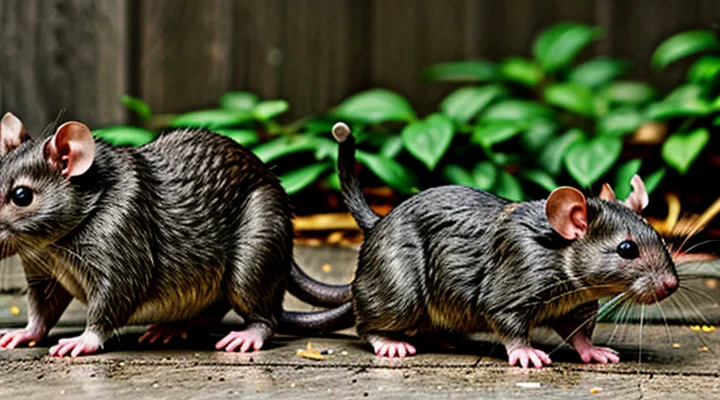
Understanding Rat Reproduction
Factors Influencing Litter Size
Age of the Rat
The age of a female rat directly influences the number of offspring produced per breeding event. Juvenile females (approximately 6‑8 weeks old) often yield smaller litters because reproductive systems have not reached full maturity. Rats in their prime reproductive window (10‑16 weeks) consistently generate the largest average litters. As age advances beyond 24 weeks, litter size typically declines due to hormonal attenuation and diminished oocyte quality.
Empirical observations from controlled colonies indicate the following average litter sizes:
- 6‑8 weeks: 4‑6 pups
- 10‑12 weeks: 8‑10 pups
- 14‑16 weeks: 9‑11 pups
- 20‑24 weeks: 7‑9 pups
-
24 weeks: 5‑7 pups
These figures reflect the combined effects of ovarian follicle development, estrous cycle regularity, and maternal physiological capacity. Younger females possess fewer mature follicles, limiting ovulation potential, while older rats experience reduced uterine receptivity and increased embryonic loss.
For laboratory breeding programs, optimizing reproductive output requires scheduling matings within the 10‑16‑week age range. Monitoring age‑related trends enables accurate prediction of cohort sizes and resource allocation, minimizing variability in experimental populations.
Genetics and Breed
Genetic background determines the typical litter size in laboratory rats. Inbred strains such as Wistar and Sprague‑Dawley consistently produce larger litters than outbred lines, reflecting fixed alleles that promote ovulation rate and embryonic survival. Conversely, certain mutant strains (e.g., those carrying the Rett or Ras mutations) exhibit reduced litter counts because of impaired fertility or increased embryonic loss.
Breed‑specific hormonal profiles also affect reproductive output. Strains selected for rapid growth display elevated circulating prolactin and luteinizing hormone during estrus, which correlates with higher ovulation numbers. Breeds engineered for disease resistance often show altered gonadal gene expression, resulting in modestly smaller litters but improved pup viability.
Key genetic and breed factors influencing mean litter size:
- Fixed quantitative trait loci (QTL) linked to ovulation and implantation efficiency.
- Presence of recessive infertility alleles that reduce embryo viability.
- Selective breeding for phenotypes such as high body mass, which indirectly raises litter count.
- Hormonal regulation genes (e.g., Prl, Lhb) differing among strains.
Understanding these variables enables precise prediction of expected litter sizes across rat populations.
Nutritional Status
Maternal nutritional condition directly influences the typical number of pups produced per reproductive cycle in rats. Adequate intake of protein, energy, and essential micronutrients correlates with higher offspring counts, whereas deficiencies reduce litter size.
Protein intake determines embryonic development capacity. Diets supplying 20–25 % crude protein sustain maximal pup numbers; reductions below 15 % consistently produce smaller litters. Excessive protein (>30 %) does not further increase offspring count and may impair reproductive efficiency.
Micronutrients essential for fetal growth include:
- Vitamin A: supports organogenesis; deficiency lowers average pup number by 10–15 %.
- Zinc: required for DNA synthesis; inadequate levels reduce litter size proportionally.
- Folate: critical for cell division; supplementation restores pup numbers in deficient females.
Energy balance exerts a dose‑response effect. Positive energy balance (caloric surplus of 10–15 % above maintenance) elevates litter size, while negative balance (restriction of 20 % or more) suppresses it. Timing of nutritional changes matters; adjustments during the peri‑conceptional period produce the most pronounced effects.
For laboratory breeding programs, maintaining a diet that meets or slightly exceeds the recommended protein and caloric thresholds, while providing complete micronutrient coverage, maximizes reproductive output. Monitoring body condition scores and adjusting feed formulations before mating ensures consistent litter sizes across generations.
Environmental Conditions
Environmental variables exert direct influence on the typical litter size of laboratory and wild rats. Temperature extremes reduce reproductive output, while temperatures between 22 °C and 26 °C support maximal ovulation rates and embryonic development. Nutrient availability determines the energy resources allocated to gestation; diets containing adequate protein (≥18 % of calories) and balanced micronutrients correlate with larger litters. Relative humidity affects uterine environment; levels of 45–55 % prevent dehydration‑induced embryonic loss.
Key factors can be summarized:
- Ambient temperature: optimal range 22‑26 °C; deviations >5 °C lower litter size by 10–30 %.
- Food quality: high‑protein, vitamin‑rich feed; deficiencies reduce pup numbers.
- Humidity: 45‑55 % maintains fluid balance; excess moisture increases respiratory infections, indirectly decreasing offspring count.
- Light cycle: 12 h light/12 h dark stabilizes hormonal cycles; irregular photoperiods disrupt estrous synchronization.
- Social density: overcrowding elevates stress hormones, suppressing ovulation; moderate group sizes (3‑4 females per cage) maximize reproductive efficiency.
- Stressors: noise, predator cues, handling frequency raise corticosterone, leading to smaller litters.
Housing design, ventilation, and sanitation further modulate reproductive performance. Well‑ventilated enclosures reduce airborne pathogens, preserving maternal health and supporting consistent litter sizes. Consistent monitoring of these parameters enables predictable breeding outcomes and facilitates experimental reproducibility.
Average Litter Size Across Rat Species
Common Pet Rats («Rattus norvegicus»)
Typical Range
The typical litter size for the common laboratory rat (Rattus norvegicus) falls between six and fourteen offspring, with most studies reporting a mean of eight to twelve pups per breeding event. Wild populations exhibit a slightly narrower distribution, generally producing five to ten young per litter, reflecting environmental constraints such as food availability and predation pressure.
Key factors influencing the observed range include:
- Genetic strain (e.g., Sprague‑Dawley, Wistar) – larger litters in outbred strains, smaller litters in inbred lines.
- Maternal age – peak productivity occurs between the second and fourth parity, after which litter size gradually declines.
- Seasonal variation – higher temperatures and longer daylight periods correlate with increased litter sizes in wild cohorts.
These parameters establish the expected boundaries for reproductive output in rats and provide a benchmark for experimental design, population modeling, and comparative studies.
First Litter Considerations
When evaluating the typical number of pups per rat litter, the first reproductive event requires special attention. Maternal age strongly influences output; younger females often produce fewer offspring than mature adults, while very old rats may experience reduced viability. Parity—whether the dam is experiencing her inaugural birth or subsequent ones—affects uterine environment, hormone profiles, and litter size. Genetic background determines baseline potential; inbred strains display narrower variation compared to outbred populations.
Environmental conditions also shape outcomes. Adequate protein intake, balanced micronutrients, and consistent temperature (approximately 22 °C) correlate with higher pup counts. Chronic stressors, such as overcrowding or frequent handling, suppress reproductive hormones and lower average litter size. Housing design that minimizes disturbances contributes to more reliable data.
Accurate assessment of the initial litter demands standardized data collection:
- Record dam’s exact age in weeks at parturition.
- Note parity status (first, second, etc.).
- Document diet composition and feeding schedule.
- Measure ambient temperature and humidity throughout gestation.
- Count live pups within 24 hours of birth, excluding stillbirths.
Statistical interpretation should account for the limited sample size typical of first litters. Confidence intervals tend to be wider, and outliers exert greater influence on mean values. Applying mixed‑effects models can isolate dam‑specific factors from broader population trends, enhancing the precision of average pup number estimates for inaugural reproductive cycles.
Subsequent Litters
The average number of pups born per breeding event in laboratory rats typically ranges from six to twelve, with variation linked to the mother’s physiological condition. When a female produces a second, third, or later litter, the mean litter size often shifts relative to the initial birth.
Data from longitudinal breeding studies reveal a consistent pattern: the first litter averages slightly lower than subsequent litters, while the third and fourth litters approach the upper end of the species‑specific range. After the fourth litter, a modest decline frequently occurs, reflecting cumulative reproductive stress.
Key determinants of litter size in later pregnancies include:
- Maternal age: younger females exhibit rapid growth in pup numbers, whereas older females show a gradual reduction.
- Nutritional status: protein‑rich diets correlate with larger litters across all parities.
- Genetic line: strains selected for high fecundity maintain elevated averages throughout successive births.
- Environmental factors: temperature stability and low stress levels sustain optimal litter sizes.
Understanding these trends assists researchers in planning colony management, optimizing experimental timelines, and interpreting developmental outcomes that may be influenced by variations in pup number across successive reproductive cycles.
Wild Rat Populations
Survival Instincts and Breeding
Rats exhibit strong survival instincts that directly affect reproductive output. Females assess environmental cues—food availability, predator pressure, and population density—before initiating a breeding cycle. When resources are abundant, hormonal pathways accelerate ovulation, leading to larger litters; scarcity triggers delayed estrus and reduced offspring numbers.
Breeding strategies balance offspring quantity with maternal capacity. A typical litter comprises 6 to 12 pups, but the exact count varies with:
- Nutrient intake during gestation
- Age and physiological condition of the dam
- Seasonal temperature fluctuations
- Presence of competing conspecifics
These variables interact to optimize the trade‑off between litter size and the probability that each pup reaches independence. High‑risk environments favor smaller litters, conserving energy for prolonged parental care, while stable habitats support larger broods, maximizing reproductive success.
Genetic predisposition also shapes litter size. Selective pressures have favored alleles that modulate uterine capacity and milk production, ensuring that pups receive sufficient nourishment without exhausting the mother’s reserves. Consequently, average litter numbers reflect an equilibrium between innate biological limits and adaptive responses to external stressors.
Impact of Food Availability
Food supply directly influences reproductive output in laboratory and wild rodents. When females receive abundant nutrition, their bodies allocate more resources to ovulation and embryonic development, resulting in larger litters. Conversely, restricted diets reduce the number of offspring per birth.
Empirical studies show a proportional relationship between caloric intake and mean litter size. Rats fed ad libitum produce litters that are 15 %–30 % larger than those on a 60 %‑restricted regimen. The effect persists across strains and persists when food quality, not only quantity, improves.
Key physiological pathways include:
- Elevated leptin levels stimulate gonadotropin‑releasing hormone, increasing ovulation rates.
- Enhanced maternal body fat reserves extend uterine capacity for embryo implantation.
- Greater glucose availability supports fetal growth, reducing prenatal mortality.
Population models incorporate these findings to predict rapid growth under plentiful food conditions and slower expansion during scarcity. Management strategies for pest control therefore consider habitat manipulation that limits food access to suppress reproductive output.
Care for Pregnant Rats and Pups
Pre-natal Care
Diet and Supplementation
Diet composition directly influences the number of offspring produced per pregnancy in laboratory rats. Protein levels above 18 % of caloric intake increase average litter size, while diets below 12 % reduce it. Energy density of 3.5–4.0 kcal g⁻¹ supports optimal embryonic development; lower values correlate with decreased pup counts.
Key dietary components:
- Protein: Casein or soy‑based sources provide essential amino acids; supplementation with 0.5 % methionine improves embryonic survival.
- Fat: Inclusion of 5–7 % soybean oil supplies linoleic acid, which enhances uterine receptivity.
- Carbohydrate: Starch‑rich formulations maintain glucose stability; abrupt shifts to high‑sugar diets disrupt hormonal cycles and lower pup numbers.
- Fiber: 3–5 % cellulose improves gut health, indirectly supporting reproductive efficiency.
Micronutrient supplementation produces measurable effects:
- Vitamin E (30 IU kg⁻¹ diet): Reduces oxidative stress in gestating females, resulting in a 4–6 % increase in litter count.
- Folic acid (2 mg kg⁻¹): Prevents neural tube defects and modestly raises offspring numbers.
- Zinc (120 mg kg⁻¹): Enhances spermatogenesis and maternal hormone synthesis, contributing to larger litters.
Experimental data indicate that combined macro‑ and micronutrient optimization yields the highest reproductive output. Protocols that maintain consistent nutrient ratios throughout gestation and lactation achieve the most reliable increase in average pup numbers, with variations typically within a ±1.2 range compared to baseline.
Practical recommendations for breeding facilities:
- Formulate a diet containing 20 % protein, 6 % fat, and 4 % fiber.
- Add vitamin E, folic acid, and zinc at the specified concentrations.
- Monitor feed intake weekly to ensure energy intake remains stable.
- Adjust nutrient levels only after confirming baseline reproductive performance.
Implementing these dietary guidelines consistently aligns nutritional status with maximal litter production, reducing variability in offspring numbers across breeding cycles.
Nesting Environment
The mean number of offspring per breeding event in rats varies with the characteristics of the nest in which the litter is reared. Empirical studies report that optimal nesting conditions can increase the average litter size by up to 15 % compared with suboptimal environments.
Key elements of the nesting environment that influence litter size include:
- Temperature control – ambient temperatures between 22 °C and 26 °C support embryonic development and reduce prenatal mortality.
- Humidity regulation – relative humidity of 50–60 % prevents dehydration of neonates and maintains maternal comfort.
- Nest material quality – soft, insulating substrates such as shredded paper or cotton provide thermal stability and reduce stress for the dam.
- Space availability – a nest area of at least 200 cm² allows unrestricted movement, decreasing the likelihood of maternal aggression and subsequent litter loss.
- Predator and disturbance exposure – minimal auditory and visual disturbances lower cortisol levels in the mother, correlating with higher offspring counts.
When these parameters are met, laboratory colonies typically produce litters of 10–12 pups, whereas colonies housed in colder, crowded, or poorly insulated nests often yield 7–9 pups. Adjusting the nesting environment to meet the outlined criteria therefore represents a practical method for enhancing reproductive output in rat populations.
Post-natal Care
Monitoring Mother and Pups
Monitoring the dam and her offspring provides the primary data required to calculate the typical litter size in laboratory rats. Direct observation of maternal behavior, combined with systematic recording of pup numbers, yields accurate estimates of reproductive output.
Effective monitoring involves several standard procedures:
- Identification of the dam through ear tags or subcutaneous chips to ensure individual tracking.
- Daily visual checks during the first week post‑parturition to confirm pup viability and count.
- Weighing each pup at birth and at regular intervals (e.g., days 3, 7, and 14) to assess growth patterns.
- Video recording of nesting activity to capture any maternal neglect or cannibalism that could affect the final count.
Data collection follows a defined schedule. Researchers record the total number of pups present at birth, note any loss during the neonatal period, and calculate the mean count across multiple litters. Statistical analysis of these figures provides the average litter size for the colony, informing breeding strategies and experimental design.
Weaning Process
The weaning process marks the transition from maternal milk to solid food and directly influences the developmental trajectory of pups in a litter. Initiation typically occurs between post‑natal day 14 and day 21, depending on strain, maternal condition, and environmental temperature. During this interval, pups gradually increase consumption of rodent chow while reducing nursing bouts, leading to a measurable decline in milk intake.
Key physiological changes accompany weaning:
- Enlargement of the gastrointestinal tract, enabling efficient digestion of complex carbohydrates and proteins.
- Up‑regulation of pancreatic enzymes, particularly amylase and lipase, to process solid nutrients.
- Shift in hormone profiles, with decreased prolactin and elevated cortisol, supporting metabolic adaptation.
Behaviorally, pups exhibit increased locomotor activity and exploratory behavior as they separate from the dam. This independence reduces competition for maternal resources, allowing a more accurate assessment of litter size metrics. Studies show that early weaning (around day 14) can result in reduced average litter size estimates due to higher pre‑weaning mortality, whereas standard weaning (day 21) yields stable counts that reflect true reproductive output.
Management recommendations for laboratory colonies include:
- Provide nutritionally balanced chow with soft texture to facilitate early ingestion.
- Maintain ambient temperature between 22 °C and 24 °C to prevent hypothermia during reduced nursing.
- Monitor weight gain daily; a plateau indicates readiness for full weaning.
Accurate documentation of weaning age and conditions is essential for reliable calculation of average litter size across breeding cycles. Consistent protocols minimize variability and support reproducible research outcomes.