
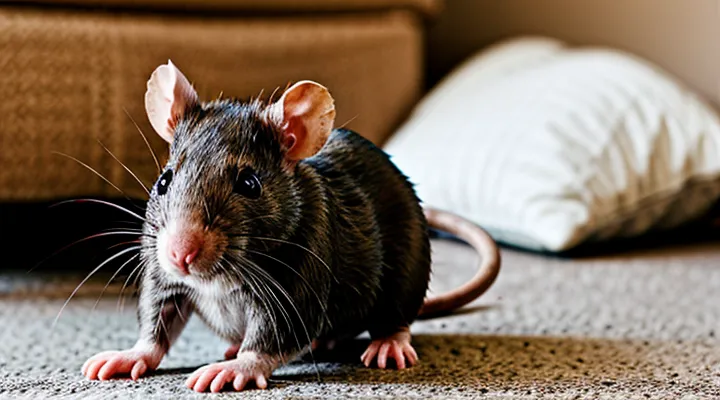
Understanding Rat Lifespan and Development
The Early Weeks: Critical Development Stages
Weaning and Socialization
Acquiring a rat after it has completed the weaning period yields the most reliable temperament and health outcomes. Weaning typically occurs between three and four weeks of age; at this stage the pup can digest solid food independently and no longer depends on the mother’s milk. Removing a rat before this milestone often results in nutritional deficiencies and heightened stress, which can impair growth and increase susceptibility to disease.
Socialization should begin immediately after weaning. Early exposure to gentle handling, diverse scents, and varied environments encourages confidence and reduces fear of humans. Recommended practices include:
- Daily short handling sessions lasting 2–3 minutes, gradually increasing duration as the rat shows comfort.
- Introducing the rat to a clean cage with multiple enrichment items (tunnels, chew toys, climbing structures) within the first week post‑weaning.
- Allowing brief, supervised interactions with other rats of similar age to foster proper hierarchy and social skills.
By securing a rat at three to four weeks old and implementing systematic socialization, owners maximize the animal’s adaptability, minimize behavioral problems, and lay the foundation for a long, healthy companionship.
Physical Milestones
Rats reach a stage of physical readiness for handling and independent care between three and five weeks of age. At this point they have been weaned from their mother, exhibit stable body weight, and possess fully erupted incisors capable of gnawing standard cage materials. Their skeletal structure has transitioned from the pliable cartilage of newborns to a more rigid framework, reducing the risk of fractures during routine handling.
Key physical milestones influencing the optimal acquisition window include:
- Weaning (≈ 21‑28 days): cessation of maternal milk, ability to consume solid food.
- Incisor eruption (≈ 14‑21 days): development of self‑grooming and chewing capabilities.
- Weight plateau (≈ 30‑35 days): average adult size (~150‑250 g) approached, indicating mature metabolism.
- Motor coordination (≈ 25‑35 days): improved balance, climbing, and exploration skills, allowing safe interaction with enrichment items.
- Skeletal ossification (≈ 28‑40 days): bones fully mineralized, minimizing injury risk during handling.
Acquiring a rat after these milestones ensures the animal can thrive in a domestic environment, tolerate handling, and adapt to a diet independent of maternal care.
Optimal Acquisition Ages and Their Implications
Acquiring Pups («Juveniles»)
Benefits: Socialization and Bonding Potential
Acquiring a rat during its early developmental stage maximizes opportunities for social integration and strong owner‑animal attachment. Juvenile rats, typically between three and five weeks old, exhibit heightened receptivity to human handling. This period coincides with the species’ sensitive socialization window, during which neural circuits governing trust and affiliative behavior are most plastic.
Early exposure to gentle touch, voice, and routine interactions establishes a baseline of calm responsiveness. Rats handled regularly in this phase demonstrate reduced fear responses, lower stress hormone levels, and increased willingness to explore new environments alongside their caretaker. Consequently, the bond formed is durable, persisting throughout the animal’s lifespan.
Key advantages of early acquisition include:
- Accelerated habituation to handling, resulting in smoother veterinary examinations and grooming.
- Strengthened reciprocal communication, enabling clearer interpretation of subtle behavioral cues.
- Enhanced group cohesion when multiple rats are kept together, as early‑socialized individuals more readily accept companions and share resources.
Delaying acquisition until adulthood limits the rat’s capacity for deep bonding. Mature rats often retain wariness toward humans, requiring prolonged training to achieve comparable levels of trust. Therefore, the optimal age for introducing a rat into a household aligns with its juvenile phase, ensuring maximal socialization efficiency and lasting relational benefits.
Challenges: Increased Care Requirements
Acquiring a rat at an early developmental stage intensifies the owner’s responsibilities. Juvenile rodents require frequent feeding schedules, precise portion control, and a diet that transitions from milk‑based formulas to solid foods without causing digestive upset. Monitoring weight gain and growth rates becomes a daily task, and any deviation may indicate health issues that demand prompt veterinary attention.
Social integration also demands heightened vigilance. Young rats are more susceptible to bullying from older cage mates, necessitating separate enclosures or gradual introductions under close observation. Failure to provide adequate companionship can lead to stress‑induced behaviors, such as excessive grooming or aggression, which increase the workload for the caretaker.
Environmental management grows more complex. Bedding must be changed multiple times per week to prevent ammonia buildup, which can impair respiratory health in immature animals. Enrichment items need regular rotation to stimulate curiosity and prevent stereotypic pacing, a behavior common in under‑stimulated juveniles.
Key challenges include:
- Precise nutritional planning and frequent weight checks.
- Careful socialization to avoid dominance conflicts.
- Rigorous hygiene routines to maintain air quality.
- Continuous provision of mental stimulation through varied enrichment.
Addressing these factors reduces the risk of illness, behavioral problems, and premature loss, ensuring that the rat’s early life stage does not become a burden but a manageable phase for the owner.
Acquiring Adult Rats
Benefits: Established Personalities and Reduced Initial Demands
Rats that have passed the neonatal stage display consistent temperaments, allowing prospective owners to assess compatibility before commitment. Their behavior patterns are observable, reducing uncertainty about aggression, shyness, or sociability. This predictability streamlines integration into a household, as the animal’s reactions to handling, cage mates, and environmental changes are already evident.
Older juveniles also require fewer immediate interventions. Their immune systems are more mature, decreasing the frequency of veterinary visits for routine vaccinations and illness prevention. Feeding routines are established; they readily accept standard rodent diets without the specialized supplementation necessary for newborns. Cage enrichment needs are identifiable, enabling owners to provide appropriate toys and tunnels from the outset rather than experimenting with trial‑and‑error approaches.
Key advantages of acquiring a rat at this developmental stage include:
- Clearly observable personality traits for informed selection.
- Lower risk of health complications typical of neonates.
- Immediate compatibility with existing pets or co‑habiting rats.
- Simplified feeding and grooming protocols.
- Faster adaptation to the home environment, minimizing stress for both animal and owner.
Challenges: Shorter Remaining Lifespan
Rats typically live 2–3 years, with the majority of their lifespan occurring during the first two years. Acquiring a rat at a later stage reduces the period available for socialization, training, and health monitoring, compressing the time owners have to establish a stable bond and address potential medical issues.
Key challenges linked to a shortened remaining lifespan include:
- Accelerated onset of age‑related diseases, limiting preventive care opportunities.
- Reduced adaptability to new environments, increasing stress during the adjustment period.
- Diminished capacity for behavioral shaping, resulting in fewer observable personality traits.
- Shortened window for breeding programs, affecting genetic diversity and research applications.
Special Considerations for Senior Rats
The Appeal of «Retired» Rodents
Older rats present a distinct set of advantages for prospective owners. Their temperament is typically steadier, having passed the adolescent surge of curiosity and occasional aggression. This stability reduces the likelihood of sudden bites and simplifies handling for beginners and experienced caretakers alike.
Health assessments are more reliable with mature rodents. Veterinary examinations performed after the first few months reveal any chronic conditions, allowing adopters to make informed decisions about long‑term care. In contrast, younger animals may conceal hereditary issues that emerge only later.
Personality is observable at an advanced stage. Prospective owners can meet a rat whose behavior, sociability, and activity level are already established, eliminating speculation inherent in adopting a juvenile. This transparency aligns with responsible pet acquisition, where matching a animal’s character to the owner’s lifestyle is paramount.
Key reasons to consider an older rat include:
- Predictable demeanor reduces training time.
- Confirmed health status supports budgeting for medical needs.
- Known social preferences aid integration into existing small‑animal households.
- Lower demand often results in reduced adoption fees.
Specific Health and Dietary Needs
Rats acquired at a stage when their nutritional and health needs are manageable present fewer complications and adapt more readily to a household environment.
Neonatal rats (birth to 3 weeks) rely exclusively on maternal milk; they cannot process solid food and are vulnerable to dehydration and hypoglycemia. Introducing solid nutrition before natural weaning often leads to digestive upset and growth retardation.
Weanlings (3–5 weeks) begin accepting softened pellets and fresh vegetables. Their diet should consist of 70 % high‑quality rodent pellets, 20 % fresh greens (e.g., kale, carrot tops), and 10 % occasional fruit or protein treats. Water must be available at all times, with fresh supplies changed daily.
Juvenile rats (5 weeks to 3 months) can handle standard pellets and a broader range of vegetables. Calcium‑rich foods (broccoli, bok choy) support skeletal development, while occasional boiled egg or mealworm provides essential protein. Over‑feeding seeds or nuts should be avoided to prevent obesity.
Adult rats (over 3 months) maintain the same pellet‑centric diet, but caloric intake should be adjusted based on activity level and body condition. Fiber‑rich vegetables remain crucial for gastrointestinal health; occasional fruit serves as enrichment rather than a staple.
Health considerations align with age:
- Physical examination by a veterinarian familiar with small rodents at adoption, then quarterly for the first year.
- Parasite control: monthly fecal examinations for mites, lice, and intestinal worms; appropriate treatments administered promptly.
- Dental monitoring: incisors grow continuously; provide chew toys and inspect for malocclusion during each health check.
- Vaccination is not routine for pet rats; however, monitoring for respiratory infections (e.g., Mycoplasma) is essential, especially in younger animals.
Practical care guidelines:
- Begin with a measured amount of softened pellets for weanlings; increase portion size as the rat matures.
- Introduce new vegetables one at a time, observing for adverse reactions.
- Maintain a clean cage, replace bedding weekly, and disinfect food dishes to prevent bacterial growth.
- Provide enrichment (tunnels, climbing structures) to encourage natural foraging behavior and reduce stress.
Aligning acquisition timing with these health and dietary parameters reduces the risk of nutritional deficiencies, illness, and behavioral issues, leading to a healthier, more resilient pet rat.
Factors Influencing the Decision
Your Experience Level with Rats
First-Time Owners
First‑time rat owners should aim to bring a pet into the home when the animal has completed weaning but before it reaches full independence. The optimal window lies between four and six weeks of age. At four weeks the rat has been separated from its mother, can eat solid food, and begins to exhibit social behaviors that are essential for bonding with humans. Extending the acquisition to six weeks allows the animal additional time to develop stable temperament and immune maturity, reducing the risk of stress‑related illnesses.
Key considerations for new owners include:
- Health verification: request a recent health check from the breeder or shelter, confirming absence of respiratory infections and parasites.
- Socialization level: assess the rat’s interaction with littermates and humans; well‑socialized individuals adapt more quickly to a household environment.
- Physical development: ensure the rat’s fur is clean, eyes are bright, and weight is appropriate for its age (approximately 30–45 g at four weeks, increasing steadily thereafter).
- Cage readiness: provide a spacious enclosure with solid flooring, nesting material, and enrichment items before the rat arrives.
Choosing a rat within the four‑to‑six‑week range maximizes the likelihood of a smooth transition, promotes healthy growth, and facilitates the development of a strong owner‑pet relationship.
Experienced Handlers
Experienced rat owners recognize that the animal’s developmental stage strongly influences handling success. Rats reach physical maturity between five and eight weeks, yet their behavioral stability continues to improve until approximately twelve weeks. Acquiring a rat after this period reduces the risk of bite incidents and promotes smoother integration into an established household.
Key reasons experienced handlers favor rats older than twelve weeks:
- Musculoskeletal strength sufficient for safe interaction without excessive fragility.
- Social confidence developed through early weaning and group dynamics, leading to reduced fear of humans.
- Established scent profile that aligns with colony hierarchy, easing acceptance by resident rats.
- Predictable health baseline, allowing accurate assessment of veterinary needs.
Veterinary guidelines support this timing, noting that immunization schedules and parasite control are typically completed by ten weeks. Consequently, a rat aged twelve to sixteen weeks presents the optimal balance of physical robustness and social maturity, facilitating reliable handling for both novice and seasoned caretakers.
Time Commitment and Lifestyle
Availability for Early Socialization
Early socialization begins when rat pups are weaned, typically between 3 and 4 weeks of age. At this stage they are receptive to handling, can recognize human scent, and develop confidence that reduces fear later in life. Acquiring a rat before the end of the fourth week ensures the animal experiences consistent, gentle contact during a sensitive developmental window.
Breeders and shelters that specialize in young rodents usually list availability of weanlings. When sourcing a rat, verify that the provider:
- Supplies pups no older than 4 weeks
- Allows daily handling sessions of 5–10 minutes during the first two weeks of ownership
- Provides a quiet, low‑stress environment for the initial transition
Early exposure to varied stimuli—different sounds, textures, and gentle handling—creates a foundation for stable behavior. Delaying acquisition until after the fifth week reduces the effectiveness of socialization, leading to heightened skittishness and longer adjustment periods.
Adapting to an Adult Rat’s Routine
Adopting an adult rat requires immediate alignment with its established daily pattern. The animal’s feeding schedule, activity peaks, and sleep cycle are already set, so the new caretaker must mirror these rhythms to reduce stress and promote health.
First, observe the rat for 24–48 hours. Note the times it approaches the water bottle, seeks food, and retreats to its nest. Record these intervals and use them as a baseline for routine adjustments.
Second, synchronize the household environment.
- Place food at the same hour the rat typically eats; use the same type of pellet or fresh produce it prefers.
- Provide fresh water concurrently, ensuring the bottle remains uncluttered.
- Keep the cage in a quiet, dimly lit area during the rat’s natural rest period, usually late afternoon to early morning.
Third, introduce enrichment gradually. Adult rats are accustomed to specific toys or tunnels; replace unfamiliar items with familiar equivalents before adding new stimuli. Rotate enrichment objects during active periods to maintain engagement without disrupting established habits.
Fourth, maintain consistent handling times. Approach the rat during its awake phase, offering gentle strokes and brief sessions. Consistency builds trust and prevents anxiety associated with unpredictable contact.
Finally, monitor health indicators. Stable weight, regular fecal output, and bright eyes signal successful adaptation. Any deviation—loss of appetite, excessive grooming, or altered activity—warrants prompt veterinary consultation.
By matching the caretaker’s schedule to the rat’s pre‑existing routine, the transition proceeds smoothly, supporting the animal’s welfare and fostering a reliable companion relationship.
Number of Rats Being Acquired
Introducing Pups to Existing Colonies
When adding a new litter to an established group, the age of the newcomers determines the ease of integration and the stability of the colony. Rats that have been weaned but are not yet sexually mature—typically between three and five weeks old—exhibit the highest adaptability. At this stage they possess sufficient independence to explore without triggering territorial aggression from resident adults, yet they remain immature enough to be accepted as non‑threatening members.
Key considerations for successful integration:
- Separate the pups in a quarantine cage for at least one week to monitor health and prevent disease transmission.
- Provide identical bedding, food, and enrichment in the quarantine cage to reduce stress caused by environmental differences.
- Introduce a neutral arena (a clean, unfamiliar cage) where a few resident rats and the pups can interact under supervision.
- Observe body language: relaxed postures, mutual grooming, and shared nesting indicate acceptance; repeated chattering, lunging, or biting signal conflict.
- Gradually increase interaction time, extending from 10‑15 minutes to several hours over several days, before allowing cohabitation in the main colony.
After full integration, continue daily observation for at least two weeks. Any signs of weight loss, injuries, or persistent aggression require immediate separation and reassessment of the introduction protocol. Maintaining a stable environment—consistent temperature, lighting, and feeding schedule—supports the colony’s overall health and minimizes disruptions caused by new members.
Integrating Adult Rats
Acquiring a rat at an age beyond the juvenile stage changes the integration process. Adult rats possess established hierarchies, territorial instincts, and learned behaviors that differ from those of pups. Successful assimilation therefore relies on precise health assessment, controlled exposure, and systematic socialization.
- Conduct a veterinary examination to verify the absence of parasites, respiratory infections, and dental issues before introduction.
- Place the new adult in a separate quarantine enclosure for at least seven days; observe appetite, grooming, and activity levels.
- Provide enrichment items (tunnels, chew toys, nesting material) identical to those in the resident group’s habitat to reduce novelty stress.
- Initiate visual contact through a clear barrier; allow short, supervised sessions while monitoring vocalizations and posture.
- Advance to neutral‑ground interaction by arranging a neutral cage without established scent marks; keep sessions brief (5–10 minutes) and increase duration only after calm behavior is evident.
- Establish a consistent feeding schedule; offer shared treats to promote positive association, but avoid competition by placing food in multiple locations.
- Observe social cues: upright posture, grooming of conspecifics, and relaxed whisker position indicate acceptance; aggressive lunges, biting, or sustained chasing signal the need for additional separation time.
Gradual exposure, strict health protocols, and attentive observation create conditions where adult rats can integrate without destabilizing existing group dynamics. The outlined steps minimize stress, prevent disease transmission, and support the formation of a cohesive colony.
Health and Temperament Considerations at Any Age
Reputable Breeders vs. Rescues
Health Guarantees and Pedigree Information
Selecting the optimal moment to bring a rat into a household requires careful examination of health guarantees and pedigree documentation. Reliable breeders provide written assurances that the animal has undergone veterinary examinations, is free of common ailments such as respiratory infections and parasites, and includes a record of any vaccinations administered. These guarantees typically specify the period during which the breeder will replace or refund the animal if health issues arise, establishing a clear accountability framework.
Pedigree information reveals the genetic lineage of the rat, identifying inherited traits and potential predispositions to hereditary conditions. A complete pedigree chart lists the parents, grandparents, and any notable ancestors, often accompanied by health certificates that confirm the absence of genetic disorders. Breeders who adhere to recognized standards—such as those set by the National Fancy Rat Society—use selective breeding practices to minimize the incidence of defects and to maintain breed integrity.
When evaluating the appropriate age for acquisition, consider the following points:
- Health verification: Younger rats (four to six weeks) may lack a full health history; older rats (three to six months) usually possess documented veterinary checks.
- Pedigree depth: Rats with extensive lineage records provide clearer insight into hereditary health trends, facilitating informed decisions.
- Guarantee duration: Longer guarantee periods reduce risk, especially for younger animals whose health status is still developing.
- Breeder reputation: Established breeders with transparent policies and third‑party certifications offer higher reliability.
Balancing these elements enables prospective owners to choose an age that aligns with both health assurance and genetic confidence, ultimately supporting the long‑term well‑being of the pet rat.
Behavioral Assessments in Different Environments
Behavioral assessment across settings provides objective data for determining the most suitable age to introduce a pet rat into a household. Observations in a controlled enclosure, a semi‑natural enrichment area, and a typical home environment reveal age‑specific patterns of activity, stress response, and social interaction.
In the juvenile stage (3–5 weeks old), rats display high exploratory drive, rapid habituation to novel objects, and strong affiliative behavior toward littermates. Tests such as open‑field tracking and social preference trials show low baseline corticosterone levels, indicating resilience to mild environmental changes. These metrics suggest that early acquisition supports adaptability to new surroundings.
During adolescence (6–8 weeks old), territorial marking intensifies and learning curves on maze or operant tasks steepen. Enrichment chambers reveal increased problem‑solving capacity, while home‑cage observations detect heightened aggression toward unfamiliar conspecifics. Stress markers rise modestly under unpredictable lighting or handling schedules, signaling a transitional period where environmental stability becomes critical.
In adulthood (9 weeks onward), behavioral profiles stabilize. Consistency in foraging patterns, reduced novelty seeking, and sustained social bonds emerge across all tested environments. Health screenings show lower incidence of respiratory issues when rats are housed with familiar bedding and consistent temperature. Adult rats exhibit reliable responses in anxiety‑related assays, facilitating predictable care routines.
Key assessment criteria by age:
- Exploratory activity – open‑field distance, rearing frequency
- Social affiliation – time spent in proximity to peers, grooming bouts
- Stress physiology – corticosterone concentration, heart‑rate variability
- Cognitive performance – maze completion time, operant conditioning success
- Aggression level – frequency of biting, dominance displays
Data indicate that acquiring a rat before the onset of adolescent aggression, ideally during the juvenile window, maximizes adaptability and minimizes stress in a domestic setting. Early introduction aligns with superior exploratory behavior, stable social bonds, and lower physiological stress, establishing a foundation for a well‑adjusted companion.
Initial Health Checks Upon Acquisition
When a rat joins a household, a systematic health assessment is essential. Begin with a visual inspection: examine fur for bald patches, mats, or parasites; check skin for redness, abrasions, or swelling. Evaluate eyes and ears for clarity, discharge, or crusting, and ensure the nose is free of mucus.
Assess the rat’s body condition by measuring weight with a precise scale. Compare the result to age‑specific standards; a sudden deviation signals possible illness. Feel the abdomen gently for firmness or tenderness, and palpate the hindquarters to detect tumors or enlarged organs.
Inspect the oral cavity. Open the mouth to view incisors; they should be sharp, aligned, and free of overgrowth. Look for signs of gingivitis, sores, or excessive drooling.
Listen to respiratory and cardiac activity using a stethoscope. Normal breath sounds are quiet and regular; wheezes, crackles, or irregular heartbeats require veterinary attention.
Collect a fresh fecal sample for parasite analysis. Perform a microscopic examination or submit the sample to a laboratory to identify common internal parasites and bacterial pathogens.
Record observations in a health log, noting date, weight, and any abnormalities. This documentation supports ongoing care and facilitates communication with a veterinarian.
Within 24–48 hours of acquisition, schedule a professional veterinary examination. The veterinarian will confirm initial findings, administer vaccinations if needed, and provide parasite prevention recommendations. A brief quarantine period, separate from other small animals, reduces the risk of disease transmission during this critical health‑screening phase.