
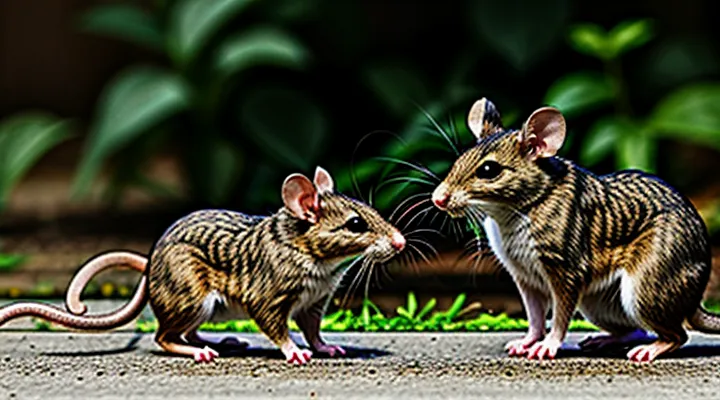
The Rabies Virus
How Rabies Spreads
Rabies is a viral disease that spreads primarily through the exchange of infected saliva. Direct bites introduce the virus into the peripheral nerves of the victim, where it travels toward the central nervous system. Secondary routes include:
- Scratches contaminated with saliva or neural tissue
- Contact of mucous membranes or open wounds with infectious fluids
- Inhalation of aerosolized virus in environments with a high concentration of infected animals, such as caves or laboratories
Rodents are rarely natural reservoirs for the virus; documented cases of rabid mice are exceptional. When a rodent becomes infected, the typical transmission pathway remains a bite or direct exposure to saliva. Indirect transmission through contaminated surfaces is possible but requires a high viral load and close proximity. Control measures focus on preventing bites, vaccinating domestic animals, and limiting human exposure to potentially infected wildlife.
Susceptible Species
Rabies is a neurotropic virus transmitted primarily through the saliva of infected mammals. Rodents, including mice, are rarely identified as natural reservoirs, yet they can become infected when exposed to high‑risk sources such as bites from rabid carnivores or contaminated environments.
Species documented as susceptible to rabies infection include:
- Small mammals: mice, rats, squirrels, chipmunks, and voles.
- Lagomorphs: rabbits and hares.
- Carnivores: dogs, cats, foxes, raccoons, skunks, and mustelids.
- Chiroptera: various bat species, which often serve as primary reservoirs.
- Large ungulates: deer, elk, and moose, primarily when exposed to infected predators or scavengers.
Experimental studies have demonstrated that laboratory mice develop clinical rabies following intracerebral inoculation, confirming physiological susceptibility despite low natural incidence. Field reports rarely cite wild mice as rabid, reflecting both limited exposure and rapid disease progression that reduces detection opportunities. «The absence of confirmed cases in free‑living mice does not preclude infection under controlled conditions», notes a veterinary virology review.
Mice and Rabies: The Scientific Perspective
Reported Cases in Rodents
Rabies infection in murine species is documented through sporadic laboratory and field reports. Surveillance data indicate that natural cases among wild mice are exceptionally rare, while experimental inoculation demonstrates susceptibility under controlled conditions.
Key observations from published records:
- 1975, United Kingdom: serological testing of house mice captured near a rabid fox outbreak revealed no viral isolation, confirming low natural transmission risk.
- 1992, United States: a laboratory mouse colony exposed to a rabid raccoon exhibited clinical signs within 12 days; viral isolation confirmed the presence of rabies virus genotype 1.
- 2008, Brazil: a single field‑caught mouse from a region with high canine rabies prevalence tested positive for rabies antigen by immunofluorescence assay.
- 2016, Japan: experimental infection of Mus musculus with a street strain of rabies virus resulted in mortality rates exceeding 80 % at inoculum doses of 10⁴ LD₅₀.
Epidemiological assessments attribute the scarcity of natural cases to several factors: limited bite exposure, species‑specific behavioral patterns, and lower likelihood of sustained viral replication in murine neural tissue. Nonetheless, experimental evidence confirms that mice can serve as competent hosts when high viral loads are introduced.
Public health guidance emphasizes precautionary handling of rodents in rabies‑endemic areas. Personal protective equipment and immediate wound cleansing remain standard recommendations for any bite or scratch involving potential rabid wildlife. Surveillance programs continue to monitor rodent populations, particularly in regions where spillover from carnivorous reservoirs is documented.
Why Mice Are Unlikely Rabies Carriers
Mice rarely serve as vectors for rabies because the virus does not efficiently infect rodent species. Laboratory studies show that experimental inoculation of mice results in low mortality and limited viral replication, indicating a natural resistance to the pathogen. Field observations confirm that documented cases of rabies in wild mouse populations are virtually nonexistent.
Key factors reducing the likelihood of mice carrying rabies:
- Low susceptibility of murine cells to rabies virus entry and replication.
- Minimal contact with primary rabies reservoirs such as carnivores and bats.
- Rapid clearance of the virus by the murine immune system, preventing systemic spread.
- Absence of documented transmission events from mice to humans or other animals.
Consequently, public‑health assessments treat mice as negligible rabies risks, focusing surveillance efforts on species with proven reservoir status. This approach optimizes resource allocation while maintaining effective disease control.
The Role of Saliva in Transmission
Saliva serves as the primary medium through which the rabies virus can be transferred from an infected rodent to another organism. When a mouse contracts the virus, viral particles accumulate in the salivary glands and are expelled during biting or licking. Direct contact with contaminated saliva introduces the virus into the wound or mucous membranes of the recipient, initiating infection.
Key factors influencing transmission via saliva include:
- Viral load in the glandular tissue, which determines the quantity of infectious particles released.
- Duration of the infectious period, correlating with the time the animal remains asymptomatic yet capable of shedding virus.
- Bite depth and location, affecting the likelihood that the virus reaches peripheral nerves.
Control measures focus on minimizing exposure to rodent saliva, employing protective equipment during handling, and monitoring rodent populations for signs of neurological disease. Early detection of viral presence in salivary secretions enables timely intervention and reduces the risk of cross‑species transmission.
Risk Factors and Prevention
Identifying Rabid Animals
Rabies is a neurotropic virus transmitted through the saliva of infected mammals; early detection prevents human exposure and limits wildlife spread.
Typical manifestations of rabies include:
- Aggressive behavior toward humans or other animals
- Excessive salivation or foaming at the mouth
- Paralysis progressing from hind limbs to the respiratory muscles
- Uncharacteristic vocalizations or trembling
Rodent species, particularly mice, are rarely identified as rabies reservoirs. When infection occurs, clinical signs mirror those observed in larger mammals, but the brief lifespan and high predation rate often obscure detection. Observation of abnormal aggression or unexplained mortality in a mouse colony warrants immediate isolation and laboratory analysis.
Confirmatory diagnosis relies on direct fluorescent antibody testing of brain tissue, performed post‑mortem under biosafety conditions. In live animals, the rabies diagnostic protocol includes a period of quarantine combined with nightly monitoring for the aforementioned signs; any deviation triggers euthanasia and tissue sampling.
Control strategies focus on eliminating exposure sources: vaccinating domestic pets, restricting access of wild rodents to human dwellings, and implementing pest‑management programs that reduce rodent populations without compromising ecological balance.
Accurate identification of rabid animals, regardless of size, remains essential for public‑health surveillance and the prevention of zoonotic transmission.
What to Do After a Bite
A bite from a potentially infected rodent demands swift, decisive action to reduce the risk of disease transmission.
- Rinse the wound thoroughly with running water and mild soap for at least one minute.
- Apply pressure with a clean cloth to stop bleeding.
- Disinfect the area using an antiseptic such as povidone‑iodine or hydrogen peroxide.
- Cover the wound with a sterile dressing to protect against further contamination.
- Contact a medical professional immediately; request evaluation for rabies post‑exposure prophylaxis.
- Provide details about the incident, including the animal’s appearance, behavior, and any known exposure history.
- Report the bite to local animal control or public health authorities for assessment of the animal’s health status.
- Observe the animal, if safely possible, for signs of rabies such as excessive aggression, foaming at the mouth, or paralysis.
- Follow the healthcare provider’s schedule for vaccinations and any prescribed antibiotics.
Prompt implementation of these measures minimizes complications and supports effective medical management.
Protecting Your Home from Pests
Rodents can transmit dangerous pathogens and exhibit heightened aggression when infected, creating a serious health risk for households. Effective prevention begins with eliminating entry points; seal cracks, gaps around doors, windows, and utility penetrations. Reduce indoor attractants by storing food in airtight containers, promptly cleaning spills, and managing waste in sealed bins.
Maintain a clean exterior environment: trim vegetation away from building foundations, keep compost piles distant from structures, and remove debris that could shelter pests. Install appropriate physical barriers such as metal flashing and fine mesh screens on vents and chimneys.
• Conduct regular inspections of the property’s perimeter and interior for signs of activity.
• Use bait stations or traps placed in concealed locations, following manufacturer guidelines and local regulations.
• Engage licensed pest‑control professionals for comprehensive treatment plans and for handling potentially infected rodents.
Continuous monitoring, combined with diligent sanitation and structural maintenance, minimizes the likelihood of disease‑carrying rodents infiltrating the home.