
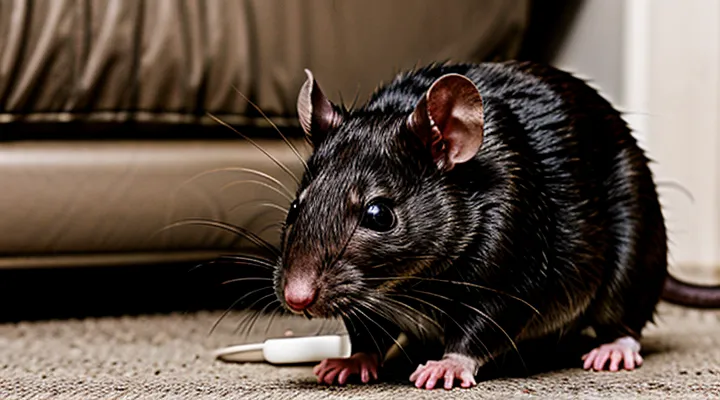
Understanding Rat Neutering
What is Neutering?
Surgical Procedure for Males
Neutering male rats requires a brief, sterile operation performed under general anesthesia. The protocol begins with a health assessment, followed by induction of inhalant or injectable anesthetic to achieve unconsciousness and analgesia. Once the animal is stable, the ventral abdominal wall is shaved and disinfected.
The surgeon makes a 1‑2 cm midline incision just caudal to the umbilicus. The testes are exteriorized through the incision, the spermatic cords are ligated with absorbable suture material, and the testes are excised. The incision is closed with a simple interrupted suture pattern using monofilament absorbable thread. Topical antibiotic ointment may be applied before the animal is returned to a warm recovery cage.
Post‑operative care includes monitoring for respiratory distress, bleeding, or infection during the first 24 hours. Analgesics are administered for 48–72 hours to minimize discomfort. Normal activity typically resumes within 3–5 days, and the wound heals completely in about 10 days.
Key considerations
-
Advantages
- Eliminates unwanted breeding and associated population growth.
- Reduces aggression and territorial marking behaviors.
- Lowers risk of testicular tumors and prostatitis.
-
Disadvantages
- Requires anesthesia, with inherent cardiovascular and respiratory risks.
- Potential for post‑operative infection if aseptic technique is compromised.
- Permanent loss of reproductive capability, which may be undesirable for research breeding programs.
Successful outcomes depend on strict adherence to aseptic technique, accurate dosing of anesthetic agents, and diligent post‑operative monitoring.
Surgical Procedure for Females (Spaying)
Spaying a female rat involves a brief surgical intervention performed under general anesthesia. The veterinarian makes a small ventral incision, isolates the ovaries and uterus, ligates the blood vessels, and removes the reproductive organs. The incision is closed with absorbable sutures, and the animal is monitored until it regains consciousness. Recovery typically lasts 24–48 hours, during which the rat should remain in a quiet, warm environment with easy access to food and water.
Key aspects of the procedure:
- Pre‑operative blood work to assess health status.
- Use of inhalant anesthetic (e.g., isoflurane) for rapid induction and recovery.
- Sterile technique to prevent infection.
- Post‑operative analgesia (e.g., meloxicam) administered for 48 hours.
- Daily inspection of the incision site for swelling or discharge.
Pros of spaying female rats:
- Elimination of estrus cycles removes heat‑related aggression and territorial marking.
- Prevents unwanted litters, reducing population pressure in laboratory or pet settings.
- Decreases risk of reproductive tract neoplasia, which is common in older females.
- Stabilizes body weight by removing hormonal fluctuations that can affect appetite.
Cons of spaying female rats:
- Surgical risk includes anesthesia complications, hemorrhage, or infection.
- Potential for reduced fertility, which may be undesirable for breeding programs.
- Healing period requires temporary separation from other rats to avoid wound trauma.
- Small size of the animal demands precise technique; inexperienced practitioners may increase complication rates.
Overall, spaying provides a reliable method to control reproduction and improve health outcomes, provided the operation is performed by a qualified professional and postoperative care is rigorously applied.
Why Consider Neutering a Rat?
Behavioral Benefits
Neutering male rats reduces territorial aggression and diminishes the likelihood of fighting with conspecifics. The procedure suppresses the hormonal drive that triggers dominant behavior, resulting in a calmer social environment within the cage.
Female rats experience fewer instances of heat‑driven restlessness after sterilization. The removal of estrous cycles eliminates the surge of estrogen that can cause pacing, heightened vocalization, and frequent attempts to escape.
Key behavioral advantages include:
- Decreased aggression toward cage mates
- Lowered incidence of mounting and other sexually motivated actions
- More consistent activity patterns, facilitating regular handling and training
- Reduced stress‑related behaviors such as excessive grooming or stereotypies
Overall, neutered rats exhibit steadier temperaments, making them more suitable for research settings and as companion animals.
Health Benefits
Neutering male and female rats eliminates the reproductive hormone surge that drives aggressive behavior and territorial marking, resulting in a calmer animal less prone to stress‑induced illnesses. The procedure removes the testes or ovaries, which reduces the risk of hormone‑related cancers such as testicular, ovarian, and uterine tumors. Without the hormonal drive to breed, the immune system is less taxed, leading to improved overall resilience.
Key health advantages include:
- Reduced cancer incidence: Early removal of gonadal tissue lowers the probability of malignant growths in the reproductive organs.
- Decreased incidence of uterine infections: Spaying eliminates the possibility of pyometra, a life‑threatening uterine infection.
- Lowered risk of prostate abnormalities: Castration prevents prostate hyperplasia and associated urinary complications.
- Stabilized metabolic rate: Hormone balance after neutering supports more consistent weight management, decreasing obesity‑related disorders.
Potential health considerations involve surgical stress and anesthesia risks. Proper peri‑operative care—sterile technique, appropriate analgesia, and postoperative monitoring—mitigates complications. In well‑managed settings, the benefits substantially outweigh the short‑term risks, making neutering a sound preventive health measure for pet rats.
The Pros of Neutering Rats
Behavioral Improvements
Reducing Aggression
Neutering male rats commonly leads to a measurable decline in territorial and dominance‑related behaviors. Hormonal changes after the procedure reduce the production of testosterone, which directly influences aggressive displays such as biting, chasing, and mounting.
The effect on female rats is less pronounced but still observable. Removal of ovaries eliminates estrous cycles that can trigger irritability and heightened reactivity to other rats. Consequently, group housing becomes more stable, and incidents of fighting decrease.
Key considerations when evaluating this intervention include:
- Behavioral benefit – lower frequency of aggressive encounters, reduced risk of injury, smoother integration of new individuals.
- Health impact – surgical stress and anesthesia carry short‑term risks; postoperative infection or complications may arise.
- Reproductive loss – inability to breed eliminates potential for population expansion, which may be undesirable in research or breeding programs.
- Longevity – some studies suggest neutered rats live longer due to decreased stress and trauma, while others report no significant lifespan change.
Decision makers must weigh the reduction in aggression against surgical risks and the loss of reproductive capacity to determine whether neutering aligns with their specific management goals.
Preventing Unwanted Breeding
Unwanted breeding among pet rats leads to rapid population growth, increased competition for food, and heightened risk of disease transmission. Controlling reproduction eliminates these issues and simplifies husbandry.
Neutering directly prevents mating by removing the reproductive organs. The procedure eliminates the physiological drive to seek partners, thereby removing the possibility of accidental litters.
Advantages
- Eliminates pregnancy and associated complications.
- Reduces aggression and territorial behavior in many individuals.
- Lowers incidence of testicular or ovarian tumors.
- Decreases scent marking and urine spraying.
Disadvantages
- Requires anesthesia, which carries inherent risk.
- Involves surgical cost and post‑operative care.
- May alter hormonal balance, potentially affecting activity levels.
Effective implementation depends on timing the surgery before sexual maturity, selecting a veterinarian experienced with rodents, and providing analgesia and a quiet recovery environment. Proper planning ensures that the benefits of preventing unwanted litters outweigh the procedural drawbacks.
Marking Behavior Reduction
Neutering rats directly influences their territorial scenting, a behavior driven by hormonal activity. Surgical removal of the testes eliminates the primary source of testosterone, which in turn suppresses the urge to deposit urine or glandular secretions on cage surfaces and surrounding objects.
The physiological shift reduces the frequency and intensity of marking. Without the hormonal trigger, rats exhibit calmer social interactions, leading to fewer instances of aggressive or dominant displays that typically accompany scent marking.
Advantages of reduced marking
- Decreased odor levels in the enclosure, facilitating cleaner maintenance.
- Lower risk of conflict among co‑habiting rats, supporting group stability.
- Reduced staining of bedding and equipment, extending their usable lifespan.
Potential drawbacks
- Possible weight gain due to altered metabolism, requiring dietary adjustments.
- Slight increase in susceptibility to certain cancers, as testosterone influences cell regulation.
- Surgical risks such as infection or anesthesia complications, demanding proper postoperative care.
Health Advantages
Preventing Reproductive Cancers
Neutering eliminates the primary sources of estrogen and testosterone that drive most reproductive tumors in rats, thereby removing the hormonal stimulus for cancer development. Female rats that undergo ovariohysterectomy experience a marked reduction in mammary carcinoma incidence, while castrated males show a near‑absence of testicular neoplasms.
The preventive effect stems from the removal of gonadal tissue, which halts cycles of cellular proliferation in the uterus, ovaries, and testes. Without these organs, the likelihood of malignant transformation in the associated glands drops dramatically.
Advantages related to cancer prevention
- Elimination of estrogen‑driven mammary tumors in females
- Complete removal of testicular cancer risk in males
- Decreased incidence of uterine and ovarian neoplasms
- Lower overall lifetime health costs due to reduced veterinary interventions
Potential drawbacks
- Surgical risks, including infection and anesthesia complications
- Permanent loss of reproductive capability, affecting breeding programs
- Possible hormonal imbalances that may influence behavior or metabolism
Decision‑makers should weigh the substantial reduction in cancer risk against surgical hazards and the loss of fertility. In environments where breeding is not a priority, neutering offers a reliable strategy to protect rats from reproductive malignancies.
Reducing Risk of Pyometra in Females
Neutering female rats eliminates the hormonal cycle that predisposes them to uterine infection, thereby removing the primary cause of pyometra. The surgical removal of ovaries halts estrogen and progesterone fluctuations, which otherwise stimulate uterine secretions and bacterial growth.
Key mechanisms that lower pyometra risk include:
- Absence of estrous cycles prevents endometrial thickening, reducing sites for bacterial colonization.
- Elimination of progesterone removes immunosuppressive effects that impair uterine defenses.
- Decreased vaginal discharge limits exposure to environmental pathogens.
Additional benefits accompany the reduced disease risk:
- Longer reproductive lifespan without the burden of uterine pathology.
- Lower veterinary costs associated with emergency treatment of pyometra.
- Improved overall health status, contributing to higher survival rates in laboratory and pet populations.
Potential considerations:
- Surgical procedure entails anesthesia risk; proper pre‑operative assessment mitigates complications.
- Permanent loss of fertility; breeding programs must plan for genetic preservation before neutering.
Mitigating Hormonal Imbalances
Neutering rats eliminates the primary source of sex hormones, which can disrupt normal physiological rhythms. Sudden reductions in testosterone or estrogen often manifest as reduced activity, altered grooming patterns, or temporary weight fluctuations. Recognizing these effects enables targeted management.
Effective mitigation includes:
- Gradual dietary adjustment: increase protein and essential fatty acids to support metabolic stability.
- Controlled environmental enrichment: provide nesting material, tunnels, and regular handling to reduce stress‑induced hormonal spikes.
- Supplemental phytoestrogens or low‑dose hormone analogues: administered under veterinary supervision to smooth the transition period.
- Monitoring body condition: weekly weight checks and body‑condition scoring guide timely interventions.
Implementing these measures limits the duration of hormonal imbalance, preserves normal growth trajectories, and maintains immune competence. Veterinarians recommend a post‑operative observation window of two to four weeks, during which adjustments are evaluated and refined.
The Cons and Considerations of Neutering Rats
Risks Associated with Surgery
Anesthesia Complications
Neutering rats requires general anesthesia, and complications can affect the safety and outcome of the procedure.
Common anesthesia complications include:
- Respiratory depression caused by opioid or inhalant agents, leading to reduced oxygen saturation and the need for assisted ventilation.
- Cardiovascular instability such as hypotension or arrhythmias, often triggered by rapid induction or excessive dosages.
- Hypothermia due to the small body mass of rats, which accelerates heat loss during the surgical period and may prolong recovery.
- Delayed emergence from anesthesia, resulting from over‑dosage or impaired metabolism, which can increase stress and risk of injury.
- Allergic or idiosyncratic reactions to anesthetic drugs, manifested as edema, urticaria, or anaphylaxis.
Mitigation strategies involve pre‑operative assessment of weight, age, and health status; selection of short‑acting agents at the lowest effective dose; maintenance of ambient temperature; continuous monitoring of pulse oximetry, heart rate, and respiratory pattern; and immediate availability of reversal agents and emergency support.
Understanding these risks enables veterinarians and researchers to balance the benefits of rat sterilization against the potential hazards associated with anesthesia, thereby improving overall welfare and procedural success.
Post-Operative Infections
Post‑operative infections represent a primary health risk after rat sterilization. Bacterial contamination can arise from surgical instruments, the animal’s skin flora, or the environment. Prompt identification and treatment reduce morbidity and prevent complications that could outweigh the benefits of the procedure.
Typical signs include swelling, redness, heat, discharge, reduced appetite, lethargy, and elevated temperature. Observation should begin immediately after surgery and continue for at least ten days, the period during which most infections emerge.
Preventive measures:
- Sterilize all instruments according to veterinary standards.
- Apply an approved antiseptic solution to the incision site before closure.
- Use sutures or wound clips that minimize tissue trauma.
- House the rat in a clean, low‑stress cage with fresh bedding and limited contact with other animals for the first 48 hours.
- Administer prophylactic antibiotics as prescribed by a veterinarian, respecting dosage and duration.
If infection develops, treatment protocol includes:
- Culture the wound to identify the pathogen when feasible.
- Initiate broad‑spectrum antibiotics pending results, then adjust based on sensitivity.
- Clean the wound daily with sterile saline, removing necrotic tissue if present.
- Monitor pain levels and provide analgesics to maintain normal feeding and activity.
Overall, diligent postoperative care mitigates infection risk, allowing the advantages of rat neutering—population control, reduced aggression, and lower incidence of reproductive diseases—to be realized without compromising animal welfare.
Pain Management
Pain control is a central factor when evaluating the benefits and drawbacks of rat sterilization. Effective analgesia reduces physiological stress, promotes rapid recovery, and minimizes behavioral disturbances that could affect colony dynamics.
Veterinarians typically employ a multimodal protocol:
- Pre‑operative administration of a non‑steroidal anti‑inflammatory drug (NSAID) such as meloxicam, dosed according to body weight.
- Intra‑operative injection of a short‑acting opioid (e.g., buprenorphine) to cover the immediate surgical window.
- Post‑operative continuation of the NSAID for 48–72 hours, supplemented by a low‑dose opioid if signs of discomfort persist.
Monitoring criteria include:
- Reduced grooming of the incision site.
- Normal feeding and water intake.
- Absence of vocalization or excessive movement when handled.
Failure to provide adequate analgesia can lead to prolonged inflammation, delayed wound healing, and increased mortality risk, which weigh against the reproductive control advantages of neutering. Conversely, a well‑structured pain regimen supports the overall health of the animal, reinforcing the argument for sterilization when population management is required.
Financial Aspects
Cost of the Procedure
The financial aspect of rat sterilization is a decisive factor for many owners. Understanding the price structure helps avoid unexpected expenses and supports informed decision‑making.
In most veterinary practices, the procedure costs between $50 and $150. Specialty clinics may charge $120–$200, reflecting higher overhead and specialized expertise. Prices can differ substantially across regions, with urban centers typically at the upper end of the range.
Key elements influencing the total cost include:
- Type of facility (general practice vs. exotic‑animal specialist)
- Anesthetic protocol and monitoring equipment
- Pre‑operative health assessment and laboratory tests
- Post‑operative pain management and medication
- Follow‑up examination or suture removal
Additional charges often arise from mandatory pre‑procedure blood work ($30–$60), analgesic medication ($10–$25), and a post‑operative check‑up ($20–$40). Some clinics bundle these items into a single fee, while others list them separately.
When compared with neutering other small mammals, rats are generally less expensive than guinea pigs or ferrets, whose procedures can exceed $200. The lower body mass of rats reduces anesthesia risk and medication dosage, contributing to the reduced price.
Evaluating the expense against long‑term benefits—preventing unwanted litters, reducing aggressive behavior, and decreasing the risk of reproductive diseases—reveals a favorable cost‑benefit ratio. Owners who factor in both the upfront outlay and the potential savings from avoided health issues and population control often find the procedure financially justified.
Post-Operative Care Expenses
The financial responsibilities after a rat’s sterilization procedure extend beyond the surgical fee. Immediate costs include prescribed analgesics and antibiotics, typically priced per dose and required for several days to prevent pain and infection. Additional expenses arise from wound management supplies such as sterile gauze, antiseptic solution, and a protective collar to discourage the animal from biting the incision.
Long‑term care may involve:
- Follow‑up veterinary appointments to assess healing, usually billed per visit.
- Laboratory tests if postoperative complications are suspected, priced per analysis.
- Specialized nutrition or supplements recommended for recovery, billed per package.
Owners should also budget for unforeseen issues, such as suture removal, treatment of abscesses, or emergency care if the rat exhibits signs of distress. Accurate cost estimation helps prevent financial strain and ensures consistent, high‑quality postoperative support.
Potential Side Effects
Weight Gain
Neutering a rat alters hormonal balance, which commonly leads to reduced metabolic rate. As a result, neutered individuals tend to gain weight more rapidly than intact counterparts when provided with the same diet.
- Calorie intake unchanged, but energy expenditure declines.
- Fat deposition concentrates around the abdomen and hindquarters.
- Muscle mass may decrease slightly, further affecting body composition.
Potential benefits of weight gain include increased resilience to cold and a buffer against short‑term food scarcity. However, excessive adiposity raises the risk of health problems such as insulin resistance, fatty liver disease, and joint stress, which can shorten lifespan and impair mobility.
Effective management relies on adjusting feeding protocols and encouraging activity. Strategies:
- Reduce daily kibble portions by 10–15 % after surgery.
- Offer high‑fiber, low‑fat treats sparingly.
- Provide enrichment items that promote climbing and running.
- Monitor body condition weekly, using a standardized scoring system.
Implementing these measures mitigates the negative impact of post‑neutering weight gain while preserving the reproductive‑control advantages of the procedure.
Changes in Coat Quality
Neutering a rat often leads to noticeable changes in fur condition. Hormonal balance shifts after the procedure, reducing the production of androgen-driven oils that can cause a greasy appearance. As a result, the coat typically becomes drier and may develop a softer texture.
The alteration in coat quality can be advantageous for caretakers. A drier coat reduces the frequency of cleaning required for bedding and enclosure surfaces. Additionally, a softer fur enhances handling comfort during routine health checks.
Potential drawbacks accompany these benefits. Some rats experience a thinner undercoat, which may increase susceptibility to temperature fluctuations. Owners may need to provide supplemental warmth during colder periods to prevent hypothermia.
Factors influencing the extent of coat change include the rat’s age at neutering, genetic predisposition, and diet quality. Maintaining a balanced nutrition plan rich in essential fatty acids supports healthy fur regeneration regardless of hormonal status.
Hormonal Changes
Neutering rats eliminates the primary source of testosterone, producing a rapid decline in circulating androgen levels. The endocrine axis adjusts: the hypothalamus and pituitary increase gonadotropin‑releasing hormone and luteinizing hormone output, but the absence of testes prevents downstream testosterone synthesis.
Reduced androgen concentration influences several physiological and behavioral parameters:
- Aggression drops markedly, leading to calmer group dynamics.
- Territorial marking with urine and glandular secretions diminishes, simplifying cage maintenance.
- Incidence of hormone‑sensitive neoplasms, such as testicular and prostate tumors, falls to near zero.
- Body weight stability improves when caloric intake matches the lower metabolic rate.
Conversely, the hormonal shift carries disadvantages:
- Sexual motivation disappears, eliminating natural mating behavior and associated enrichment.
- Lower basal metabolism can predispose to adiposity if diet is not moderated.
- Bone remodeling slows, potentially affecting skeletal strength over long periods.
- Pheromone production declines, reducing social signaling cues important for colony hierarchy.
Understanding these hormonal consequences is essential for making an evidence‑based decision about castrating rats.
Alternatives to Neutering
Behavioral Management Techniques
Neutering alters hormone levels, usually reducing territorial aggression, mounting, and scent marking in male rats. Females often show fewer heat cycles and associated irritability after ovariectomy. The behavioral shift creates a baseline that simplifies training and social integration.
Effective management for neutered rodents includes:
- Positive reinforcement with food rewards for desired actions such as climbing, foraging, or gentle handling.
- Environmental enrichment that provides tunnels, chew toys, and varied textures to prevent boredom‑induced stereotypies.
- Consistent daily interaction to reinforce trust and diminish fear‑based responses.
For intact individuals, behavioral control relies on additional strategies:
- Regular exposure to scent‑neutral zones to limit marking behavior.
- Structured play sessions that channel natural dominance displays into acceptable outlets, such as obstacle courses.
- Hormone‑modulating diets that can temper excessive mating drives without surgical intervention.
Comparing the two conditions reveals:
- Neutered rats require fewer interventions to maintain calm group dynamics, reducing the time spent on aggression management.
- Intact rats demand more frequent monitoring and targeted enrichment to prevent conflict, but retain natural reproductive behaviors valuable for breeding programs.
- Both groups benefit from consistent reinforcement schedules; however, the intensity of reinforcement needed is typically lower for neutered animals because baseline aggression is already diminished.
Environmental Enrichment
Environmental enrichment provides sensory, cognitive, and physical stimulation that mitigates stress and promotes natural behaviors in domesticated rats. Items such as tunnels, chewable branches, climbing structures, and puzzle feeders replicate elements of a wild habitat, encouraging exploration and problem‑solving.
Neutering alters hormonal profiles, typically reducing territorial aggression and mating-driven activity. The reduction in drive can lead to calmer individuals, yet it may also diminish spontaneous locomotion. Consequently, enriched environments become essential to sustain adequate activity levels and prevent boredom in neutered rats.
Advantages of enrichment for neutered rats
- Maintains muscular tone and cardiovascular health despite lower innate drive.
- Reduces incidence of stereotypic behaviors such as bar‑biting or repetitive pacing.
- Supports mental acuity, decreasing the likelihood of anxiety‑related disorders.
- Encourages natural foraging instincts through puzzle feeders and hidden treats.
Potential challenges
- Over‑stimulating objects may provoke excessive chewing, risking damage to cage components.
- Complex puzzles can frustrate less active individuals, leading to disengagement.
- Additional enrichment items increase cleaning workload and may harbor pathogens if not sanitized regularly.
- Some materials (e.g., untreated wood) can introduce toxins, especially when hormonal changes affect liver metabolism.
Implement enrichment by rotating a limited set of items weekly, monitoring interaction patterns, and adjusting complexity to match each rat’s activity level. Prioritize safe, chew‑resistant materials, and ensure daily inspection for wear or contamination. Consistent enrichment compensates for the behavioral shift caused by neutering, promoting overall welfare and longevity.
Responsible Pet Ownership Practices
Responsible pet ownership of rats involves making informed decisions about neutering, understanding both benefits and drawbacks, and applying standard care practices. Neutering reduces the likelihood of aggressive behavior, minimizes the risk of reproductive diseases, and prevents unwanted litters that could strain shelter resources. Conversely, the procedure carries surgical risks, may affect hormone‑driven activity levels, and adds financial cost to routine care.
Key practices for owners considering neutering include:
- Consulting a veterinarian experienced with small mammals to evaluate health status before surgery.
- Ensuring pre‑operative fasting and proper hydration to reduce anesthesia complications.
- Providing a quiet, temperature‑controlled recovery area for at least 24 hours, monitoring for signs of infection or pain.
- Maintaining regular health checks post‑operation to detect any long‑term effects on weight, behavior, or organ function.
- Keeping detailed records of the procedure, including date, surgeon, and any post‑operative medications.
Overall, responsible rat caretakers balance the preventive advantages of neutering against potential risks, integrate veterinary guidance, and uphold consistent welfare standards throughout the animal’s life.
Deciding if Neutering is Right for Your Rat
Consulting with a Veterinarian
Consulting a qualified veterinarian before deciding on rat neutering ensures that the procedure aligns with the animal’s health status and the owner’s objectives. A professional assessment identifies underlying conditions, evaluates age suitability, and determines anesthesia risk, preventing complications that could arise from an uninformed choice.
Veterinarians also clarify the biological effects of sterilization. They explain how hormone reduction influences behavior, reproduction, and potential disease susceptibility. This information allows owners to weigh advantages—such as decreased aggression, reduced territorial marking, and lower population growth—against possible drawbacks, including weight gain, altered scent signaling, and the irreversible nature of the surgery.
Key reasons to involve a veterinarian:
- Accurate health screening (blood work, physical exam) before surgery
- Selection of appropriate anesthesia and pain management protocols
- Guidance on post‑operative care, including diet adjustments and monitoring for infection
- Access to certified veterinary surgeons experienced with small mammals
- Documentation for legal or breeding program requirements
A veterinarian’s expertise also extends to alternative strategies. If neutering is deemed unsuitable, the professional can recommend behavioral modification techniques, environmental enrichment, or hormonal monitoring to achieve comparable outcomes without surgery. Engaging a veterinary specialist thus provides a comprehensive risk‑benefit analysis, tailored recommendations, and ongoing support throughout the rat’s lifespan.
Assessing Individual Rat's Health and Temperament
Evaluating a rat’s health and temperament is essential before deciding on sterilization. Physical examination should include weight measurement, coat condition, and respiratory sounds. Observe for signs of illness such as nasal discharge, wheezing, or abnormal stool. Record any injuries, dental overgrowth, or skin lesions, as these may affect surgical risk.
Behavioral assessment focuses on activity level, social interaction, and response to handling. Note whether the rat is aggressive, fearful, or unusually docile. Consistency in exploring the environment and willingness to accept gentle restraint indicate stable temperament, which can simplify postoperative care.
Key indicators for a sound health and temperament profile:
- Stable body weight within species norms
- Clear, bright eyes and clean ears
- Normal grooming behavior
- Calm response to routine handling
- Positive interaction with cage mates
When these criteria are met, the animal is generally a suitable candidate for neutering, minimizing complications and facilitating recovery. If any parameter deviates markedly, veterinary consultation is advised to address underlying issues before proceeding.
Weighing the Benefits Against the Risks
Neutering rats is a routine veterinary procedure intended to prevent reproduction and modify certain physiological traits.
Benefits
- Reduced incidence of reproductive cancers and uterine infections.
- Lowered aggression and territorial marking in males, leading to calmer coexistence with cage mates.
- Prevention of accidental litters, which curtails overpopulation and associated shelter strain.
Risks
- Surgical complications such as infection, hemorrhage, or anesthesia reactions.
- Possible hormonal imbalance that may affect coat quality or metabolic rate.
- Financial cost of the operation and required postoperative care.
Weighing these factors requires evaluating individual health status, living conditions, and the owner’s capacity to manage postoperative needs. Consultation with a qualified veterinarian provides the most reliable basis for deciding whether the procedure aligns with the animal’s welfare and the owner’s responsibilities.